Proximity Project
 Biodiversity Walk – Bheemanakatte Lake
On a sunny Saturday morning, about 10 residents gathered at Bheemanakatte Lake and set out on a slow walk with Ekansh our in-house naturalist and an avid birder
People leaned in (literally and otherwise) following Ekansh’s cues, tracing movement in the trees, on the rocks, and in the water, noticing the busy lives they’re otherwise not privy to.
This walk was part of how we’re thinking about engagement with our Experience Centres- this time with the Rivers Experience Center. At Socratus, we’ve been trying to start not with an information dump, but with encounter- with what is already present in a place, (waiting to be noticed.)
As Ekansh shared stories and snippets about the species around, the group slowly slipped into a different rhythm. By the end of the walk, the group had collectively documented 36 species  . It was the surprise of it all, that such abundance sits so close to home, largely unannounced, offering a wonderful reminder of the biodiversity that urban lakes continue to support.
In many ways, this is where we see our role at Socratus: creating the conditions for these moments to surface. We closed the morning with a visit to the Rivers Experience Center. After the immediacy of the lake, the centre offered a different kind of engagement. Here, the same curiosity found a bit more structure, stretching into questions about rivers, water systems, and the wider ecological threads that connect what we had just seen.
The shift was from noticing, to understanding, to perhaps, caring just a little more than when we arrived.
These engagements are less about one-off events and more about creating entry points into public problems (learning is fun). By bringing together local residents, domain experts, and neighbourhood spaces, we’re able to shift how people relate to their immediate environment. Over time, we’re hoping, this builds a base of engaged actors, surfaces local leadership, and creates pathways for deeper, sustained action (Socratus’s way - ecosystem enabling). The KYC Experience Centres then act as anchors where this curiosity can evolve into understanding, discovery and participation, while also serving as spaces to test and refine approaches in real time sandbox architecture- creating contained, testable environments for change at the neighbourhood level) which sits at the heart of the Proximity Project.
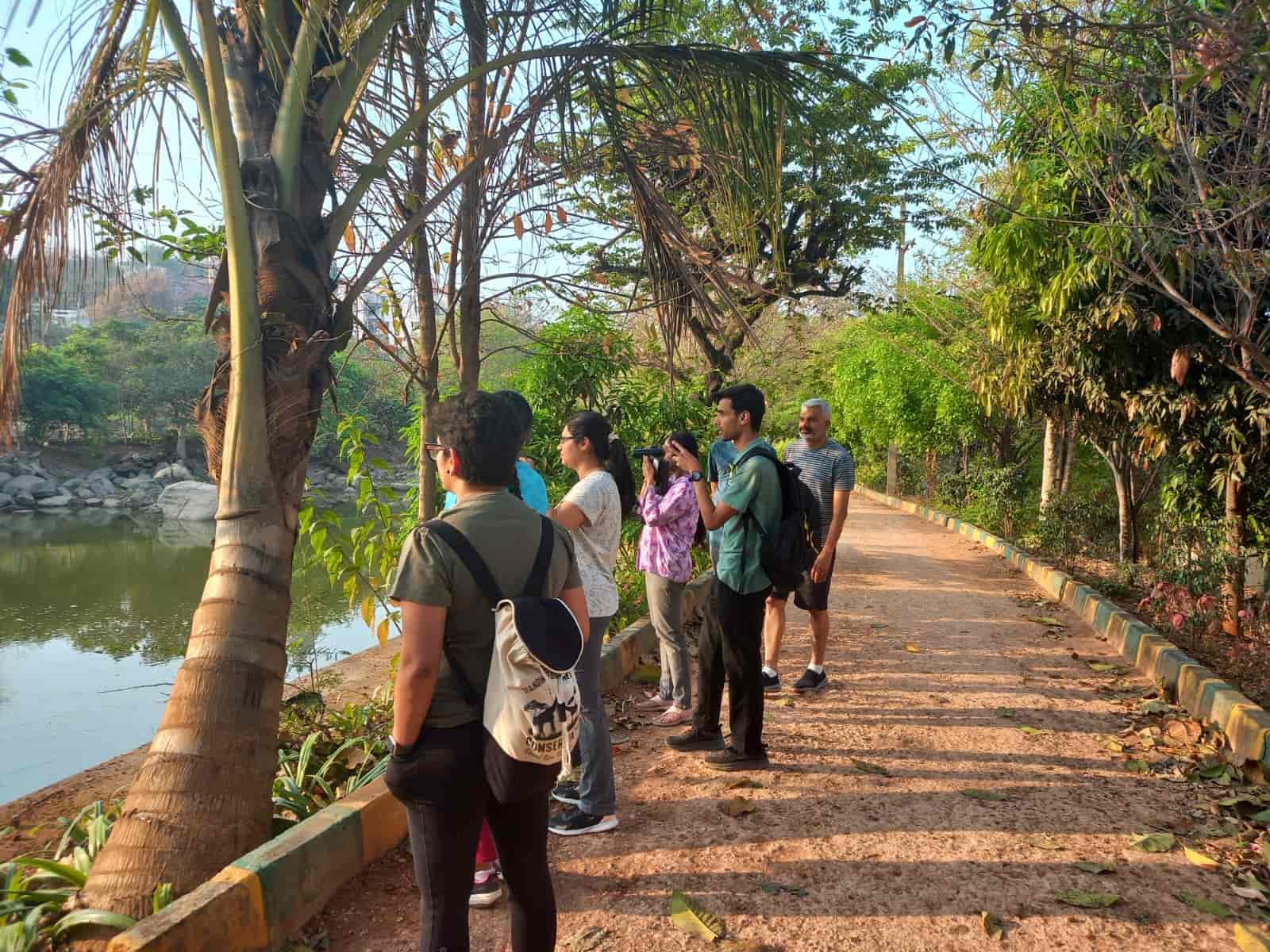
Bird watching Bheemanakatte lake
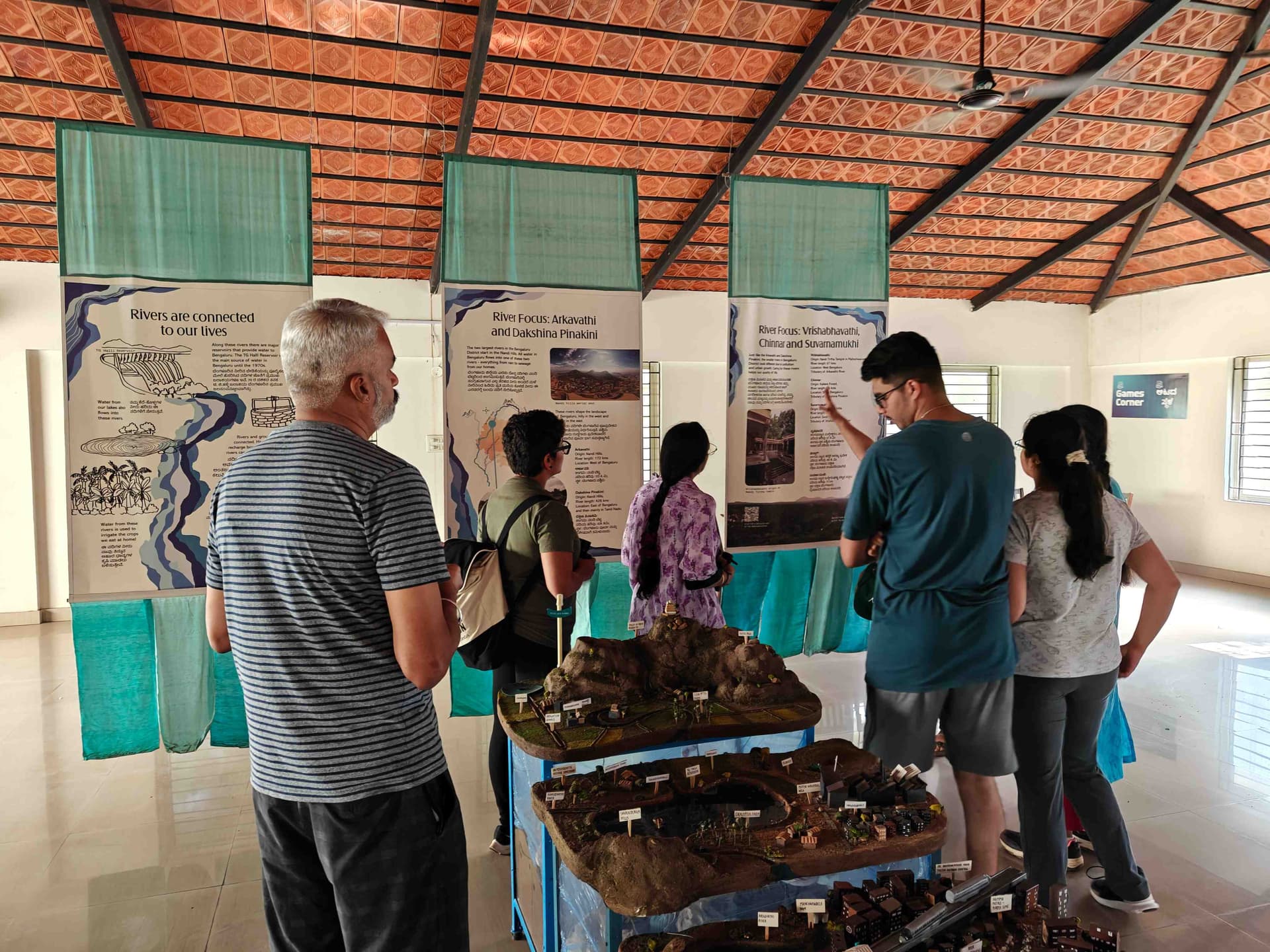
Residents who came for Biodiversity walk also visited Rivers of Bengaluru Experience Center
KYC Centres
How do we come to know our city? And in that process of knowing, can we also begin to shape it? About a year ago, in conversations within civil society, an idea began to take form; that meaningful change might come not from scale alone, but from depth: engaging people within their own neighbourhoods, where shifts in behaviour and attitudes feel possible, even around large and seemingly intractable challenges like climate change or rapid urbanisation.
From Proximity to KYC. What is now being framed as Know Your City (KYC) builds on this, rooted in the Proximity Project, but moving towards a more intentional, structured way of engaging with the city.(Socratus’s way -Sandbox Architecture).
The KYC Bengaluru proximity centres in different neighbourhoods provide learning opportunities at the intersection of sustainability and the city. Those have been a great way to find more and more people interested in both.
What’s been encouraging over the past year is not just what has been built, but how it has travelled and recognition that this approach can be adapted and adopted elsewhere. (Ecosystem Enabler — enabling replication by building models others can take forward)
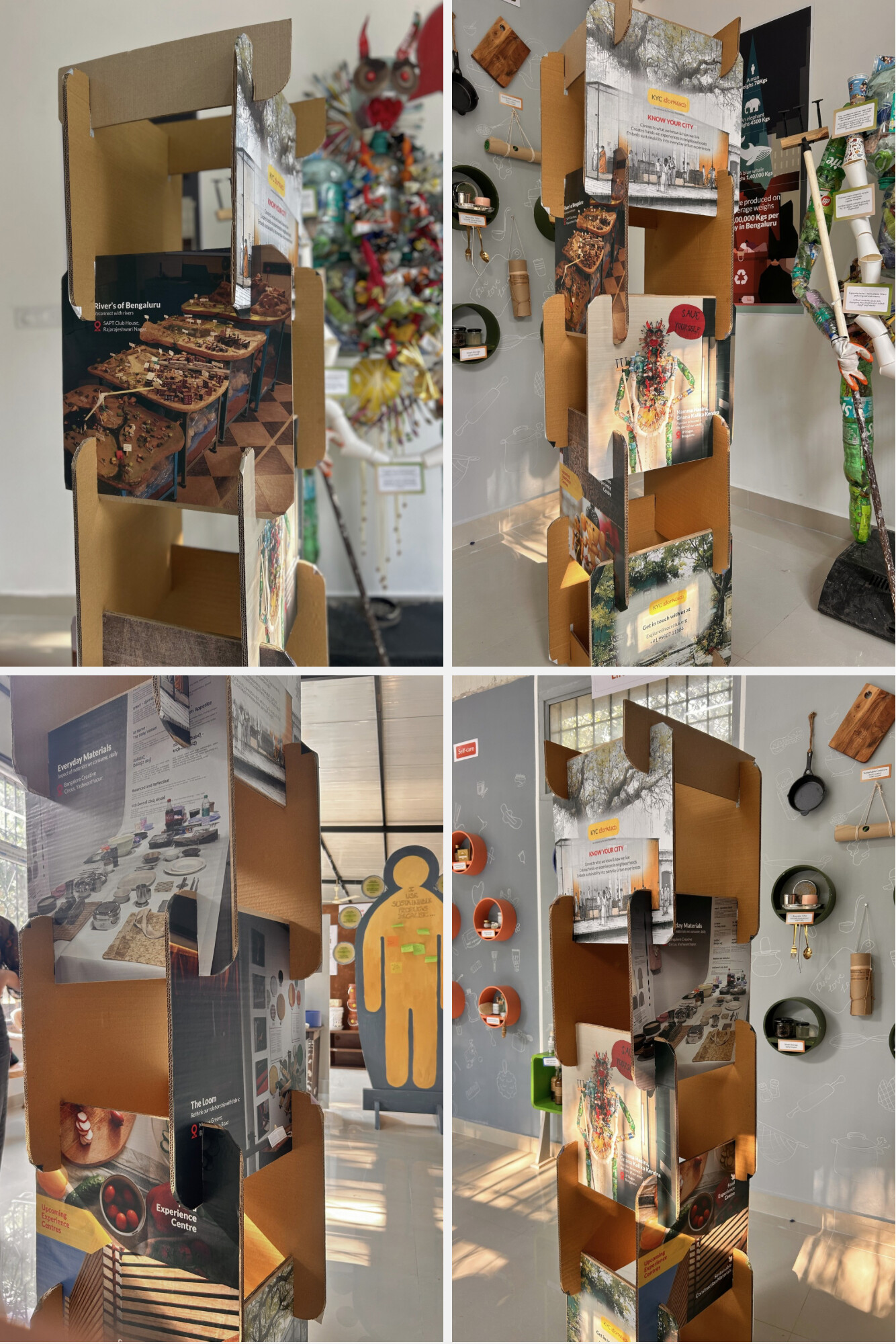
Image of KYC standee
 NEW VENUES
 Rivers of Bengaluru Experience Centre
In March 2026, after three months at RR Nagar, the Rivers of Bengaluru Experience Centre was moved to the National Gallery of Modern Art, Bengaluru (NGMA) as part of its rotation.
Each move changes who the work reaches. At NGMA, we’re seeing people engage who may not actively seek out conversations on water or ecology, but are open to it in the cultural setting.
We’ve been leaning into this approach, working through existing institutions rather than setting up new spaces each time. It allows the work to move, and surfacing the opportunities for the right people to work with each other while staying grounded in the context it enters (Socratus’s Way- Orchestration).
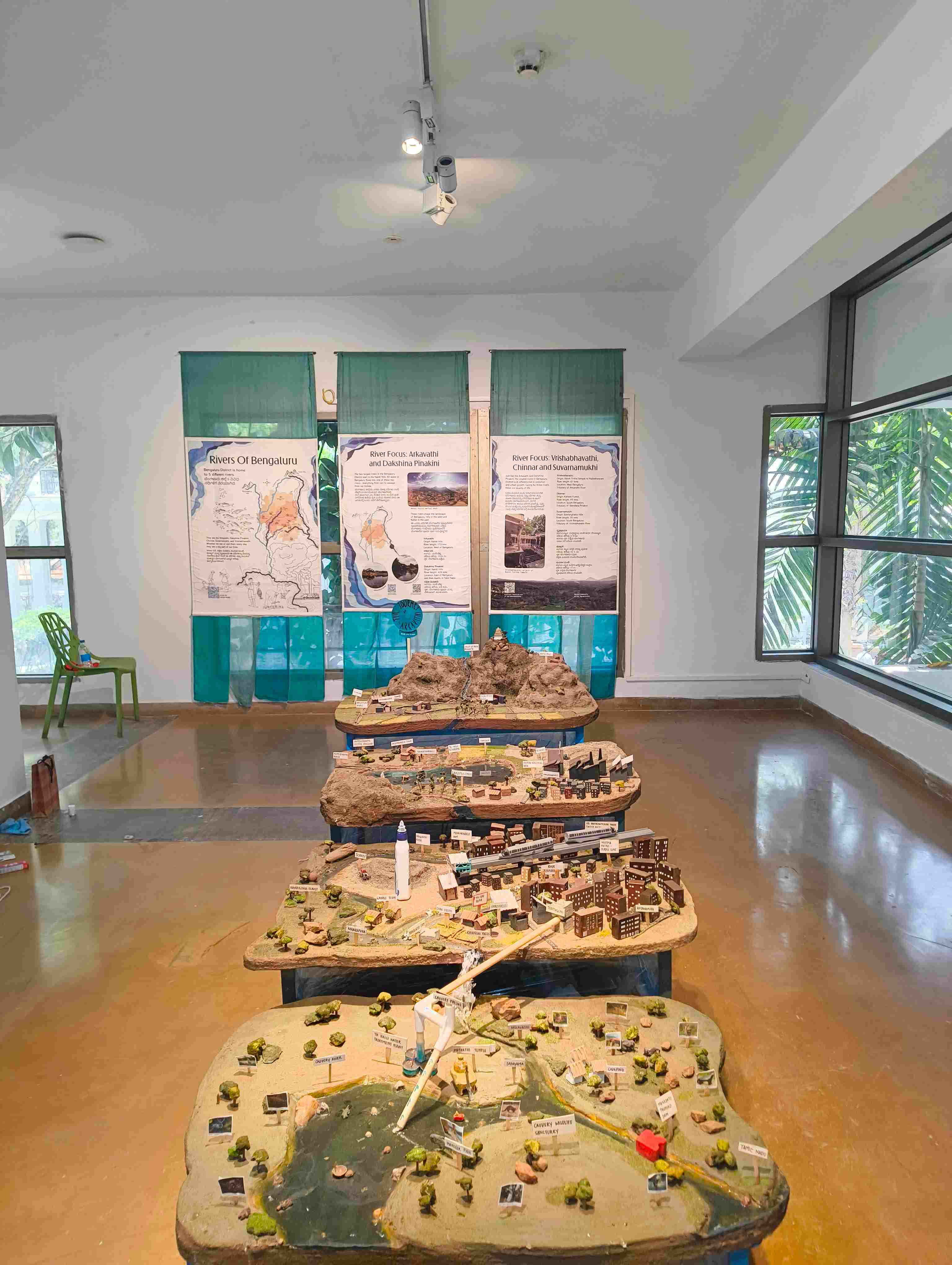
Rivers of Bengaluru @NGMA
 Upcoming 5th KYC Experience Centre
Design and fabrication work for the fifth KYC Experience Centre in the city is now underway, and this should come up in Doddakalasandra on Kanakapura Road in the second week of April. This one will be an Arts of Crafts experience centre, following the first four on the rivers of the city, textiles, everyday materials and waste, which are now being exhibited in four other neighbourhoods in the city.
Proximity in Mumbai
Members of our team spent a weekend in Mumbai exploring what it might take to root the Proximity approach in a new city.
It’s still early, but there are some clear directions emerging a potential Proximity Centre in the city, and early interest in initiatives like Students for the City within a university setting (More on this later).
 Reflections from the Zero-Waste Experience Centre (Namma Hasiru Gnana Kalika Kendra
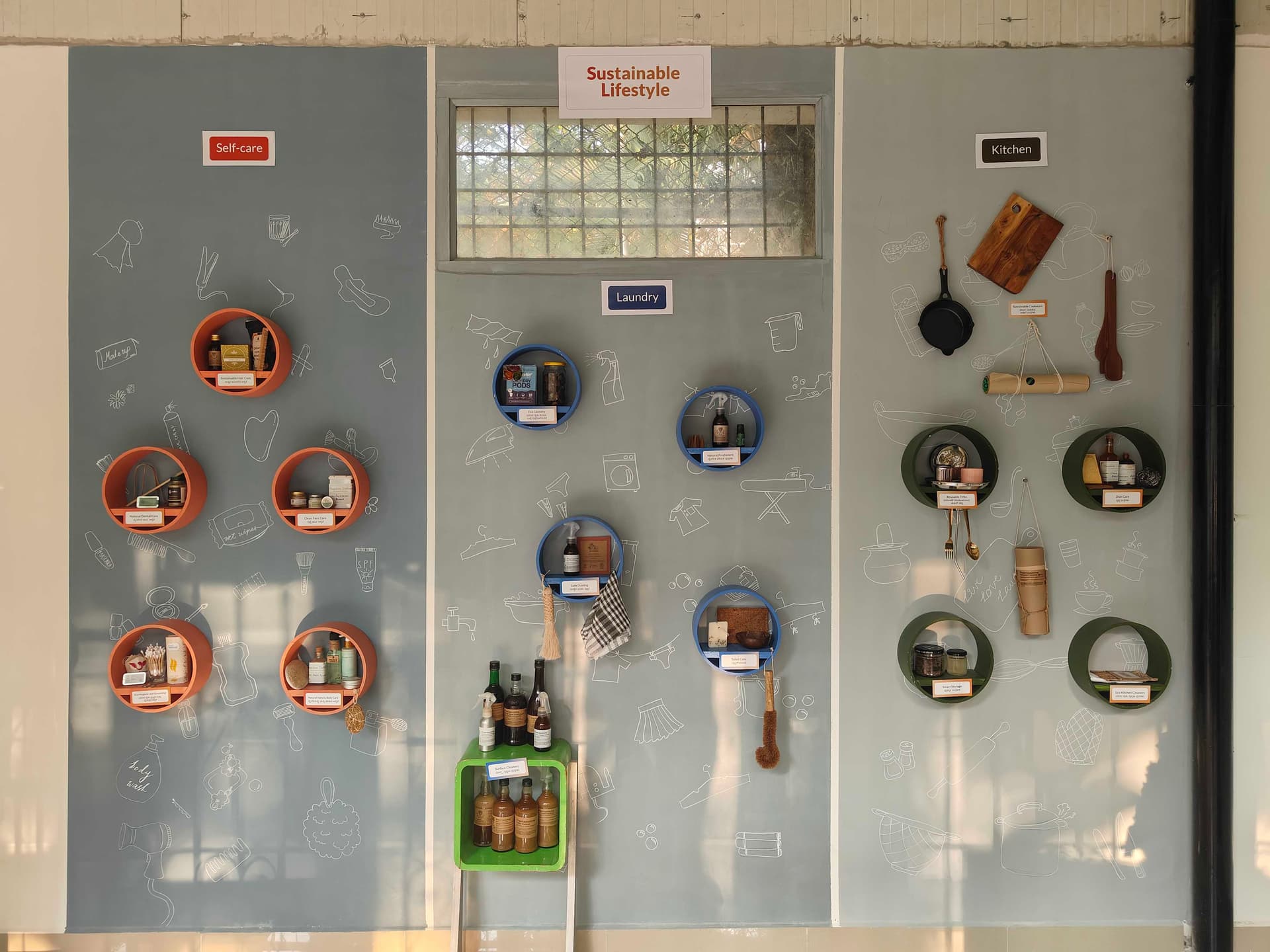
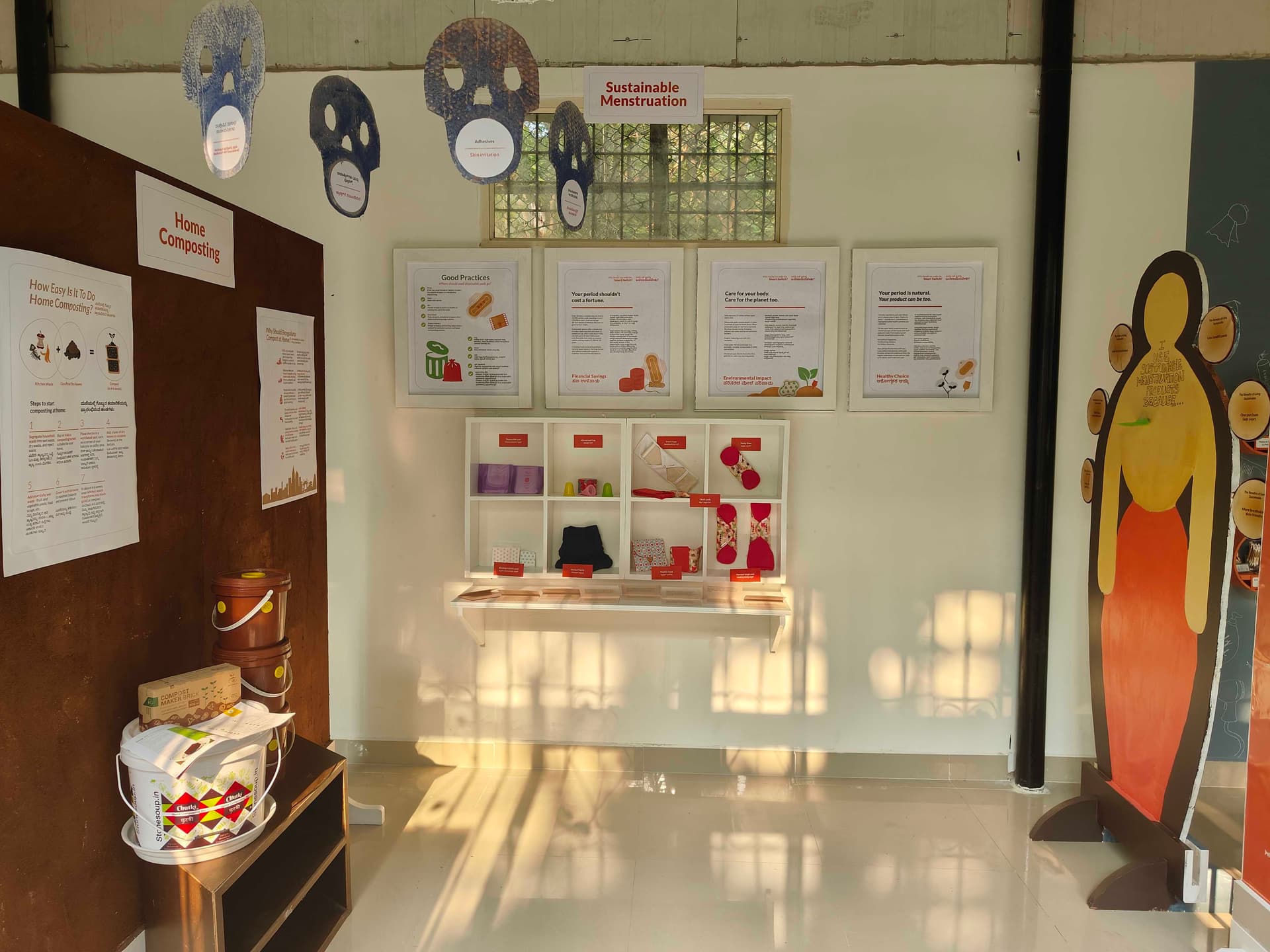
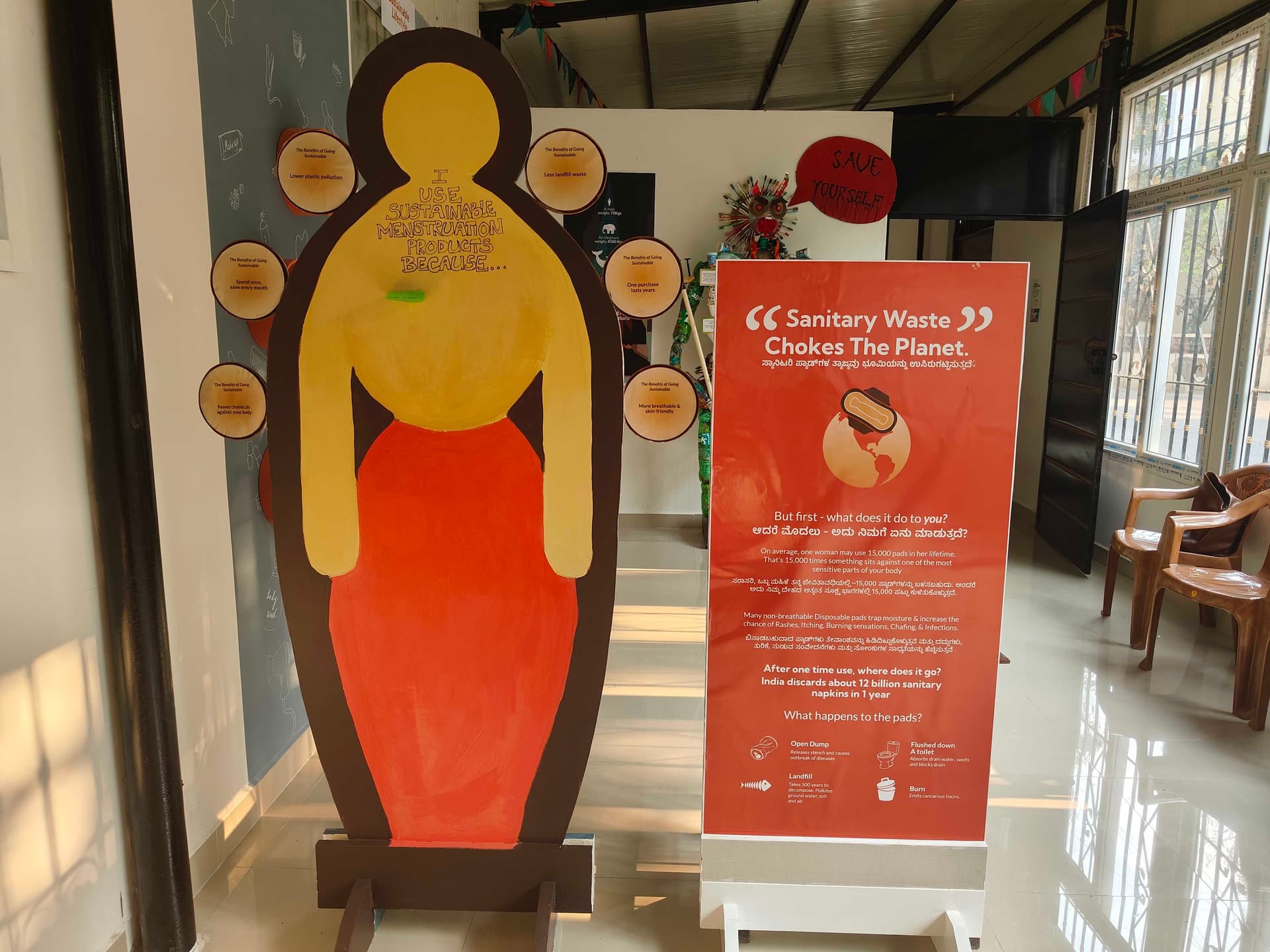
Zone 1 of our much awaited Waste Experience Centre in JP Nagar, was recently completed with a walkthrough with our internal team, the Women of Wisdom community, and a few invited guests.
The purpose of the walkthrough was to test, listen, and adjust in real time what’s working, what isn’t, and what needs to be rethought. While the rest of the centre is still underway, these early interactions are already shaping what it will become.
Participants engaged with the exhibits and shared feedback as they moved through the space. Zone 1 focused on everyday sustainable practices kitchen and laundry alternatives, home composting (including some useful myth-busting), and menstrual products, looking at both health and environmental impacts, with the centre already working as a community space with a good footfall, these early inputs help shape how the experience holds for a wider audience.
Reflections from the Loom Experience Center
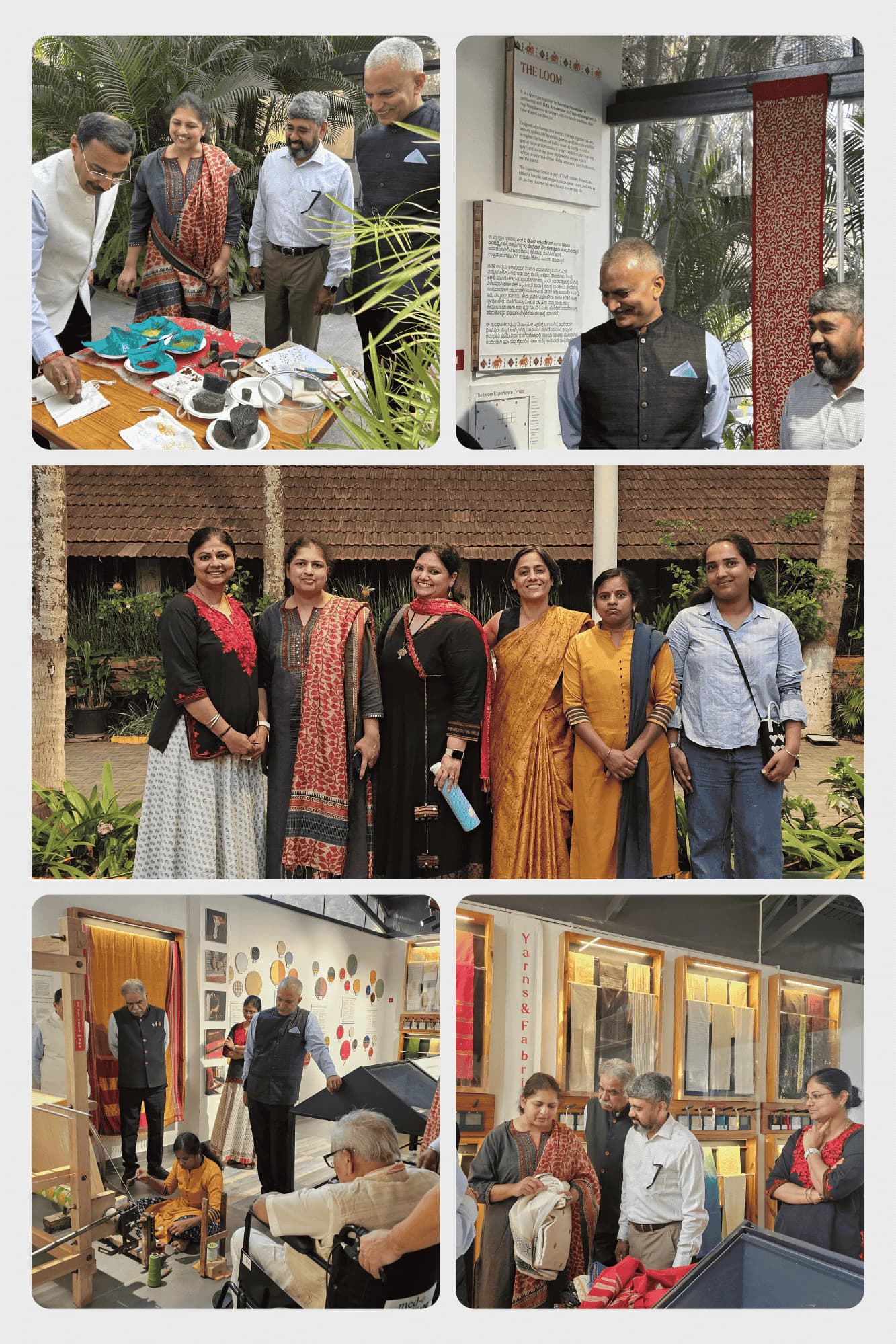
Looming Large: When the Navy  Met the Loom
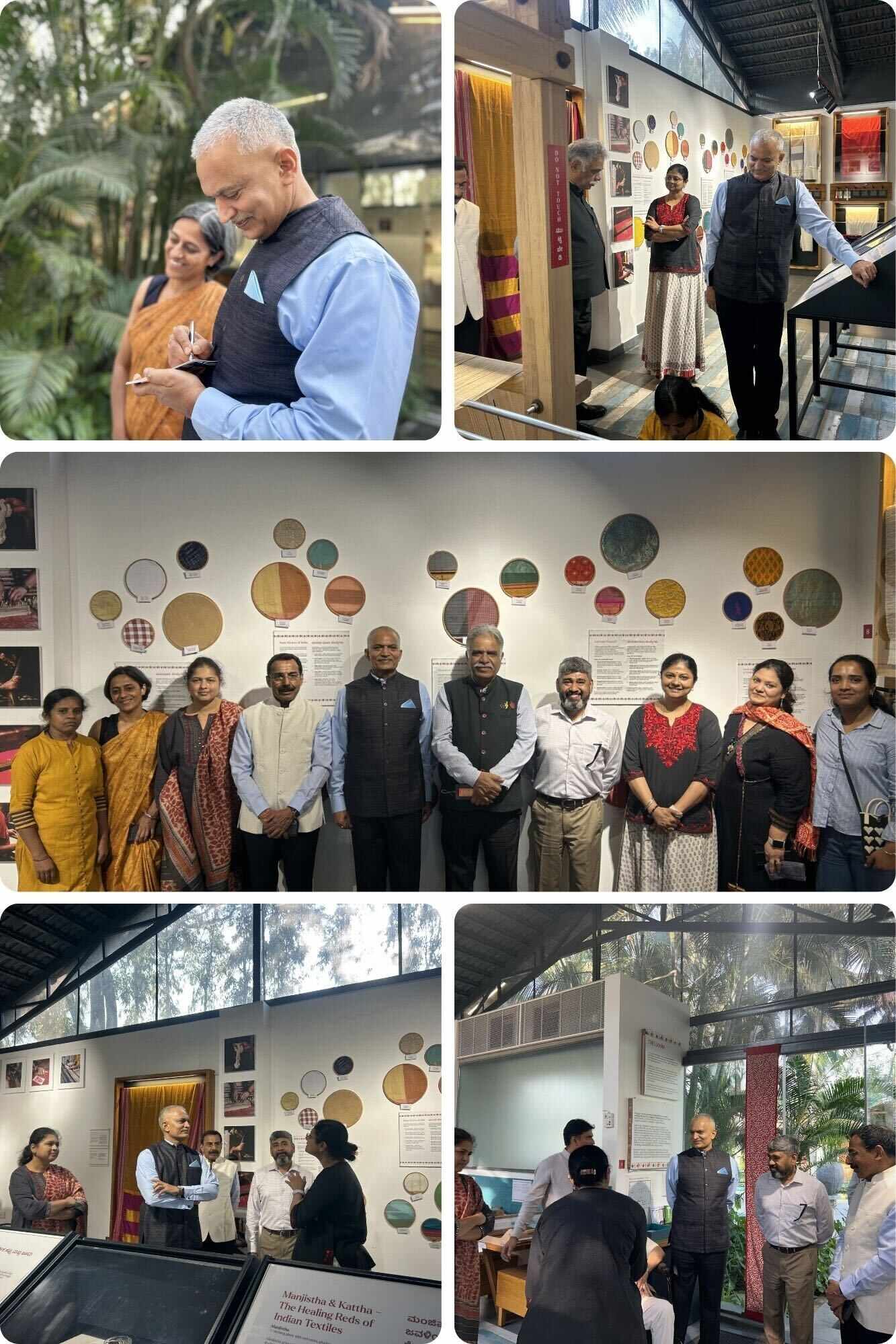
Last week, Textile Experience Center (The Loom) hosted a small but significant gathering that bridged two very different worlds: naval strategy and artisanal textiles.
We had the pleasure of welcoming a distinguished group from the Navy, including Admiral R. Hari Kumar (Former Chief of the Naval Staff), Commander V. K. Jaitly (National Coordinator, Youth4Nation), Commodore Anand, Commander Shastri, and Prof. Murthy. The visit was facilitated by Yaana Enterprises, our content partners who work with the Gottigere Weavers
Because Socratus believes in learning through doing, we traded strategy for ink. The dignitaries rolled up their sleeves for a hands-on block printing session.
The real value of these interactions lies in Orchestration our hope is to match the right people to the right problems. By the end of the session, the conversation had turned toward the future. The dignitaries expressed a genuine interest in opening up their networks and connecting our initiatives with organizations that can help amplify the work.
Rainmatter Partner Updates Water Articles and Blogs Farming & Soil Plastic & Waste Events