It’s Sacred..Waste? 
Ever wondered what happens to all the flowers offered at your local temple?
Most of us probably never think about it. Flowers don’t register as “waste” in the way plastic does. They’re biodegradable after all. The marigolds dumped in your street corner are barely noticeable.
Which is strange if you think about it. Something considered sacred for a few hours suddenly becomes landfill.
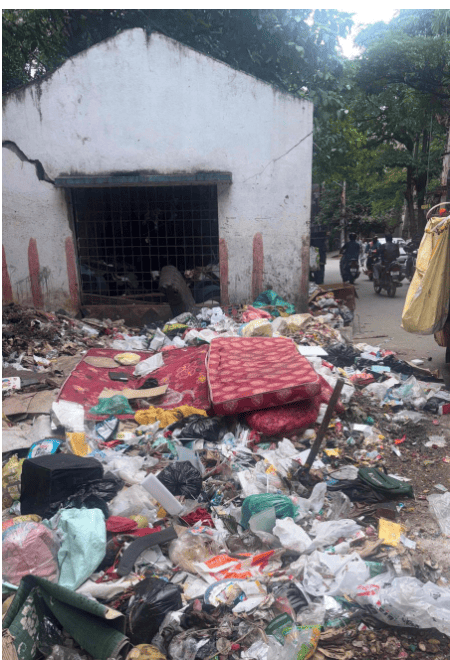
Temple flower waste generated by temples carry a certain cultural sanctity. We often do not throw them in our dustbins. They get dumped in empty plots, near lakes, around temple corners, beside drains etc. because everyone assumes they will “naturally decompose” anyway.
Because flower waste is biodegradable, you assume it is harmless. An elementary mistake, dear reader.
Because nature copes remarkably well with a handful of flowers falling from its trees. Cities, however, produce them by the tonne. We forget the sheer scale at which temple flower waste is generated. At this scale, and in cities where humans have claimed every spare patch of land, decomposition is not some clean invisible process. These dumping spots quickly become wet waste accumulation points, attract pests, smell, and create unhealthy local conditions.
We’ve already seen what happens when flowers are dumped into lakes and water bodies. Nature can process organic matter but slowly. Urban lakes already overloaded with sewage and waste cannot. As the flowers decompose, oxygen levels in the water begin to fall, making survival harder for aquatic life. Over time, the lake starts choking. Algal blooms spread. A lake, after all, can only endure so much of us. 
This is exactly the question Tunturu, an SHG based out of Sarjapura and our hyperlocal friend and partner, approached us with.
50–60 kilos a week 
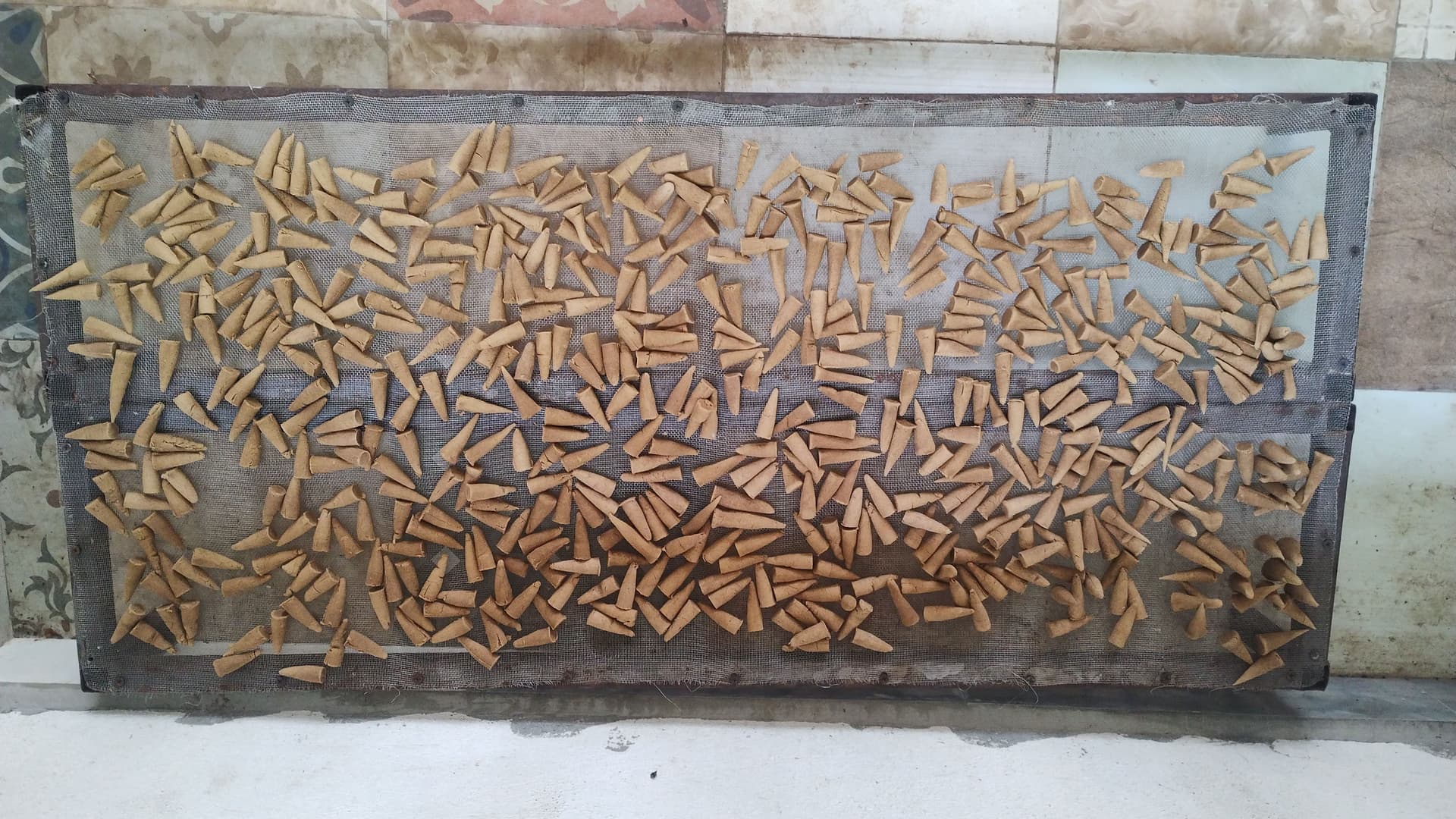
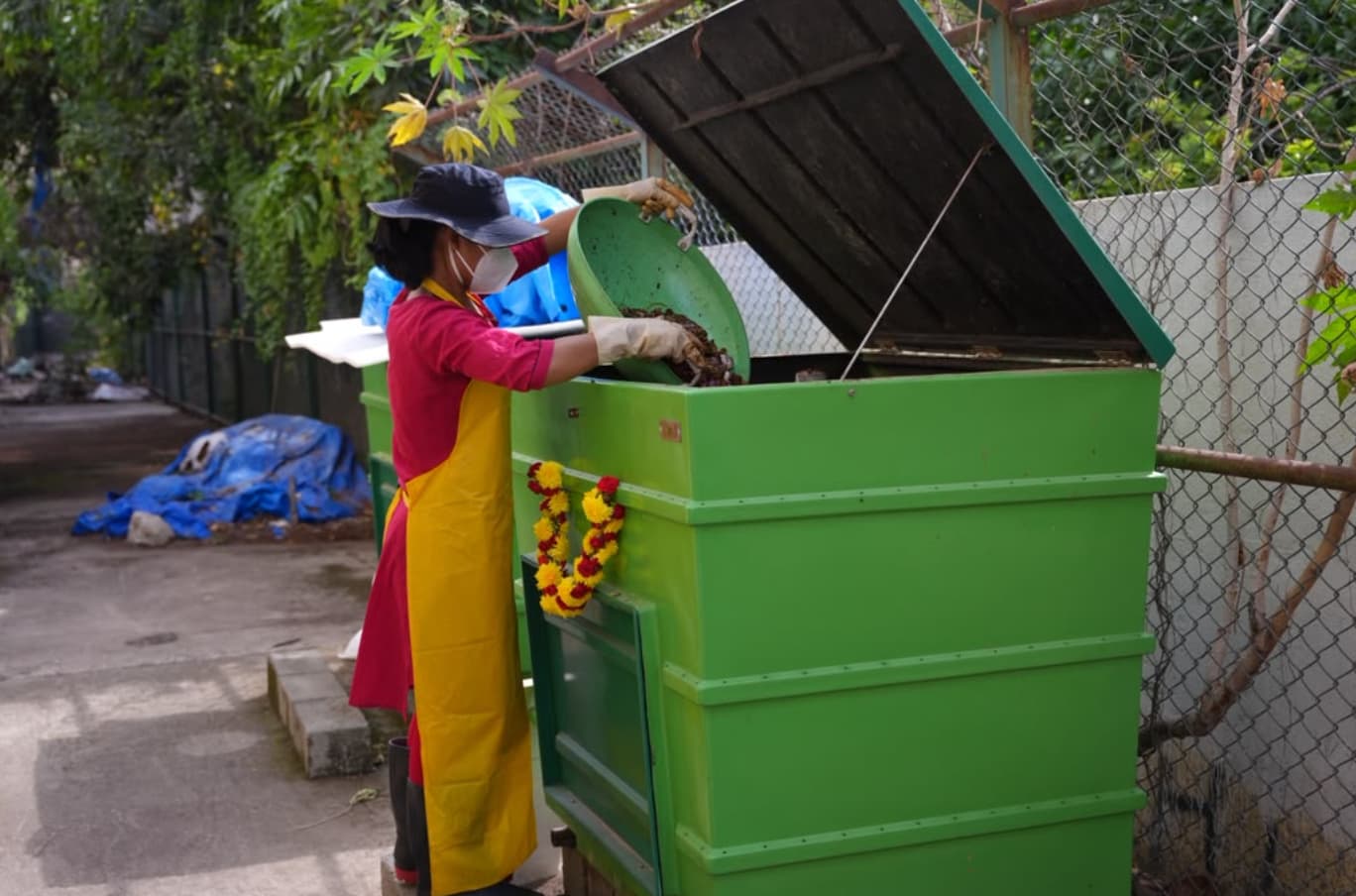
A newly inaugurated temple in their neighbourhood had suddenly started generating nearly 50-60 kilos of flower waste every week. The enterprising women at Tunturu wanted to explore whether this waste could be converted into products like dhoop sticks, dhoop cones, handmade paper, and cow dung cakes.
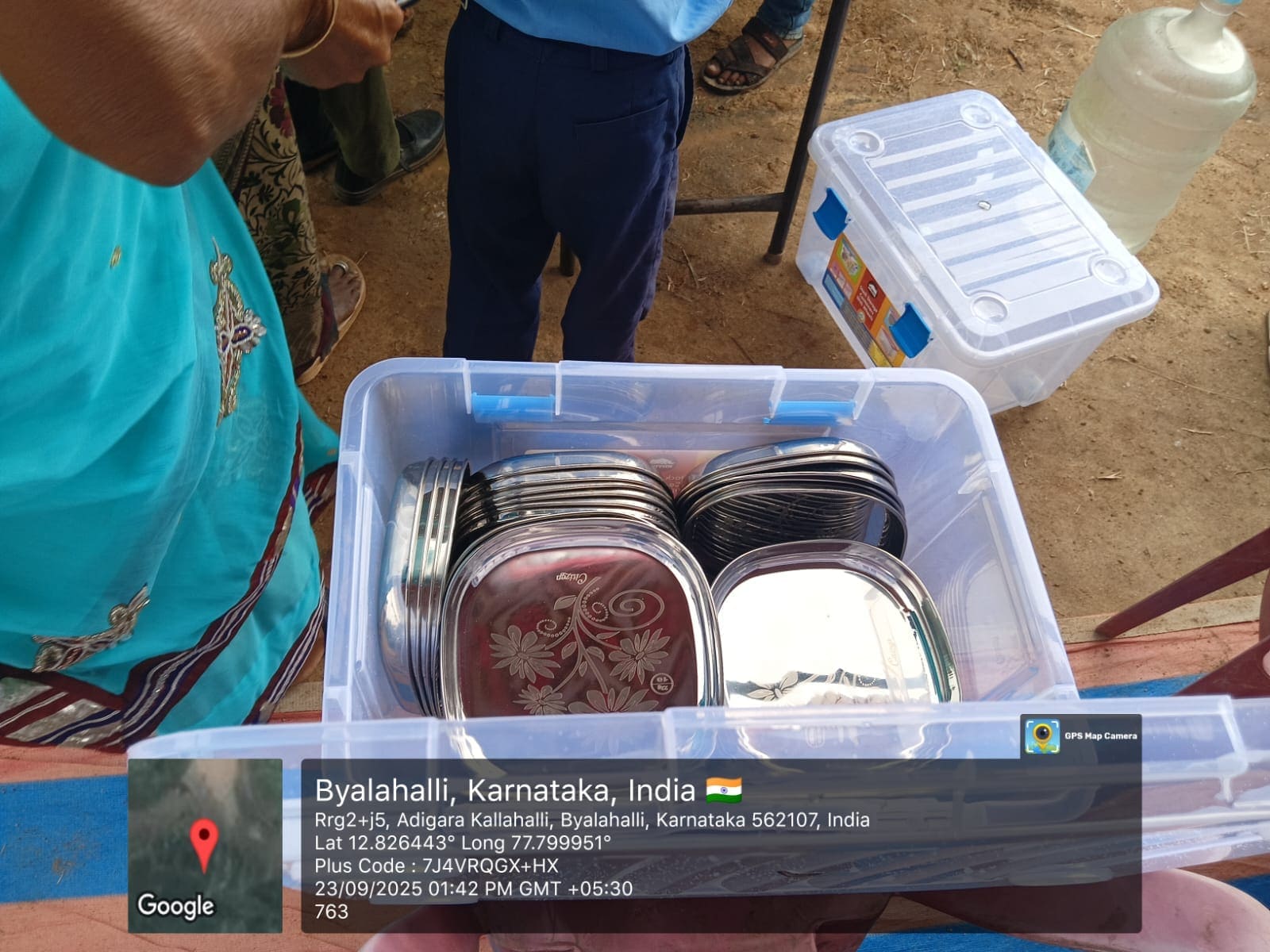
Our relationship with Tunturu has been a serendipitous unfolding; we like to brandish as an example for why ecosystem organisations matter. We first met them because they needed a very small catalytic fund to start a cutlery bank. Reusable plates and cutlery for local events, panchayat functions, gatherings.
The cutlery bank slowly led to conversations around waste. Then came zero-waste celebration kits. Cloth buntings instead of plastic decorations. Textile waste products. During one meeting, the talented women tailors casually showed us Pinterest moodboards they had saved on their phones to experiment with designs.
That moment has stayed with our team, because development work still carries this strange assumption that aspiration only travels from experts to communities. The issue is rarely imagination. It is access, networks, and the ability to experiment without financial risk. This is exactly the gap Socratus has always tried to work within as an orchestrator and ecosystem enabler.
Then came the temple flowers.
We connected Tunturu with Vaibhavam Global, who work on flower waste management and product training. They conducted an audit of the flower waste being generated, assessed what products were realistically feasible, and helped identify moulds, equipment, and production requirements.
A workshop in making 
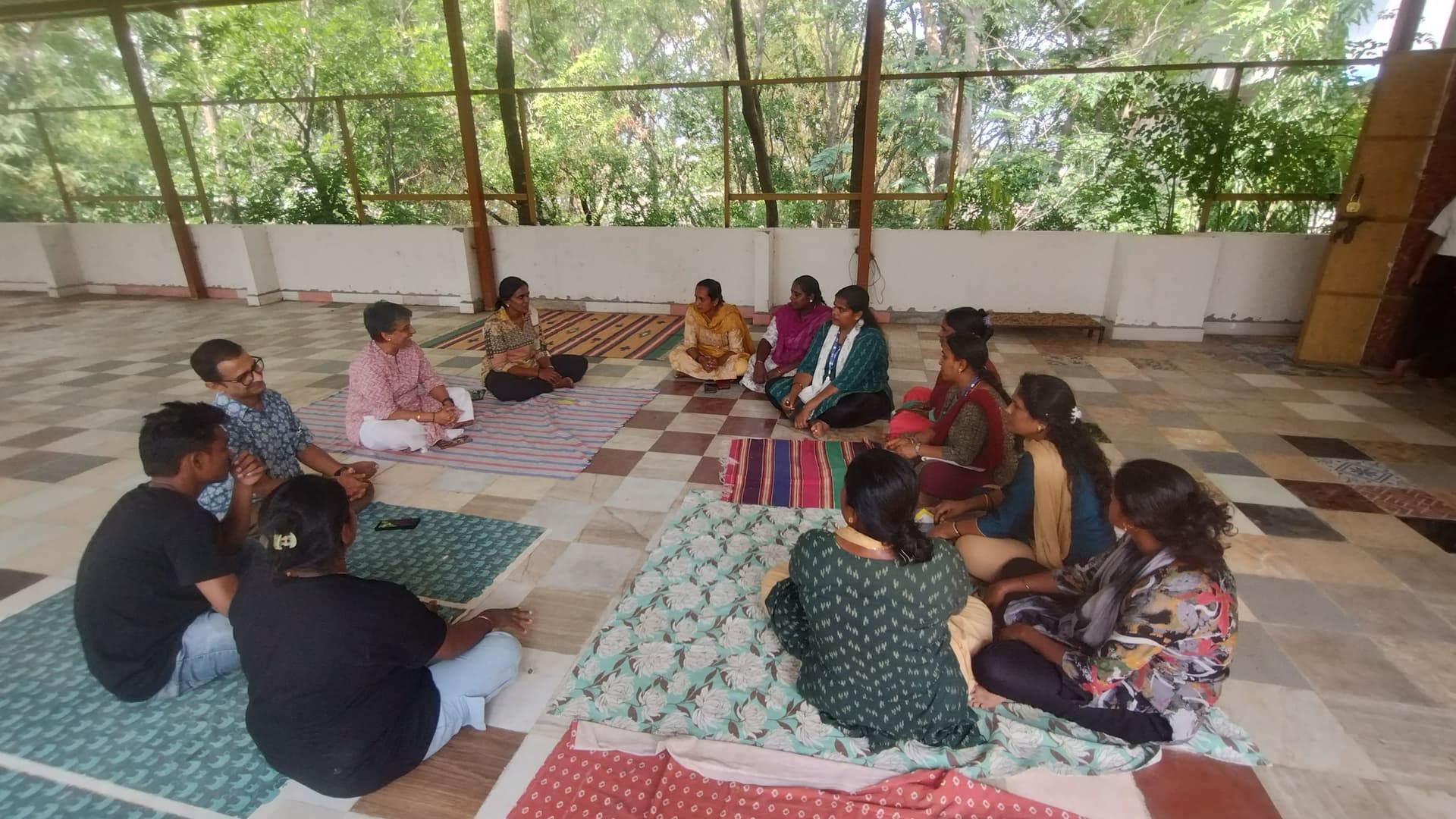
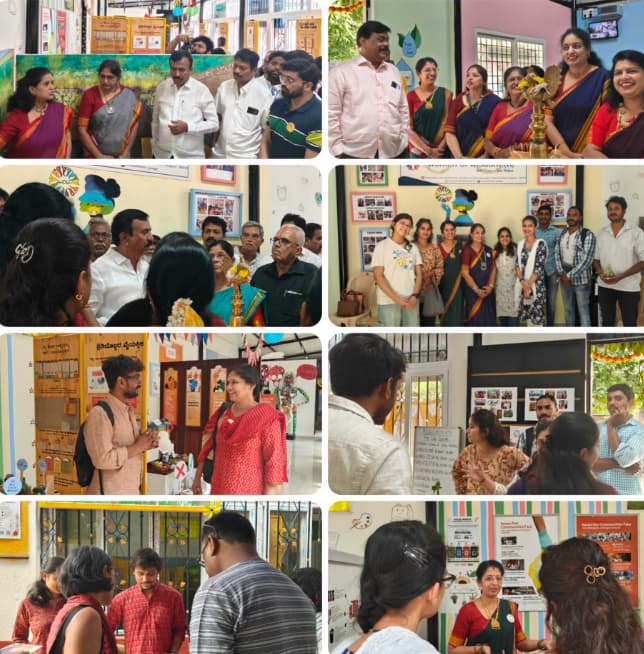
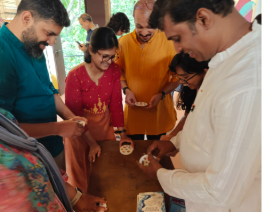
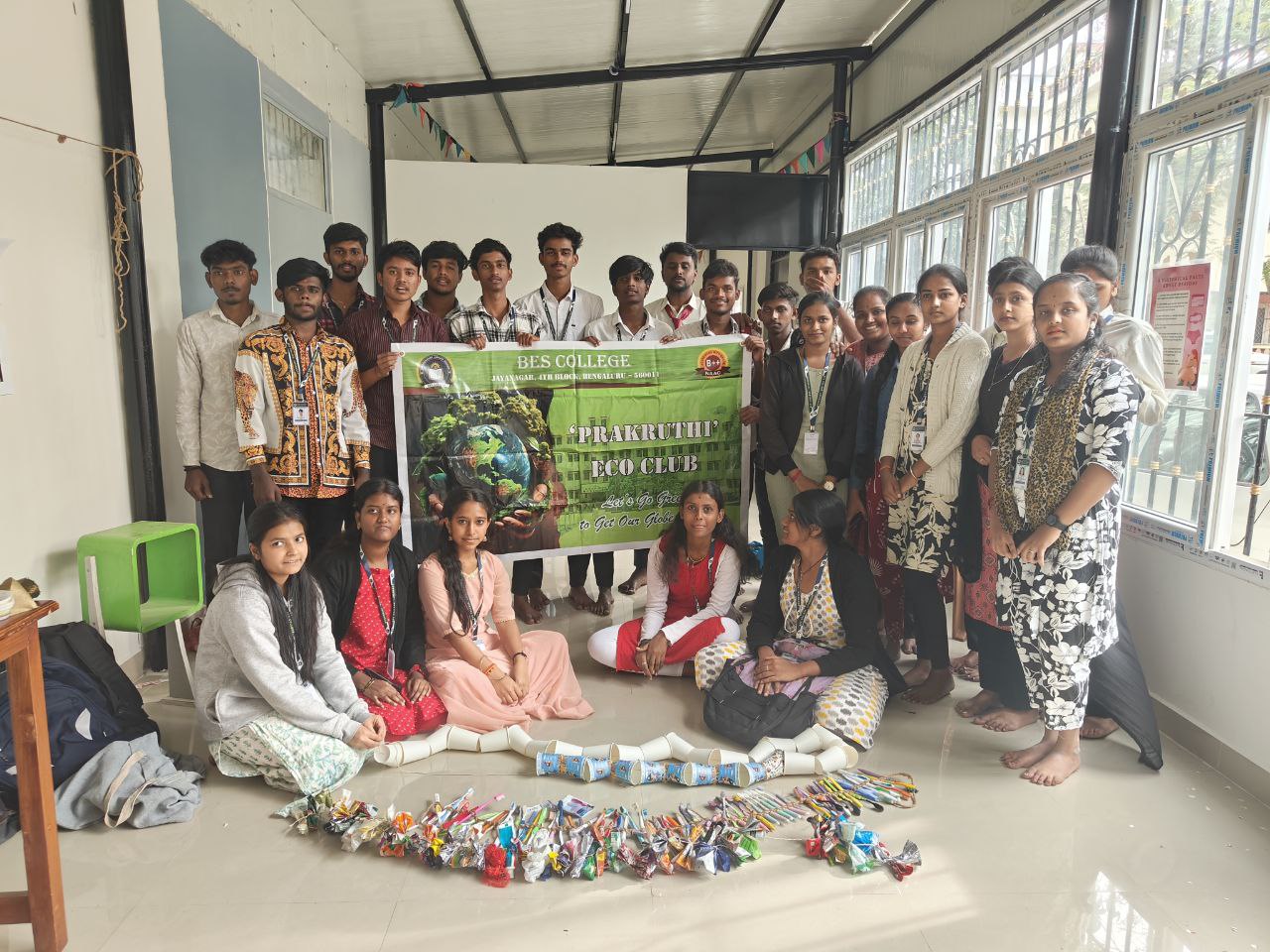
A workshop eventually took place on 18th and 19th May with participants from Tunturu, Prakruthi Shaale, BPAC, and a few of our other clusters across Bengaluru including Malleshwaram and JP Nagar. Over two days, participants learned to make dhoop cones, handmade paper, and cow dung cakes using flower waste. The sessions were hands-on. Powder ratios. Binding materials. Moisture levels. Drying techniques. By the end of Day 2, the smell of incense powder and flower pulp had likely followed everyone home.
Students from Azim Premji University supported the initiative with campaign materials and social media outreach. Participants from Malleshwaram and JP Nagar attended to explore whether similar models could be adapted within their own communities. Conversations moved fluidly between waste management, livelihoods, design, local markets, and neighbourhood collaboration.
This, to us, is what place-based work looks like. Not organisations parachuting into communities carrying neatly packaged solutions, but communities building the confidence, relationships, and resources to solve problems for their neighbourhoods on their own terms.
Prakruthi Shaale Series
The Day We Befriended Bugs 
By Ekansh Prasad
Passing through the iron gates of Panchvati in Malleshwaram always felt like stepping through a portal. One moment you’re in the thick of the city’s hustle, and the next, you’re wrapped in this “green buffer” that dense, breathing sanctuary of ancient trees that once shaded the Nobel laureate Sir C.V. Raman.
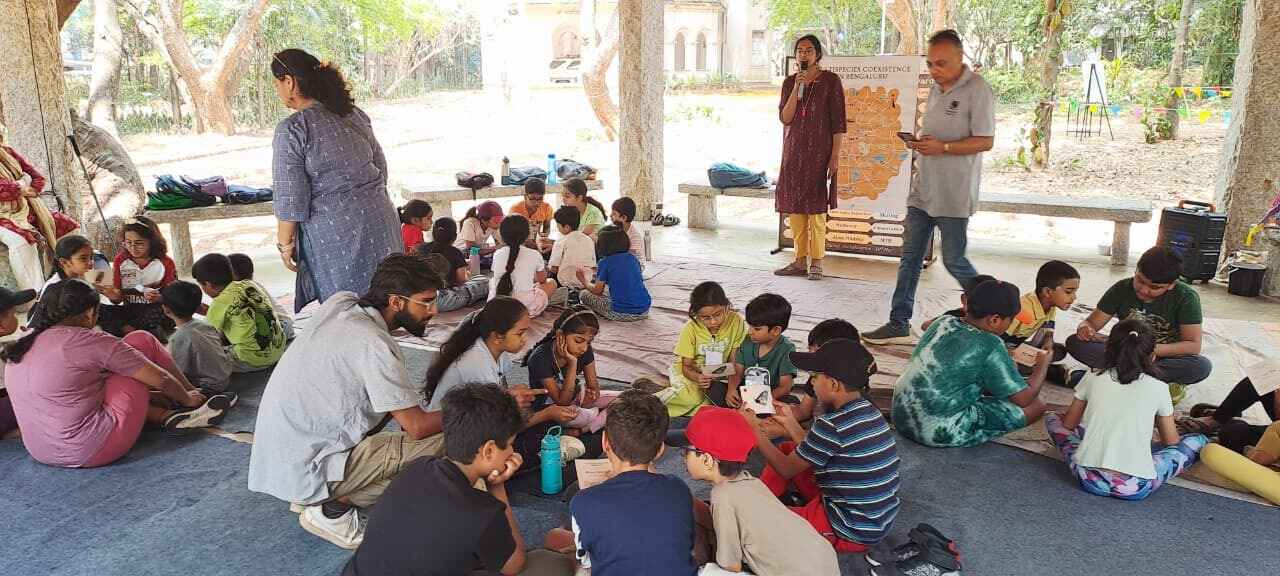
As I stood there with twenty young explorers from the Prakruthi Shaale summer camp, ranging from anywhere between 6 to 11 years old. I didn’t want to reach for the field guide book I had brought with me. I wanted them to use the best tools they owned, their eyes. I usually keep my binoculars handy (something I always do to keep the young crowd close by and curious).
After a brief introduction we started walking slowly. I asked them a few simple questions about bird nests and tree hollows, then challenged them to spot any nests or birds around them. As young heads peered upwards, they were able to spot a magpie robin collecting twigs and bringing it back to a hollow in a tree close by where it was building a nest.
We tracked the zigzag flight of butterflies, spotting 5 different species on the campus.
The real “aha!” moment
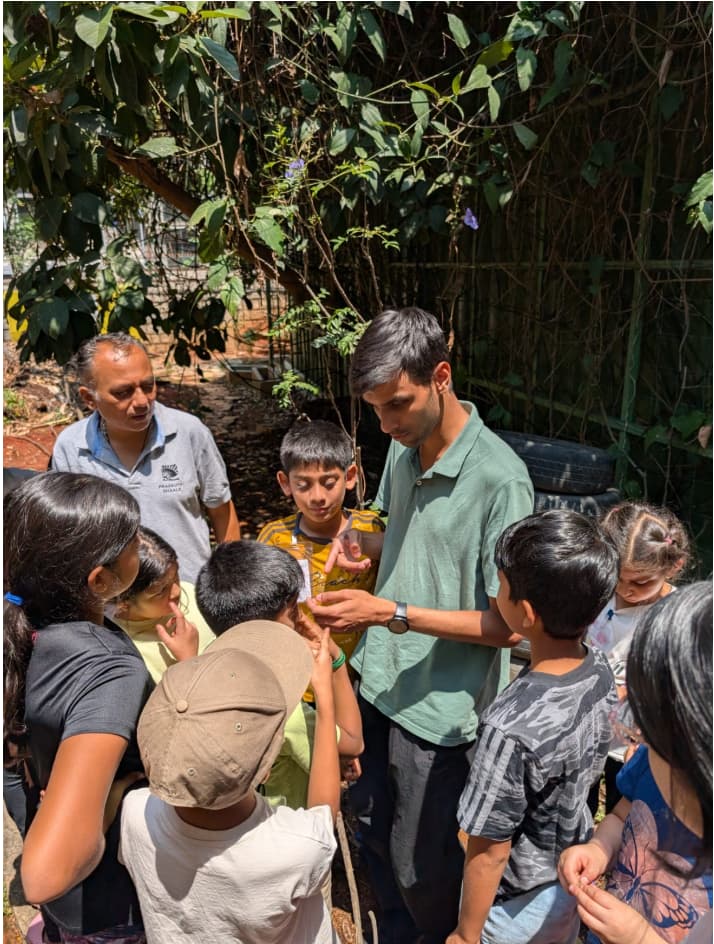
The real “aha!” moment, however, came from the dirt. There was always something to look at when we looked down, I reached into the leaf litter and gently lifted a few multi-legged inhabitants of the forest floor. The reaction was instant, a wave of jumps and reflexive screams.
I held them steady in my palm and began to explain. The idea was for my young audience to understand that most insects are harmless and beautiful. Slowly, the screams softened into whispers. I watched the fear evaporate in real-time. These kids weren’t looking at “pests” anymore, they were looking at gentle, necessary neighbors. Slowly some started extending their palms showing courage to hold these insects in their hands. It only took them a minute to go from screaming at the sight of an insect to wanting to pick up any hexapod they could see.
Throughout the walk we looked at mushrooms, spiders, fruits, bushes, trees and every other thing that brought curiosity for a kid in the group.
Once their eyes were tuned to the frequency of the forest, We decided to ramp up the energy. We split them into four teams for a Nature Treasure Hunt. The rules were simple - nothing was to be plucked. We only took what nature had already fallen to the ground.
The Mission List
- 3 different types of dry leaves
- 2 seed pods
- 1 fruit
- 1 flower
Bonus:
A bird feather (the ultimate prize) 
The second I gave the signal, the campus erupted. Laughter echoed off the walls of the historic Raman residence as kids turned into detectives, scouring roots and peering into thickets. One group ran to the far end of the campus as if they knew a secret spot for all the treasure. While another was more organised and stayed close to the start point. They were communicating well and dividing the list amongst its members.
Ten minutes later, all four teams converged, breathless and beaming. Not only had everyone found the basics, but two teams held up their “Bonus feathers” that they found hidden in the grass.
As the morning wound down, I looked around and saw the variety of the experience. Some kids were still buzzing from the competitive heat of the hunt. Others were huddled, asking me riddles and trivia about the trees and snakes. A few just wandered, being kids, picking up sticks, chasing one another, soaking in the unstructured peace of that day at the summer camp.
Editor’s Note
Our in-house chef turned development practitioner who somehow also moonlights as a naturalist, Ekansh, runs these Nature Walks as part of the Proximity Project- our attempt to spend more time with the lakes, trees, birds, insects, and strange little ecologies hidden in plain sight around us.
More walks, small discoveries, and neighbourhood wanderings soon.
What Children See in Textile Waste 
As part of the Textile Experience Centre- The Loom of KYC Bengaluru, we had designed “Rags to Riches” as an engagement activity around a simple brief: How do you approach discarded fabric as a creative resource?
Over time, the activity has travelled across very different groups including adults, fashion students, community members, and now children at a summer camp.
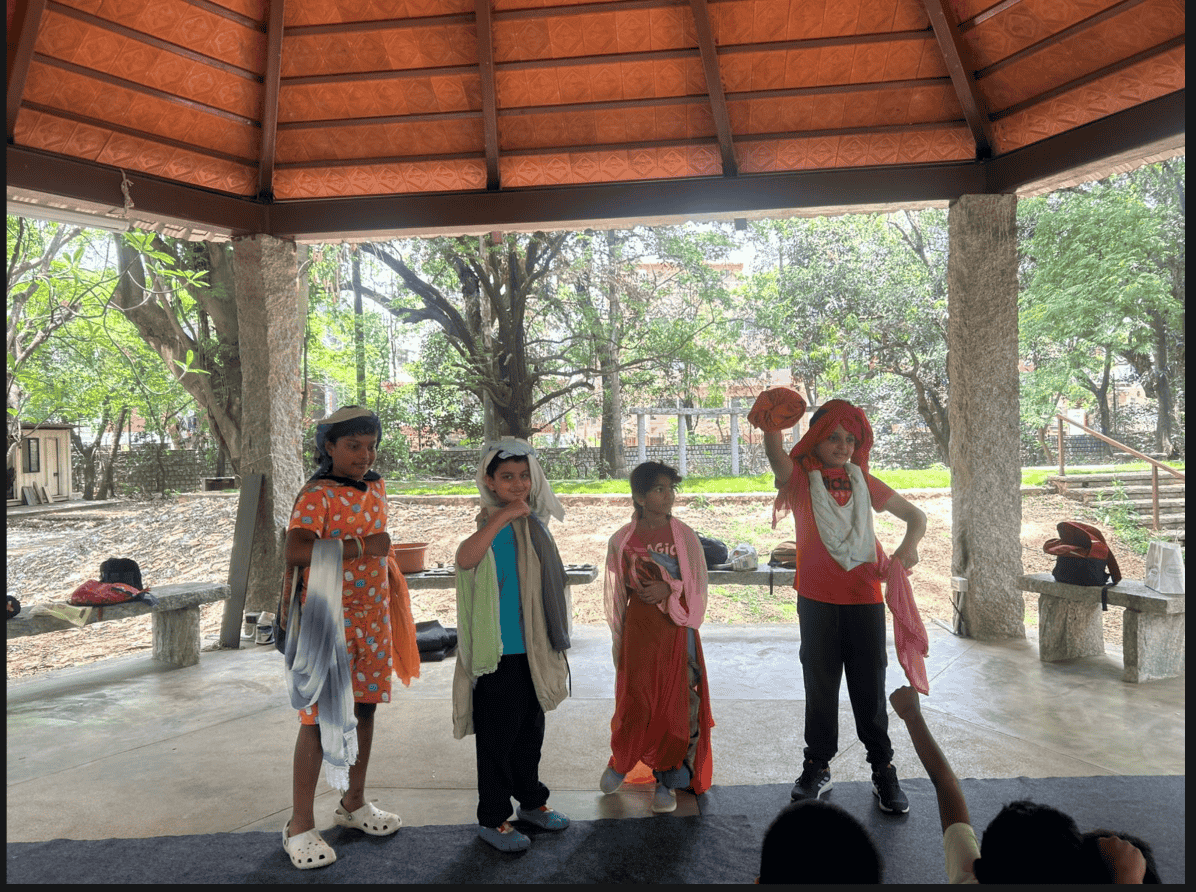
Around 35-40 children at Prakruthi Shaale joined us for what quickly became a wonderfully loud and chaotic fashion lab. The session began with the laughably optimistic assumption that our team member’s loud voice would be enough to manage the room.
Using only fabric scraps and safety pins, the children worked in teams to create wearable designs without stitching or cutting anything. The room soon filled with dramatic ramp walks, heated debates over who got to be the model, wildly ambitious outfits and names like “Beach Rani,” and surprisingly thoughtful design decisions.
It was especially interesting how instinctively children approached textile “waste” as material rather than garbage.
Activities like these help us explore how sustainability conversations can become more participatory, localised, and joyful, especially for younger audiences. The simplicity of the format also makes it highly adaptable across schools, neighbourhood groups, and community spaces.
Messy, loud and creative, can be one of the best ways to talk about reuse.
Heat Experience Centre 
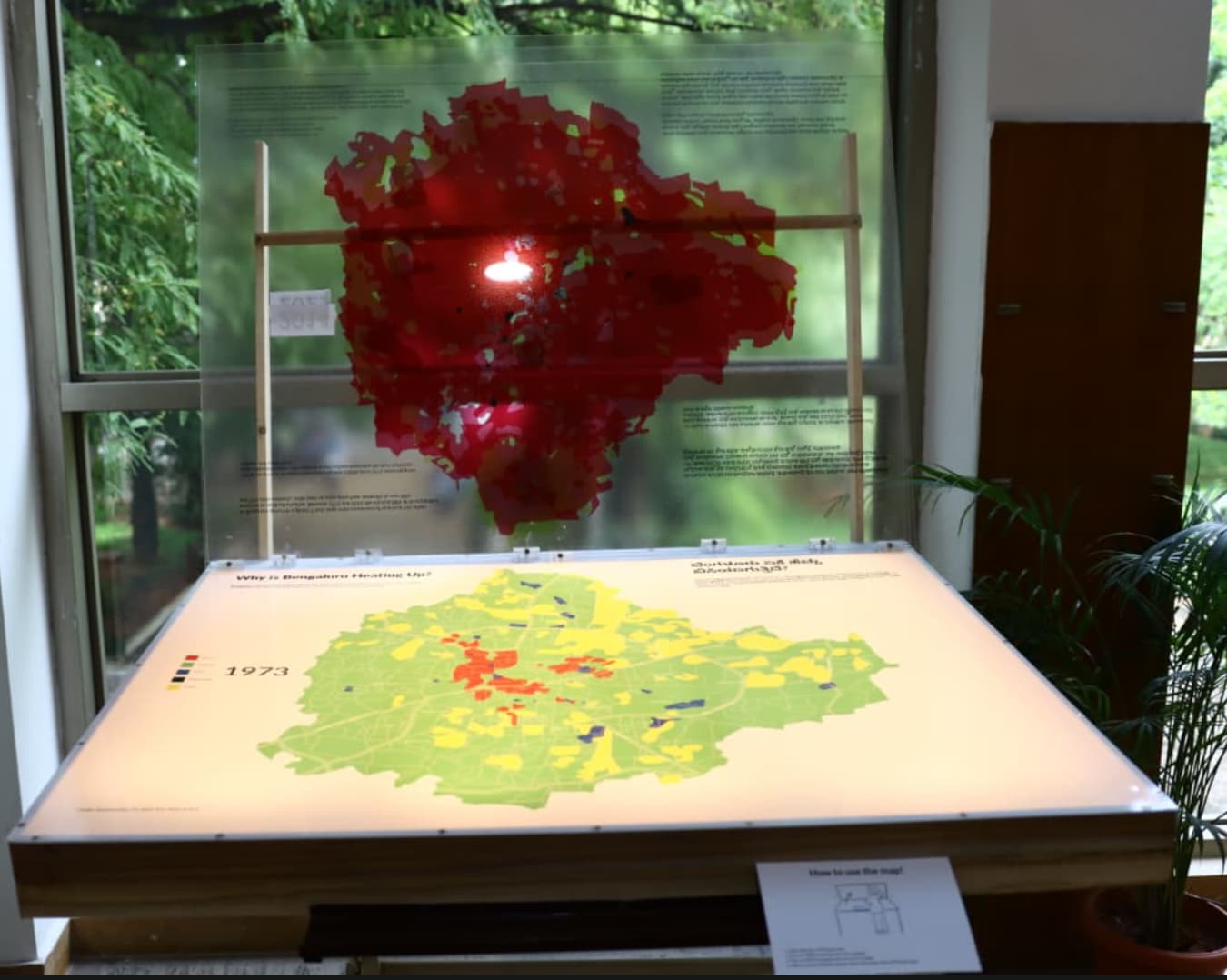
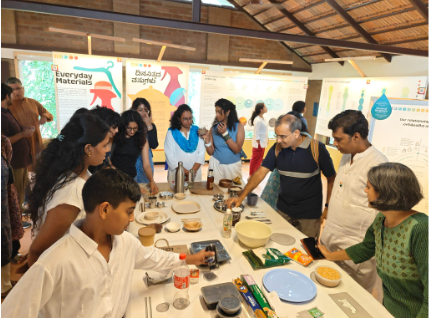
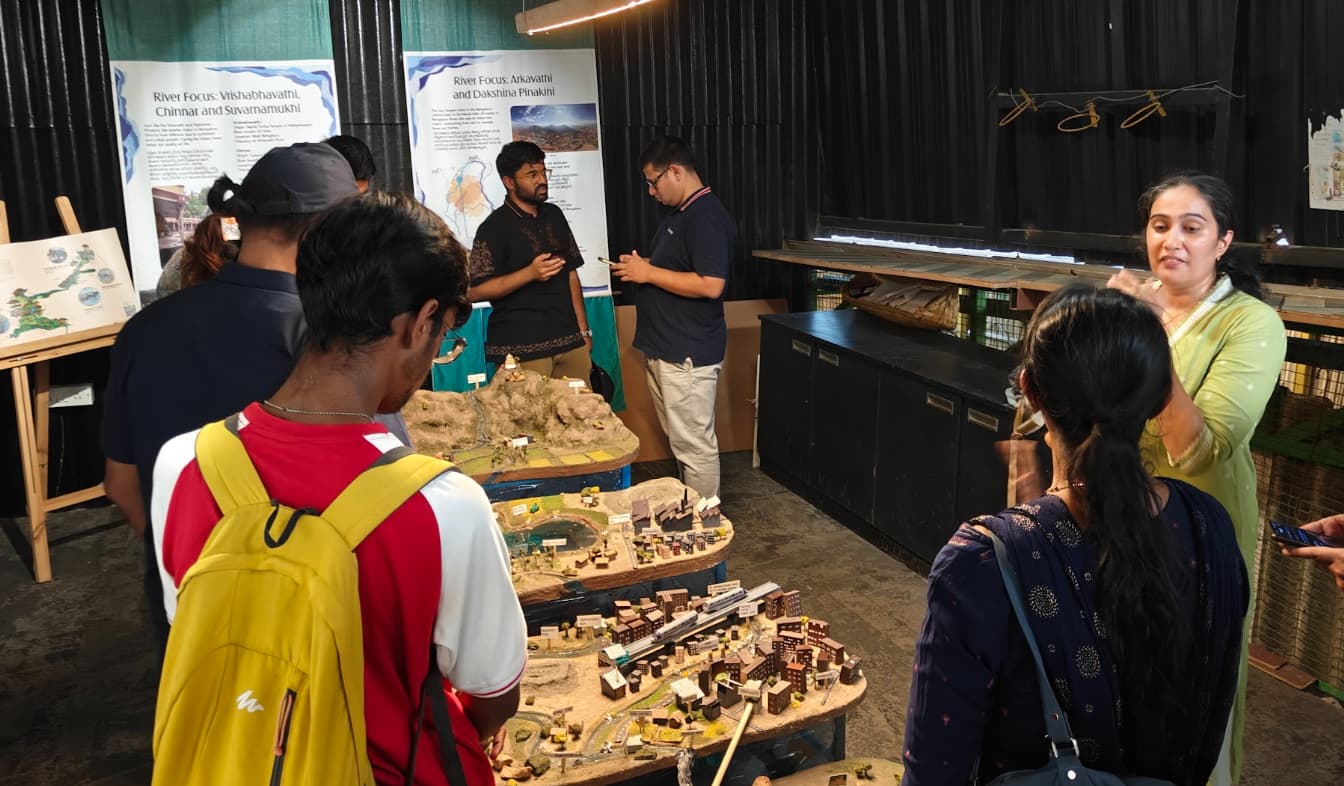
On a very hot Bengaluru afternoon, the cool green campus of National Gallery of Modern Art, in Vasanth Nagar, felt especially fitting for conversations on heat. Cocooned by old trees, with the occasional koyal call cutting through the silence, people wandered through maps, artefacts, stories, and installations at Socratus Foundation’s launch of its 6th Experience Centre on Heat, part of its Resilient Cities Series.
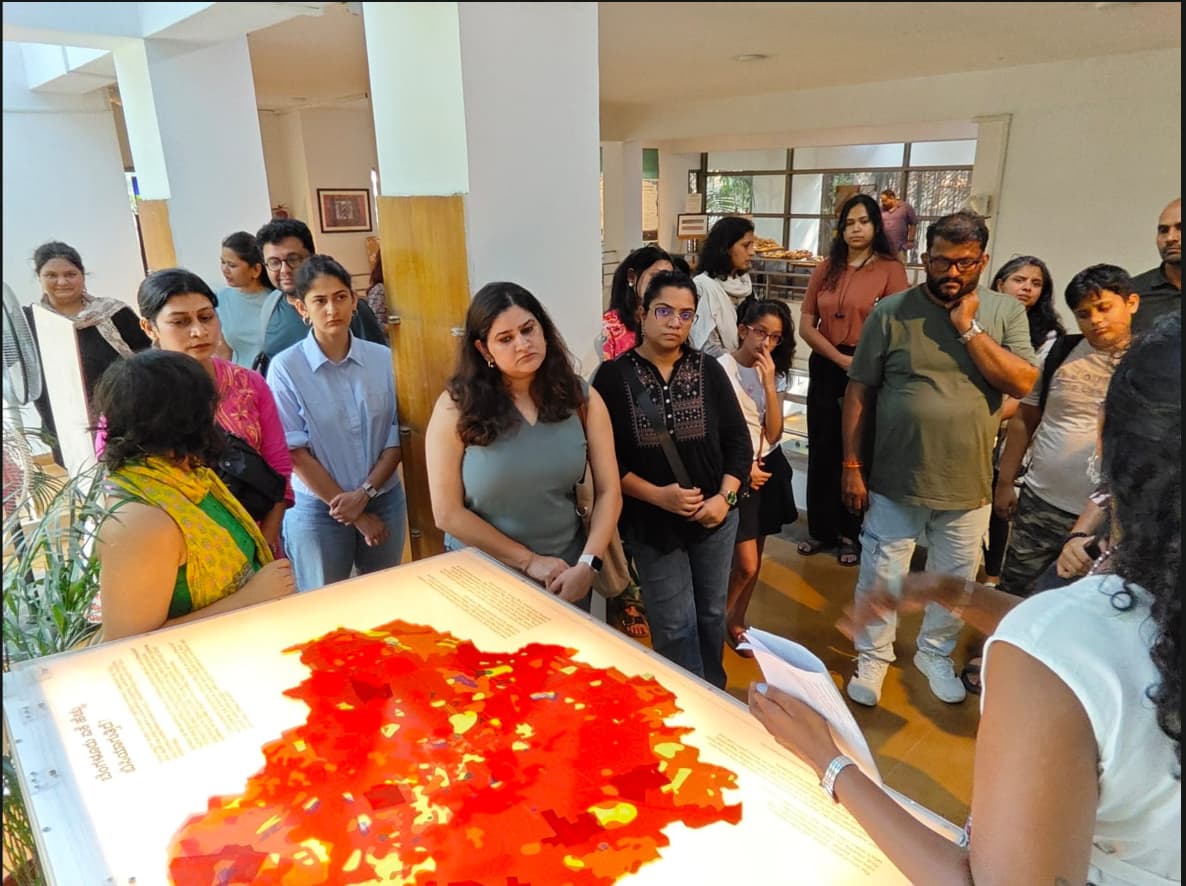
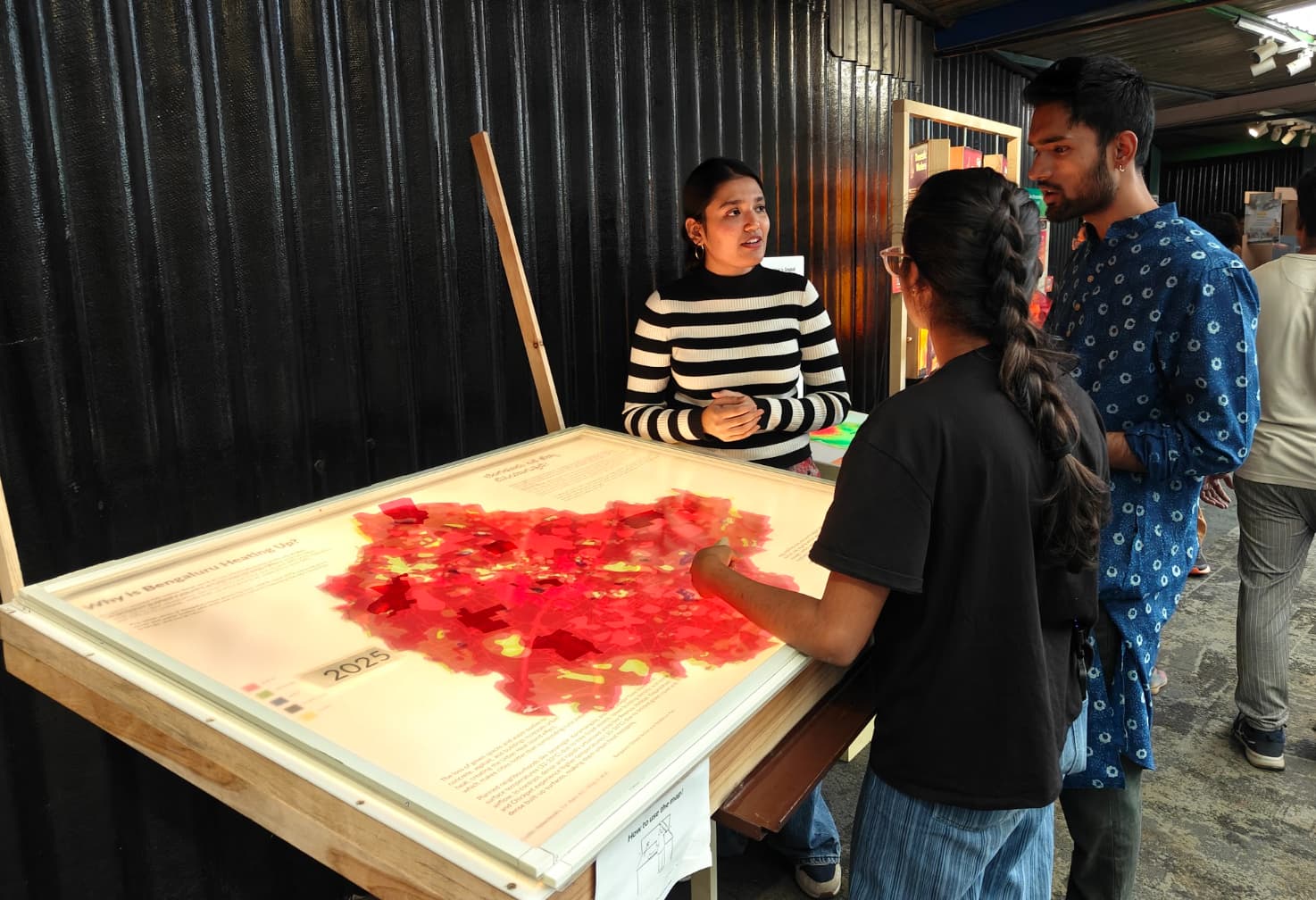
The centre traces how Bengaluru has changed over the decades through maps from the 1970s onwards, looking at how urban growth, disappearing green cover, and changing land-use patterns have contributed to rising heat in the city.
Heat is not experienced equally
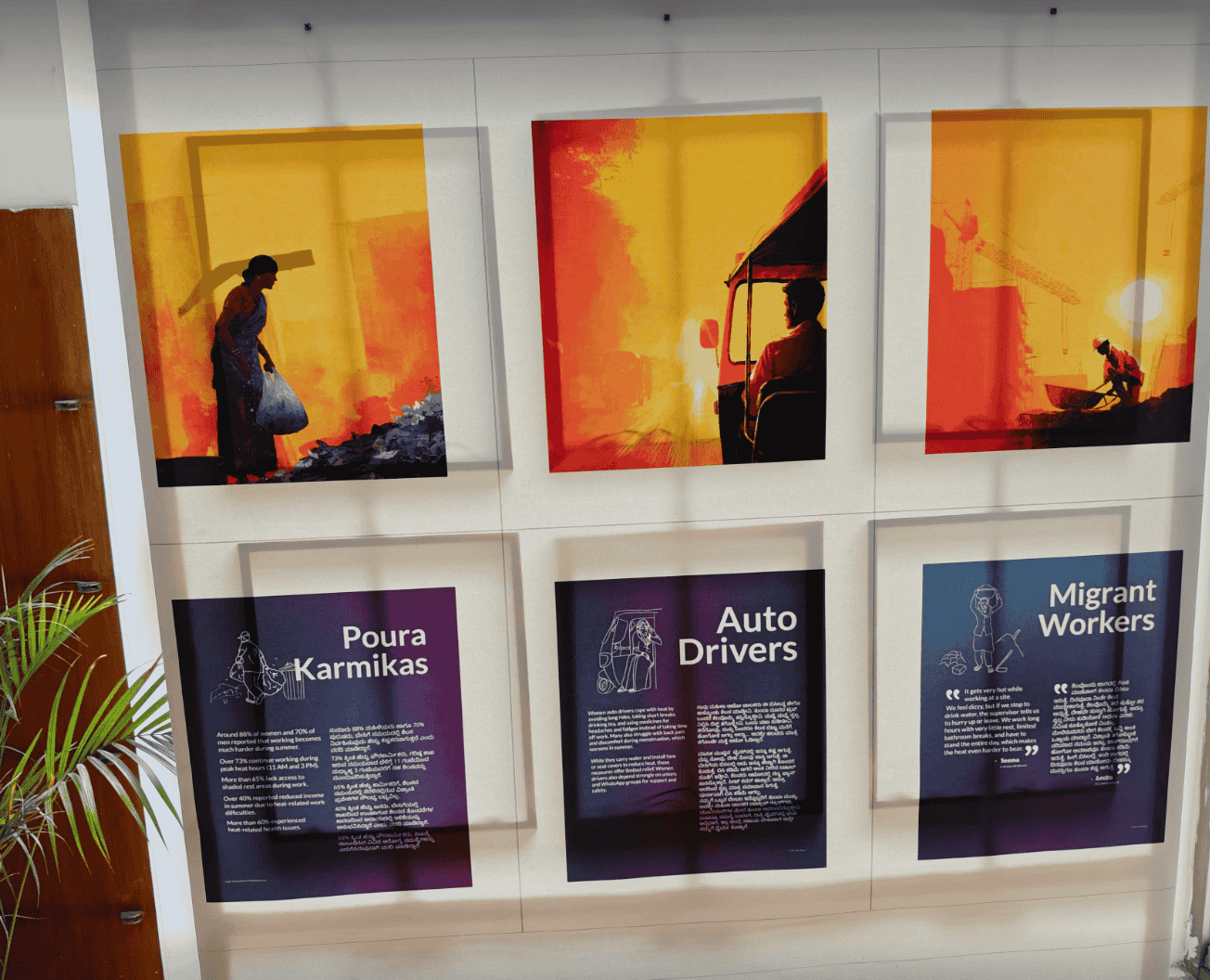
One of the strongest conversations that emerged through the day was how differently heat is experienced- even within the same neighbourhood. While some experience heat as temporary discomfort between air-conditioned homes, offices, and cars, for others it shapes everyday survival: where you rest, whether you can work, where you access water, whether there is shade, and if there are spaces to simply exist during the hottest parts of the day.
We spoke about how urban commons are often seen by more privileged communities as transient or recreational spaces. But for many people, these spaces are much more than that. They are places to rest, recover, gather, work, cool down, socialise, and spend time when homes or workplaces cannot offer relief from heat.
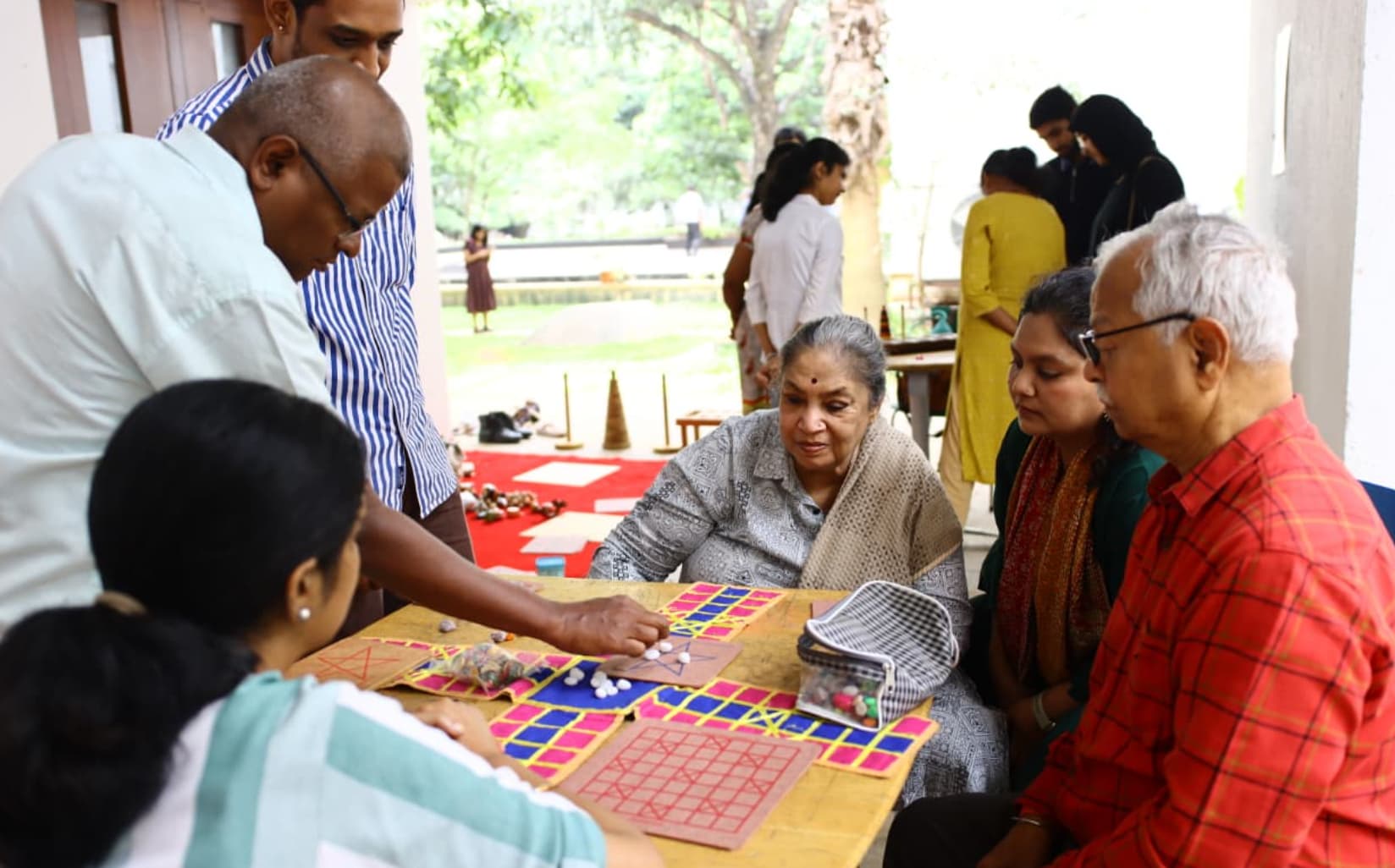
During conversations and games around different urban “personas,” participants reflected on how the same city feels completely different depending on age, gender, occupation, income, mobility, and access.
A recurring point that came up was how many public parks are shut during afternoons, often the very hours when people most need access to cooler shared spaces.
One of the intentions behind the centre was also to showcase the fantastic work already happening on heat across Bengaluru and beyond. Multiple organisations working on heat resilience contributed research, insights, experiments, and practical responses to the space making the exhibition not just about the problem, but also about the many people already thinking deeply and working actively on it.
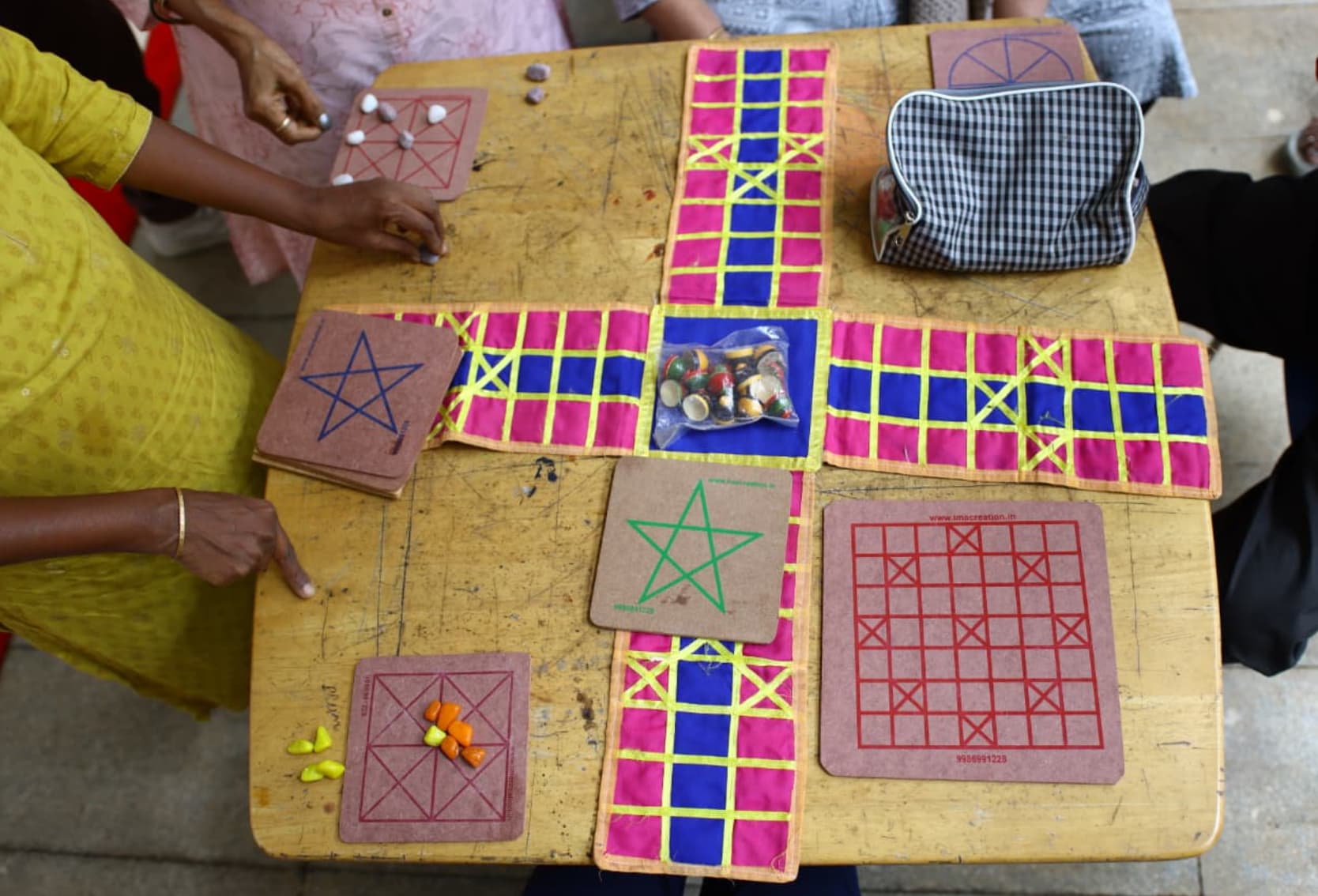
Our in-house game and heat enthusiasts, Rohit M and Malavika, who co-created the game Classroom Crashout, also featured it as part of the Heat Experience Centre.
The game explores how heat affects children differently and asks what it would mean to design schools as spaces of comfort, care, self-efficacy and dignity in an increasingly warming world.
[Click here to play the game.]
People spent time exploring artefacts, joining walkthroughs, playing games around cities and climate, and lingering in conversations that the space sparked. Somehow, the heat outside made the exhibition feel even more immediate and real.
One of the things we have been hoping for with the Experience Centres coming up in different places is that beyond helping people Know Your City, they also become spaces people can keep returning to for small learning experiences, activities, conversations, and discoveries across ages. Almost like having a micro-museum in the neighbourhood, where you occasionally stop by to see what’s new.
In many ways, the Heat Experience Centre is an attempt in that direction.
The exhibition will remain open at NGMA until June 30th and will continue to host curated tours and walkthrough sessions.
For bookings and enquiries:
 9980711104
 [email protected]
 Three principles guide our work:


 - 9980711104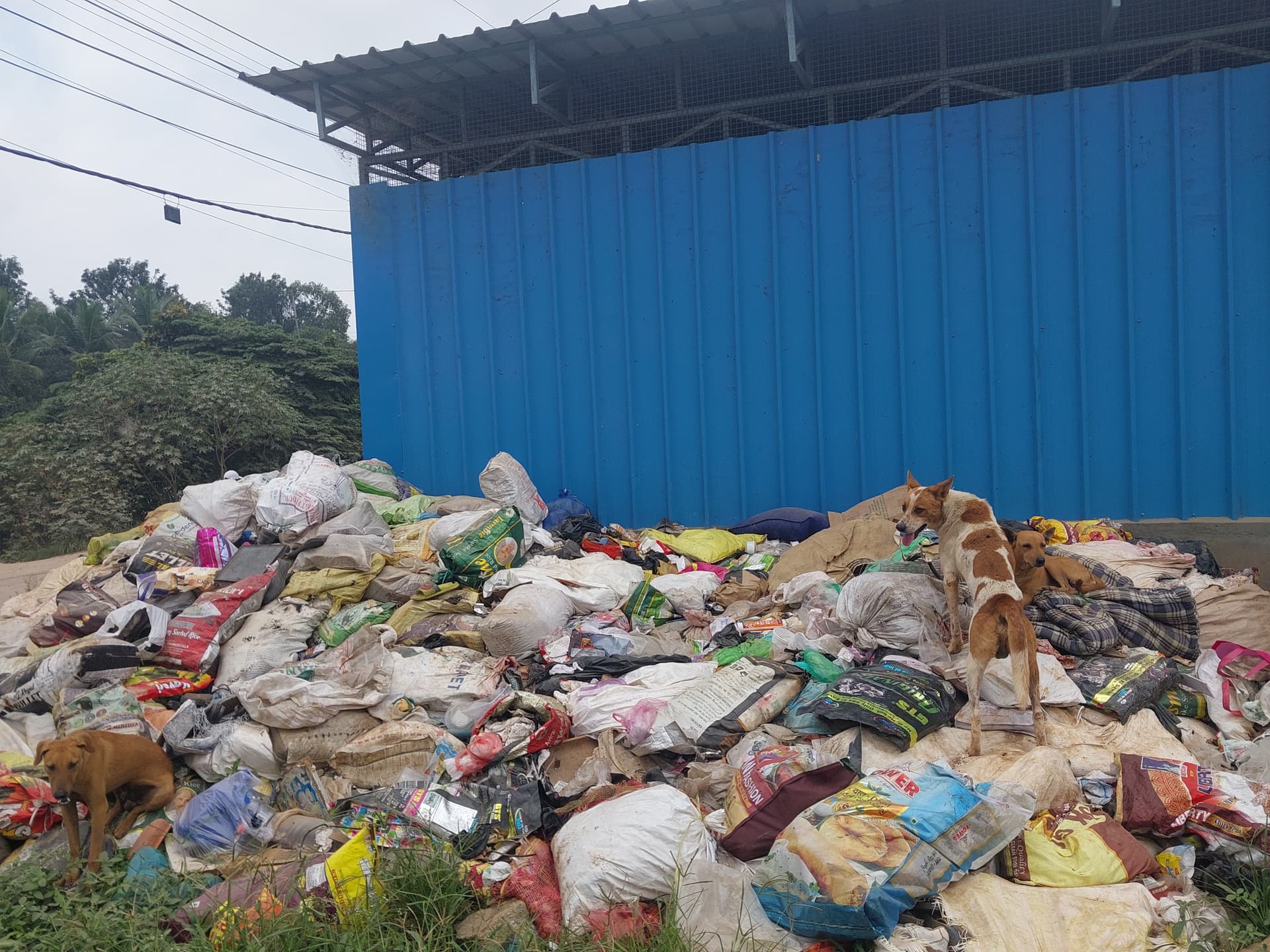


 These invitations were not outreach-driven; they were partner-initiated, signalling Socratus’ role as a trusted connector across the ecosystem.
 Working Group set up by the Climate Action Cell (CAC) to develop Ward Climate Action Plan (WCAP) reports for pilot wards. This comes out of the Bengaluru Climate Action and Resilience Plan (BCAP) launched in November 2023. Beginning with Shanthinagar, the process brings together scientific expertise, local knowledge, and citizen participation to address flooding, pollution, and water stress.



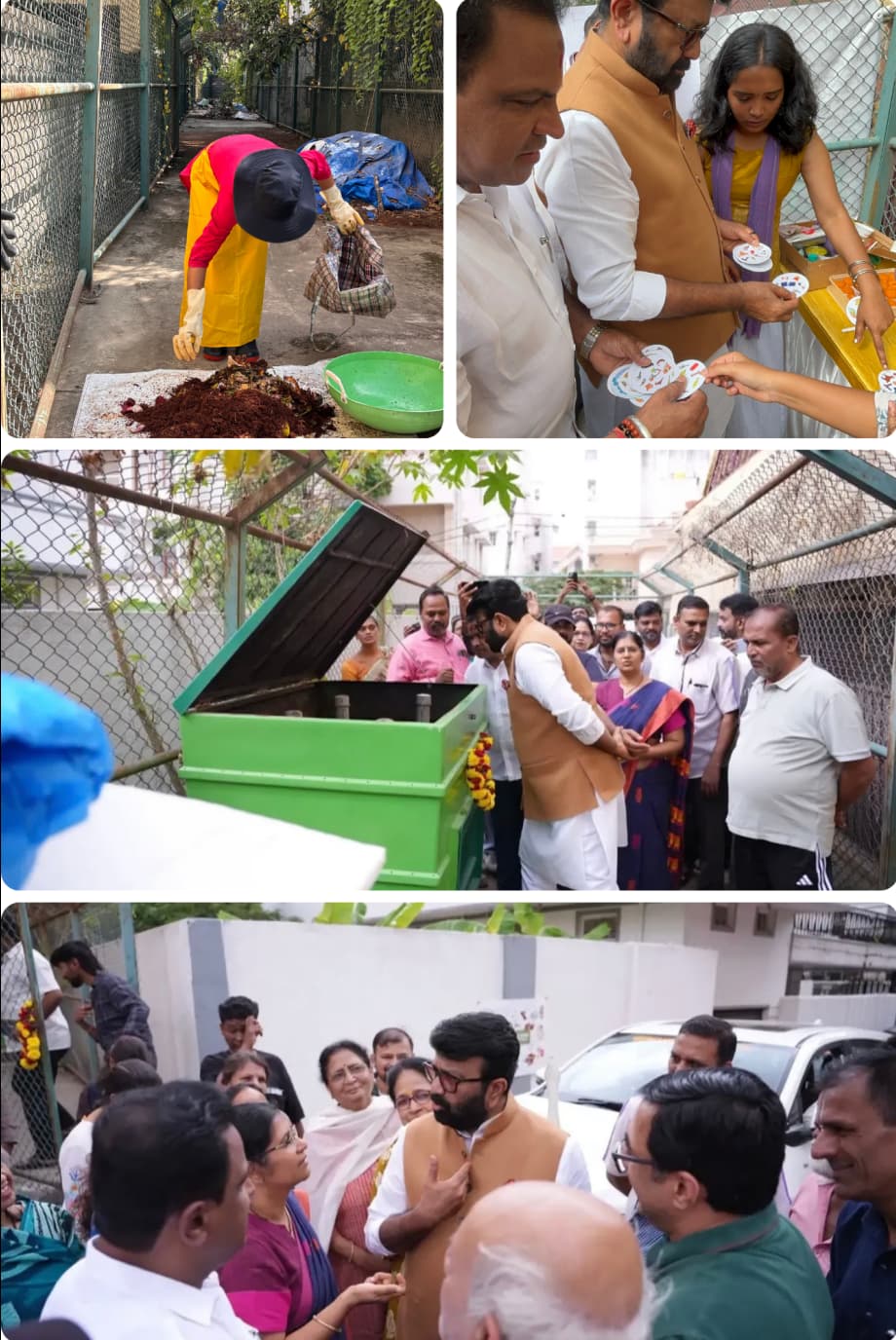
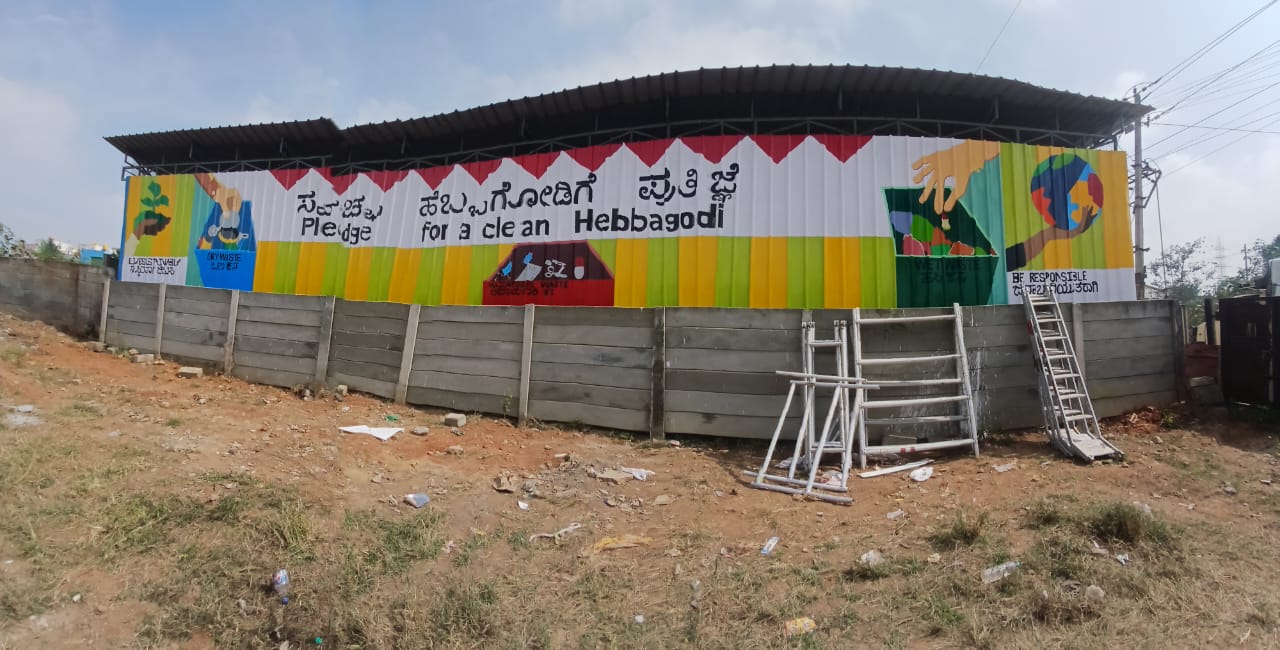
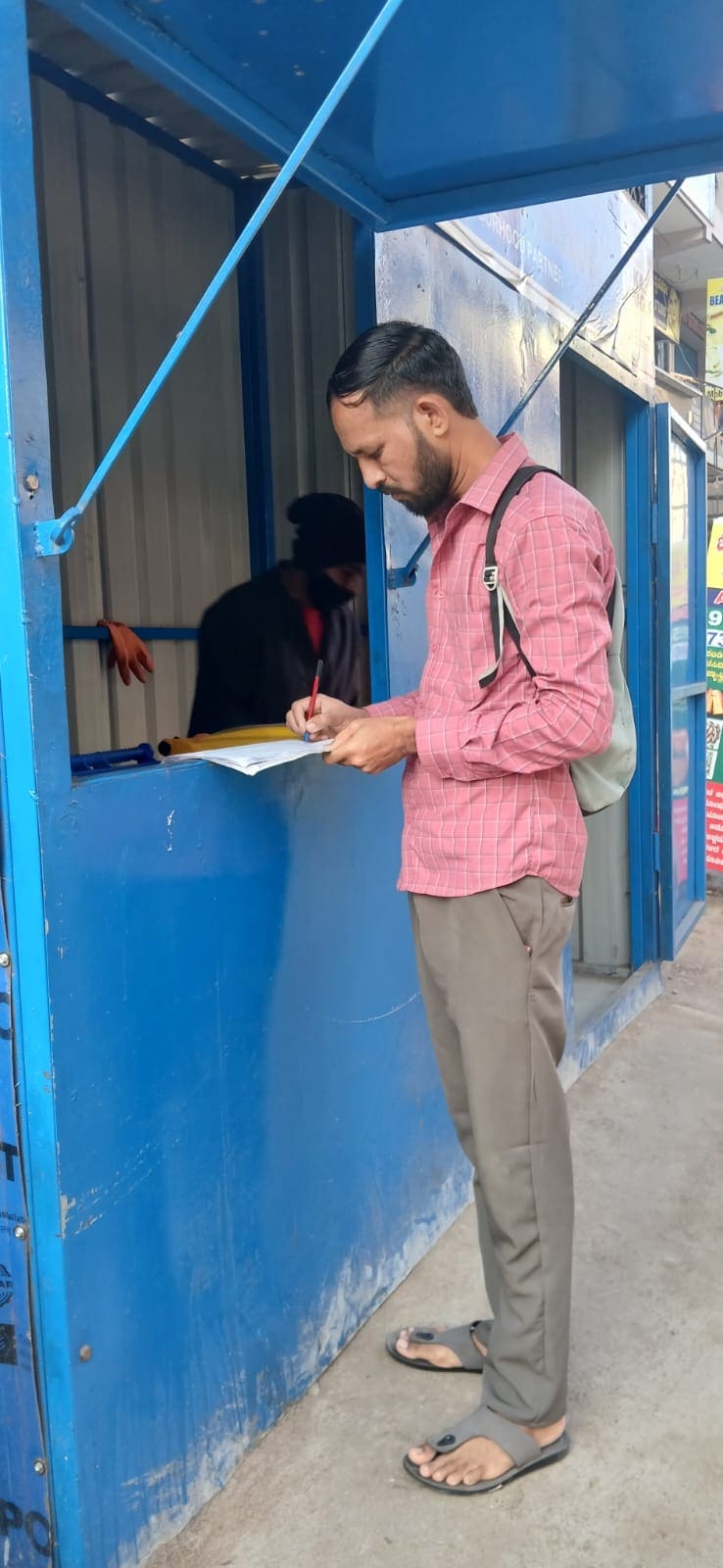
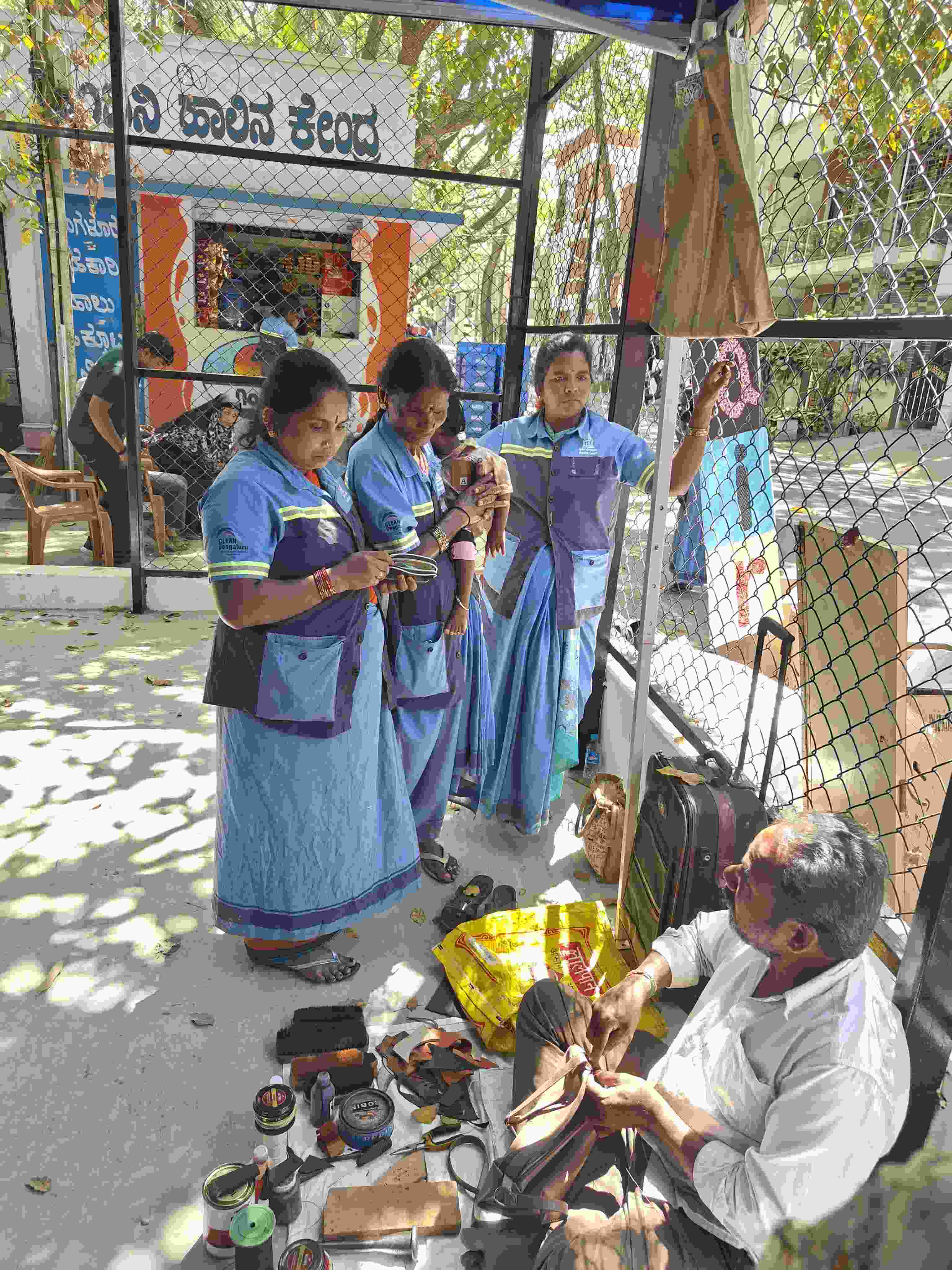
 , a small, manned, waste drop-off stall where you can drop off your waste anytime, even if you miss the collection truck. The Kasa Kiosk makes it simple to dispose of waste responsibly and keep your area tidy.




 What you’ll see inside:
 Follow our journey on Instagram:
 Biodiversity Walk – Bheemanakatte Lake
 . It was the surprise of it all, that such abundance sits so close to home, largely unannounced, offering a wonderful reminder of the biodiversity that urban lakes continue to support.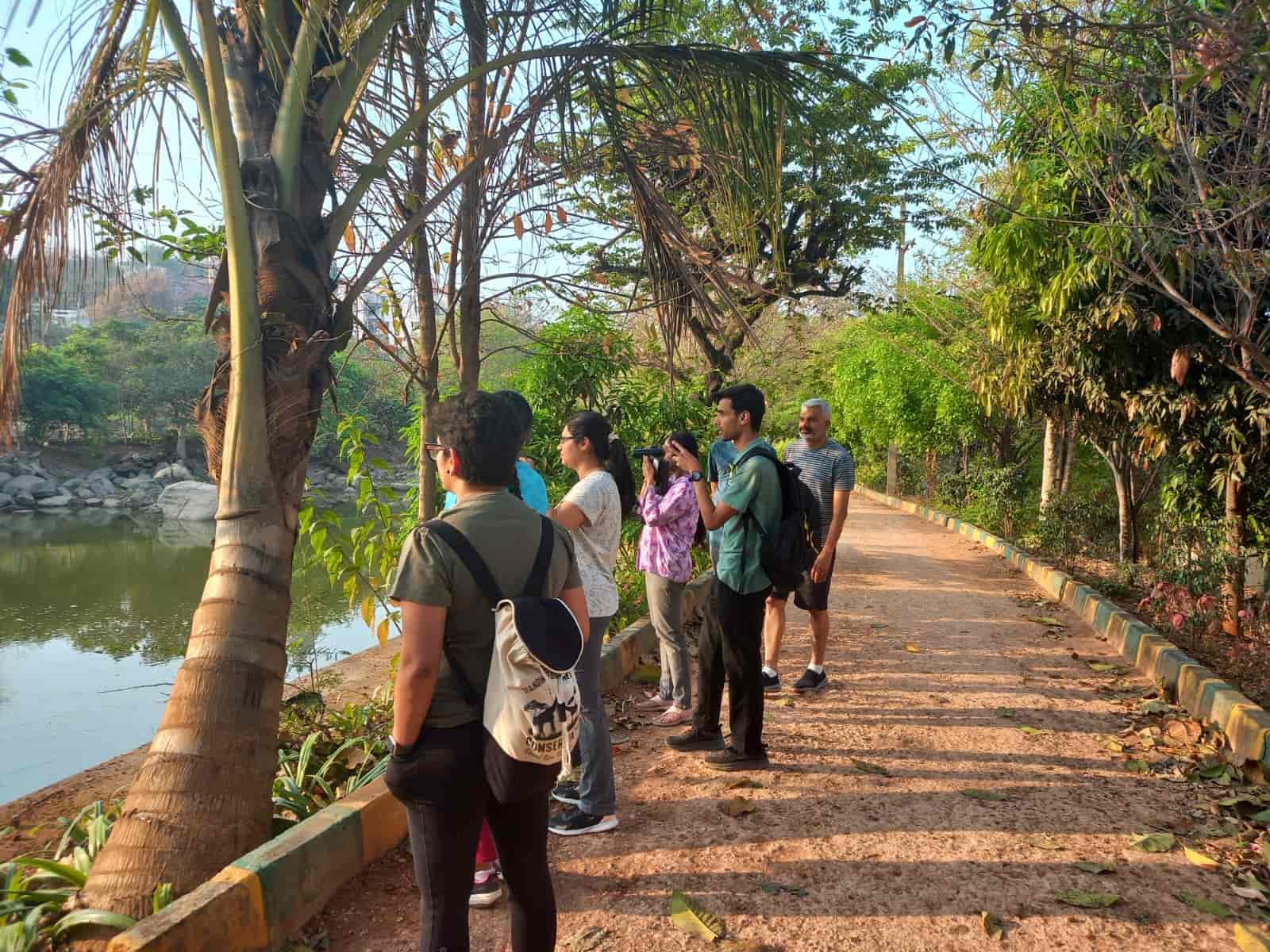
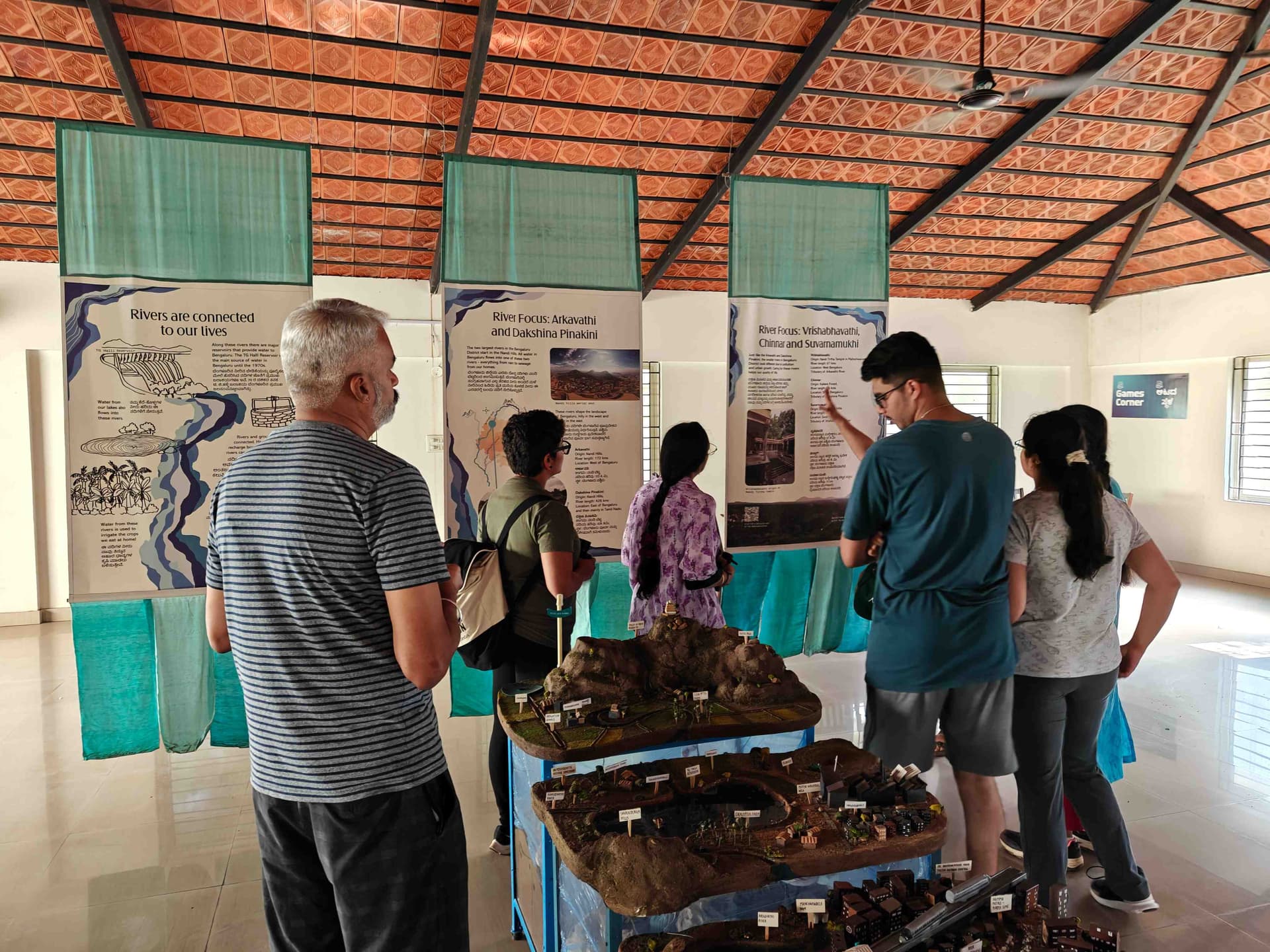
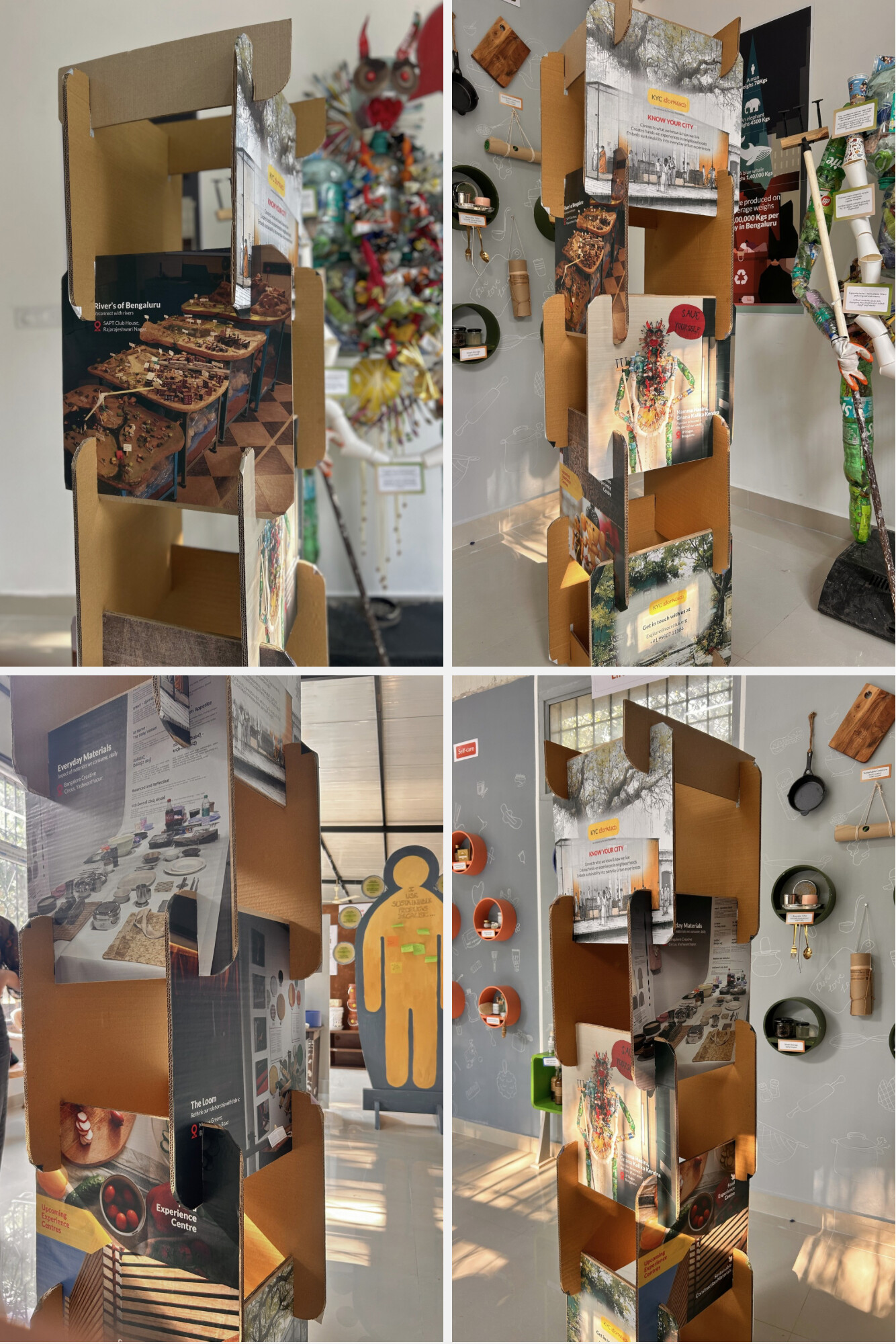
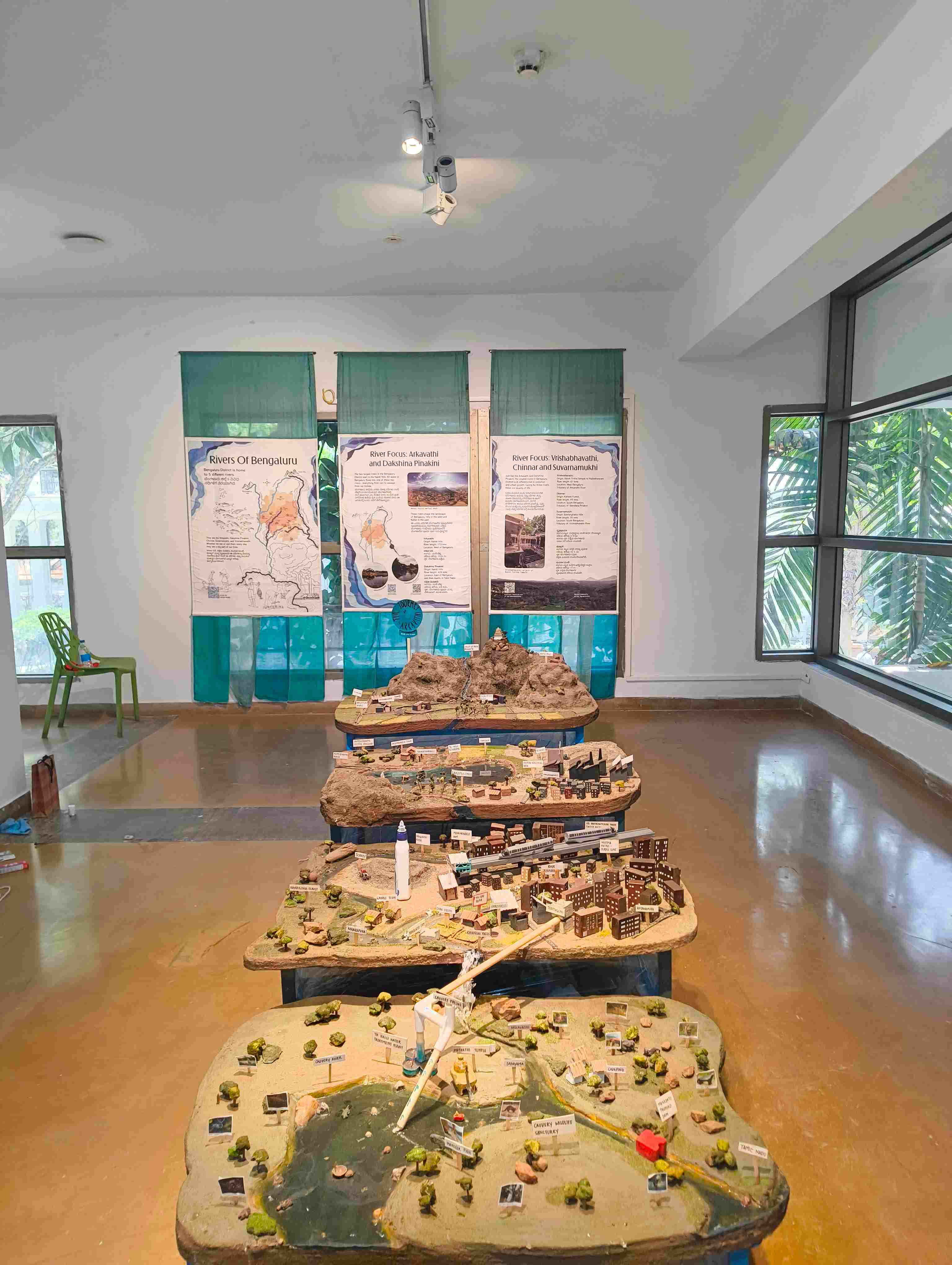
 Upcoming 5th KYC Experience Centre
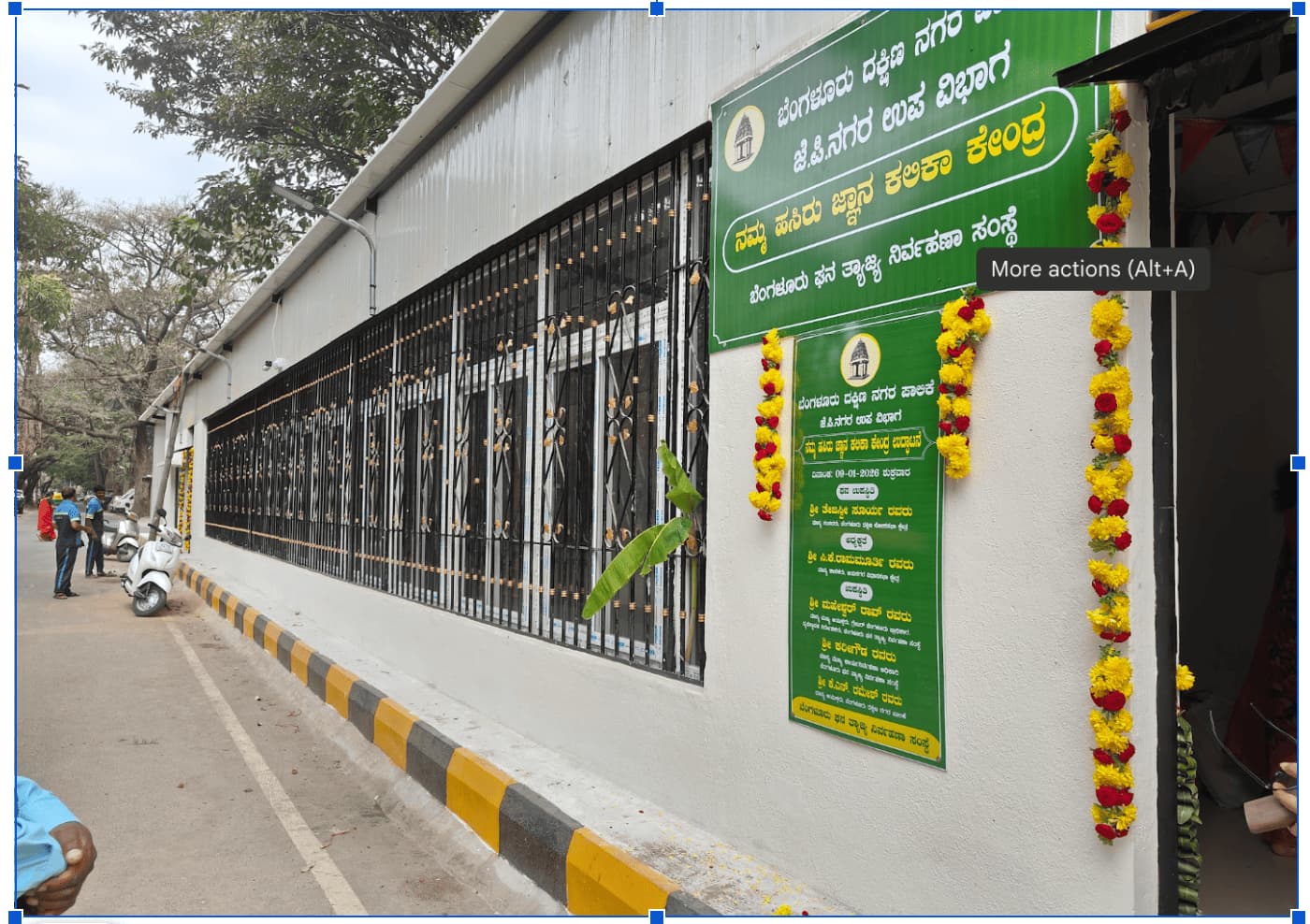
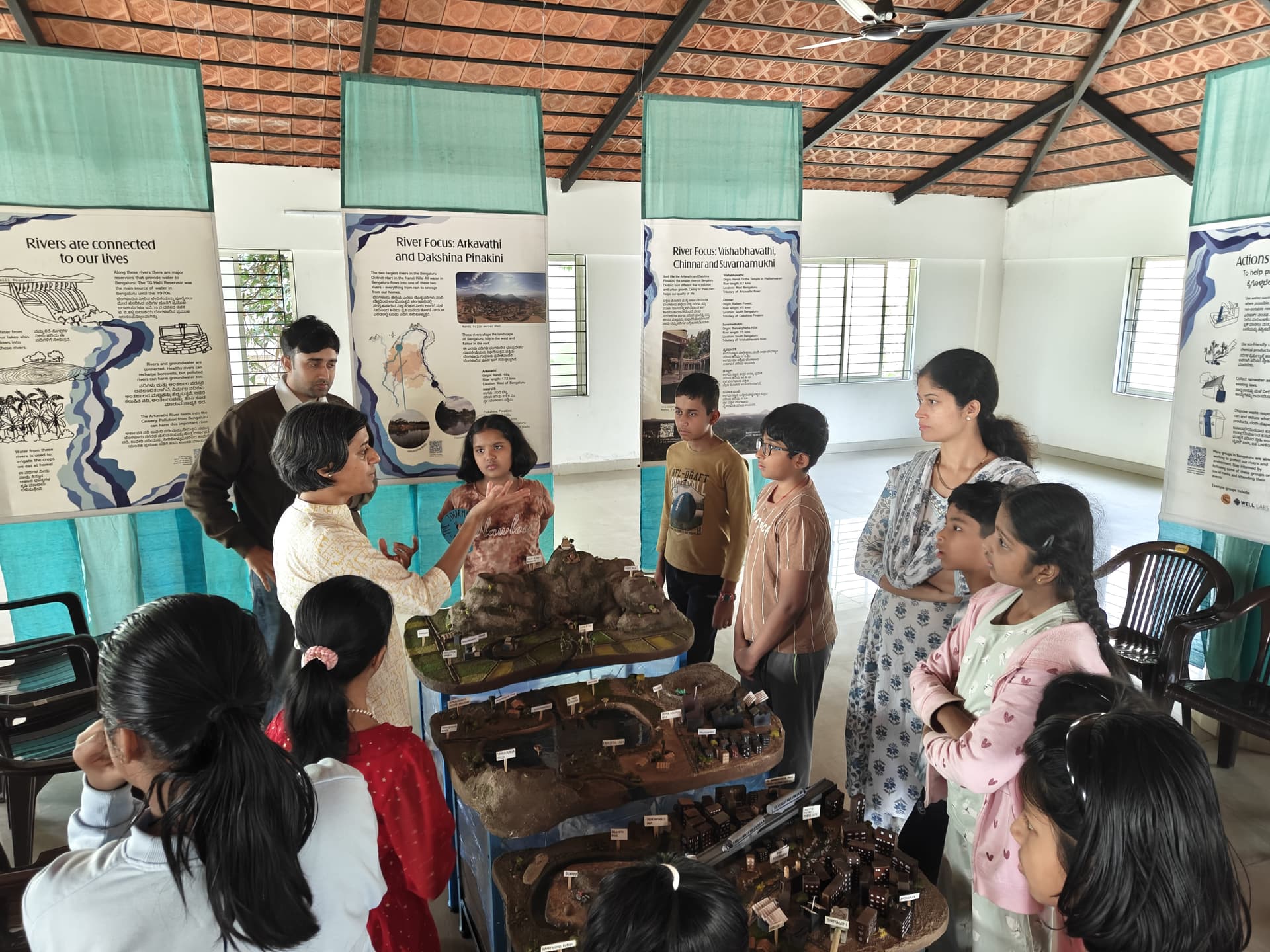
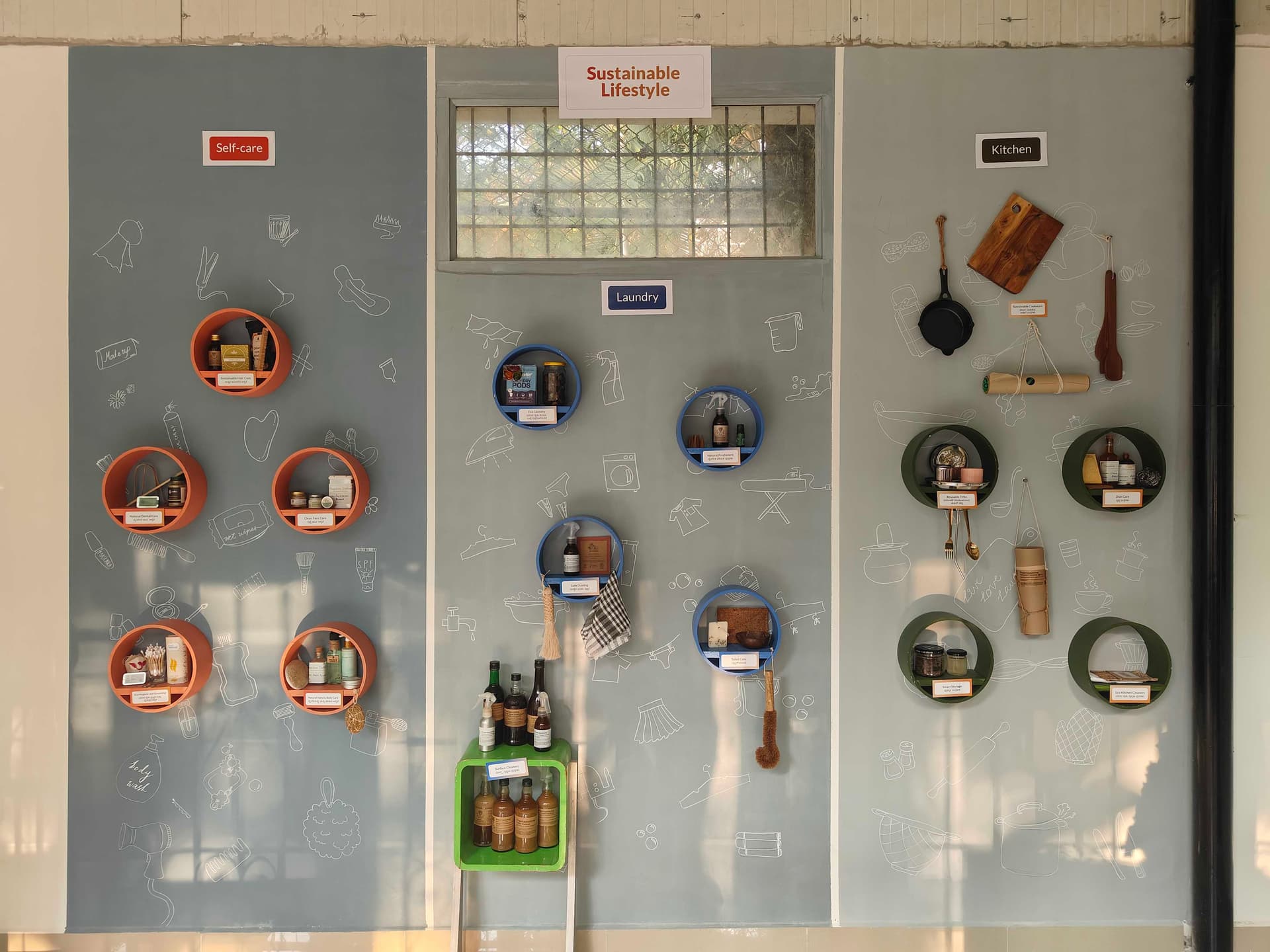
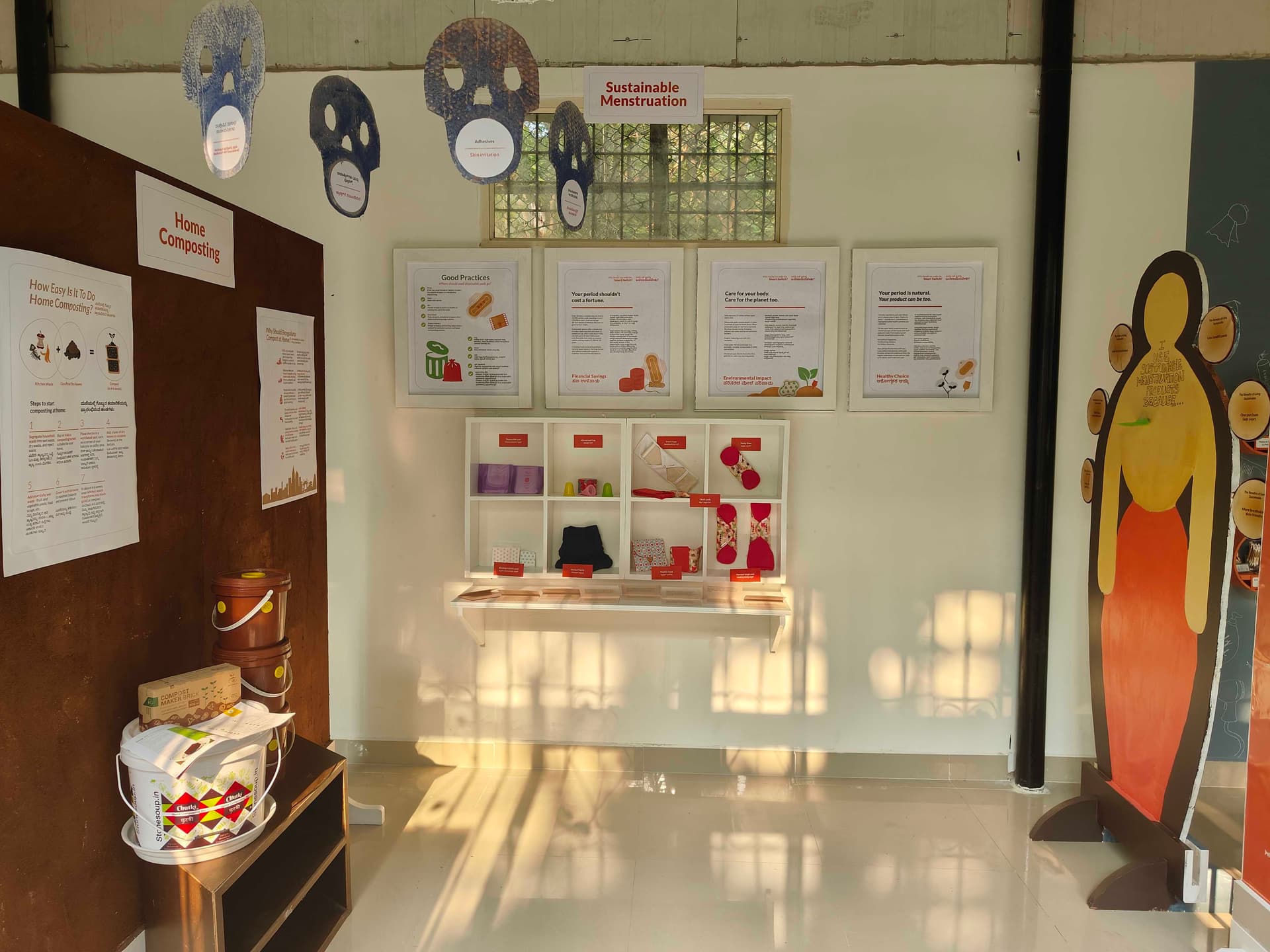
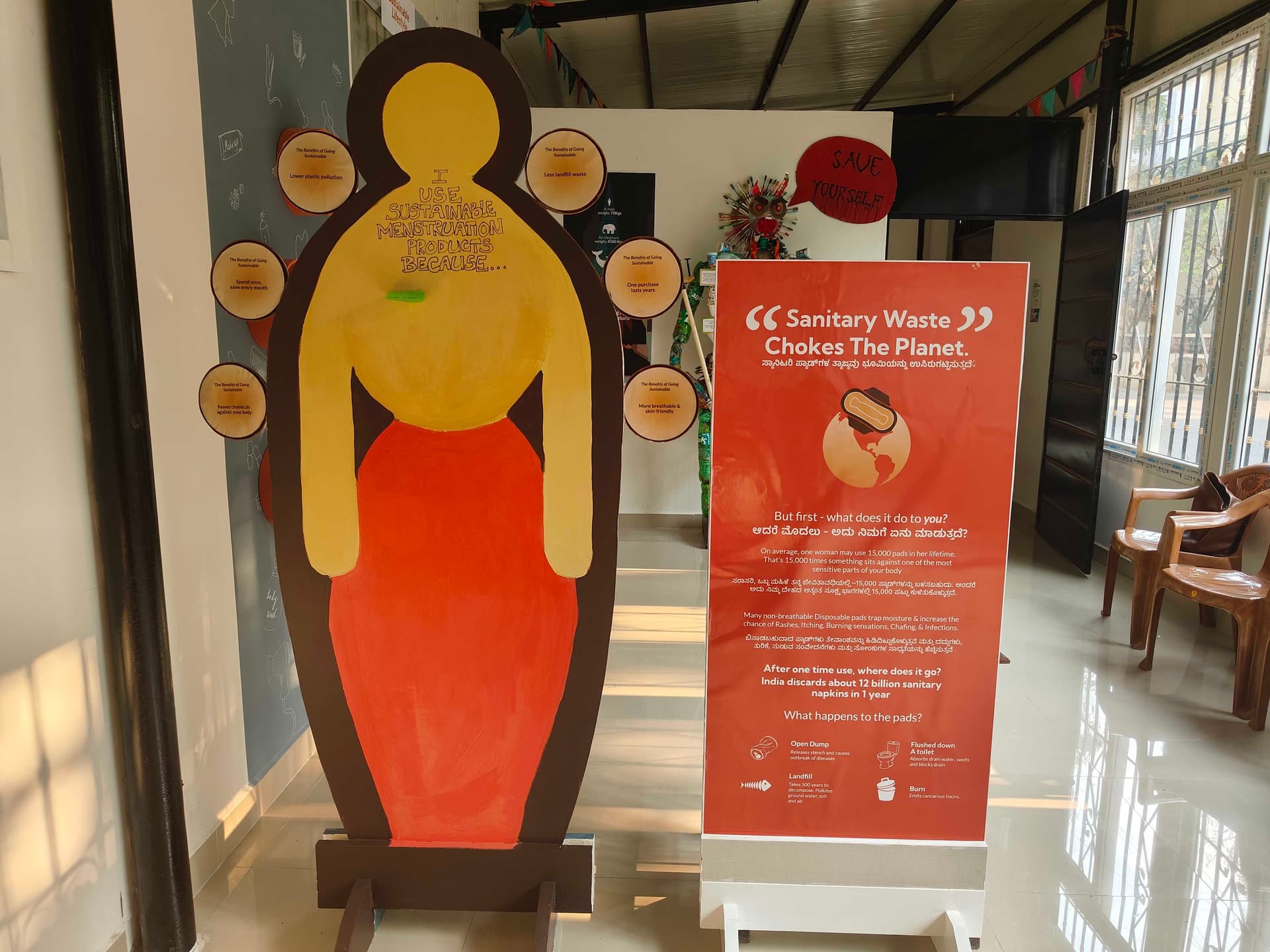
 Reflections from the Zero-Waste Experience Centre (Namma Hasiru Gnana Kalika Kendra
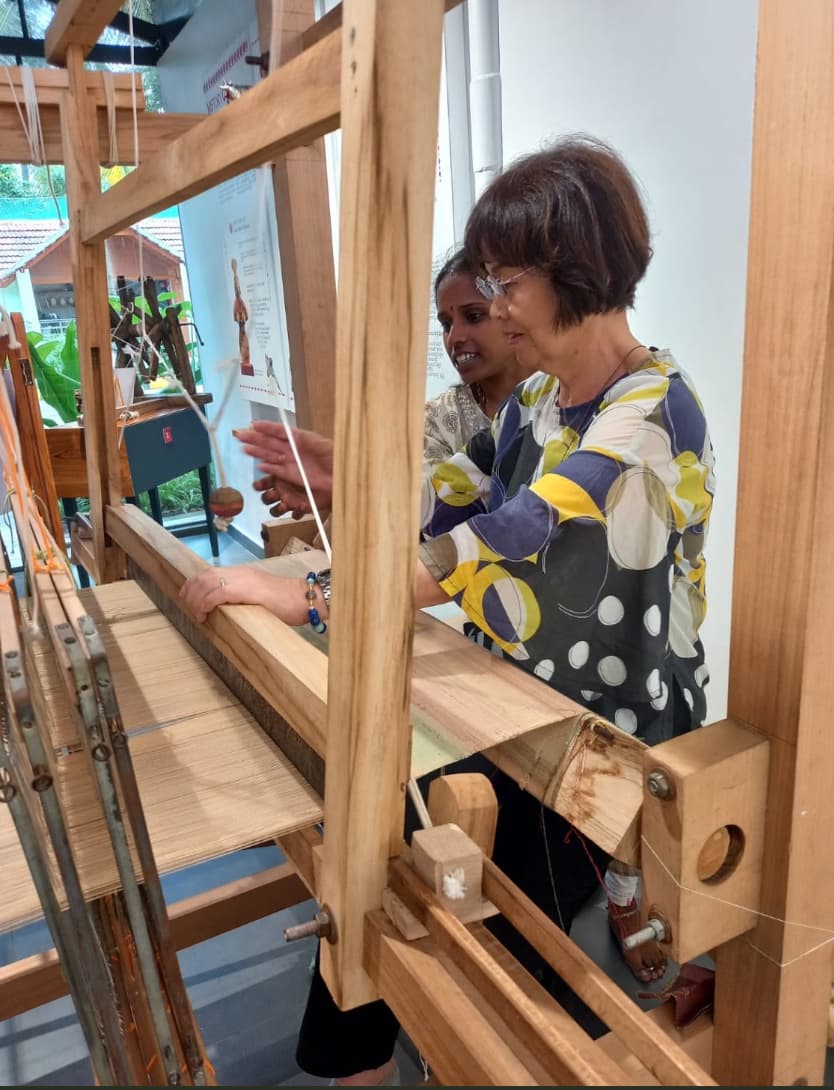
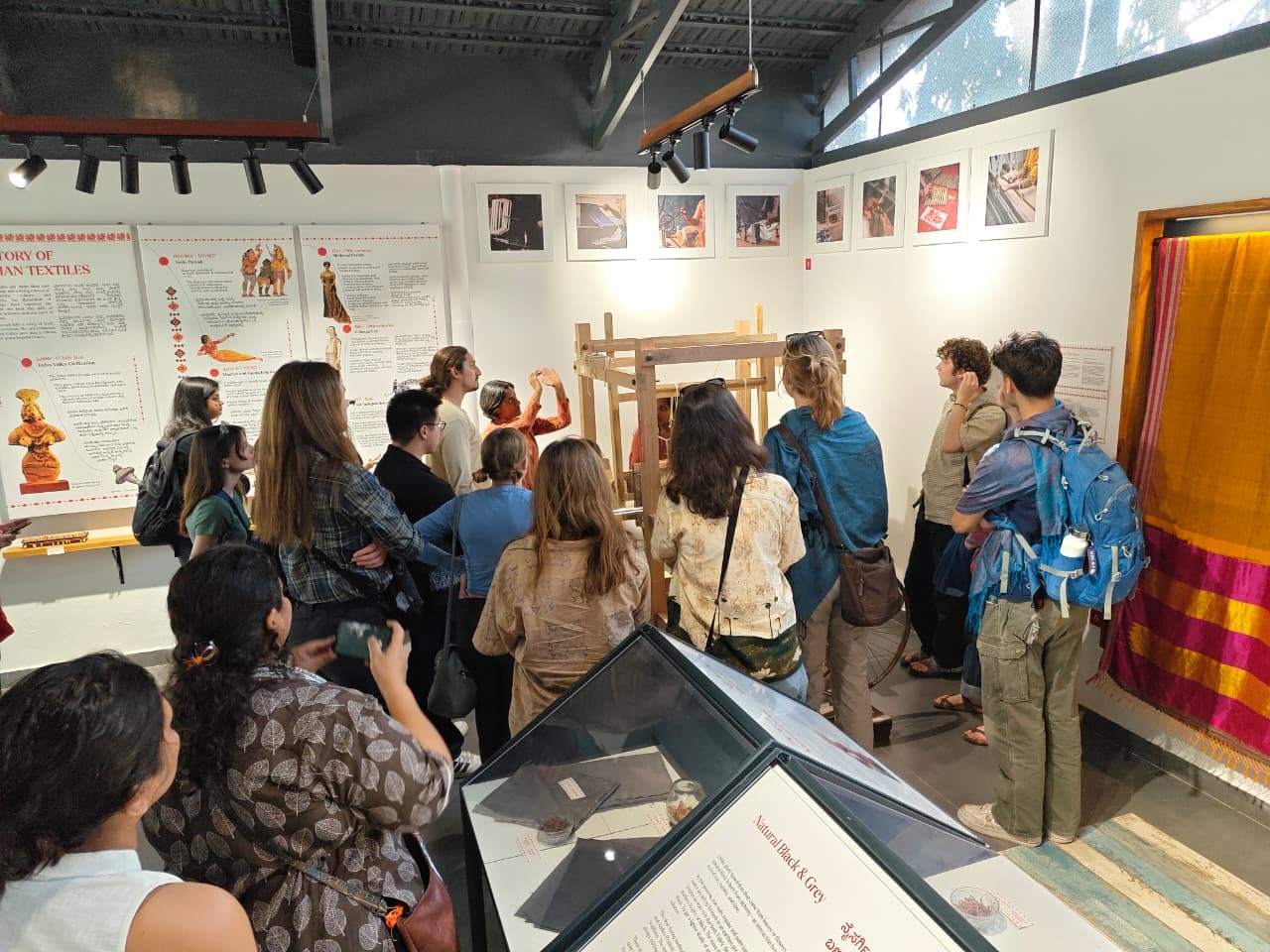
 Met the Loom
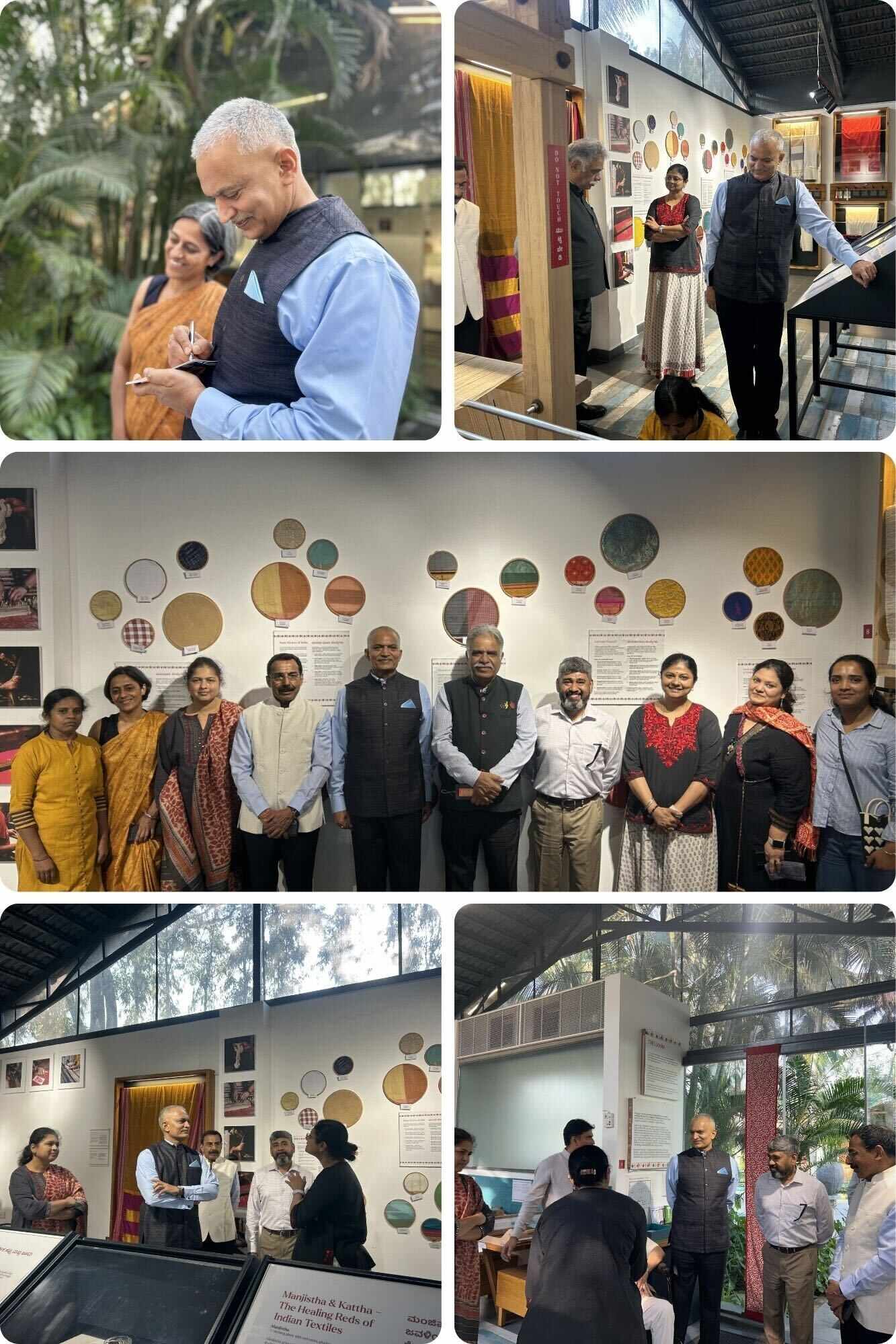
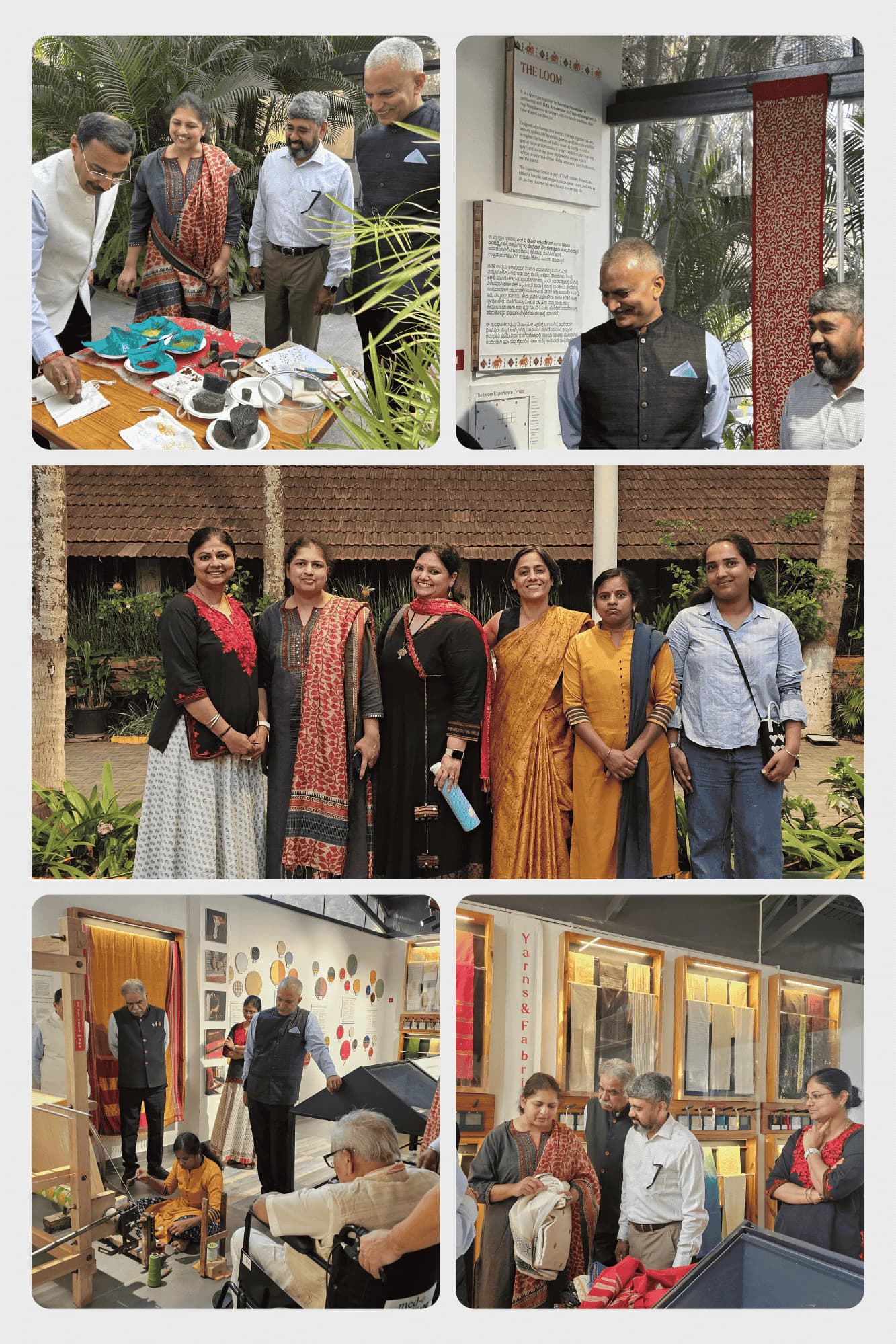
 For artisans here, this shift has been deeply felt. **Skills honed over generations are finding fewer takers. Shops that once depended on impulse stops now contend with declining footfall, cheaper imports, and the added weight of compliance frameworks like GST. Even with a
  Geographical Indication tag and renewed attention through
  “Vocal for Local,” the reality on the ground remains uneven. Many artisans—particularly women—are gradually moving away from the craft, turning instead to daily-wage work that offers greater predictability.
 Tipu Sultan, Channapatna’s wooden toys🧸have evolved through layers of exchange, including lathe techniques believed to have arrived through Persian influence. What exists today is a
  living, hybrid tradition — one that blends inherited knowledge with adapted tools, sustained through generations of skill.
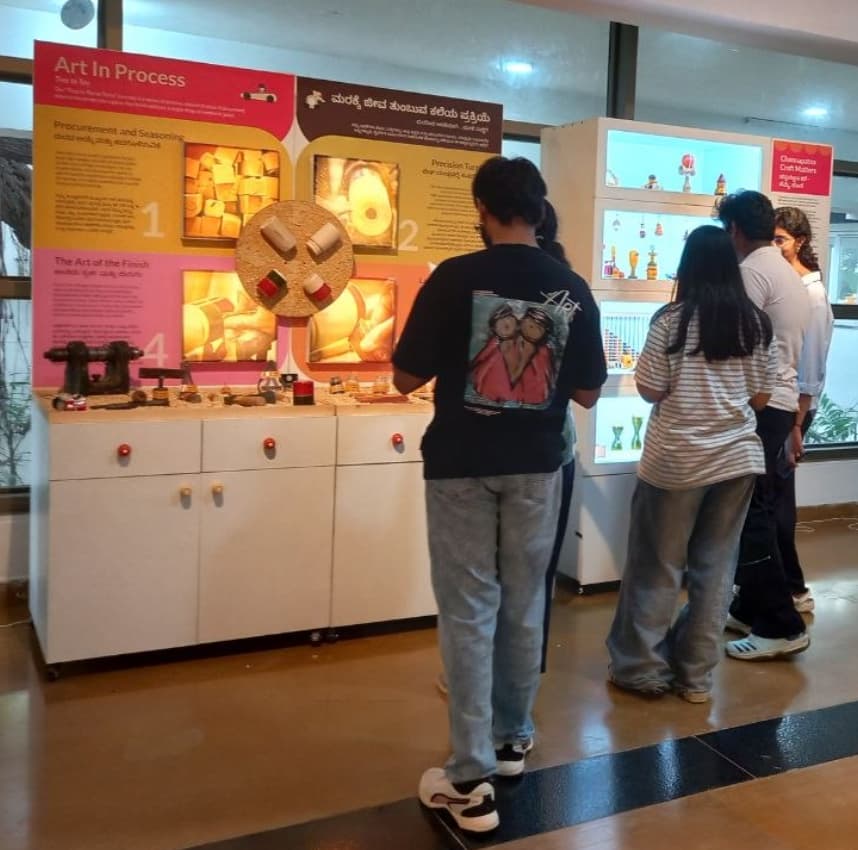
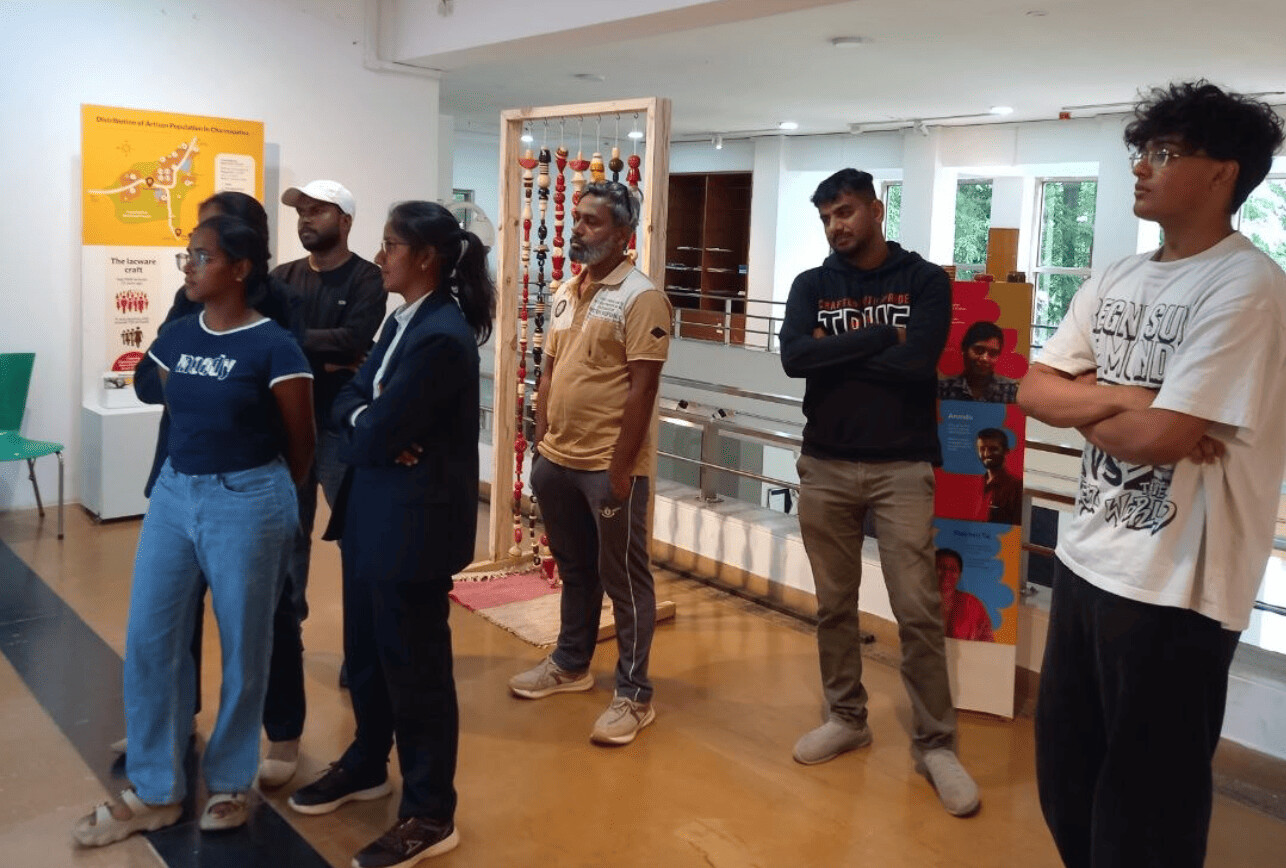
 The Art and Craft Experience Centre at Circular Square, centred on the Channapatna craft. We had partners from the social sector with us, along with artisans from Artisan Pride, Channapatna, and their manufacturing arm, Fairkraft. Visitors heard from Mrs. Shahida, CEO of Artisan Pride, and Mr. Ramesh, Head of Fairkraft, along with a walkthrough by Aswana from the LVBL Accelerator team.
 interactive exhibits,
  close-up displays, and the presence of
  raw wood to finished toy
  , or just stand nearby and listen in as conversations unfolded. Some people spent time reading through the exhibits; others stayed with the artisans, asking questions, going back and forth.
 seemed to gather a bit of spirit of its own. What began as a gentle backdrop grew livelier, without anyone noticing. One voice joined in, then another, and before long there was a rather enthusiastic chorus- if not in the most dulcet of tones.
 By the end of it, the formality had slipped away, and what remained was something much closer to a cheerful, unplanned gathering.
 history, and hopefully
  leave with a slightly different sense of how these crafts endure, carrying their legacy even as the world around them shifts.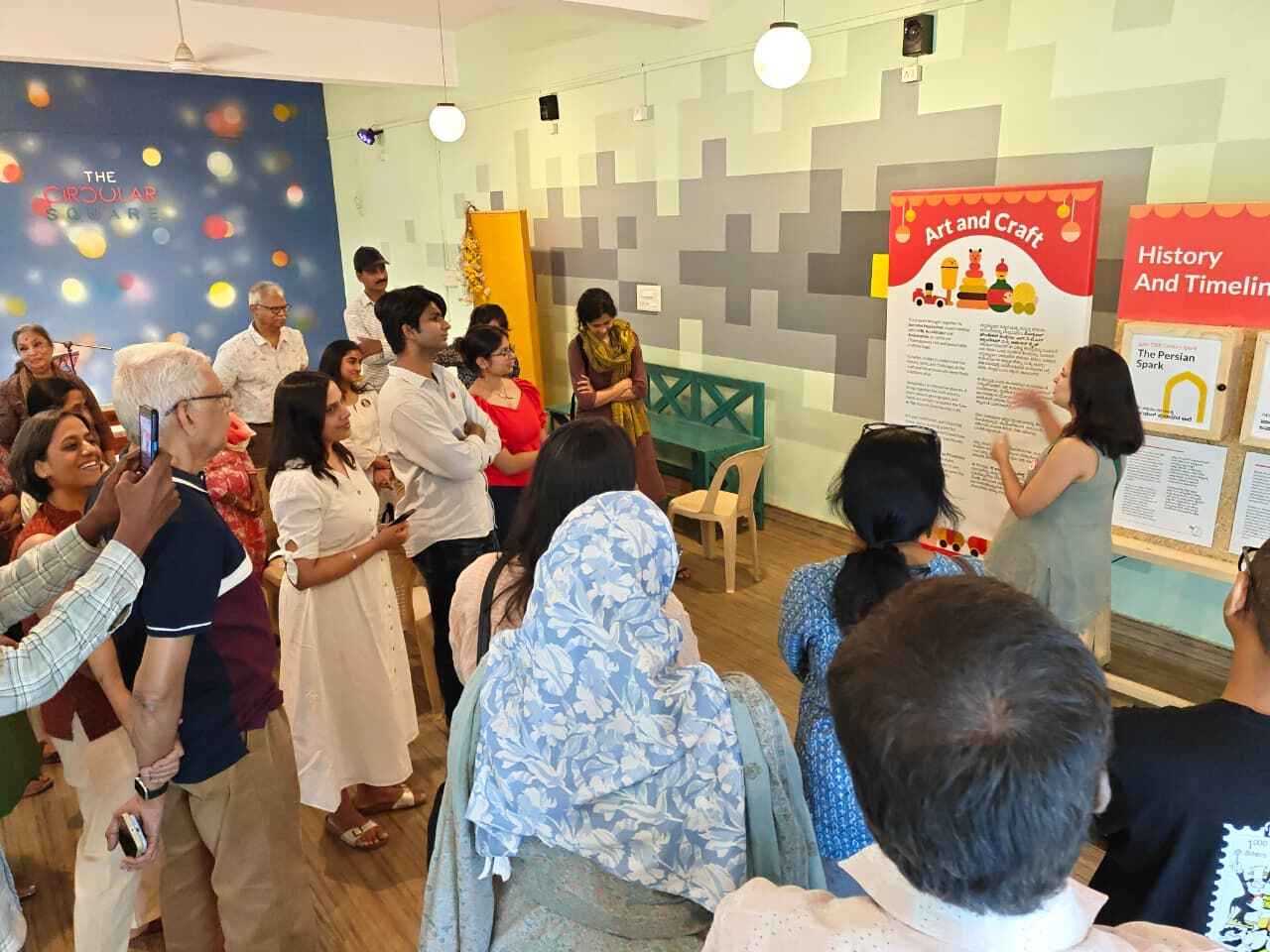

 , home décor. Items that had been outgrown, outread, or simply out of mind.
 . Parents lingered, flipping through pages, picking up modest stacks.
 and participation—buying:handshake:, donating
  , asking where else they could contribute, suggesting other apartments, other networks.
 Smriti Tiwari, with her deep knowledge of multispecies ecosystems, and
  What followed was both delightful and instructive.
 bandicoots to Amaranthus leaves,
  water hyacinth, and the
  Pink Trumpet tree.
 They were equally sharp in piecing together where these organisms live and thrive.
 Learning that bandicoots are expert diggers
 You don’t have to go far to encounter biodiversity, it exists all around us.