Over three days, Grameen Charcha in Bisam Cuttack, Rayagada, created a shared space for dialogue among community members, Gram Pradhans, traditional leaders, women leaders, SHG members, youth, and elders. About 50 sangathans, community networks from Maharashtra, Madhya Pradesh, Chhattisgarh, Odisha, Jharkhand, and Rajasthan, joined over a thousand participants, reflecting the strength of grassroots institutions shaping local futures.

Emerging from community leadership, hosted by Odisha Shramajeebi Manch, Mahila Shramajeebi Manch, and NCCM, anchored by Atmashakti Trust, and co-created with the Foundation For Ecological Security (FES), Socratus Foundation for Collective Wisdom, and the Common Ground Initiative, the Charcha wove together dialogue, games, and hands-on sessions, creating space for listening and shared learning across regions and generations.
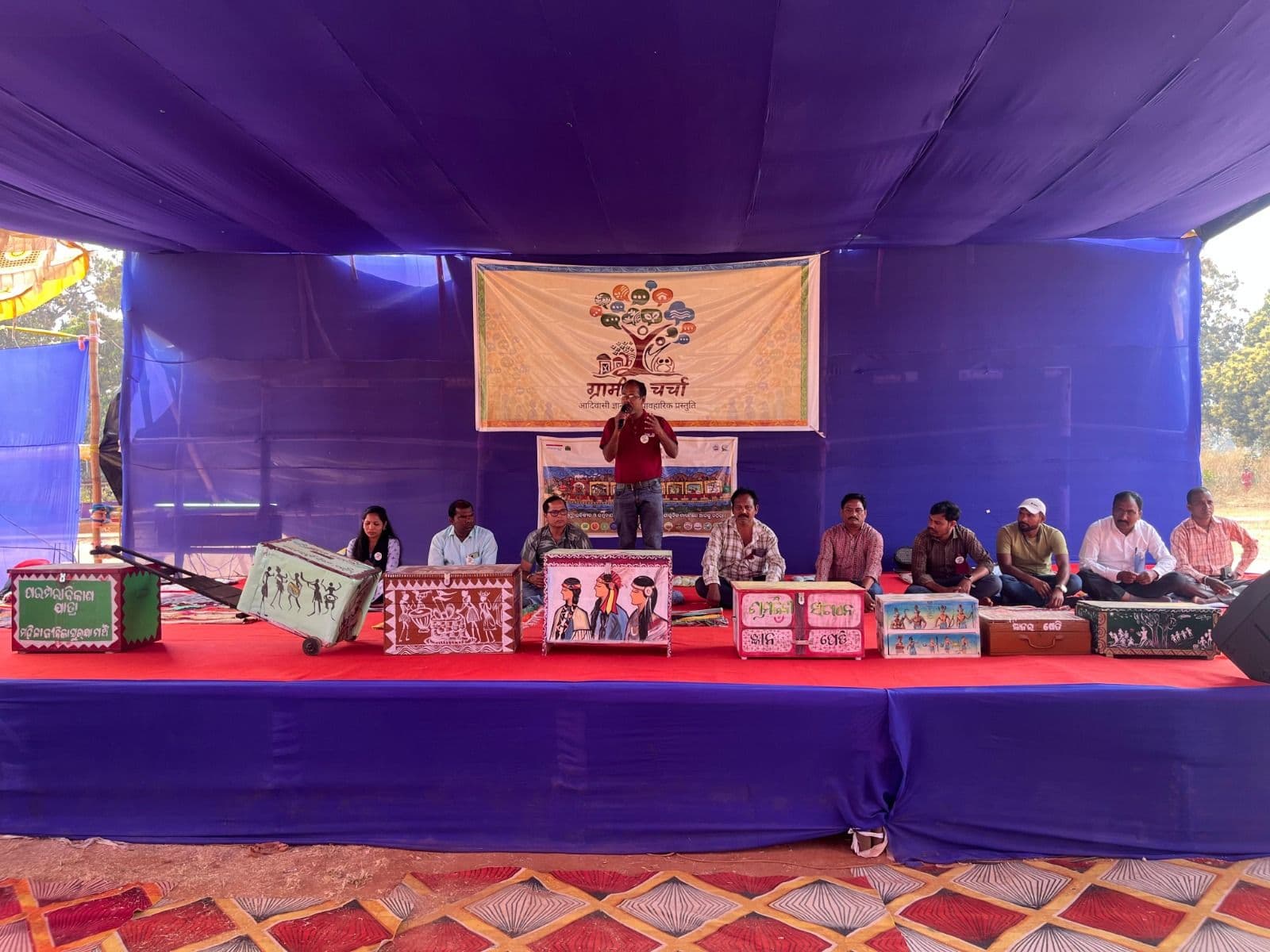
Sessions on landscape approaches highlighted the links between land, forests, water, and livelihoods. Workshops on digital public tools (such as Gramify - a shared digital space to find information, exchange stories, build local data, and plan village action) demonstrated how community data and participatory planning can support Gram Sabhas and Panchayats in decision-making and enable regular multi-actor planning spaces at the village level. Storytelling sessions explored how lived experiences, especially those of women leaders and grassroots institutions, can travel across landscapes and inform wider practice.
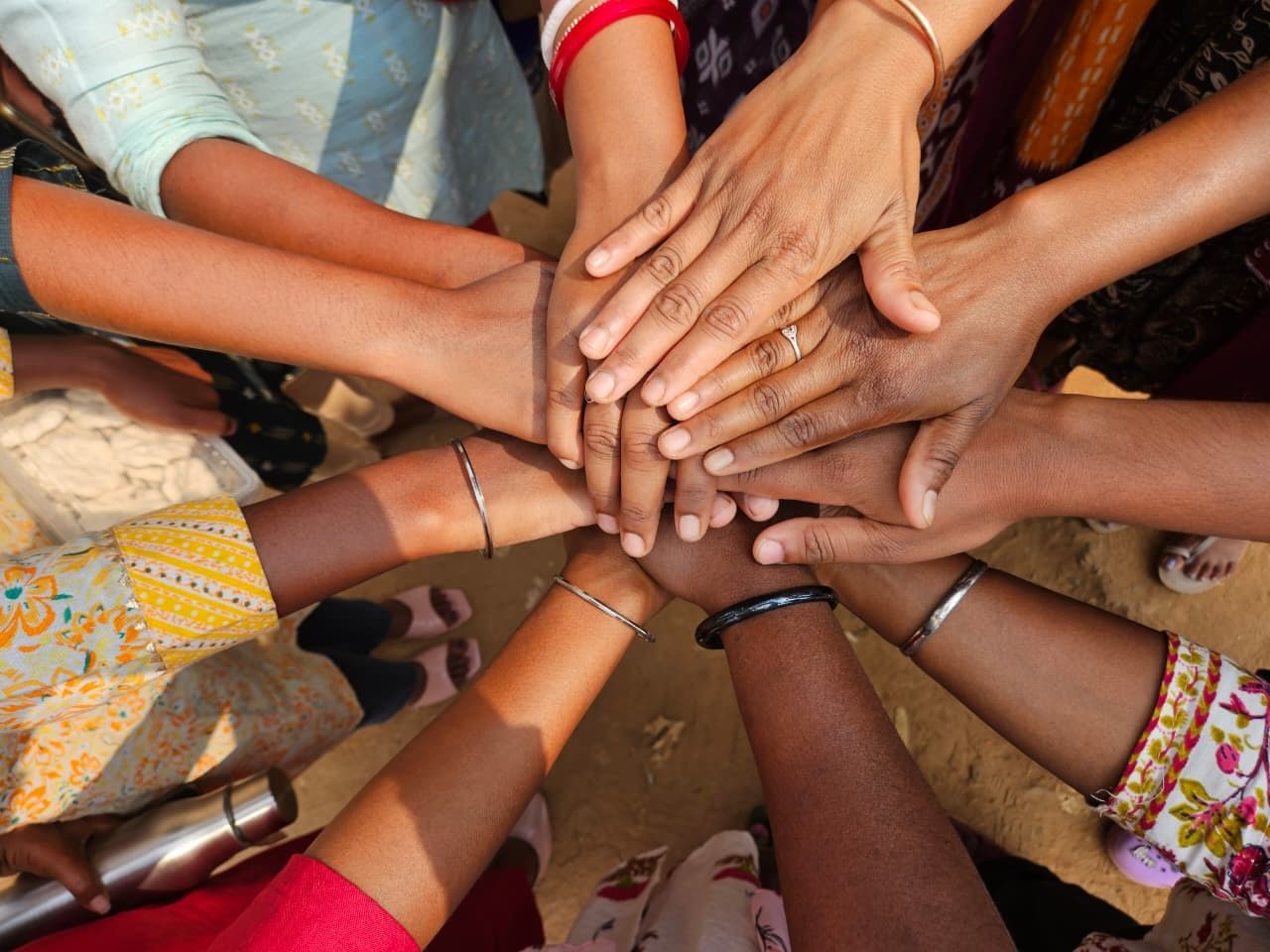
Women leaders spoke about protecting forests and strengthening food systems, Panchayat representatives reflected on collective planning to strengthen village economies and reduce distress migration, and traditional leaders and youth highlighted intergenerational knowledge and shared responsibility for ecological and cultural continuity. Students from Indian Institute of Mass Communication, Dhenkanal, documented these lived experiences and presented stories and short videos from the gathering.
As the conversations unfolded, a shared set of priorities emerged as the way forward: strengthening self-reliant village economies, investing in decentralised infrastructure such as irrigation, storage, and safe drinking water systems, deepening community governance through Palli Sabhas, enabling youth and women leadership and enterprise, and aligning development pathways with ecological sustainability.

Over the three days, we agreed that collective action through community institutions is central to sustaining landscapes, strengthening local economies, and building social cohesion.
