From Knowledge Sharing to Collective Action: Reflections from Sanjha Meet 2026
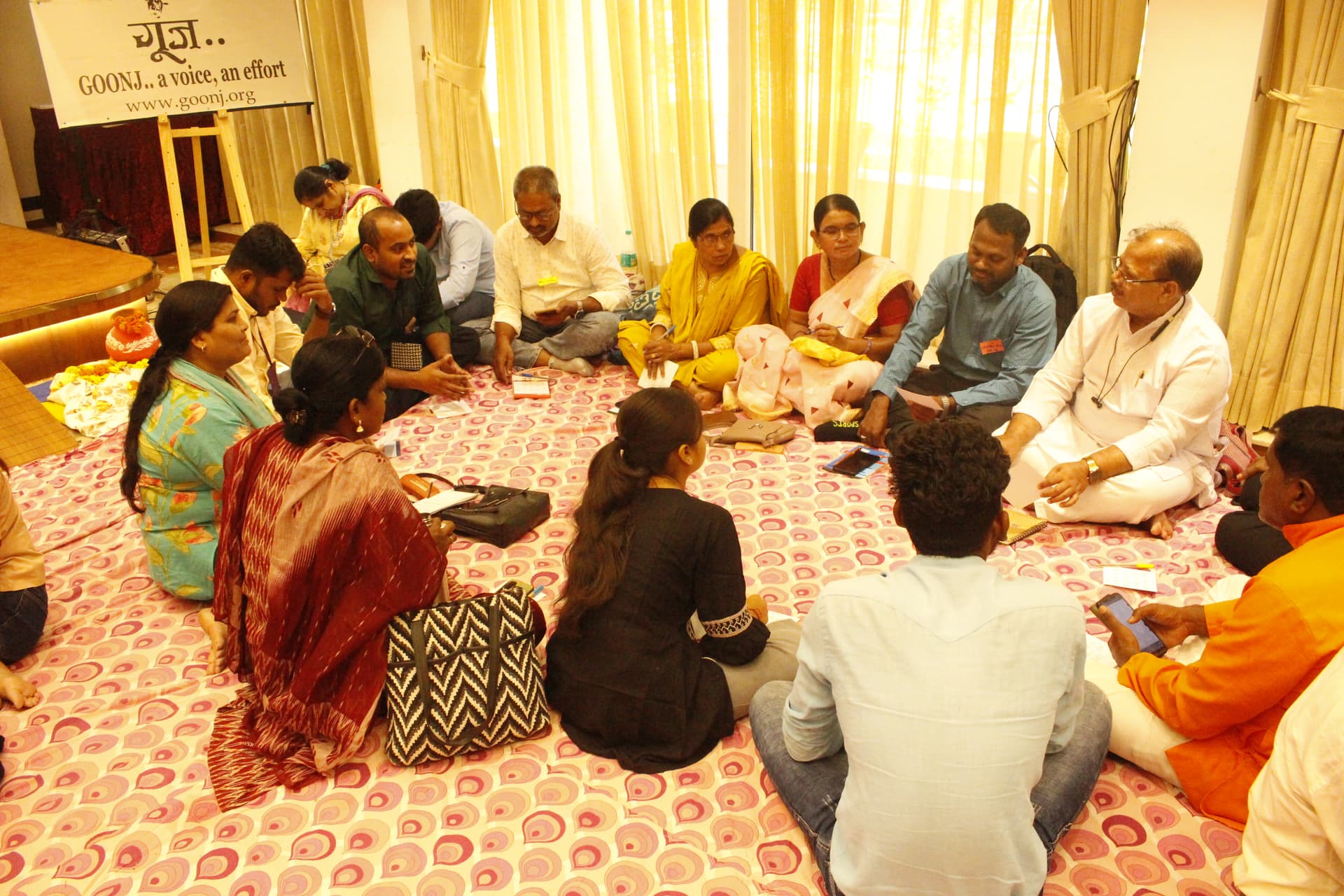
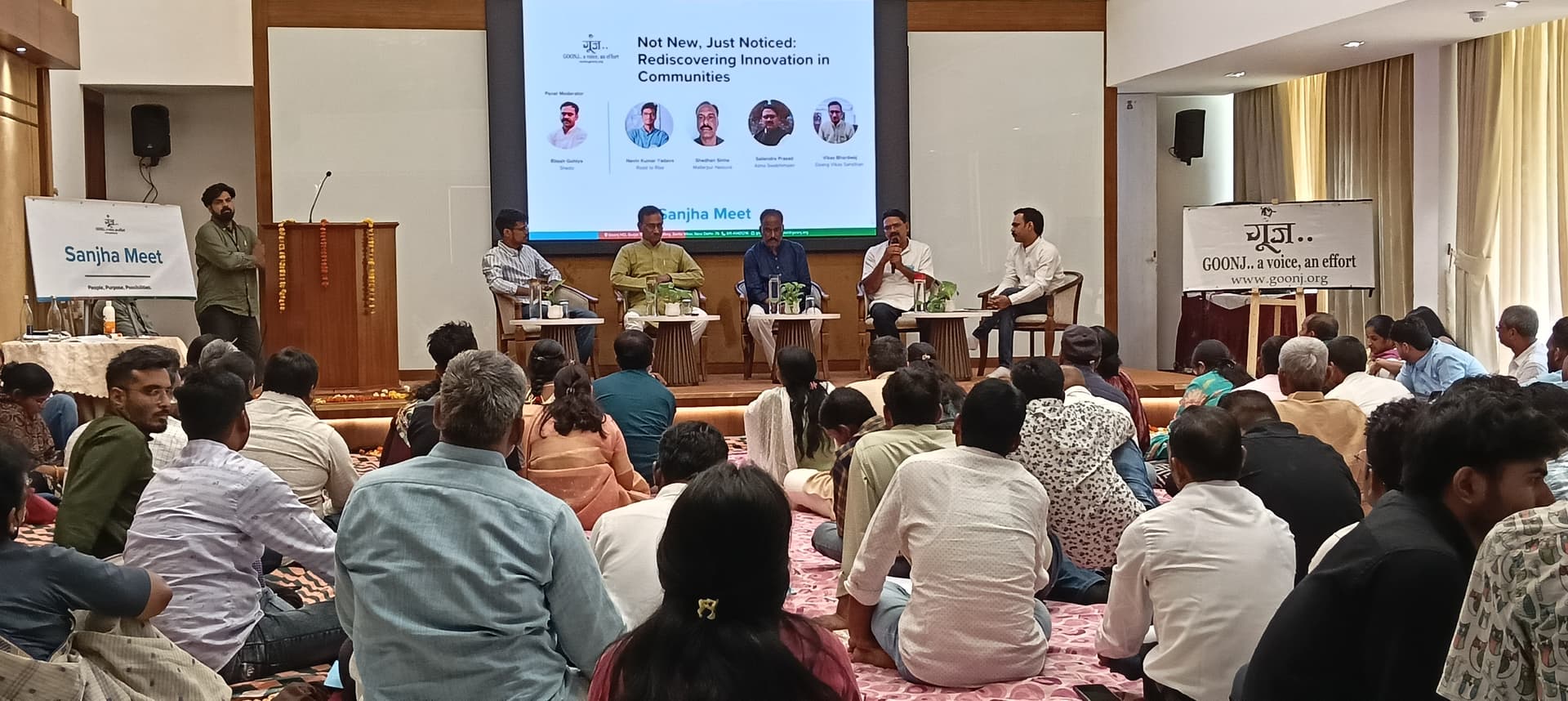
The Cross Learning and Sharing event, also known as Sanjha meet, took place from 13-15 May 2026 in Delhi, organized by Goonj partner. This gathering aimed to share valuable experiences, enhance collective knowledge, and strengthen grassroots systems, ultimately expanding the impact of their joint efforts. By sharing stories and innovations from the ground, participants sought to break down barriers and build stronger connections between organizations. Over the course of three days, individuals and groups gained numerous insights and learnings, which can be applied to improve the organization’s approaches and system. The event provided a platform for people to come together, learn from each other, and work towards creating a more collaborative and effective ecosystem. By doing so, they can achieve better goals and make a more significant difference. The meet was a great opportunity for knowledge sharing, networking, and building synergies, and its outcomes are expected to have a positive impact on the organizations involved.

The Power of Cloth:
- At the heart of Goonj’s work is the collection, sorting, and distribution of materials across vast areas, all with the goal of fostering community development. This process begins with a deep understanding of the specific needs of each bio-region, taking into account the unique characteristics of each place and the requirements of its people. But what drives this effort is more than just logistics - it’s the powerful emotional connection that people have with the materials, especially the clothing, that Goonj distributes.
- These are not just pieces of cloth; they represent a way to restore dignity and self-respect to individuals and communities. By providing something as basic yet essential as clothing, Goonj creates a channel to reach out to stakeholders in the community, to connect with them on a fundamental level, and to address their needs in a meaningful way. This approach recognizes that the impact of such initiatives goes far beyond the material itself, speaking to deeper issues of respect, dignity, and community empowerment. Through its work, Goonj illustrates that even the simplest of items can become a powerful tool for community development when imbued with a sense of purpose and understanding of the people it serves.
- One of the great works of Goonj thieves was to re-use, re-produce and re-cycle the materials they received across India through different campaigns. Goonj’s motto is to go green being conscious of climate change and waste of materials. The Civil Society partners must adopt or change the way we see the community, people and resources like:
- Charity → Equal Stakeholders
2. Discarding→ Mindful Giving
3. Poor → Financially weak
4. Helping → Empowerment
5. Women’s issue → Human Issue
The materials are chosen and used in a way that is careful and thoughtful, for things like community programs, helping the community grow, and making people more aware of climate issues, all while making sure not to harm the environment.
The Gram Swabhiman Sambaad Approach:
-
Building strong communities is crucial, and one way to do this is through the Gram Swabhiman approach. This community-based method, also known as Gram Swabhiman Sambaad, aims to bring people together and change their mindset about themselves and their community. Often, communities are viewed as poor, neglected, or marginalized, but this approach helps them see that they are not poor, just economically weak. It’s all about shifting our perspective and recognizing the value of a community’s natural resources, traditional practices, and skills. By doing so, people can feel proud of who they are and what they have, which can awaken a sense of self-respect and dignity within them.
-
This, in turn, makes them more confident about their abilities and resources. The ultimate goal of Gram Swabhiman is to empower communities to focus on their strengths and potential, rather than their weaknesses. This change in mindset can have a significant impact on how communities develop and grow, allowing them to become more self-sufficient and proud of their heritage. By mobilizing communities and promoting a sense of self-worth, Gram Swabhiman can help people realize their true value and work together to build a brighter future.
-
This approach is not just about economic growth, but also about preserving traditional practices and promoting social cohesion. As communities begin to see their own strengths and potential, they can start to make positive changes and develop in a way that is sustainable and meaningful to them.
Silos to Synergy-Building Stronger Ecosystem:
- One of the interest sessions from Cummutiny representatives focused on raising awareness, boosting community involvement, and supporting vulnerable groups. By working closely with various stakeholders, Commutiny aims to drive positive and lasting change at the local level. This approach enables them to address specific needs and concerns, ultimately creating a more sustainable impact. Through their efforts, Commutiny strives to empower communities and foster an environment that promotes growth and development.
- When it comes to making a real difference, working together is key. Civil Society Organisations need to come together and share their strengths to achieve common goals. By building strong relationships among all the stakeholders, we can create a bigger impact in the development sector. It’s clear that collective efforts are more powerful than individual ones, and by combining our resources and expertise, we can accomplish so much more. This approach is crucial in today’s situation, where collaboration and cooperation are essential for driving positive change. By working together, we can pool our knowledge, skills, and experience to address the complex challenges we face, and create a brighter future for all.
- When it comes to getting things done, some people believe in taking a hands-on approach. They think it’s best to identify what needs to be done, be part of the solution, and actually take action. This approach is being used in India, where many partners are teaming up to make a bigger difference and create lasting change. By working together, they can avoid wasting time and resources on duplicate efforts. Instead, they can focus on achieving their shared goals. This way, they can make the most of their collective efforts and create a greater impact. It’s all about collaboration and taking action to achieve a common goal. In India, this approach is helping to drive real change and make a lasting difference.
- By pooling their resources and working together, these partners are able to achieve more than they could alone. This is a great example of how collaboration and teamwork can lead to real results and create a positive impact. Disaster preparedness should become a part of regular development planning and community governance while working with disaster prone areas.

Building networks, alliances, and partnerships strengthens long-term sustainability and outreach. Grassroots stories and field experiences are valuable for cross-learning and replication of good practices.