What’s Brewing at Ethos Foundation?

SVa-Des volunteers and impact

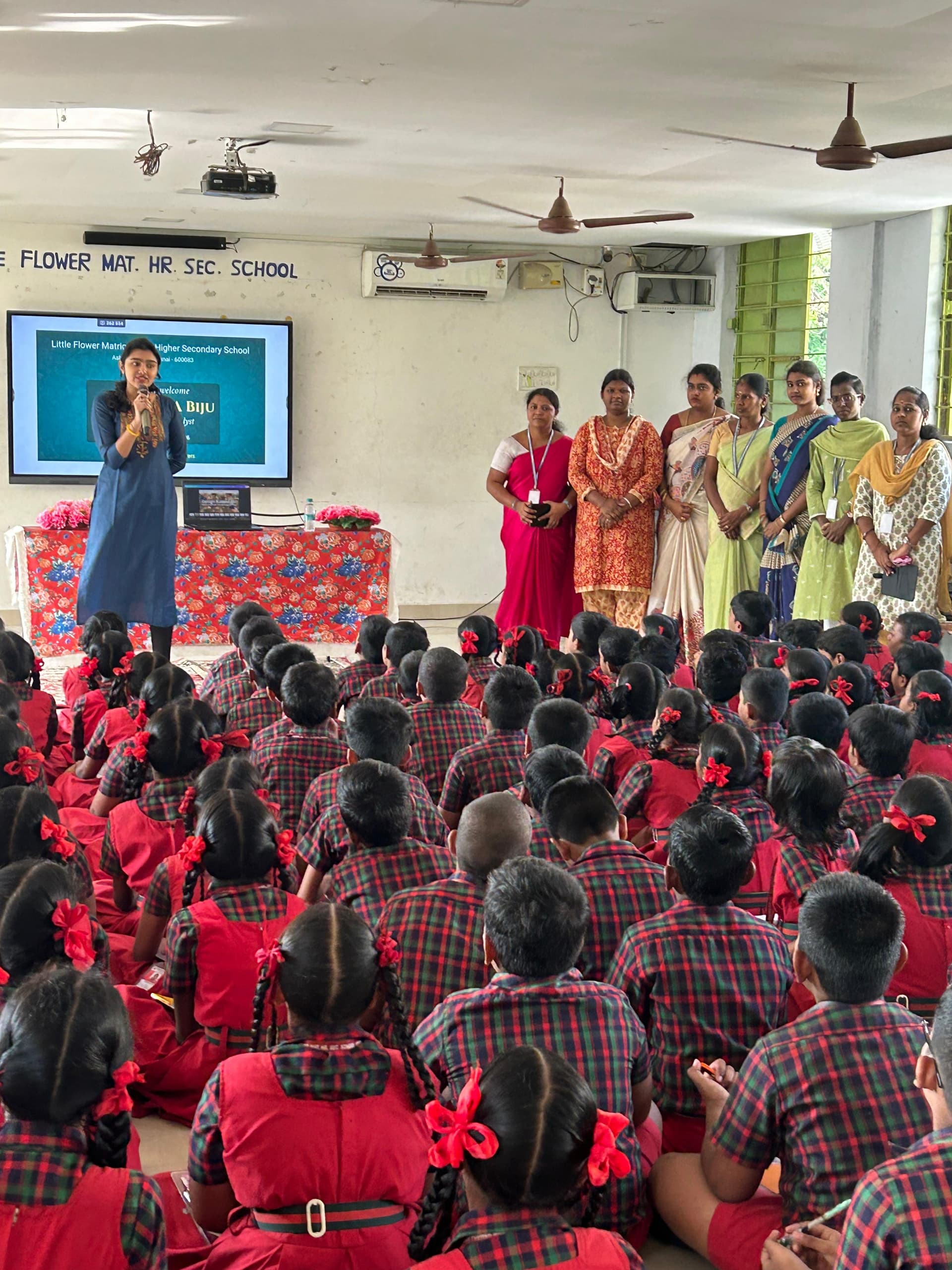
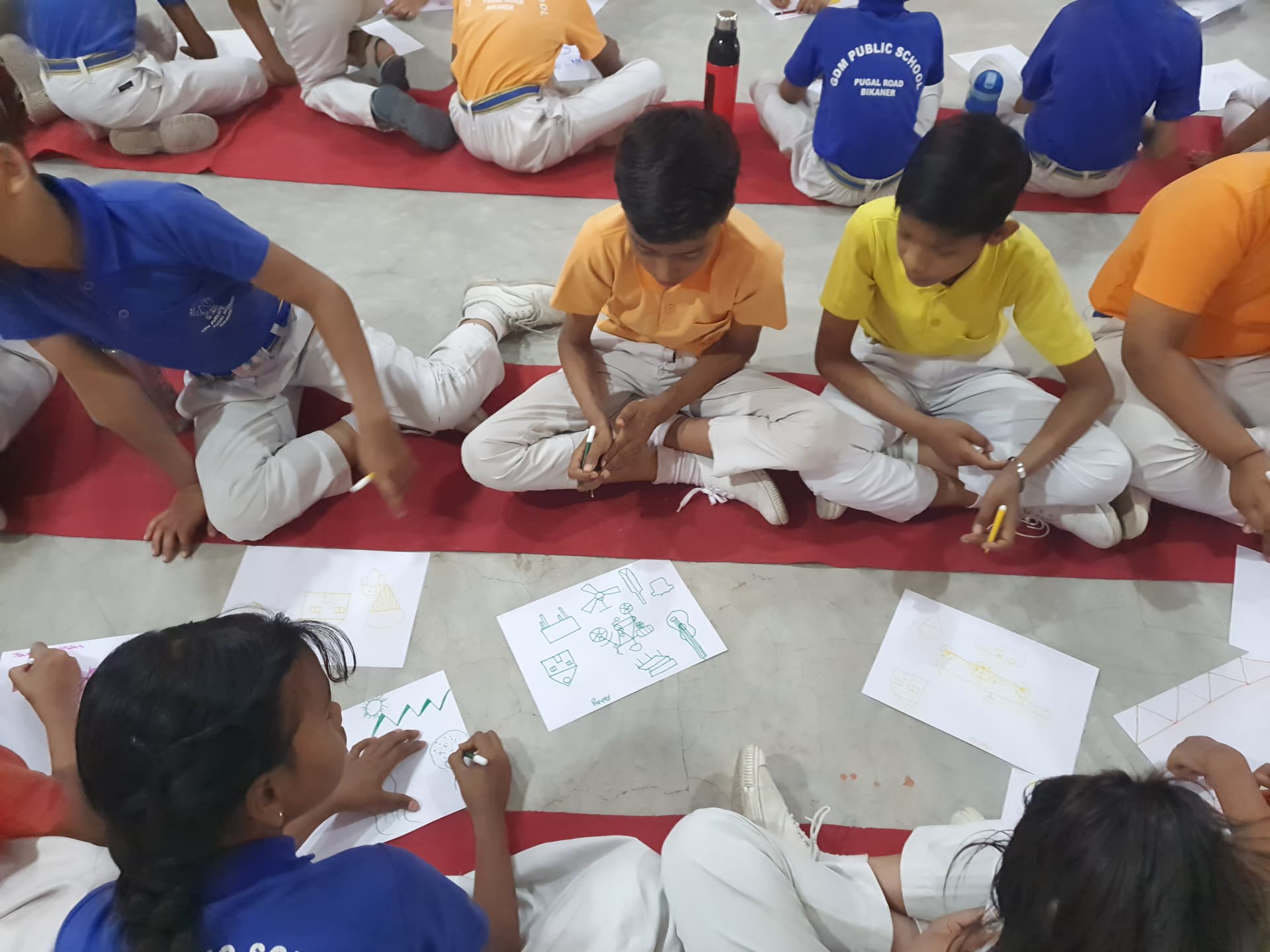
Design influences one’s learning, communication, movement and many more. While in most areas of India, children do not encounter classrooms and design as a way of thinking. To recognise this gap, Arcause has initiated Sva-Des (See Value in Design), a design literacy outreach program to carry this conversation directly into the schools. The idea to introduce students to design thinking has been steadily evolving.

The initiative has so far onboarded 16+ Catalysts, each bringing expertise and enthusiasm to every classroom. These catalysts have engaged with 40+ schools nationwide and built meaningful connections with the students, teachers and institutions. The response has been encouraging through interactive workshops, hands-on activities, and real-world design discussions. Each school engagement is designed to be immersive and interactive. Young learners are beginning to see their surroundings differently.

The sessions move beyond theory, creating an impact beyond awareness. By introducing design literacy in schools, students can balance critical thinking and creativity. SVa-Des started as a response to a gap in education, but now encourages young learners to see value in design, and in their own ability to shape the future.

Future Professionals - 4-day intense workshop on UDita

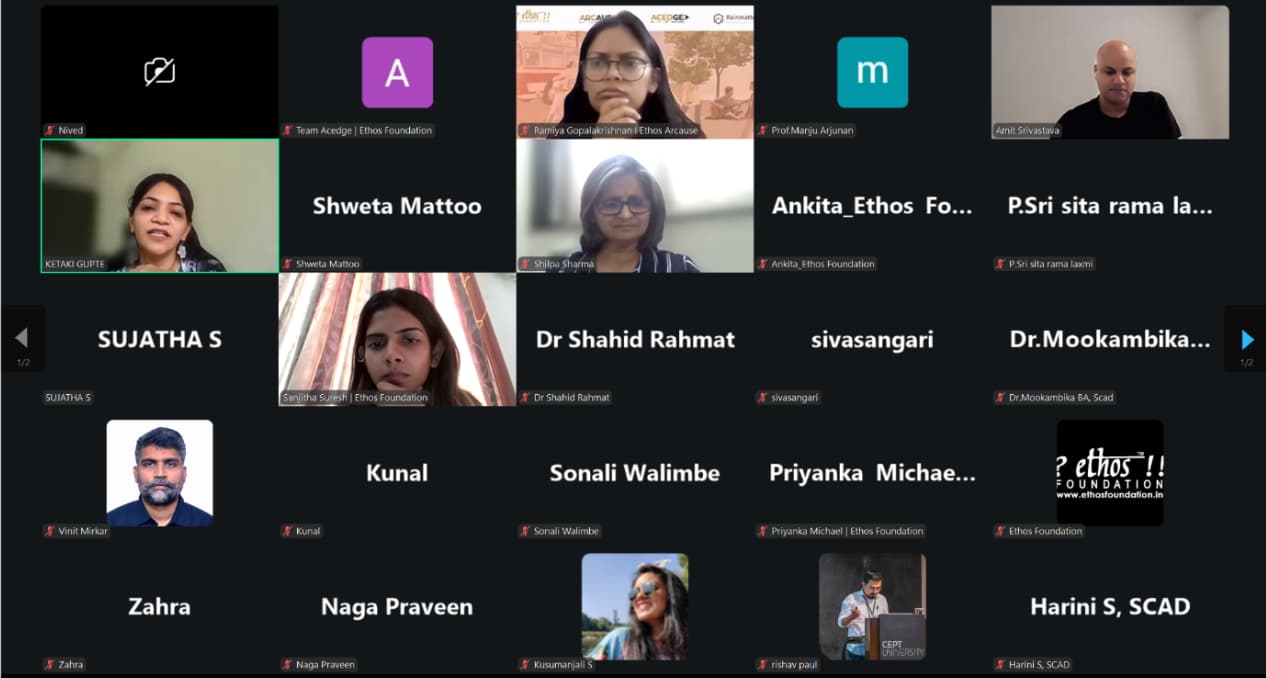
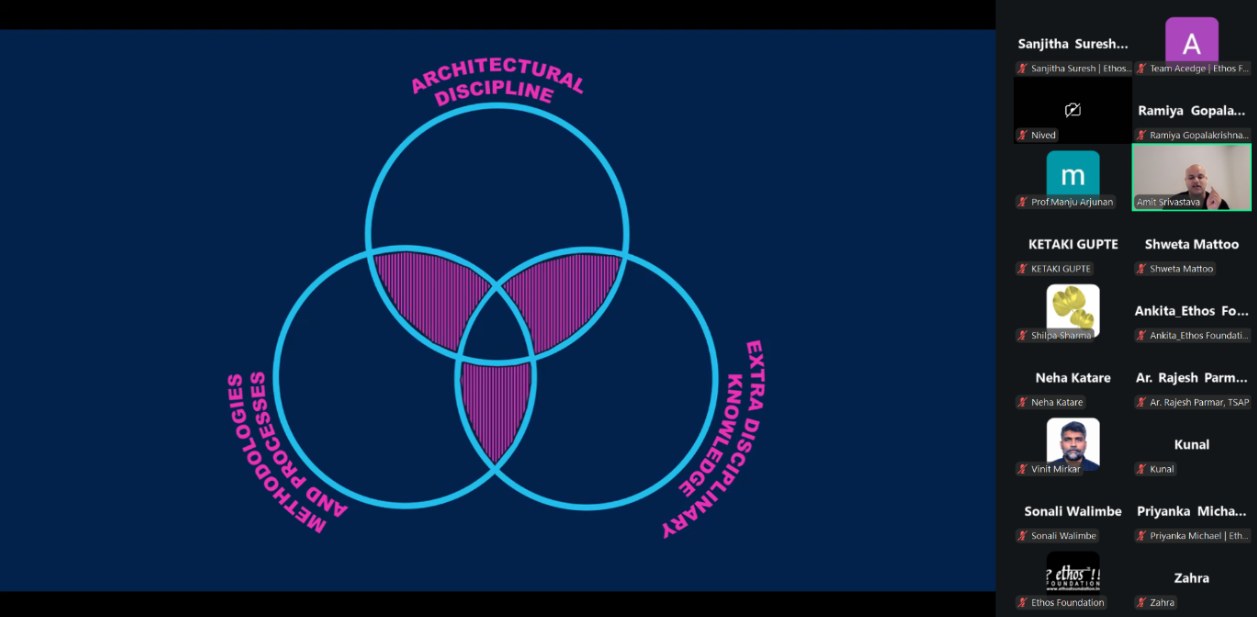
Ethos Foundation is conducting its first 4-day offline intensive workshop(11–14 March 2026) across DSCA, DSATM and Acharya in Bangalore, followed by an online final review on 21 March.

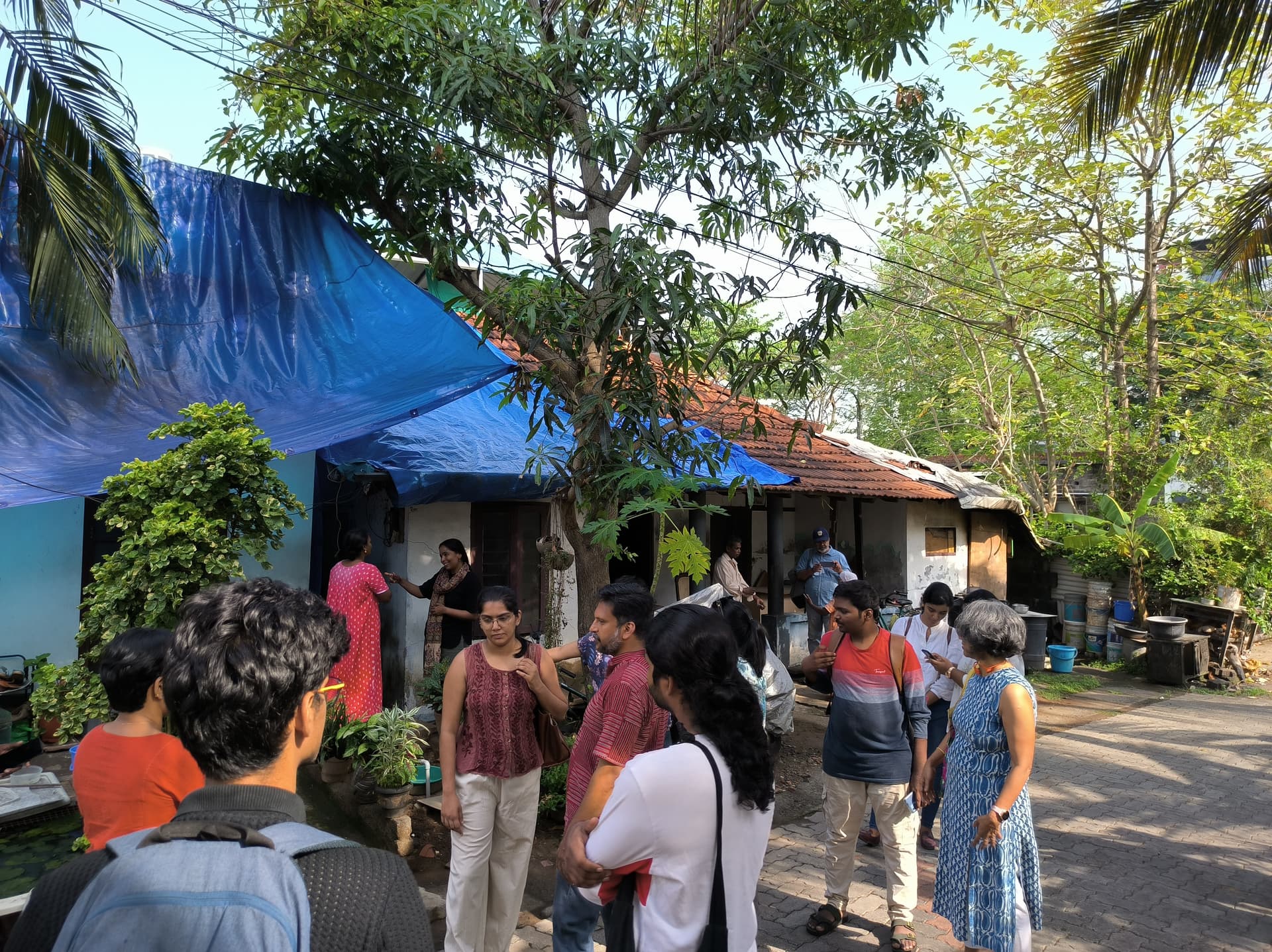
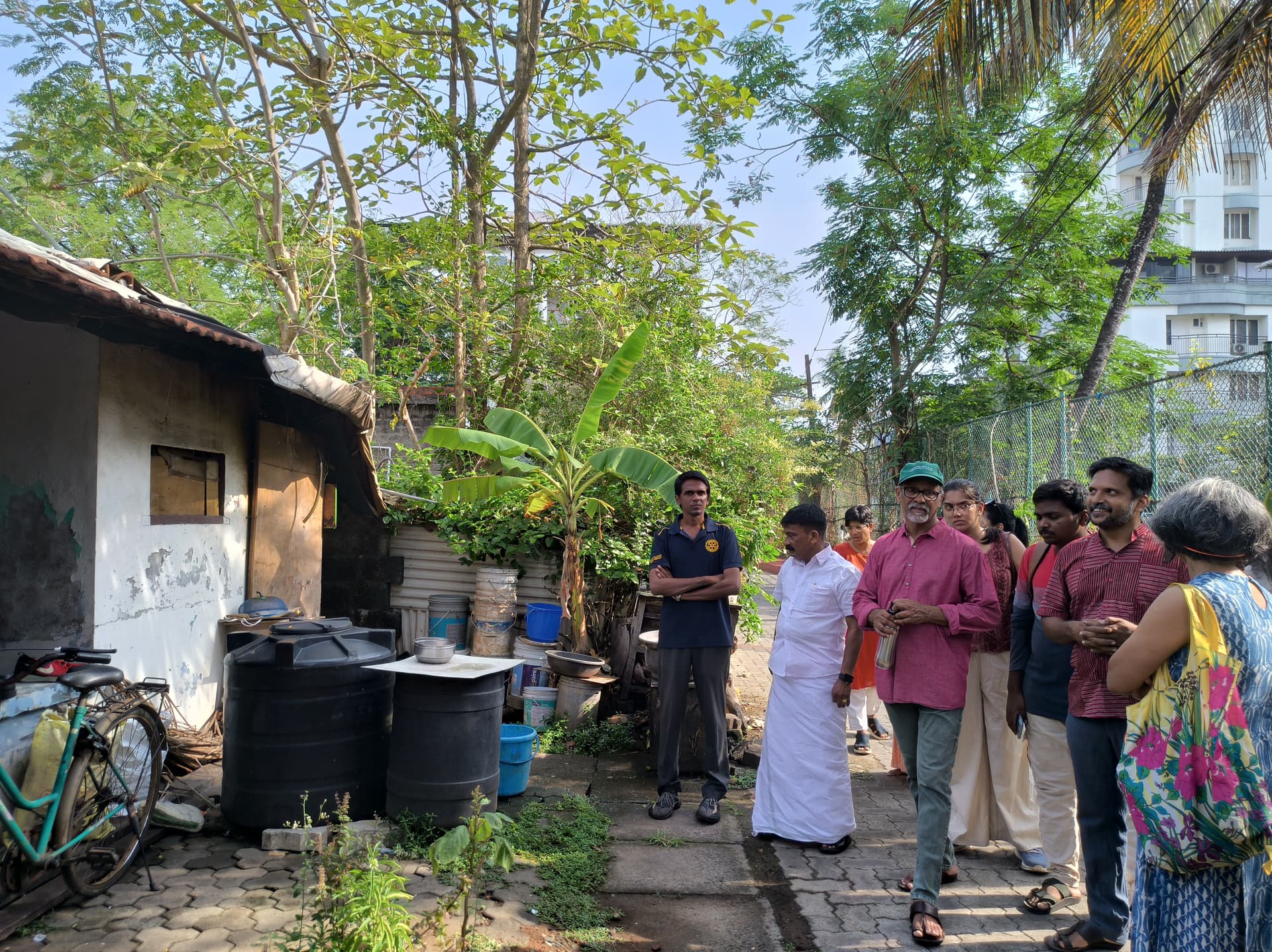
This practice-led elective introduces architecture students to Universal Design, Accessibility, and Inclusive Practice through site learning, expert inputs, and applied studio work. The journey moves from awareness to action, beginning with on-site mapping of points in an inclusive environment and progressing into design rooted in social inclusion.

We intend to go beyond ramps and railing. Our cohort of experts include Dr. Gaurav Raheja, Ar. Kavita Murugkar and Kavitha Krishnamoorthy, the workshop bridges principles, technology, urban thresholds, and invisible disabilities. Representatives from NGOs, including Dr. Alice Jeba from APD and occupational therapists from the Spastics Society, will also participate in the sessions, bringing lived perspectives and grounded insights into the learning process.

Themes include:
• Foundations of Universal Design
• Sensory Landscapes
• Architecture of Autonomy
• The Inclusive City

This Universal Design immersive elective will transform a “basic structure” into a responsive environment. Students will work with layered client profiles, ensuring design responses go beyond compliance and address real-life realities.

Ethos Foundation is curating immersive learning opportunities for students to engage deeply with its six action areas. The initiative aims to nurture a new generation of designers and practitioners who can translate ideas into meaningful impact. Through these workshops, students are welcomed into a learning environment that bridges education with real-world design challenges.

As part of this initiative, the Immersion Workshop Sessions bring together two distinguished mentors, Joy Mondal and Santosh Sathpathy, offering unique perspectives on design practice and future-ready architectural thinking.

Joy Mondal is the Design Head at WEsearch Lab and leads a workshop titled Data-driven Climate Optimised Synthesis of Architectural Forms. This three-day, six-module intensive program at PDSSSA introduces students to computational design workflows using tools such as Rhino, Grasshopper, Ladybug, and Honeybee. The workshop explores daylight analysis and climate-responsive form generation to help participants move towards evidence-based architectural synthesis. By learning, students gain the ability to validate their design decisions through measurable data and environmental logic.

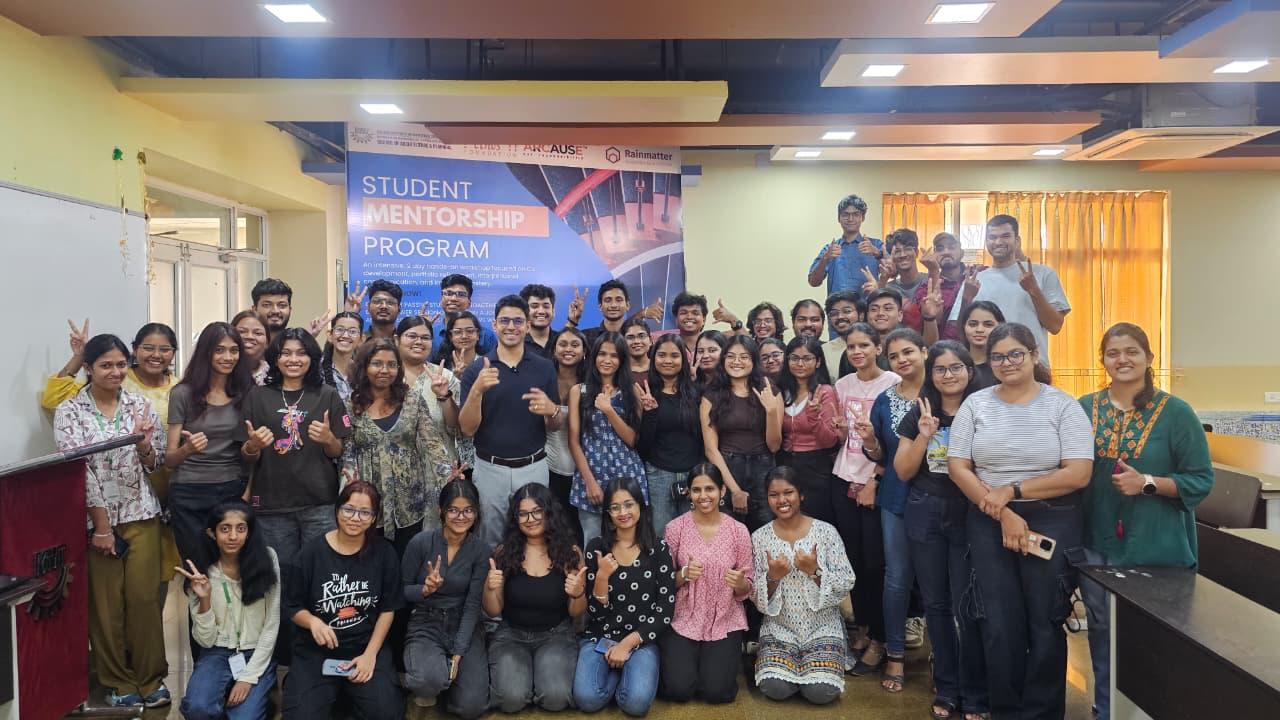
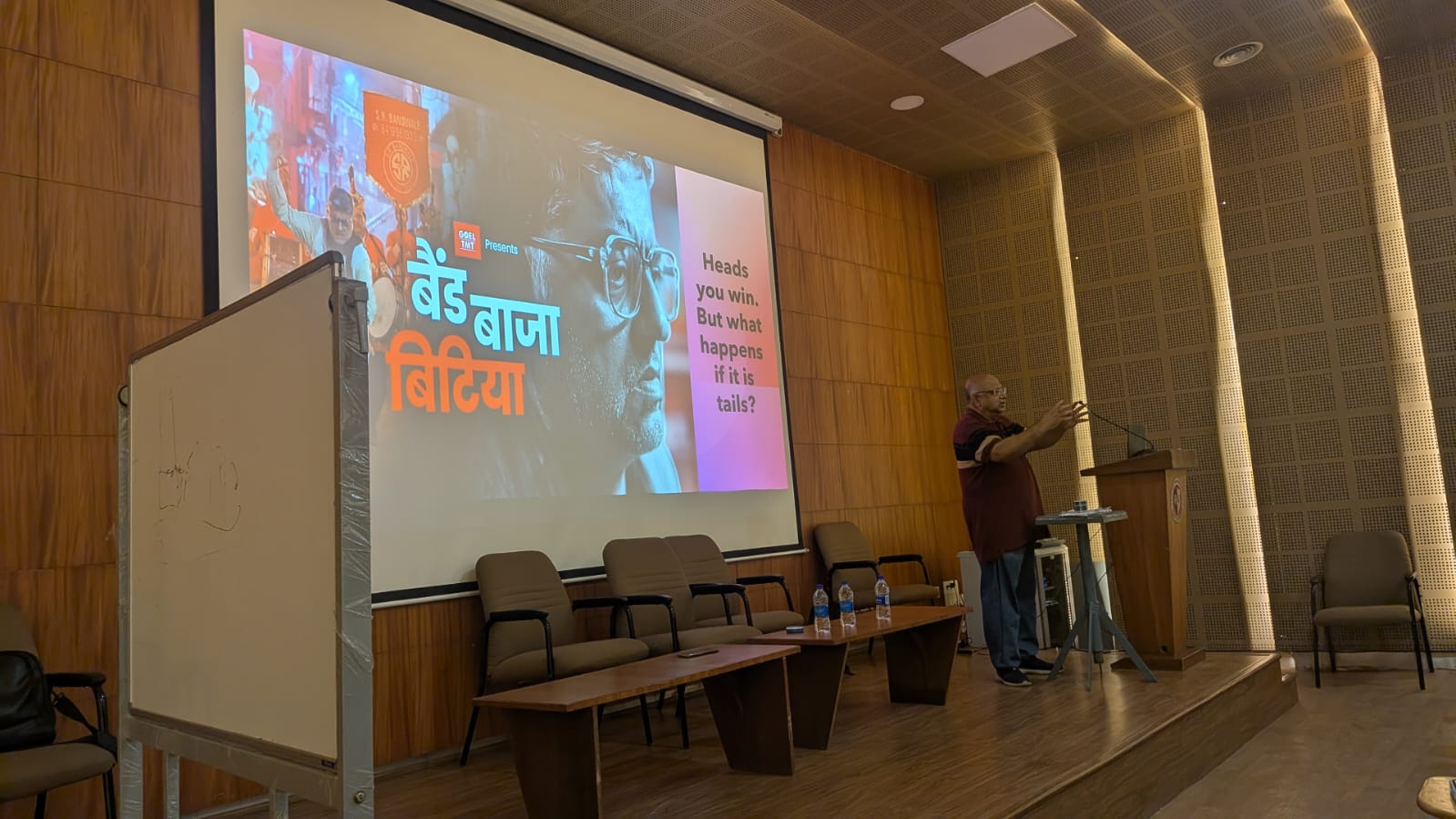
Another seminar is being held at KIIT by Santosh Sathpathy, founder of the Student Mentorship Program at Mpower. His sessions focus on bridging the gap between academic education and professional practice. Through interactive seminars and workshops, students reflect on essential aspects of professional development. The sessions guide students in creating authentic CVs, structuring portfolios, and preparing for interviews, enabling them to approach professional opportunities with clarity.

Together, these Immersion Workshop Sessions encourage students to engage critically with site conditions, communities, materials, and local contexts while developing both technical capability and professional awareness. Spread the word to support deserving participants to contribute to the future of design.