It has been a year of learning and new growth for us as we celebrated our thirteenth anniversary this past November, marking our dedication to the beloved mountains. Our focus this year has been on building a stronger “inner architecture” for the organisation, ensuring we aren’t just moving waste, but moving the needle on how waste is managed across the Indian Himalayan Region. We have spent the last year weaving together our technical expertise and our grassroots heart, training over 250 of our warriors in digital literacy to make our work more measurable and credible. From organising the Largest Mountain Cleanup, bouncing back after heavy monsoon destruction in Manali and Dehradun, to launching the “Good Guest Guidebook” on World Tourism Day, we have been working to ensure our communities are as resilient as the peaks they call home.
1) Overall updates (since the last update)
Our collective journey since the February 2025 Summit has been about building a shared “intelligence engine” that powers everything we do. In terms of Knowledge Management, we have moved from fragmented data to a unified system, publishing three thought leadership pieces in national magazines like Down To Earth to shape the narrative around waste in the Himalayas. Our Ecosystem Building efforts saw us bringing Ecosystem Partners from the North East to Delhi and Dehradun, fostering a sense of belonging and shared purpose. Through Digital Transformation, we have deployed tools like the “Saral” procurement app, which has already managed over 1,000 requests. Lastly, we are strengthening our Core Resilience by supporting continuation of some crucial solid waste management projects across Himachal Pradesh and Uttarakhand, providing 219 Warriors with 94 trainings, and launching the Good Guest Guidebook, a practical guide to sustainable travel for visitors to Uttarakhand and beyond.

2) Progress on the goals listed while on-boarding
We have poured a lot of love into our Cross-Pollination Lab, working closely with leaders from Zero Waste Ladakh, Bharat Ingenuity Foundation, and Living for Environment. Every founder has had three one-on-one deep dive sessions with our CEO, Vishal, to talk through leadership and strategy. On the technical side, we have brainstormed and codified infrastructure for our Learning Management System (LMS), standardised M&E frameworks across 20 different locations and created a dictionary of over 100 standardised impact metrics to ensure we are all speaking the same language of change. We also helped BIF in Assam channel INR 9.8 lac for a new Baler machine to kickstart their operations in addition to opening access to our tech infrastructure for them to build on.
3) Any challenges
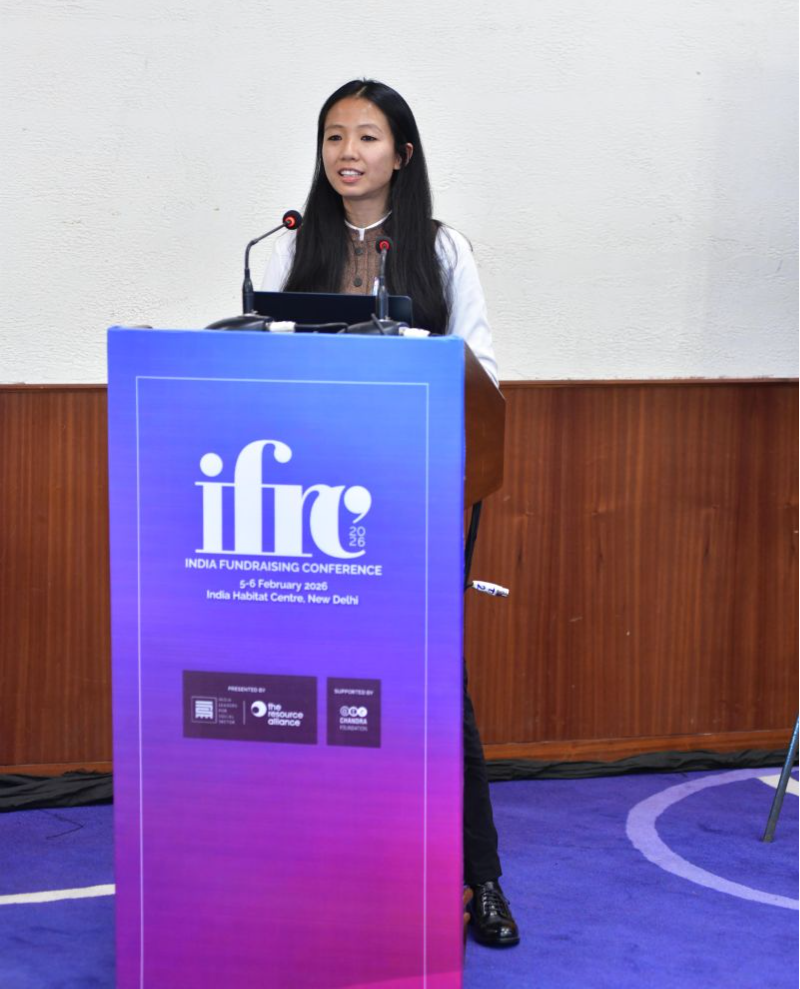
We admit that building something lasting takes more time than we first thought. We originally planned our Cross-Pollination Lab to be a six-month sprint, but we have realised it needs to be much more intense and run for a longer duration to truly be effective. We have also run into the limits of international climate tools, like the US EPA’s WARM tool, which does not always fit the unique context of our Indian mountains. Additionally, we missed two international conferences where our abstracts were accepted simply because we lacked the travel funds to get there. Lastly, our plan to help BORDA with MRF advisory in Leh is currently on hold as we figure out the best way forward.

4) Any new avenues of collaboration (with other Grantees of RCF or other NPO/NGO)
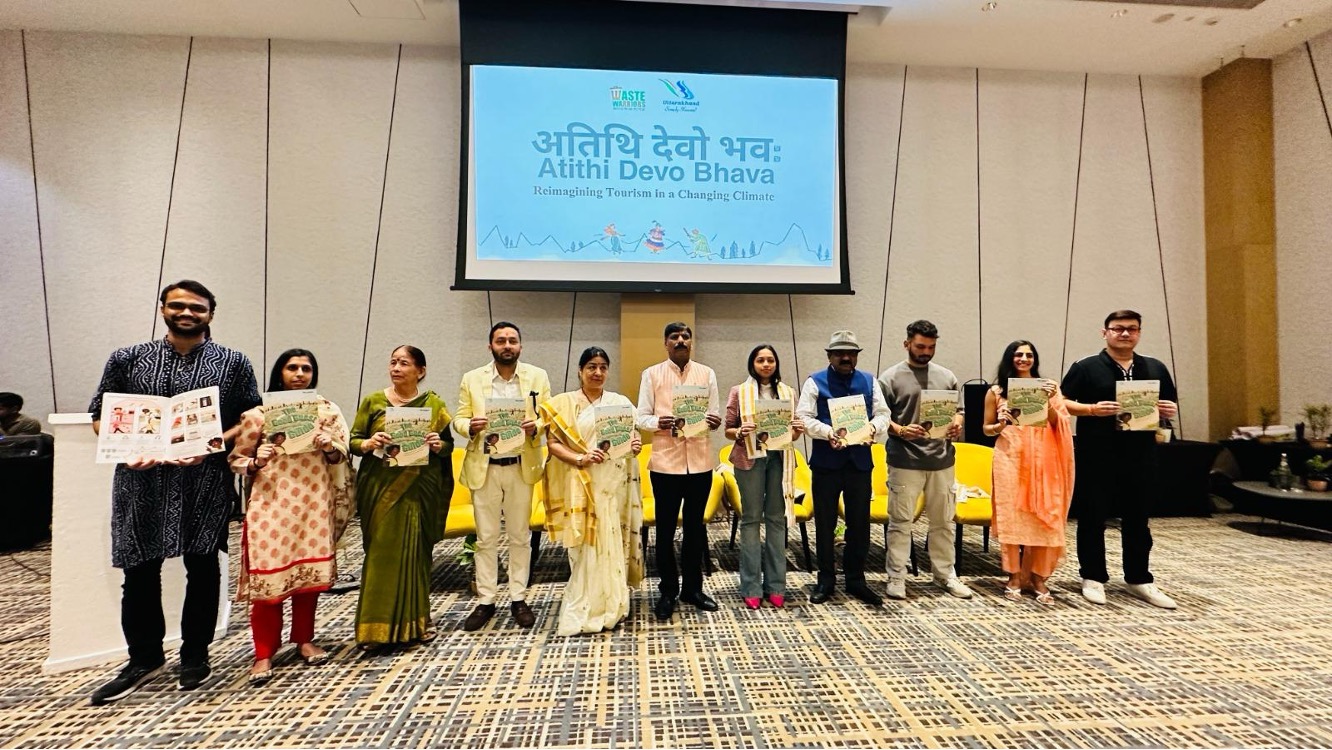
This year, we acted as the grassroots partner for a workshop with MIT D-Lab and the Royal Enfield Foundation to brainstorm tech-based solutions for the waste problem. We also worked with the FemFuture Collective on menstrual health management and mentoring fellows from the Responsible Tourism GreenHub on waste plans for high-footfall tourist sites. It is beautiful to see other NGOs, like Bharat Ingenuity Foundation, adopting our data structures and frameworks to set up their own work in Assam. Lastly, we joined hands with the Uttarakhand Tourism Development Board (UTDB) to co-host a landmark event on World Tourism Day, and reimagine the future of responsible tourism in the Indian Himalaya.

5) Highlights from the initiatives being undertaken as part of your organisation
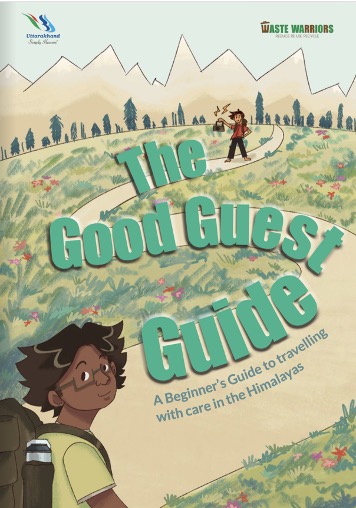
There have been so many moments that made us proud. We floated The Storytelling Grant, The Resilience Fund in addition to opening doors for younger NGOs working on waste in the Indian Himalayan Region, mobilising INR 21L in total. It has been wonderful to see how that money is used. For example, Zero Waste Ladakh bought a vehicle to reach more areas, and Navikru Eco Foundation was finally able to pay their office rent and buy refurbished laptops for their team. We also have a Storytelling Grant that helped LiFE in Nagaland take a dilapidated building and turn it into a vibrant MRF, complete with beautiful community messages painted on the walls. Seeing those “before and after” photos really reminds us why we do this. Lastly, the launch of the “Good Guest Guidebook” has given us a practical tool to change tourist behaviour across the Himalayas. (Read the Guidebook
6) Outcomes you are chasing for the next 6 months (these can remain the same if unchanged since the last update)
We have a lot to look forward to as we continue to build our “intelligence engine.” In May 2026, we hosted our second workshop with MIT to refine those innovative waste solutions we have been dreaming up. By the end of June 2026, we expect to see the new, upgraded website for Living for Environment (LiFE) go live, which is a huge milestone for them. Internally, we are working on “Satya,” our M&E Impact Portal, which will serve as a single source of truth for all our data, and “Saathi,” our new intranet portal. We also plan to visit our partners in Ladakh and Assam for more structured, face-to-face heart-to-hearts. We are also looking forward to completing all the modules in our LMS within FY 2026-27, so it can be ready for launch soon.
7) KPIs (please use this section to let us know of the impact and reach of your work since the last update)
Our impact is visible in the numbers we track so carefully:
- Capacity Building: 200+ Warriors trained in data and digital literacy.
- Data Reach: ~15,000 survey responses captured through our ODK-based systems.
- Efficiency: 30% reduction in manual data entry and 4x faster reporting cycles to our donors.
- Funding Disbursed: INR 8.5 lac awarded through the Resilience Fund.
- Infrastructure: Facilitated INR 9.8 lac for a Baler machine for BIF in Assam.
- Waste Diverted: 3.6 metric tonnes of dry waste diverted through our new Hub and Spoke model with Him Village E-Prahari Foundation.
- Learning & Development: Provided 94 trainings to 219 employees
- Educational Impact: Shared our waste management modules and guidebooks with five schools through the Takshila Education Society.
8) Can Rainmatter be of help with anything at all
While we are making great strides, we also see a massive opportunity for knowledge sharing, and having a dedicated fund for our team to present our research at international conferences would be a game changer. Finally, simply introducing our Ecosystem Partners to potential donors while they are visiting Delhi or Dehradun would make a world of difference for their long term survival. Lastly, we would welcome any help in getting our mountain waste narratives into even larger global platforms.

9) Any additional details you would like to provide
We continue to field requests for help from everywhere, from Tirupati to the Andamans, and we share our templates and case studies freely. We have also published our findings in national magazines like Down To Earth and IDR to help shape the narrative around waste in the Himalayas. Our WhatsApp group for waste management leaders has become a thriving, community-driven space where CEOs troubleshoot problems together without us needing to step in. We believe that by building this shared intelligence, we make every rupee work harder for our mountains.