Transforming India's City Regions

The Transforming India’s City Regions initiative at WRI India aims to enable and empower government actors, third sector partners and solution providers to pursue inclusive climate action and resilient growth, and deliver urban services, with the right information, analytics, tools and agendas. With Rainmatter Foundation’s support, we will enable coordinated urban and climate action by strategically supporting more data driven and strategic place-based policies, plans and projects; building data insights, tools and visualisations to enable better understanding, deliberation and prioritisation of action; and supporting existing and new institutions that enable multi-stakeholder collaboration and co-creation of solutions for cities and people.

We look forward to engaging with this community and actively on the lookout for opportunities to collaborate, so if any of this work resonates with you, do reach out either here or email [email protected]

GUJARAT
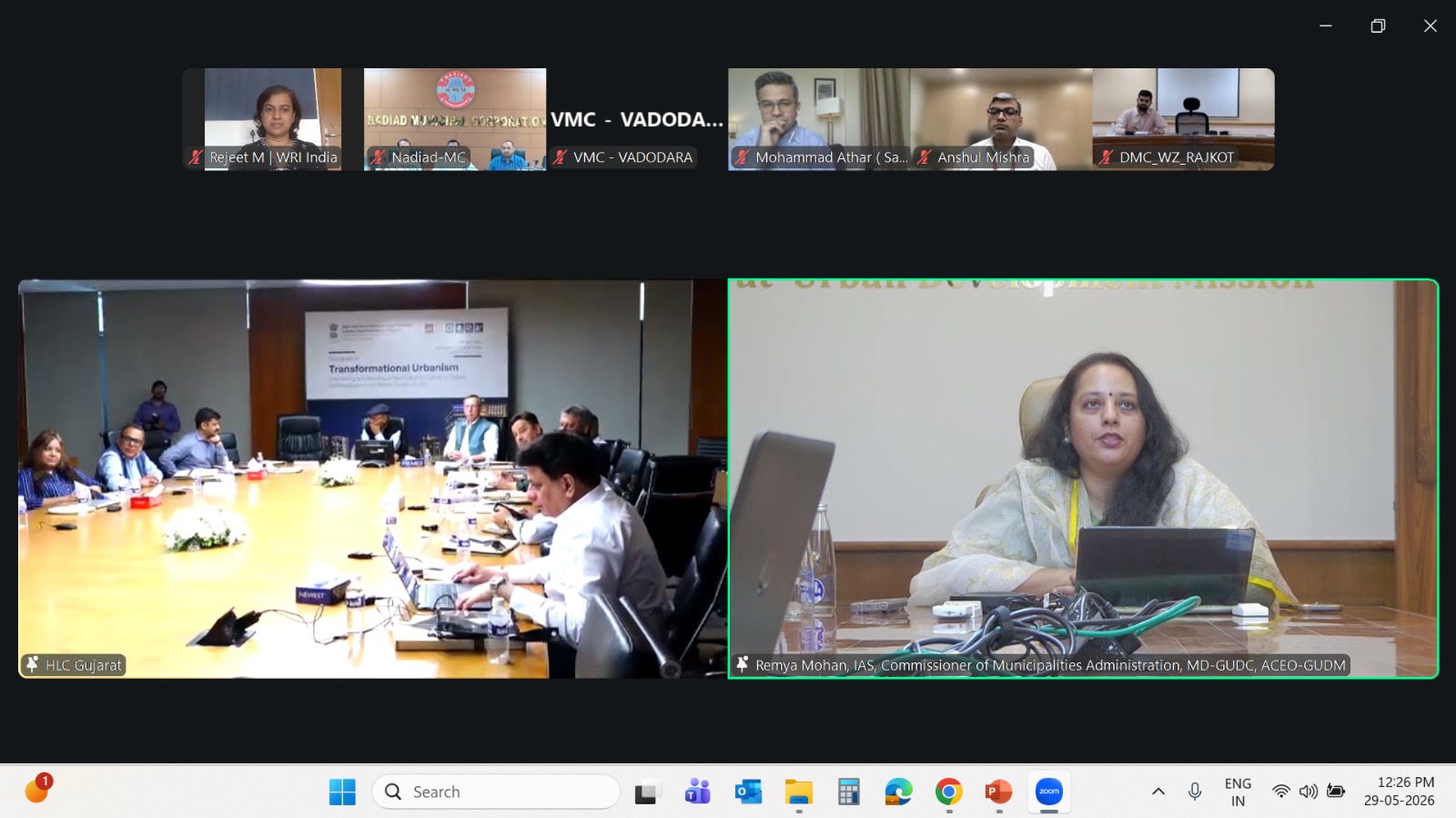
Contributing to the High-Level Committee on Urban Planning deliberations on integrated regional planning in Gujarat
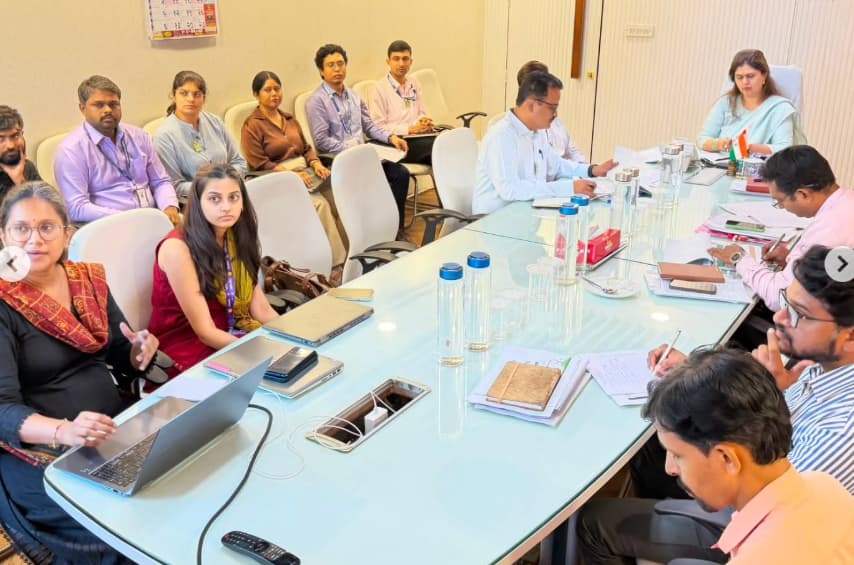
Rejeet Mathews from the Eco-City Regions team was engaged as an expert on the State High-Level Committee on Urban Planning, Government of Gujarat, a platform constituted to strengthen urban planning systems through improved policy, capacity building, and implementation frameworks aimed at more integrated and future-ready urban development. The discussion focused on emerging approaches to City Economic Regions and how planning at a regional scale can help better connect economic development, infrastructure planning, and governance priorities across jurisdictions. The exchange reflected ongoing thinking within the committee on how urban and peri-urban systems can be approached as interconnected geographies requiring coordinated action across institutions. Her participation contributed to the broader deliberations of the committee, which brought together government and expert perspectives to explore pathways for improved convergence across planning and implementation processes.


JALANDHAR
Community Partnerships and Clean-Up Planning for Nurpur Pond Rejuvenation
As part of the Nurpur Pond rejuvenation initiative, the Eco-City Regions team strengthened local partnerships and community engagement for long-term restoration. Alongside bank stabilisation works under the approved tender, consultations were held to refine interventions and respond to changing site conditions. The team engaged experts, engineers, landscape practitioners and community organisations. Discussions with the Municipal Corporation of Jalandhar informed revisions due to recent flooding in Punjab. A community-led clean-up strategy is being developed, with partnerships with Pahal and Reap Benefit for volunteer mobilisation and stewardship. A social baseline assessment has begun to understand demographics, livelihoods and needs of communities around the pond. Early surveys identified key stakeholder groups. These efforts aim to build local ownership for long-term ecological restoration and sustainable management of Nurpur Pond.
Read more about our journey with Jalandhar’s water bodies here - Jalandhar’s Waterbodies: From Restoration to Stewardship | WRI India


BODOLAND
Changemaker Series: Sarbeswar Basumatary’s journey from subsistence farming to resilient, integrated agriculture in Bodoland
A new episode of the Bodoland Changemaker Series has been released, featuring Sarbeswar Basumatary from Bodoland. The film follows his journey from subsistence farming, where survival depended on foraging and seasonal exchange, to gradually adopting more integrated and resilient agricultural practices built through years of experimentation and learning on the ground. It highlights how farming systems in Bodoland are being reimagined through local innovation, combining traditional knowledge with evolving practices to improve productivity, sustainability, and long-term resilience. The episode offers a grounded lens on how individual journeys of adaptation and learning contribute to broader conversations on strengthening agricultural systems and enabling more sustainable rural livelihoods in changing ecological and economic contexts.
The episode is available here to watch - https://youtu.be/dGSoy4haB-I?si=lWS5tZh9cYovZNi9

BENGALURU
Making way for Climate Action in Municipal Budgets of Bengaluru
The Ward Climate Action Plan (Ward CAP) working group submitted a list of priority and ready to deploy climate action project suggestions for Ward and neighbourhood level to the Chief Commissioner of Greater Bengaluru Authority at end of February. These were identified from the assessment and consultations done for 5 Ward CAPs. Subsequently, 4 out of 5 municipal corporations have allocated a total of approx. 52 crores directly towards climate action in their FY2026-27 budget.
Next steps include the formation of a technical cell for data-based planning and monitoring and an IEC Cell to increase citizen participation and create awareness
Instagram

Budget to Action Workshop
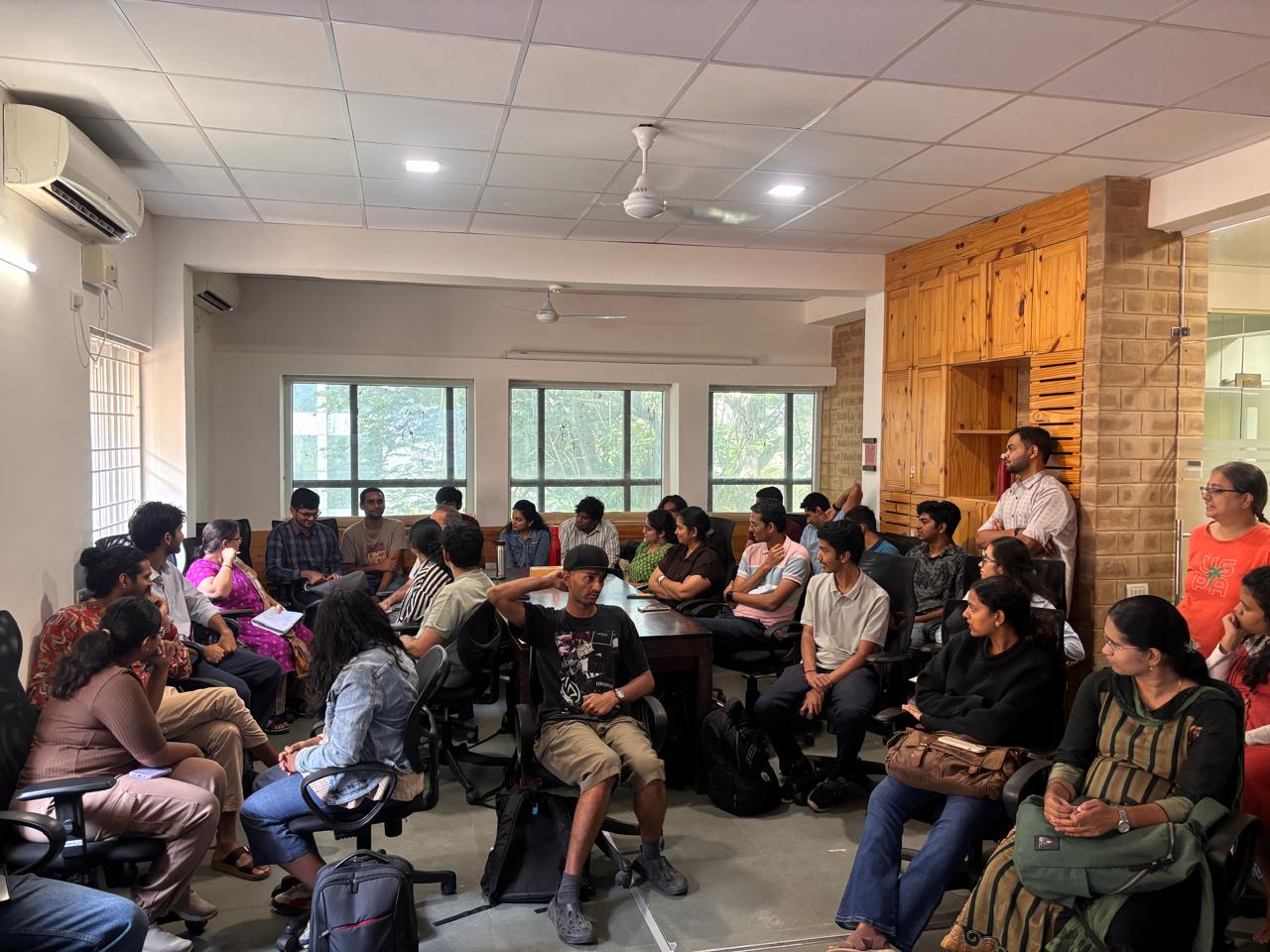
Budget-to-Action’ Workshops were organised by North, West & South corporations with support from WRI. Our team led the South Corporation workshop, where over 13 organisations delivered sessions on over 20 topics, helping engineers reimagine their ‘Action-plan’ preparation for this FY, and start embedding climate as a component. Going forward, we will continue to engage with them on strategic projects identified in the FY26-27 action plan.
Post | LinkedIn


MUMBAI
SHIFT Transport at Mumbai Climate Action Week
At Mumbai Climate Week 2026, WRI India convened government, academia, civil society, and industry partners under the SHIFT Transport Coalition to explore how data can enable climate-resilient mobility. The session showcased the Transport Analytics Hub (TAH), demonstrating how open, neighborhood-level data can support better transport planning and decision-making. By curating the dialogue and introducing TAH, WRI India helped build consensus around open, integrated, and people-centric mobility data. Key takeaways included

  • emphasis on shares standardized transport data,
  • the need for data that actually reflects the lived experience of commuters,
  • moving data from retrospective analysis to forecasting/lifecycle planning, and
  • the need to see transport as a core part of an integrated city system rather than a standalone sector.
    For more- Post | LinkedIn

The 1000+ urban climate projects pipeline goes public
On World Earth Day, the Environment & Climate Change Department of Maharashtra officially launched the State Climate Action Cell’s website which includes details on the Maharashtra climate accelerator program including events, reports etc. The 1000+ climate projects pipeline which was announced at MCW was made public through this website. Every climate project on the list is now being detailed out and discussed through in-person city visits. Kalyan Dombivili, Navi Mumbai, Bhiwandi-Nizampur, Thane, Panvel, Vasai-Virar have been completed so far.
The project list is available at MahaSCAC | Maharashtra State Climate Action Cell | Climate Finance & Sustainability

HYDERABAD
SHIFT Transport: Data-Driven Mobility Planning for Future-Ready Cities
At the SHIFT Transport: Data-Driven Mobility Planning for Future-Ready Cities dialogue in Hyderabad, WRI India partnered with TISS School of Public Policy and Governance, Cyberabad Municipal Corporation, and Sarvejana Foundation to convene government, industry, academia, and civil society stakeholders to discuss data-driven approaches for climate-resilient mobility. Through the SHIFT Transport Coalition, WRI India facilitated knowledge exchange and cross-sector collaboration around evidence-based transport planning. Stronger partnerships and better use of mobility data can help cities make informed decisions and build more accessible, efficient, and climate-resilient transport systems.
https://x.com/MC_Cyberabad/status/2049112862052757921/photo/4


AHMEDABAD
AmdavadNXT - An Immersive Experience
Through AmdavadNXT, WRI India partnered with local organizations including The Urban Lab Foundation, UrbanVoices, aProCh, MyByk, and Ahmedabad Municipal Corporation to co-create an immersive platform on the future of public transport in Ahmedabad. By bringing together government, civil society, academia, industry, and citizens, the initiative fostered dialogue, collective problem-solving, and shared ownership of mobility challenges. The convening has led to the formation of nine thematic working groups and a city-level white paper, creating momentum for sustained action. It has strengthened the local mobility ecosystem, broke down silos between stakeholders, and built a foundation for more inclusive, people-centred transport planning. To learn more about our immersive experiences, please check out - https://wri-india.org/perspectives/how-immersive-experiences-are-shaping-urban-mobility

MUMBAI
Launch of Mumbai’s third climate budget for FY2026-27
On 18 June 2026, Brihanmumbai Municipal Corporation (BMC) released the Climate Budget Report for FY 2026–27, marking the third consecutive cycle of this process. WRI India has worked closely with BMC as a knowledge partner to institutionalize climate budgeting and integrate the Mumbai Climate Action Plan (MCAP) into the city’s financial planning. This year’s report marks a milestone by exploring ward-level climate budgeting for the first time, bringing climate-responsive planning closer to citizens and fostering greater ownership of climate action across the city. This cycle spanned 27 central BMC departments, the Transport and Electricity Supply sections of BEST Undertaking, and four wards in Zone 2 (G/S, G/N, F/S, F/N) as part of the pilot. Over 80 officials took part through interdepartmental meetings and consultations, strengthening coordination and institutionalizing climate budgeting citywide.
The report can be accessed here in English and in Marathi


Bandra-Kurla Complex’s Public Transport Fridays
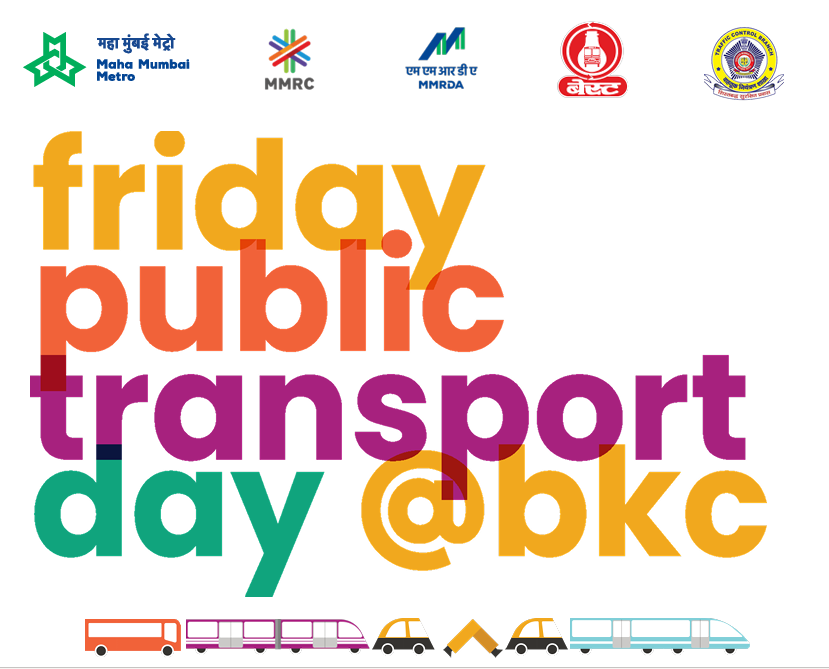
MMRDA, in partnership with WRI India, launched India’s first Weekly Public Transport Day in Mumbai’s Bandra Kurla Complex (BKC), encouraging employees and organizations to use public and shared transport every Friday. We provided technical and strategic support, helping convene government agencies, businesses, and mobility partners around a shared vision for sustainable commuting. The initiative not only promotes a shift towards public transport, helping reduce congestion and emissions but also demonstrates how cross-sector partnerships can drive behaviour change. As a first-of-its-kind initiative, it offers a scalable model for business districts and cities across India to encourage sustainable urban mobility.
More details on the scheme can be found here on MMRDA’s website


Strengthening the Institutional Mechanism for Climate Action in Maharashtra: A Dialogue with the Minister and Secretary, Environment & Climate Change
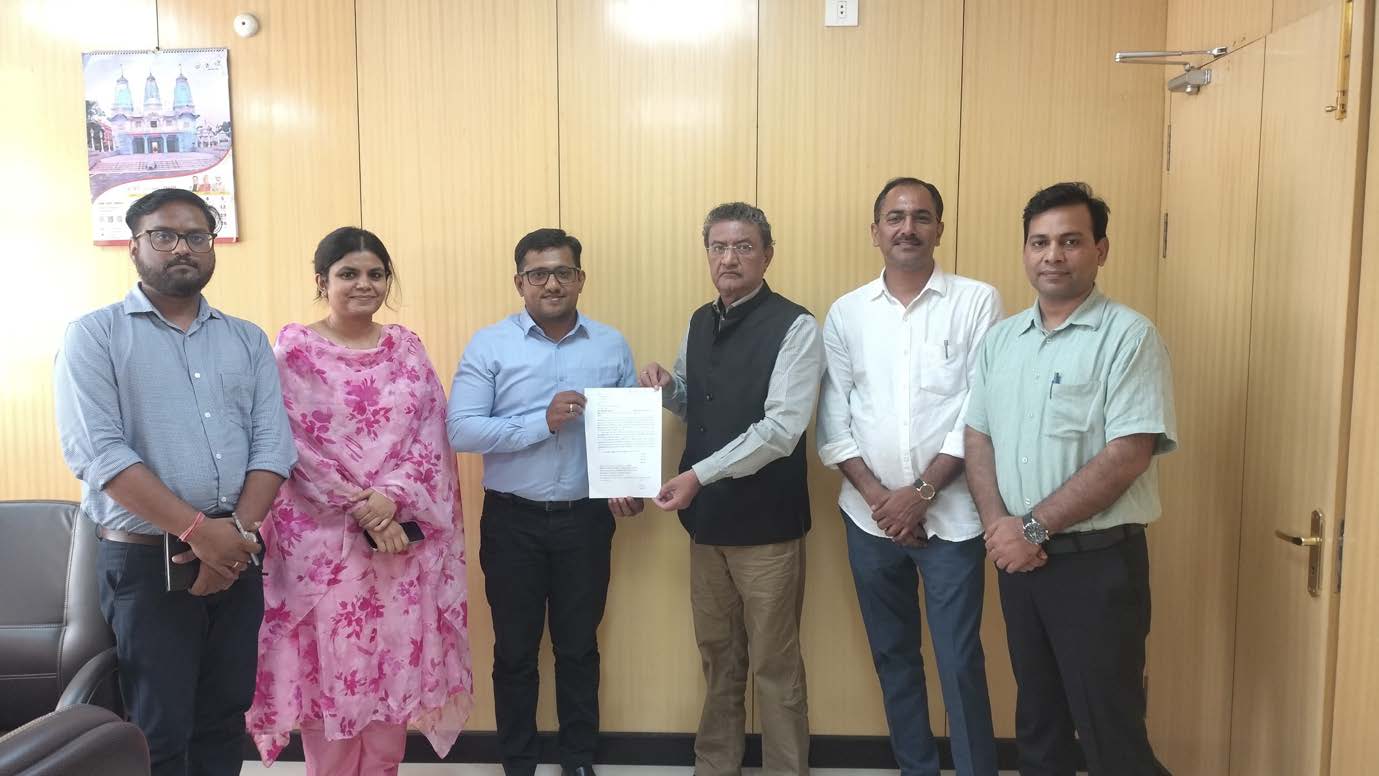
On 19 June 2026, WRI India team members met with Hon’ble Minister Smt. Pankaja Munde, Minister of Environment and Climate Change, Government of Maharashtra, along with the Secretary of Environment and Climate Change, Smt. Jayashree Bhoj on the proposed institutional mechanism for climate action in Maharashtra. The Minister expressed broad support for the Company model, while noting that further consultations will be required before finalization. Key guidance included aligning the institutional design with the existing government structure, ensuring it strengthens rather than duplicates departmental functions, adopting a mission-based approach for sectoral coordination, and drawing lessons from successful models in other states. This discussion represents an important step in anchoring political ownership at the highest level, to embed climate institutions as a durable part of state governance.

BENGALURU
VisualShift - Reimagining Urban Mobility Data Through Design
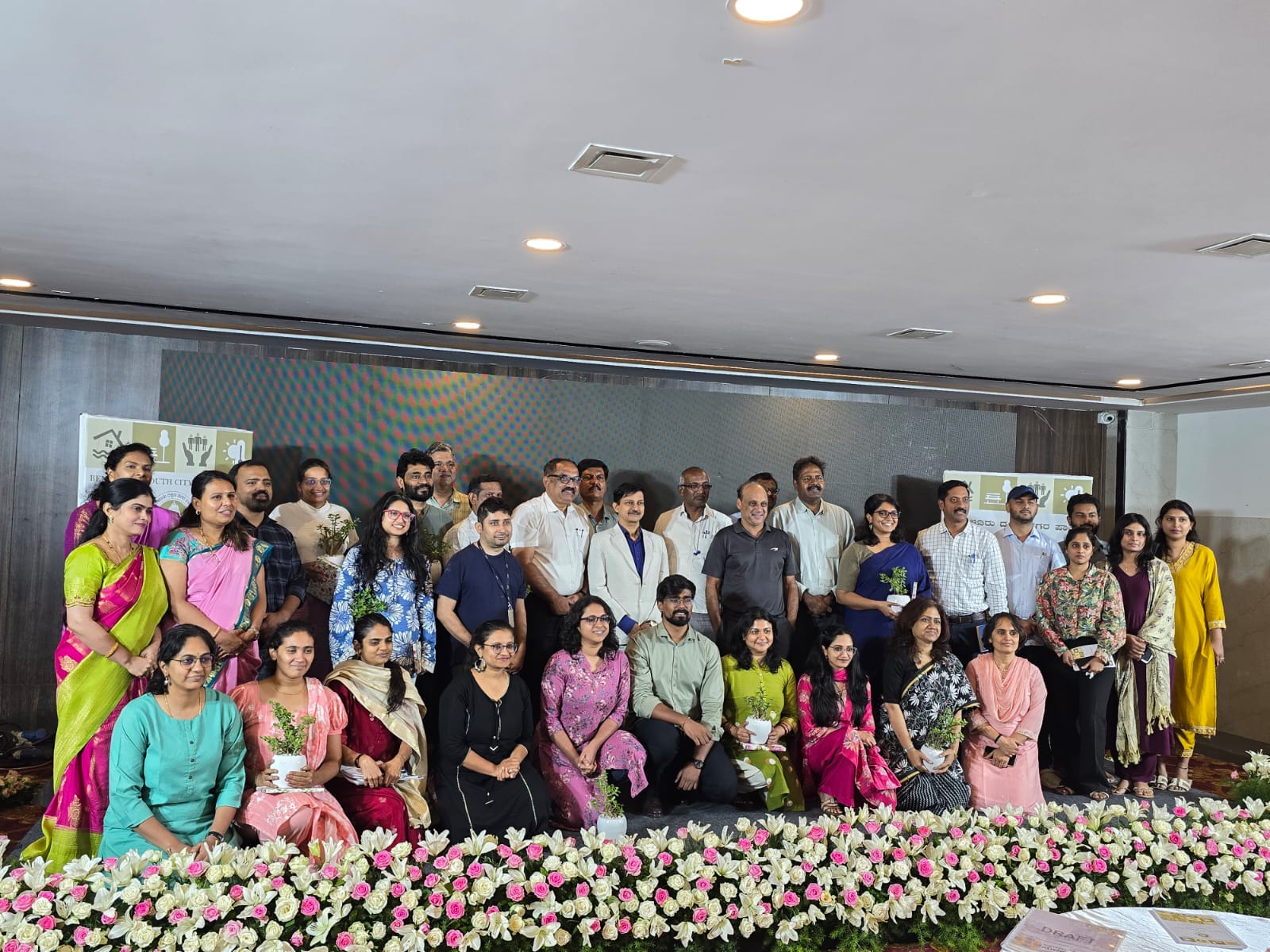
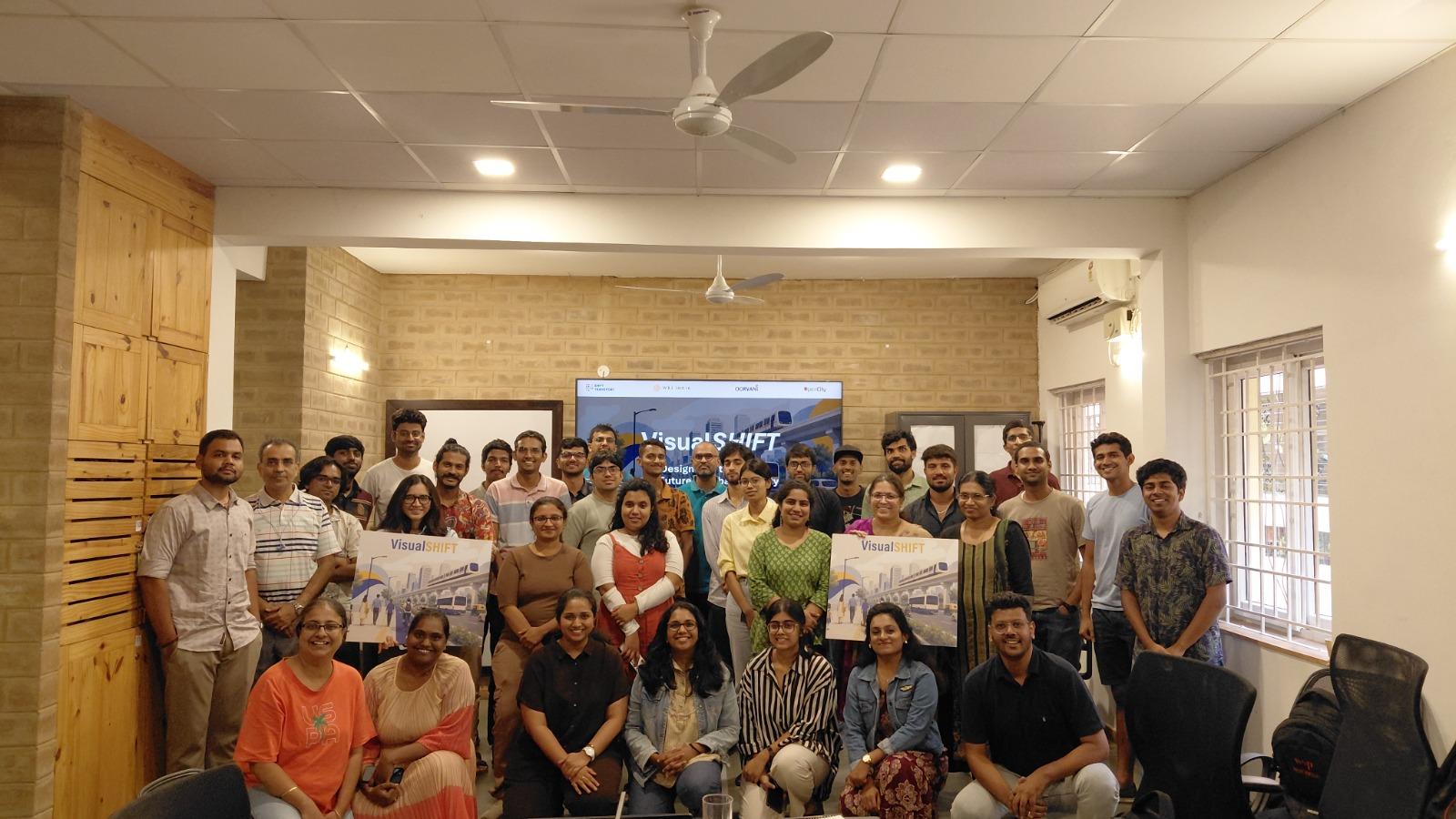
WRI India, in partnership with the Oorvani Foundation and OpenCity, convened VisualSHIFT, a design jam bringing together over 30 designers, urban planners, students, and data enthusiasts to reimagine how urban mobility data is communicated. Participants transformed real-world datasets into interactive dashboards, map-based stories, and citizen-friendly visualizations. WRI India curated the mobility challenges, datasets, and use cases, enabling participants to develop creative, evidence-based solutions. Through this initiative, partnerships across research, design, and civic technology are demonstrating how complex transport data can be made more accessible and actionable, strengthening data-informed decision-making and public engagement for sustainable urban mobility.
To see a short video on the event, please go here


Budget-to-Action to Engagement with South Corporation (BSCC) and North Corporation (BNCC)
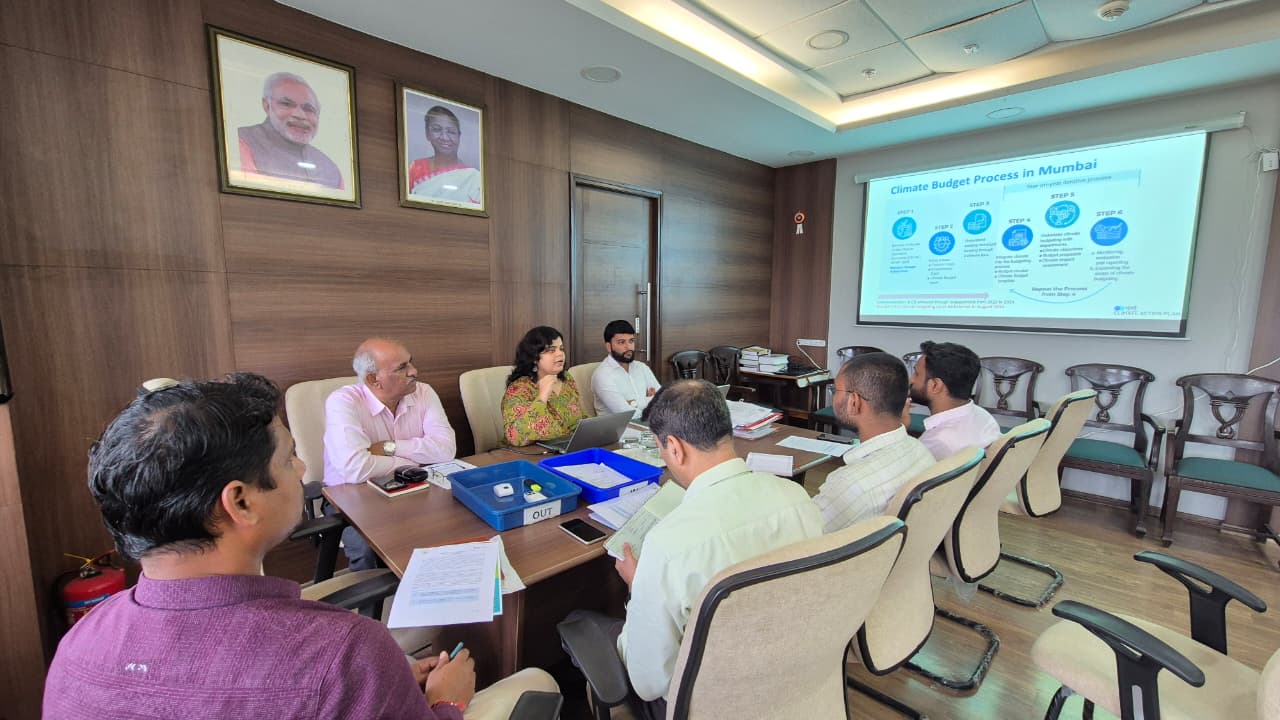
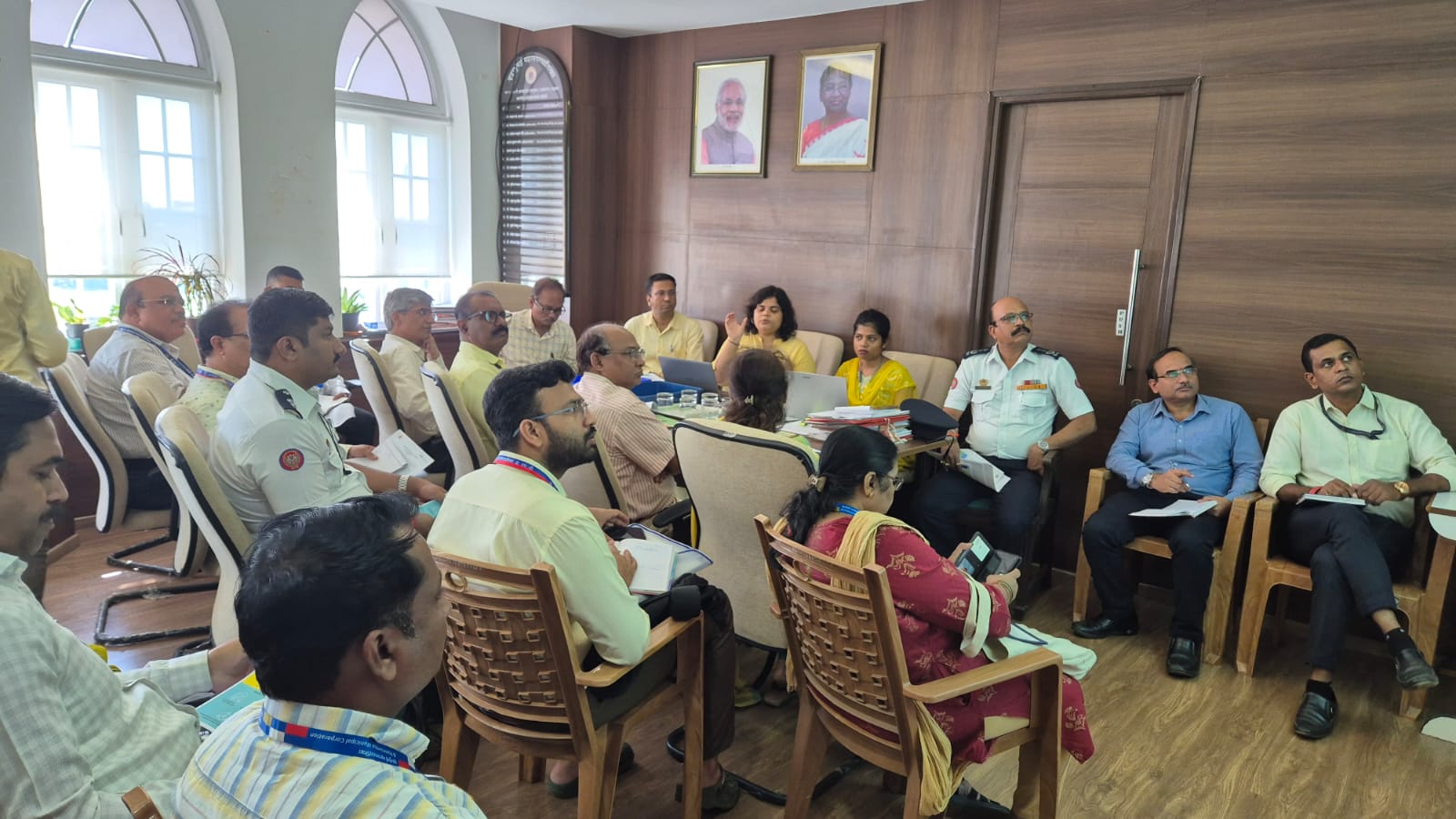
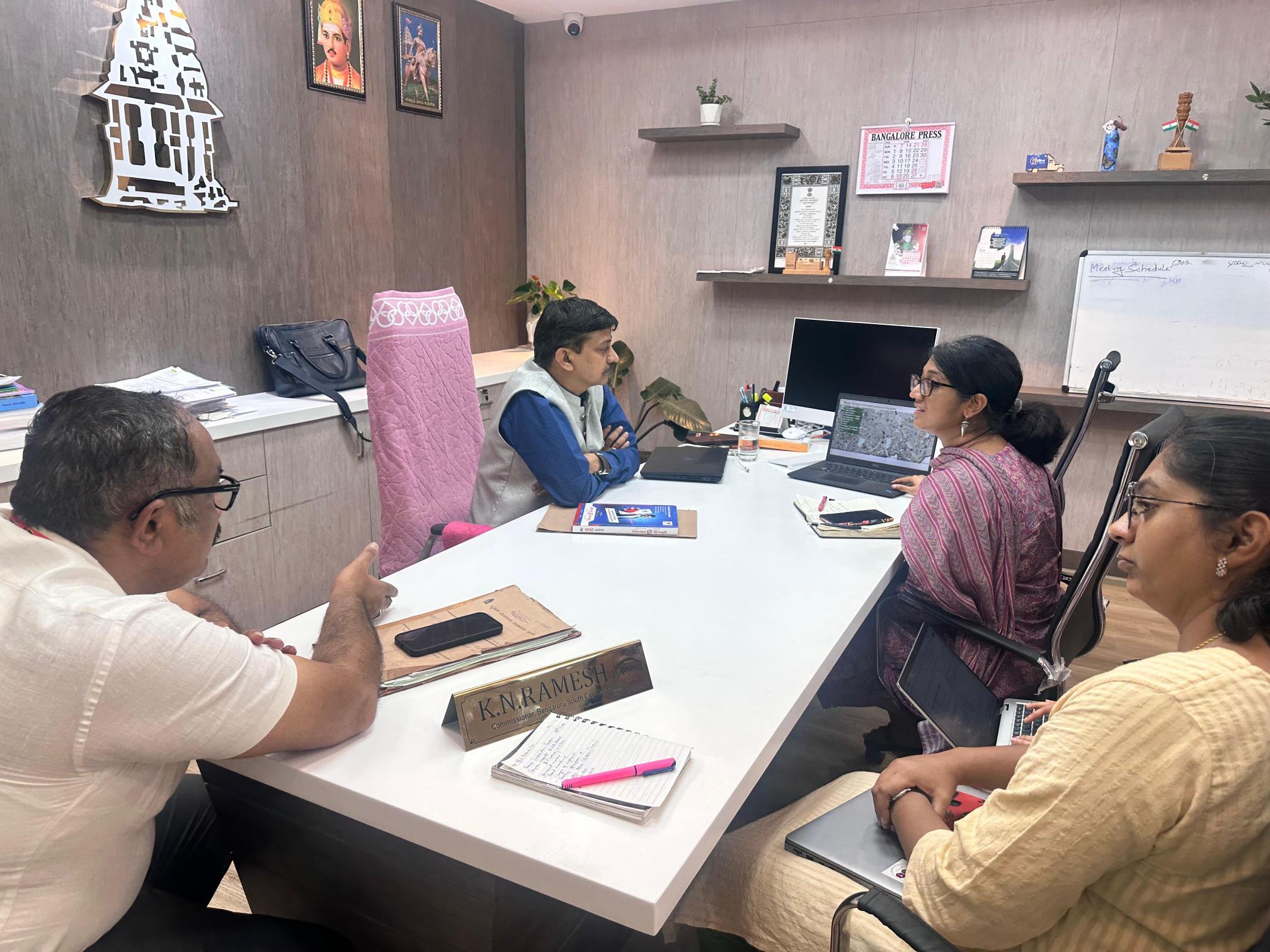
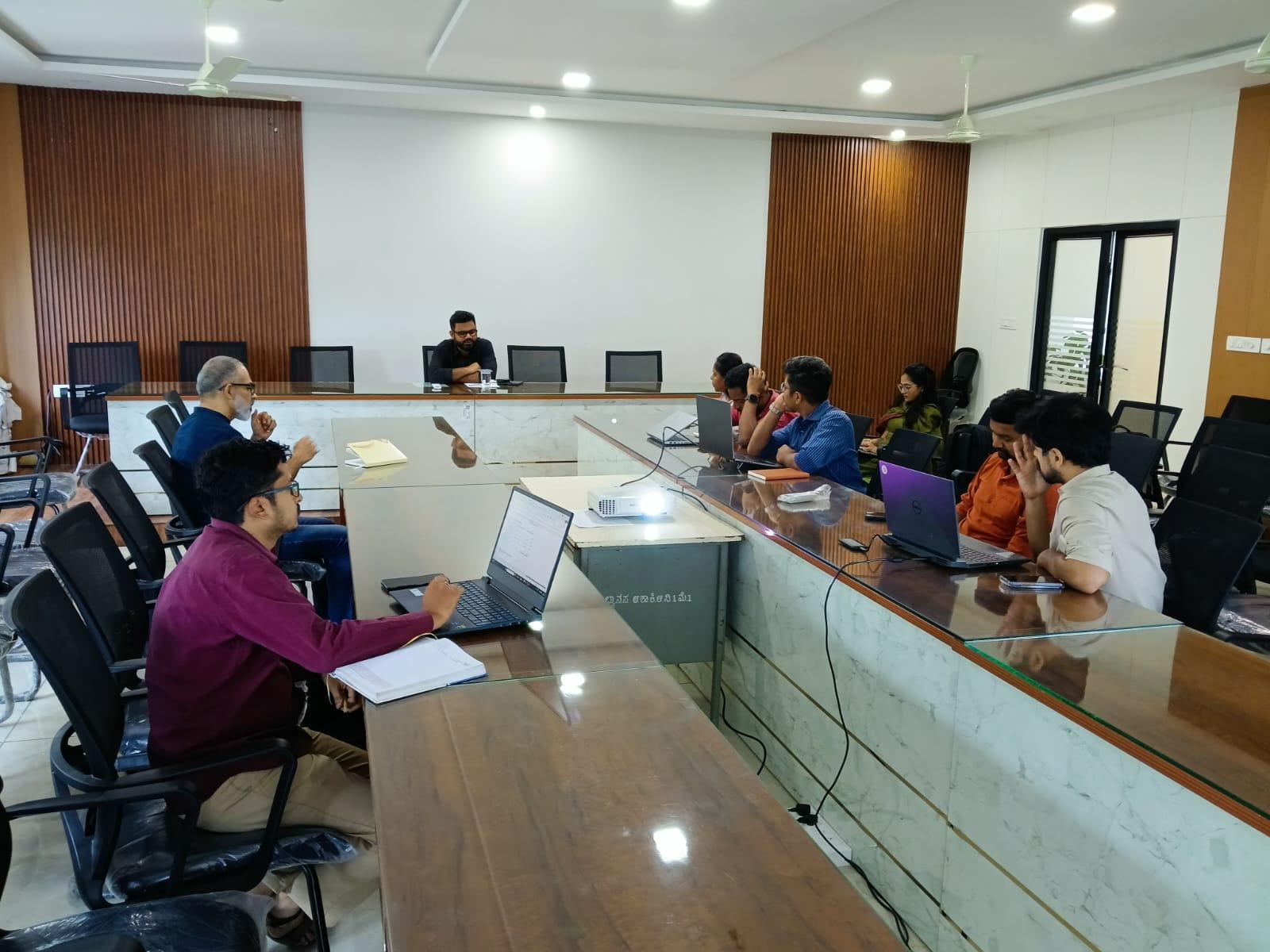
Following recent Budget to Action Workshops with Bangalore South City Corporation (BSCC) and Bangalore North City Corporation (BNCC), WRI India collaborated with 10+ organisations and experts to co-develop a comprehensive pipeline of 302 projects (182 for BSCC, 120 for BNCC) for consideration under the FY 26-27 Climate Action Plan. These lists have been formally submitted to the Commissioner and Chief Engineer, BSCC, and the Commissioner, BNCC, respectively. Sector Expert Groups have now been established in BNCC to provide ongoing technical guidance to the corporations in identifying, prioritising, and implementing selected projects. The aim is to not only translate technical expertise into actionable and scalable project pipelines, but strengthen long-term planning capacity across both corporations.
Below are photos with the South and North corporations respectively:


Working towards Bengaluru Heat Collective
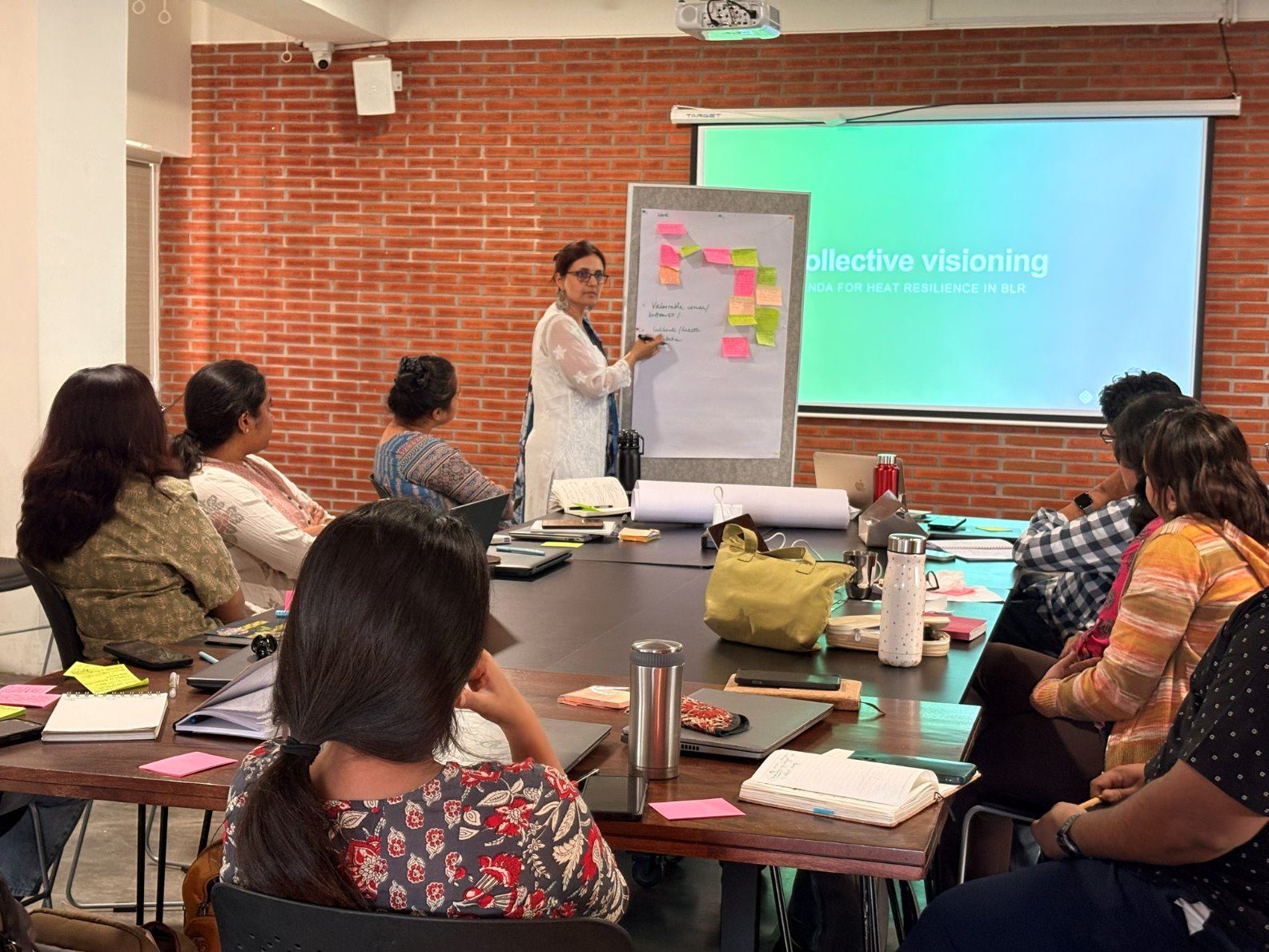
Over the past month, a collective of 11 organisations have been coming together to shape Bengaluru’s evolving heat resilience landscape. ARTPARK, Bengaluru Sustainability Forum, C40 Cities, CSTEP, Hasiru Dala, HeatWatch, Jan Sahas, KHPT, NIMHANS, Socratus Corporation, and WRI India have agreed upon a Charter document for the group to function as a collective body and engage with ecosystem partners. A Strategy Note has also been developed for Heat Resilience in Bengaluru as a living document which will be used solicit feedback from a diverse set of stakeholders, heat affected communities, decision makers and implementers towards short- and long- term actions towards building heat resilience in the city.

BODOLAND
Field Visit to Bodoland to Shape Next Phase of Implementation
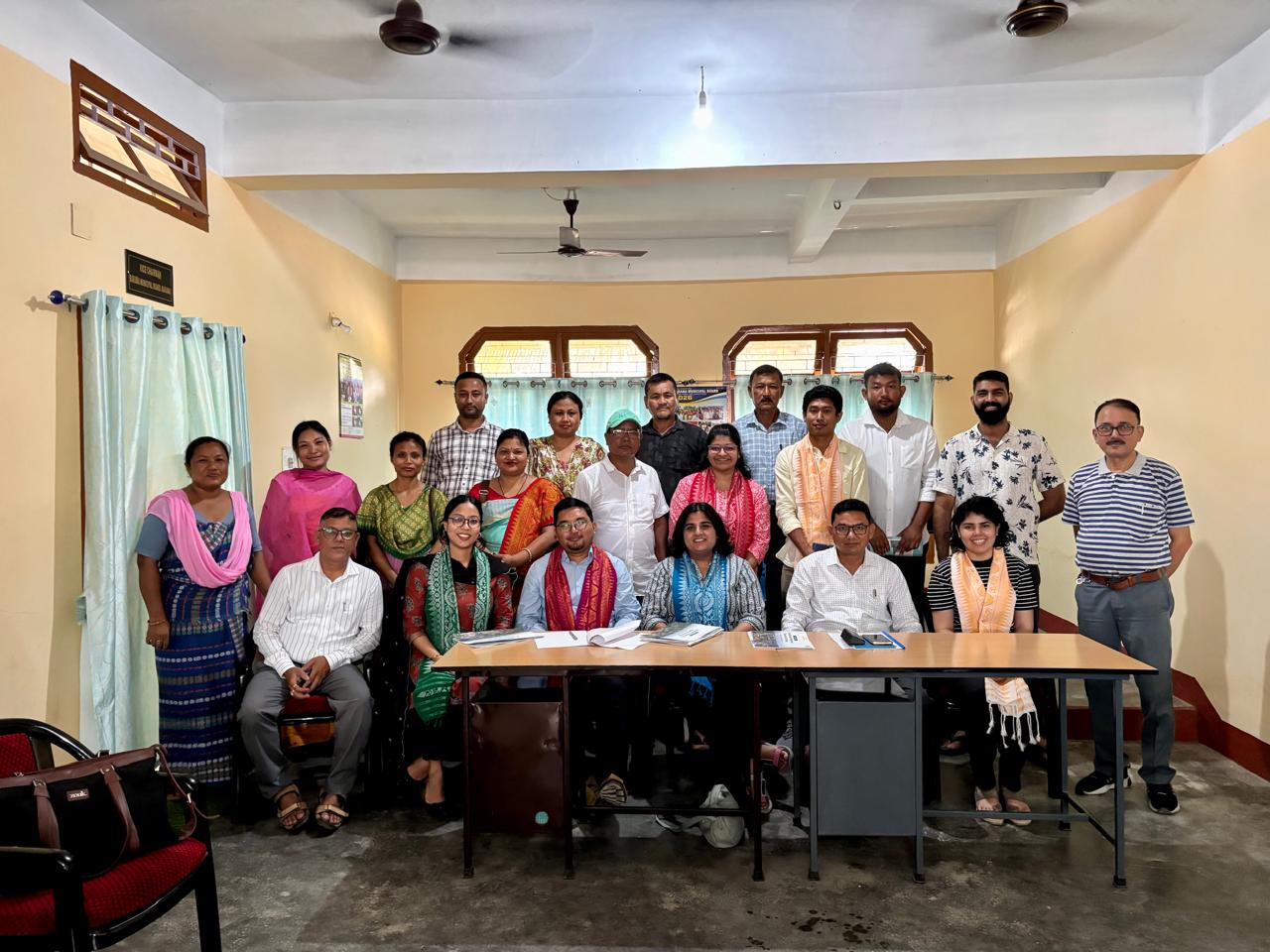
The WRI India team undertook a scoping visit across Bodoland to identify priority pilot locations and strengthen partnerships as part of the next phase of the Eco-City Regions work. Building on the project’s regional spatial strategy, the visit helped the team understand how Bodoland functions as a bioregion and its material flows, translating regional priorities into locally grounded interventions through consultations across Bhairabkunda, Parbatjhora, Subhankhata, Raimona, Barama, and Mushalpur. Engagements with TRIF, Gramya Vikash Mancha, the Bodoland Development Foundation, and local Dong-Bundh and Tourism Committees revealed evolving livelihoods, community-led natural resource management, and opportunities in sericulture, agroforestry, agriculture, tourism, and local value chains. The visit also highlighted rapid growth in emerging settlements like Barama and Mushalpur, pointing to the need for right-sized infrastructure and services as these areas transition and shape pilot strategies.


UTTAR PRADESH
WRI India Meets Uttar Pradesh State Transformation Commission to Discuss Small Cities Collaboration
The WRI India team met with the Uttar Pradesh State Transformation Commission (UPSTC) to discuss collaboration on small and transitioning cities in the state. Discussions with Shri Akhilesh Gautam, Director, Sustainable Development Cell, Urban Vertical, UP-STC, centred on the role of small cities in Uttar Pradesh’s development trajectory, the need for right-sized infrastructure, and strengthening resilience across urban systems, local economies, climate risks, and institutions. Small cities anchor local economies, serve wider rural-urban catchments, support specialised production systems, and provide essential services to surrounding regions. With appropriate planning, investment, and capacity support, they can strengthen local and regional economies, improve service delivery and quality of life, and collectively advance the shared vision of Viksit Uttar Pradesh.

LONDON
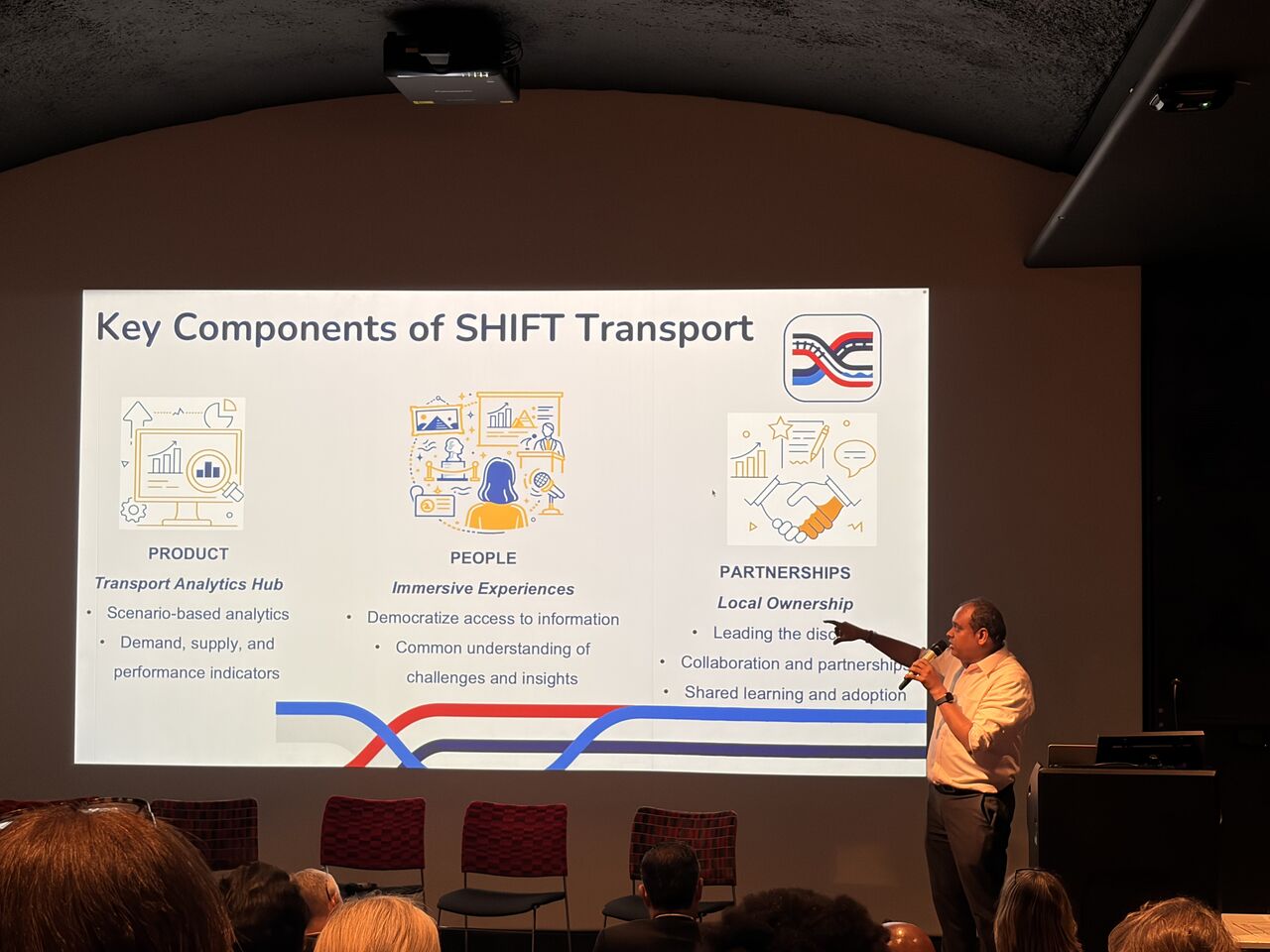
SHIFT Transport at London Climate Action Week
At London Climate Action Week, WRI India showcased the SHIFT Transport Framework, highlighting how integrated data and AI can help cities move beyond congestion-focused planning towards improving overall mobility system performance. Through the RIDE Transport Data & AI session, WRI India shared insights on network connectivity, accessibility, and climate resilience using the Transport Analytics Hub, demonstrating how open data, analytics, and cross-sector collaboration can support evidence-based transport planning. This contributes to a broader ecosystem by equipping cities with practical tools and frameworks to design more connected, resilient, and people-centric transport systems. The session also offered lessons for the world from India’s experience driving change in mobility at scale.
Read more from a transport planner in attendance here