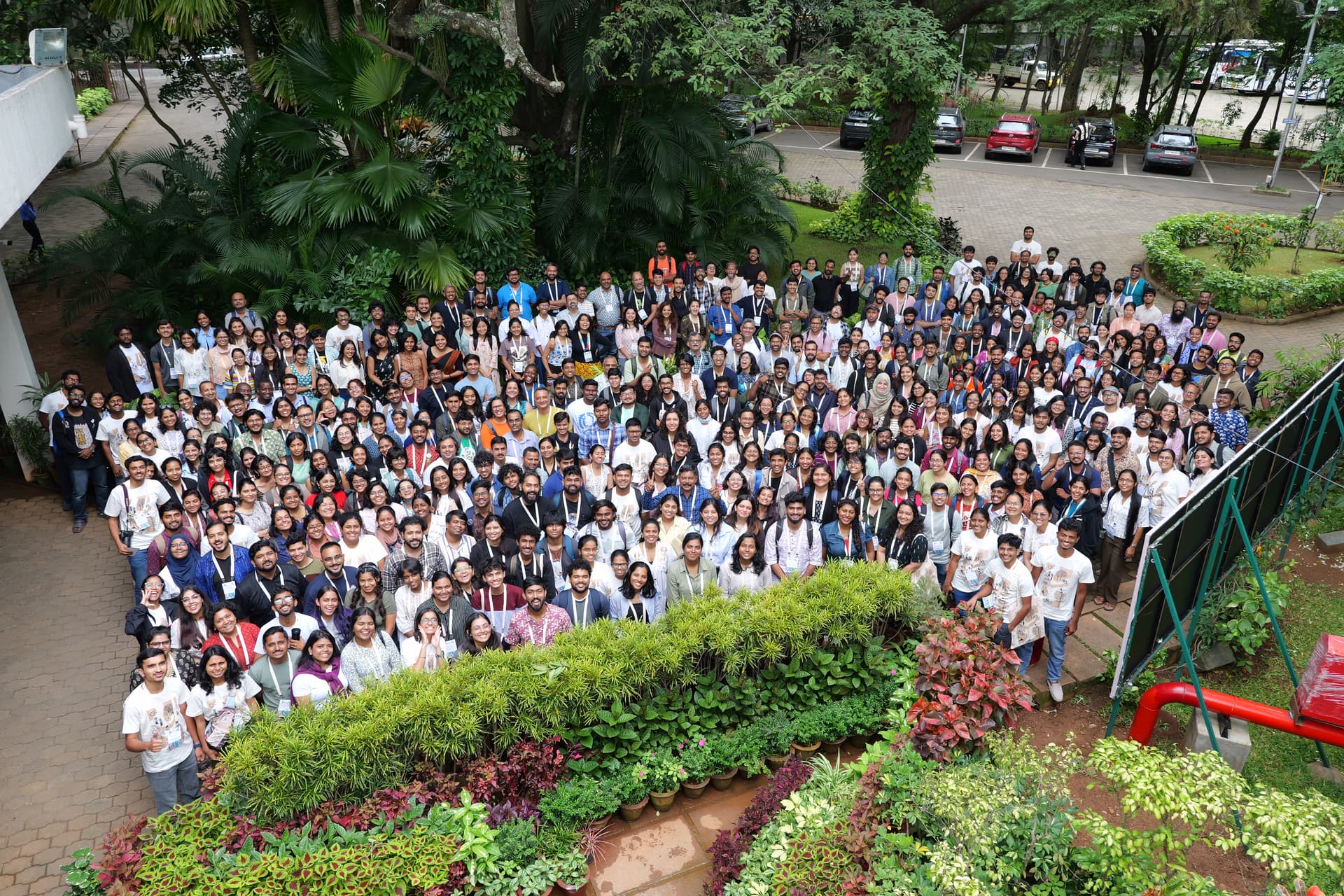
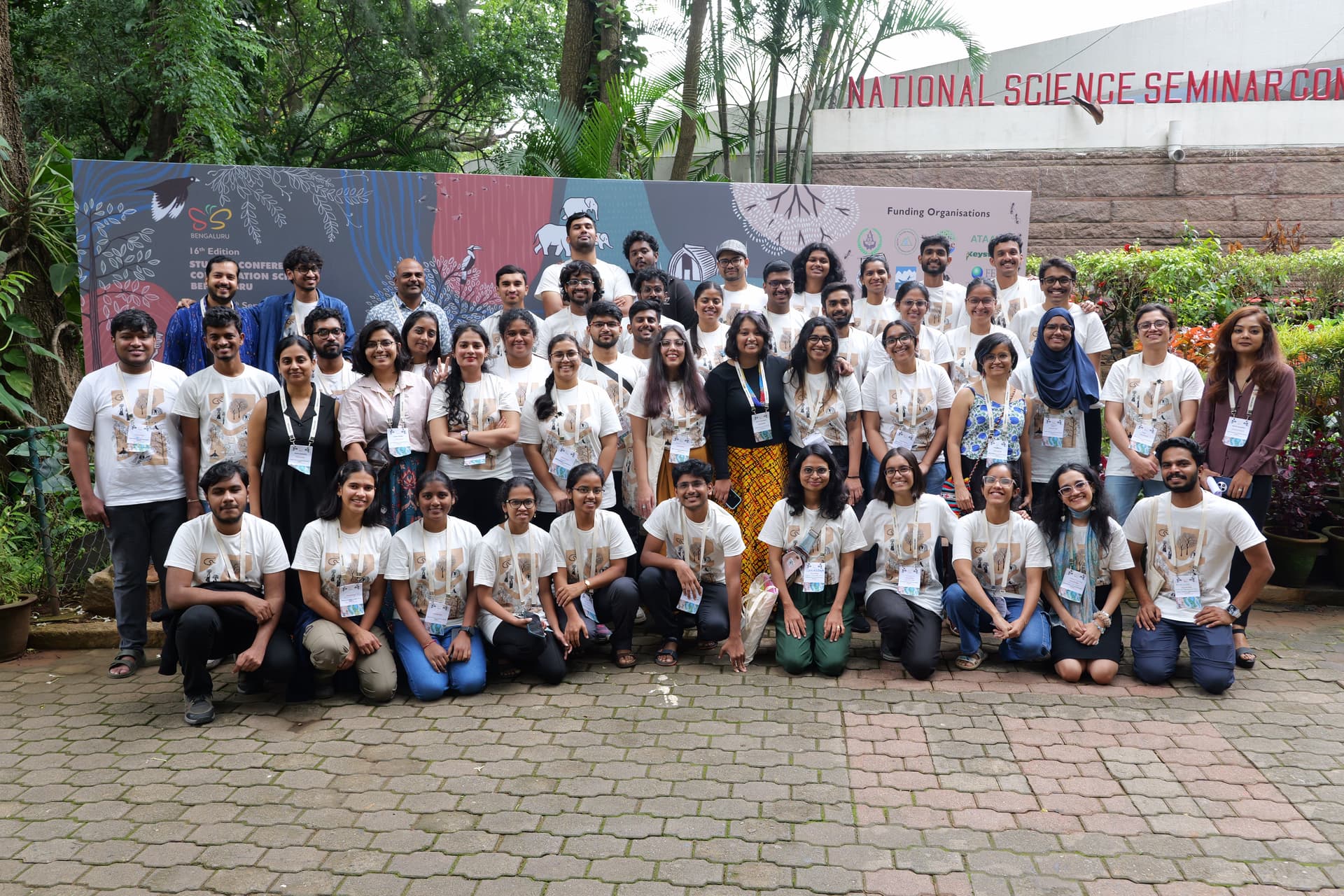
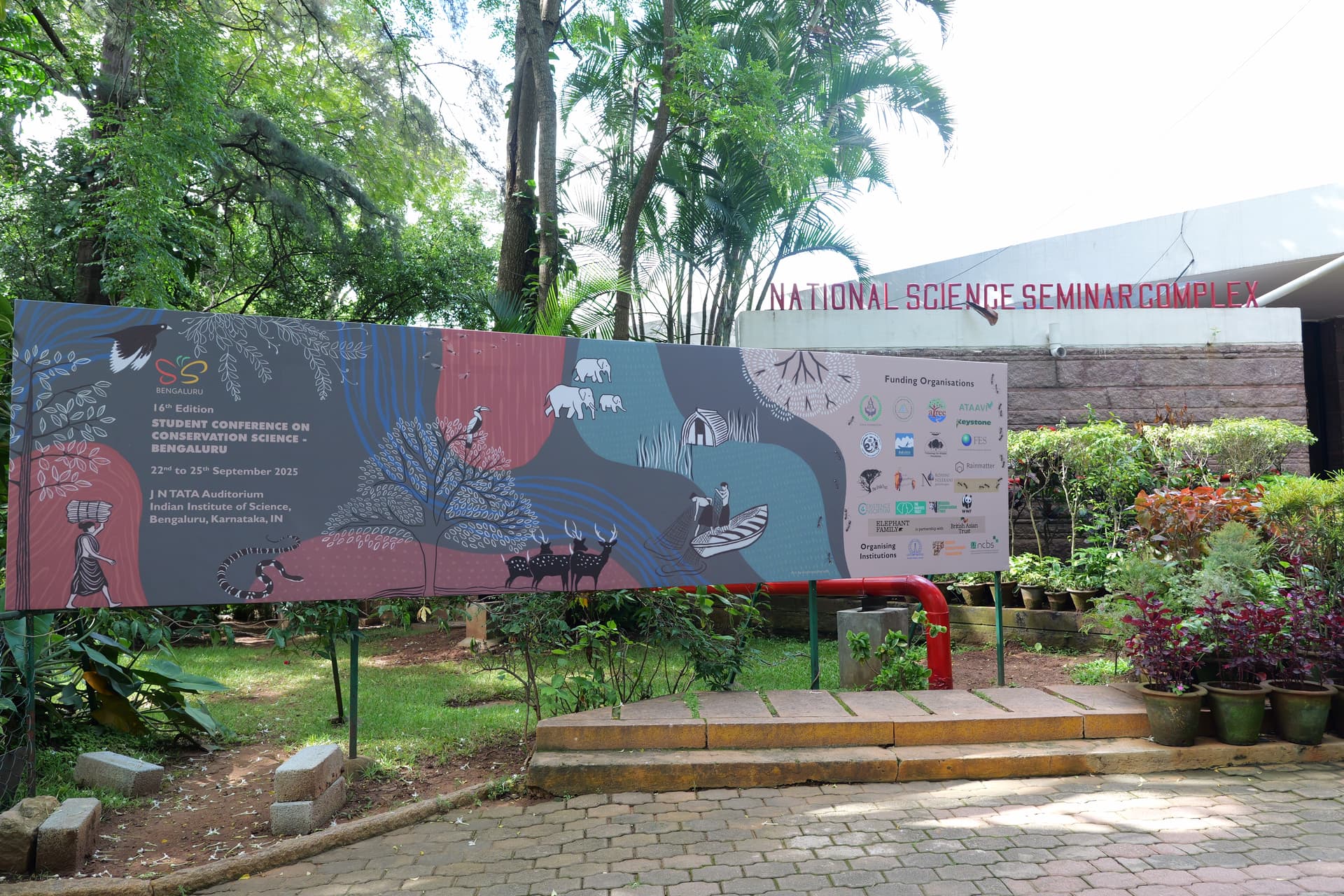
Over four days in September 2025, the Indian Institute of Science (IISc), Bengaluru, transformed into a vibrant meeting ground for young conservationists, researchers, educators, artists, storytellers, and practitioners from across South Asia and Africa. The 16th edition of the Student Conference on Conservation Science – Bengaluru (SCCS-Bengaluru 2025) brought together nearly 500 people united by a shared commitment to biodiversity conservation, environmental justice, and collaborative learning.
What makes SCCS-Bengaluru unique is that it is designed first and foremost for students and early-career conservationists. It is a space where young researchers present their work, receive constructive feedback, build networks, and often discover entirely new ways of thinking about conservation.
This year’s conference featured:
- 81 student presentations
- 40 workshops
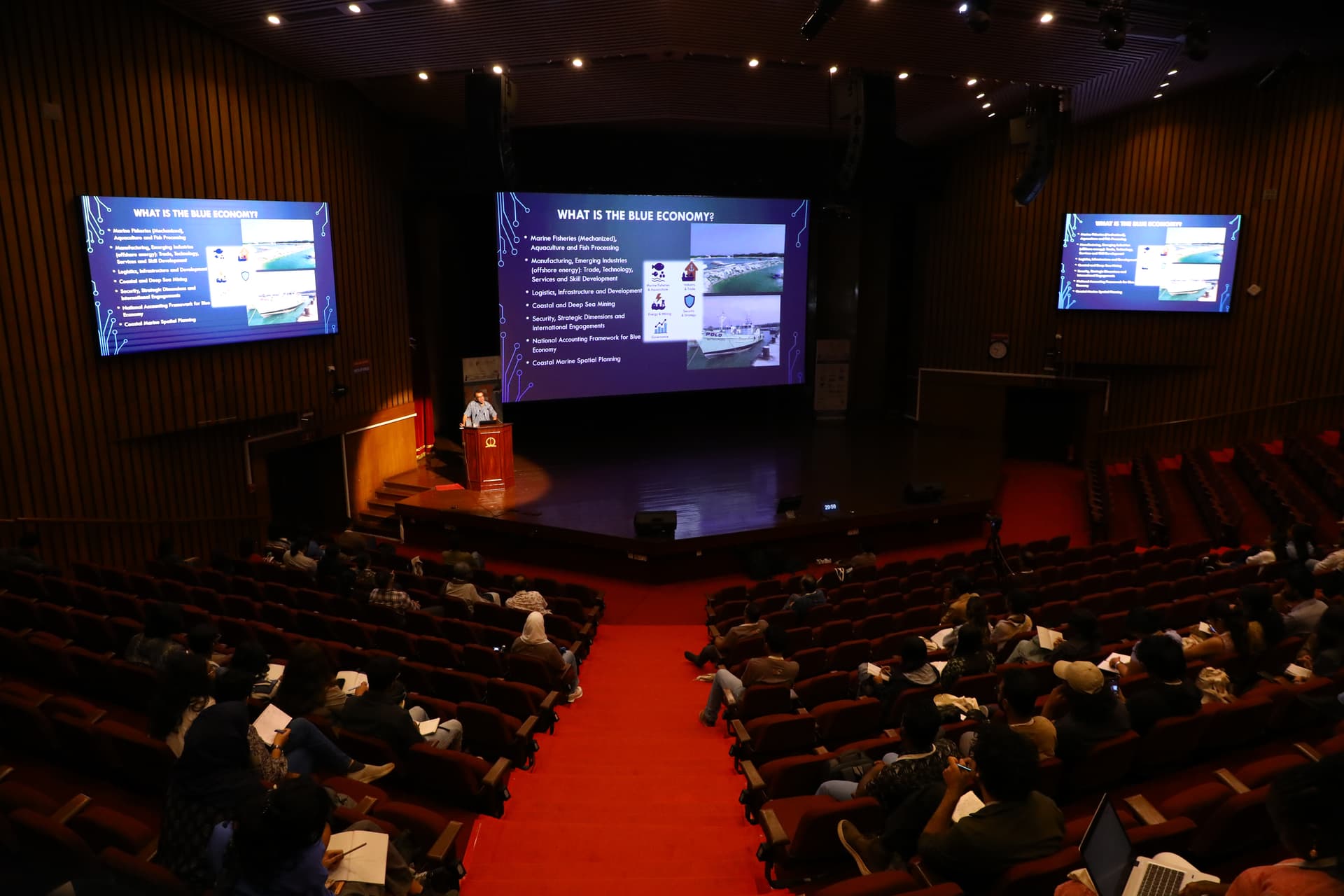
- 6 plenary talks
- Participants from India, Bangladesh, Nepal, Sri Lanka, and Kenya
- 23 conservation organisations participating in outreach and networking activities.

Building Capacity Beyond the Classroom
At SCCS-Bengaluru, learning extends far beyond formal presentations.
The workshops this year reflected the increasingly interdisciplinary nature of conservation work. Participants explored topics ranging from GIS, R programming, bioacoustics, and ecological monitoring to conservation storytelling, theatre for environmental justice, qualitative research, citizen science, and communicating ecology through local languages.
The conference also introduced participants to immersive nature-based experiences through bird walks, tree walks, mushroom walks, nature journaling sessions, and the much-loved nocturnal loris walk across the IISc campus. These sessions encouraged participants to slow down, observe closely, and reconnect with the landscapes and species they work to conserve.
Supporting Access and Inclusion
A major focus for SCCS-Bengaluru continues to be accessibility.
With support from donors and partners, the conference provided bursaries to:
- 26 students from India
- 11 international participants from Bangladesh, Nepal, Sri Lanka, and Kenya.
For many attendees, this financial support made participation possible for the very first time.
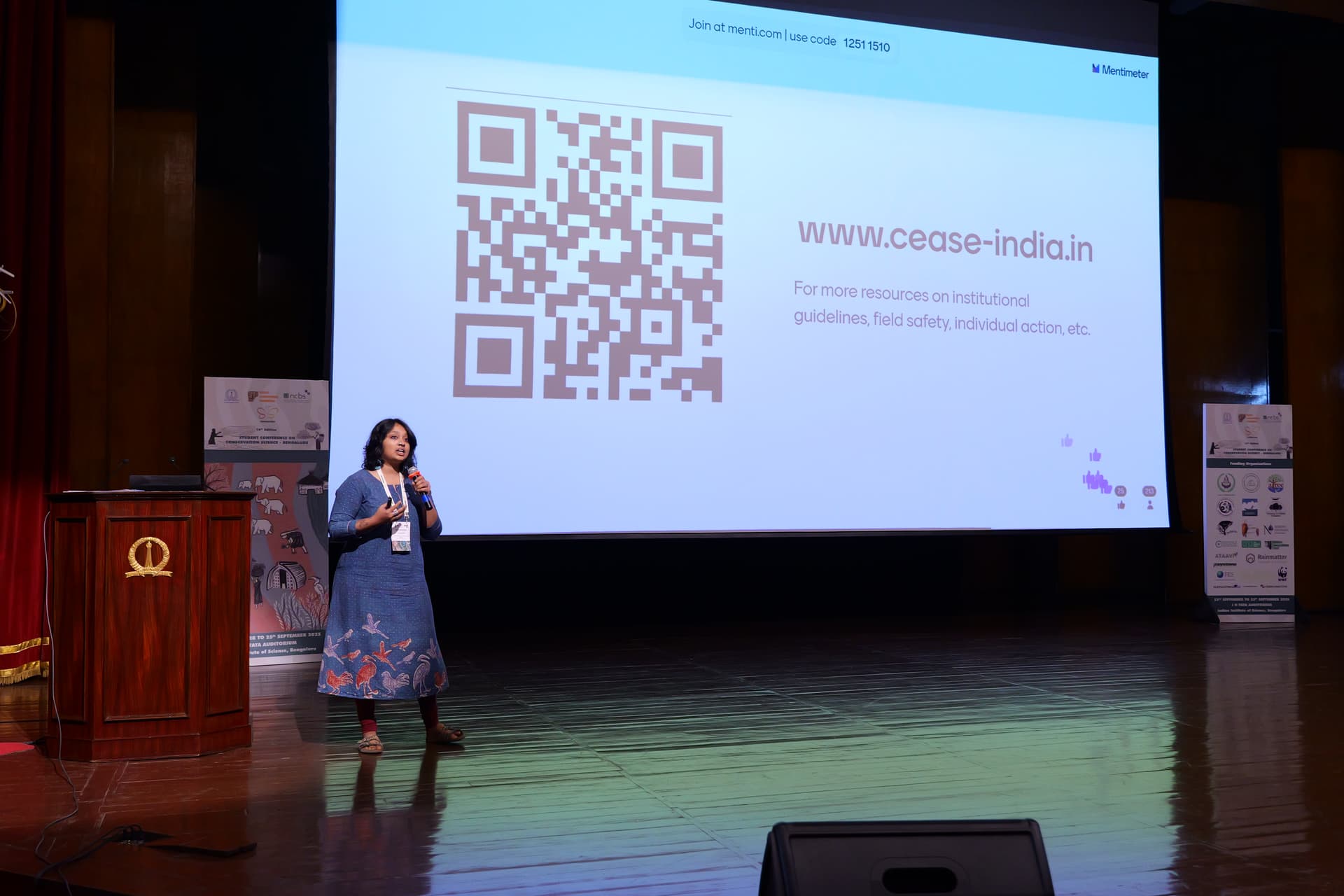
The conference also continued its efforts to make conservation spaces safer and more inclusive. SCCS-Bengaluru 2025 hosted:
- A mandatory session on workplace safety and the prevention of sexual harassment
- The fifth Queer Circle for LGBTQIA+ conservation practitioners
- The third Neurodivergent Circle supporting neurodivergent individuals working in conservation and climate spaces.
These spaces allowed participants to openly discuss lived experiences, workplace challenges, accessibility, and belonging within the conservation sector.
Conservation Through Collaboration
One of the defining strengths of SCCS-Bengaluru is its collaborative model.
The conference is organised through the collective efforts of multiple institutions, organisations, volunteers, reviewers, workshop facilitators, and conservation practitioners. This year alone, the conference was supported by:
- 123 abstract reviewers
- 45 volunteers
- A large network of researchers, educators, NGOs, and partner organisations.
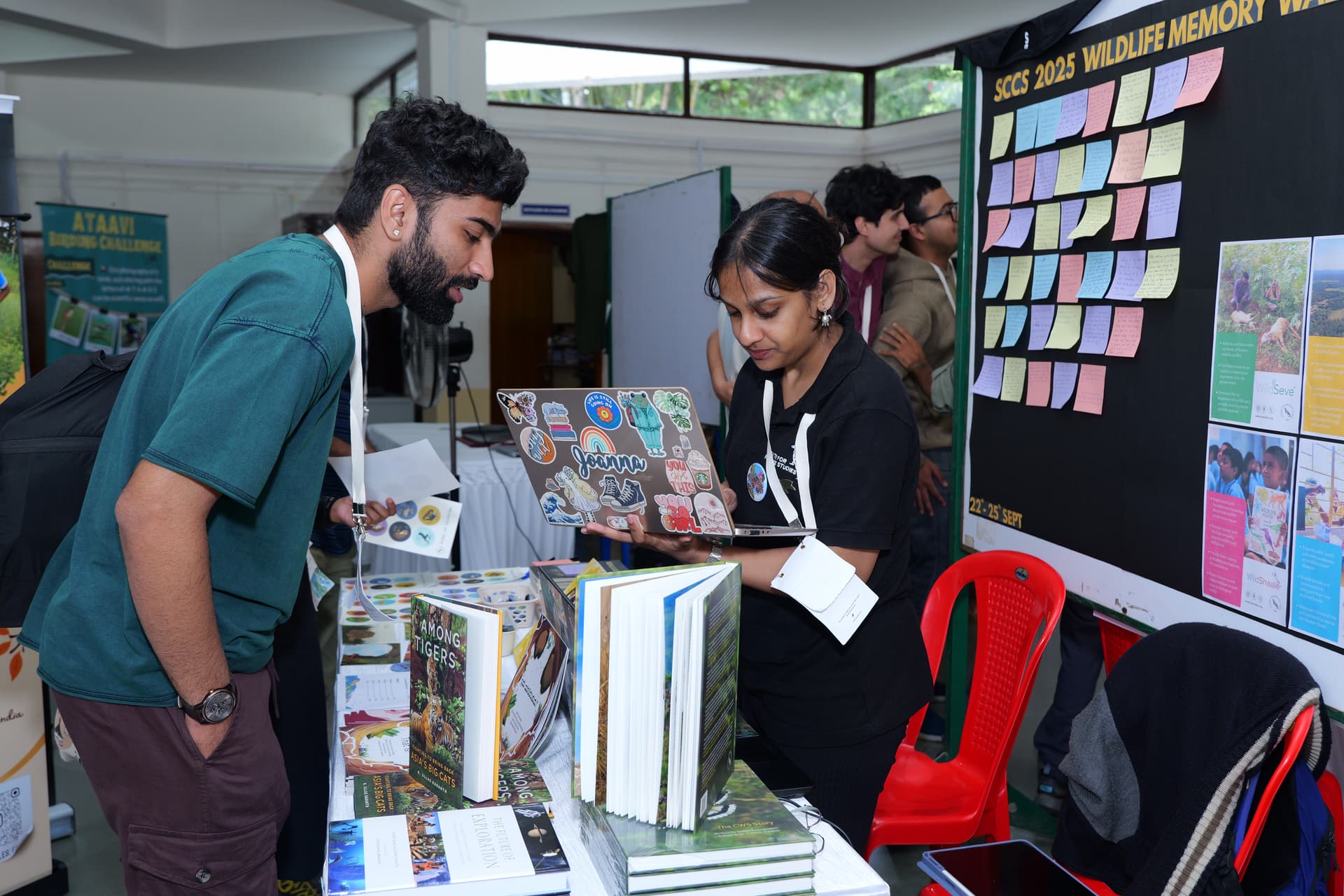
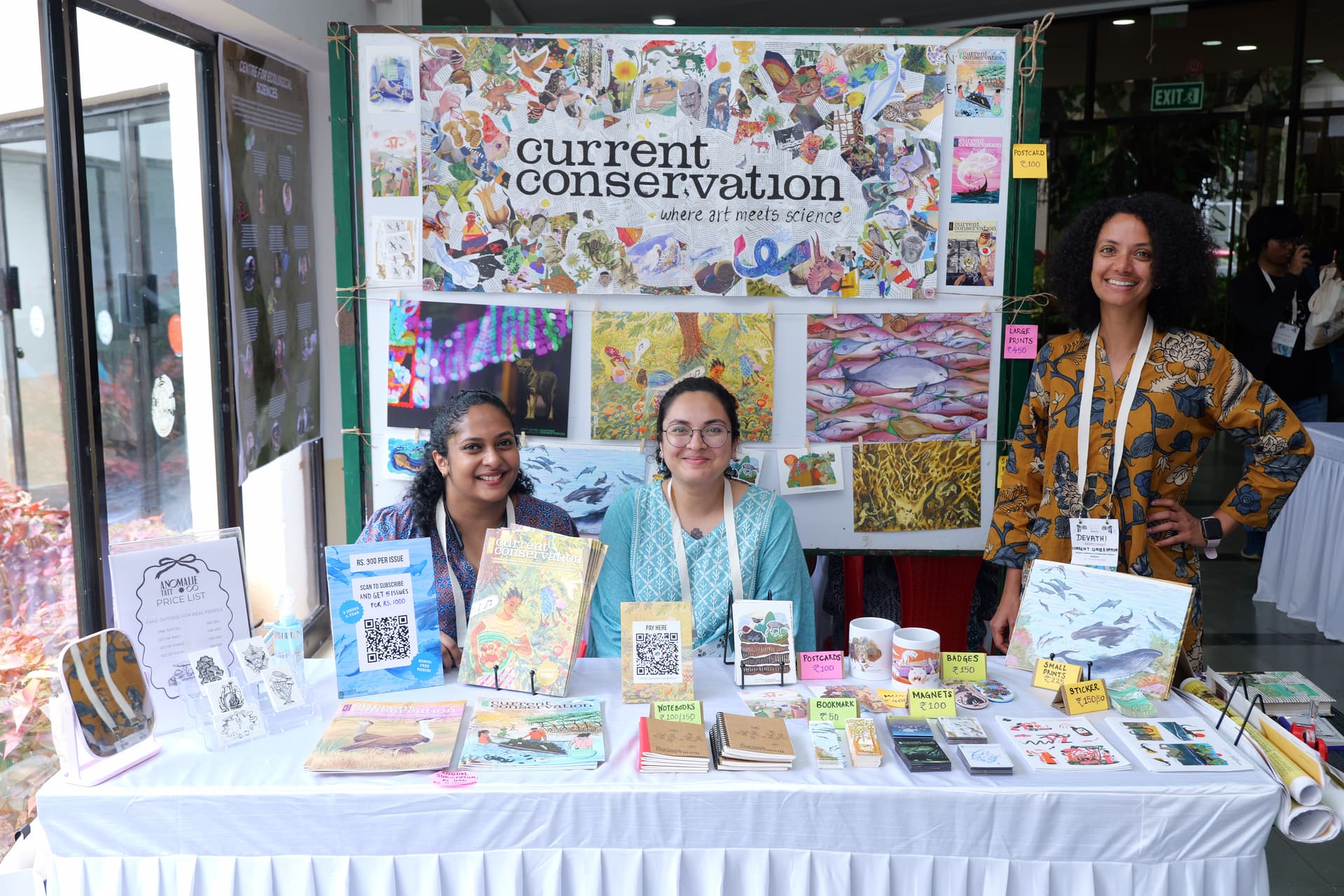
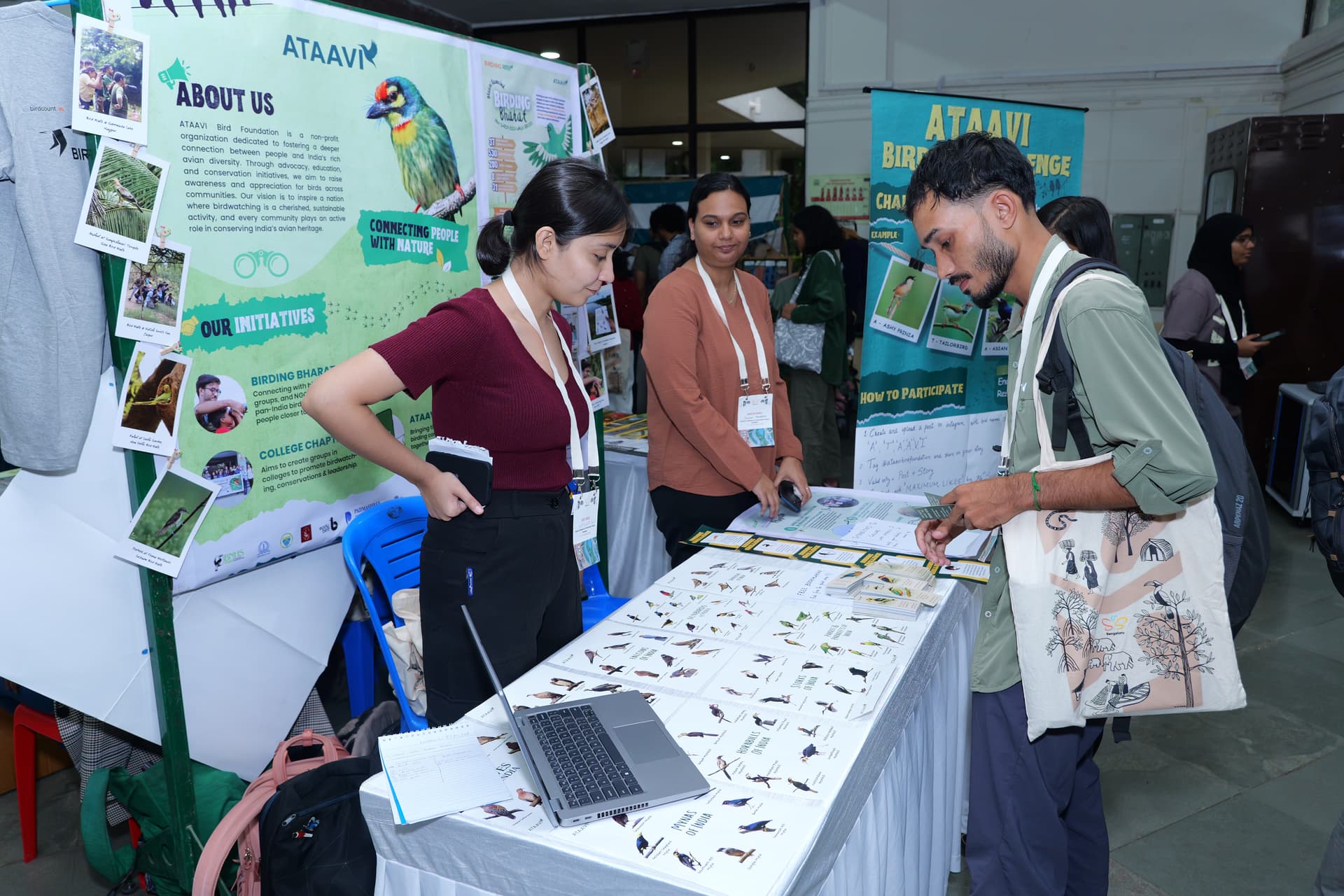
The “Who’s Who in Conservation” exhibition further strengthened these connections by creating direct opportunities for engagement between students and organisations working across research, conservation practice, communication, environmental education, and community engagement.
Keeping Sustainability at the Centre
As a conservation-focused initiative, SCCS-Bengaluru also strives to minimise its environmental footprint.
This year’s conference incorporated:
- Eco-friendly conference kits
- Handmade paper ID cards
- Organic cotton lanyards
- Reduced single-use plastics
- Promotion of e-certificates over printed certificates.
These efforts reflect SCCS-Bengaluru’s broader commitment to aligning conference practices with sustainability values.
Looking Ahead
As SCCS-Bengaluru begins planning for its next edition, the focus remains clear:
- Expanding access for students and early-career conservationists
- Supporting inclusive and safer conservation spaces
- Enhancing public engagement and outreach
- Building long-term sustainability for the conference and its community.
At a time when ecological challenges are becoming increasingly complex, platforms like SCCS-Bengaluru are essential. They create spaces where young conservationists can learn, question, collaborate, and imagine more equitable and resilient futures for both people and biodiversity.