In May 2025, Shivganga continued its long-term, structured training programmes aimed at leadership development, and social capital generation within tribal communities. These trainings are conducted in multiple cycles, engaging both new participants and previously trained individuals, recognising that meaningful engagement and transformation require sustained interaction over time, not one-time interventions.
Youth Empowerment Camps
Two Youth Empowerment Camps were conducted as part of Shivganga’s ongoing youth leadership development framework:
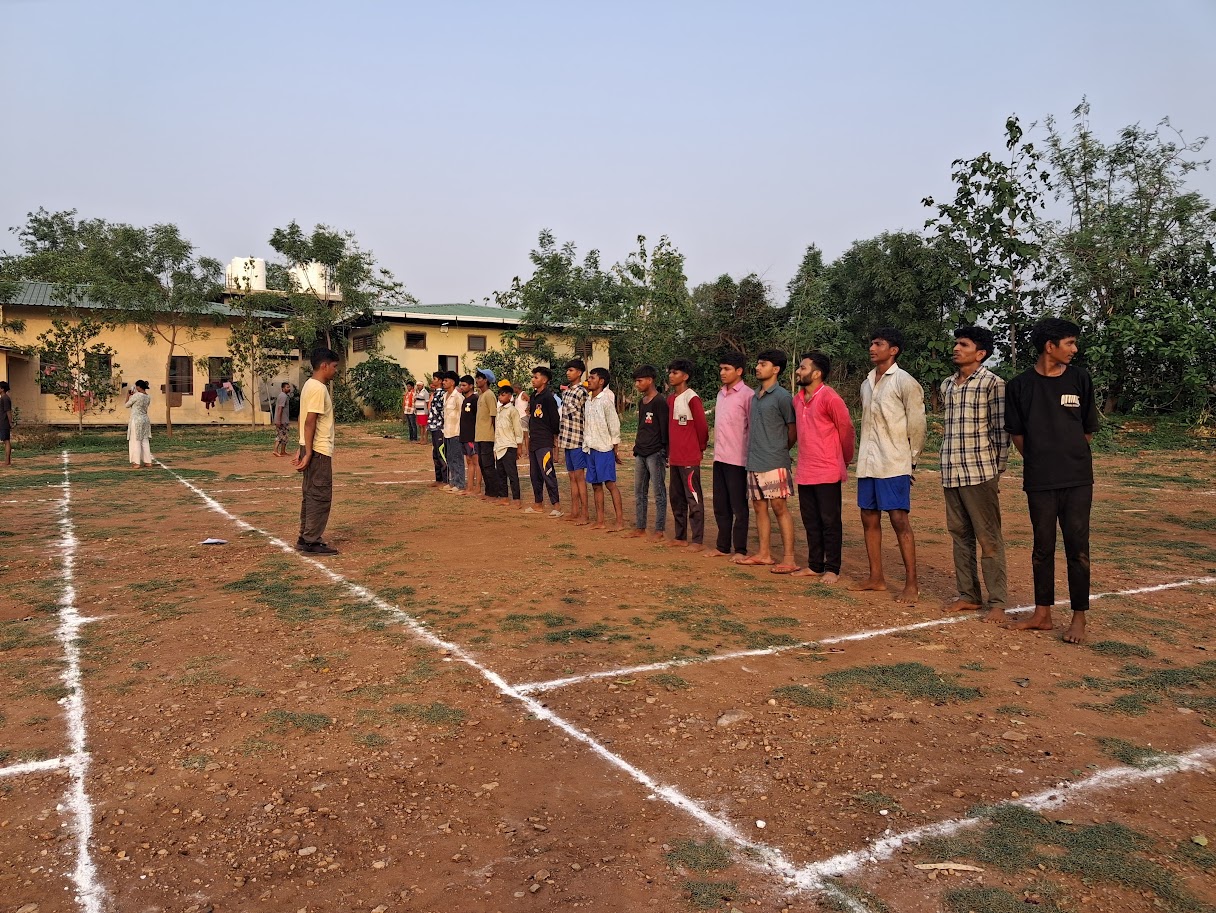
- 02–05 May 2025 | 90 participants
- 25–28 May 2025 | 85 participants
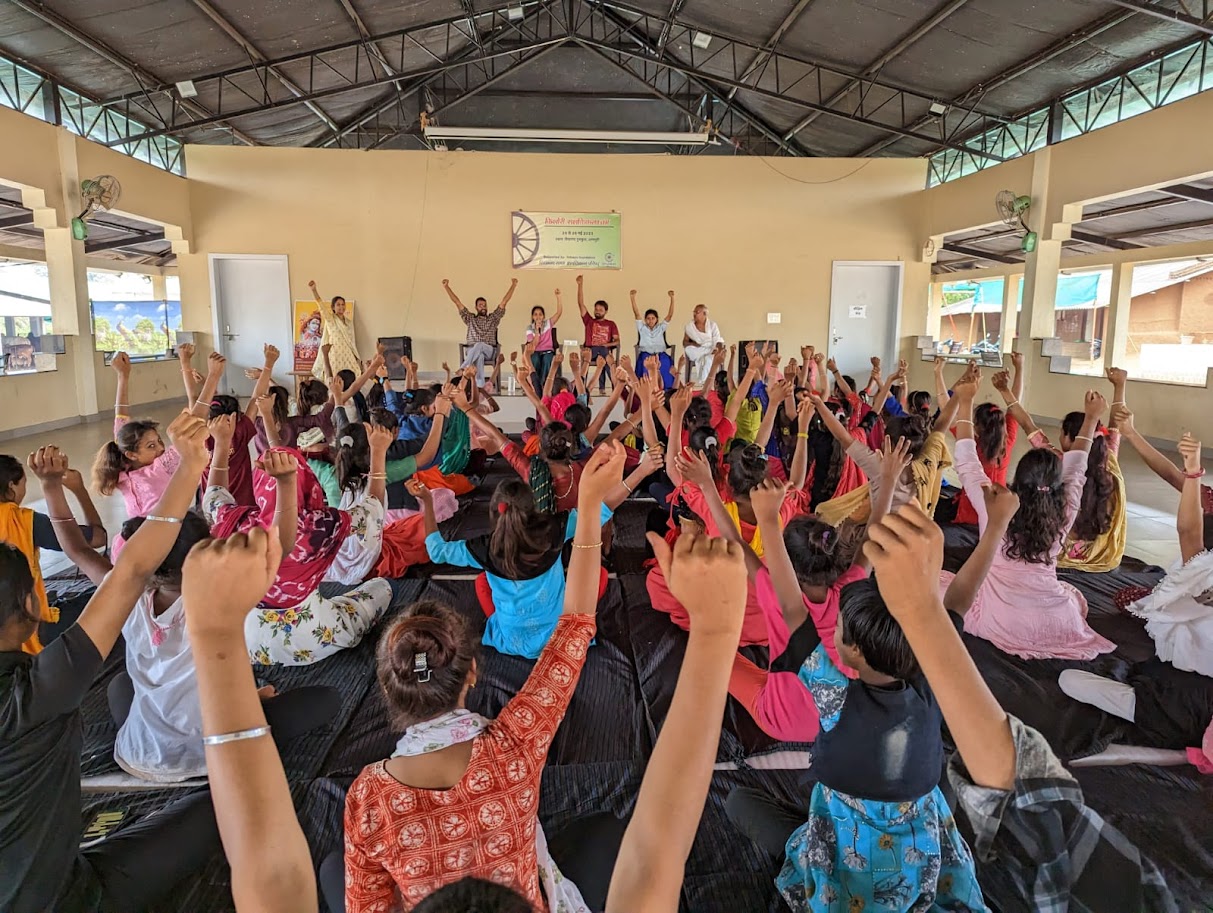
These Camps aim to raise tribal youth awareness about local challenges and inspire collective action. Conducted over three days, the camps combine interactive sessions, group activities, and reflection exercises to build self-esteem, leadership, and problem-solving skills. Participants are selected for further exposure and skill training and serve as volunteers for future camps, creating a network of trained youth. These camps, conducted repeatedly, generate social capital, equipping youth to mobilise their communities, implement solutions, and sustain long-term village development initiatives.


Women Empowerment Training
- 15–18 May 2025 | 85 participants
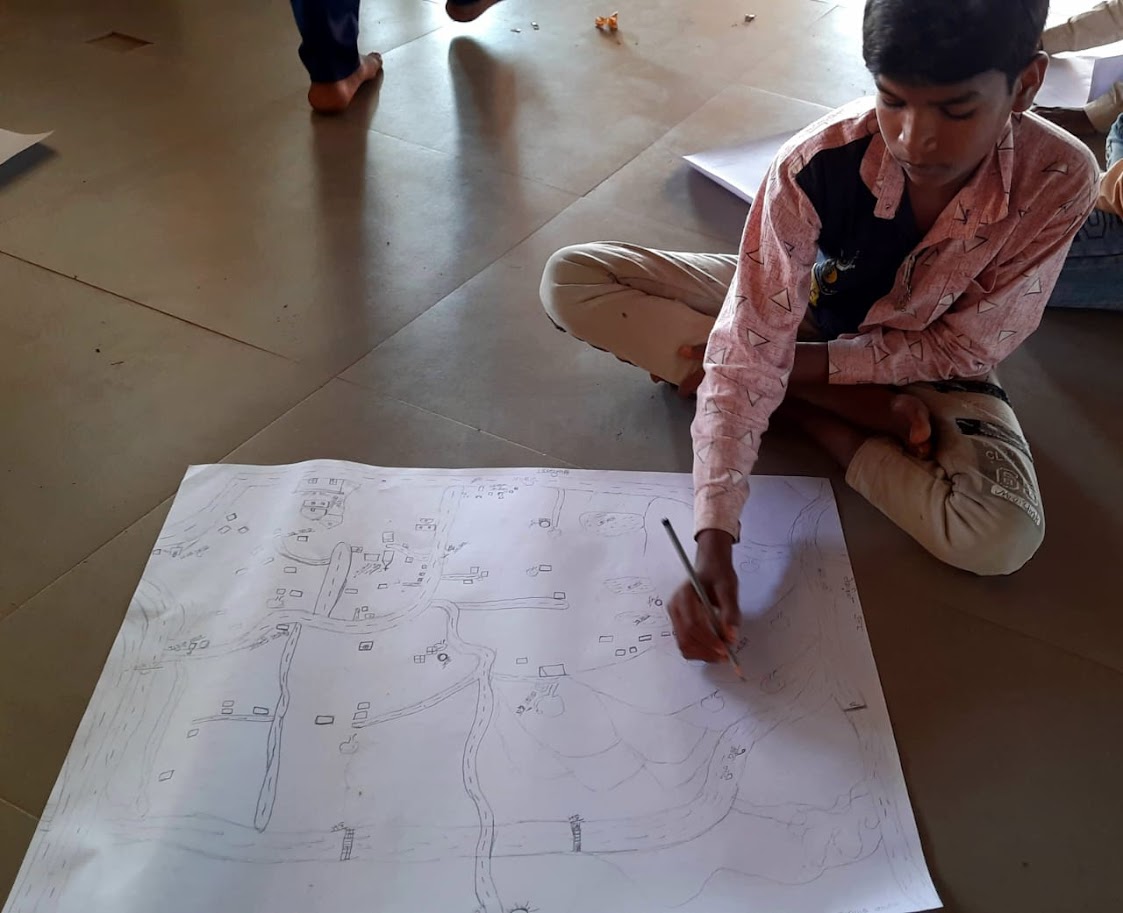
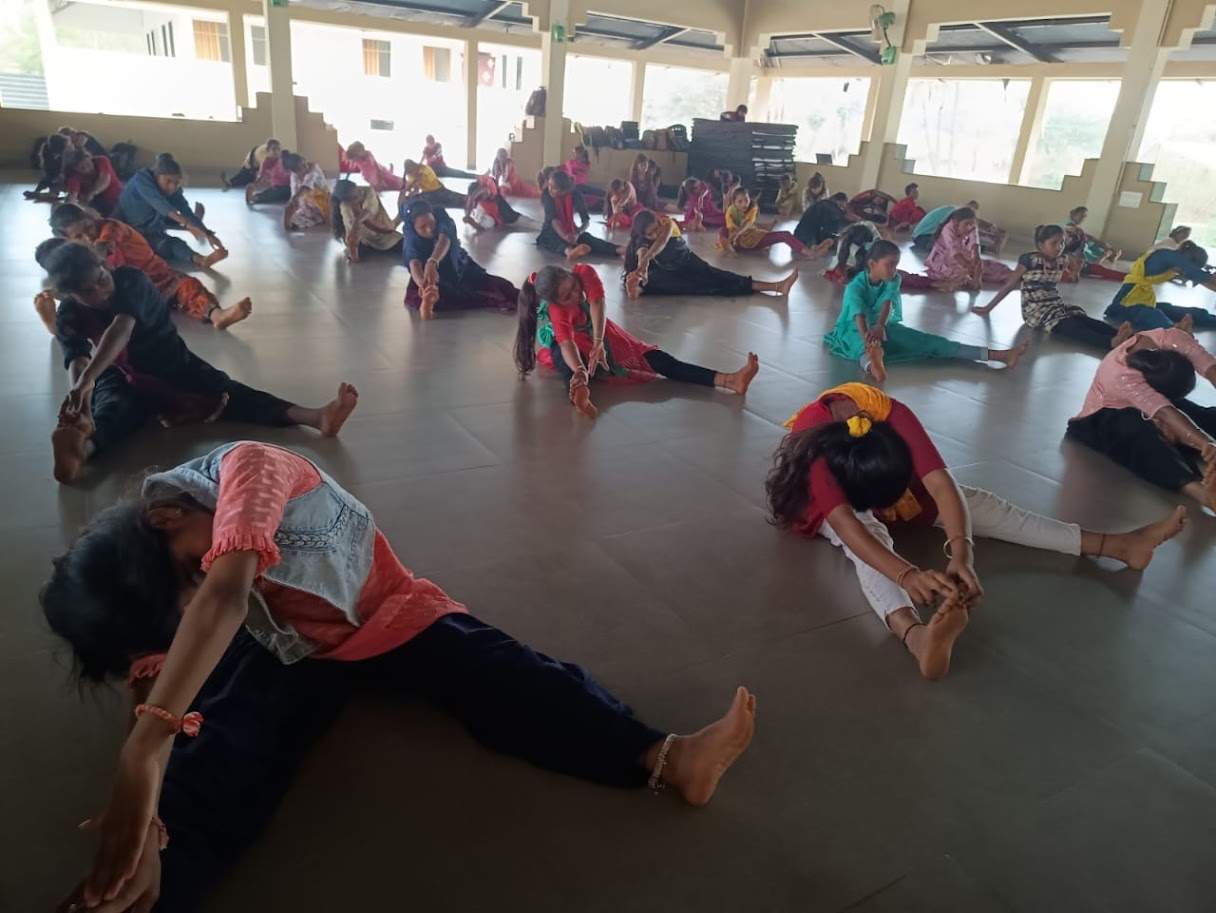
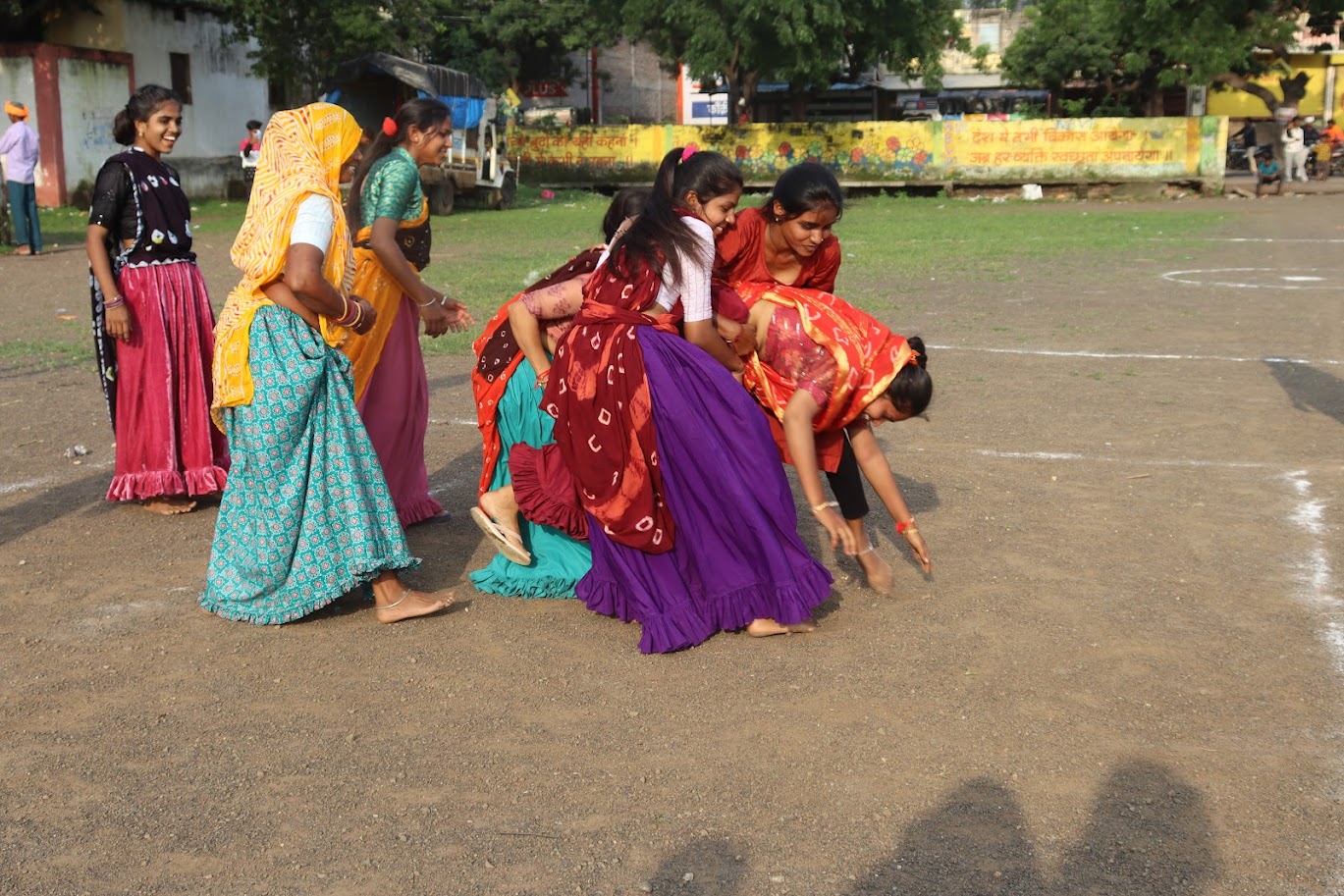
During the camp, participants engaged in interactive discussions, physical activities, and group exercises to build confidence, teamwork, and leadership skills. They explored village-level challenges, including health, sanitation, and debt, and learned collective problem-solving approaches. Sessions included traditional practices like Halma and Matavan, community entrepreneurship case studies, and village mapping activities. By the end, participants developed actionable plans for improving village health and hygiene and gained the confidence to mobilize other women, strengthening a women-led social capital network to drive sustainable community development.

Gram Engineering Camp
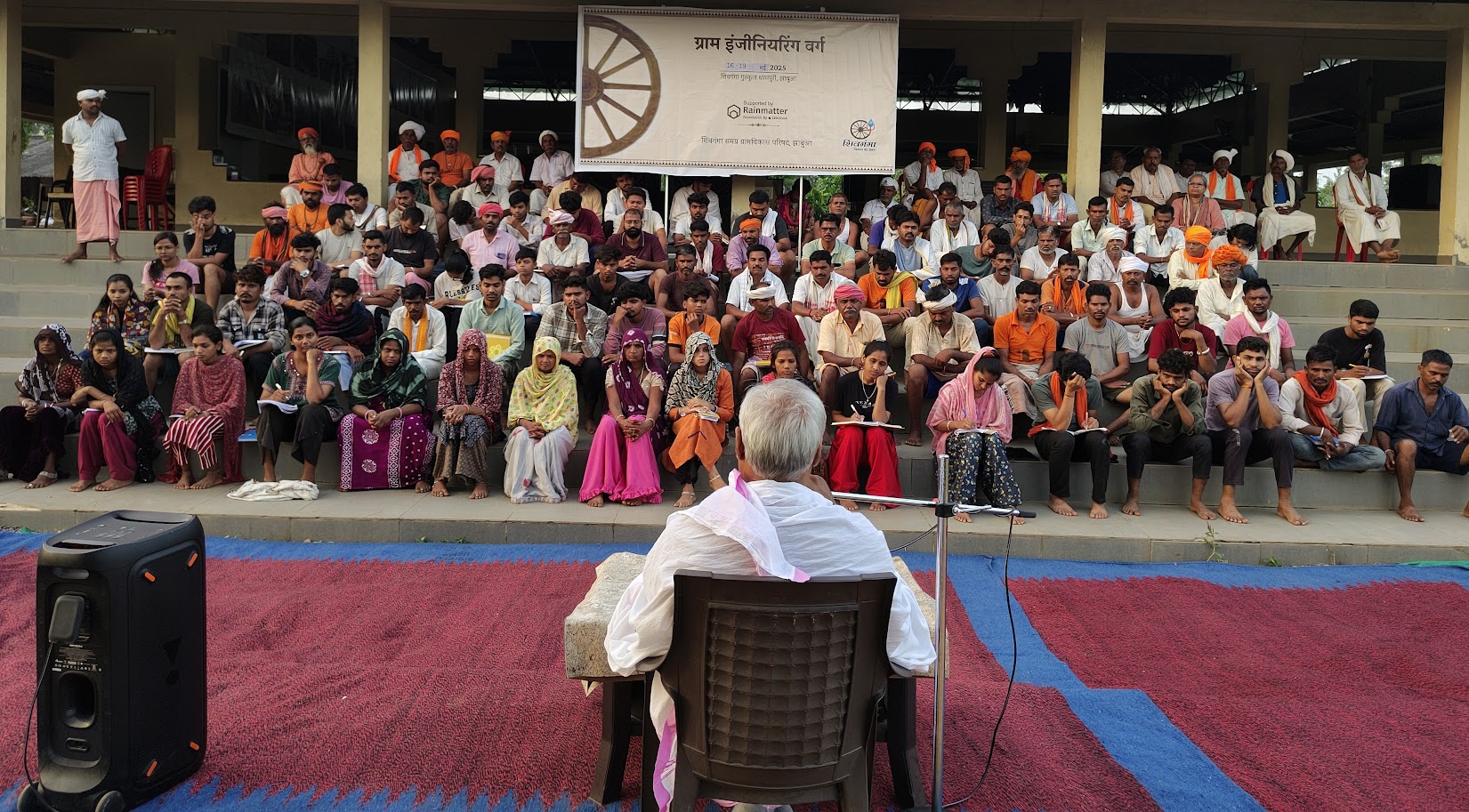
- 16–19 May 2025 | 126 participants
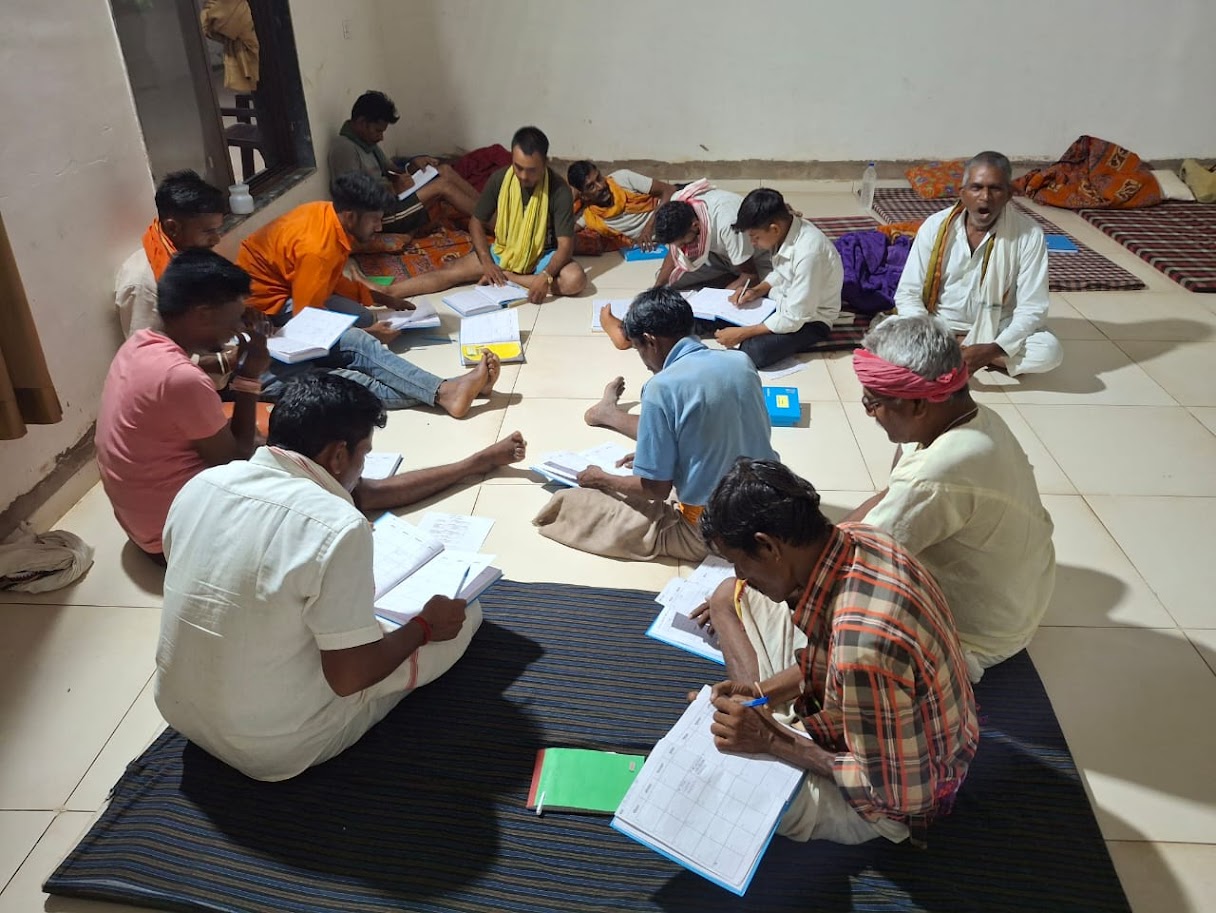
Shivganga conducted the Gram Engineering Camp to address water scarcity in Jhabua and build technical capacity among tribal youth for sustainable water conservation. Participants, selected from local villages as motivated community leaders, received four days of hands-on training in collaboration with SGSITS, Indore, covering contour trenching, earthen dams, check dams, and afforestation techniques.
Sessions included village-specific water action planning, map reading, and community mobilization strategies, guided by experts from SGSITS, the Irrigation Department, and local practitioners. Motivational talks and case studies reinforced leadership, collective responsibility, and practical skills. Each team developed a tailored action plan for water conservation in their village.
The camp strengthened youth technical knowledge and leadership, creating a network of trained “Gram Engineers” who act as local agents of sustainable development, capable of implementing water and resource management initiatives in their communities.



Community Mobilisation: ‘Jhabua Ki Rah - Navkumbh Anubhav Karyakram’
- Date: 11 May 2025
- Participants: 300 community members
- Venue: Golden Jubilee Hall, SGSITS, Indore
This programme was organised as a reflective and mobilising follow-up to the ‘Gram Samriddhi Navkumbh’, where over 3,000 villagers from 600 villages came together for three days to envision transforming their villages into Navteerth.
The event provided a platform to:
- Share experiences, learnings, and resolutions from the Navkumbh
- Deepen collective understanding of village-led development pathways
- Strengthen emotional and ideological commitment toward long-term social change
The programme highlighted the power of collective thought and lived experience, offering a rare opportunity to understand the development vision emerging from remote villages and grassroots leadership.
Exposure Training – May–June 2025
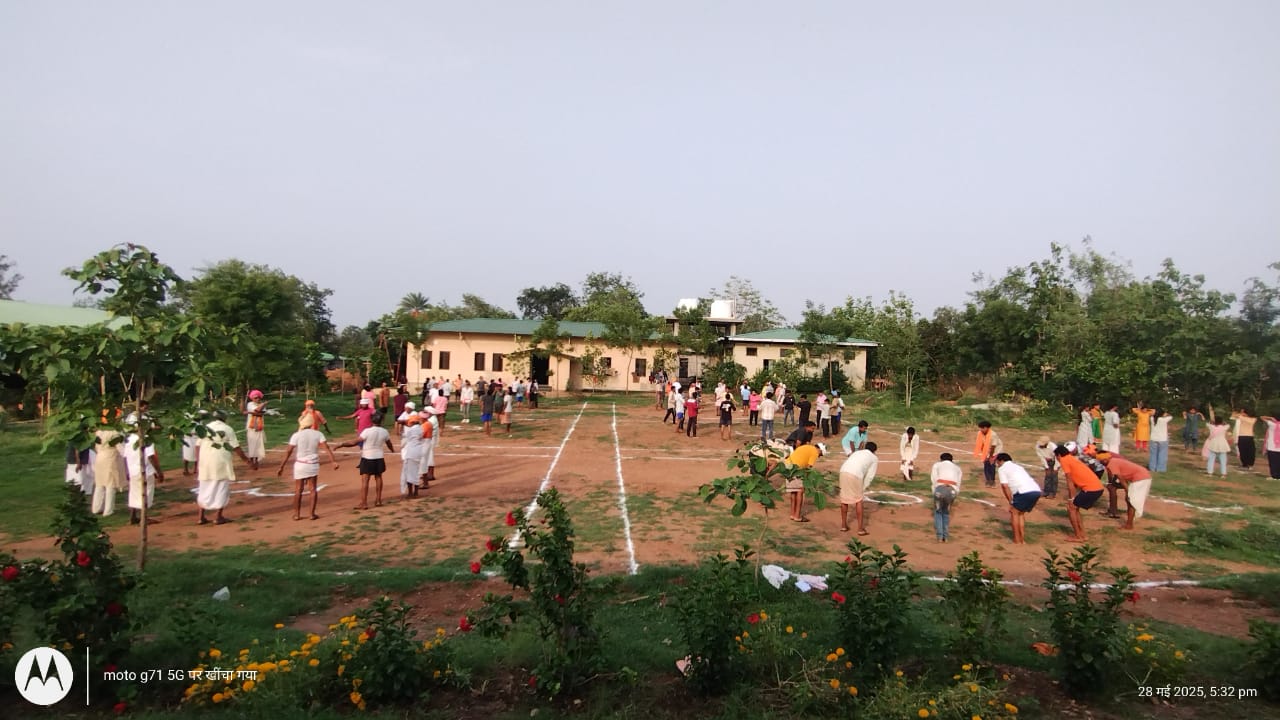
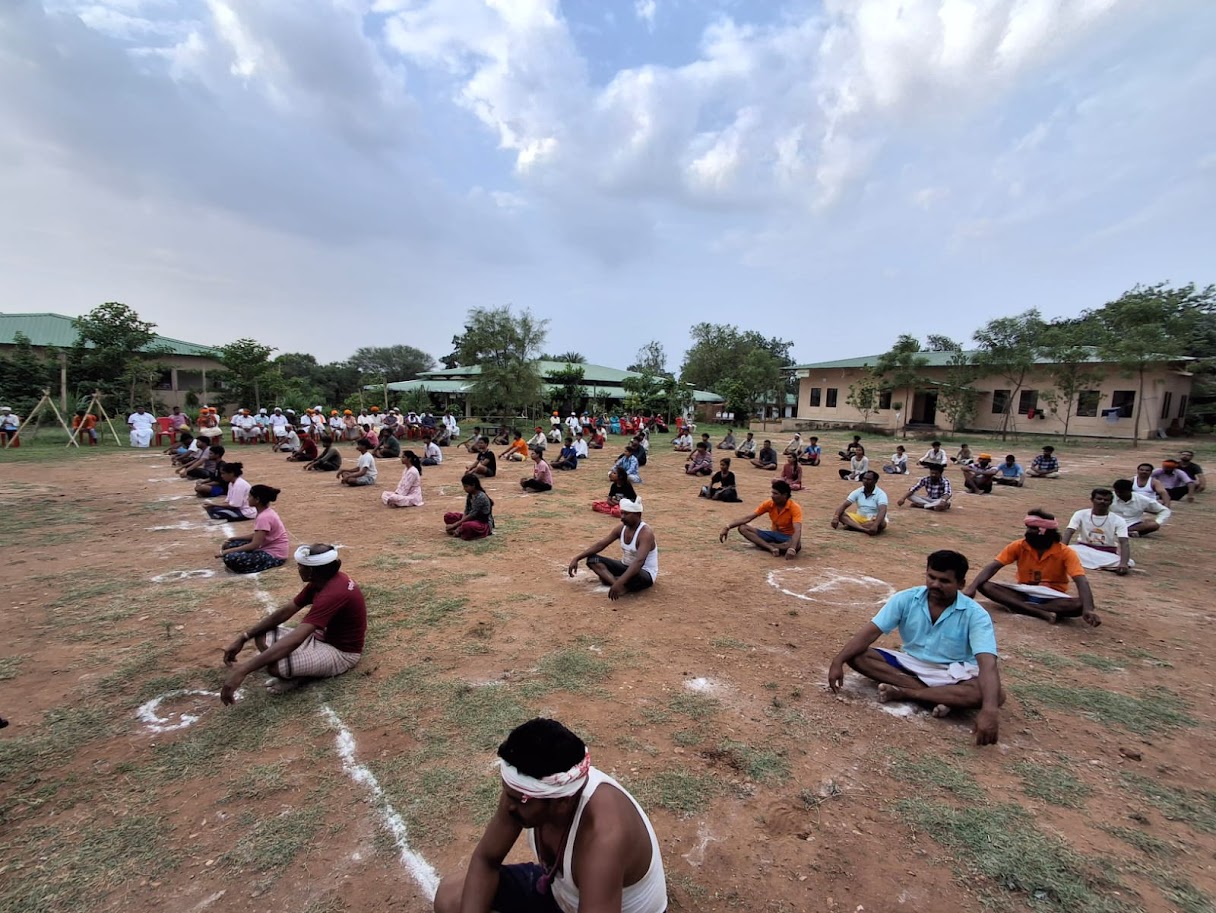
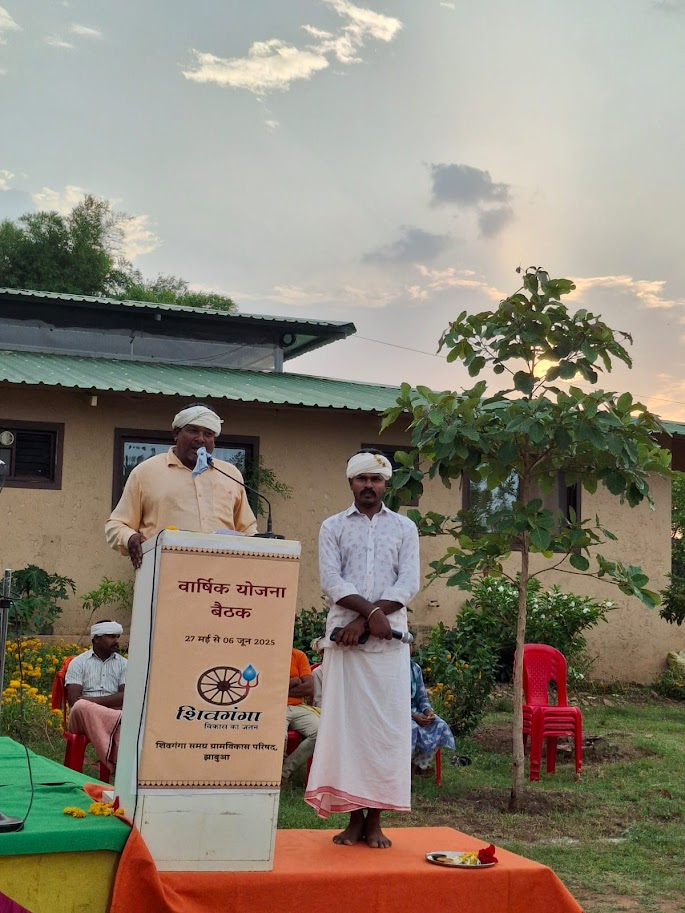
- 27 May – 06 June 2025 | 130 participants
Shivganga conducted the Exposure Training programme to reflect on 25 years of grassroots work, share learnings from the Navkumbh experience, and prepare the ‘Gram Samriddhi’ action plan for the coming year. The training blended physical sessions, games, group activities, movie screenings, collective and individual song sessions, creating an environment of learning, reflection, and emotional bonding.
Through structured discussions and collaborative exercises, participants reviewed past initiatives, shared experiences, and collectively defined future priorities and village-level responsibilities. The programme strengthened leadership, unity, and social cohesion, reinforcing participants’ role as social capital for sustained, community-led development.