Executive Summary
The initial grant from the Rainmatter Foundation, commencing in October 2021, enabled targeted initiatives across Janaagraha’s & Jana Urban Space’s work to localise climate action in cities and towns and advance environmental sustainability. During the period April 2024 – March 2025, as a result of our partnership with the Department of Housing and Urban Affairs (DoHUA), Govt. of Assam, we engaged in a State Urban Transformation Agenda in Assam. Concurrently, we aligned and worked with the Rainmatter Foundation by bringing new elements/aspects, and focus areas to our work compared to preceding years. The work evolved into a partnership with DoHUA as the anchor partner on the Doh Shaher Ek Rupayan (DSER) program of the state government. This led to the grant getting foreclosed in March 2025 and renewal of the partnership with the Rainmatter Foundation for a period of 4 years, starting April 2025, as a new grant agreement.
One of the key highlights of the quarter was the piloting of Assam Municipal Budget Manual (AMBM) in six cities across Assam. The pilot was carried out in three DSER cities and three non DSER cities to understand the integration of projects identified through CAPs in the municipal budget, the difference in the process of budgeting and the level of citizen participation in the process.
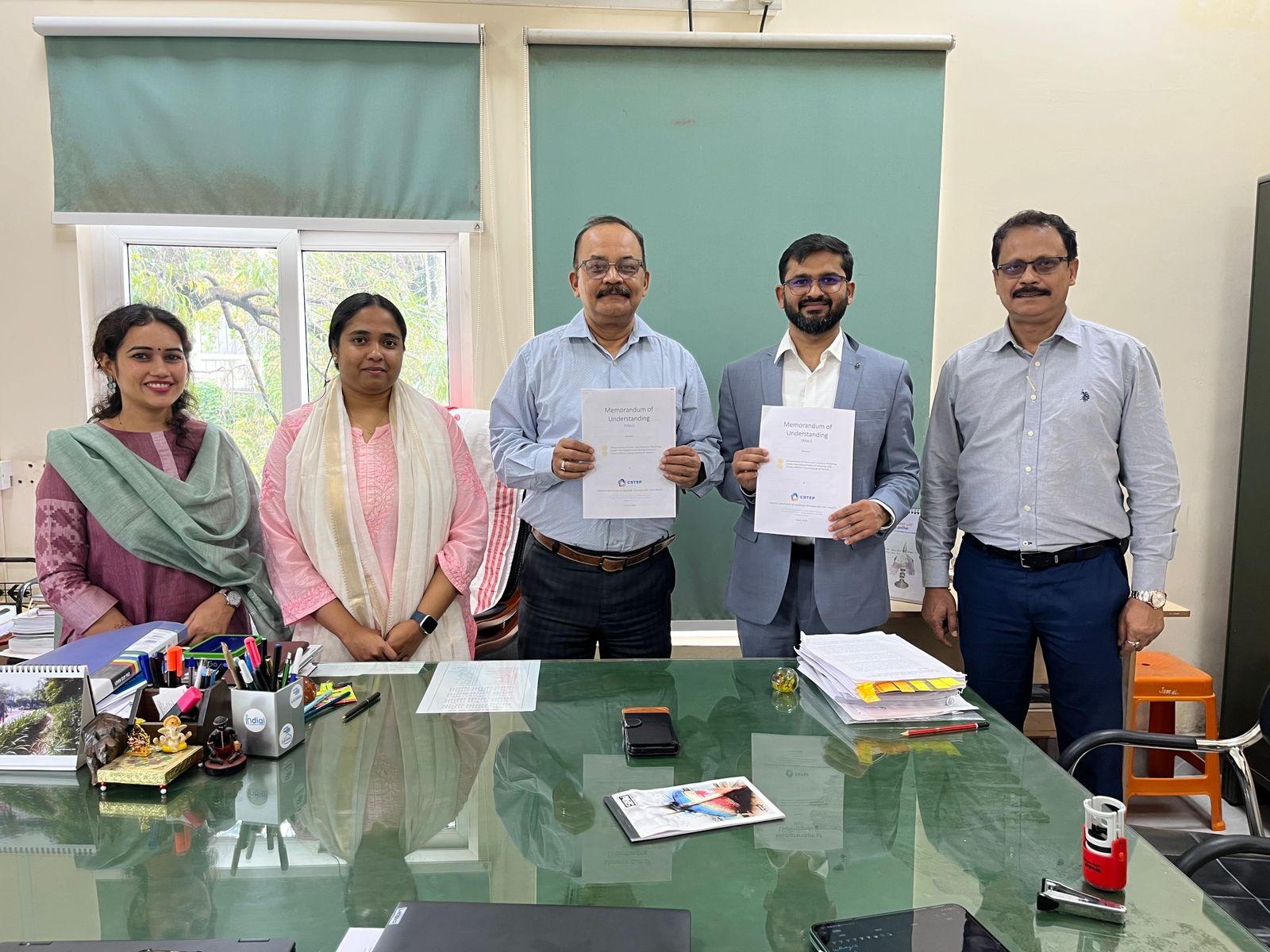
We facilitated the signing of the memorandum of understanding (MoU) between the Directorate of Town and Country Planning (T&CP) and the Center for Study of Science, Technology and Policy (C-STEP). This collaboration marks a major strategic step towards integrating climate resilience into the planning systems of two rapidly growing cities in Assam, Dibrugarh and Silchar. This marks as the first such agreement under the DSER program.
Another key component of the ongoing DSER engagement is the development of metrics to assess city-level progress. These metrics are intended to support the government in systematically monitoring urban performance, identifying gaps, and informing targeted improvements and reforms to address emerging challenges.
The Councillor Leadership Development Program (CLDP) was initiated with its Phase 1 pilot in January 2026 in Nagaon district, marking the first structured rollout of the programme in Assam.
The priorities for the next quarter include completing the CAP in Nalbari which was paused due to the ongoing assembly elections and after completing the piloting of the City Investment Framework in Silchar, scaling it across to the remaining nine cities of DSER.
Highlights of the quarter:
Track 1
City Action Plans (CAP) and City Investment Framework (CIF)
After the launch of 8 CAPs in the last quarter, the city of Tezpur Municipal board has drafted and reviewed by the ULG. The city will now seek approval from the Municipal board for publishing the CAP.
Nalbari city, which was a late entrant to the DSER has completed the sub-committee meetings. All the four sub-committees have prepared a list of projects based on the inputs from the SHG members and ward residents collected during the ward level meetings. Owing to the assembly election in Assam, the final Municipal Planning Committee meeting is pending, and the ULG has planned to complete it right after the election is completed and the members of the MPC are available for the meeting.

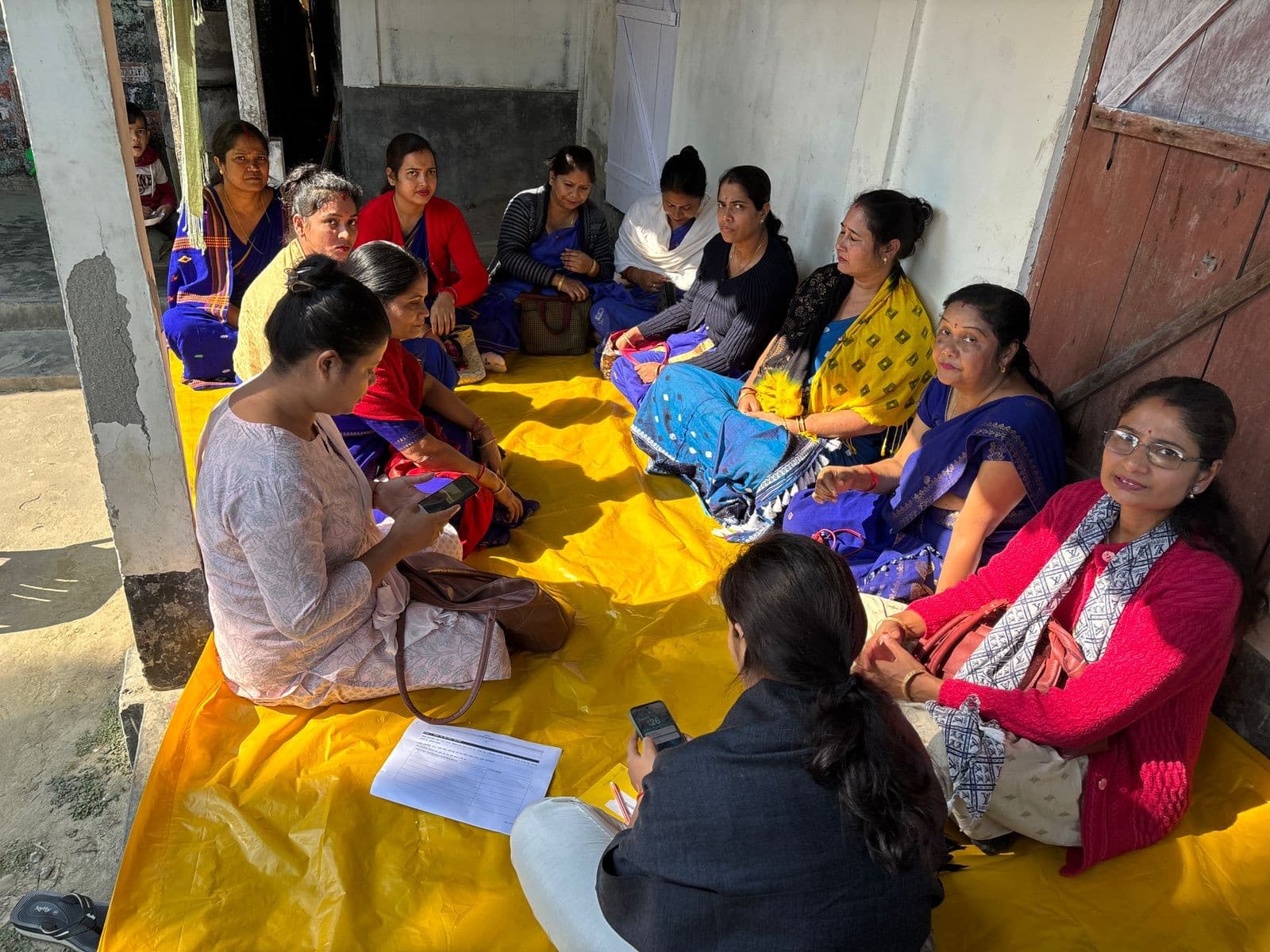
Another key component of the ongoing DSER engagement is the development of metrics to assess city-level progress across the components under DSER. These metrics are intended to support the local governments in systematically monitoring urban performance, identifying gaps, and informing targeted improvements and solutions needed to address ongoing and emerging challenges. The metrics will be customized to reflect the ground realities of the cities as identified through the dossier study and CAPs.
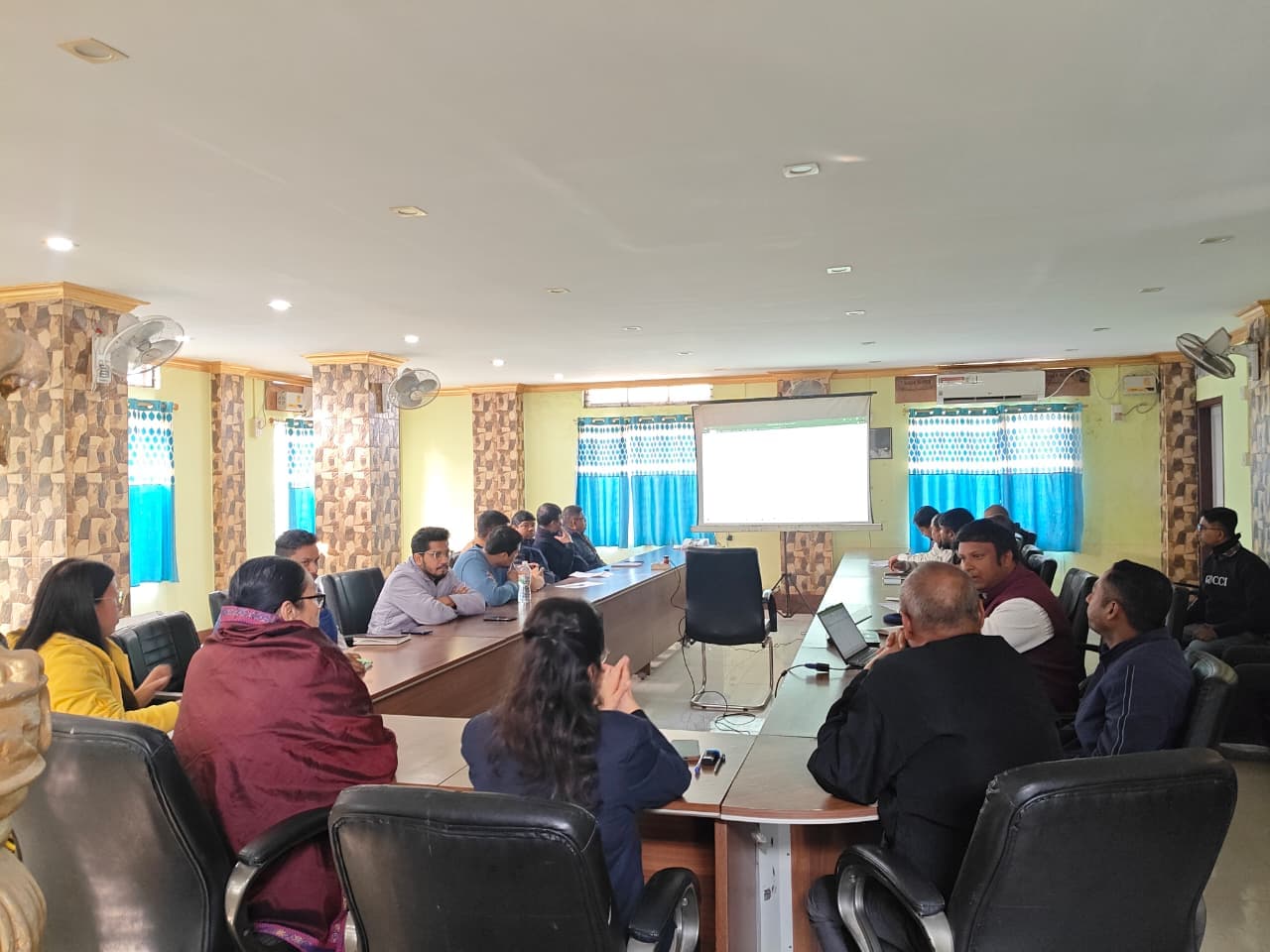
The CIF prioritisation pilot was conducted in Silchar to test the project prioritisation framework (see Annexure) and scoring methodology with officials from relevant line departments. The exercise enabled departments to assess proposed projects against defined criteria such as cost implications, sustainability and long term economic & operational considerations, while also providing feedback on the clarity and applicability of the framework. The pilot highlighted the importance of stronger interdepartmental coordination to ensure better sequencing, as well as the need to consider lifecycle costing for sustainability while selecting projects. It also highlighted areas for improvement in the scoring approach, particularly in how different assessment parameters are weighted. Overall, the pilot represents an important step towards institutionalizing a structured, transparent and evidence-based approach to project prioritisation, informing further refinement ahead of scale up.
Partnership under DSER
C-STEP, one of the partners who visited Assam during the first cohort of field visit under the DSER program, has signed an MoU with the Directorate of Town and Country Planning, Govt of Assam on the 31st of March 2026. The MoU was signed for the following:
-
Conducting a high-resolution flood and heat risk mapping based on low-cost sensors for real-time flood and hydro climatic monitoring
-
Assessing socio-economic vulnerability and biodiversity to guide ecosystem-based adaptation solutions
-
Installing low-cost sensors for real-time water level, flooding, and outlet monitoring to integrate into the dashboard
-
Co-creating a decision support system (DSS) to integrate climate risks, identify hotspots, and promote data-driven urban planning
-
Capacity-building through workshops and training to ensure long-term and sustained uptake of the DSS within government systems; and
-
Generating bottom-up evidence from Silchar and Dibrugarh to inform state-wide integration of information on climate risks.
Janaagraha and C-STEP will work with T&CP to build their capacities and support in addressing the sanitation and blue-infrastructure related challenges. The MoU is the first of its kind within the DSER program.
Other work strands
PFM
Significant progress was made in advancing key public finance management reforms across urban local governments. The Assam Municipal Budget Manual (AMBM) and the Assam Municipal Accounting Manual (AMAM) Supplement received formal approval, marking an important milestone in establishing a standardized and comprehensive framework for municipal budgeting and accounting. Together, these instruments strengthen the guidance available to ULGs and promote greater clarity, consistency and discipline in financial management practices.
Building on these approvals, efforts focused on supporting the transition from policy to implementation. Targeted support was extended to six cities (including three DSER cities) for the pilot rollout including field visits and on-ground engagements to support adoption of the AMBM. The team assessed the extent of integration of CAPs with the municipal budgeting process to ensure stronger alignment between planning and resource allocation. It aims to ensure that projects identified and prioritized by cities are systematically reflected in their annual budgets, which enables a more coherent and implementation-oriented planning cycle. By linking these inclusive planning processes with budgeting decisions, the reform seeks to improve the credibility of CAPs, strengthen prioritisation of investments and support more effective and timely execution of projects.
CLDP
The Councillor Leadership Development Program (CLDP) in Assam progressed from evidence building to pilot implementation and cross state engagement, laying a strong foundation for scale. The phase 1 pilot was conducted in Nagaon district in January 2026 in partnership with the DoHUA and AUIDFCL. It brought together 30 elected women representatives from four ULGs (Dhing, Raha, Kampur & Nagaon) and marked the first structured rollout of the programme in the state. The training covered key areas including governance systems, ward level planning, access to resources, council procedures, ethics, leadership, conflict resolution, disaster management and City Action Plans (CAPs). Interactive exercises such as budgeting simulations and scenario-based discussions supported strong participation and practical understanding. The pilot also showed clear improvements in councillor knowledge across governance processes, schemes and planning functions.
The design of the pilot was informed by a detailed needs assessment across six ULGs including Guwahati, Dibrugarh, Jorhat, Dhubri, North Lakhimpur and Palasbari. The assessment had highlighted capacity gaps in municipal finance, service delivery, coordination and digital governance, which were used to develop a modular and context-responsive curriculum. A Training of Trainers (ToT) conducted in December 2025 supported the preparation of a pool of trainers and selected trainers were deployed for the pilot in Nagaon to ensure delivery that was aligned with local contexts and needs.
To ensure continuity beyond the training, structured follow up mechanisms were established including peer learning groups and resource sharing platforms. These channels support ongoing engagement, knowledge exchange and access to guidance for participating councillors.
At the national level, a Leadership Meet was convened in March bringing together women councillors from Assam, Karnataka, Odisha and Uttar Pradesh. Representatives from Nagaon and Dibrugarh participated in the convening which enabled cross learning and exposure to different governance practices.
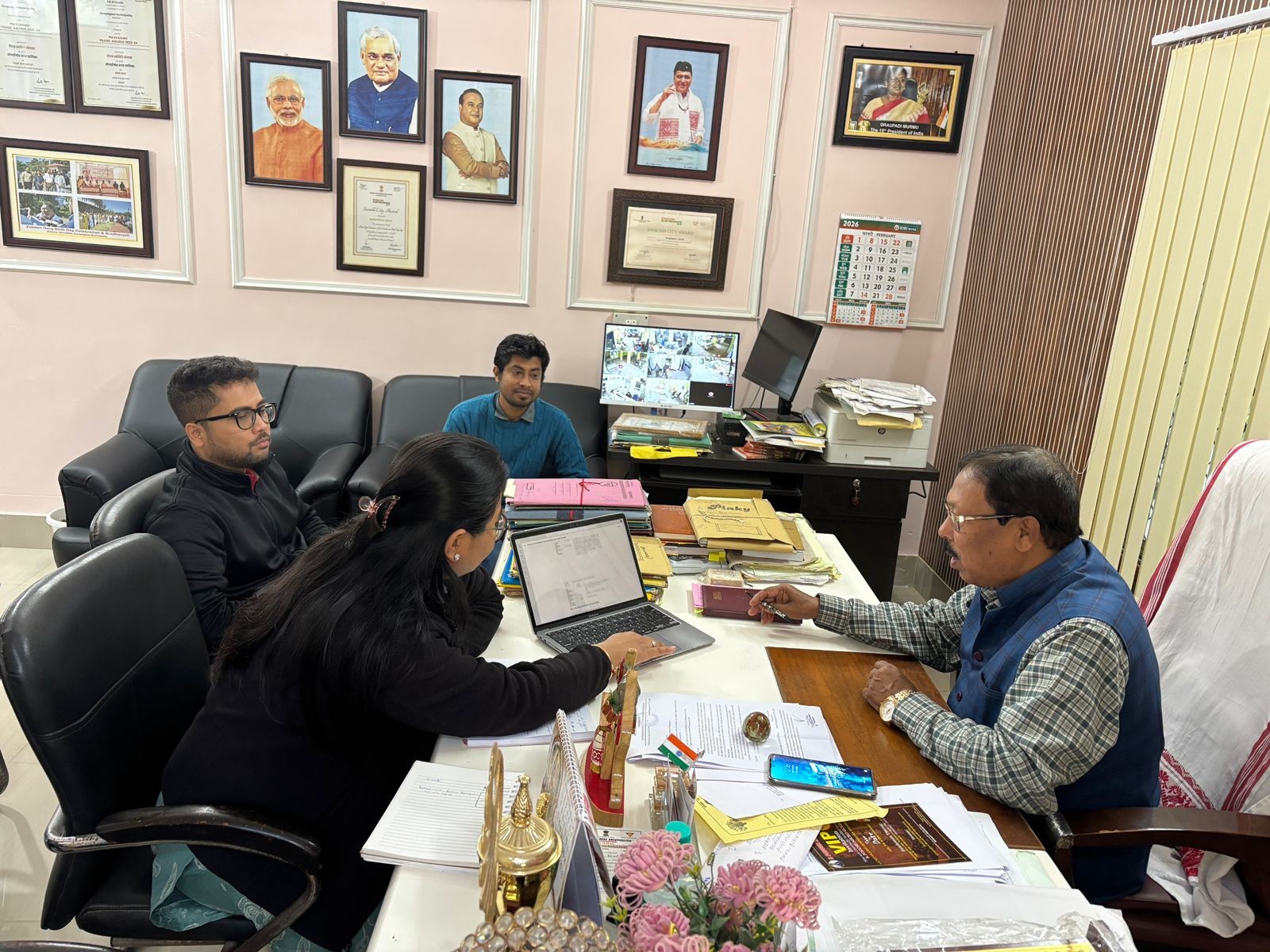
Picture: Discussion with ULG under Municipal budget manual pilot**