October 2026 | Strengthening Village Institutions, Expanding Community-Led Change
Shivganga Jhabua – Monthly Partner Update
October brought new opportunities for learning, leadership, and collective action across the tribal villages of Jhabua and Alirajpur. Communities continued strengthening their understanding of forest rights, exploring sustainable agriculture, expanding healthcare access, and building institutions capable of guiding their own development.
A particularly encouraging development was the growing exchange of knowledge between villages, institutions, and young leaders. From community representatives studying successful Gram Sabhas in Maharashtra to students experiencing village life firsthand, October demonstrated how learning can become a powerful foundation for lasting change.
1. Community Forest Rights | Learning to Strengthen Gram Sabhas
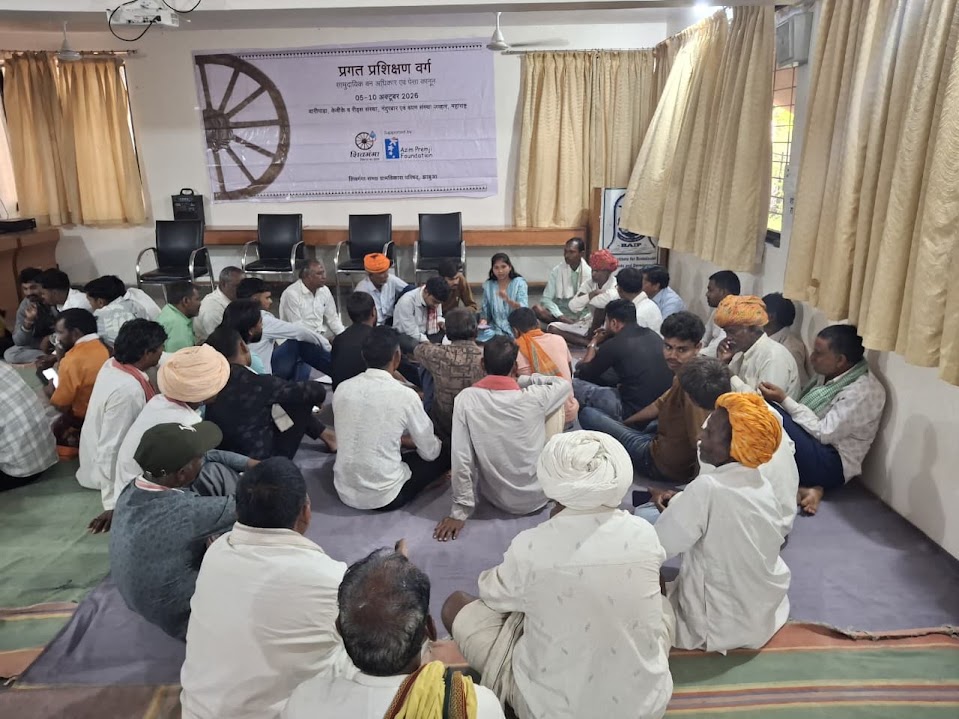
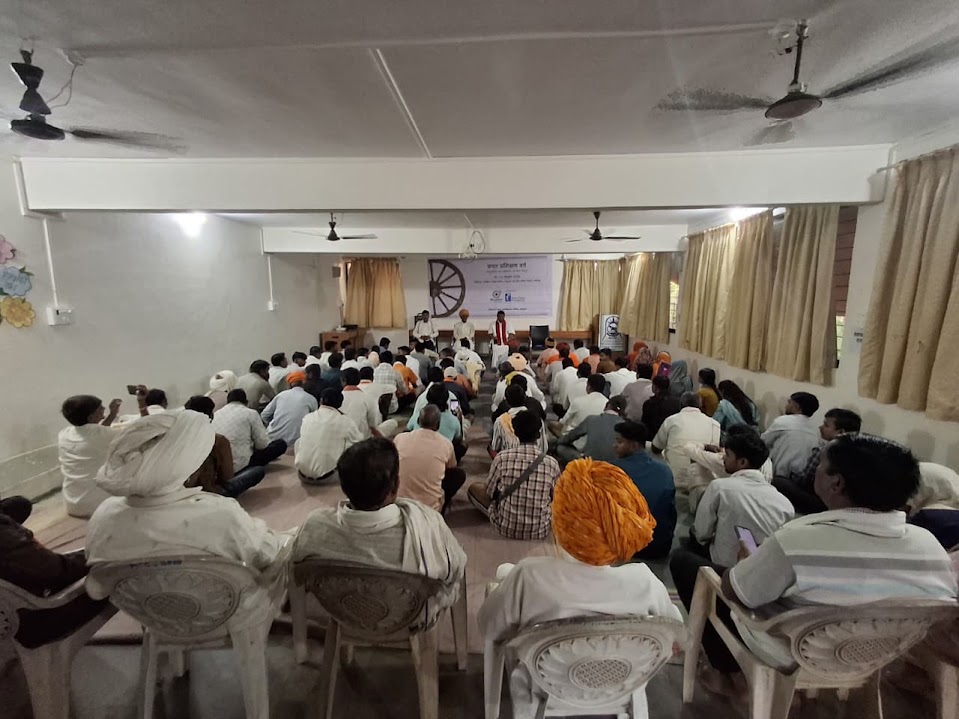
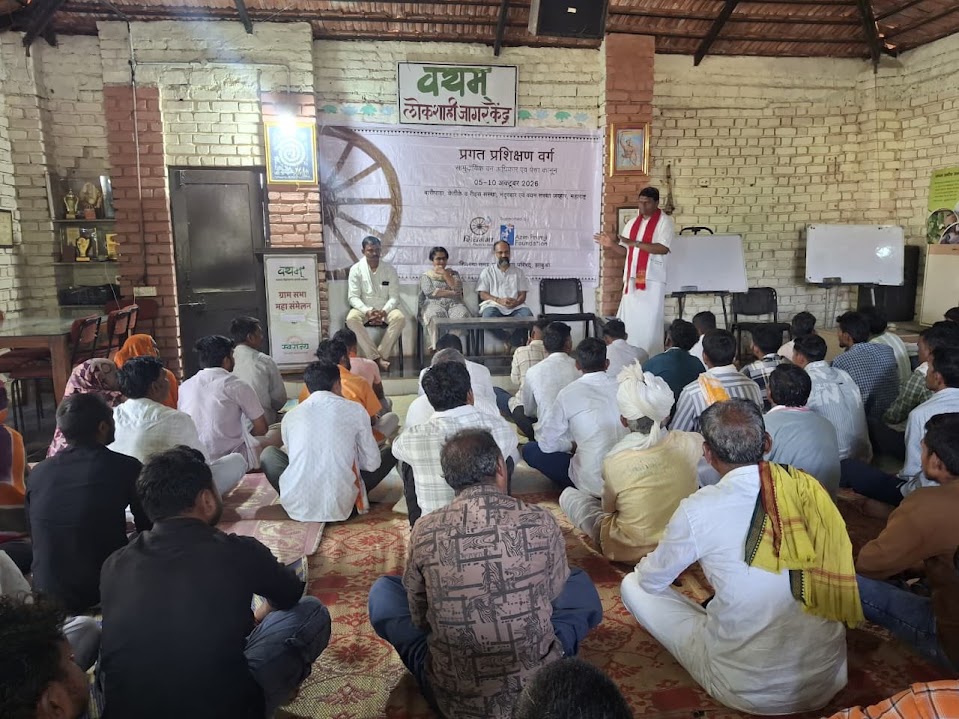
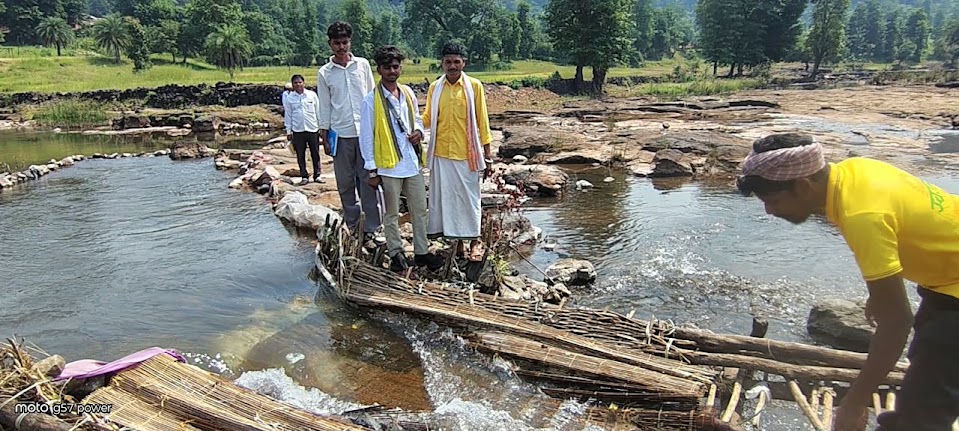
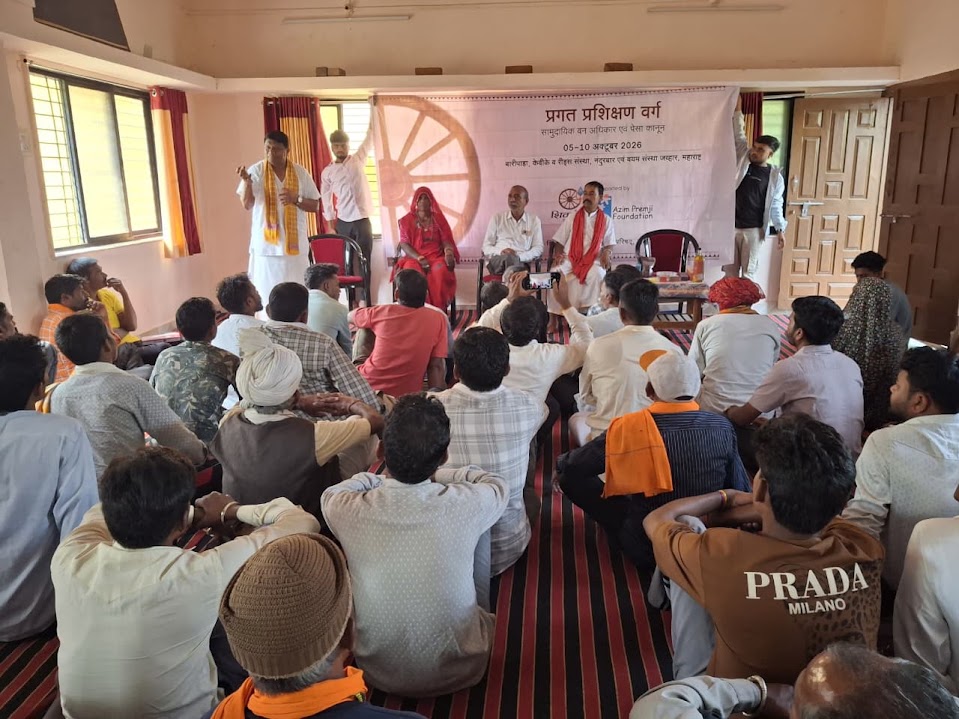
One of October’s most significant initiatives was a six-day advanced training and exposure visit from 5–10 October, involving 81 participants, including 62 community workers from 30 villages of Jhabua and Alirajpur.
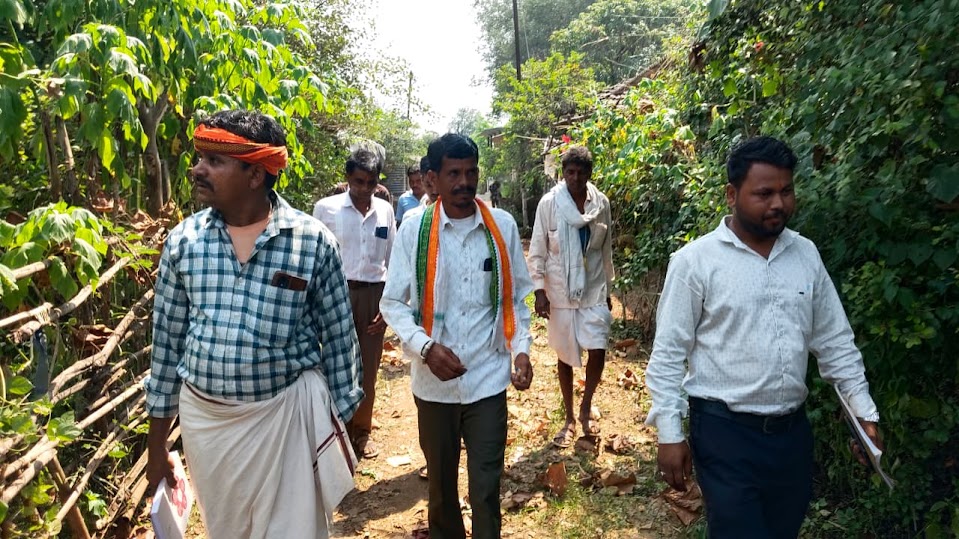
Travelling through Nandurbar, Baripada, Jawhar, and neighbouring villages in Maharashtra, participants studied practical examples of community-led forest management and village governance.
Key experiences included:
-
Balaghat: Learning about the conservation of 600 hectares of community forestland and a ten-year forest management plan.
-
Baripada: Understanding community leadership, forest conservation, and mahua-based livelihoods.
-
Kaldar: Exploring mixed farming and crab-rearing initiatives.
-
Jawhar: Studying the functioning of Gram Sabhas across nine villages, including collective decision-making, financial transparency, fund management, and implementation of the PESA Act.
The experience reinforced an important understanding: village prosperity depends not only on access to government schemes but also on informed Gram Sabhas, organised communities, and accountable local leadership.
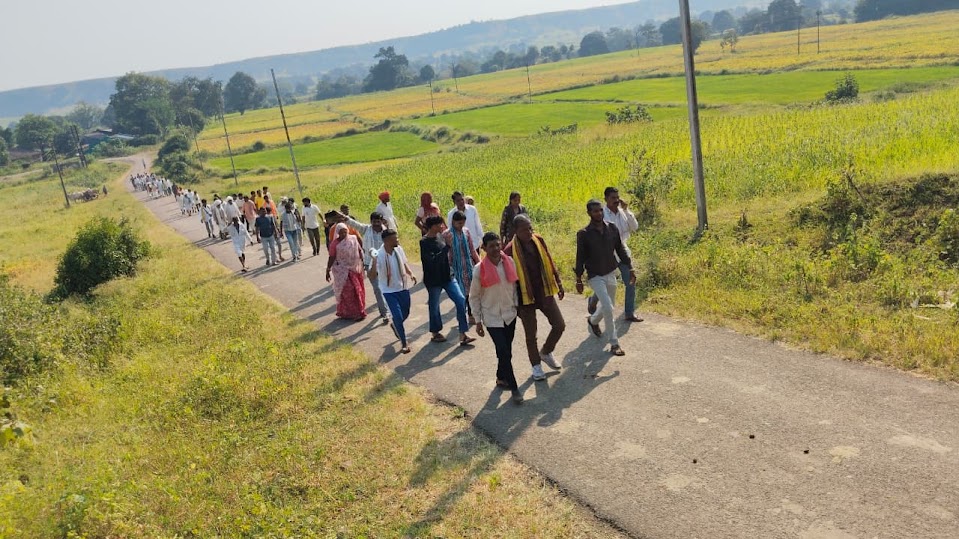
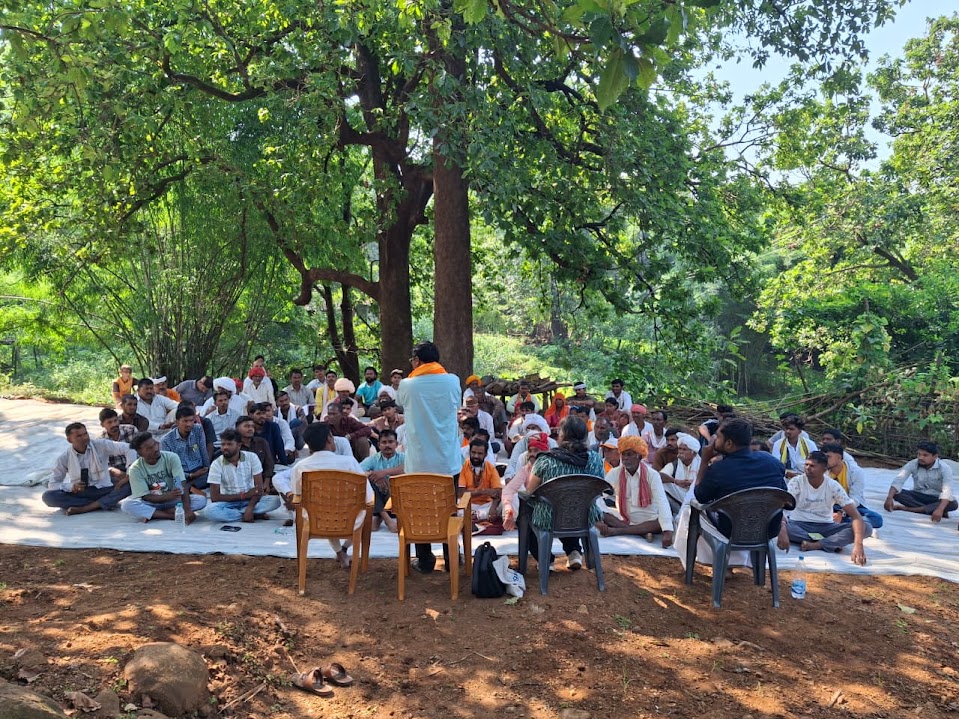
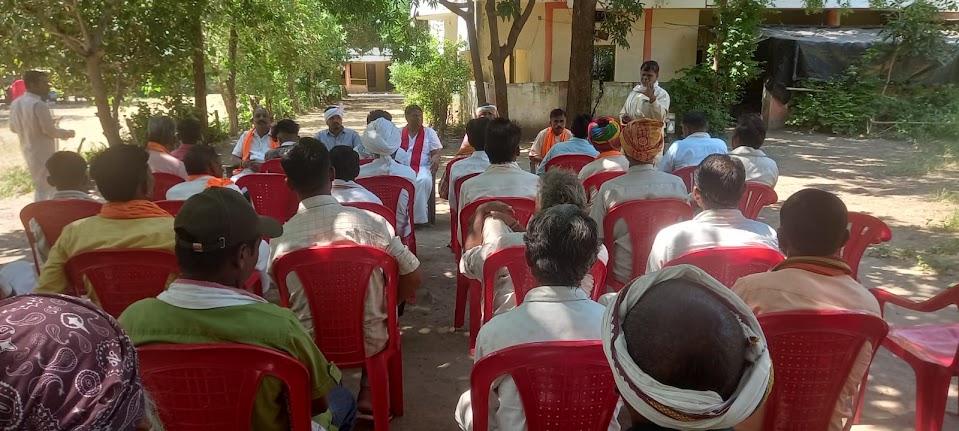
The learning began reaching other villages within the same month. In Khundi, Alirajpur, local workers who attended the training organised meetings across village hamlets to explain Community Forest Rights, PESA provisions, and the role of Gram Sabhas.
A subsequent gathering in Khundi on 23 October brought together approximately 170 participants, including representatives of neighbouring villages, to discuss forest rights and plan further community mobilisation.
In Kalibel, approximately 75 villagers also participated in discussions on the legal process and agreed to extend awareness activities across their hamlets.
These developments marked an encouraging progression from learning about community rights to organising locally for their implementation.










2. Sustainable Agriculture | Reviving Soil Health and Reducing Farming Costs
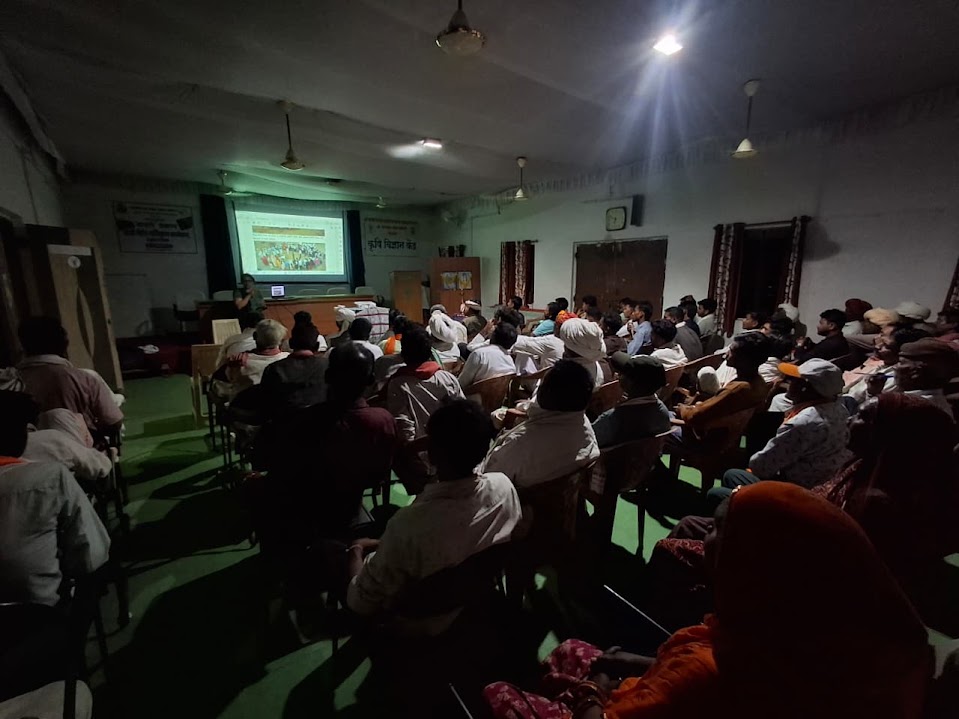
On 1 October, Shivganga organised an organic farming training at the Hunar Vikas Kendra in Meghnagar, attended by 62 farmers.
The programme focused on helping farmers reduce dependence on chemical fertilisers and pesticides while improving soil fertility and maintaining productive, low-cost agricultural practices.
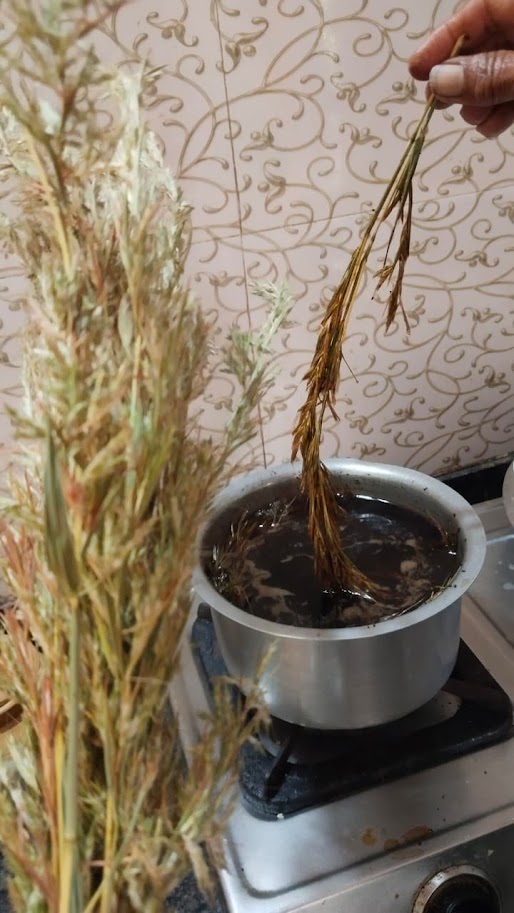
Farmers received practical guidance on preparing organic fertilisers, natural pest-control formulations, and vermicompost. They also discussed suitable vegetables for the upcoming growing season.
By encouraging the use of locally available resources, the training aimed to make agriculture more affordable, environmentally responsible, and sustainable for rural households.
The emphasis was not simply on replacing chemical inputs, but on strengthening farmers’ knowledge and capacity to make informed decisions about their land.

3. Community Healthcare | Expanding Access Through Village Participation
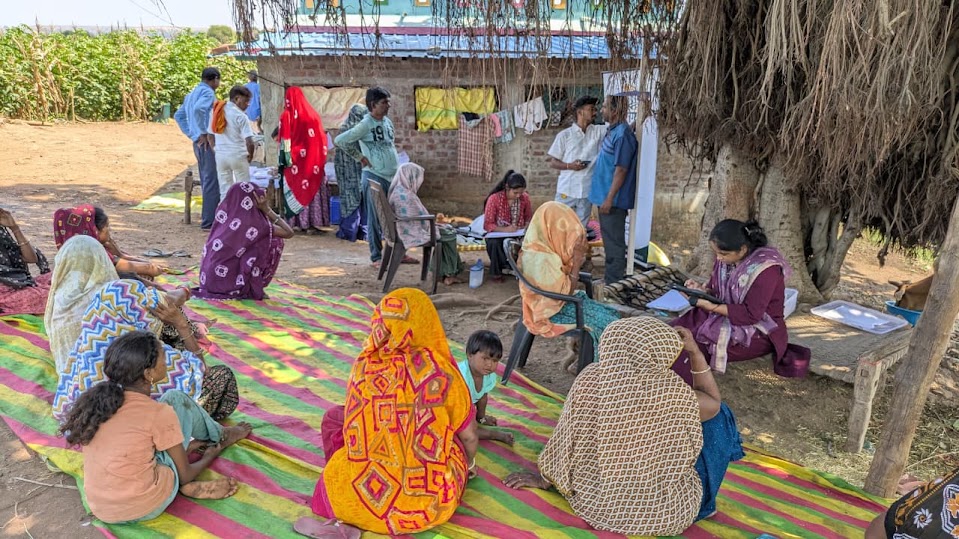
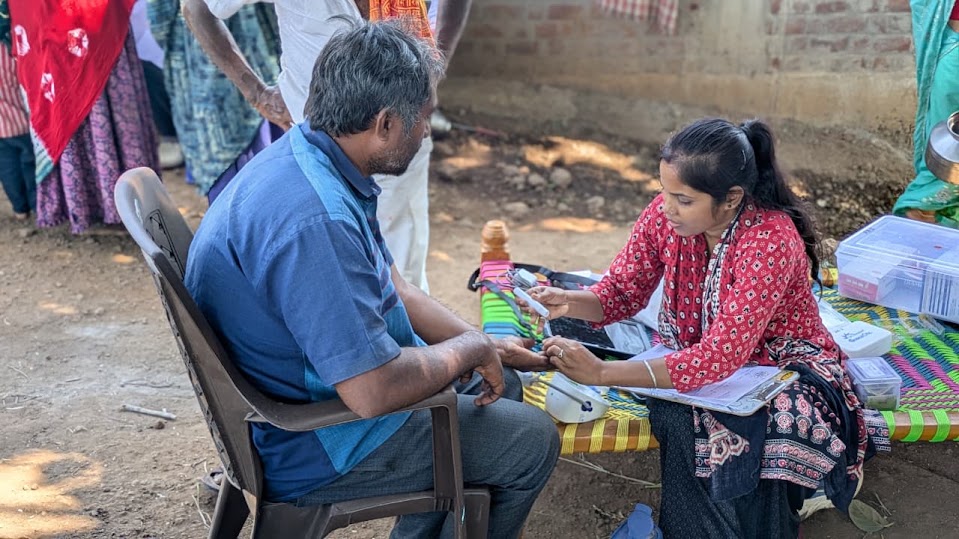
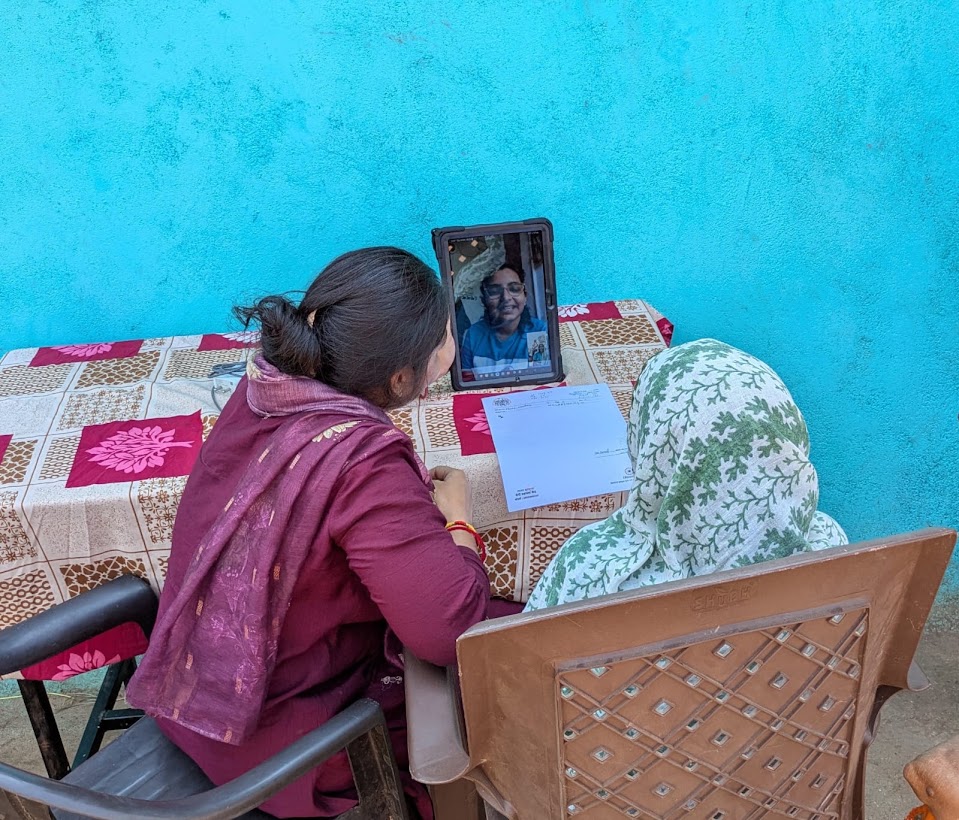
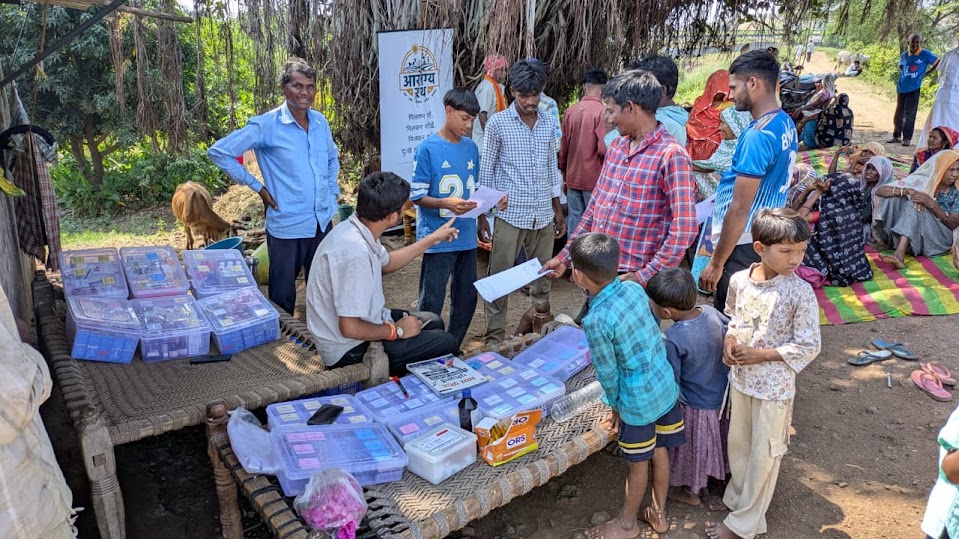
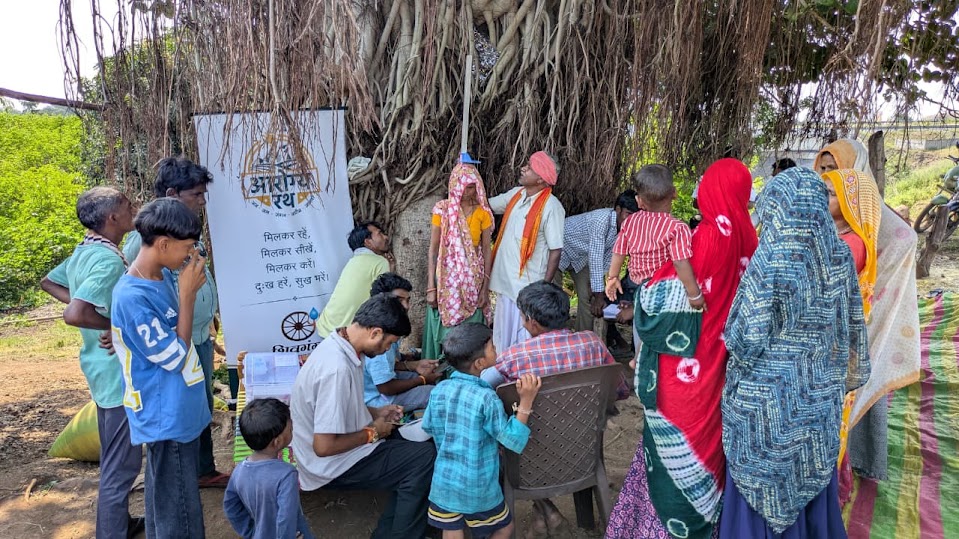
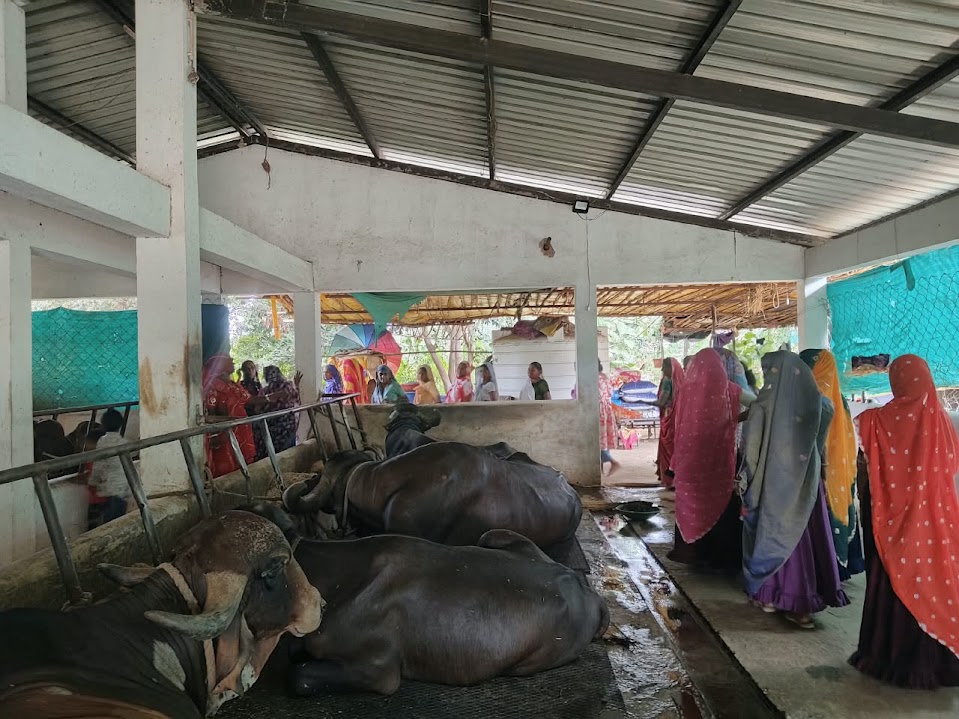
October witnessed the continued expansion of Shivganga’s Arogya Rath initiative, which combines medical services with local community involvement.
On 8 October, a new Arogya Rath centre was inaugurated in Udaipuriya, Thandla. On its first day, 54 patients received consultations through telemedicine. Villagers also committed to supporting the centre’s regular functioning.
On 30 October, new Arogya Rath centres were inaugurated in Jamda and Balwasa, extending the initiative to additional communities.
Preparatory meetings were also held in Latpura and Baldimala, bringing together villagers to discuss healthcare challenges, telemedicine, patient assistance, household nutrition, and the responsibilities of local teams.
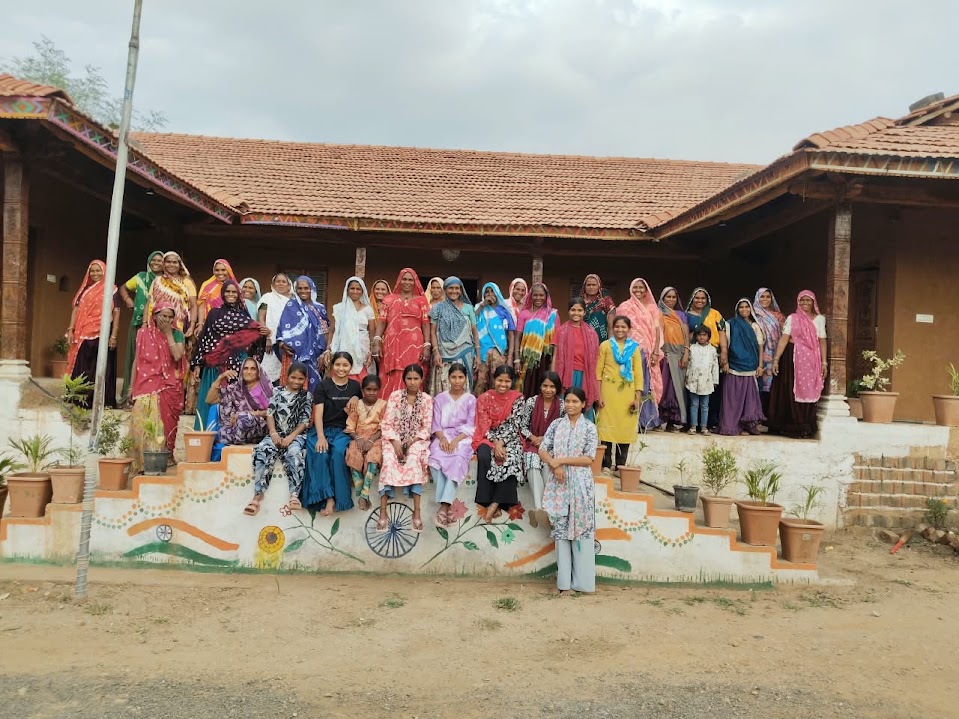
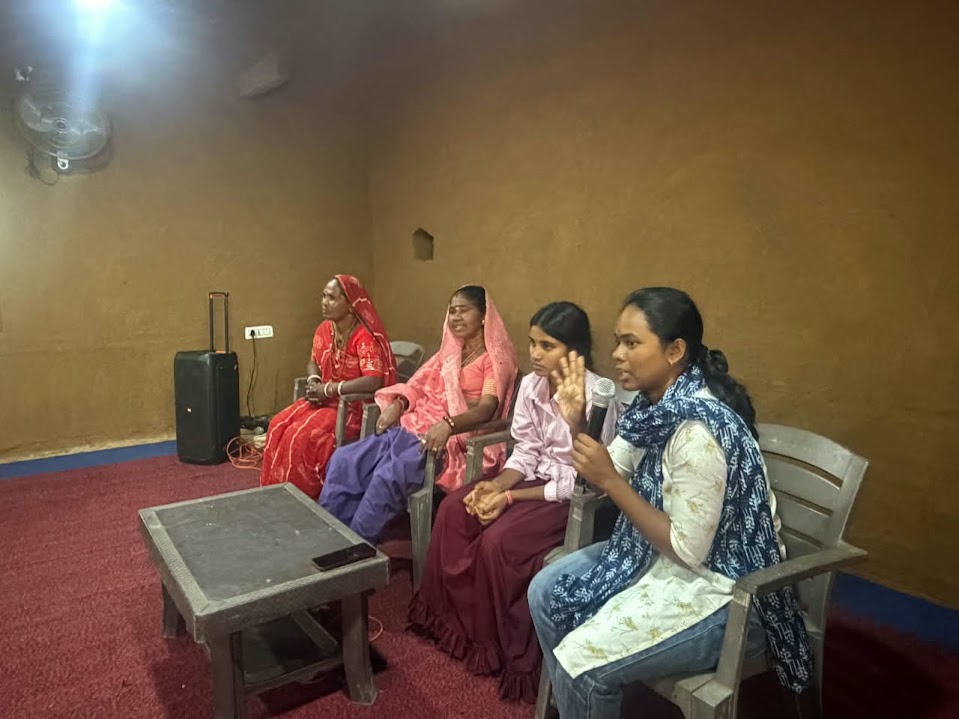
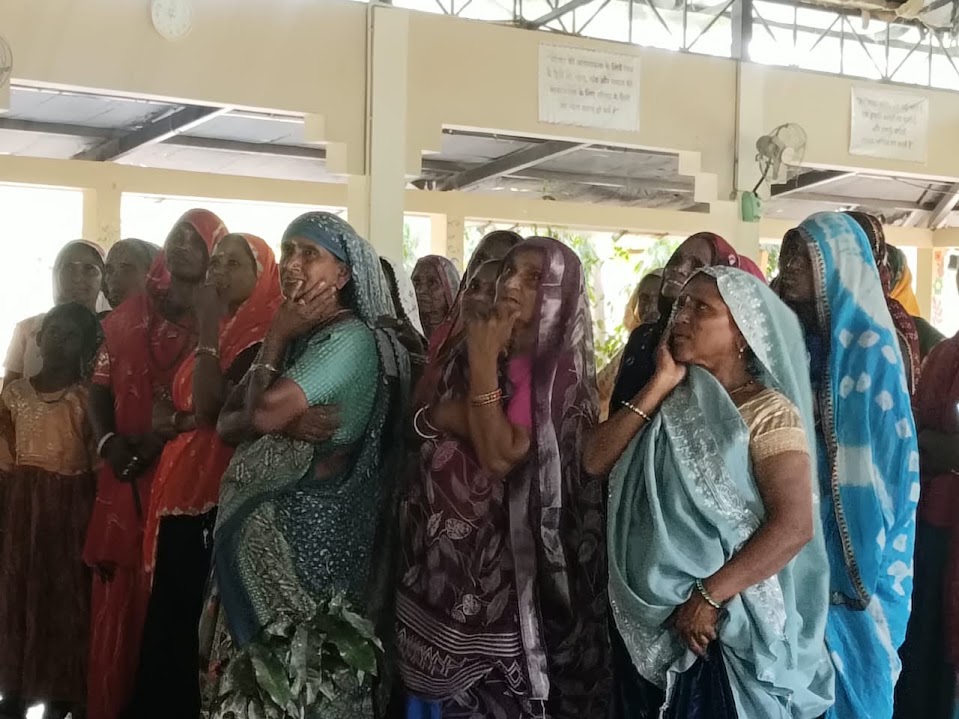
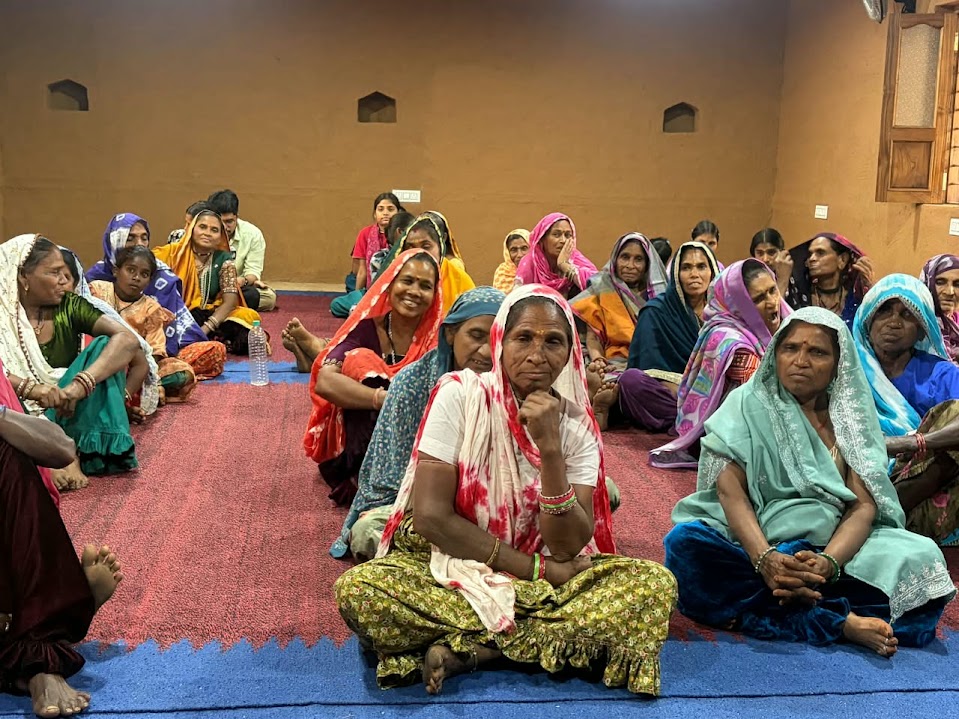
An important part of this effort was the Swachh Gaon–Swasth Parivar Women’s Leadership Training, organised from 29–31 October at Gurukul Dharampuri, with 68 participants.
Together, these activities reflect Shivganga’s approach to healthcare: strengthening access to medical services while encouraging women, families, and village institutions to take an active role in improving community health.





4. Women’s Empowerment | Nurturing Leadership Through Shared Experiences
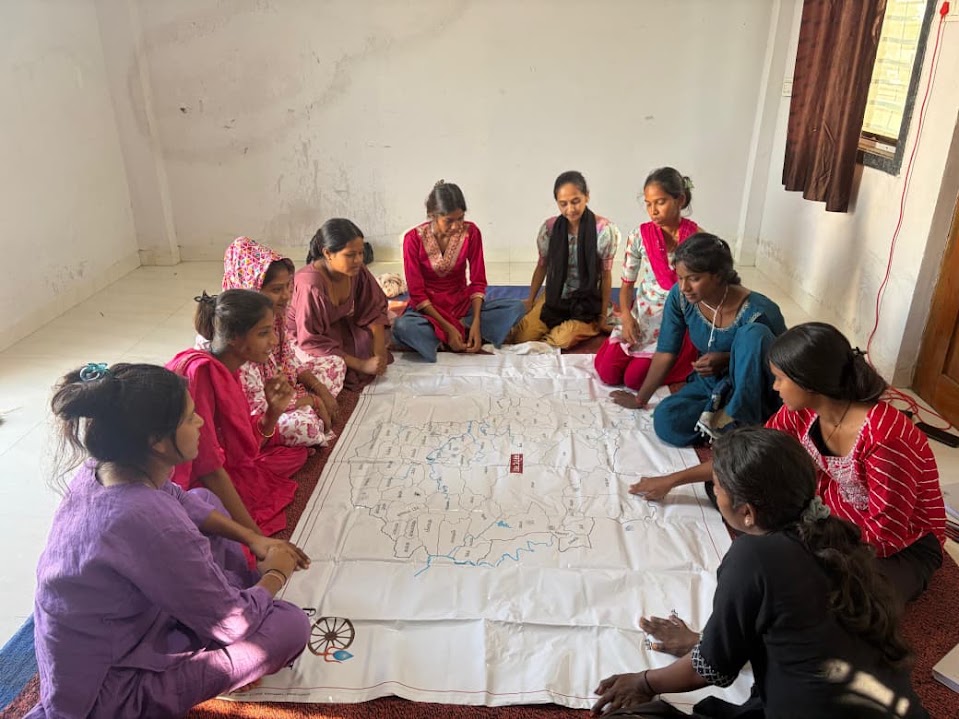
On 4 October, nine women representing seven villages gathered in Alirajpur for an experiential leadership meeting.
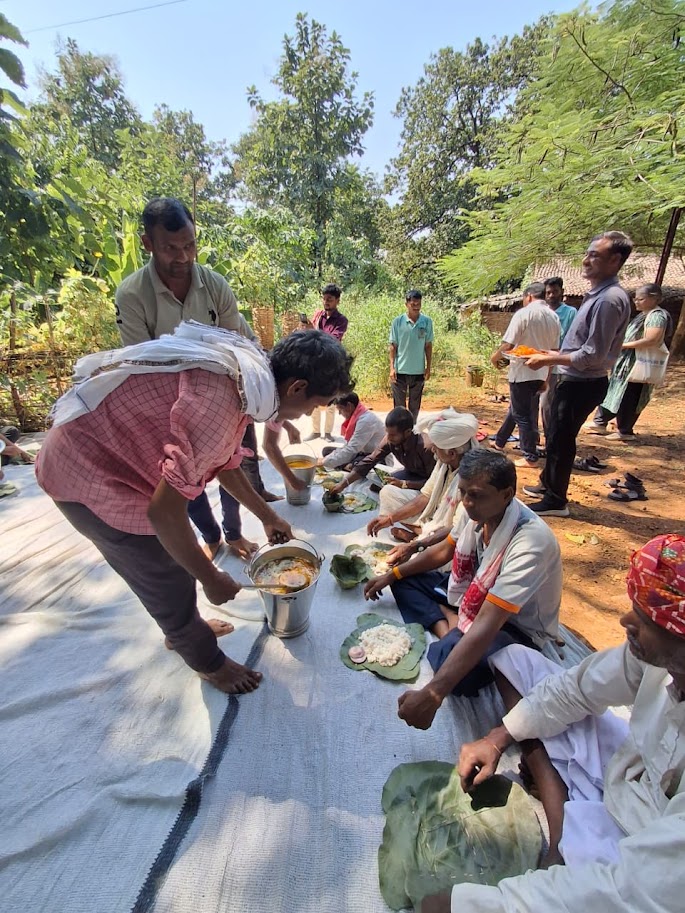
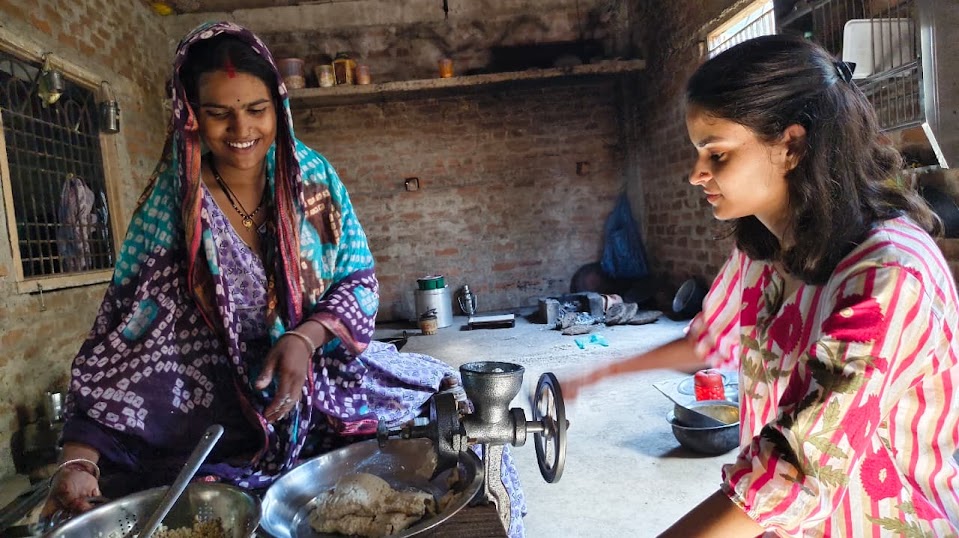
Rather than relying solely on formal lectures, the gathering encouraged learning through collective activities. Participants prepared meals together, practised teamwork and responsibility-sharing, engaged in physical activities, and reflected on examples of courage and leadership.
The women also discussed ways to connect with more villages and encourage wider participation in the upcoming Vananchal Women’s Empowerment Training scheduled for December.
Such gatherings create spaces for women to develop confidence, strengthen relationships, and prepare to take on greater responsibilities within their communities.



5. Learning Beyond Classrooms | Connecting Education with Rural Realities
October saw meaningful engagement between Shivganga’s village development work and students, researchers, and professionals.
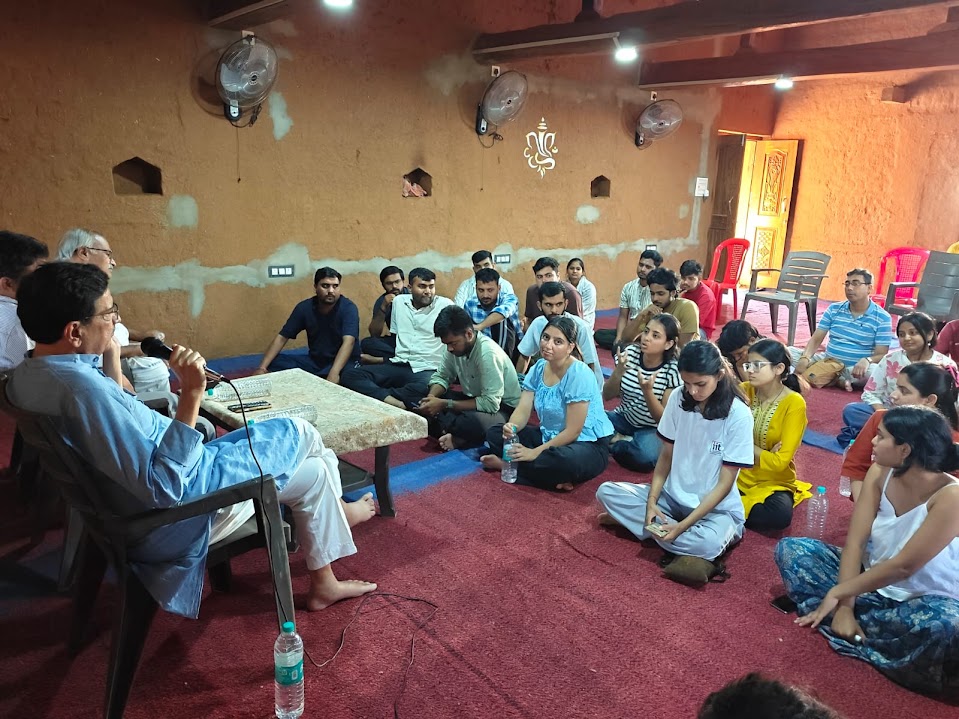
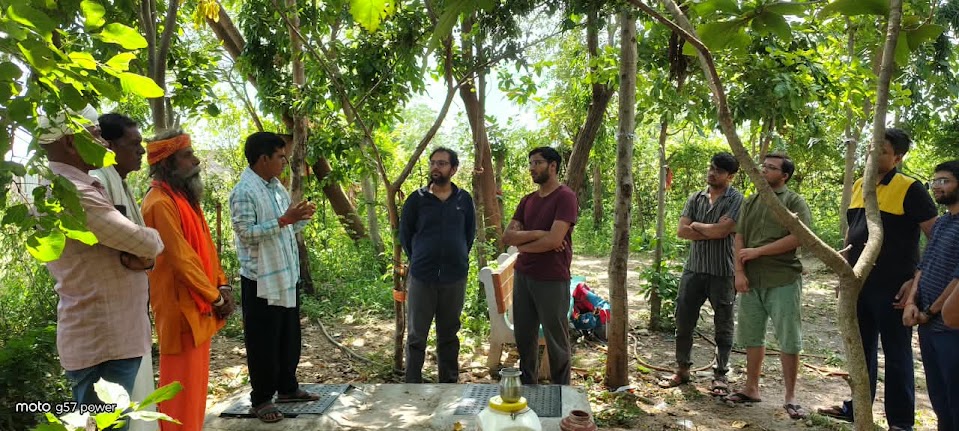
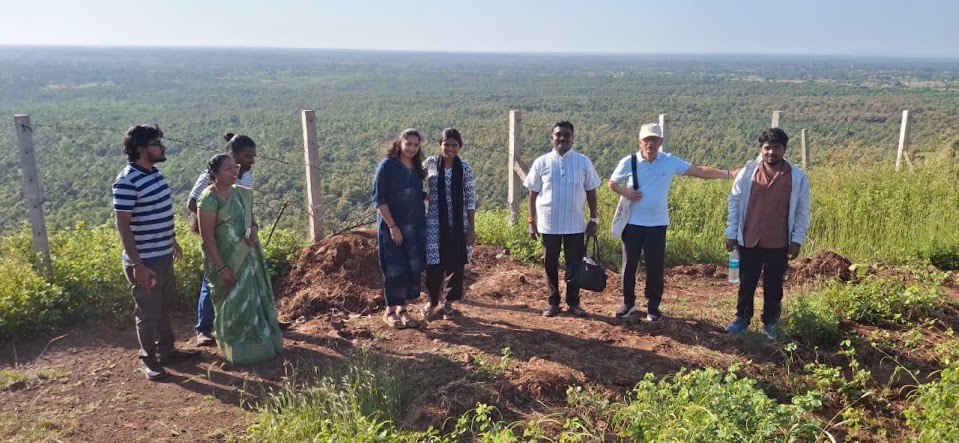
From 2–8 October, a group of 24 PhD scholars and a professor from IIT Delhi participated in a seven-day Gram Darshan programme. During the visit, they spent time in villages across the Katthiwada and Sondwa regions, learning about tribal society and Shivganga’s interconnected dimensions of village prosperity.
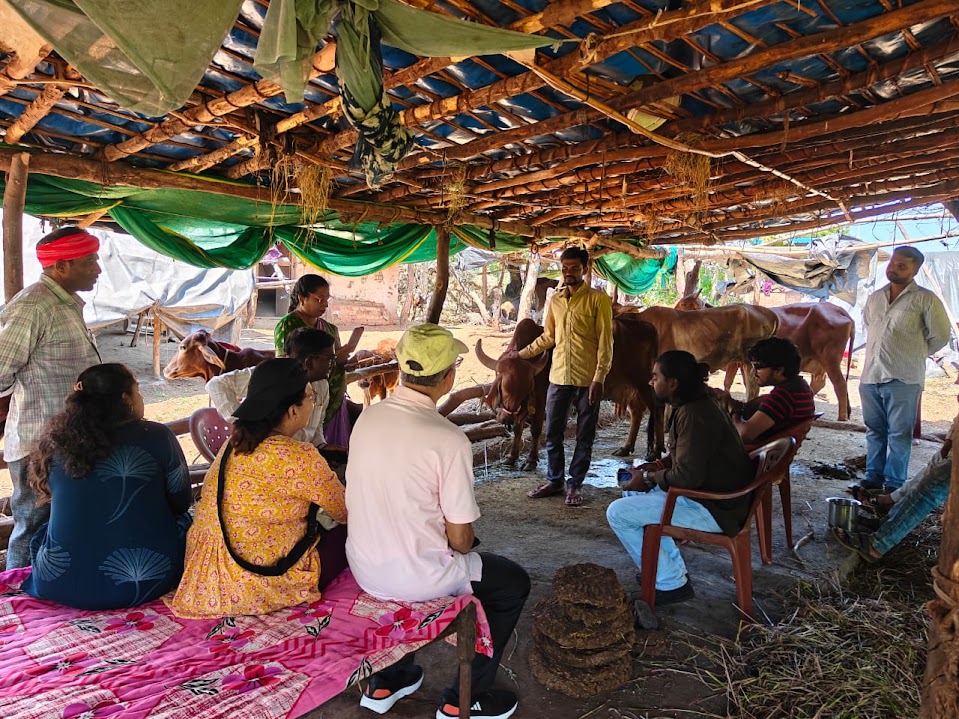
On 22 October, 40 students from Saraswati Shishu Vidya Mandir, Jhabua, visited Gurukul Dharampuri, where they explored organic farming, animal husbandry, nurseries, and practical applications of science and technology in rural life.
Other educational visits introduced students to traditional farming, natural materials, water conservation, composting, and indigenous lifestyles.
A significant moment came on 24 October, when Anubhuti, a publication documenting the experiences of 110 participants from 12 universities who attended a rural immersion programme in June, was released at Dr. B.R. Ambedkar University of Social Sciences, Mhow.
The publication brought students’ experiences of rural life, tribal communities, and grassroots development into a wider academic conversation.
These engagements reflect Shivganga’s larger vision of connecting indigenous wisdom, experiential learning, and contemporary knowledge.





6. Community Leadership and Cultural Identity | Strengthening Collective Belonging
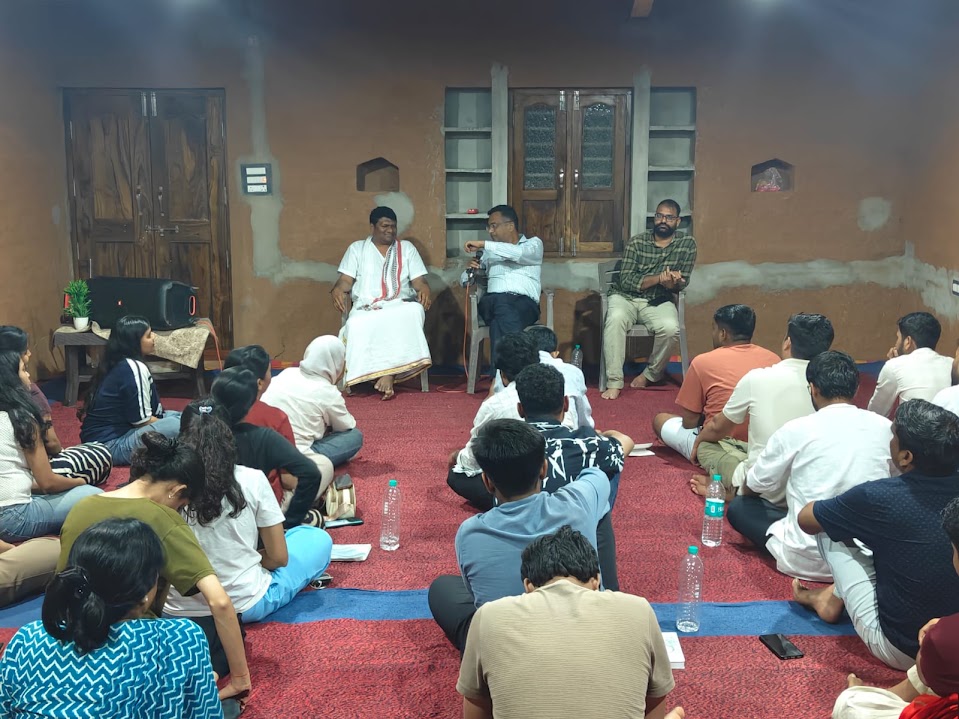
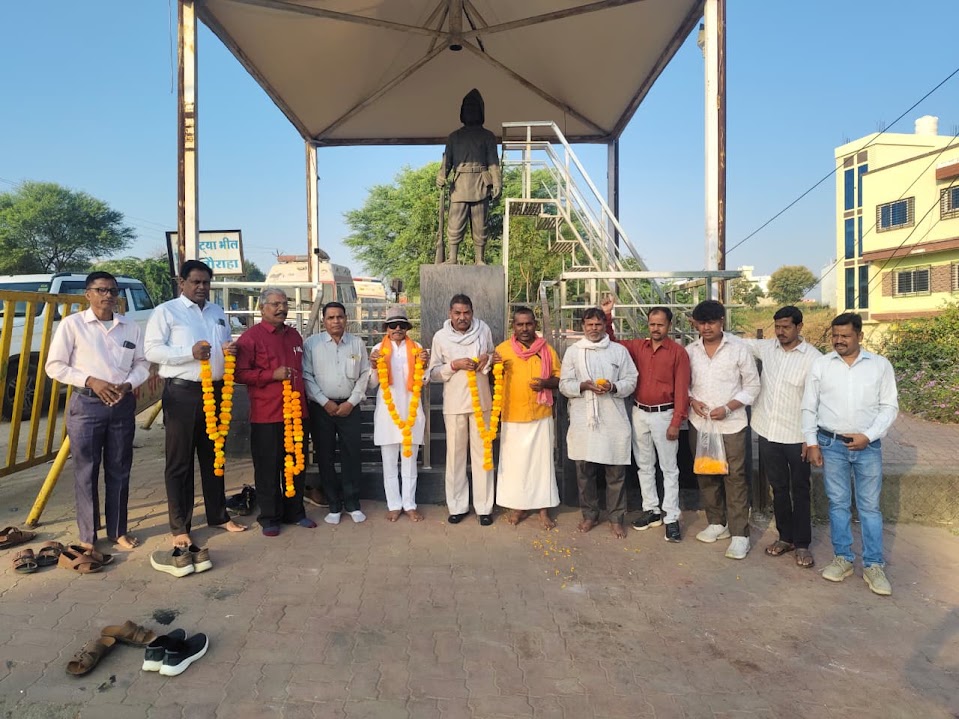
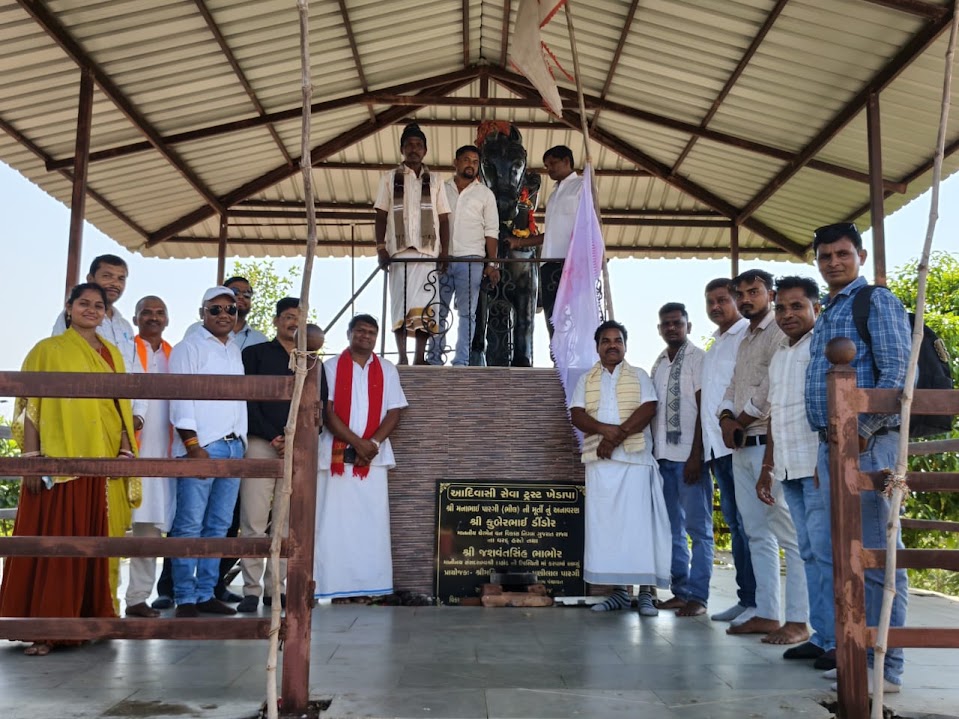
Throughout October, village leaders, traditional community representatives, and Shivganga volunteers gathered to discuss social responsibility, cultural heritage, and community mobilisation.
Meetings in Meghnagar, Dharampuri, Petlawad, Bhabra, and Thandla focused on strengthening local teams and preparing for the upcoming Mangarh commemorations, honouring the sacrifices and contributions of tribal communities.
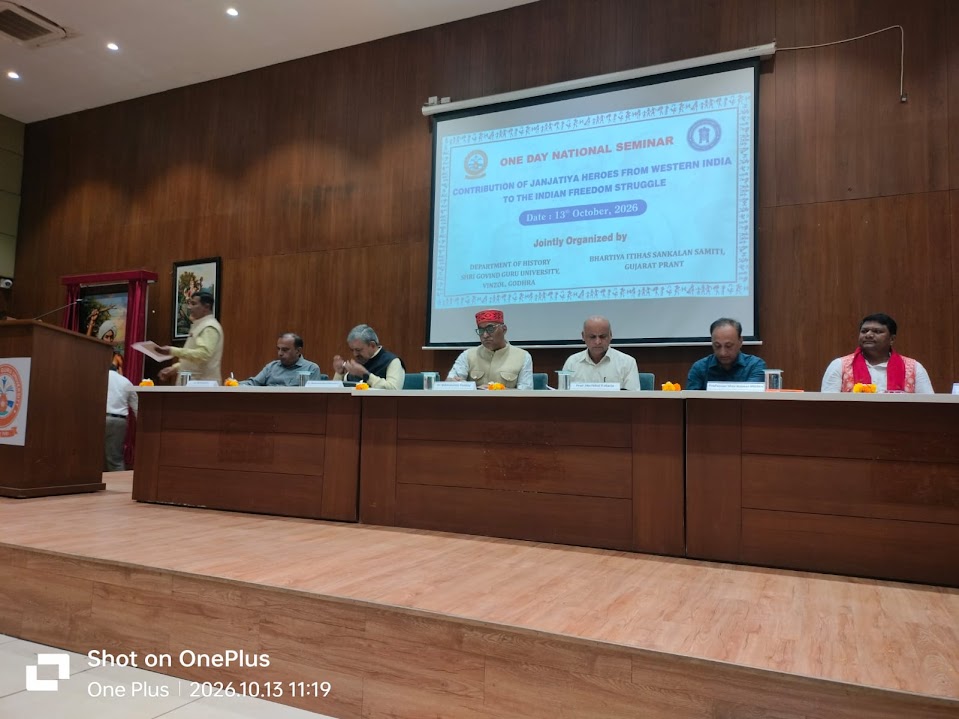
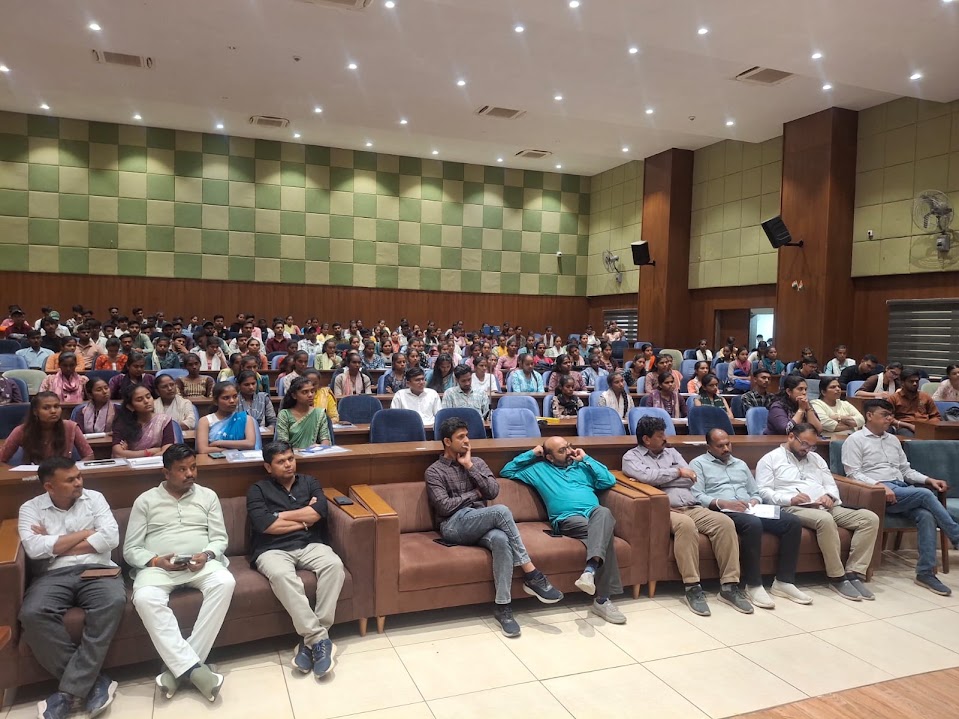
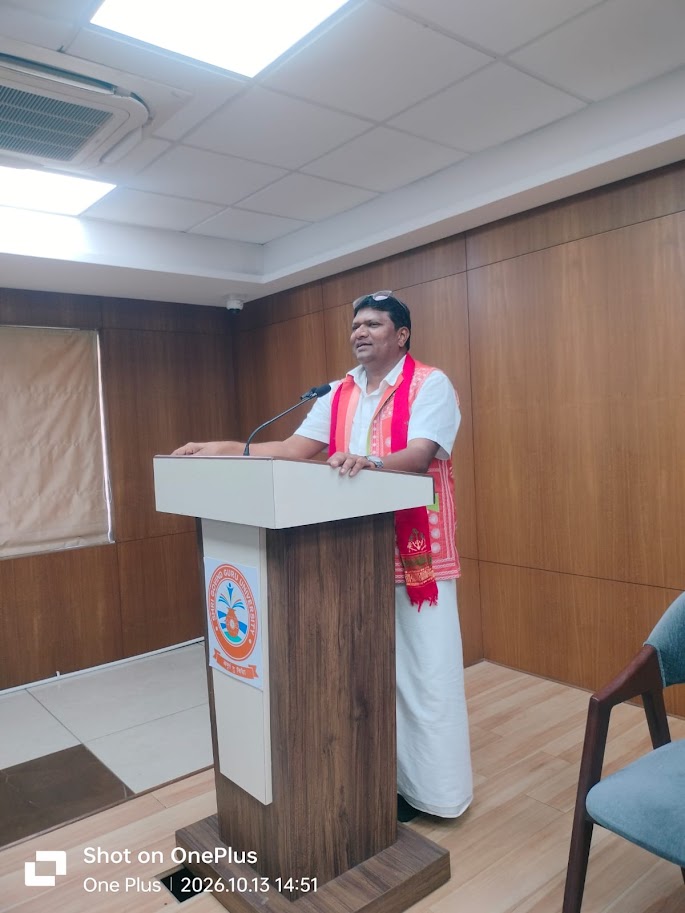
On 13 October, Shivganga representative Shri Rajaram Katara addressed a symposium on tribal history and identity at Govind Guru University, Godhra, sharing experiences of Halma, community-led water conservation, forest regeneration, and indigenous approaches to development.
On 25 October, approximately 500 people gathered at Gurukul Dharampuri for the Sharad Purnima celebration. Through collective Garba, discussions, and cultural activities, participants celebrated traditions that continue to strengthen social connections across villages.
These engagements recognise cultural identity not merely as heritage to preserve, but as a source of confidence, unity, and collective responsibility.


7. Building Wider Connections | Sharing Jhabua’s Community-Led Development Model
October also created opportunities to introduce Shivganga’s work to audiences beyond Jhabua.
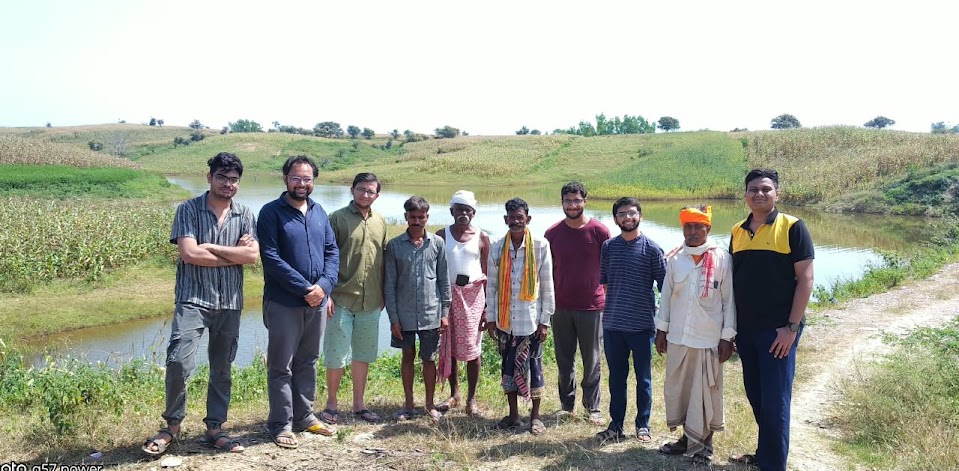
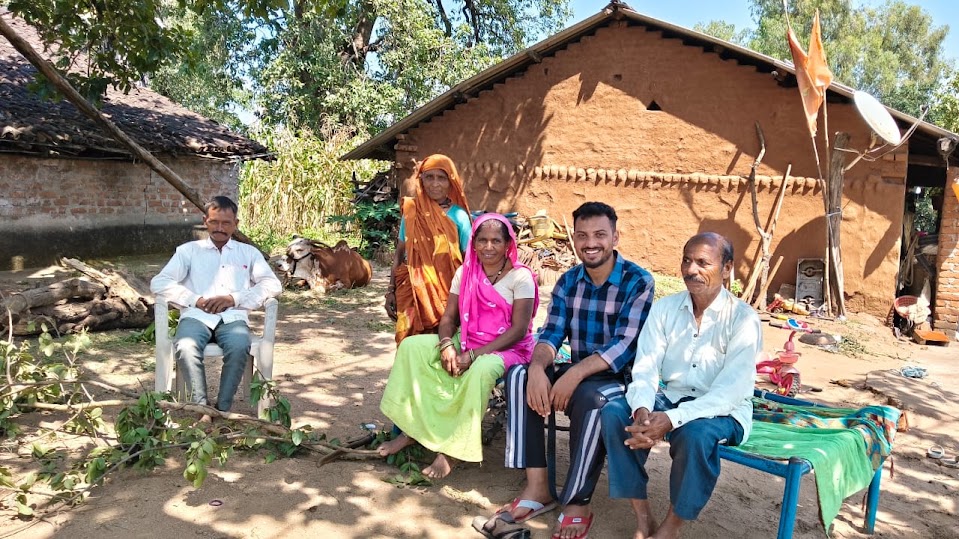
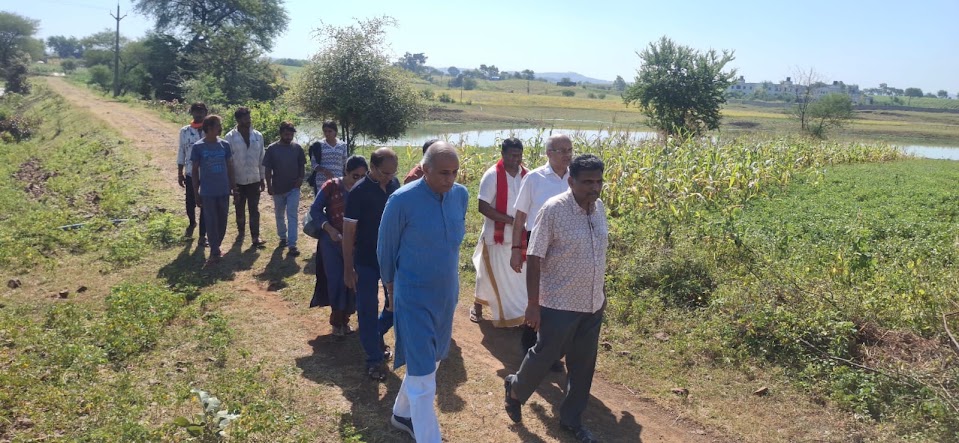
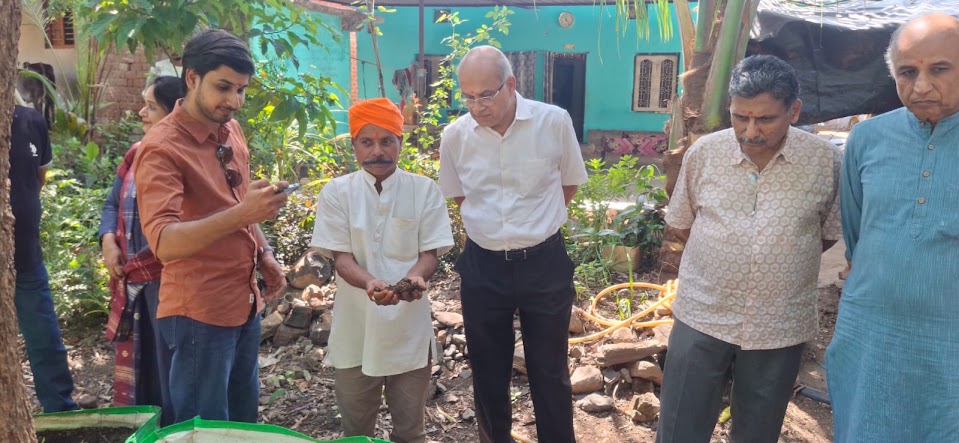
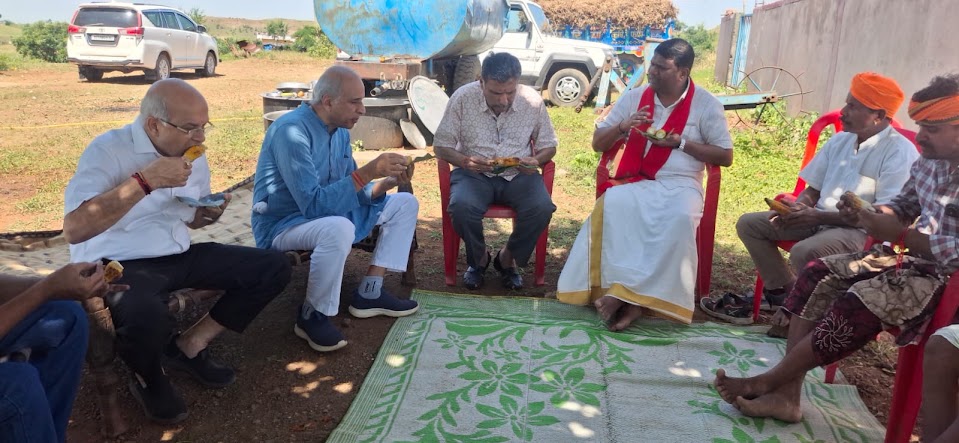
On 2–3 October, a group of entrepreneurs from Mumbai visited villages including Golabadi and Limkhodara. They observed reservoirs built through Halma, community forest regeneration, organic farming, Arogya Van plantations, and other village development initiatives.
Through direct interactions with villagers, visitors gained insight into the collective efforts behind these developments.
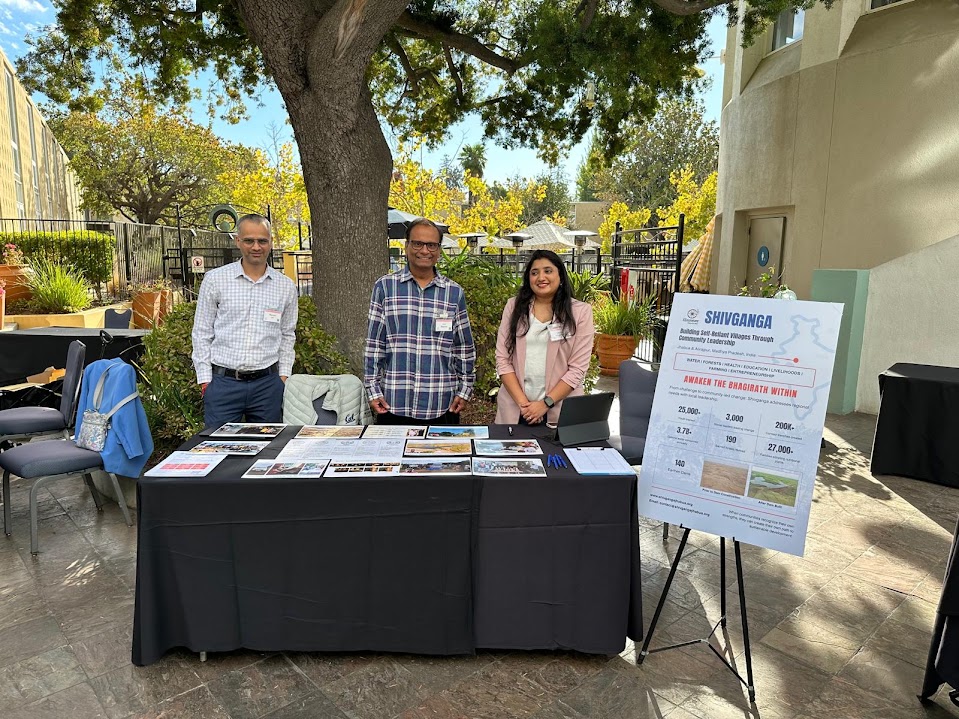
On 4 October, Shivganga’s work was presented at the annual gathering of Indians for Collective Action (ICA) in Palo Alto, California. Representatives of the Friends of Jhabua – US Chapter introduced visitors to Shivganga’s community-led approach and its work across different dimensions of rural development.
These interactions helped extend the conversation around Jhabua’s experiences to new networks of students, professionals, entrepreneurs, and supporters.






Looking Ahead | Turning Knowledge into Collective Action
October demonstrated an important dimension of Shivganga’s work: the continuous movement of knowledge between people, villages, and institutions.
Community leaders returned from exposure visits with practical ideas for strengthening Gram Sabhas. Farmers explored sustainable alternatives for their land. Women prepared to take on greater leadership responsibilities. Villages organised themselves to expand healthcare services, while students and researchers engaged with the wisdom and experiences of rural communities.
Together, these efforts advance Shivganga’s vision of Gram Gurukul—where villages become living centres of learning, leadership, environmental stewardship, and collective prosperity.
The strength of this journey lies in communities not simply receiving solutions, but developing the knowledge, confidence, and collective capacity to create their own.