Nature Conservation Foundation (NCF) | Updates

Happy new year!

We are excited to share some updates from NCF

About NCF

NCF established in 1996 as a public charitable trust, is committed to the preservation of India’s rich wildlife heritage through ground- breaking research and innovative conservation approaches. We work in diverse ecosystems, ranging from coral reefs to the high Himalayas, where we meticulously study threatened species such as snow leopards and elephants, alongside lesser-known fauna and ecosystems, and build conservation partnerships with all relevant rights holders and other partners, including indigenous peoples and local communities, schools, corporations, and the government. Synthesising insights from wildlife ecology, social sciences, and stakeholder knowledge, we co-create locally appropriate and socially responsible strategies balancing wildlife conservation while sustaining people’s well-being and livelihoods. Watch an introduction to our work here- Nature Conservation Foundation.
We had an eventful 2024-25 with many new developments, publications, research projects, and continued conservation action and engagement. These are detailed in our 2024-25 annual report, which you can find here: Annual Report 2024-25 .

Updates from NCF

Khayal: A Lakshadweep Outreach and Community Engagement Initiative

Khayal is a communication and outreach initiative organised by the Nature Conservation Foundation (NCF) under its Oceans and Coasts Program. The Oceans and Coasts Program has been working continuously in the Lakshadweep Archipelago for over two decades. Khayal was conceptualised as a platform to initiate conversations with local communities, using visual storytelling as an entry point for dialogue, reflection, and collective thinking about nature and sustainability.
As part of this effort, NCF has produced two documentaries- Choora and Onnaam Fira. Choora, which was released in 2024, documents the traditional pole-and-line tuna fishing practices of Lakshadweep, highlighting the skill, patience, and cultural significance of this sustainable fishing method. You can watch Chhora here:
Choora | A Lakshadweep Ways Of Life Documentary | By Nature Conservation Foundation

Onnaam Fira focuses on life in Lakshadweep during the holy month of Ramzan, capturing how daily routines, food practices, and fishing activities change during this period. Both films are rooted in local experiences and were created to reflect the ecological and cultural rhythms of island life. Onnam Fira is yet to be released through YouTube.

For the past few weeks, our oceans and coasts team has been engaged in conducting travelling festivals in the inhabited islands of Lakshadweep where the documentaries are screened and open discussions are held. As we continue to engage in conversations across the islands, we envision Khayal as the starting point of discussions on climate change and ways of life in Lakshadweep.

Courses in Conservation Leadership
NCF initiated courses in Conservation Leadership under the School of Science and Conservation in 2019. These courses are meant for conservation practitioners and span essential conservation skills including project planning, fund raising, monitoring and evaluation of programmes, effective stakeholder engagement, and effective communication.
Our highly appreciated course, Exploring the Social and Historical Dimensions of Conservation was held in September, led by M.D. Madhusudan, Rohan Arthur and Suri Venkatachalam. Attended by 22 participants, the course sparked exciting dialogues around distinct epochs of conservation. This 5-day workshop assisted the participants with developing a broad flavor for and critical appreciation of the complex social and historical dimensions of conservation.

We launched an exciting Conservation Law course in August 2025, attended by 21 participants. Taught in English, Malayalam, and Hindi, the course demystified complex legal language in conservation legislation and policy to enable the participants to engage critically with environmental law at the national level. We have more conservation leadership courses scheduled in the coming months with experienced faculty and diverse practitioners coming from all over the country.

Read more about our work on the NCF website (Nature Conservation Foundation ) and keep updated with upcoming events through our social media handles: NCF-Facebook, NCF-Instagram.

Have a great year ahead!

1 Like

Some of the activity highlights from the Nature Conservation Foundation (NCF)!

NCF at the Pakke Paga Hornbill Festival 2026

The Pakke Paga Hornbill Festival, a three-day event, is celebrated every year in Seijosa, a small town situated on the banks of the Pakke River and with the scenic backdrop of the Pakke Tiger Reserve and Wildlife Sanctuary known for its tigers, elephants, and hornbills. The festival is celebrated by the Nyishi community, the largest ethnic group in Arunachal Pradesh, along with the Forest Department of Arunachal Pradesh and the local administration, to promote community conservation in the state. The festival was started in 2015 and was later declared an important state festival to celebrate the idea of conservation and its interlinkages with culture.

This year the festival commenced on 18 January 2026, where NCF collaborated with the Pakke Tiger Reserve Management to host a dance drama called Nyolo Tuki, a love story of hornbills. The dance was performed by 17 women from Darlong, a village adjacent to the Pakke Tiger Reserve. The performance was choreographed by Sangeetha Ishwaran to a song of the same name, sung by Mema Tok from A2 village, another small village in the vicinity of the Pakke Tiger Reserve. Nyolo Tuki is a folk song adapted to portray the travails of a hornbill pair that is trying to raise chicks in a forest afflicted by deforestation and hunting.

The NCF team also presented a poster entitled, “Hornbills of Pakke: guardians of the forest - 20+ years of watching forest through hornbill eyes.” The poster was based on the study of more than 20 years of continuous monitoring of hornbill nesting in Pakke Tiger Reserve. The long-term data allowed us to look beyond short-term ups and downs and understand whether hornbill populations are truly changing over time.

Shaping Resilience: NCF Insights at the IUCN World Conservation Congress

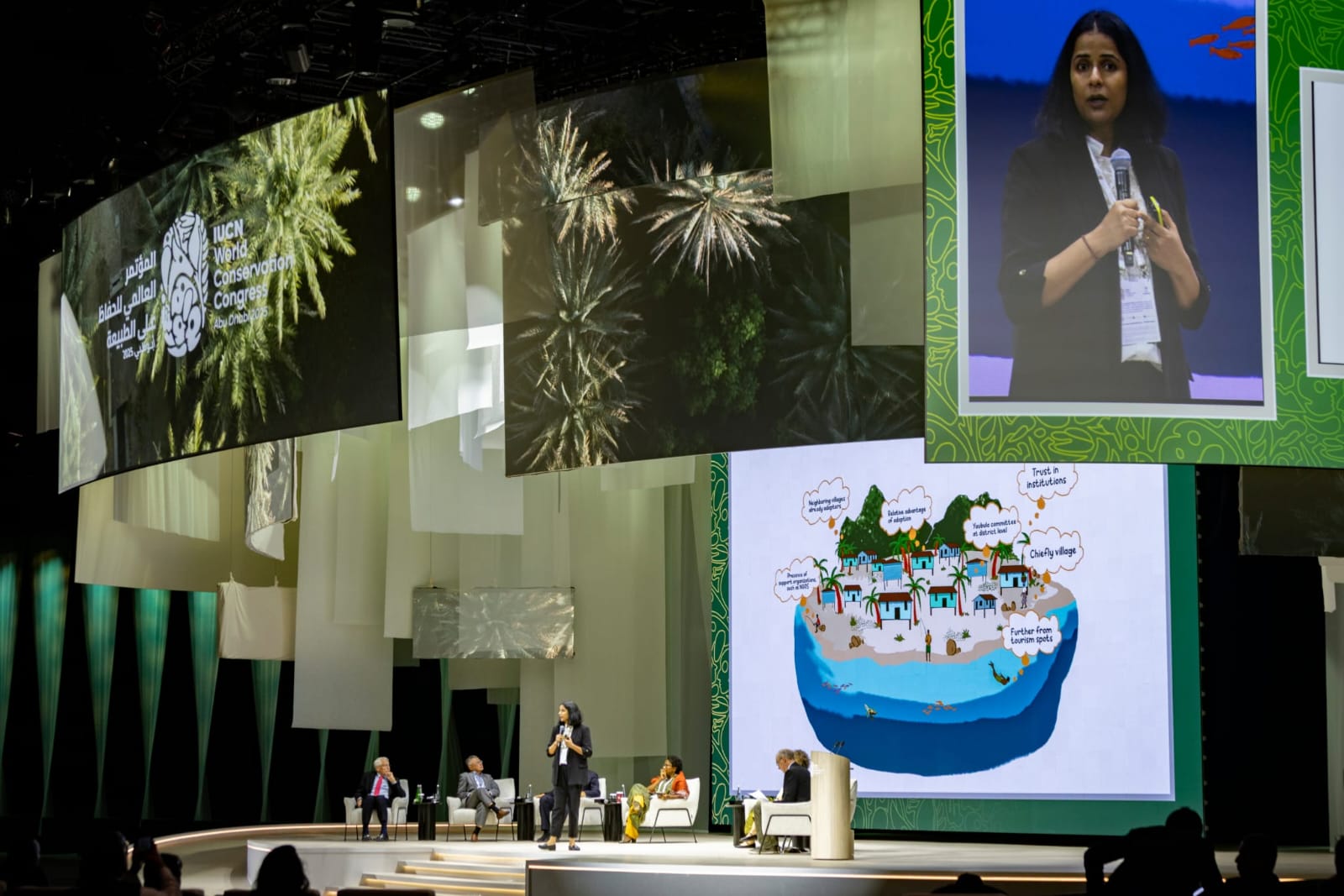
Dr. Arundhati Jagadish, from the Conservation Social Sciences programme was part of a plenary at the 2025 IUCN World Conservation Congress in Abu Dhabi on Shaping Resilience, Scaling Impact. Arundhati presented the scaling framework developed through her Catalyzing Conservation initiative that explains how and why some conservation interventions scale and better understand when scaling is appropriate and what conditions facilitate the process. The panel included other scaling experts and conservation investors who all shared their ideas on what works, when, and why.

The State of India’s Bats (2024-2025)
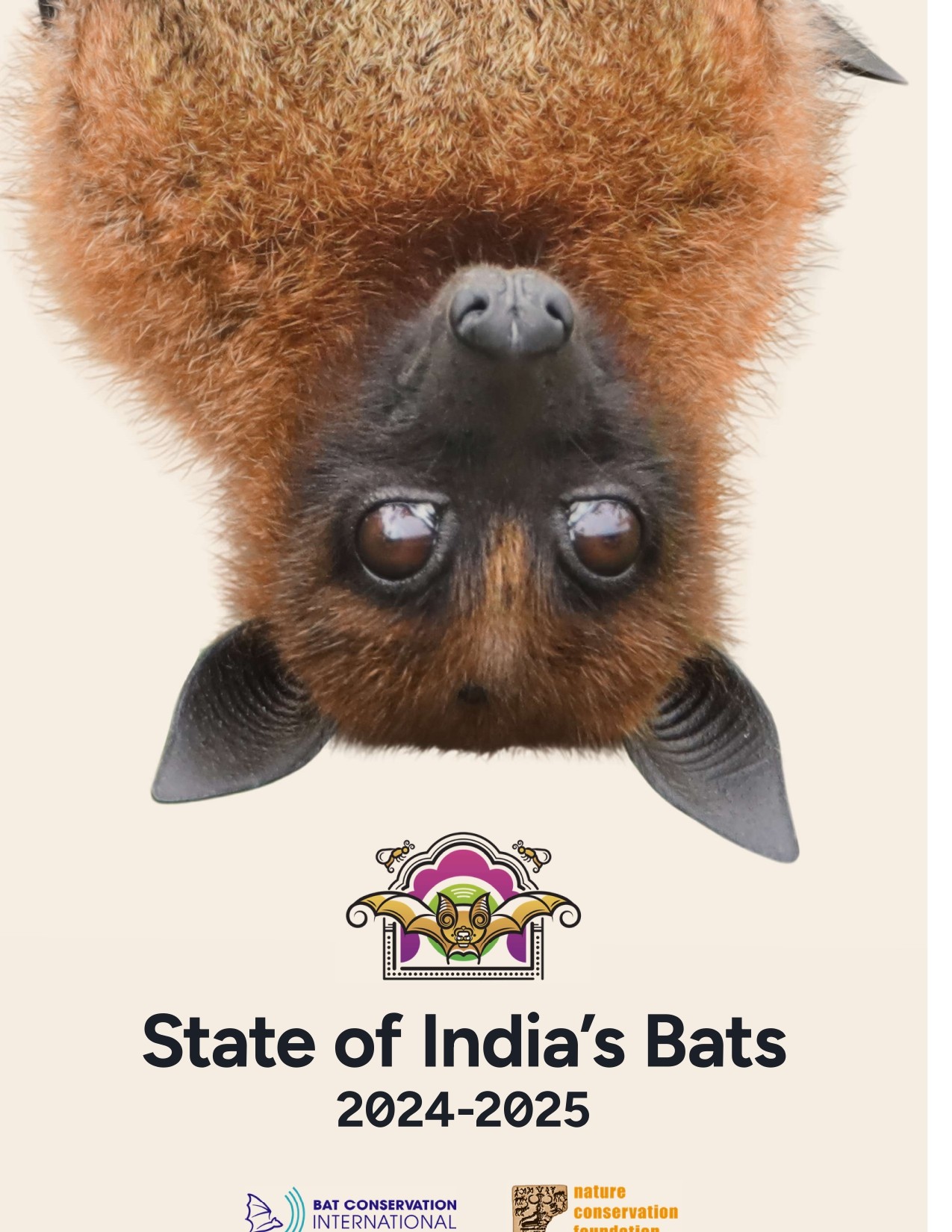
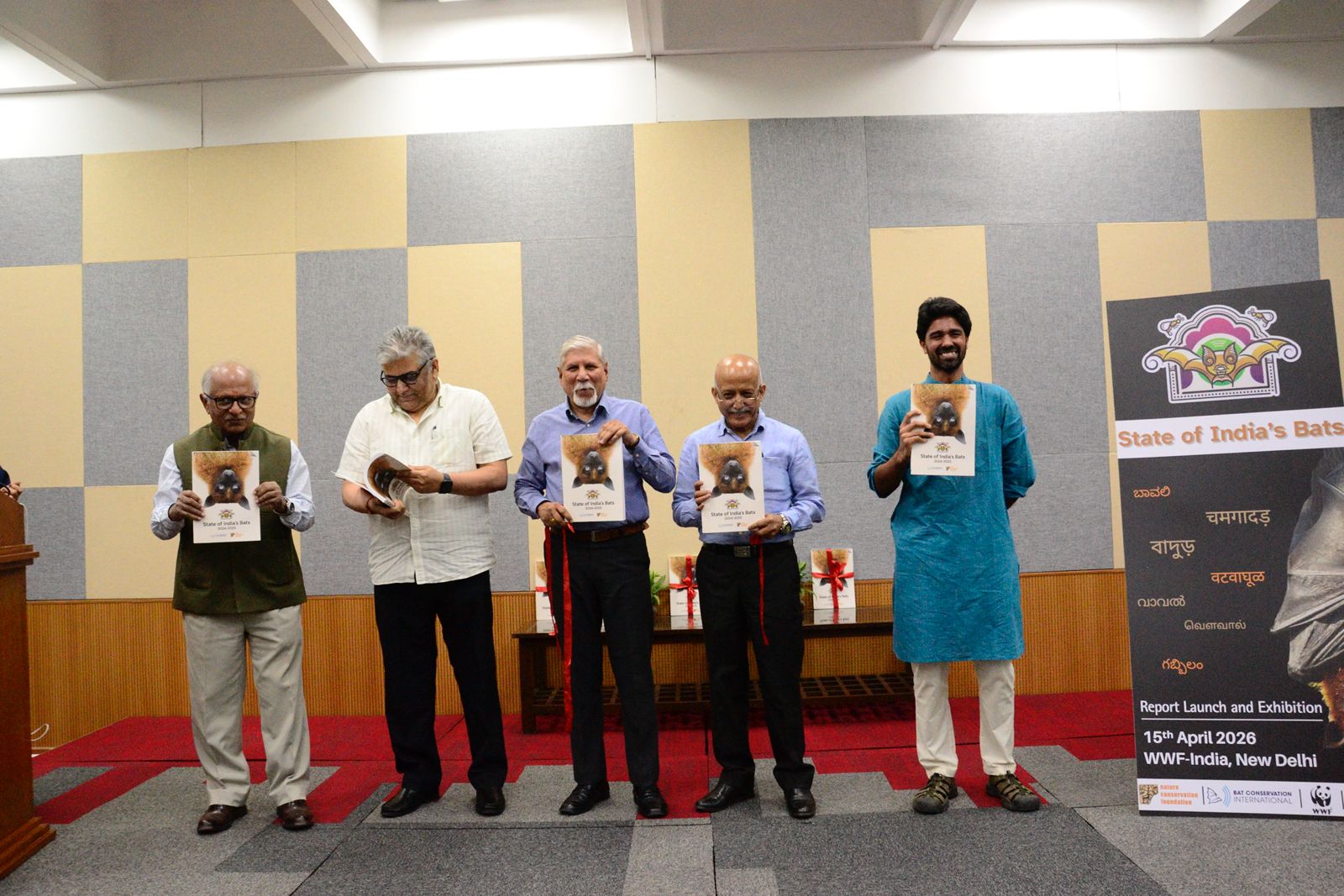
The SoIBats report was formally launched on 15th April 2026. Compiled by 34 researchers from 27 institutions (led by NCF and our partner Bat Conservation International) over two years, the report is an exhaustive treatise providing invaluable guidance on advancing conservation of these misunderstood animals. The data, perspectives, and recommendations contained herein provide an overview of the most pressing challenges and opportunities facing Indian chiropterology, and serves as a guide for future priorities in the coming decade.

This monumental report was launched at WWF-India, New Delhi at the hands of Mr Saumitra Dasgupta, IFS, Mr. Ravi Singh, Mr. S.S. Rasaily, IFS, and Mr. Abhilash Khandekar. The report’s release was followed by public bat walks organised in collaboration with WWF-India to mark the occasion of International Bat Appreciation Day (17th April).

Check out State of India’s Bats report here!

Explore Early Bird’s online courses!

Step into the extraordinary world of birds with Early Bird’s FREE online courses -

:computer: 100% Online and Mobile-Friendly

:hourglass_flowing_sand: Self-Paced, Learn Anytime

:hatching_chick: Level 1: The Wonder of Birds

Explore the amazing lives of birds and their significance.

:eagle: Level 2: Into the World of Birds
Deepen your knowledge and sharpen your birdwatching skills.

Whether you are just starting out or ready to level up your birding journey, find the perfect course at courses.early-bird.in

Happy trails!

Some updates from the Education and Public Engagement programme of the Nature Conservation Foundation

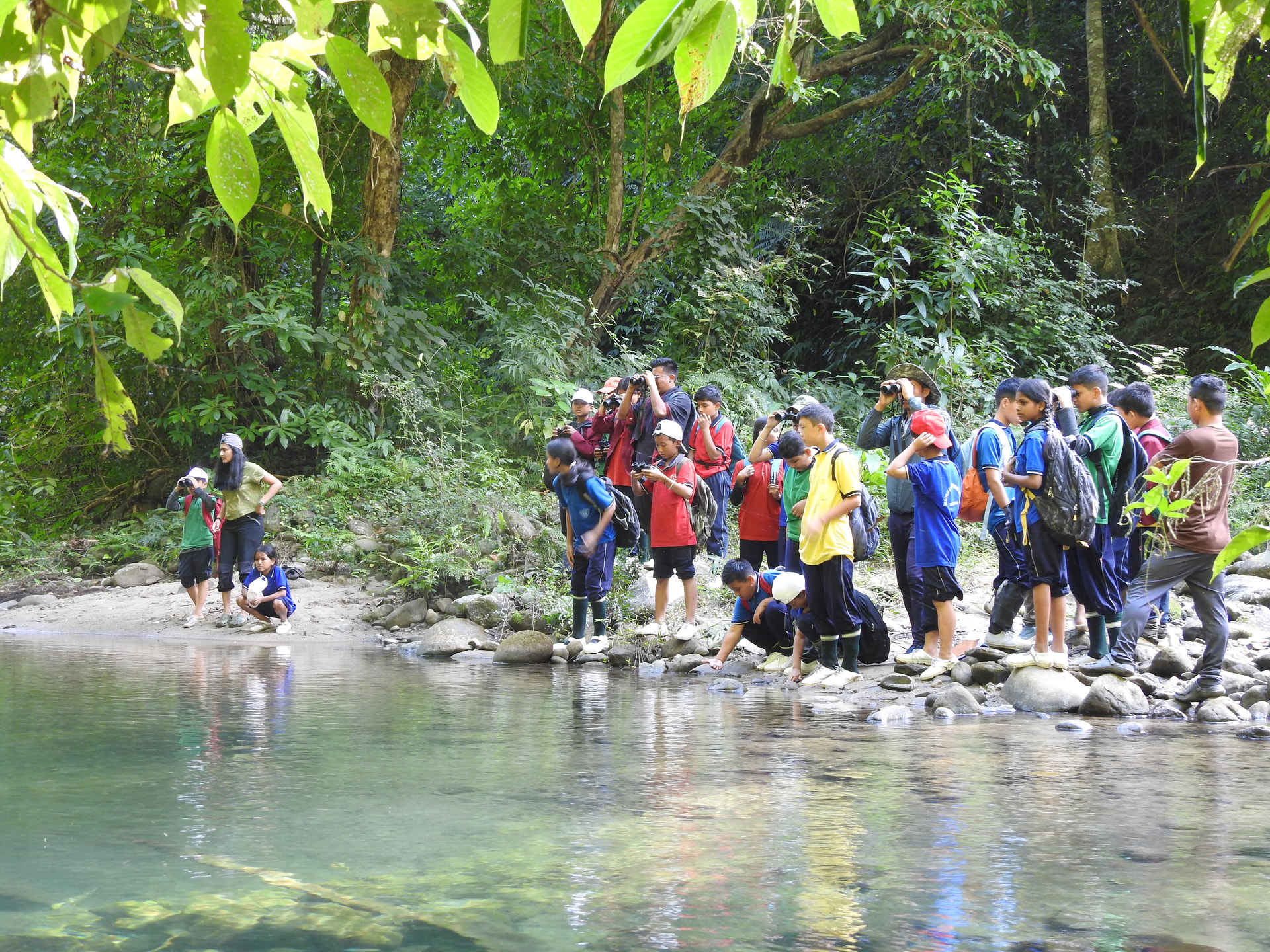
Our programme focuses on connecting people with nature; we do this through a variety of means (communications, outreach, education, citizen science, training).

Here’s a selection of what’s been happening in the past few months.

Launch of the Campus Biodiversity Register

Our Nature on Campus team, in collaboration with the National Biodiversity Authority of India, launched the Campus Biodiversity Register in July 2026. This is a yearlong initiative that invites colleges and universities to document biodiversity on their campuses using platforms like iNaturalist, eBird and SeasonWatch. By the end of the project, participating institutions will have the information, skills and resources needed to create a Campus Biodiversity Register - a living record of the biodiversity found on campuses. So far, 216 campuses from 31 out of the 36 states and UTs of India have registered to participate. Registration is open until November 2026.

Registered college/university campuses for the Campus Biodiversity Register

SeasonWatch’s new app

SeasonWatch is one of our oldest citizen science initiatives. Children and adults use the SeasonWatch protocols and platform to track seasonal patterns of leaves, flowers and fruits of trees, and how these might be changing as the climate changes. Earlier this year, we added brand new features to our Android app to allow users to upload tree photos through the app and automatically identify common trees. Here’s a short video about the new app. A huge thanks to the tech team at Nature’s Ark for partnering with us on this!

New features on the SeasonWatch app

Nature learning in rural libraries

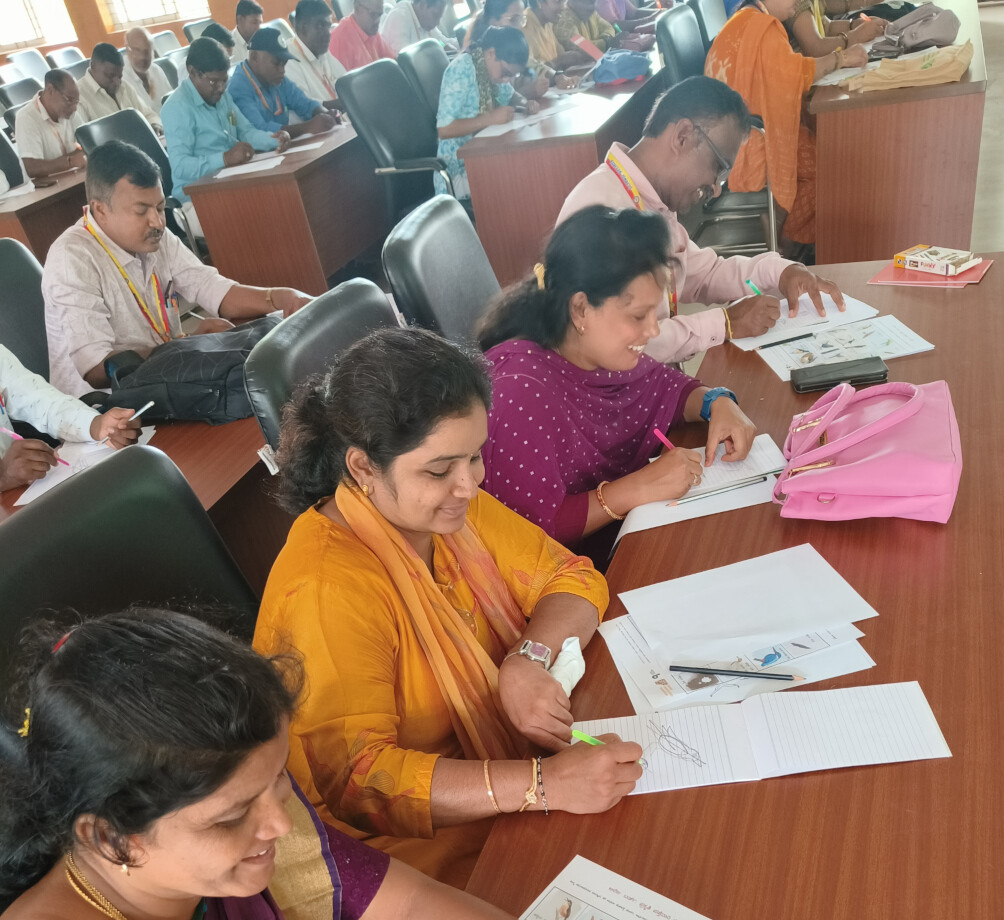
As part of our work with the Karnataka Panchayat Raj Commissionerate, we conducted a training workshop for c.140 Gram Panchayat librarians from Vijayanagar district, Karnataka. The programme introduced librarians to nature-based learning through ಪ್ರಕೃತಿಯ ಪೆಟ್ಟಿಗೆ (Prakrutiya Pettige) – our nature education kit. We also conducted online sessions on Nature Journalling, The Secret World of Plants / ಸಸ್ಯಗಳ ಮಾಯಾಜಾಲ, The World of Spiders / ಜೇಡಗಳ ಜಗತ್ತು, and Lichens / ಹೂವಲ್ಲದ ಕಲ್ಲುಹೂವು. These sessions were attended by children from across Karnataka through Arivu Kendras (Gram Panchayat libraries). We have also started a monthly short-video series, “Parisara Arivu Taare”, which showcases and celebrates the work and initiatives of Gram Panchayat librarians who are engaging their communities with nature learning.

Librarians drawing birds

Great Backyard Bird Count / Campus Bird Count

This year’s annual Great Backyard Bird Count (GBBC) event was bigger than ever. GBBC is a global 4-day event where birdwatchers record birds around them and upload observations to the eBird platform. India has been participating since 2013, under the Bird Count India umbrella.

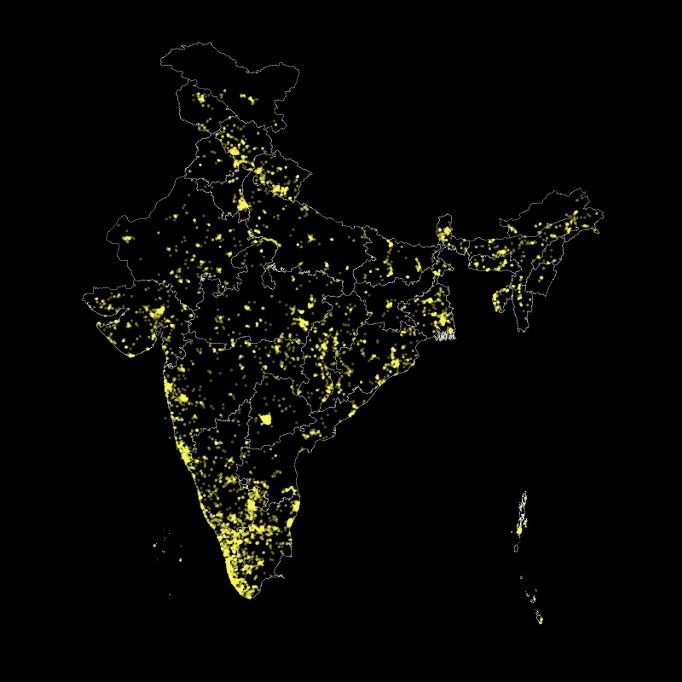
This year, India ranked 4th globally in species recorded (1,093 species documented; nearly 80% of all birds ever recorded in the country). And we stood 2nd in participation (62,800 bird checklists contributed by 7,300 birders), with several States and UTs seeing participation from every single district. The parallel event on campuses across the country, Campus Bird Count, saw more than 800 bird walks organised on 500 college and university campuses. Detailed results are here.

GBBC participation map

Until next time!

2 Likes

New addition to the book shelf!!

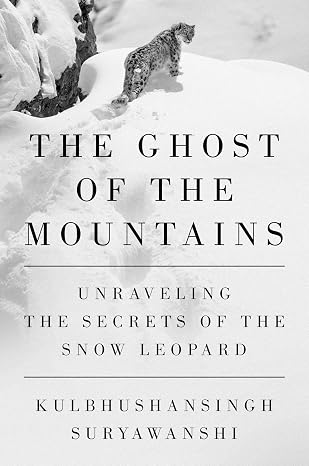
The Ghost of the Mountains: Unraveling the Secrets of the Snow Leopards

Author: Kulbhushansingh Suryawanshi (Kullu is the Director of the India Program of the Snow Leopard Trust, and a scientist with the Nature Conservation Foundation)
The Ghost of the Mountains

In the Ghost of the Mountains, Kulbhushansingh offers an evocative and personal account of his decades-long journey working across high altitude peaks to protect snow leopards and their fragile habitats. The book chronicles his exhilarating field adventures on the high peaks to his efforts to build a community-based, collaborative model for protecting the snow leopards and their remaining habitat which are increasingly under threat as encroaching development, ongoing armed conflict, and rapidly intensifying climate change transform this region.

“Compelling and intimate… . This is a gritty and detailed portrait of an often misunderstood and endangered species in an increasingly hostile, crowded and hot environment… . The effect of this book is a gradual stripping away of mystification, revealing the snow leopard to be fragile and beautiful just like any other inhabitant of high mountain ranges… but no less wondrous for it, and no less deserving of our attention and respect.” —The Guardian

High Altitude Program’s work on Snow Leopards
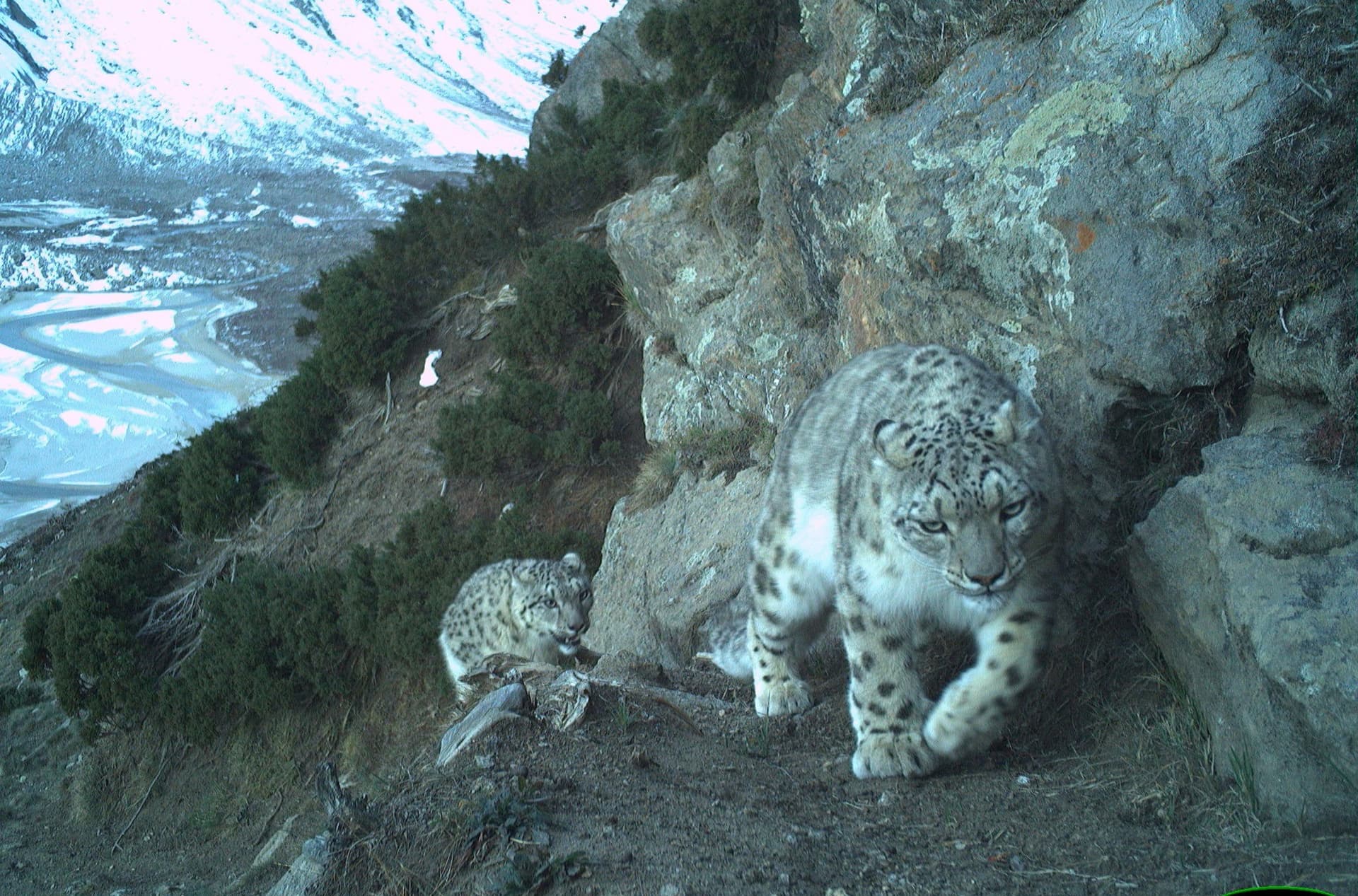
NCF’s High Altitude Program strives to conserve the snow leopard, as well as the diversity of life and landscapes that this beautiful cat symbolizes - in a scientifically robust and socially responsible manner. We combine research, community involvement, conservation education and policy-level dimensions.

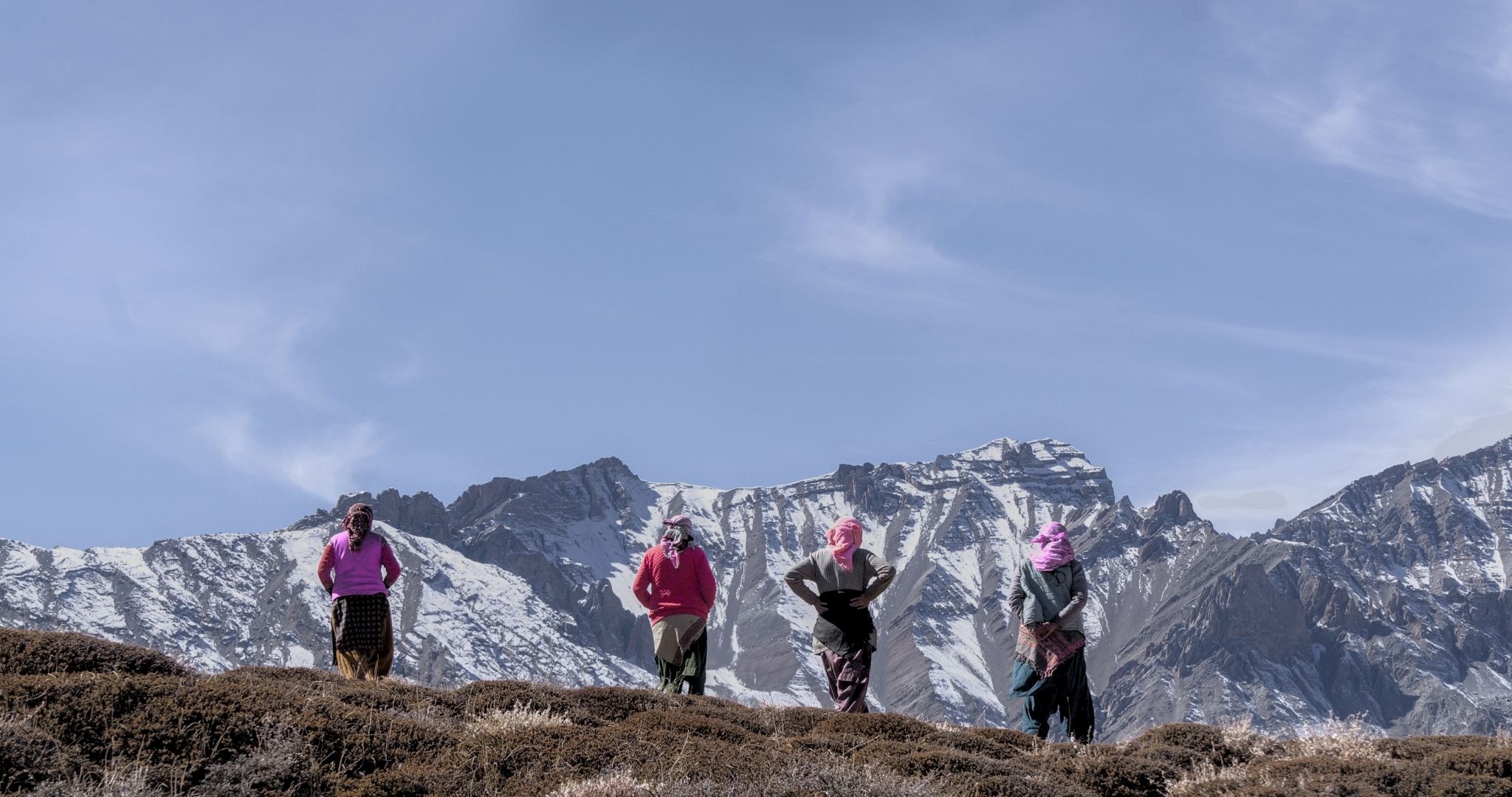
A key area that we work in, is understanding the population and distribution of snow leopards, primarily across the Western Himalaya. This includes Jammu and Kashmir, Ladakh, Himachal Pradesh and Uttarakhand. This is important because a lack of robust estimates of population size of this key species are missing from various parts of the Himalaya. A particularly fascinating part of this work is the women-led camera trapping initiative that started in Kibber village and now is slowly spreading across Spiti. By harnessing the unique skills and knowledge of women, who are often left out of the conservation discourse, we not only enhance conservation efforts but also deepen the connection between communities and the natural world they are committed to protecting.

We co-design conservation interventions with local communities, which include community-run insurance programs, predator-proofing of livestock corrals and crop guarding initiatives.These initiatives, rooted in economic incentives, community engagement, and innovative solutions, have not only reduced large carnivore persecution but also fostered a greater tolerance for wildlife like snow leopards.

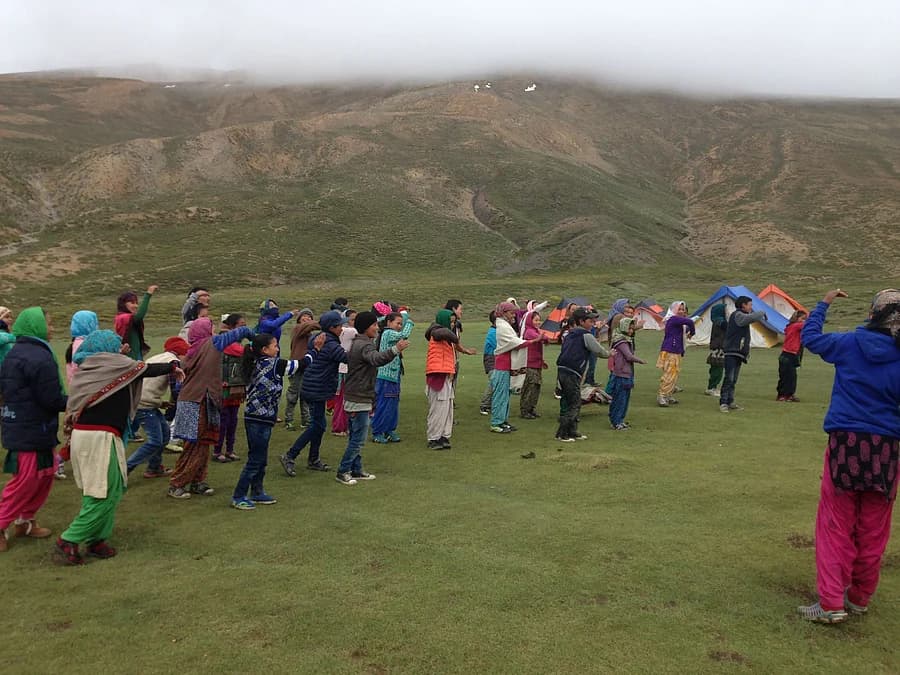
Finally, a key pillar of our work is to build a pro-conservation constituency across the high Himalayan landscape, by sharing the wonders and importance of wildlife with local people. We do this through nature camps with school children, wildlife photo exhibitions and birding events to state a few.

More mountain stories to follow!