The Panchayat Extension to Schedule Areas (PESA) Rules for Jharkhand have been approved by the State Government, shifting agency to local communities over land, natural resources, and institutional management, including control over the collection and marketing of forest produce. This policy breaks prolonged system inertia in Scheduled Area governance by strengthening the social, cultural, and ecological relationships of tribal communities built over generations.
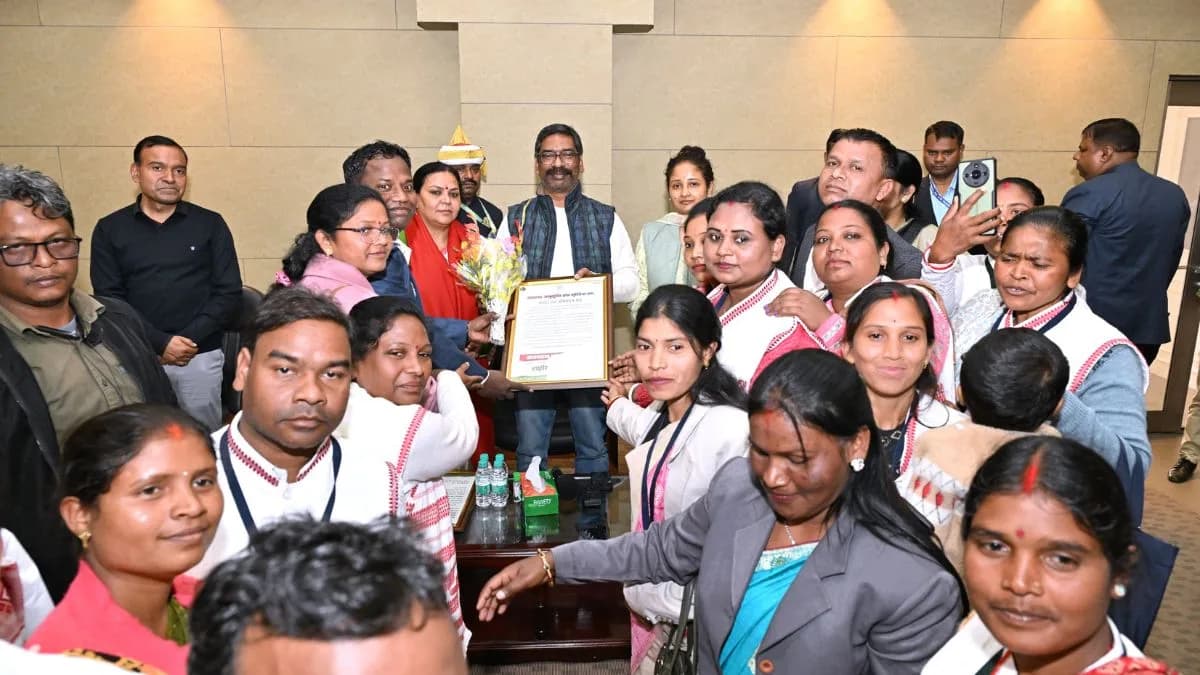
Common Ground contributed to the pre-policy process by supporting relevant departments and actors with nuanced legal provisions and strengthening the draft policy to reflect tribal self-governance. Partners, including CRISP and PHIA, along with the Living Landscapes team, contributed to the Government’s efforts to bring this policy to light. In parallel, CRISP and PHIA are engaging with the Government of Jharkhand to co-create a capacity-building framework for the effective rollout of PESA across the state, particularly in three bio-regions: Kollan, East Singbhum, and Santhal Pargana.
Similar engagements are underway with the Government of Odisha to shape the draft PESA policy, now in the final stage of inter-departmental review. Efforts are also being made to support the State Institute of Rural Development (SIRD) in presenting a comparative analysis of PESA rules and provisions in Jharkhand, Maharashtra, Chhattisgarh, and Andhra Pradesh. CRISP remains deeply engaged in the PESA rule formation process in Odisha.
PESA provides a framework for self-governance in India’s Scheduled Areas, placing the Gram Sabha at the centre of decision-making on natural resources and local governance.
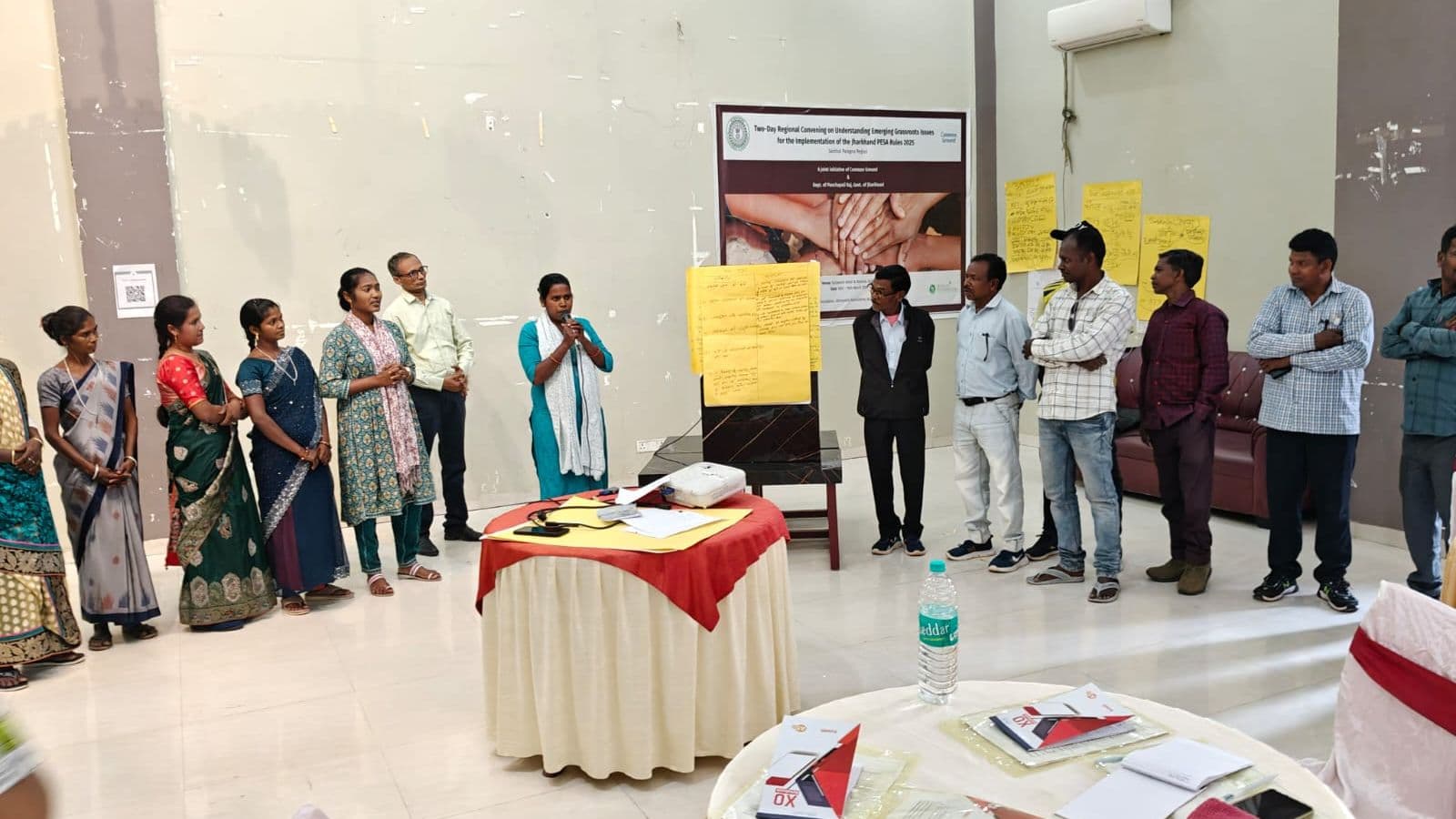
A two-day regional convening on “Understanding Emerging Grassroots Issues for the Implementation of Jharkhand PESA Rules 2025” (March 18–19, Godda), brought together community leaders, Mukhias, frontline workers, and representatives from women’s federations.
These discussions were jointly organised with the Department of Panchayati Raj, [Government of Jharkhand and anchored by Common Ground Initiative partners including Abhivyakti Foundation, Badlao Foundation, Kalamandir, PRADAN, Sarva Seva Samity Sanstha (4S India), and Tagore Society for Rural Development (TSRD).
The convening created a shared space to reflect on how the principles of PESA, rooted in community rights, customary systems, and the authority of the Gram Sabha, are being interpreted and practiced on the ground. Discussions focused on strengthening the role of Gram Sabhas in natural resource governance, improving coordination across actors, and addressing the gap between policy intent and everyday realities.
There was emphasis on participation, particularly of women and youth, alongside the need for better documentation, regular engagement, and peer learning across Gram Sabhas.
What emerged was a collective recognition that effective PESA implementation is about strengthening processes that keep governance rooted in community institutions while engaging with formal systems, an ongoing process that will continue to evolve across landscapes.