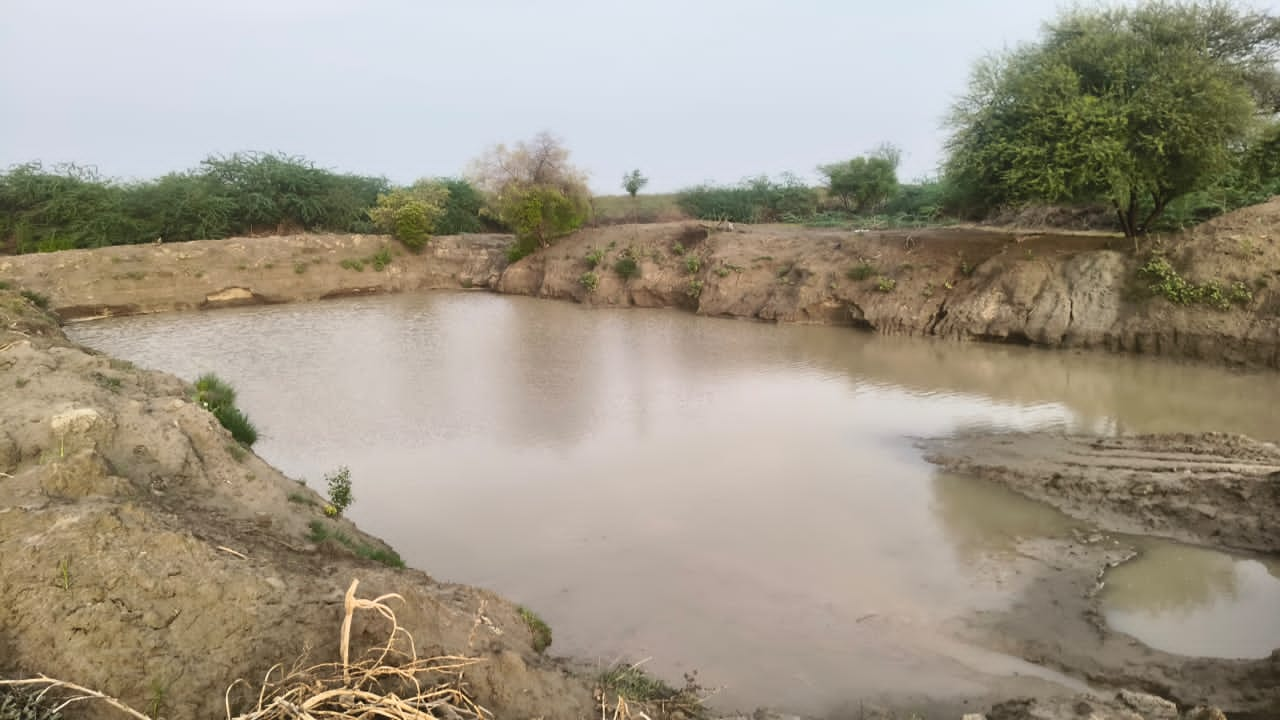
1. Meeting with CFRMC Women Members
A meeting was conducted with the women members of the Community Forest Resource Management Committee (CFRMC) in Lakhabo village. During the meeting, information was shared about the Forest Rights Act and the Community Forest Resource Management Committee functioning in their village under the Act.
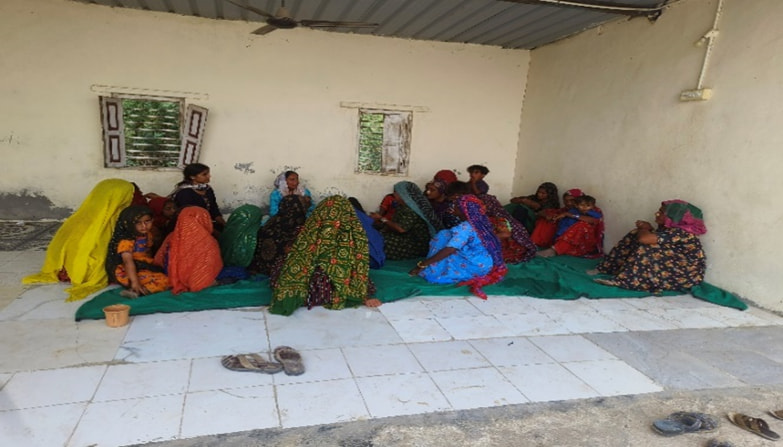
The roles, responsibilities and duties of the committee and its members were discussed in detail. Discussions were also held regarding long-term management and development activities in the village. During the discussion, women members highlighted water availability and water resource management as one of the major concerns in their area.
2. Village-Level Meeting with Women
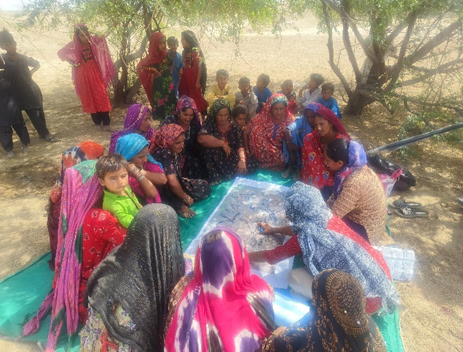
A village-level meeting was conducted with women in Lakhabo village, during which a Water Committee was formed. The committee consists of six women members, and around ten additional Maldhari women have also taken an active leadership role in this initiative.
Information regarding the existing water resources in the village was collected, including details of both community-owned and privately owned ponds. Discussions were held with Maldhari families to understand their dependency on and use of these water resources.

Village-level meeting with women in Lakhabo
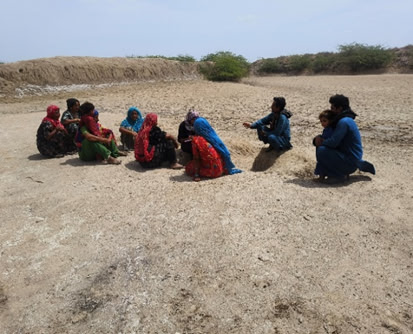
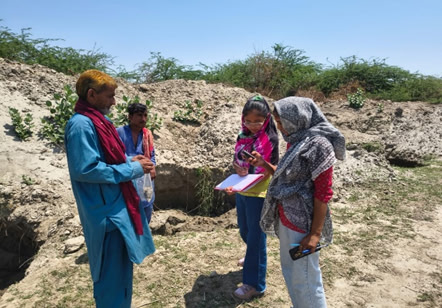
Visit to ponds with the community in Lakhabo
All the ponds were visited jointly with the women members and community members to better understand their present condition and importance to the village.
3. Resource Mapping
Separate meetings were conducted at the village level with women, men and members of the Community Forest Resource Management Committee. Information was shared regarding the process and importance of Social Mapping and Resource Mapping.

Social mapping process with women in Lakhabo
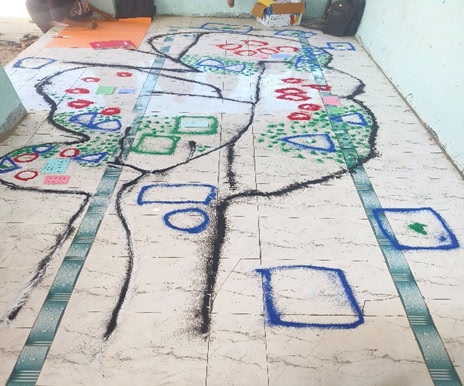
Social map of Lakhabo village
With the active participation of women, a social map and resource map of the village were prepared. During this process, information was collected regarding:
- The number and location of different hamlets in the village;
- Existing water resources;
- Grazing areas and their locations; and
- Other important community resources.
Along with local youth, GPS locations of the village water bodies and village boundary points were also recorded.
Resource mapping process with different community groups
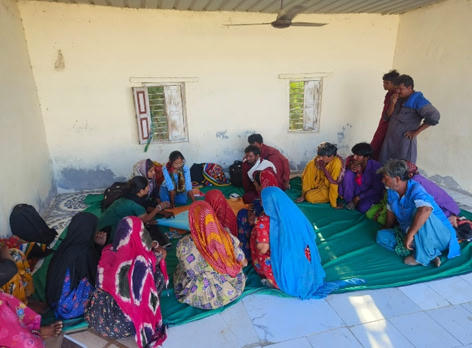
Resource map of Lakhabo village

4. Soil Sample Collection from Ponds
With the participation of local youth, soil samples were collected from 12 ponds (private khatis) in Lakhabo village.

GPS locations of the village water bodies and boundary points were also recorded with the support of local youth.
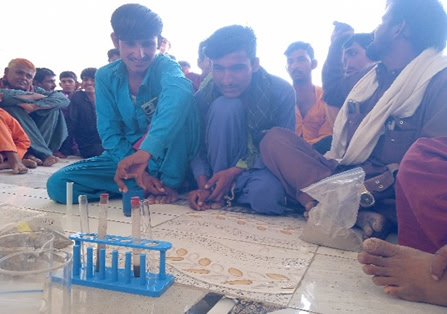
The soil samples were further tested with the participants of the Salim Mama Youth Course. The testing included measurement of the soil pH level and salinity.
5. CFRMC Initiation of Pond Restoration Work - Community-Led Action
Several meetings were conducted with CFRMC members and women members of the Water Committee regarding pond restoration activities in Lakhabo village.
Discussions focused on how to initiate water body restoration, the responsibilities of the community, and the importance of community contribution and voluntary labour. Further discussions were held regarding the implementation process, the role of the committee, management of the committee’s account and completion of the required documentation.

Meeting with Lakhabo CFRMC members

Meeting with women members of the Water Committee
6. Community Agreement for Pond Restoration
Under the pond restoration initiative, agreements were made with the owners of the 12 private ponds (Khatis).

Agreement between the Community Forest Resource Management Committee, pond owners and contractor
The Community Forest Resource Management Committee took overall responsibility for implementing and monitoring the work. An agreement between the committee and the contractor was completed to ensure that the restoration work would be carried out and completed within the agreed timeline.
As per the agreement:
- Pond owners would be responsible for clearing invasive bushes and shrubs growing around their ponds.
- The community committee would undertake the excavation and restoration work of the ponds.
The pond restoration work in Lakhabo village was initiated under the collective leadership and participation of the Community Forest Resource Management Committee and the local community.
The local youth and committee members took responsibility for monitoring the excavation work and the removal of invasive bushes and shrubs around the ponds.
On 5 June, the community and committee members jointly conducted the inauguration ceremony to formally begin the pond restoration work.
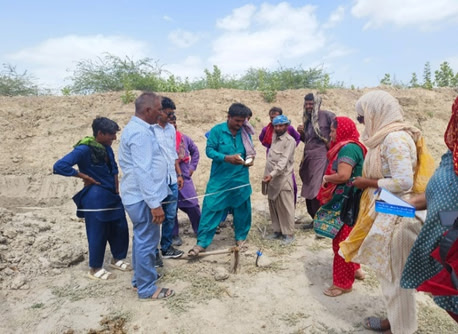
Inauguration of the pond restoration work

Beginning of pond restoration activities
All the ponds were visited along with the community and technical expert Jitubhai from Parab Sanstha. Site mapping and auto-level surveys were conducted for each pond, with active participation from community members.
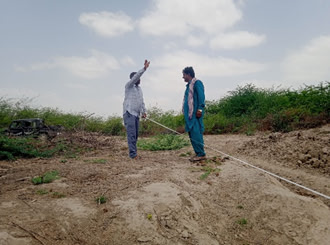

Measurement and auto-level survey of ponds in Lakhabo village
Measurements of the length, width and depth of each pond were taken. Based on these measurements, an estimate was prepared for the total volume of soil to be excavated in cubic metres.
7. Before and After Assessment of Pond Restoration
A survey and photographic documentation were carried out before the restoration work and after its completion to assess the changes in the ponds.
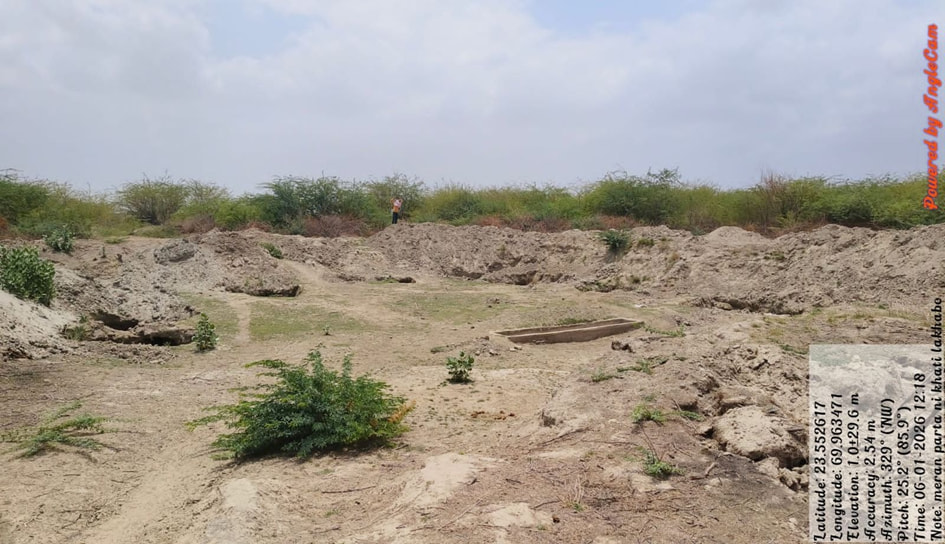
Before photo

After Pond Restoration photo
and very happy to share that this photograph!
After Rain