July 2026 | Communities Taking the Lead: From Household Health to Forest Conservation and Rural Self-Reliance
Across the tribal villages of Jhabua and Alirajpur in Madhya Pradesh, Shivganga works alongside Bhil communities to strengthen grassroots leadership, revive traditional practices of collective action, and build the capabilities needed for villages to shape their own development.
At the heart of this approach is Parmarth, the spirit of working for the collective good, and Halma, a traditional Bhil practice through which people voluntarily contribute their time and labour towards shared community needs.
July 2026 saw these principles translate into action across several dimensions of village development. Thousands of families participated in household health and plantation initiatives, communities came together to regenerate their forests, young people explored local livelihood opportunities, and village leaders strengthened their understanding of community rights and responsibilities.
These activities reflect an interconnected approach in which environmental conservation, health, livelihoods and local leadership reinforce one another.
Bringing Health and Greenery to Every Household
9,988 Families | 1,49,820 Plants Distributed | 15 Centres
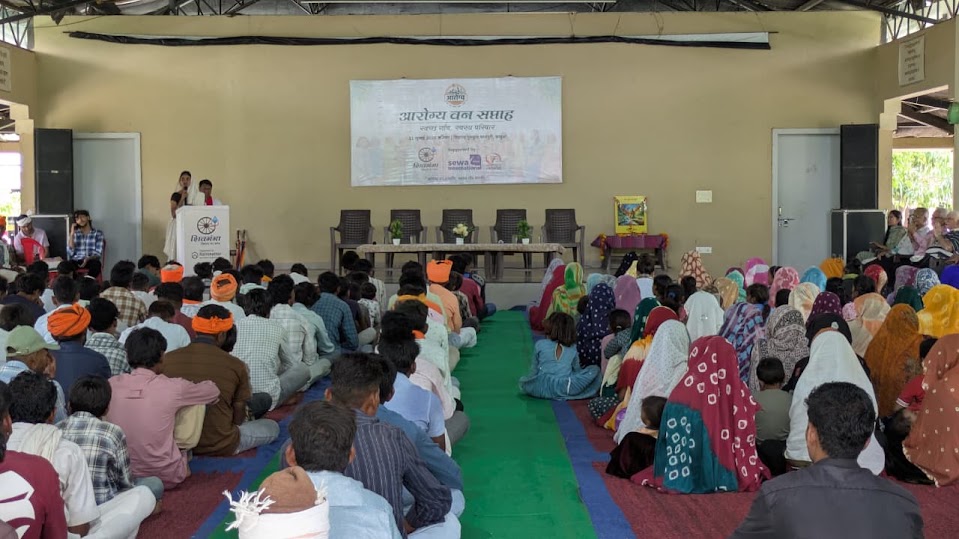
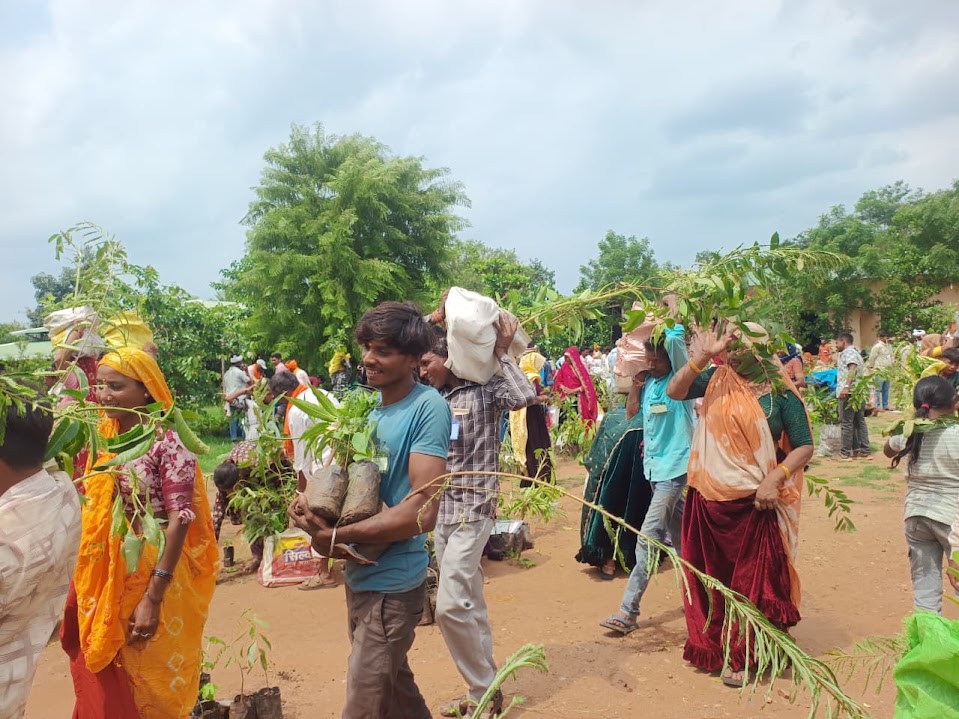
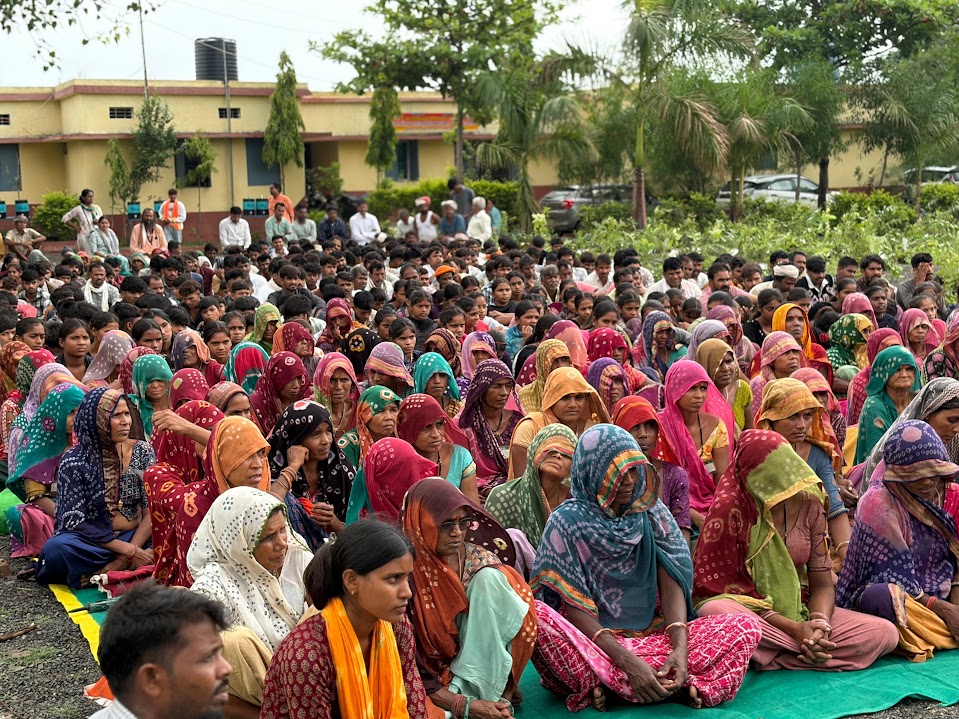
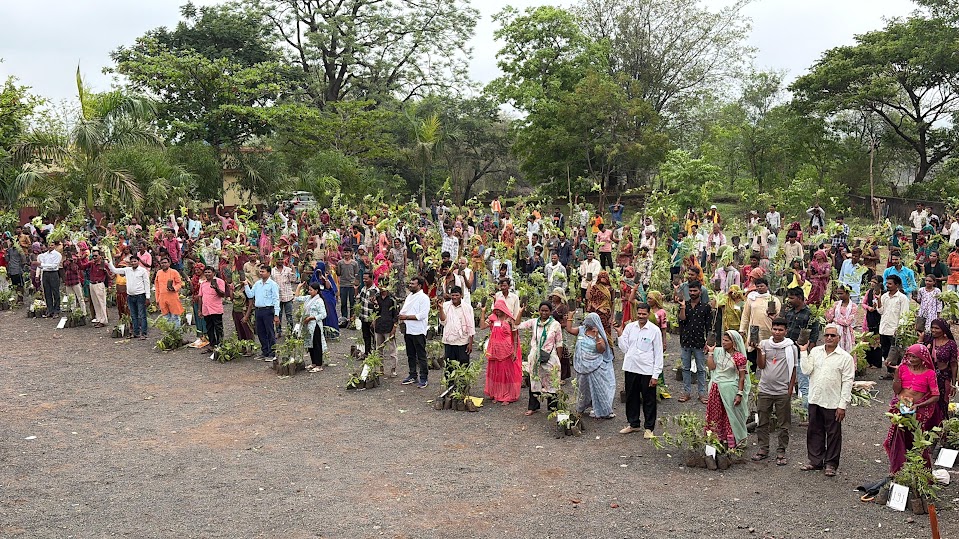
One of July’s largest community initiatives was Arogya Van Saptah, organised from 8–22 July under Shivganga’s Swachh Gaon–Swasth Parivar initiative.
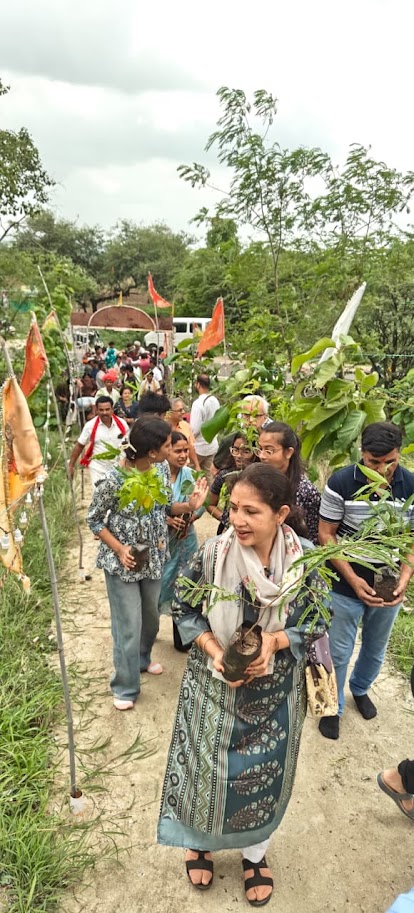
Across Jhabua and Alirajpur, 9,988 families received 1,49,820 medicinal, fruit-bearing and nutritional plants, encouraging households to establish their own Arogya Vans—small spaces dedicated to cultivating plants that support family health and nutrition.
Local women and community volunteers played a central role in mobilising families, coordinating distribution and encouraging participation.
The initiative brought environmental responsibility into everyday family life, connecting traditional knowledge of useful plants with household well-being and a shared commitment to greener villages.





Understanding Tribal Communities Through Immersive Learning
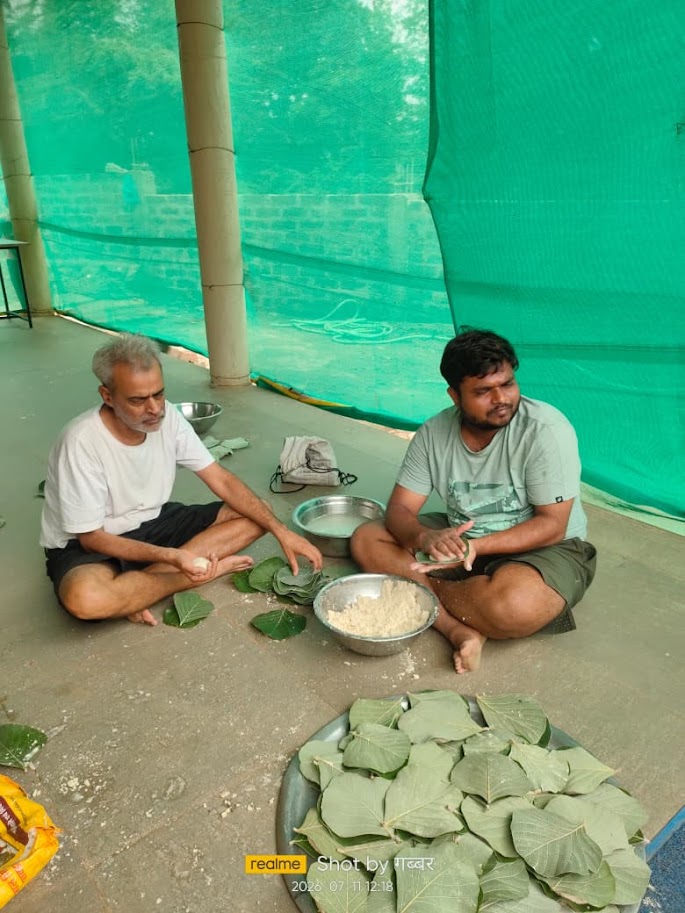
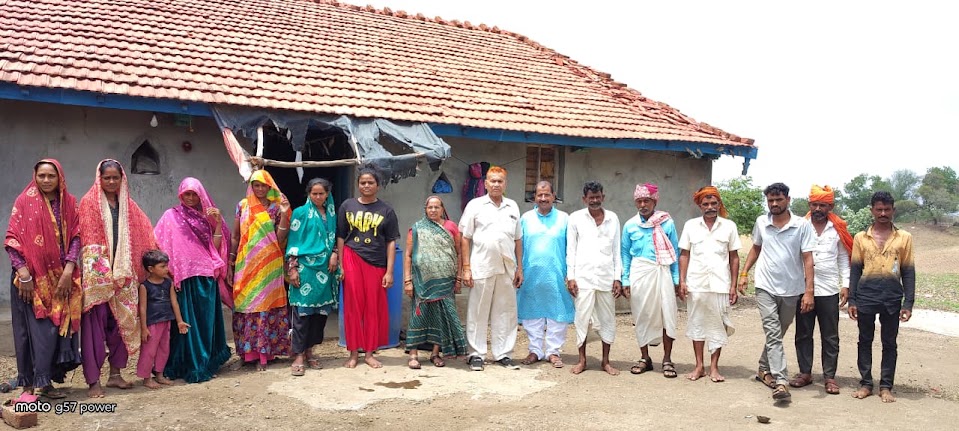
During July, Shivganga facilitated several Jhabua Darshan programmes, offering students, educators and visitors opportunities to experience the lives, traditions and community institutions of Bhil tribal communities firsthand.
A programme from 10–12 July brought together 43 participants at Shivganga Gurukul, Dharampuri.
Later, 10 students from IIT Delhi’s Department of Design, accompanied by Professor Jay Dhariwal, spent time across eight villages in the Sondwa and Kalyanpura regions.
Through interactions with local families, participants explored indigenous traditions, natural farming, bamboo craftsmanship, water conservation and community-led development.
These experiences encouraged participants to understand tribal communities beyond conventional perceptions, recognising their knowledge, cultural heritage and established traditions of collective responsibility.





Reviving Community Forests Through Halma
10,450 Saplings Planted | 17 Village Activities | 1,038 Recorded Participations
Throughout July, Bhil communities continued regenerating their Matavans, traditionally protected community forest areas that reflect a longstanding relationship between local people and nature.
Across 17 village plantation activities, communities planted 10,450 saplings through collective participation. At Kohivav, 170 villagers planted 1,700 saplings, while 100 villagers in Dhumadiya planted another 1,500.
At Chandragarh, 70 villagers also came together to sow approximately 7,000 seeds on village forest land.
These activities were undertaken through Halma, where community members voluntarily work together for a shared purpose.
Beyond planting trees, the efforts strengthen collective responsibility for protecting and regenerating the forests on which village ecosystems and livelihoods depend.

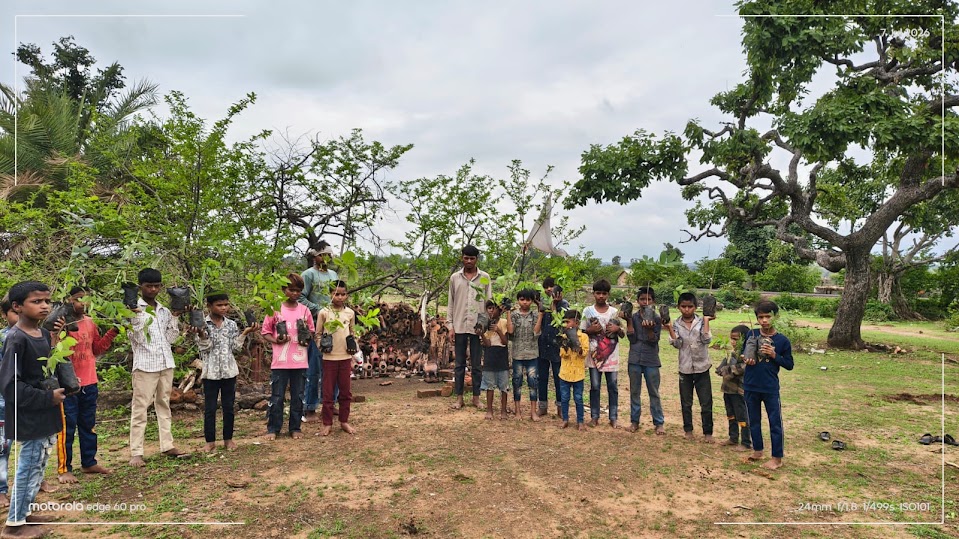
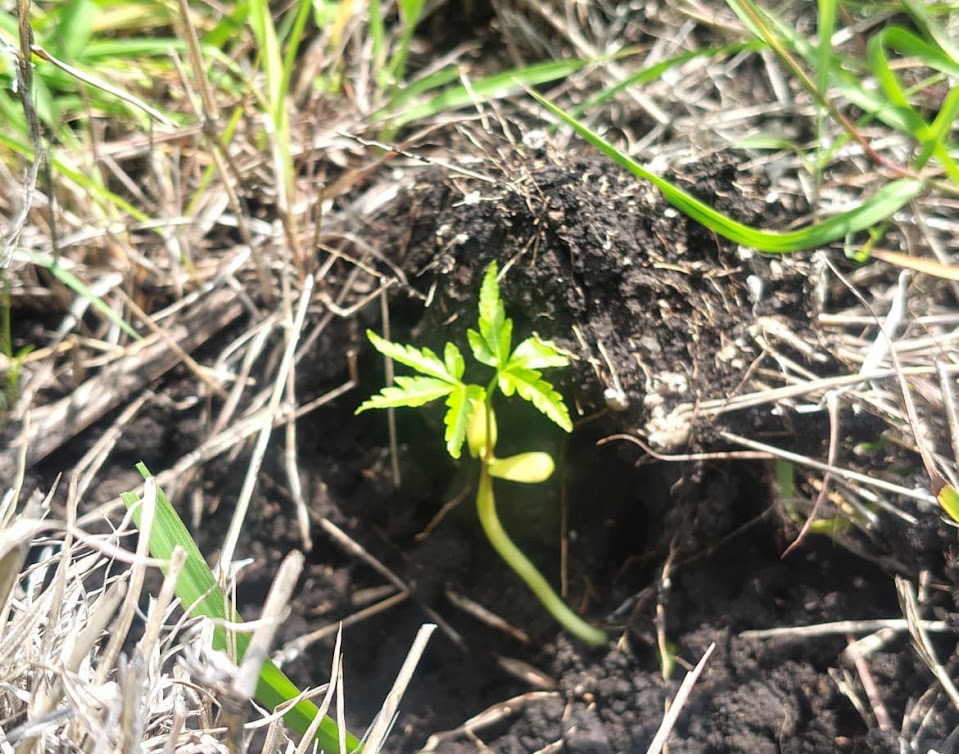
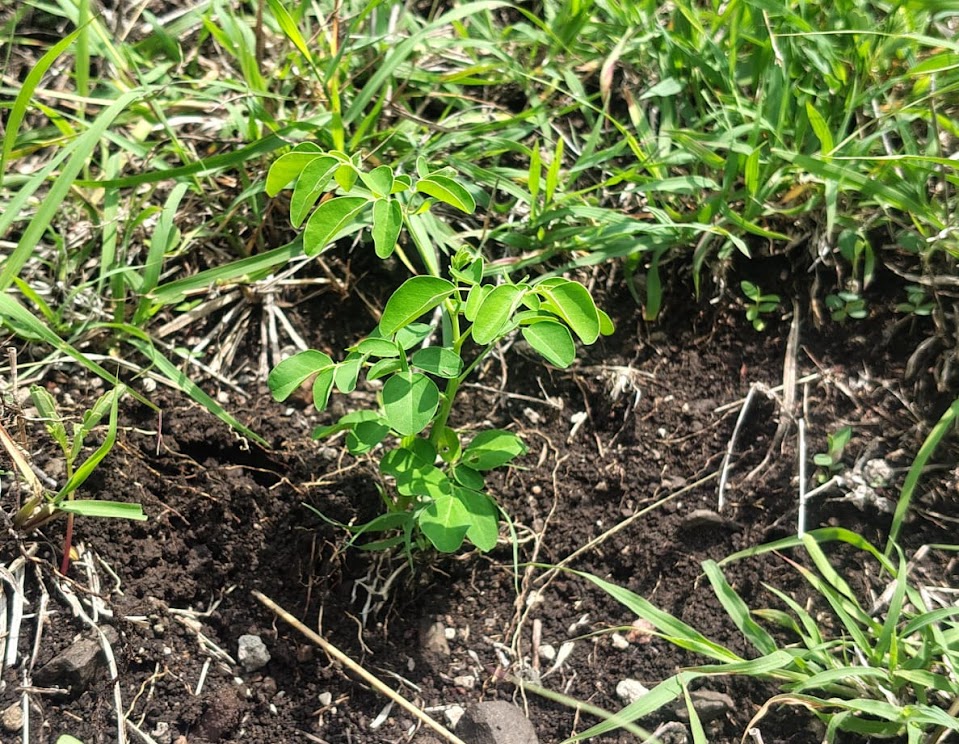


The activity was also observed by visitors participating in the Arogya Van Darshan Yatra, offering them an opportunity to experience the practice of Halma firsthand.
Through such initiatives, Matavan conservation becomes both an environmental activity and an expression of collective community responsibility.
From Community Forest Rights to Community Responsibility
4 CFR-Recognised Villages | Conservation Planning Across 28 Additional Villages
The recognition of Community Forest Resource rights under the Forest Rights Act, 2006, provides eligible forest-dwelling communities with legal rights to protect, regenerate, conserve and manage their traditionally used community forest resources.
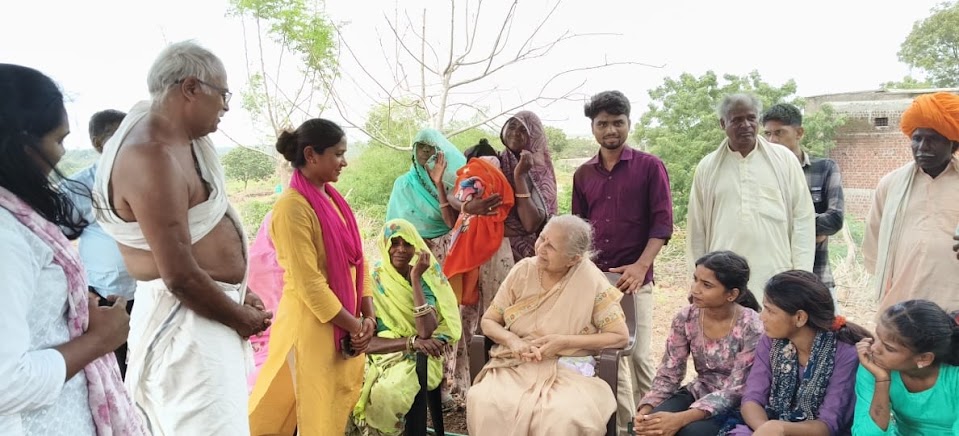
During July, Shivganga facilitated training and planning activities to strengthen awareness of these rights and the responsibilities associated with forest management.
At Binat, 55 participants from four villages attended a training programme, followed by a Gram Sabha that constituted a Forest Rights Committee.
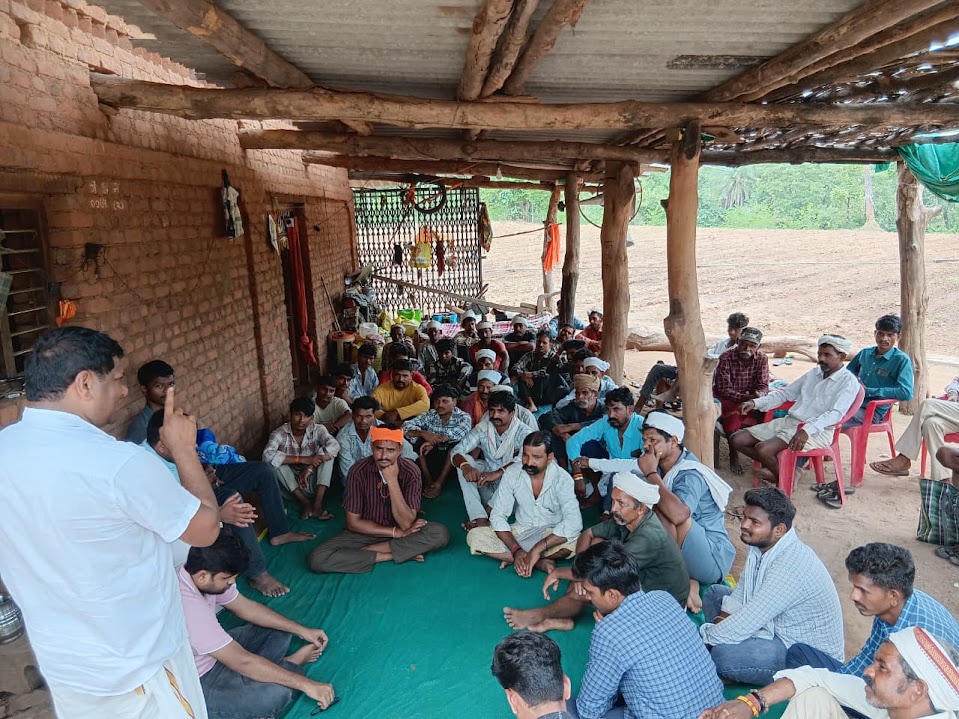
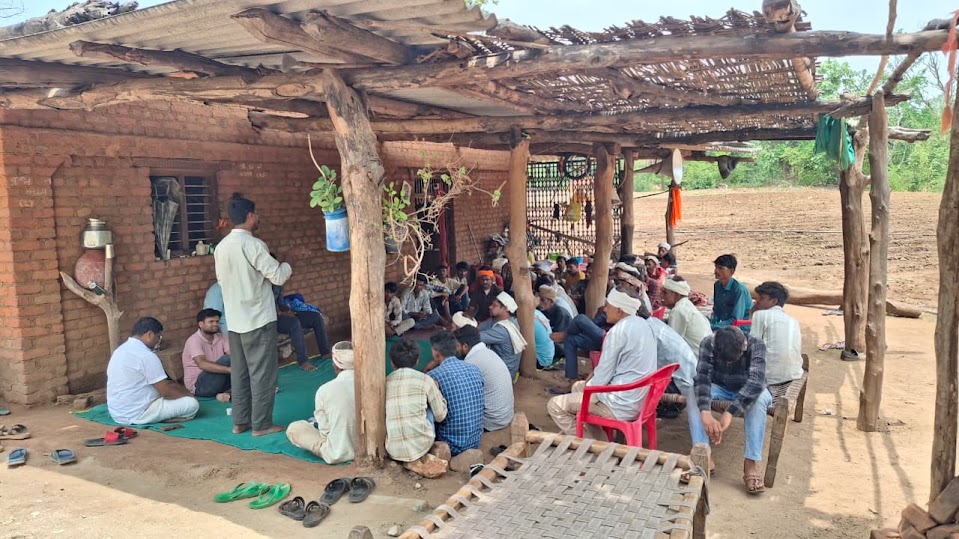
A district-level meeting at Dharampuri reviewed conservation planning for four villages with recognised Community Forest Resource rights and 28 additional villages.
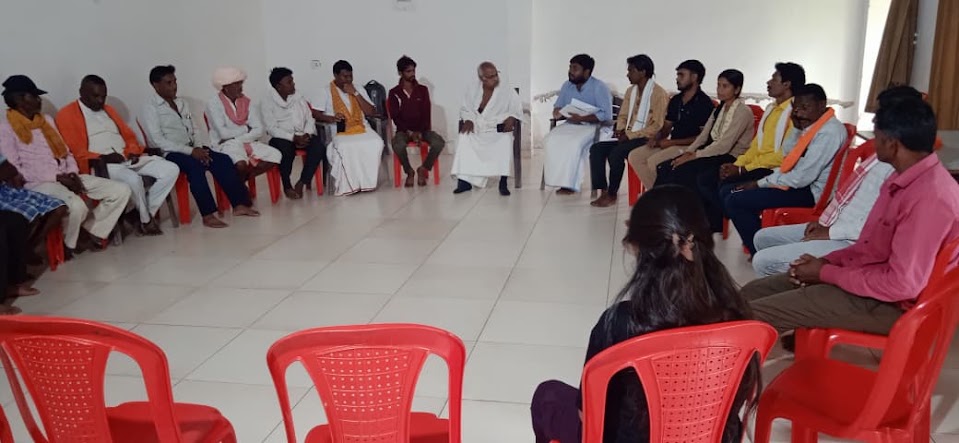
On 31 July, 160 participants from nine villages attended forest conservation training, discussing Gram Sabha responsibilities, forest protection rules and collective regeneration activities.
These efforts seek to connect legal recognition of community rights with practical conservation, placing local communities at the centre of managing their forest resources.
Nurturing Grassroots Leadership Among Youth and Women
219 Participants Across Three Leadership Programmes
Community-led development depends on individuals who are willing and equipped to take responsibility for their villages.
During July, Shivganga organised three capacity-building programmes engaging 219 participants.
A four-day Youth Empowerment Training brought together 86 participants, while a Women’s Empowerment Training engaged 65 participants from 26 villages. Another 68 women from 27 villages participated in leadership training under the Swachh Gaon–Swasth Parivar initiative.


The programmes sought to strengthen participants’ confidence, awareness and ability to contribute to collective village initiatives.
Women’s participation was especially significant during Arogya Van Saptah, where local women helped mobilise households and coordinate plantation activities.
By nurturing leadership among youth and women, Shivganga aims to strengthen the community institutions and local capabilities needed to sustain development over time.
Creating Livelihood Opportunities Within Villages
80 Participants | 25 Villages | Animal Husbandry Training
For many rural families, strengthening local livelihood opportunities is essential to economic self-reliance.
On 29–30 July, Shivganga organised an Animal Husbandry Workshop at Dharampuri, bringing together 80 participants from 25 villages.


The training covered poultry farming, goat rearing and cattle management, including practical aspects of animal care and disease prevention.
The potential of local entrepreneurship is reflected in the experience of Shri Akhilesh Katara, who began poultry farming with a small enclosure and gradually expanded to a brick-built shed.
He now reports selling approximately eight to ten birds daily, generating around ₹2,000 in profit.
His experience illustrates how practical skills and individual initiative can create income-generating opportunities within villages, while encouraging others to explore similar enterprises.
Recognising Tribal Identity as a Foundation for Development
85 Government Officers and Employees Participate in Dialogue
On 26 July, a dialogue on Tribal Identity, Existence and Development was organised at Government Mahavir College, Petlawad, bringing together approximately 85 government officers and employees.
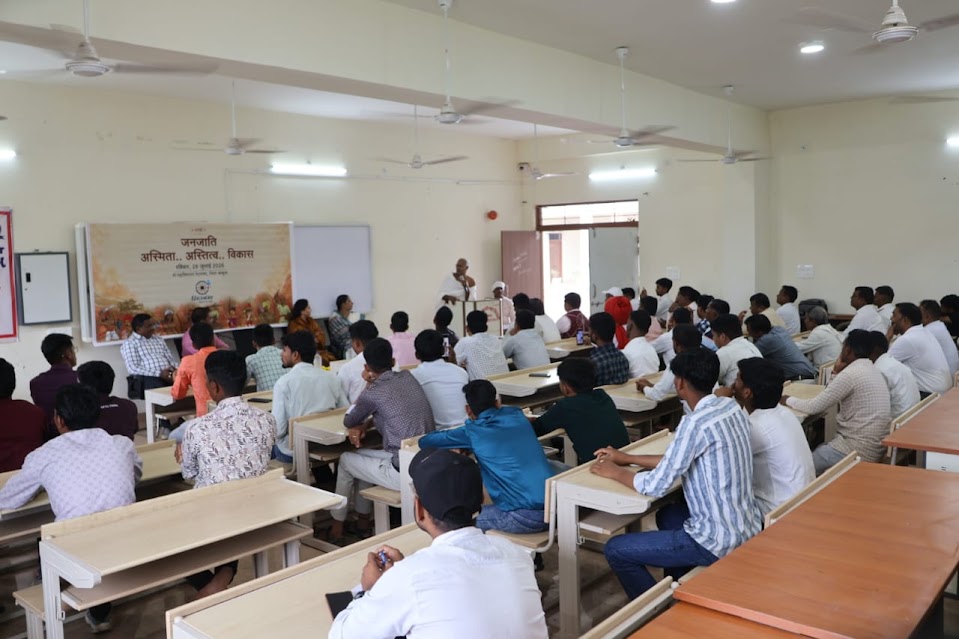
Speakers, including Padma Shri Shri Mahesh Sharma, discussed the importance of tribal identity, cultural heritage, education, constitutional awareness and social responsibility.
The discussions emphasised that meaningful development must recognise the knowledge, traditions and dignity of tribal communities, while strengthening their access to opportunities and participation in decision-making.
The programme also highlighted the role of educated individuals and public institutions in supporting community-led development.
Preparing for the Next Phase of Forest Regeneration
110 Participants | 65 Villages | Matavan Training
Alongside the plantation activities undertaken during July, village communities continued preparing for future forest conservation efforts.
On 25 July, 110 participants from 65 villages attended Matavan training focused on community participation in forest protection and regeneration.

Village teams discussed upcoming plantation activities, seed sowing and collective work through Halma.
District-level planning also explored extending conservation efforts to additional villages across Thandla, Meghnagar, Rama and Petlawad.
These preparations reflect an important aspect of community-led conservation: forest regeneration requires continued local responsibility, not simply one-time plantation activities.
Continuing the Journey Towards Self-Reliant Villages
The developments of July 2026 demonstrate how different aspects of community development come together through local leadership and collective action.
From families nurturing health-supporting plants at home to villagers regenerating community forests, from young people exploring livelihood opportunities to Gram Sabhas strengthening their understanding of forest rights, each initiative contributes to a broader process of community empowerment.
For Shivganga, the goal extends beyond individual activities or immediate outcomes. It is to nurture communities that possess the knowledge, confidence, skills and collective institutions to identify their own priorities and work towards lasting solutions.
The efforts of July reflect this continuing journey—one in which communities are not merely participating in development, but increasingly taking responsibility for shaping their own future.