Hi Everyone
Here is a roundup of Janaagraha’s recent work and engagements across urban governance, city finances, and civic accountability. This update covers the 8th Urban Conclave, the 3rd edition of The Bengaluru Debates, and our latest CityFinance blog on urban revenue composition.
The 8th Janaagraha #UrbanConclave is here — and the question at the heart of it couldn’t be more urgent.
On 18th March 2026, 250+ practitioners, policymakers, and experts came together to examine one question: Why are our city systems falling short? And what will it take to fix them?
Discussions across sessions connected the everyday experiences of India’s urban residents to the systems shaping them — from mobility and housing to gender equity, climate, and city finances.
The timing matters. India’s cities already generate nearly 60% of national GDP, and by 2050, an estimated 723 million Indians will call them home. Yet across many cities, impressive economic growth has not translated into better quality of life. Commutes are longer. Housing is less affordable. Flooding is more frequent. Green spaces are disappearing.
The diagnosis from Janaagraha’s new report, Shaping Urban India: By Design, Not By Default, is clear: India’s cities are evolving largely by default — not by design. Fragmented governance, one-size-fits-all planning, under-resourced local governments, and weak data systems are holding our cities back.
The report puts forward five big shifts to catalyse city-systems reform:
-
Invest significantly in walkability and public transport
-
Implement City Action Plans in medium and small cities
-
Adopt differentiated planning and governance models by city type
-
Build and use city-level data systems for governance
-
Recognise Urban Local Governments as governments of the city
A shared priority emerged from the day’s sessions: strengthening how our cities are planned, governed, and financed — so they work better for everyone.
The constitutional framework already exists. What is needed now is political commitment, institutional reform, and sustained citizen engagement.
Read the full report: Link to Report
Watch the event: Link to Event Video
Coverage in Livemint, Times of India, and leading vernacular publications: Link to Article
To receive updates from the Urban Conclave, write to [email protected]
The Bengaluru Debates: 3rd edition
Can radical transparency transform Bengaluru?
That was the question at the heart of the third edition of #TheBengaluruDebates, held on 11 April 2026 at the Bangalore International Centre — a quarterly dialogue series by BIC and Janaagraha bringing together citizens, experts, and leaders to examine Bengaluru’s urban governance challenges.
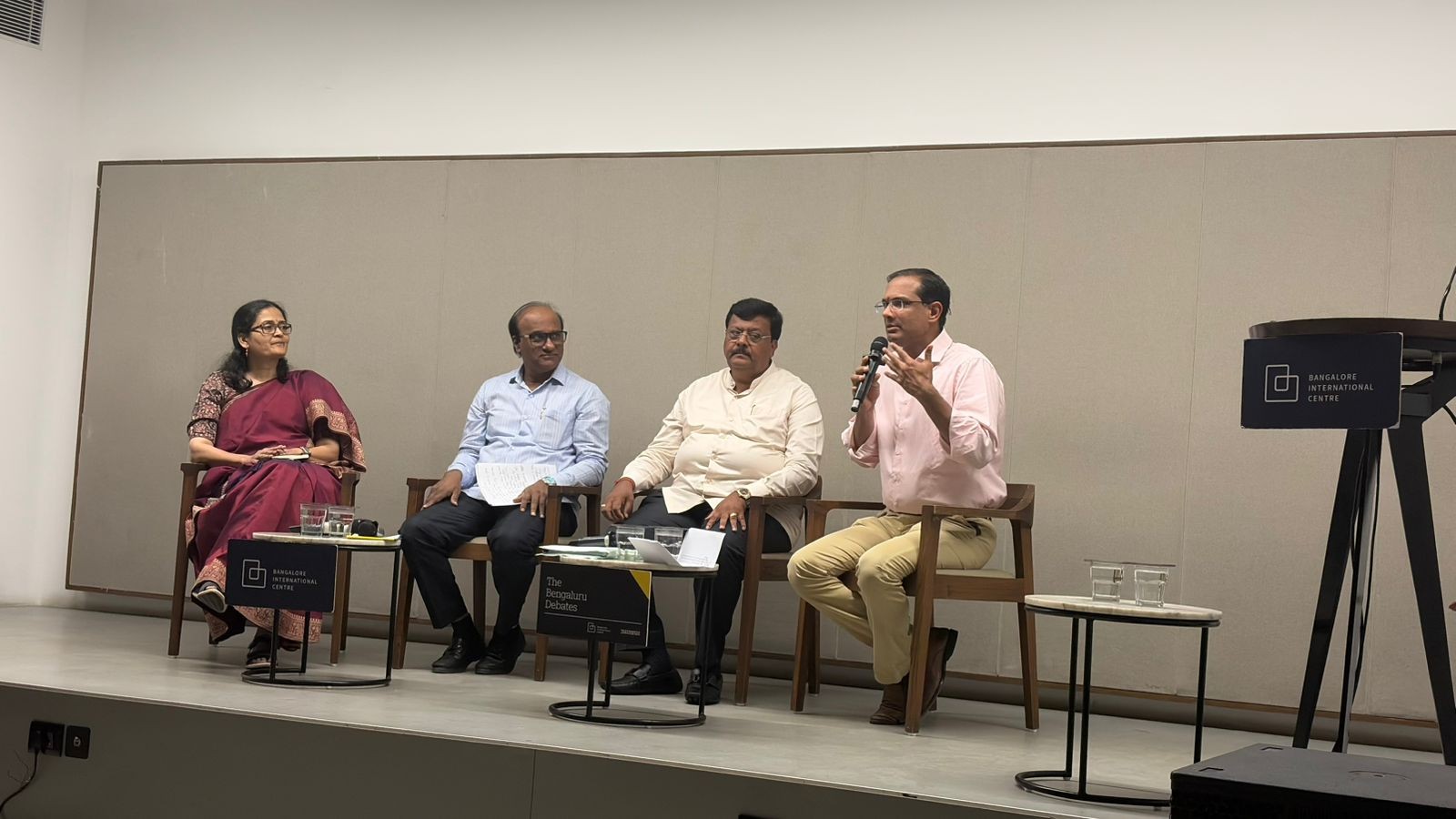
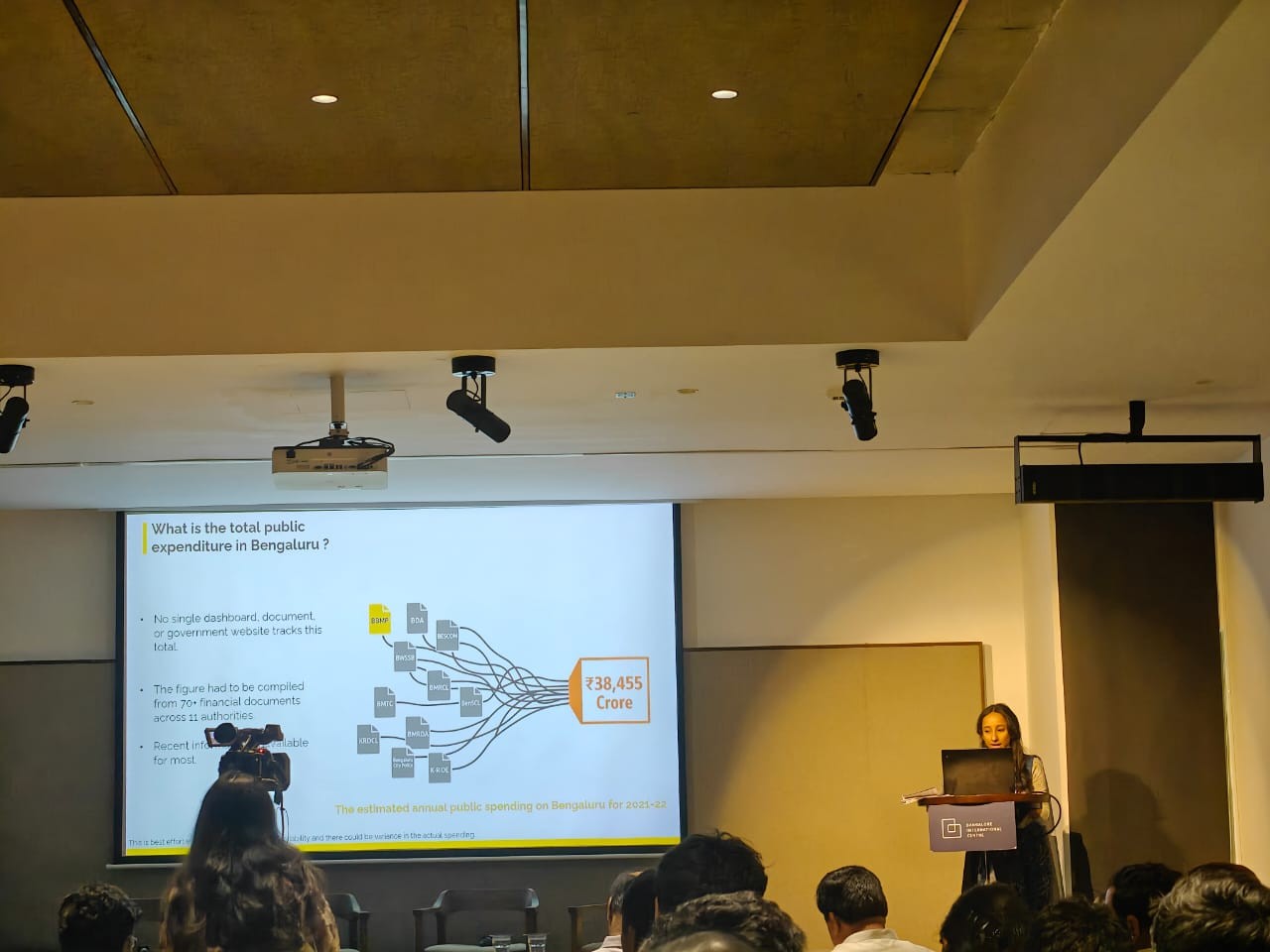
Elected representatives, policymakers, practitioners, and citizens came together to examine what it truly means to make public spending visible and accountable. The conversation kept returning to a simple but critical truth: without a clear public account of how and where money is spent, it is nearly impossible to chart a path forward for our city.
Three questions framed the urgency of the debate:
- Are we spending enough?
- Are we spending well?
- Who is spending, and on what?
Transparency in public systems begins with access to reliable, usable data. Today, critical aspects like procurement, departmental performance, and service delivery remain opaque, making it difficult for citizens to understand how decisions are made or evaluate outcomes. As cities face increasing climate and infrastructure challenges, we can no longer afford this opacity — data-driven transparency is essential to building resilient and accountable urban systems.
The conversation pointed to concrete steps that must follow:
- Bring all public authorities in Bengaluru under common fiscal transparency requirements
- Create a consolidated city-level public spending dashboard
- Publish project-level details, ward-wise and sector-wise spending data, and service delivery outcomes
The panel featured voices from across the political and civic spectrum:
- Meera K | Co-founder and Trustee, Oorvani Foundation
- Abdul Wajid | President of the District Congress Committee (DCC), Bengaluru North, and Former Councillor, Ward No. 33
- Padmanabha Reddy | Former Leader of the Opposition, BBMP, Former Councillor, Ward No. 29, Kacharakanahalli
As Abdul Wajid, President of the District Congress Committee (DCC), Bengaluru North, put it, transparency must be accompanied by accountability and citizen engagement — and when people feel excluded from decision-making, trust in institutions erodes. Padmanabha Reddy, Former Leader of the Opposition, BBMP and Former Councillor, echoed this, noting that radical transparency must go hand-in-hand with strengthening local self-governance, ensuring citizens have both the information and the voice to hold institutions accountable.
Watch the full session: Link
Our latest blog: Unpacking Urban Revenue Composition
Where does a city’s money actually come from — and why does it matter?
Our latest blog goes beyond total revenue to examine how city revenues are composed. The findings show clear differences across city sizes and states — and these differences affect fiscal autonomy, resilience, and the ability of cities to plan and grow.
In 2021-22, the average Indian city’s revenue broke down as:
- 35% from Revenue Grants (transfers from national & state governments)
- 24% from Tax Revenue (property tax, professional tax, etc.)
- 24% from Non-Tax Revenue (user charges, rent from municipal assets, parking fees)
- 7% each from Assigned Revenue and Other Own Revenue
- 3% Micellinous
CityFinance data shows that larger ULGs, particularly million-plus cities, demonstrate a stronger own-source revenue base, supported by both tax and non-tax revenues, relative to smaller cities. Although million-plus cities receive significant volumes of grants, these constitute a smaller proportion of their total revenue when compared to smaller ULGs.
State-level regional variation is equally striking. Northern states such as Uttar Pradesh (80% grants), Uttarakhand (84%), and Bihar (67%) show grant shares well above the national aggregate. In contrast, southern states display a different composition — Telangana records 48% tax revenue and Andhra Pradesh 42% tax revenue.
The findings suggest that million-plus cities show higher collection of own-source revenue. Moving beyond aggregate figures to examine how city revenues are composed will offer a far more comprehensive understanding of where Indian cities stand fiscally and what it will take to strengthen their financial foundations.
Read the full blog: Link
Explore the data at cityfinance.in — India’s official platform for standardised financial data on 4,300+ Urban Local Governments, conceptualised by Janaagraha and launched by MoHUA in May 2020