Hello everyone,
What does it take to make our cities work better for everyone? From giving citizens a stronger voice to improving grievance redressal and making public money go further, Janaagraha has been exploring this question through research, conversations and collaborations.
Here’s a look at what we’ve been up to lately in our journey towards more responsive, accountable and liveable cities.
Can Bengaluru be fixed? What It Will Take to Build a Better City
Jimmy Jimmy the Show: Jimmy Xavier in conversation with Srikanth Viswanathan
Bengaluru has extraordinary potential. But realising it means rethinking how the city is planned, governed and managed.
In a conversation with Jimmy Xavier on Jimmy Jimmy the Show, Srikanth Viswanathan, CEO of Janaagraha, explores what needs to change and why Bengaluru’s challenges are not beyond repair.

What does it take to build a better city?
Janaagraha’s 5P framework offers a way to think about it:
-
Person in charge: Someone who is accountable to citizens and responsible for the city.
-
Professionals: The planners, engineers and experts needed to run it well.
-
Public purse: Enough money to build and maintain infrastructure, spent transparently.
-
Plans: A clear vision for how the city grows, moves and functions.
-
People’s participation: Giving citizens a meaningful say in decisions that shape their lives.
What else does the conversation explore?
Who runs Bengaluru? Understanding fragmented responsibilities across city agencies and the need for accountability.
Streets that work for everyone: How better footpaths and walkability can improve safety and access.
Citizen participation in action: Ward committees, Ward Works and My City My Budget, and how citizens can shape neighbourhood priorities.
Making public money and land work harder: The opportunities to strengthen municipal finances and make better use of public assets.
Bengaluru’s challenges are real. But so is its potential. The question is whether the city can build the governance systems needed to unlock it.
Watch the full conversation: Link
You want to voice a concern about your city. Where do you go?
How do we make sure citizens don’t just have a voice, but also a say in how their cities are governed?
On 16 September 2026, Janaagraha brought together grassroots organisations, think tanks and practitioners in New Delhi for a roundtable on institutionalised citizen participation.
The discussion drew on Janaagraha’s new research, Institutionalised Citizen Participation in Indian Cities: Documenting Best Practices and Models. Examining 12 city and state cases across India, the research looks at what makes citizen participation work and how it can become a regular part of governance.

The roundtable brought together organisations working across civic engagement, rights, public policy and community participation, including Urban Collective Action Network (U-CAN), Her Haq, Citizen Matters, Martha Farrell Foundation, Young Leaders for Active Citizenship (YLAC), Politics For Impact, PRIA India, Internet Freedom Foundation and Polity Action Lab (PAL).
What makes citizen participation work?
Our research identifies five factors that can help make participation meaningful and sustainable:
-
A strong institutional foundation: Giving citizen participation a clear place in laws, policies and governance structures.
-
Well-designed processes: Creating clear and accessible ways for citizens to get involved.
-
A link between participation and decisions: Ensuring citizens inputs receive responses, influence decisions and lead to follow-through.
-
Technology and collaboration: Using digital tools and partnerships to reach more people and strengthen participation across institutions.
-
Inclusion and representation: Ensuring that diverse communities have opportunities to participate and be heard.
There is no single path to achieving this. Government action can create formal mechanisms for participation, civil society can advocate for change, and community networks can help citizens engage with the decisions that affect their lives.
The roundtable offered a space to bring these perspectives together and reflect on how participation can move from an occasional exercise to a regular part of urban governance.
Because a well functioning democracy needs more than a space to speak. It needs a voice that is heard, a say in decisions, and evidence that participation makes a difference.
Read the full research: Link
Making Bengaluru’s grievance redressal system work better
GBA Public Consultation: Shaping citizen input into Sahaaya 3.0
How can citizens report civic problems, track their complaints and get timely responses?
Janaagraha convened nearly 45 citizens, Resident Welfare Association representatives and civil society organisations to discuss the Greater Bengaluru Authority’s (GBA) proposed Sahaaya 3.0 grievance redressal system.
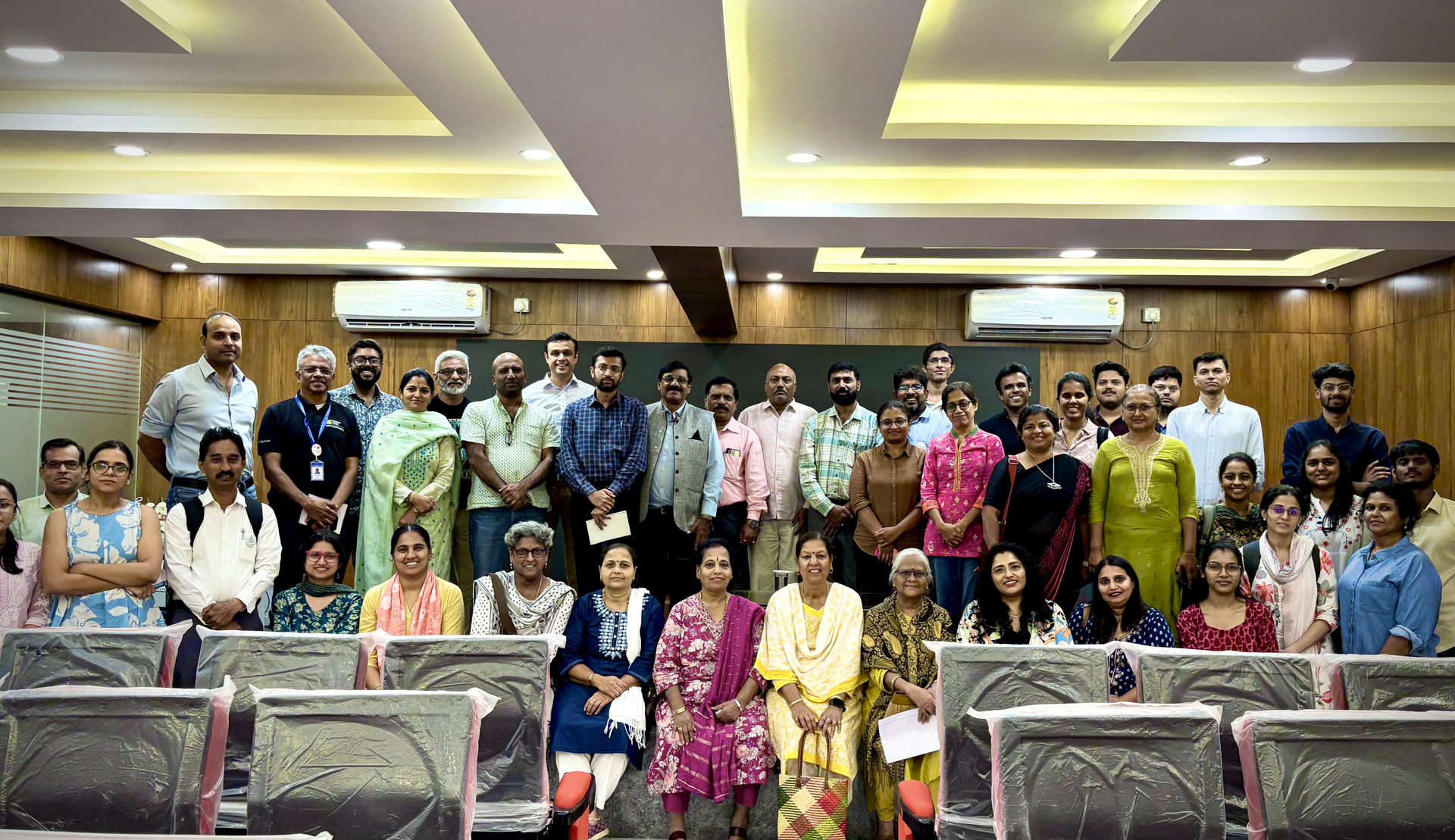
The consultation brought forward three key recommendations:
Keep citizens informed: Provide updates at every stage of complaint resolution.
Connect civic-tech platforms: Integrate verified platforms with Sahaaya to make grievance reporting more accessible.
Simplify reporting: Make it easier for citizens to report issues across different civic agencies.
Following the consultation, the GBA committed to demonstrating Sahaaya 3.0 within three months, incorporating citizen feedback.
Janaagraha also proposed supporting a design hackathon, bringing together volunteer software developers to translate these recommendations into a practical system design.
By bringing citizens into the design process, Janaagraha is working to make Bengaluru’s grievance redressal system more accessible, responsive and accountable.
Are Karnataka’s cities getting the most out of their money?
Karnataka CSO Roundtable: Connecting urban public finance with better service delivery
What if the challenge with urban services is not just how much money cities have, but how the entire system works?
On 14 October, Janaagraha convened a roundtable with sectoral experts and civil society organisations, including Biome, WELL Labs, Saahas, Hasiru Dala and FISH, to explore how Karnataka’s urban local governments are financed, how public money is spent, and how cities can deliver better services with limited resources.

Drawing on Janaagraha’s research on fiscal transfers and municipal expenditure, the discussion examined gaps between funds allocated to cities and the money they actually receive, constraints on local spending, and opportunities to strengthen financial autonomy and accountability.
What connects urban finance and service delivery?
A review of urban local bodies budgets showed that a significant share of expenditure goes towards electricity and fuel. The discussion explored how better planning and management could help cities use their resources more effectively.
A few examples stood out:
Water supply and energy costs go hand in hand. Many smaller cities in Karnataka depend heavily on groundwater. Reviving local water bodies could improve water availability and reduce reliance on energy-intensive pumping.
Better data can support better financial decisions. Improved systems to forecast electricity consumption linked to groundwater use could help the state manage power costs and identify opportunities for savings.
Infrastructure needs to be planned beyond construction. Sewage treatment plants bring ongoing costs, including electricity, staffing and maintenance. Planning for treated wastewater reuse including identifying potential bulk buyers early can help make these investments more viable.
These examples point to a larger challenge: urban services cannot be improved by looking at each sector or its finances in isolation. Water decisions affect energy costs. Infrastructure creates long-term financial commitments. And the way services are planned and managed determines whether public spending translates into reliable services for citizens.
Looking beyond budgets
Addressing these challenges requires action at multiple levels from strengthening urban governance and putting the 74th Constitutional Amendment into practice to identifying practical solutions at the town, city and ward levels.
While the roundtable did not conclude with a defined course of action, it created space for an important cross-sector conversation: not just asking whether cities have enough money, but examining how financial decisions connect with planning, infrastructure and service delivery.
Because when we connect the dots between urban finance and the systems that deliver essential services, cities can find better ways to make limited resources go further.