Hello Everyone,
Here is a roundup of Janaagraha’s recent work across urban governance, city-systems reform, and municipal finance, spanning a conversation on what it takes to make Indian cities more liveable, accountable, and citizen-centred, and a workshop on strengthening municipal accounting systems through NMAM 2.0.
Workshop held on Strengthening Municipal Accounting Systems I Reimagining and Strengthening the National Municipal Accounting Manual (NMAM) 2.0.
Janaagraha, in collaboration with the Comptroller and Auditor General of India (CAG), convened a workshop on strategic approaches to the revised National Municipal Accounting Manual (NMAM) 2.0.
Building on earlier consultations, the workshop brought together practitioners and experts to examine gaps in NMAM 2004 and identify what needs to be reimagined and strengthened in NMAM 2.0 across four core areas: accounting, budgeting, reporting, and auditing.
A key focus of the workshop was developing a differentiated, tiered approach for Urban Local Bodies (ULBs), aligned with varying levels of capacity and institutional maturity.
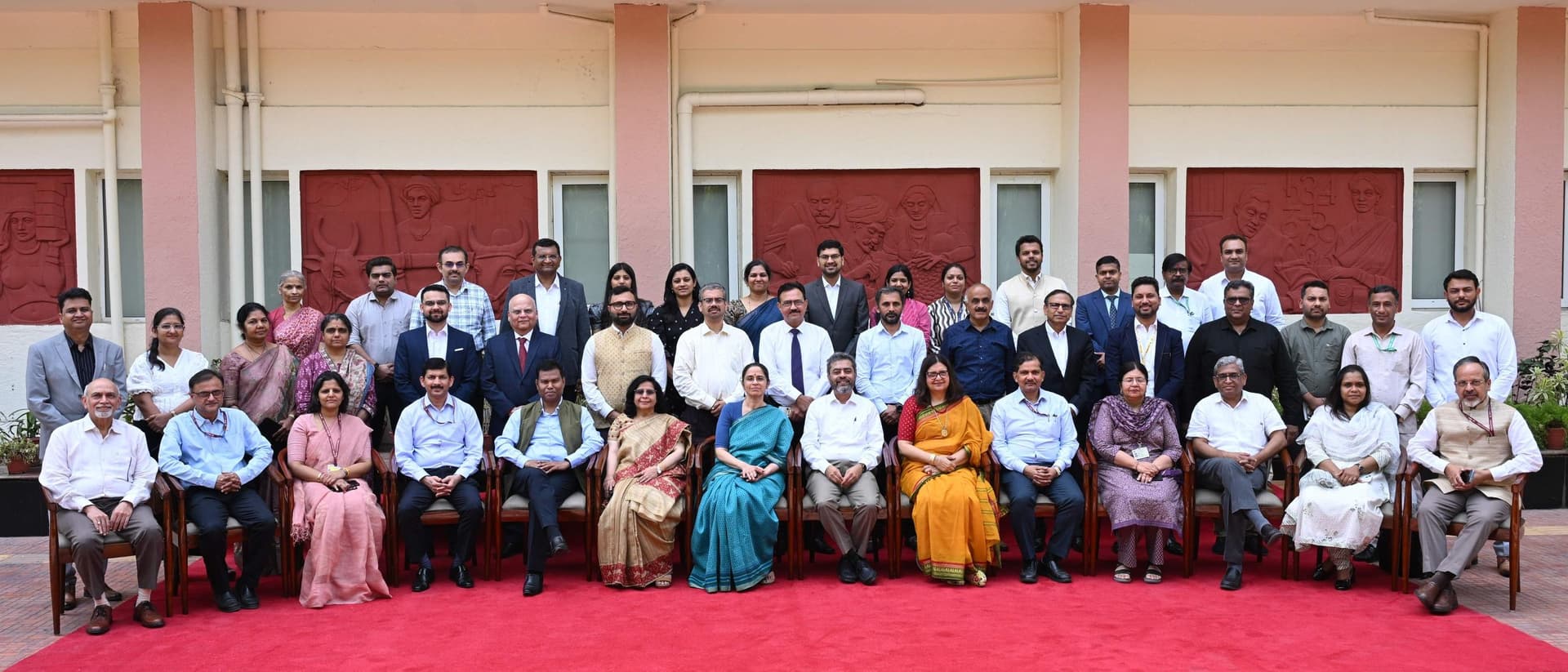
Prabhat Kumar, Director, Public Finance at Janaagraha, moderated discussions on differentiated ULG typologies. Kesavan Srinivasan, Former Deputy Comptroller and Auditor General, Government of India and Senior Adviser, Janaagraha, contributed as a panelist on budgeting practices.
The workshop convened 15+ experts from the CAG, the Ministry of Finance, and the Ministry of Housing and Urban Affairs, along with representatives from Andhra Pradesh, Kerala, and Assam; cities including Pune, Surat, and Delhi; and partner organisations such as The World Bank Group, eGov Foundation, Management and Governance Consulting (MaGC), and Munify.
Read the excerpts on the Linkedln Post: Link
Podcast: What does it take to actually fix a city? A Janaagraha Perspective
Srikanth Viswanathan, CEO of Janaagraha, recently joined the Two Founders Walk Into for a deep conversation on the urban planning and governance challenges shaping Indian cities, with a focus on Bengaluru.
Moving beyond the familiar symptoms of traffic and potholes, the discussion centered around deeper systemic issues: weak planning systems, fragmented accountability, limited state capacity, and the absence of clear political ownership for city outcomes.
Srikanth reflects on why cities must be understood not merely as infrastructure projects, but as complex systems requiring coordinated governance, long-term planning, and sustained public participation. The conversation highlights walkability as one of the most transformative investments cities can make, alongside improvements in public infrastructure, street design, and civic engagement.
The conversation also reframes the role of citizens: not as passive consumers of public services, but as contributors and community owners, drawing on the idea of a citizenship ladder. Through examples from Bengaluru and beyond, including Tender S.U.R.E streets and citizen-led community action, the episode explores what it will take to move from short-term fixes to long-term systems change.
The discussion covered insights on:
-
Urban governance and planning
-
Walkability and public infrastructure
-
Citizen participation and community ownership
-
Tender S.U.R.E streets and public realm improvements
-
The future of Indian cities
**Watch the full Podcast on Youtube: Link