Janaagraha is putting Bengaluru’s public spending on the map
Ever looked at a flyover, footpath or lake and wondered how much did we spend on this?
Finding that answer can mean going through thousands of scanned, handwritten and non-standardised documents. The information is public, but it isn’t always easy for citizens to find or understand.
At Janaagraha, we wanted to explore a simple question: Can AI make civic spending easier to follow?
Together with Oorvani Foundation, we spent a day testing the idea and built a working map that lets you explore civic works across Bengaluru by location.
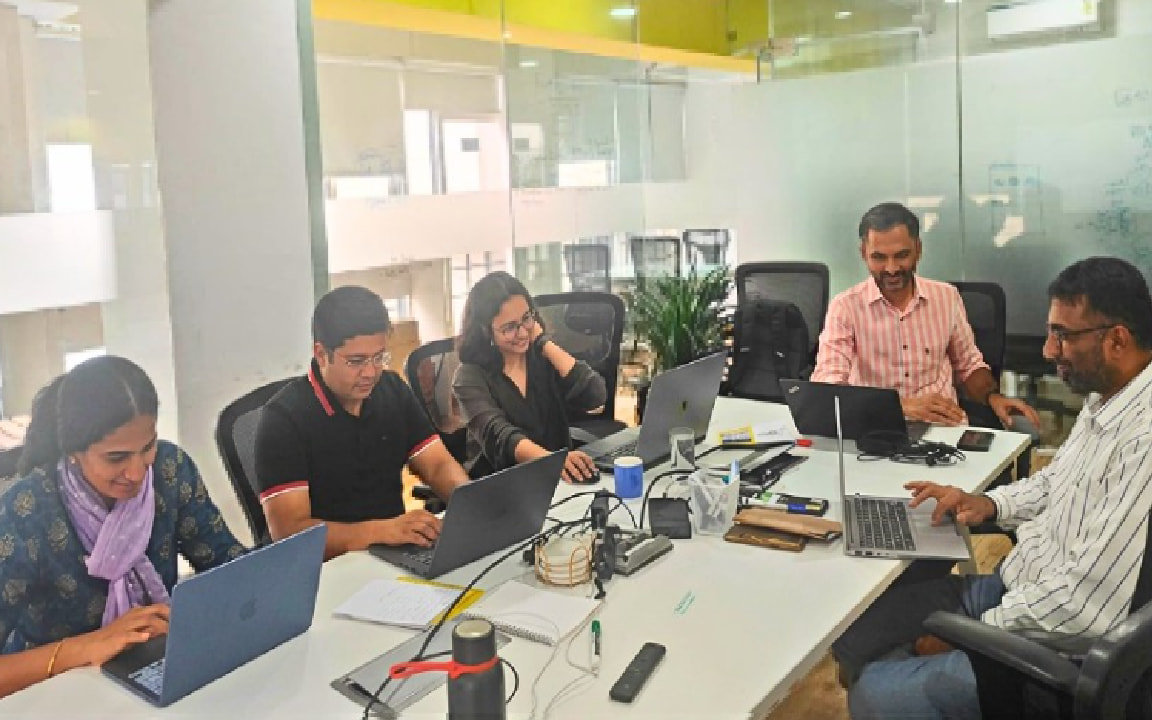
Instead of hunting through multiple documents, you can click on a location and explore the civic works recorded there, along with the expenditure linked to them.
Click. Explore. Question.
We’re now building this into a Public Expenditure Dashboard for Bengaluru, using AI to turn difficult-to-read public records into information citizens can actually understand and use.
The dashboard will bring together information already available through public records, including the BBMP Works Portal and Karnataka’s public tender portal. Every number we publish will be traceable back to a real document.
The idea is simple: make public spending easier to see, understand and follow.
Janaagraha’s Instagram Post: Link
One Vision, Ten Cities: Janaagraha’s Partnership in Assam
Janaagraha, Saahas and the Swachh Bharat Mission Urban (SBM-U) in Assam have signed a three-year MoU to strengthen solid waste management in Jorhat, Nalbari and Dibrugarh.
This partnership is part of Doh Shaher Ek Rupayan (DSER) Ten Cities, One Vision, the Government of Assam’s urban transformation programme working across 10 major cities beyond Guwahati.

Can getting the basics right make cities more liveable?
It’s about streets that are clean and cared for, waste that is collected and managed well, water that reliably reaches homes, and public spaces that people can use. But making this happen depends on what goes on behind the scenes how cities plan, how institutions work together, and how well services are delivered.
As the anchor partner for DSER, Janaagraha is helping bring together government agencies, city institutions and specialised organisations to address challenges that directly affect everyday urban life.
This partnership builds on the work already underway and will support these three cities to:
-
Strengthen municipal capacity
-
Improve solid waste management services
-
Engage citizens
-
Monitor progress
-
Share tools and good practices to strengthen city-level systems
The learning from Jorhat, Nalbari and Dibrugarh will help inform work across all 10 DSER cities, creating a pathway for solutions that can be adapted and scaled across Assam.
Three cities. Three years. One shared effort to improve everyday life for citizens.
Janaagraha’s Linkedln Post: Link
Strengthening Urban Local Governments: Janaagraha Meets Hon’ble Minister of State for Housing and Urban Affairs Tokhan Sahu
Janaagraha had the opportunity to meet Sh. Tokhan Sahu, Hon’ble Minister of State for Housing and Urban Affairs, Government of India, to discuss how we can strengthen Urban Local Self-Governments (ULSGs) and enable them to lead the transformation of our cities.
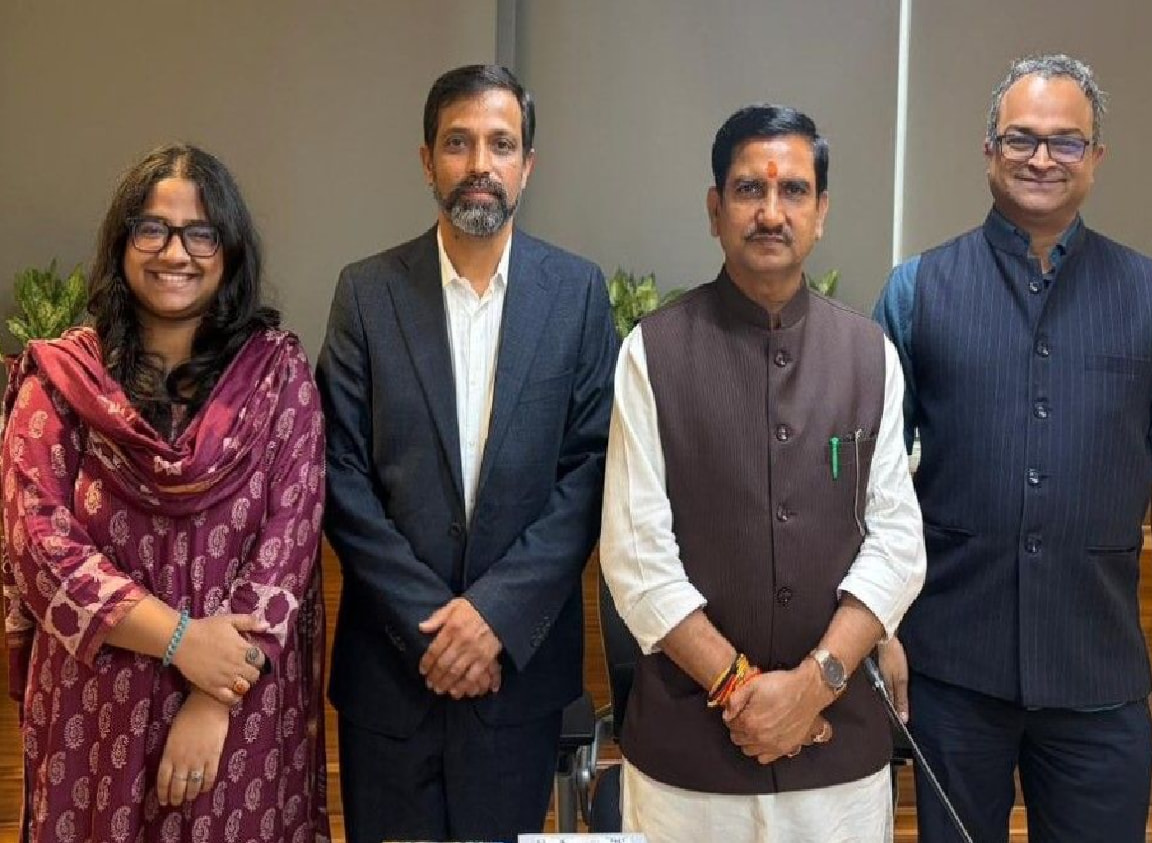
We shared inputs on the institutional reforms and tracking mechanisms needed to build stronger, more empowered and accountable city governments, including:
-
Greater devolution of functions, funds and functionaries
-
Stronger city leadership
-
More effective citizen participation
-
Robust local governance systems
-
Better mechanisms to track progress and outcomes
India’s cities are central to our aspirations for a developed nation. But unlocking their potential requires going beyond delivering services through programmes and schemes. Cities need to be recognised and strengthened as capable institutions of self-government that can drive economic and social development.
We are grateful to the Hon’ble Minister and the Ministry of Housing and Urban Affairs for the opportunity to share our perspectives and discuss practical pathways for strengthening city governments.
We look forward to continuing this dialogue and working with stakeholders towards Viksit Nagars for Viksit Bharat.
Janaagraha Linkedln Post: Link
Janaagraha’s Policy & Insights Team Takes a Closer Look at Hyderabad’s CURE Bill
How should a growing metropolitan region like Hyderabad be governed?
The Policy & Insights team at Janaagraha has undertaken a clause-by-clause assessment of Hyderabad’s proposed Core Urban Region (Integrated Governance) Bill, 2026 (CURE Bill) only the second attempt in India to create a dedicated law for metropolitan governance.
The Bill presents an important opportunity to rethink how Hyderabad is planned and governed. It introduces reforms around public disclosures, digital governance, property taxation, climate action and gender inclusion.
But creating new institutions is only one part of the answer. Do they have the powers, accountability and capacity needed to make the city work better?
Using Janaagraha’s City-Systems framework, the team looked at five key questions:
-
Will the city be planned better?
-
Will elected representatives have more power?
-
Will government become more transparent and accountable?
-
Will citizens have a stronger voice in governance?
-
Will institutions have the capacity to deliver?
The assessment identifies five major shortcomings across metropolitan planning, institutional design and accountability, urban design, empowered mayors and councils, citizen participation, and urban local capacity. It also identifies gaps across 130+ provisions that could dilute the Bill’s ambition.
The team has also developed clause-by-clause recommendations aimed at strengthening institutional clarity, democratic accountability, implementation capacity, and metropolitan planning and governance.
Read Janaagraha’s assessment and recommendations to explore what the CURE Bill could mean for Hyderabad’s future: Link