𝗖𝗮𝗻 𝗳𝗼𝗿𝗲𝘀𝘁-𝗯𝗮𝘀𝗲𝗱 𝘃𝗮𝗹𝘂𝗲 𝗰𝗵𝗮𝗶𝗻𝘀 𝘁𝗿𝘂𝗹𝘆 𝗯𝗲 𝗰𝗮𝗹𝗹𝗲𝗱 𝘀𝘂𝘀𝘁𝗮𝗶𝗻𝗮𝗯𝗹𝗲 𝗶𝗳 𝘁𝗵𝗲 𝗰𝗼𝗺𝗺𝘂𝗻𝗶𝘁𝗶𝗲𝘀 𝘁𝗵𝗮𝘁 𝘀𝘁𝗲𝘄𝗮𝗿𝗱 𝘁𝗵𝗲𝗺 𝗿𝗲𝗺𝗮𝗶𝗻 𝗮𝘁 𝘁𝗵𝗲 𝗺𝗮𝗿𝗴𝗶𝗻𝘀 𝗼𝗳 𝗲𝗰𝗼𝗻𝗼𝗺𝗶𝗰 𝘃𝗮𝗹𝘂𝗲?
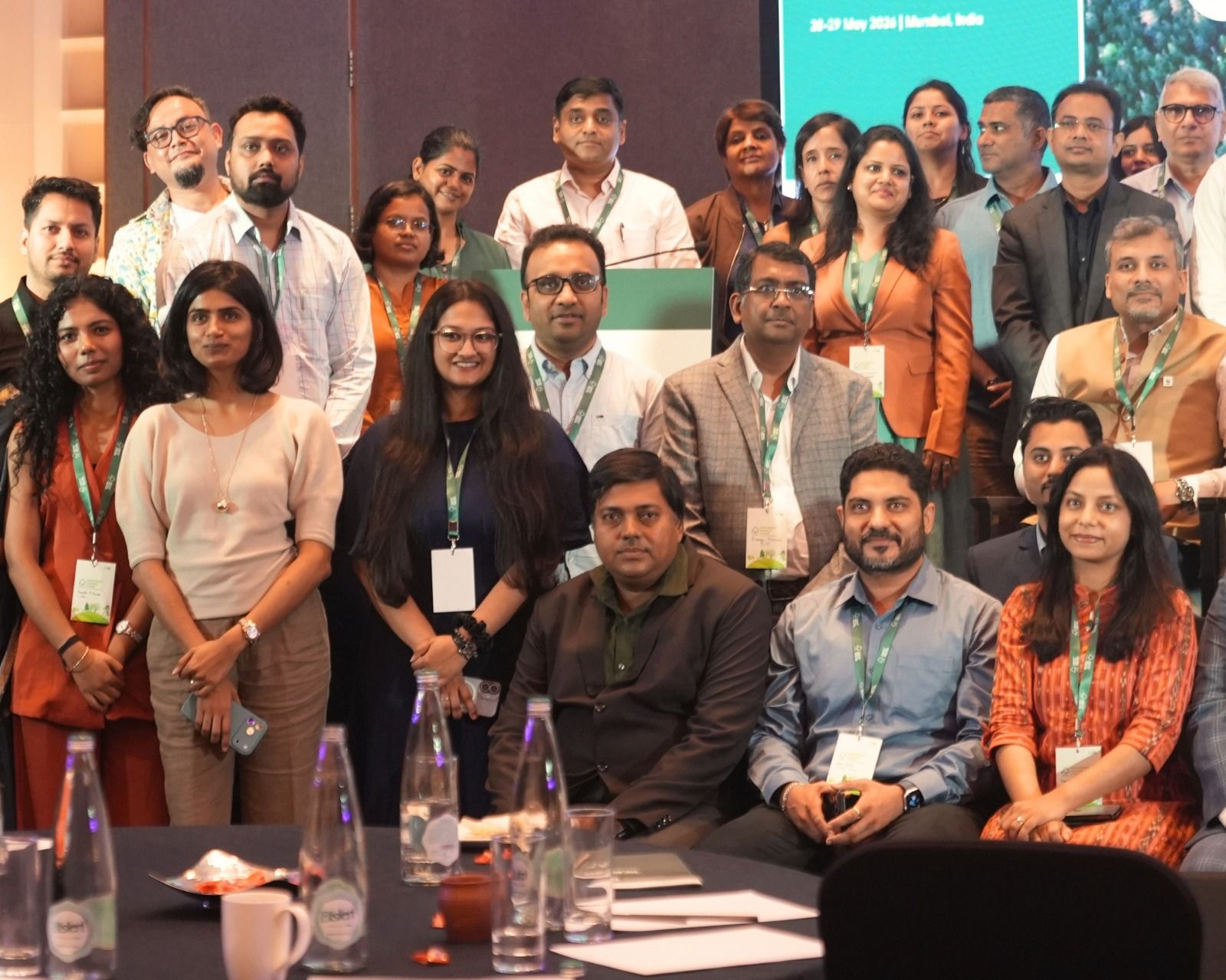
That was the question at the heart of the conversation when Neju George Abraham, CEO, Industree Foundation, joined the inaugural plenary on The Future of Responsible Forest-Based Value Chains at the FSC Responsible Business Forum 2026 in Mumbai.

As global sustainability regulations and responsible sourcing frameworks evolve, the conversation must move beyond traceability and compliance. The future of responsible sourcing lies in building value chains that are regenerative, commercially viable, and create meaningful economic opportunities for rural communities.
Sharing Industree Foundation’s experience through the DAY-NRLM Bamboo Subsector Initiative, Neju highlighted what becomes possible when women are placed at the centre of climate-resilient rural economies:
- 100,000 women farmers are going to plant 6 million bamboo saplings this season across 8 states, 44 districts, and 180 blocks
- India’s first FSC® certification for privately owned bamboo plantations, covering 6,671 women farmers across 1,112 hectares in Maharashtra and Karnataka
- Women-owned producer collectives through GreenKraft supplied to global markets across 50+ countries, including IKEA, H&M Home, Crate & Barrel, and West Elm
- At scale, this model has the potential to generate approximately USD 1.29 billion in annual income for 1 million women farmers
- An estimated 34 million tCO₂e can be sequestered annually, creating long-term climate and carbon market opportunities for rural communities
The message was clear: responsible sourcing cannot be limited to tracking products. It must also create value for the people and landscapes that make those products possible.

How can businesses, policymakers, certification systems, and investors work together to ensure that responsible sourcing delivers both environmental stewardship and inclusive economic growth?