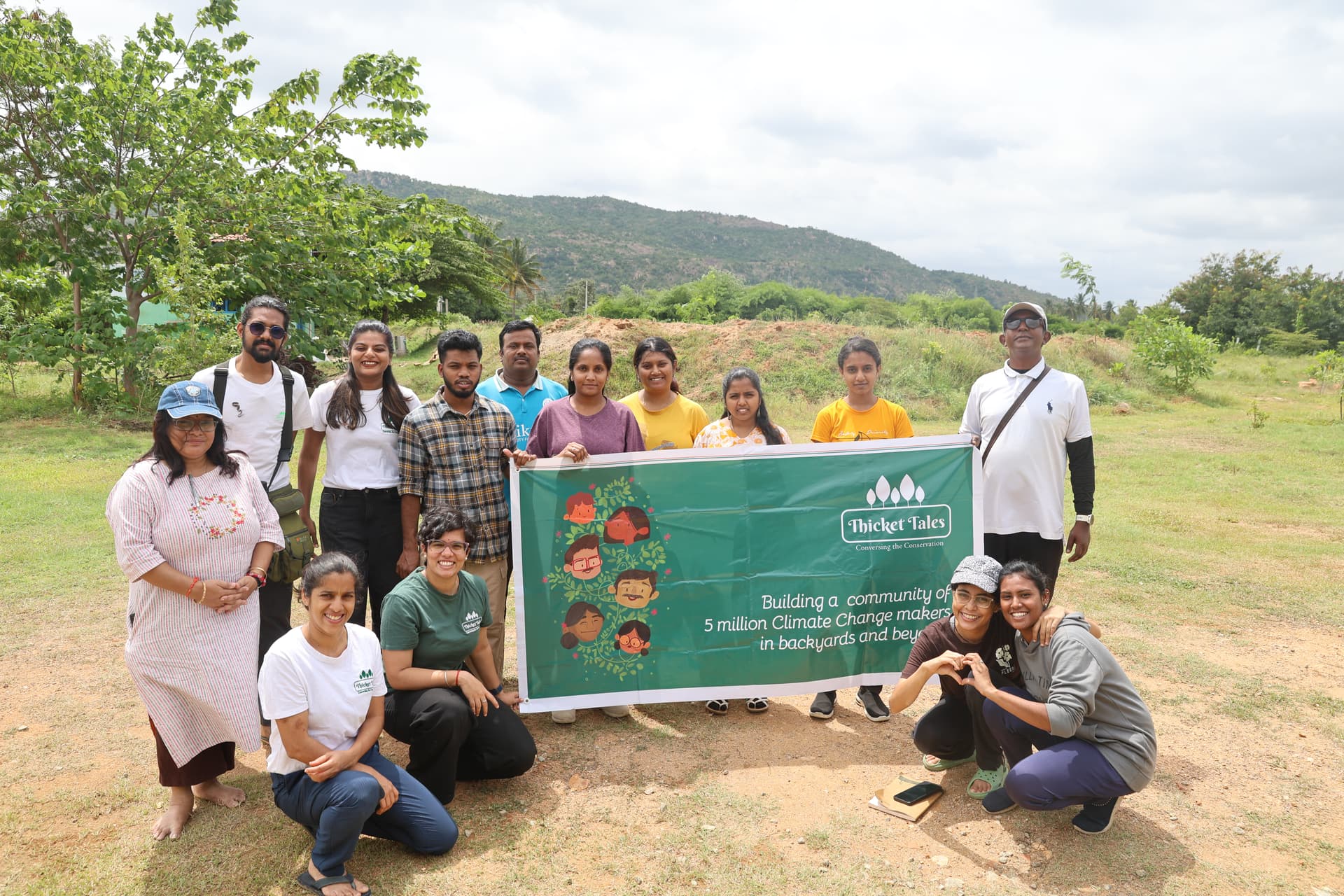
In May 2026, Thicket Tales ran its Cohort 1 of Educator Incubation Program — a five-day workshop in Bengaluru for teachers and after-school educators who want to bring Place- Based and climate learning into their classrooms. Ten schools participated, from government schools to private institutions, spread across the city.
This is an account of how those five days went.
Day One
2026-05-18T18:30:00Z

The first session started not with an agenda, but with a question: what do you hope this program creates?
The answers were varied. Kausar Ma’am, principal of Bloomingdale School, wanted more space for students to explore freely. A participant from Church Park School spoke about how they had worked with Thicket Tales the previous year and built a year-long plan from it and they wanted to keep that going. An ASV School representative noted that their students become more confident when they are outdoors, asking more questions and using equipment without hesitation. Nandini Ma’am from Brilliant Public School put it simply: “Mother Earth rather than Machine Earth.”
Later in the day, educators reflected on why they chose teaching in the first place. Several said they wanted to give students opportunities they themselves never had. Others talked about the challenge of answering students who ask, “Why do we have to learn this?” — a question that comes up often and doesn’t have an easy answer.
The day ended with a session by Dr. Subarna Sivapalan on Education for Sustainable Development (ESD), an international framework that looks at how education can help people understand and respond to climate and environmental challenges. She also introduced the UN’s Sustainable Development Goals (SDGs), a set of 17 global goals that countries are working towards by 2030. The session looked at how teachers can bring these into their classrooms, not as separate subjects, but as part of how students think, how they feel about the world, and what they choose to do.
Day Two
2026-05-19T18:30:00Z
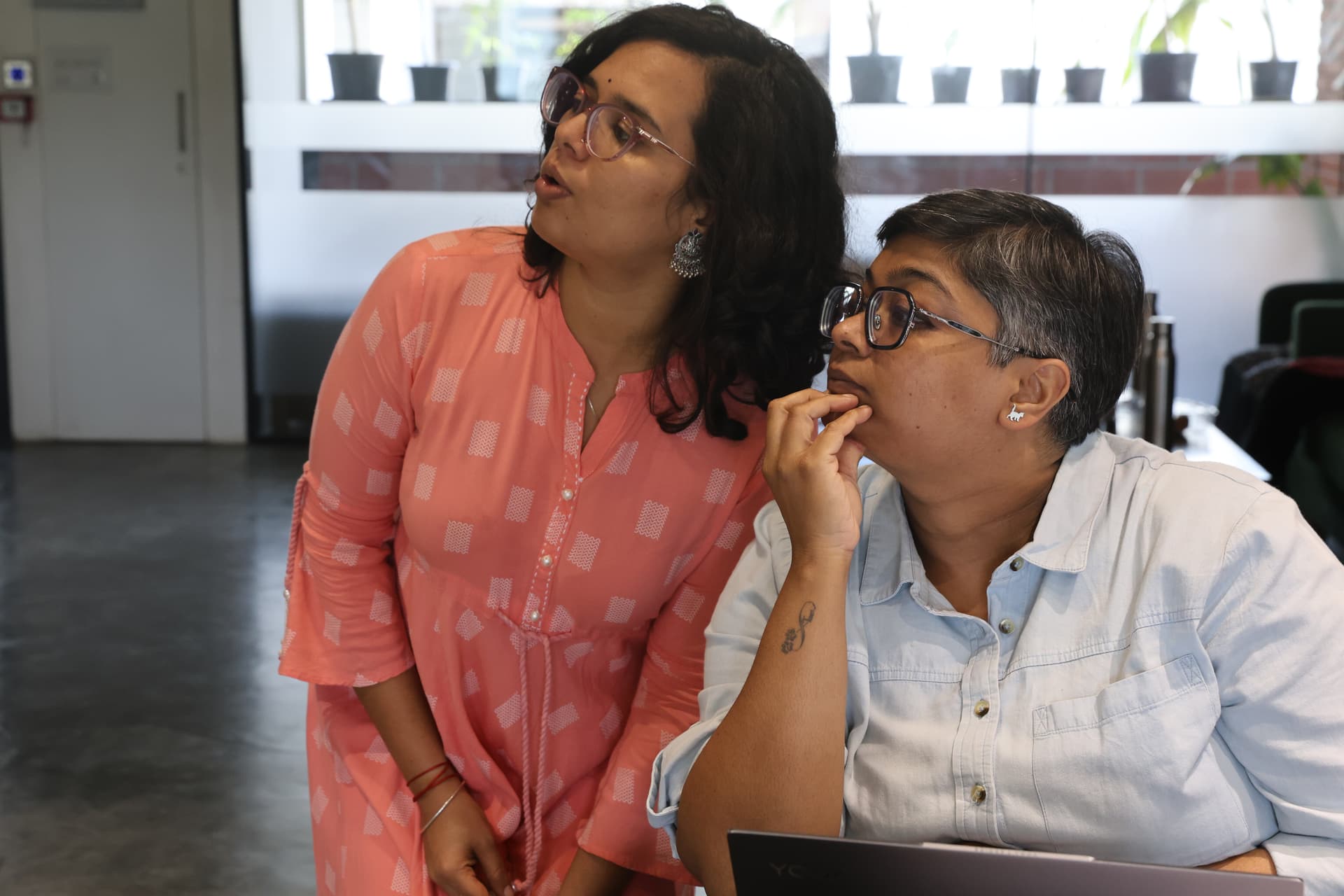
Day two focused on action research, the idea that teachers can be observers and investigators in their own classrooms, not just deliverers of content.
Dr. Sivapalan walked participants through different ways to collect evidence from their own teaching: surveys, interviews, observation, and reflection. By the afternoon, participants moved into group brainstorming. As a partner of Bengaluru’s Climate Action Club by GBA, all place-based projects in the program are linked to Bengaluru’s climate action plan built around four themes: water, waste, energy, and greening. Working within these themes, educators started developing project ideas they could actually try in their schools. Solutions from these projects will eventually be uploaded to the GBA portal. It was the first time in the program that educators were thinking as designers, not just as learners.
Day Three
2026-05-20T18:30:00Z
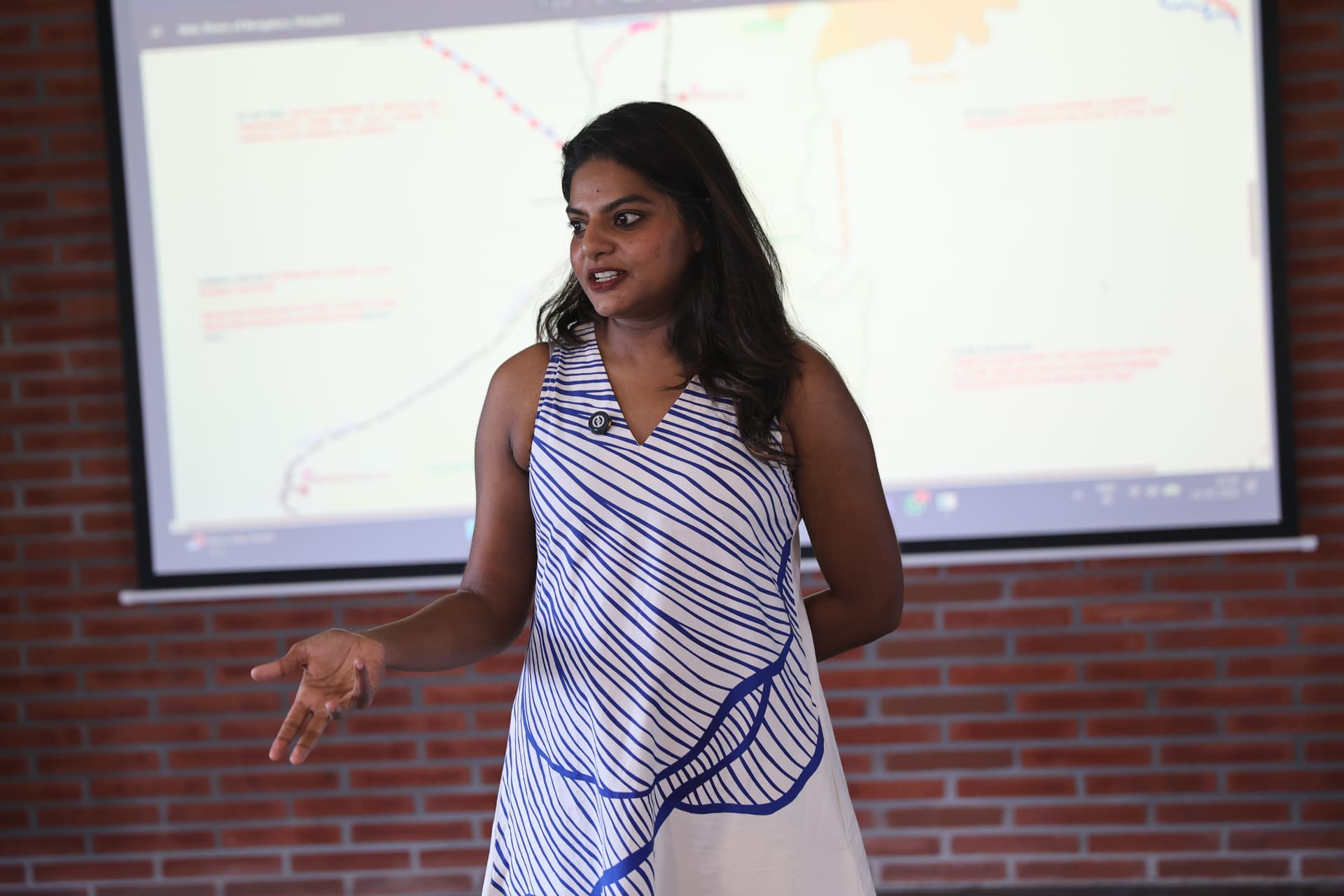
This day was about place-based learning, headed by Thicket Tales founder Saidevi Sanjeeviraja. The idea was that the neighbourhood, the market, the local river, the community’s stories are already a curriculum. You don’t always need to go somewhere else.
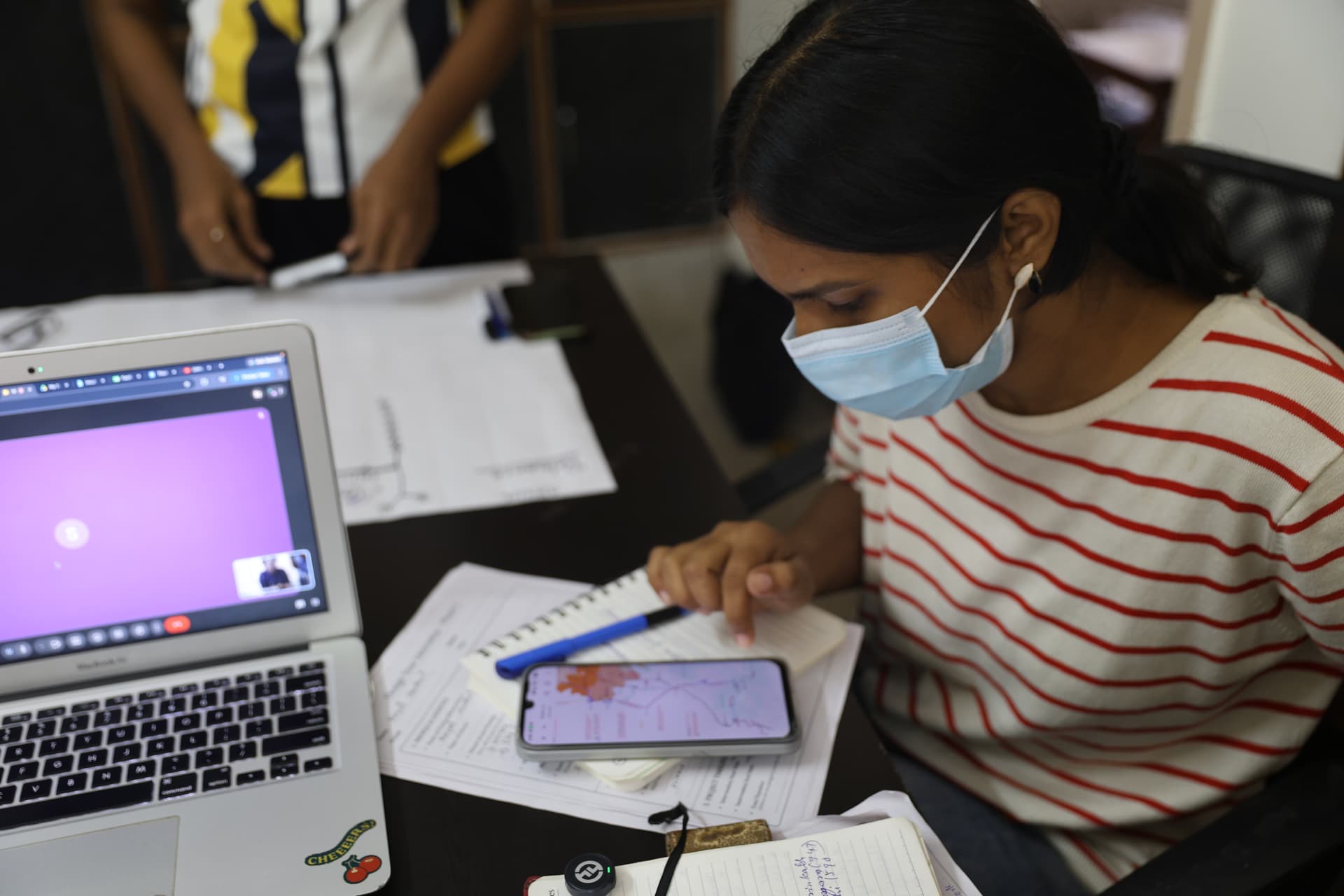
The session introduced a simple framework: start with conversation and stories, connect to resources and context, build understanding, apply it, and reflect. Educators explored tools like Google Maps to trace rivers in their area, and used videos and other media to build local context into lessons.
In the second half, the group worked through 15 learning episodes designed by the Thicket Tales team, short, focused encounters built around local ecology and community life. Each group discussed the episodes, asked questions, and talked through different ways to use them with students.
Day Four
2026-05-21T18:30:00Z

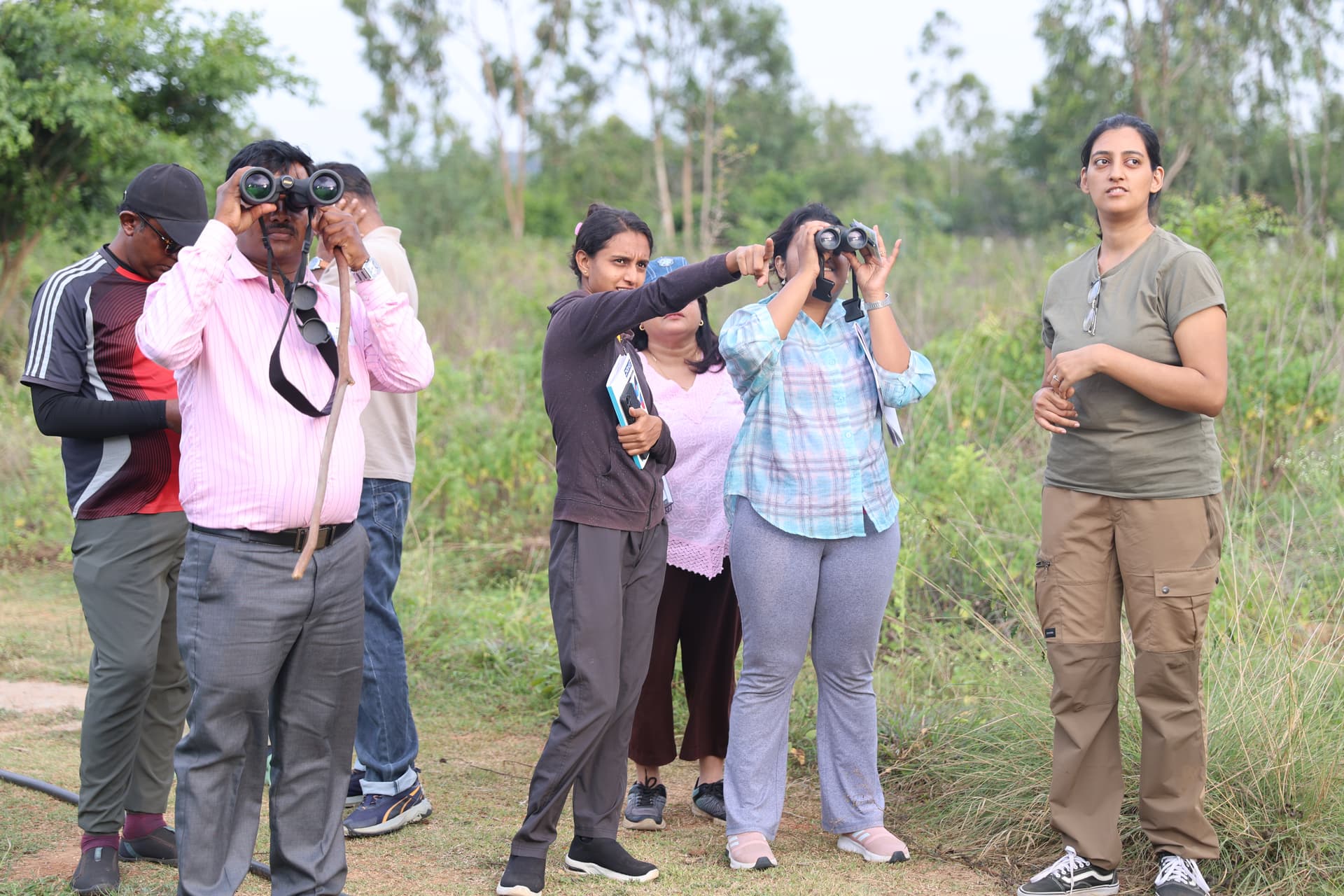
The session was headed by Vena Kapoor, founder of Nature Classroom. The day began at Cubbon Park as Vena hosted a Nature walk. Educators did nature bingo, an activity that required detailed observation. They then moved into citizen science data collection, observing and recording trees, using equipment to explore insect diversity and microhabitat variation. For many, it was the first time they had handled such tools. By the end of the walk, something had shifted. Teachers were seeing firsthand how much richer learning becomes when it happens in a real place with real trees, real insects, and real questions that students actually want to answer.
Back indoors, the conversation turned to childhood. Participants shared their own early memories of being in nature — and then talked about how different their students’ experience is today. This led into a discussion on Shifting Baseline Syndrome: the idea that each generation grows up thinking the natural world they inherited is the normal one, without knowing what existed before. Children today may never know what they have already lost.
It was a quiet but important moment in the five days.
Day Five
2026-05-22T18:30:00Z
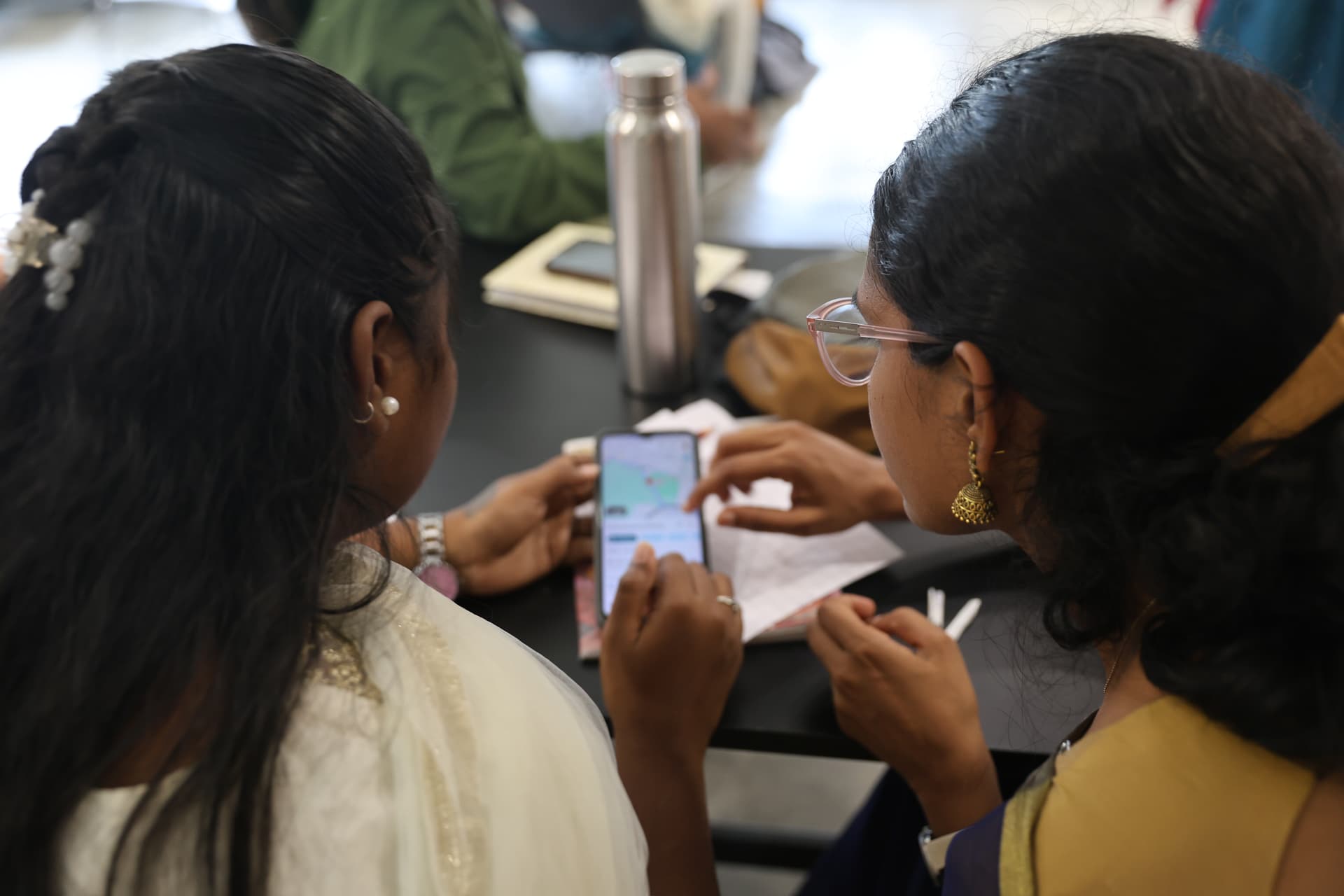
The final day brought everything together through practice.
The Thicket Tales team walked educators through the LAN (Learn Around Nature) program — how data is collected, how sessions are structured, and how the whole thing is meant to work in a school setting. Participants then did a demo run themselves.
Each group picked one episode and taught it to the rest of the cohort, who played the role of students. Feedback was given on five things: how content was delivered, the quality of activities, how well students were engaged, overall facilitation, and whether the questioning went deep enough not just “what did you see?” but “why does that matter?” and “what do you want to find out next?”
The program ended with educators sharing their reflections on the five days. Several spoke about shifts in how they were thinking, about what a classroom could look like, what counts as a learning space, and how students relate to the world around them.
The Educator Incubation Program is a long-term effort. These five days are the beginning of an ongoing relationship between Thicket Tales and a cohort of educators who are trying, from within their own schools, to change how children connect with nature. The work continues from here.

The Educator Incubation Program is a flagship initiative of Thicket Tales, supported by Rainmatter Foundation in collaboration with University of Nottingham, Malaysia. For more on their work, visit Thicket Tales.