Gram Samriddhi Baithak
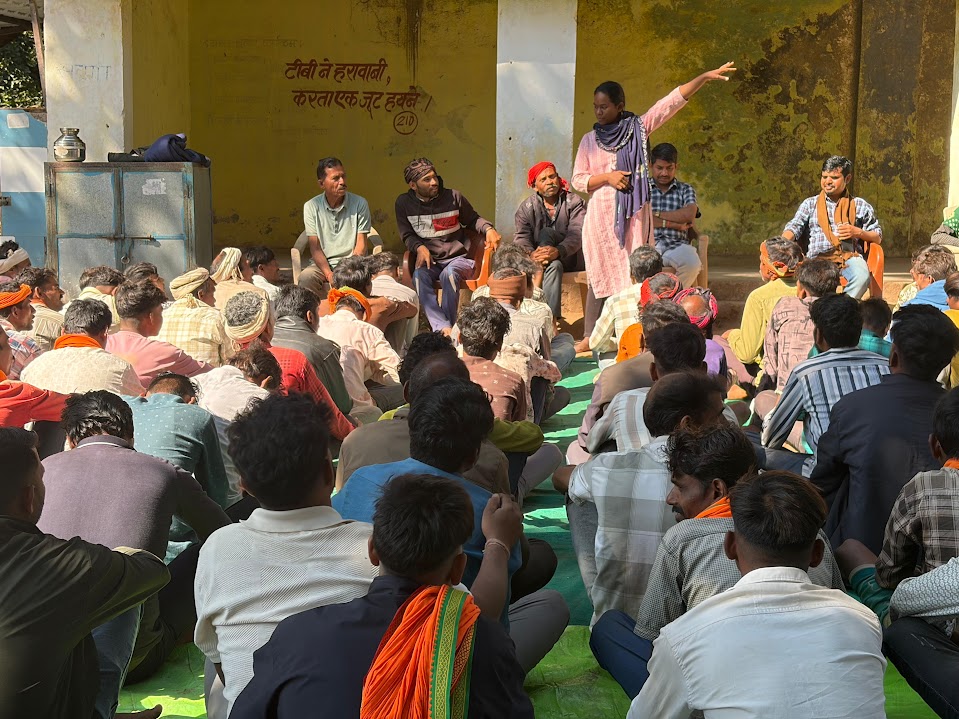
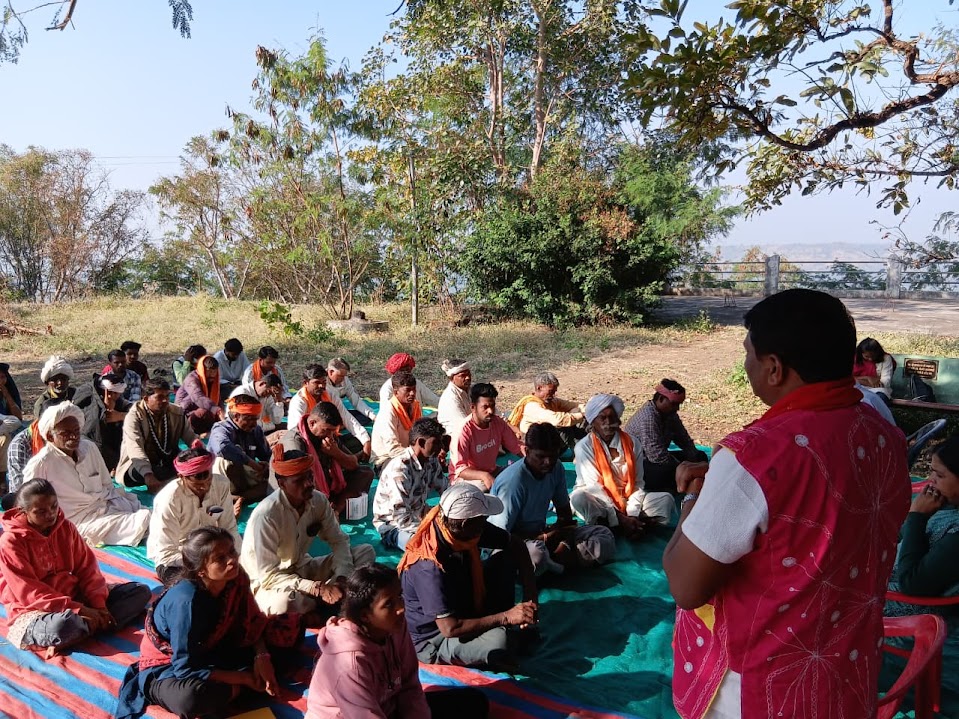
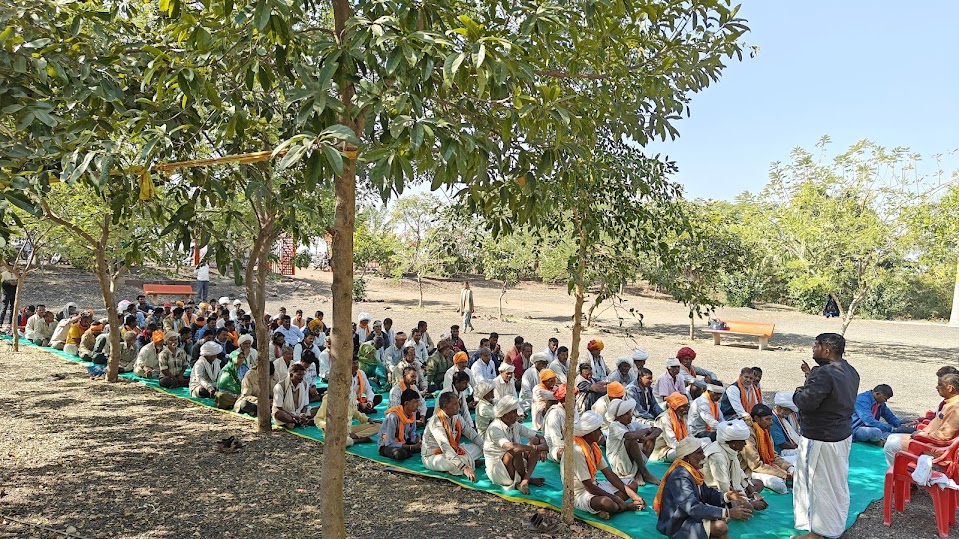
Gram Samriddhi Baithak reflects Shivganga’s core belief that development does not flow from offices to villages, but from villages to institutions. These monthly forums place decision-making, leadership, and ownership directly in the hands of the community, enabling villages to identify their own priorities and act on them collectively.
What may appear as a simple village meeting is, in reality, a powerful process of self-governance. Communities - often perceived as the most underdeveloped units - come together every month to review what is working, what is not, what needs to be done, and what skills must be learned. Decisions taken during these baithaks are not left at discussion; they are actively implemented through collective action.
In December 2025, a total of 347 community members from 8 villages across Jhabua and Alirajpur districts participated in Gram Samriddhi Baithaks. The discussions and planning focused on Matavan revival, Community Forest Rights and the PESA Act, organic farming, and planning for the upcoming month.
Despite varying themes, the objective remained constant: Gram Samriddhi - village prosperity.

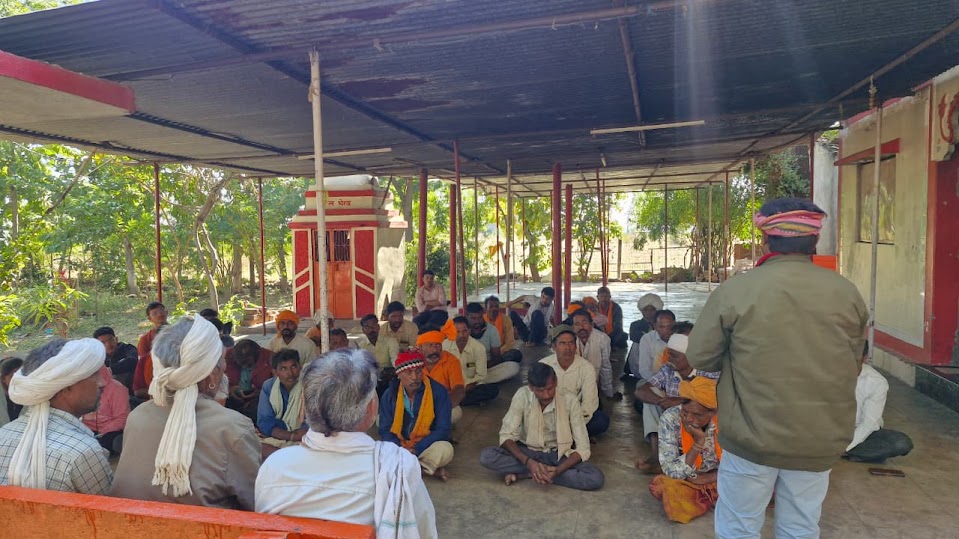
Vikas Kendra Baithak
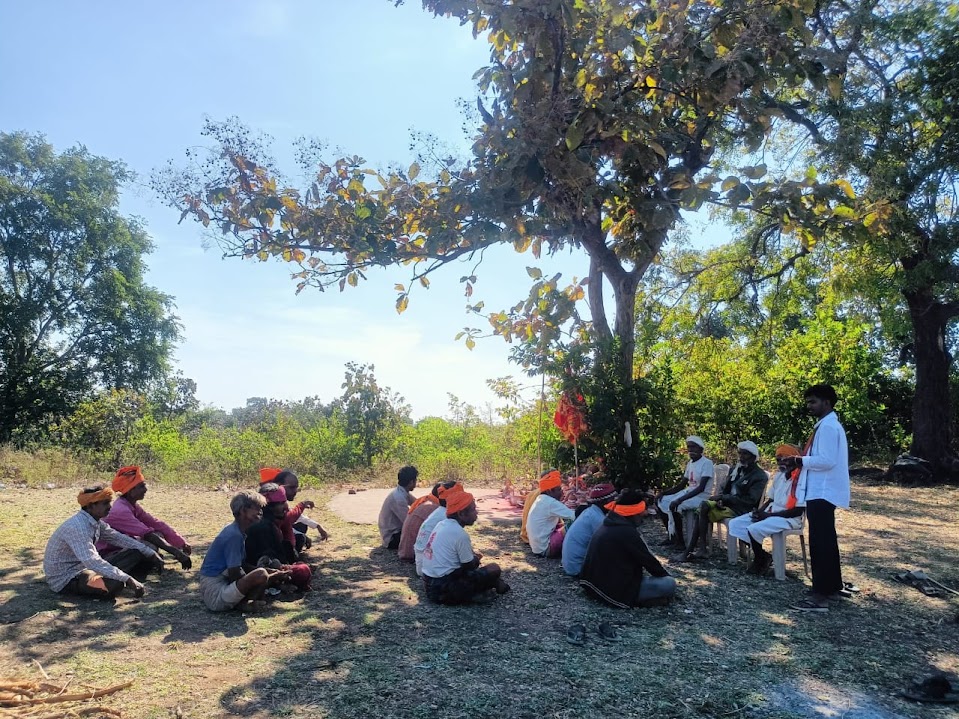
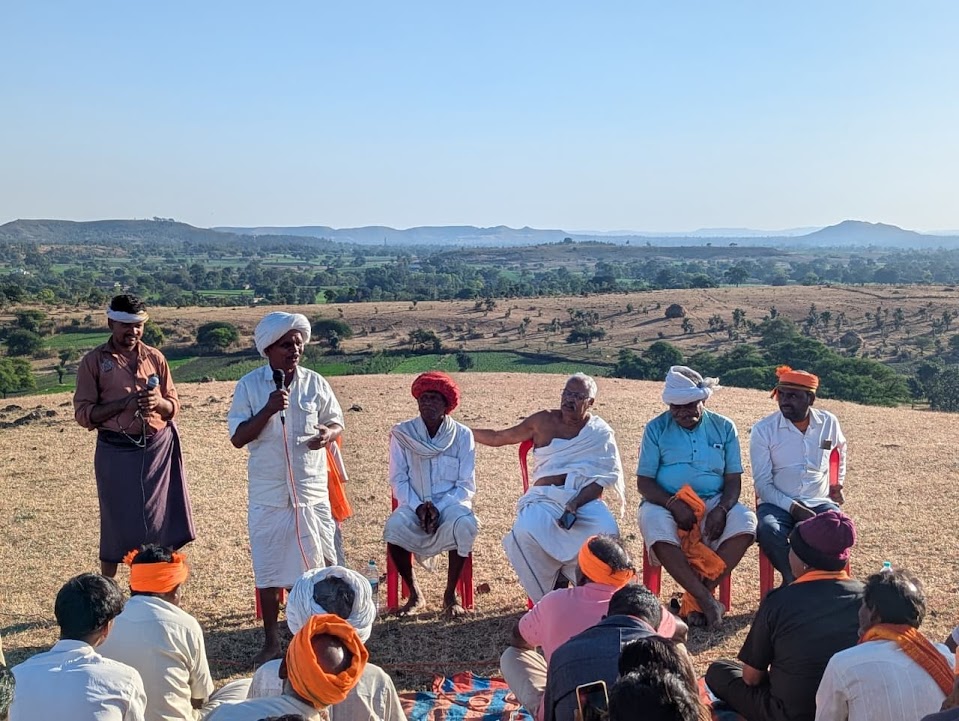
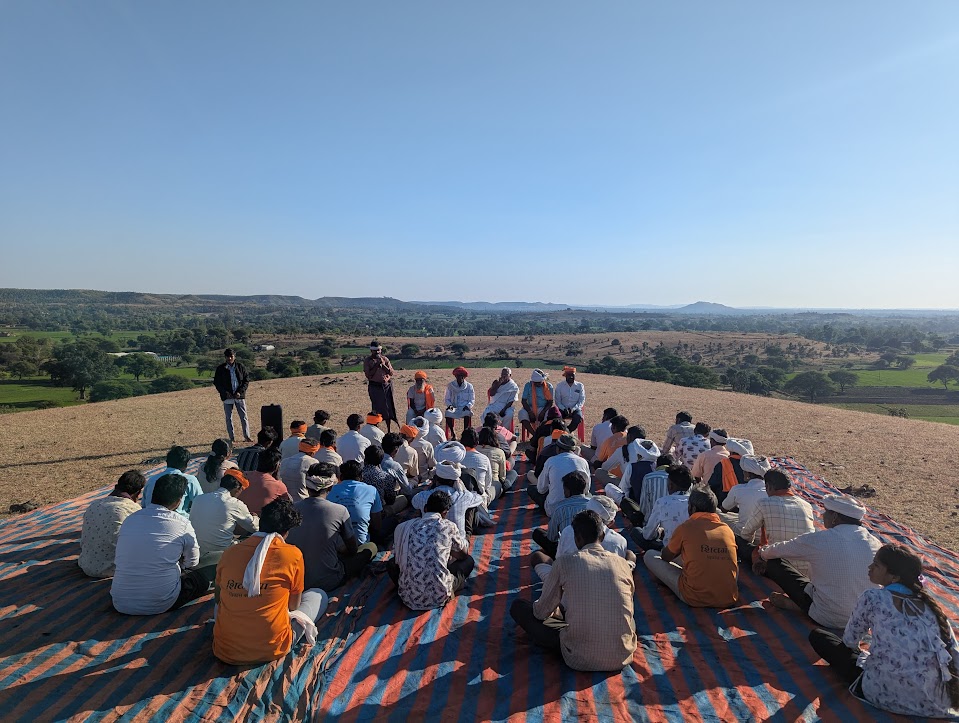
Just as each village has its own collective, Shivganga has a coordination structure at the next level - the Vikas Kendra (Development Block). A Vikas Kendra is a cluster of 25–30 villages, represented by a team drawn from these villages. This team meets every month to review village-level developments, carry forward decisions raised by villages, and share new information, programmes, or events across the cluster. Members act as a two-way bridge - taking village concerns to the institution and carrying decisions and information back to their respective villages.
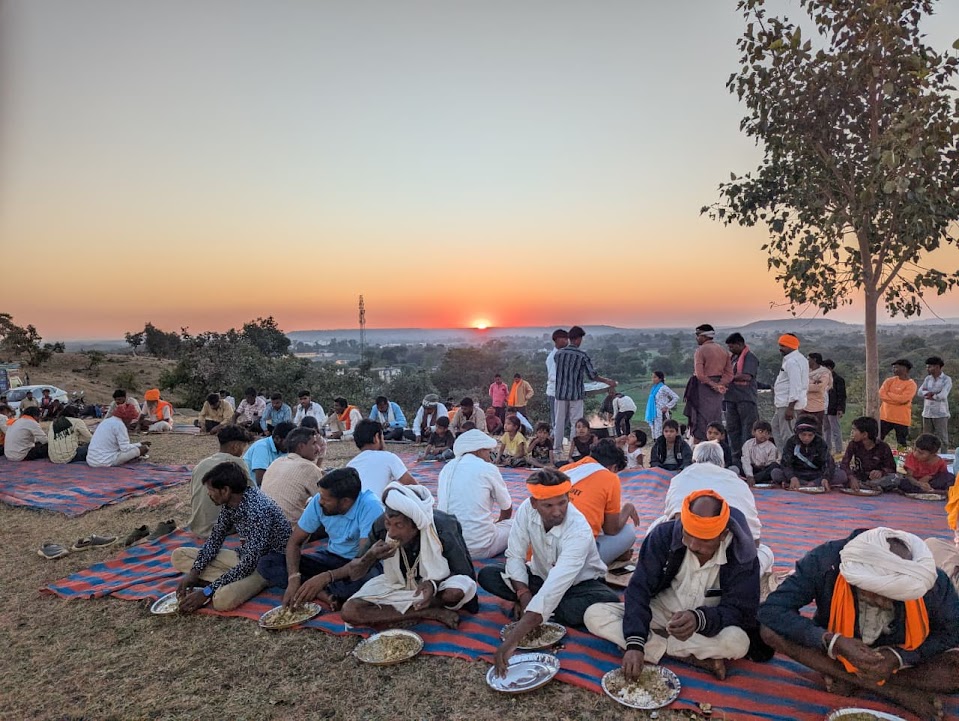
In December 2025, 336 participants from 94 villages took part in 7 Vikas Kendra Baithaks. The key subjects and objectives of the meetings included:
- Commemoration of Birsa Munda’s Birth Anniversary
- Sharing experiences from the Mangarh Dharmveer Yatra
- Planning village-level activities for the upcoming month
- Preparation and mobilisation for the January Youth Empowerment Camp
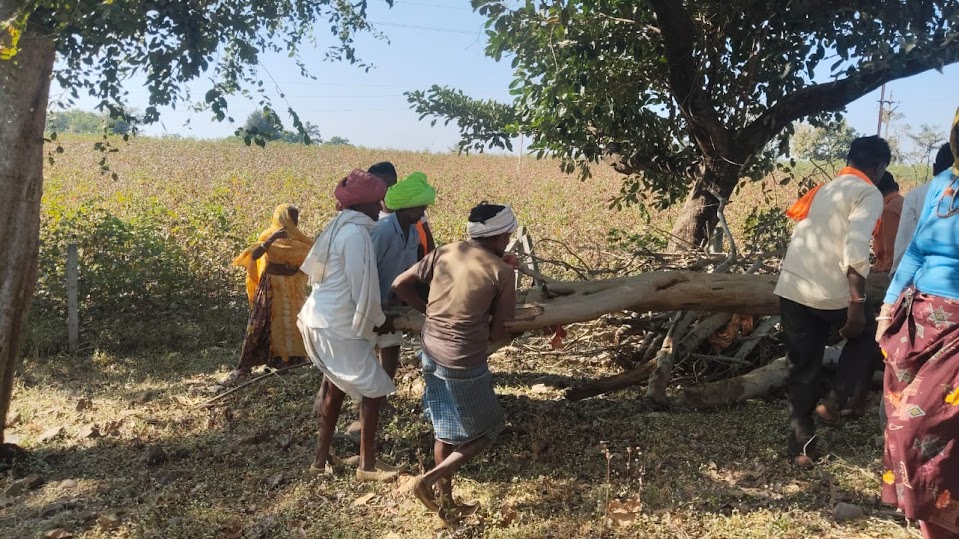
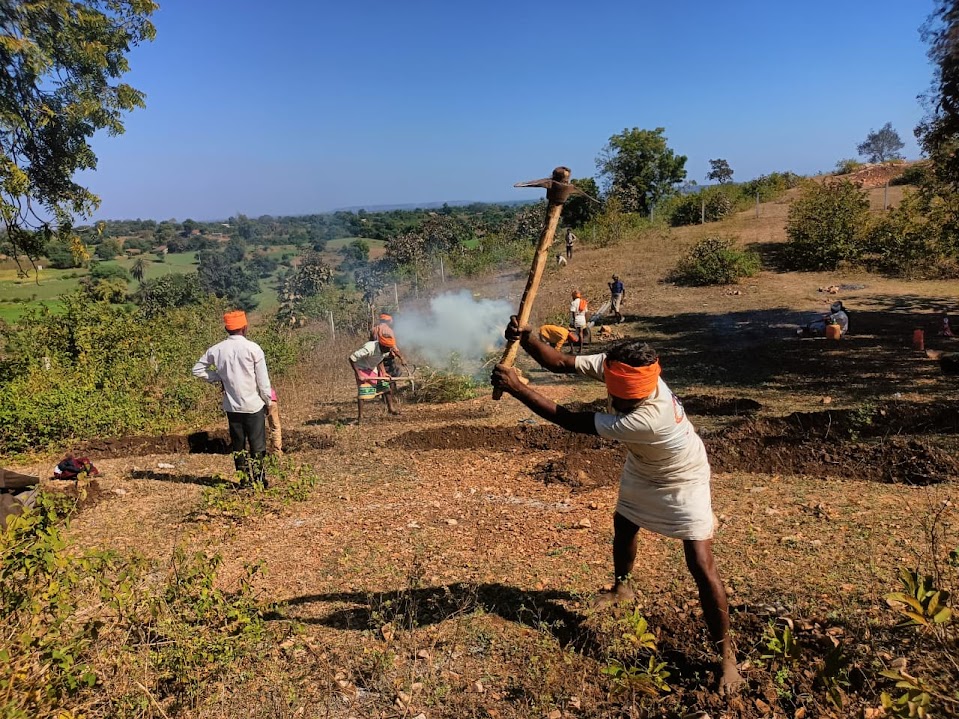
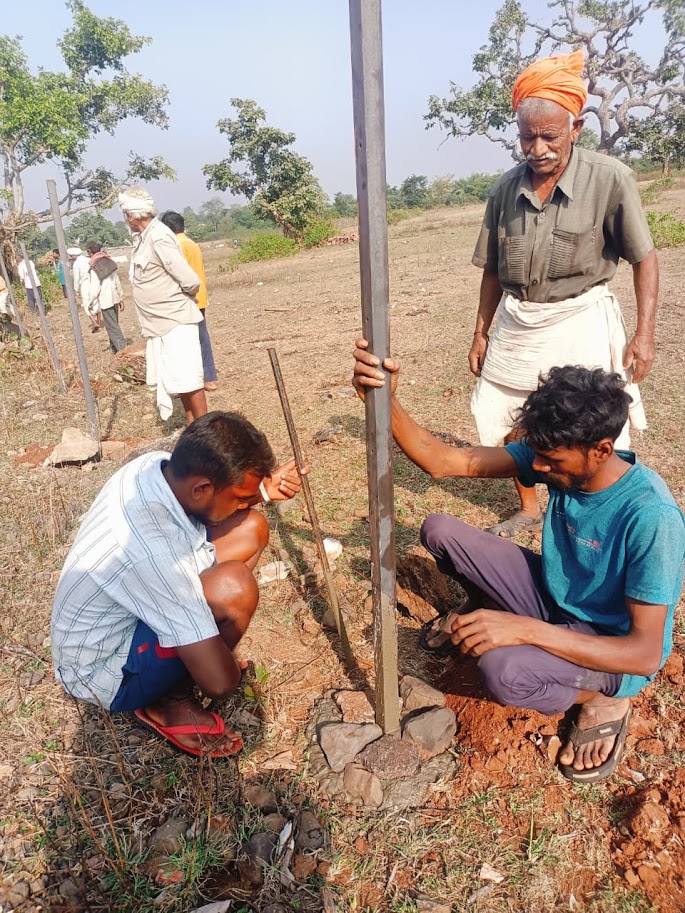
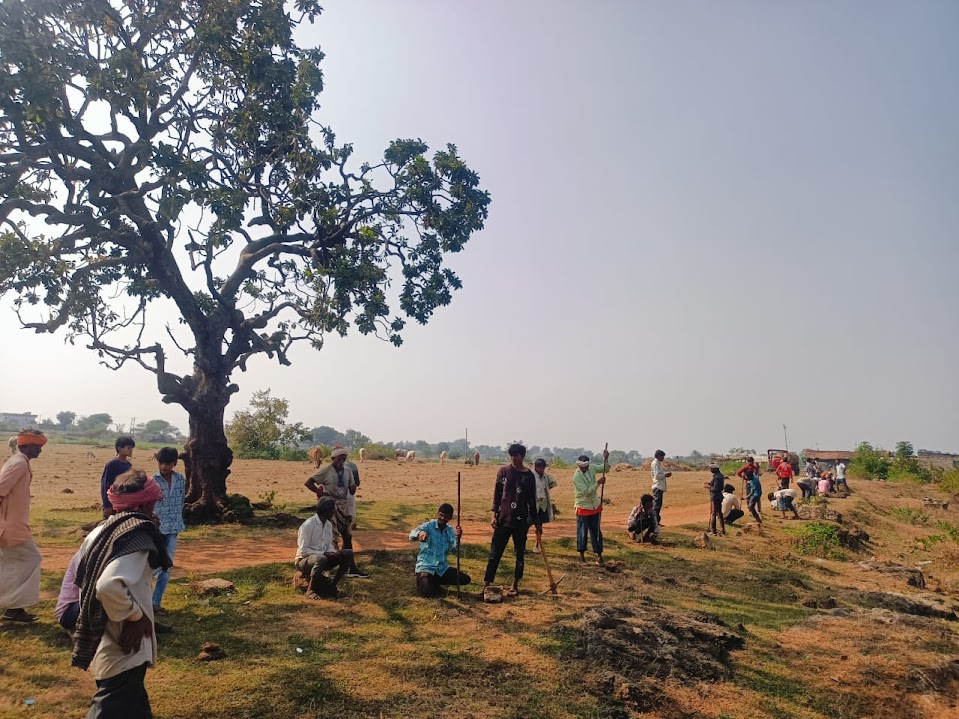
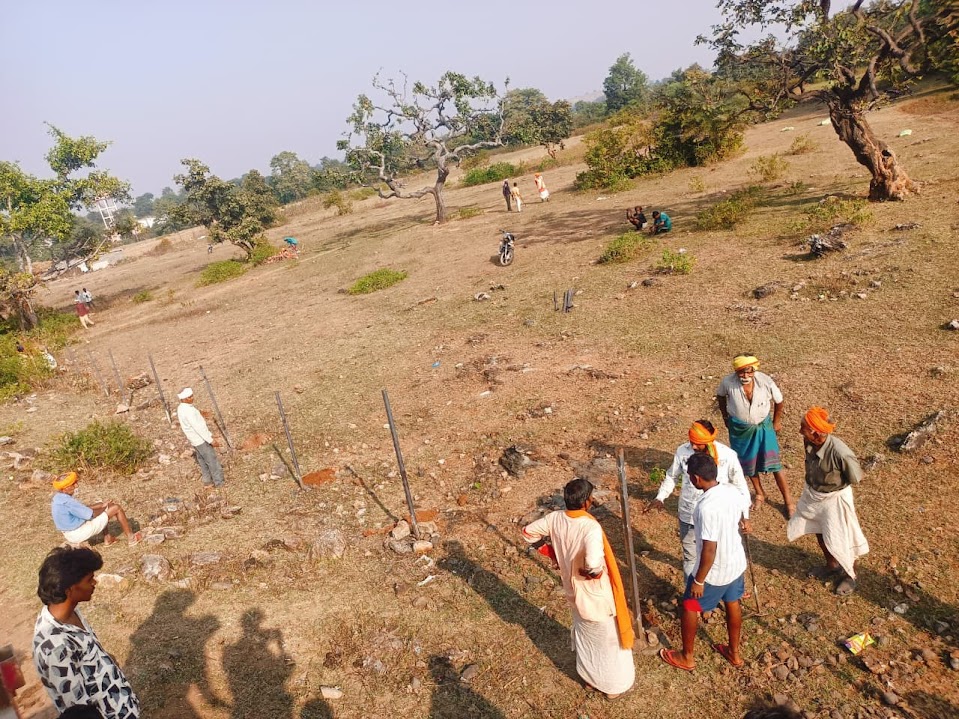
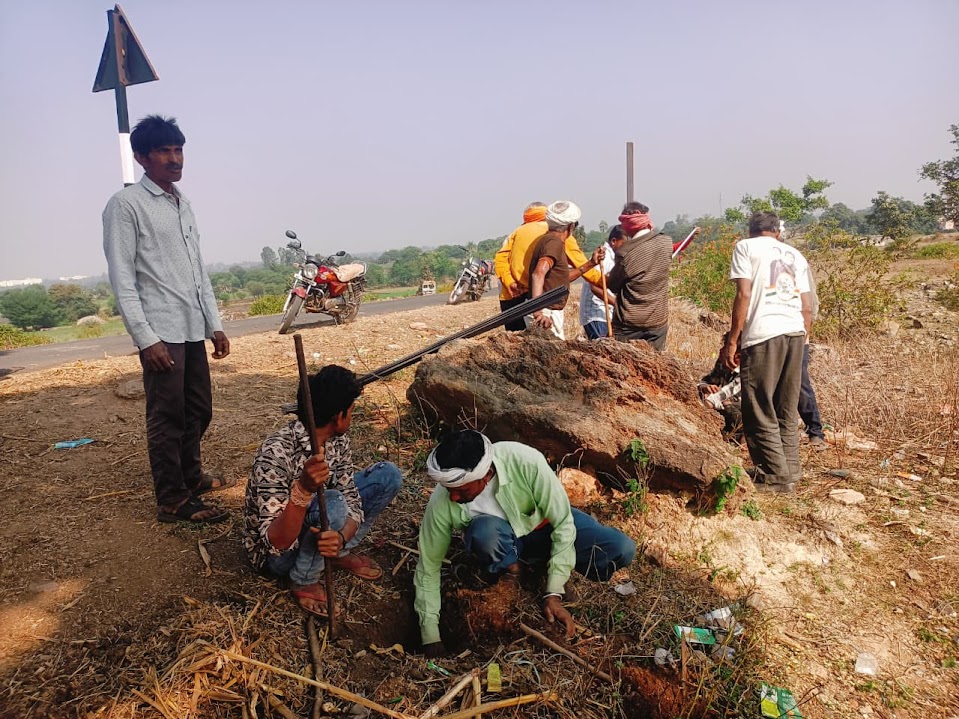
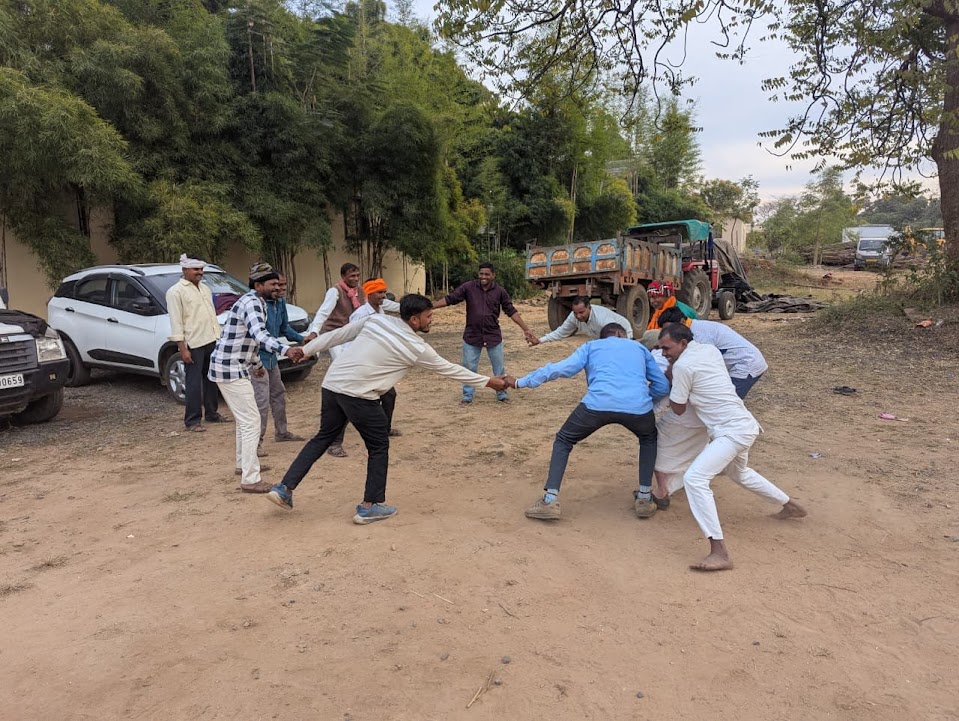
In Vikas Kendra Azadnagar, participants also undertook Halma for the Matavan of Kheriyamaali village, collectively digging pits to erect fencing poles - translating planning directly into community action.
Gram Mahila Baithak
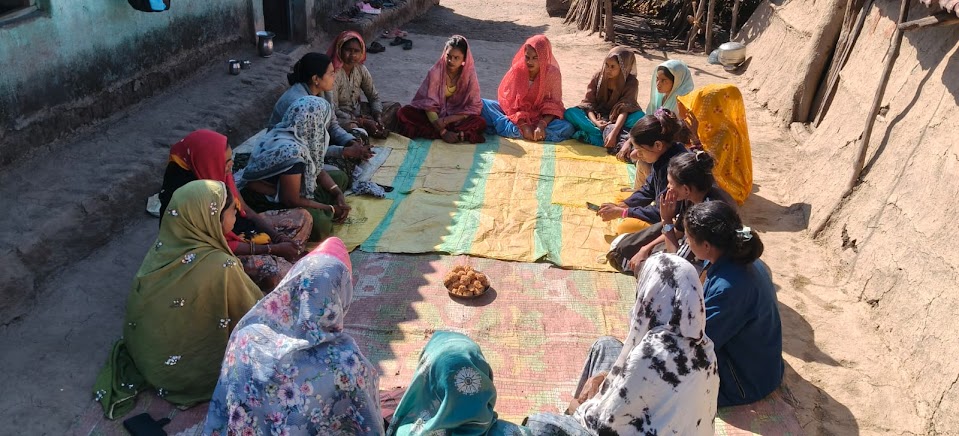
Shivganga’s healthcare initiatives are primarily led by women from within the community, with a strong emphasis on expanding women’s participation and leadership. In line with this approach, Shivganga volunteers Shanti Baberiya and Meena Doyale facilitated a Gram Mahila Baithak in Rasodi village, attended by 17 women.
The baithak focused on community healthcare needs and planning for the upcoming Women Empowerment Camp, reinforcing women’s collective leadership in local health awareness and action.


Toli Baithak
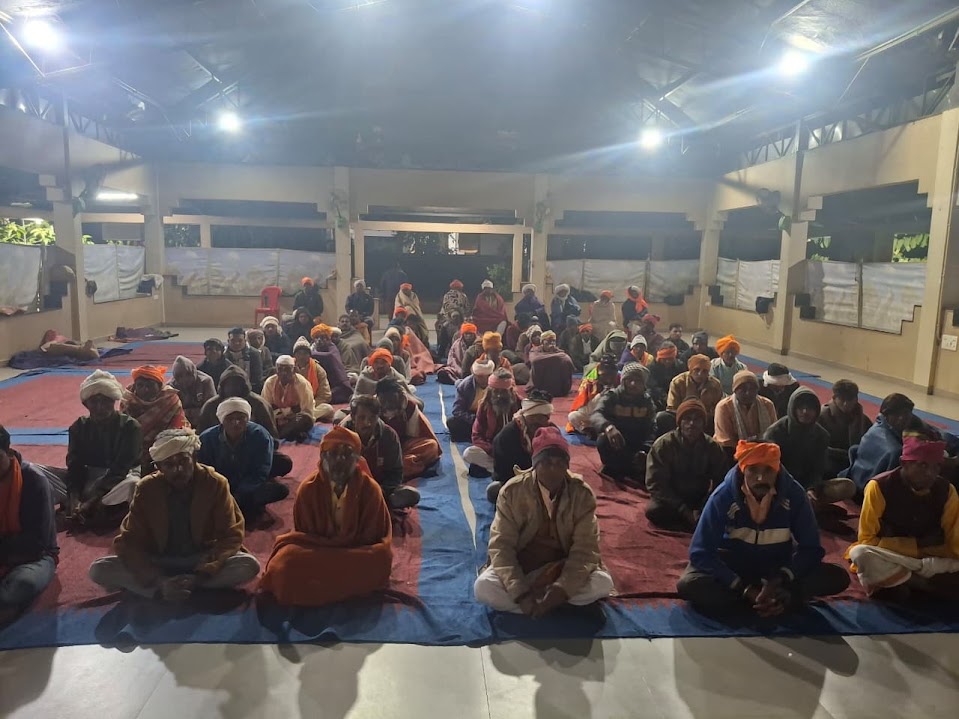
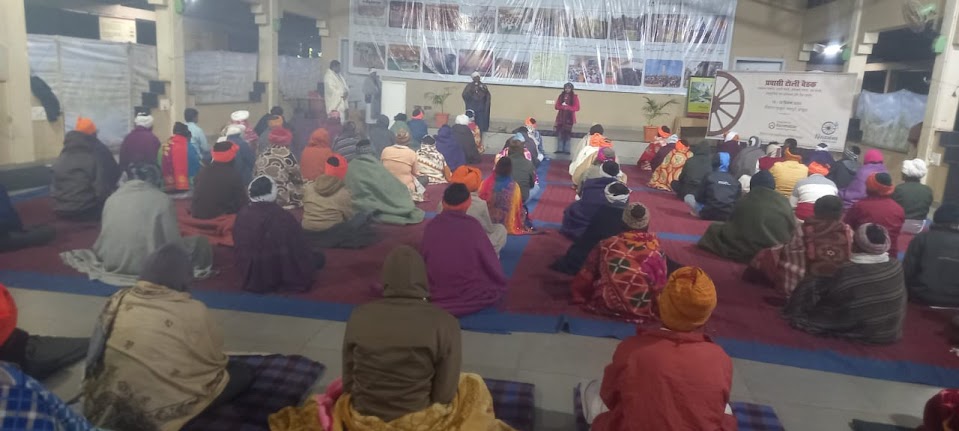
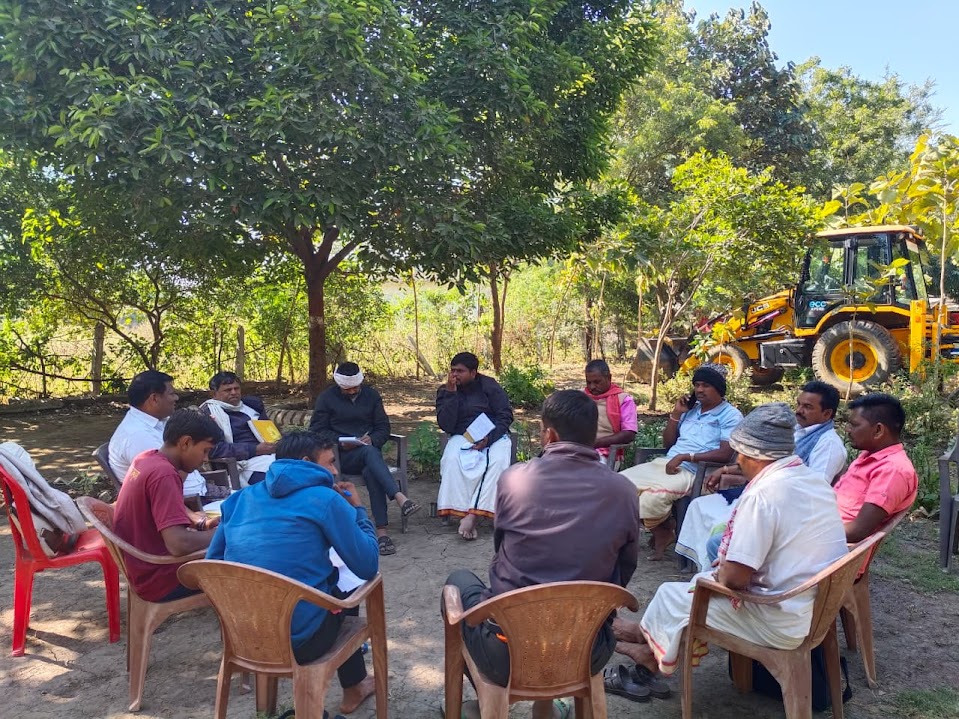
Alongside village and cluster-level structures, Shivganga also has initiative-specific teams that work across villages in the Jhabua and Alirajpur districts. These teams, known as Tolis, focus on particular thematic initiatives and meet as required for coordination, planning, and implementation. This platform is called the Toli Baithak.
From 12–13 December 2025, a Toli Baithak was held at Shivganga Gurukul, Dharampuri, with 45 members from 25 villages, representing the Tadvi–Patel Sampark (traditional leadership revival and empowerment), Matavan, and Sant Sampark initiatives.
Key outcomes of the meetings included:
- The Matavan Toli planned the start of regular activities in revived Matavans and initiated planning for Matavan revival in new villages.
- The Tadvi–Patel Sampark Toli planned outreach to Tadvi and Patel leaders across villages and decided to organise a community get-together in the following month.
- The Sant Sampark Toli, recognising the importance of spiritual grounding in community life, planned to reach out to saints across villages and organise a baithak of saints to deliberate on holistic village development.
In addition, the Karyakarta Toli, comprising full-time volunteers responsible for planning large-scale programmes and camps, held a separate baithak on 14 December 2025 at Shivganga Hunar Vikas Kendra. 15 members participated in the meeting to discuss and plan the upcoming Youth Empowerment Camp.

Karmchari Sampark
Karmchari Sampark is an initiative of Shivganga that seeks to reconnect members of the tribal community who are working in government services, education, business, healthcare, and other professional sectors with the collective development of their own society. While these individuals have achieved positions of relative stability and influence, the initiative reminds them that their knowledge, networks, and capacities can play an important role in strengthening the progress of their community.
Through this platform, professionals are encouraged not only to stay connected with grassroots realities but also to actively contribute their time, skills, and guidance to ongoing community-led initiatives. In this way, Karmchari Sampark creates a bridge between institutional spaces and the lived experiences of villages, ensuring that the community’s progress benefits from both grassroots wisdom and professional expertise.
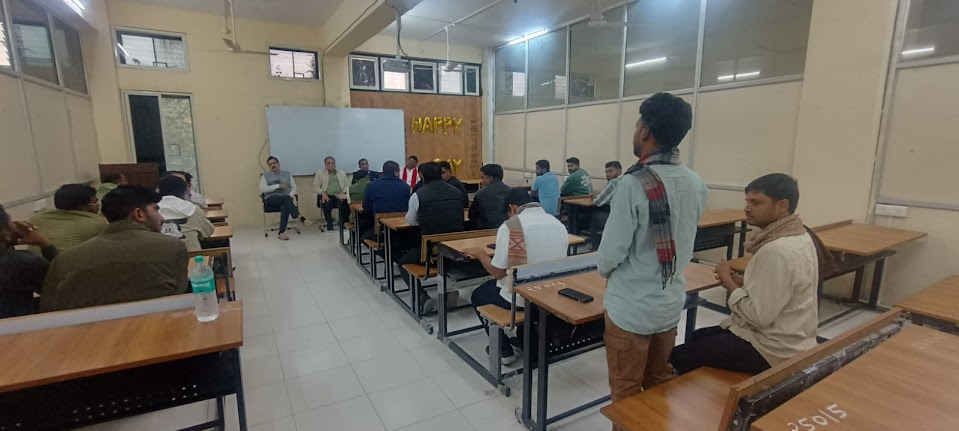
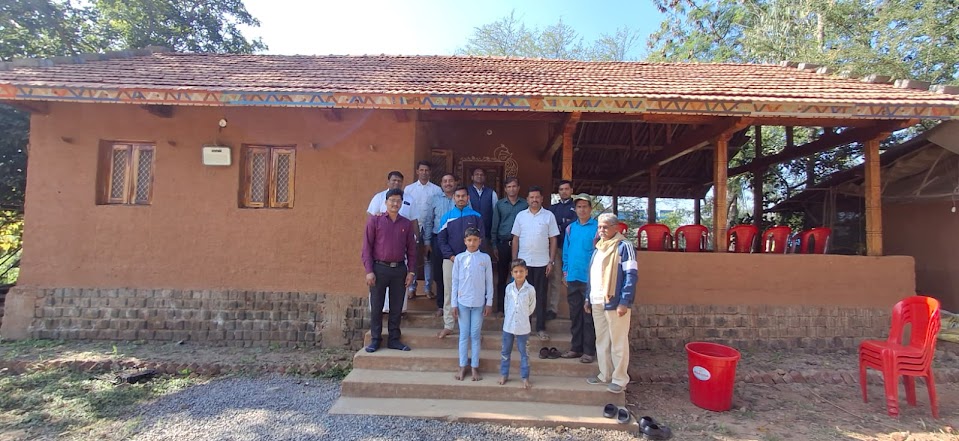
In December 2025, the Karmchari Sampark Toli organized two meetings to strengthen this network of professionals. The first meeting was held on 2 December 2025 at the Department of Tribal Studies, DAVV, Indore (M.P.), where 25 members of the Toli participated. The second meeting took place on 7 December 2025 at Shivganga Gurukul, Dharampuri, Jhabua, with 12 members in attendance.
During these meetings, Shivganga volunteer Shree Rajaram Ji Katara presented the work plan to the team and led a detailed discussion on expanding the Karmchari Sampark network by reaching out to more professionals working in Indore. The discussions emphasized strengthening engagement, encouraging participation in community initiatives, and ensuring that those who have progressed in various professional fields remain connected to the collective journey of their society.
Though the meetings took place in different locations, their shared purpose remained the same: strengthening the sense of responsibility and participation among community professionals so that their progress also becomes a force for the upliftment of the entire community.

Community Forest Rights Baithaks
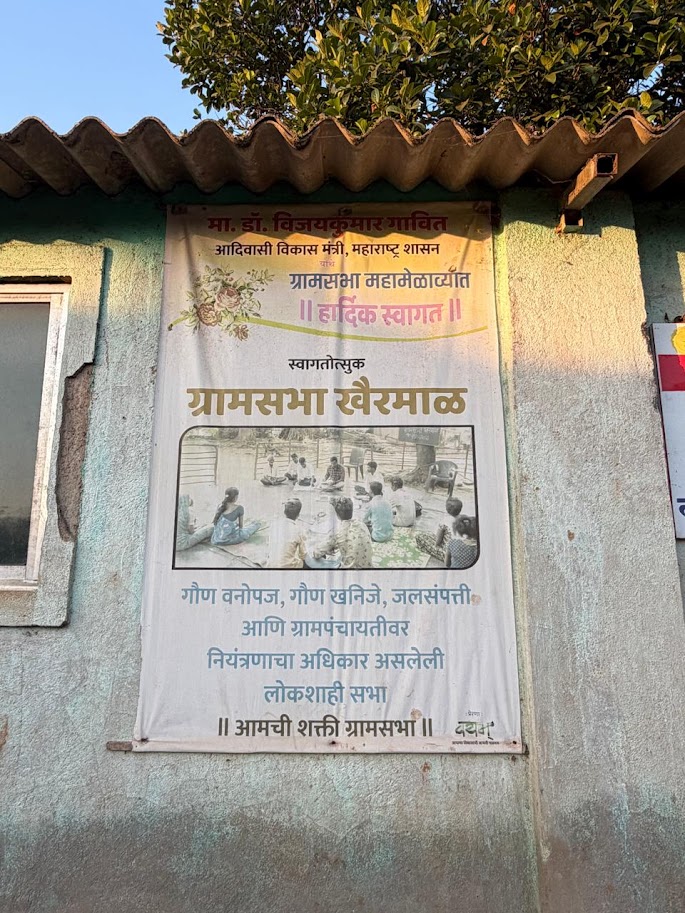
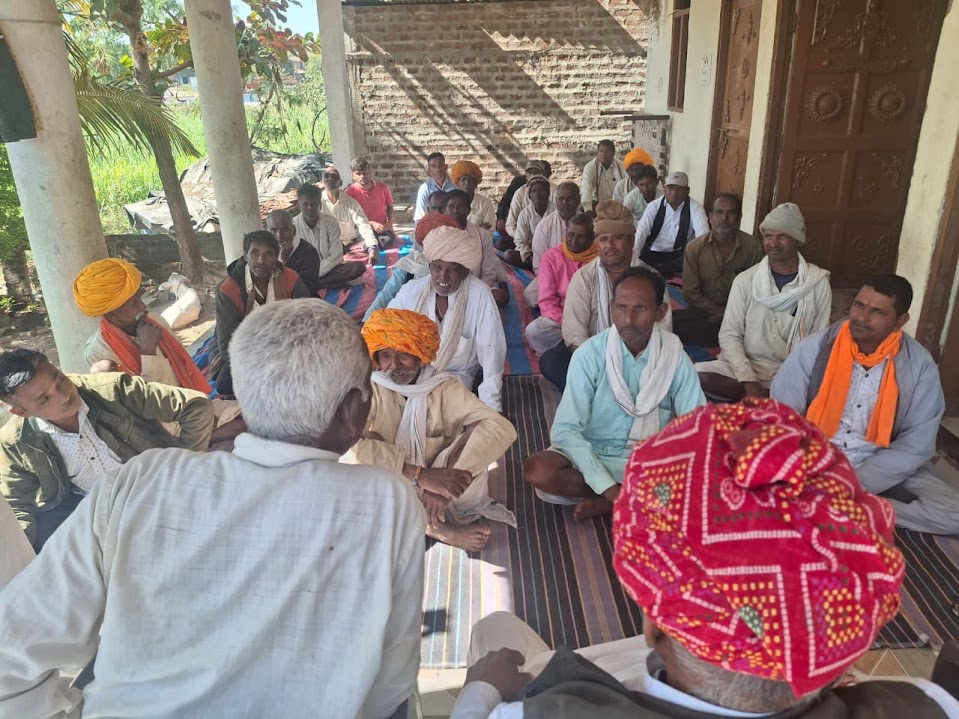
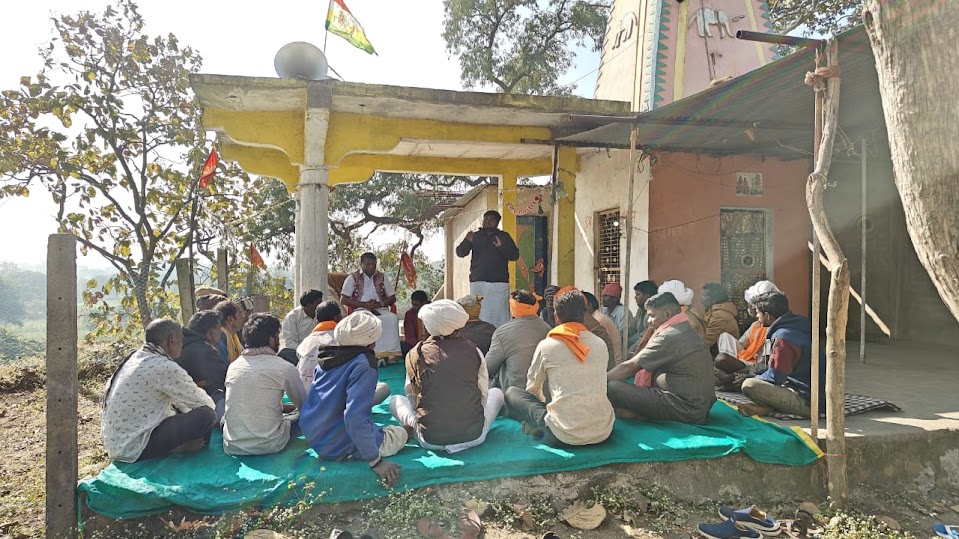
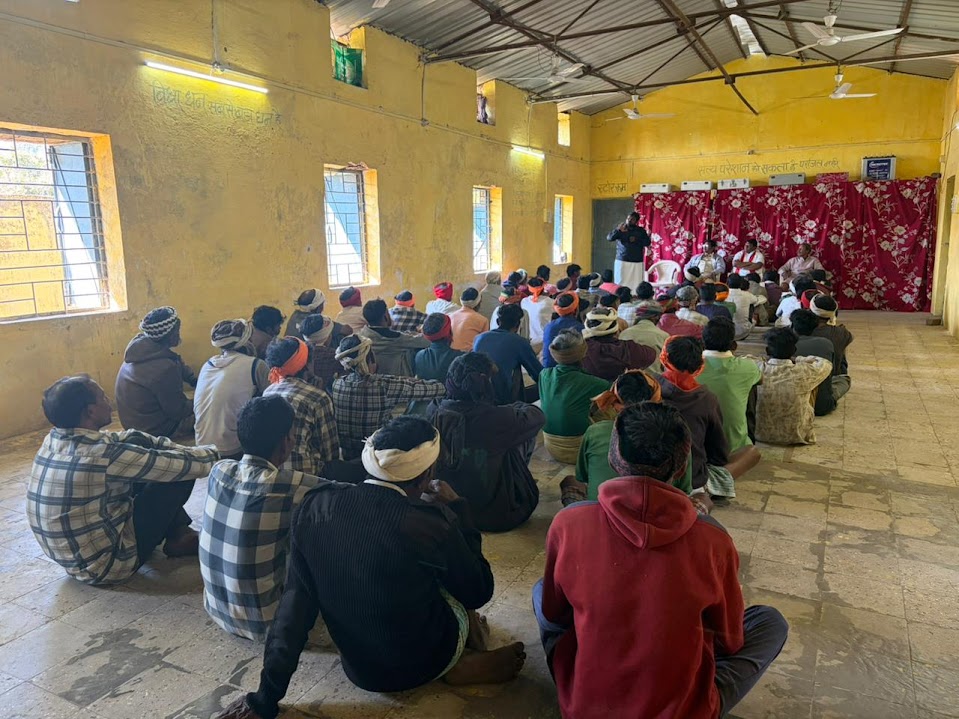
Community Forest Rights (CFR) Baithaks form an important part of Shivganga’s efforts to strengthen awareness and collective action around the rights of tribal communities over their traditional forest resources. These meetings provide a platform where villagers come together to understand the provisions of the Forest Rights Act, discuss the process of securing Community Forest Rights, and collectively plan the steps required to protect and manage their forests.
Beyond legal awareness, these baithaks encourage communities to view forests not merely as resources but as shared heritage that sustains livelihoods, culture, and ecological balance. Through dialogue and participation, the process strengthens local leadership and enables villages to take informed decisions regarding the governance and conservation of their forest lands.
In December 2025, a series of Community Forest Rights Baithaks were organized across different regions of Jhabua and Alirajpur districts, bringing together 417 community members from 64 villages. The meetings were conducted in Petlawad and Raipuriya Vikas Kendra regions, Village Khundar in Katthiwada Tehsil, Village Raipuriya, and Village Dhaturiya, enabling communities from multiple villages to participate in collective discussions.
During these baithaks, participants discussed the significance of Community Forest Rights, the process of filing and strengthening claims, and the collective responsibility required to protect and manage forest resources sustainably. While the meetings brought together communities from different areas, the objective remained the same: empowering villages to recognize, secure, and responsibly steward their forest rights for the long-term well-being of both people and nature.


Halma
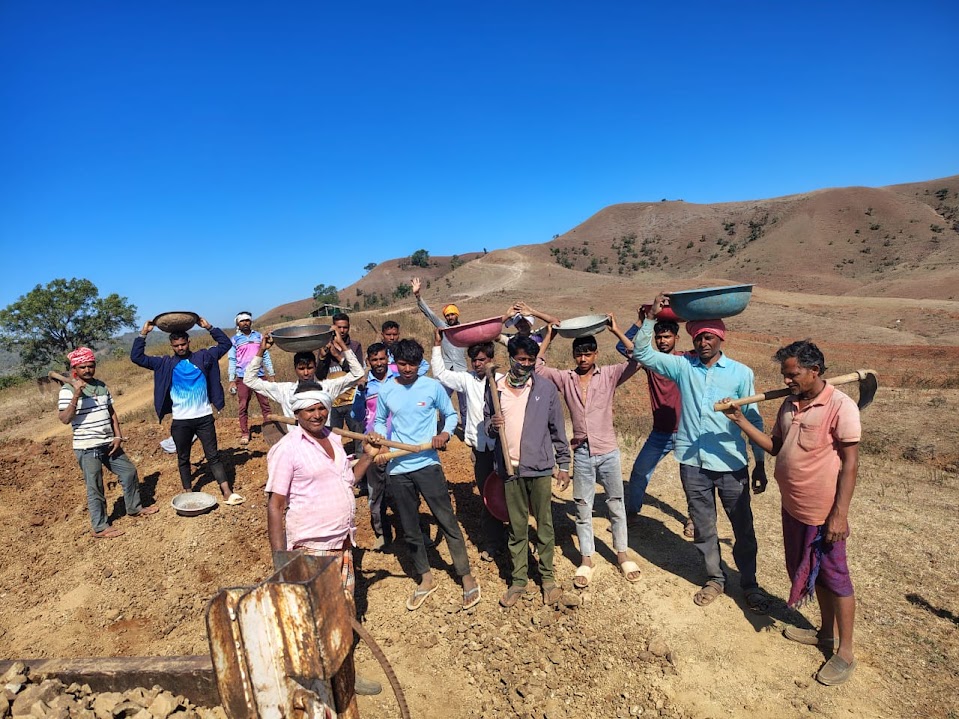
Halma represents one of the most powerful expressions of collective responsibility within tribal society. Rooted in the tradition of voluntary community participation, Halma brings people together to contribute their time, labour, and resources for the common good. What might appear as simple physical work is, in fact, a profound social process that strengthens unity, mutual support, and shared ownership of community assets.
Through Halma, villages collectively address important needs such as environmental restoration, infrastructure improvement, and the protection of natural resources. The practice reflects the belief that community development is not dependent solely on external support, but can be driven by the collective will and participation of the people themselves.
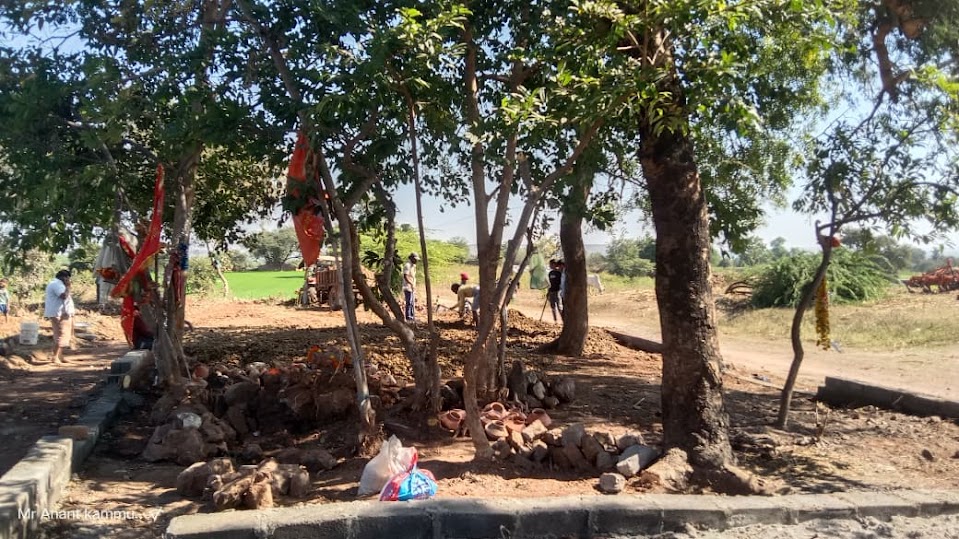
In December 2025, several Halma activities were organized to support ecological restoration and local infrastructure. A Halma for the Machhaliya Jheer Matavan witnessed the participation of 160 community members from 3 villages, who came together to support the revival of the sacred forest area. Another Halma was organized for filling potholes and constructing a footpath in Udaypuriya, where community members collectively contributed their labour to improve local connectivity. Additionally, a Halma was conducted for infrastructure construction of the Aamlifaliya Matavan, where 15 people from 1 village participated in strengthening the facilities associated with the sacred forest site.
Though each activity addressed a different need, they were united by the same spirit of Halma - collective effort, shared responsibility, and the belief that communities themselves hold the strength to shape their own development.

Water Conservation
Water conservation remains a central pillar of Shivganga’s vision for building self-reliant and prosperous villages. Through collective action, traditional knowledge, and community participation, villages work together to revive local water systems and strengthen their resilience against water scarcity. These efforts not only improve water availability for agriculture and daily use but also foster a strong sense of shared responsibility for natural resources.
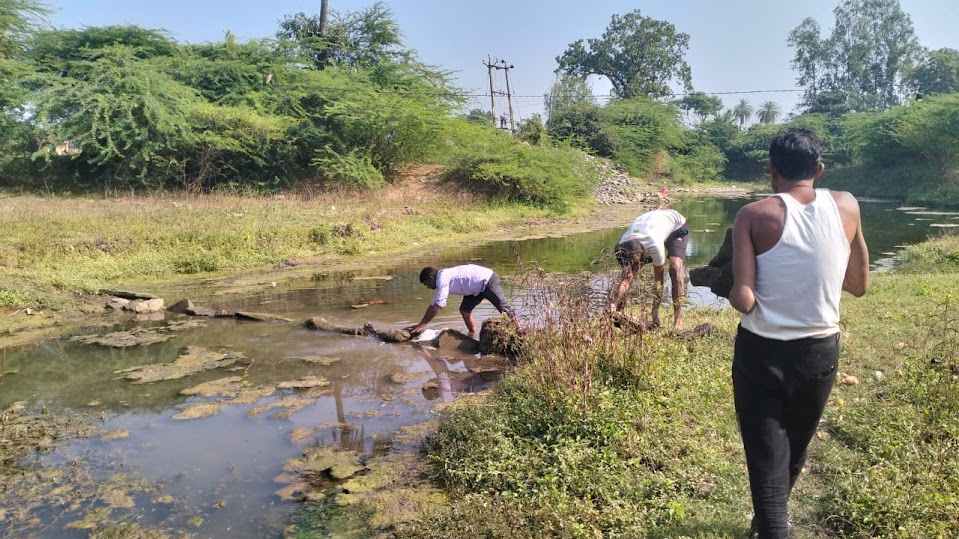
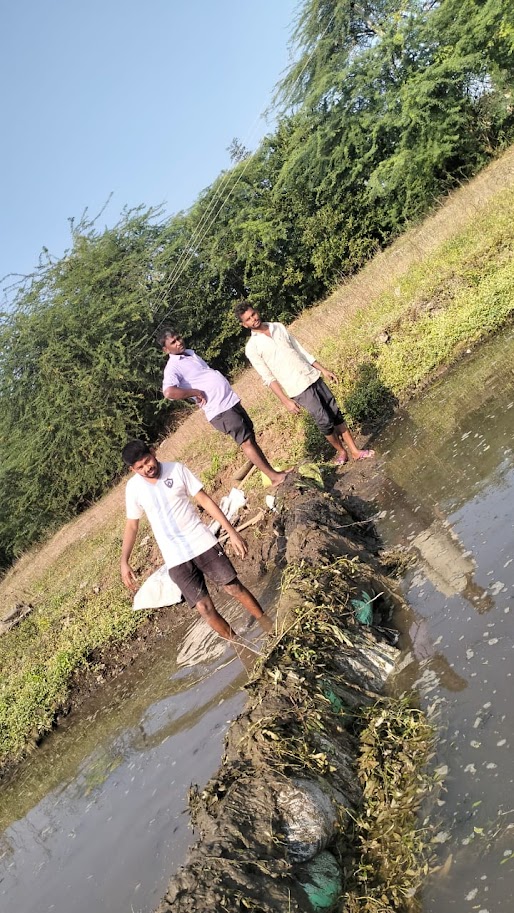
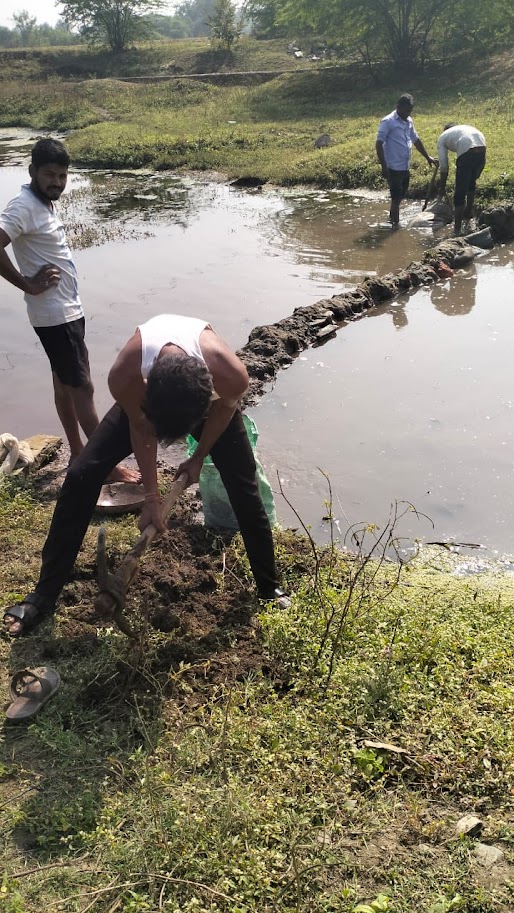
In December 2025, inspiring steps were taken toward water conservation through both community-led initiatives and the continued expansion of water infrastructure. Inspired by Shivganga’s work, 10 youth from Village Mota Borida in Gujarat came together to construct a Bori Bandh on the river flowing through their village. This collective effort reflects how the spirit of community-driven water conservation is spreading beyond regional boundaries.
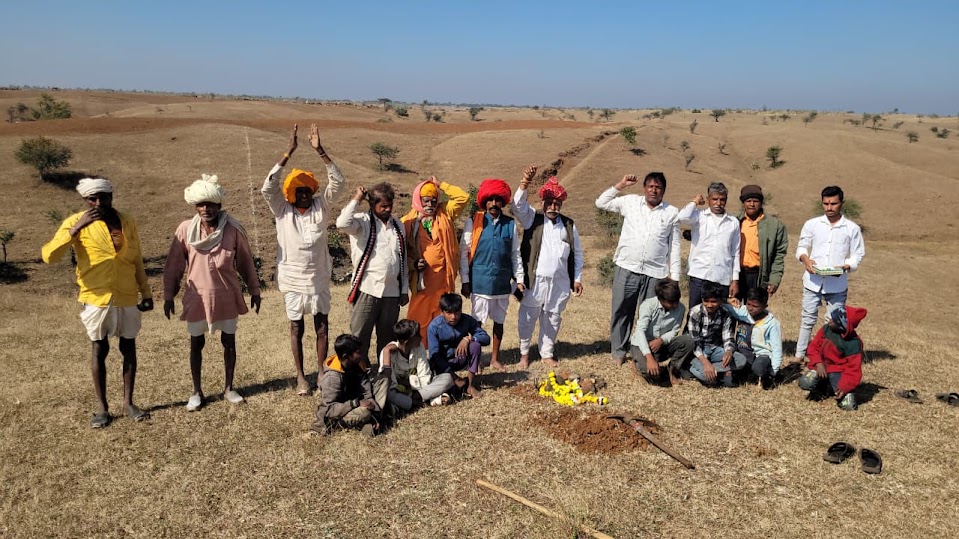
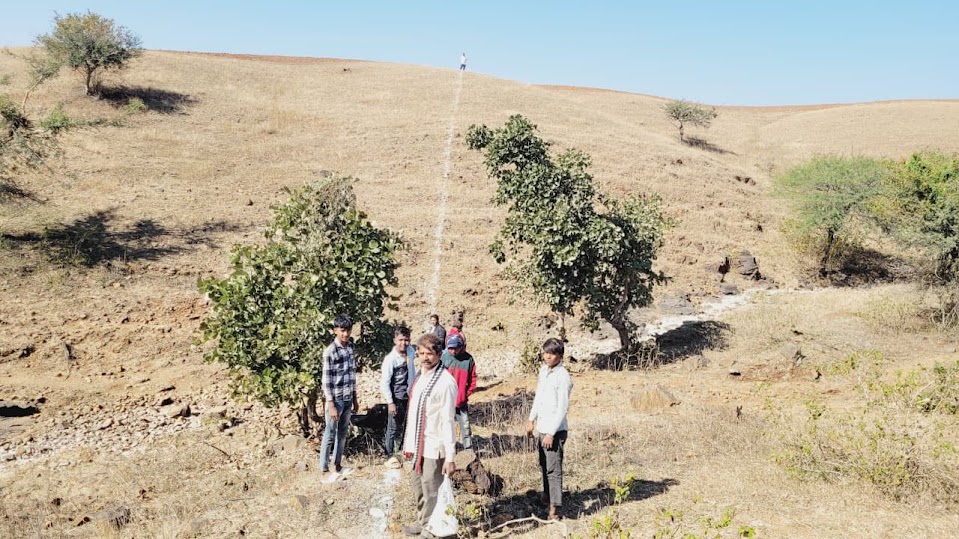
During the same period, the process for constructing a water reservoir in Village Beejori formally began with a Bhumi Pujan ceremony, marking the start of a new water conservation structure that will contribute to improving water availability for the village.
Though these initiatives took place in different locations, they share the same objective: strengthening local water security through community participation and ensuring that villages become more resilient and self-sustaining in the face of water challenges.

Educational Exposure Visits
Educational exposure visits to Shivganga Gurukul provide students and young learners an opportunity to witness the principles and practices of holistic rural development firsthand. These visits create a learning environment where participants engage directly with community-led initiatives, understand tribal culture and leadership, and observe how collective action can bring sustainable change in villages.
Through such interactions, students not only gain knowledge about development models but also develop a deeper appreciation for community participation, environmental stewardship, and the rich cultural heritage of tribal society. The visits serve as a bridge between academic learning and real-life community experiences.
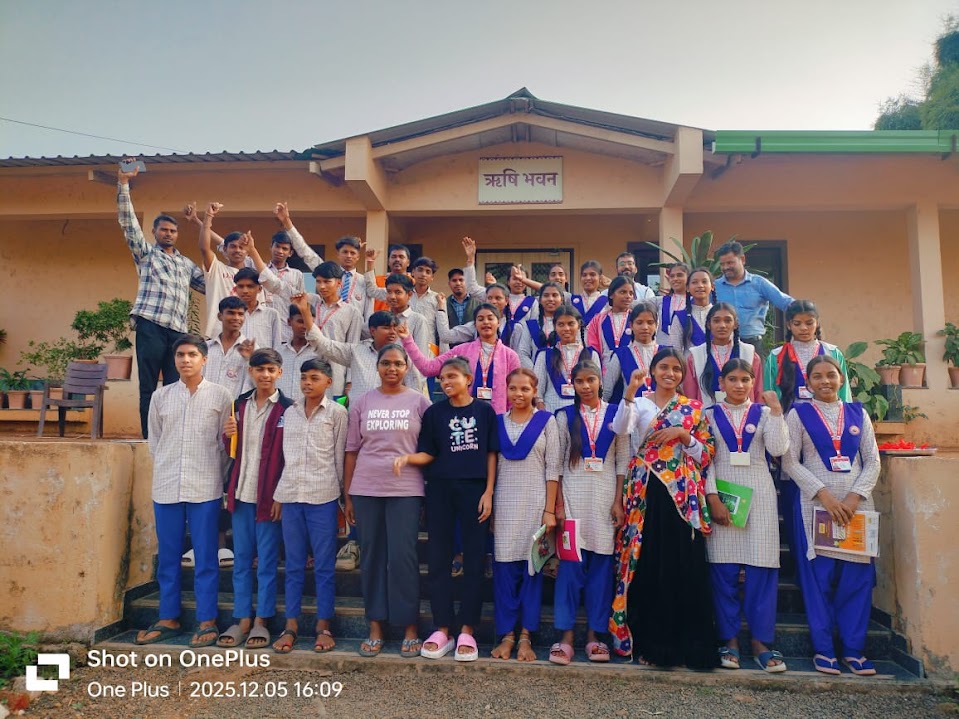
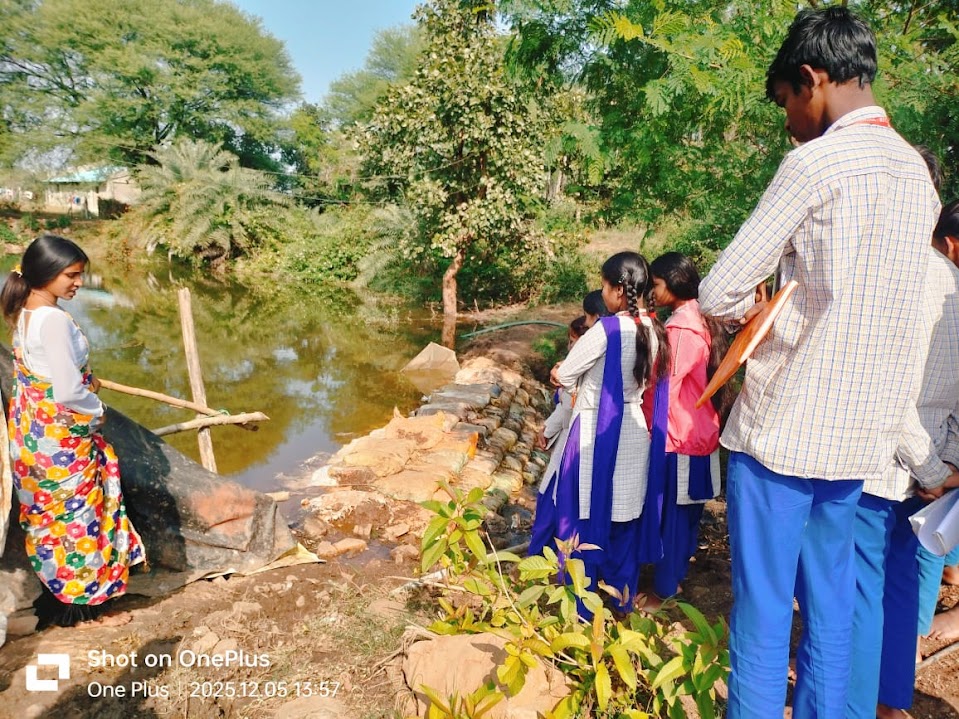
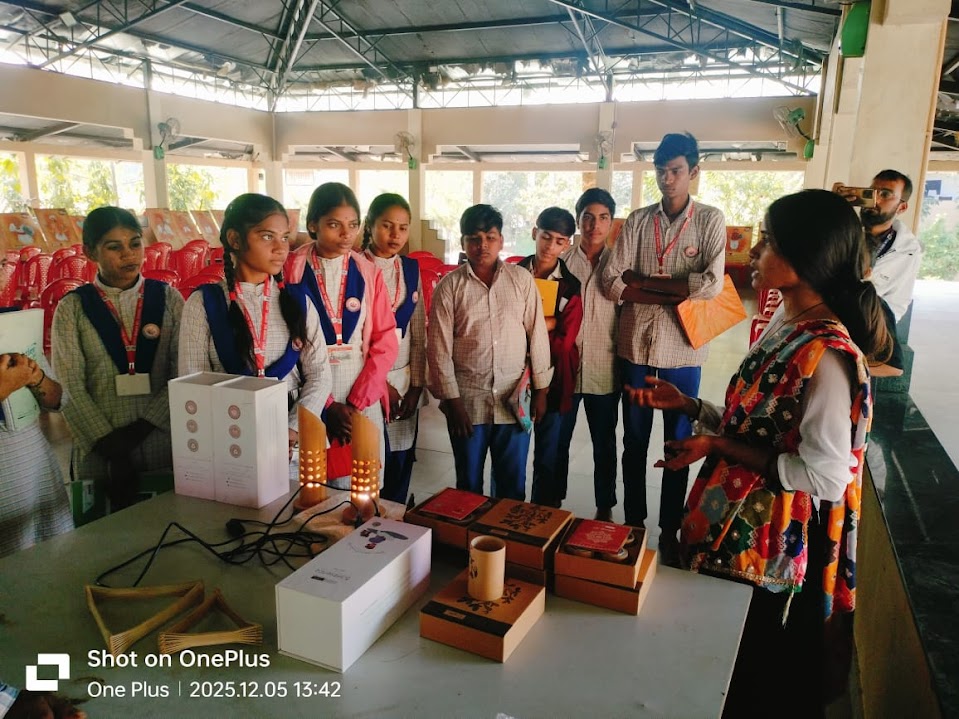
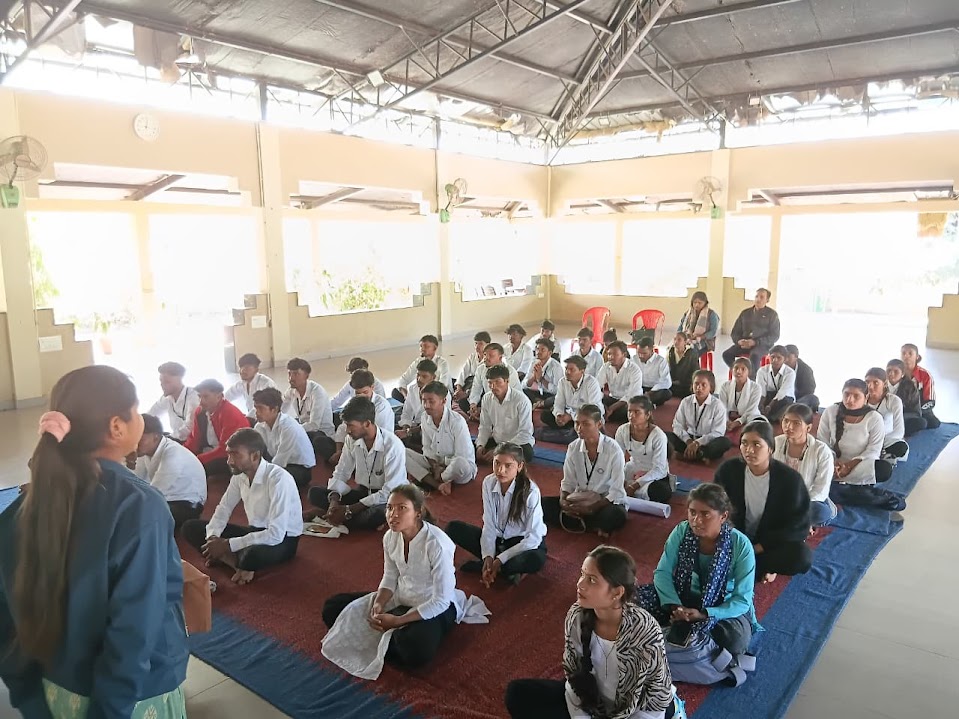
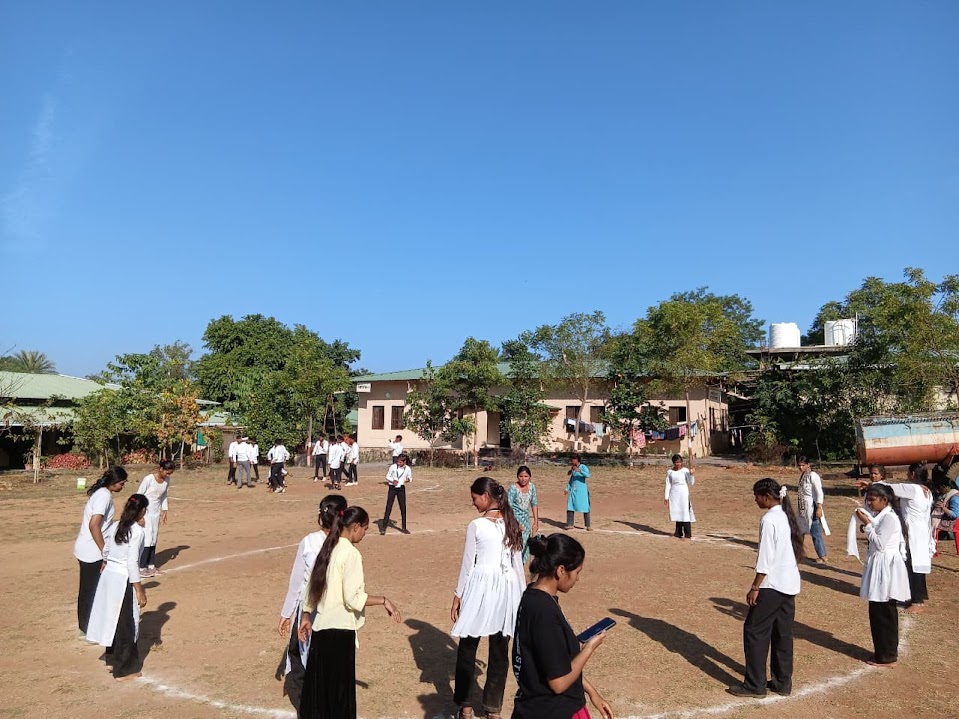
In December 2025, several educational groups visited Shivganga Gurukul, Dharampuri, engaging with the work and philosophy of the organization. Thirty-nine students and two teachers from the Higher Secondary School of Rotala Village visited the Gurukul, where they learned about Shivganga’s various initiatives for holistic rural development and were introduced to the inspiring stories of tribal heroes and leaders.
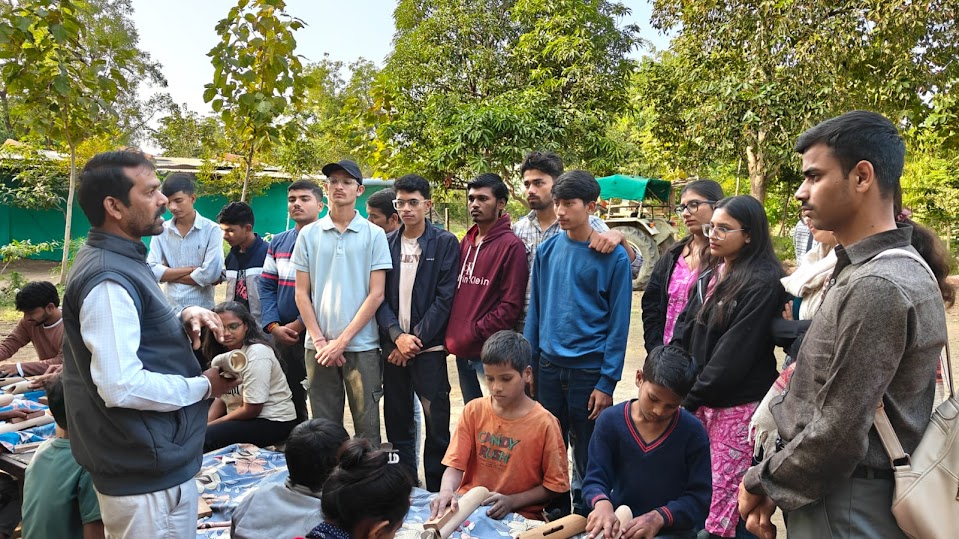
During the same month, the Atal SDGs Group conducted a week-long Educational Immersion Program, where participants visited Shivganga to understand its community-driven development model in the Jhabua region. Through experiential learning, they explored tribal ecology, interacted with local communities, and observed initiatives related to sustainable and participatory village development.
Additionally, 50 students from the NSS group of Late Shri Dilip Singh Bhuria Government Model College, Jhabua visited the Gurukul as part of an exposure visit. Their interaction with Shivganga’s initiatives provided them with practical insights into community-based development and the role of youth participation in strengthening rural societies.
Though these visits were organized by different institutions, they shared a common purpose: enabling young learners to experience grassroots development processes and inspiring them to become thoughtful contributors to society.





Jhabua Darshan
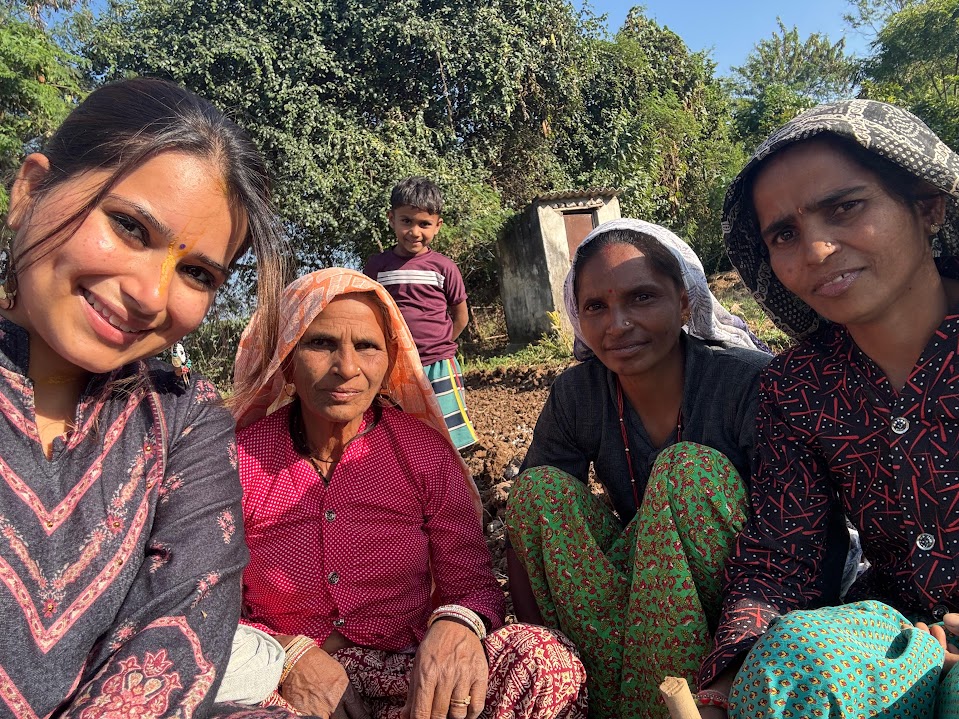
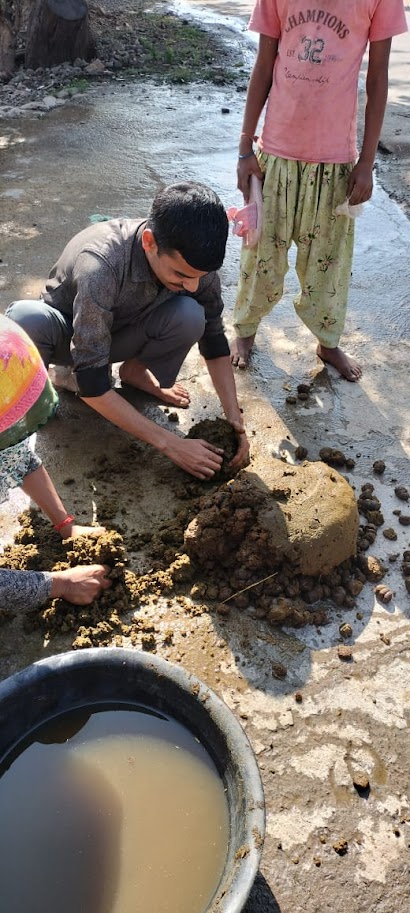
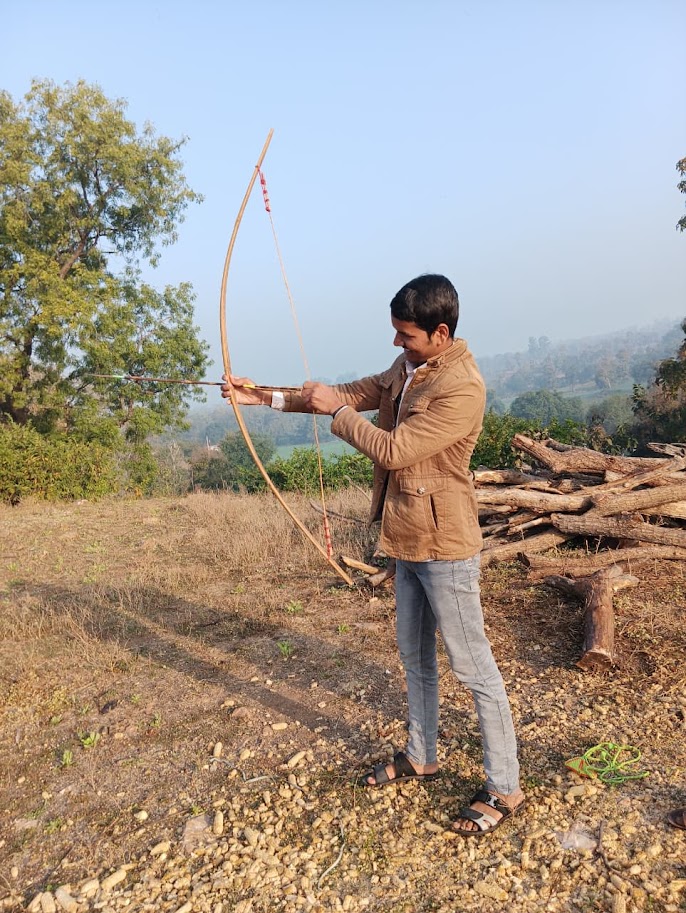
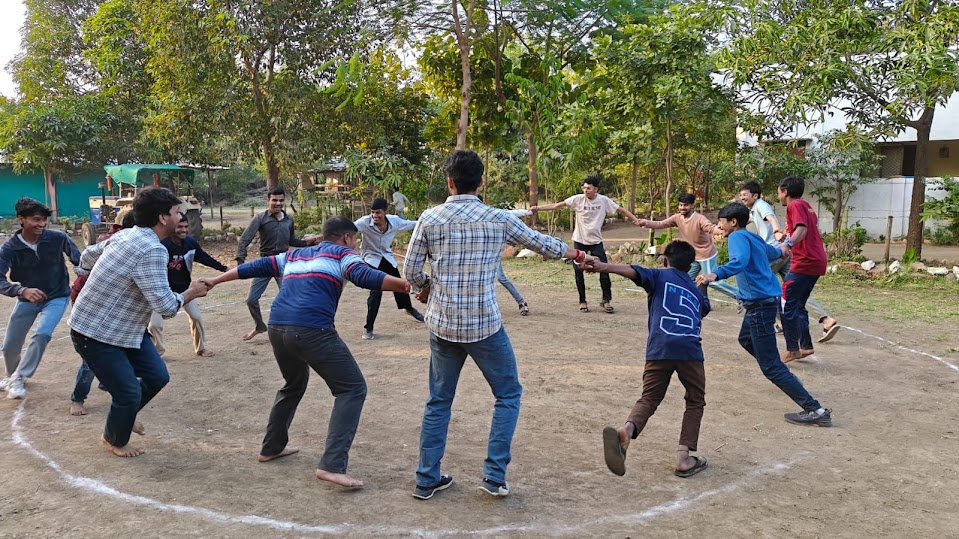
Jhabua Darshan is an initiative that invites visitors from diverse institutions and regions to experience the realities, culture, and community-driven development processes of the Jhabua region. Through these visits, participants gain a deeper understanding of tribal life, local traditions, and the grassroots initiatives undertaken for holistic village development.
The program provides an opportunity for guests to interact with community members, observe Shivganga’s work on the ground, and witness how collective action and cultural values shape sustainable development in the region. Such visits also help build meaningful connections between institutions, individuals, and community-led efforts.
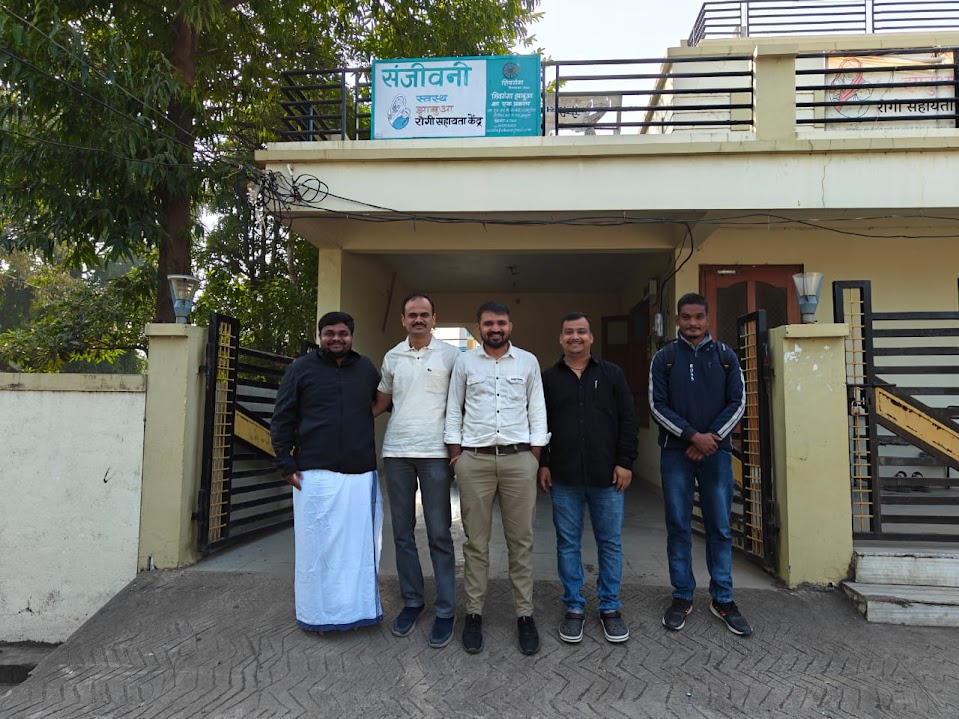
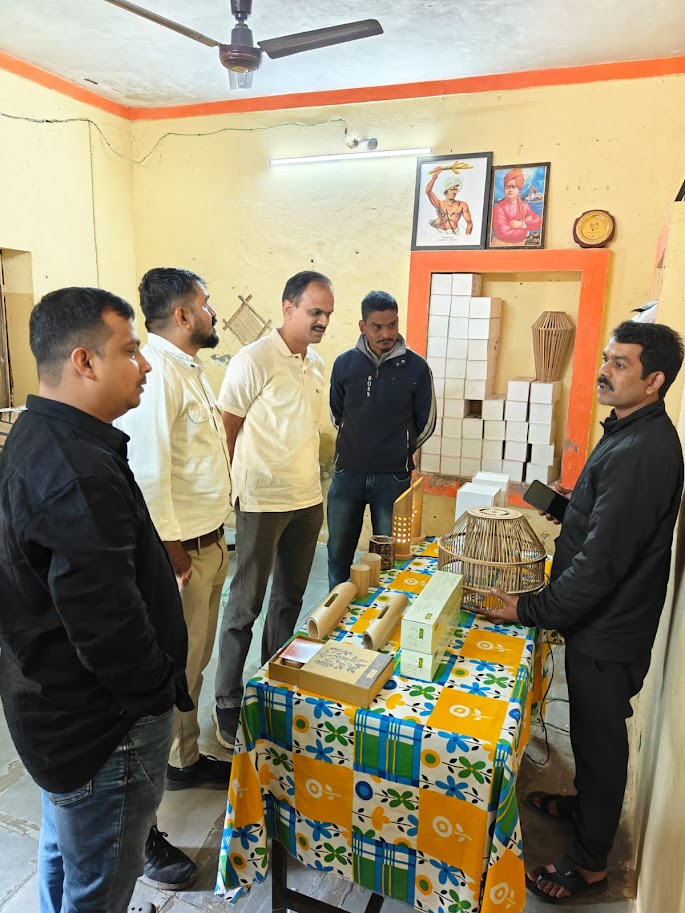
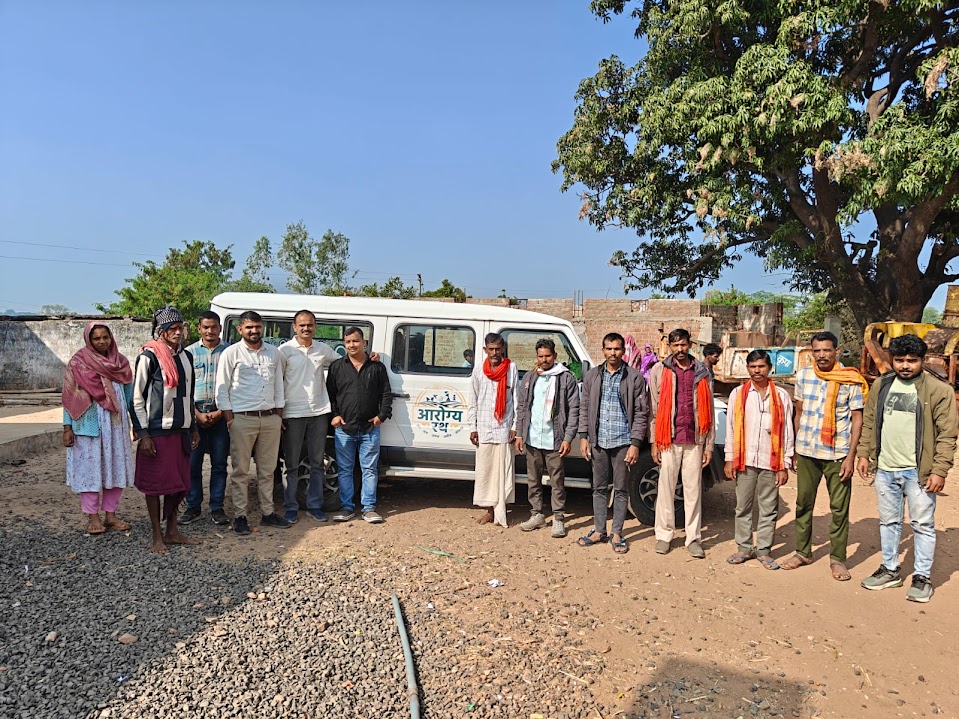
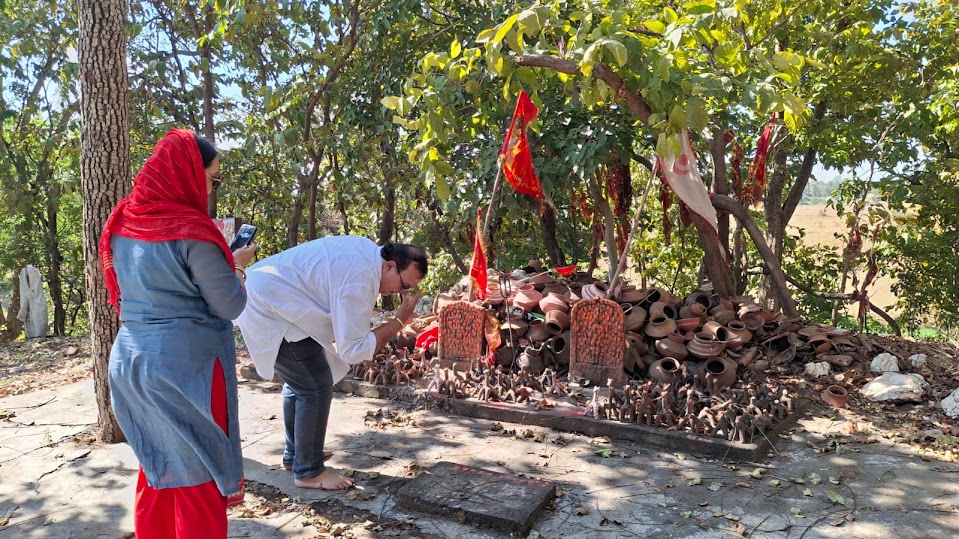
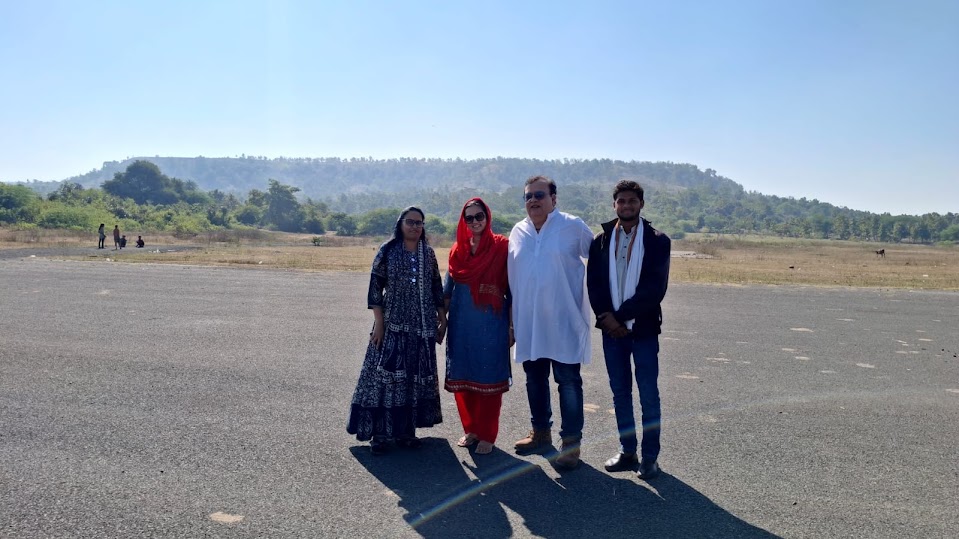
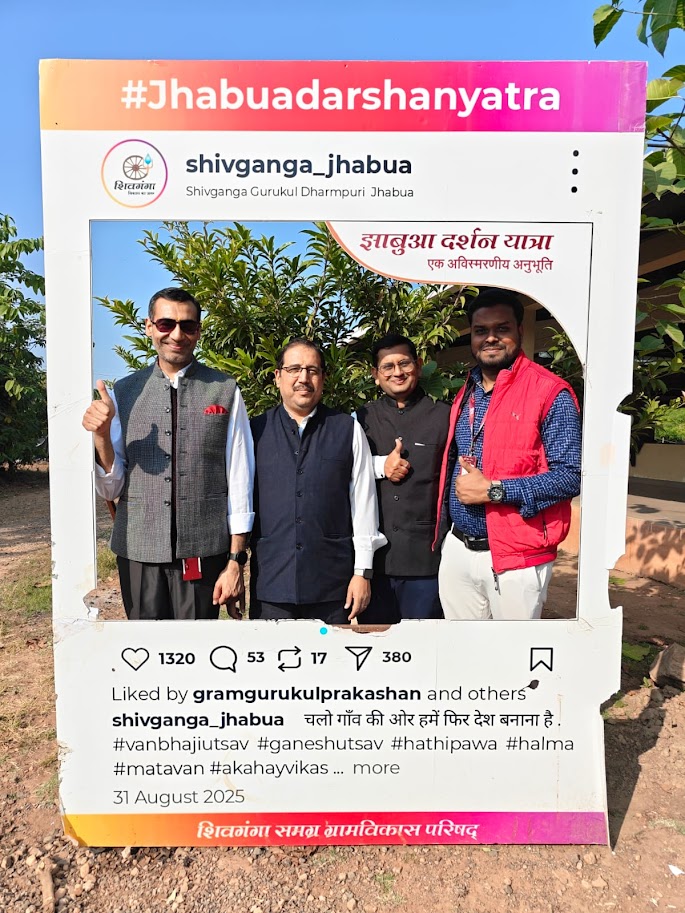
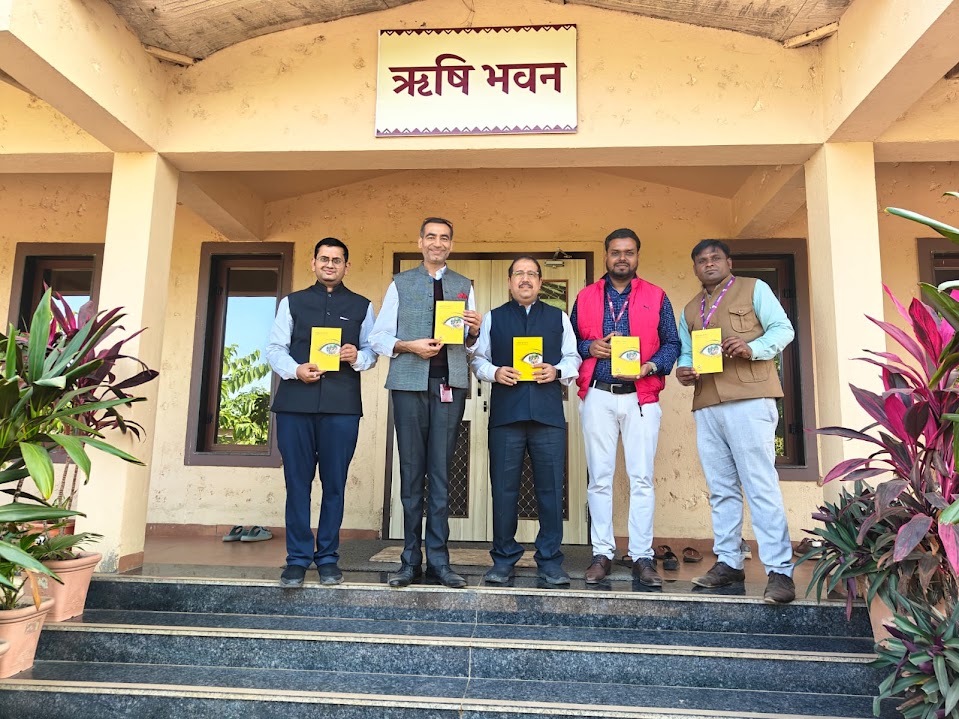
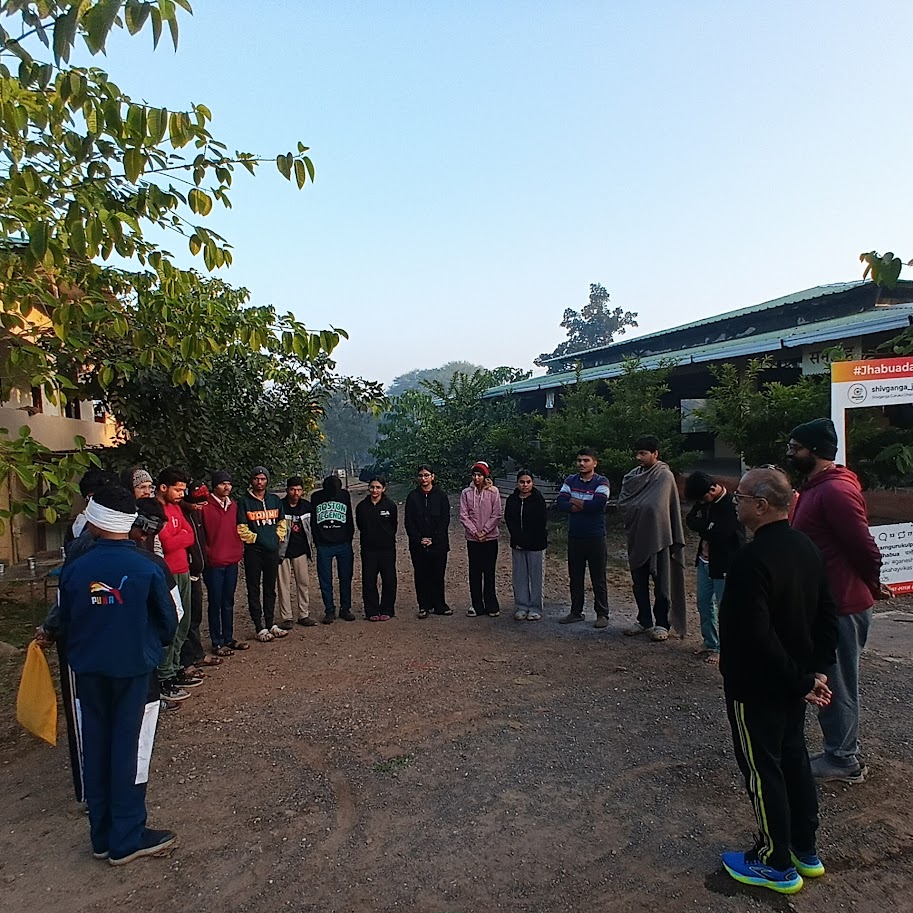
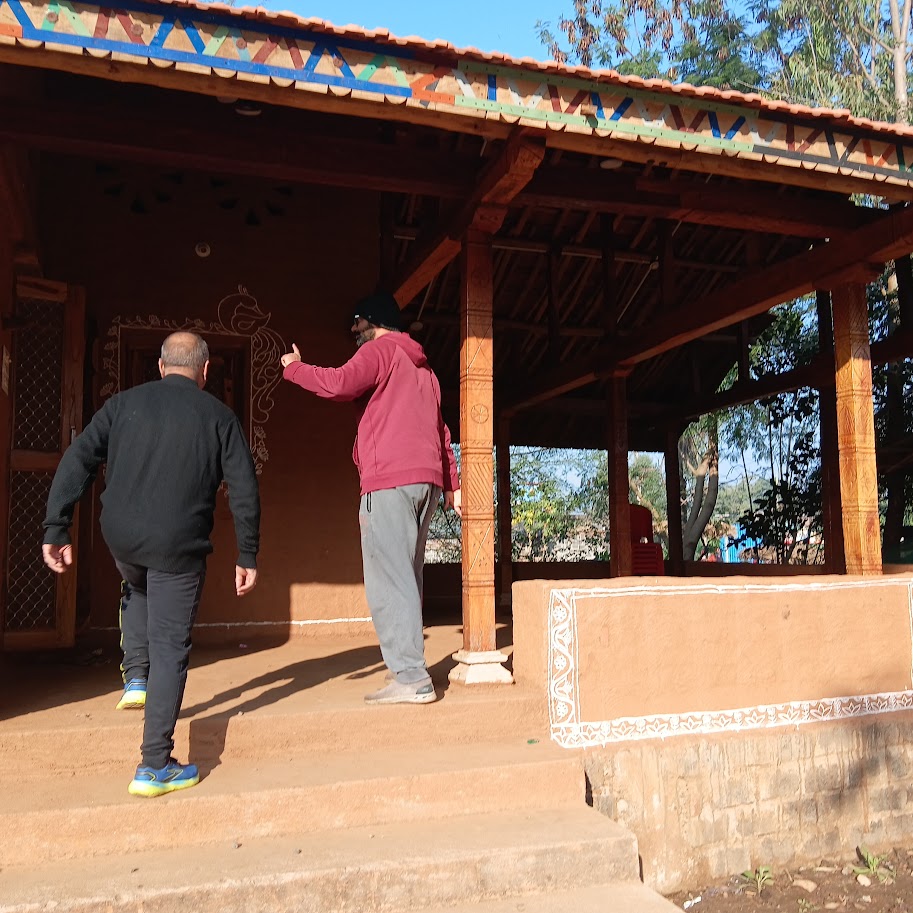
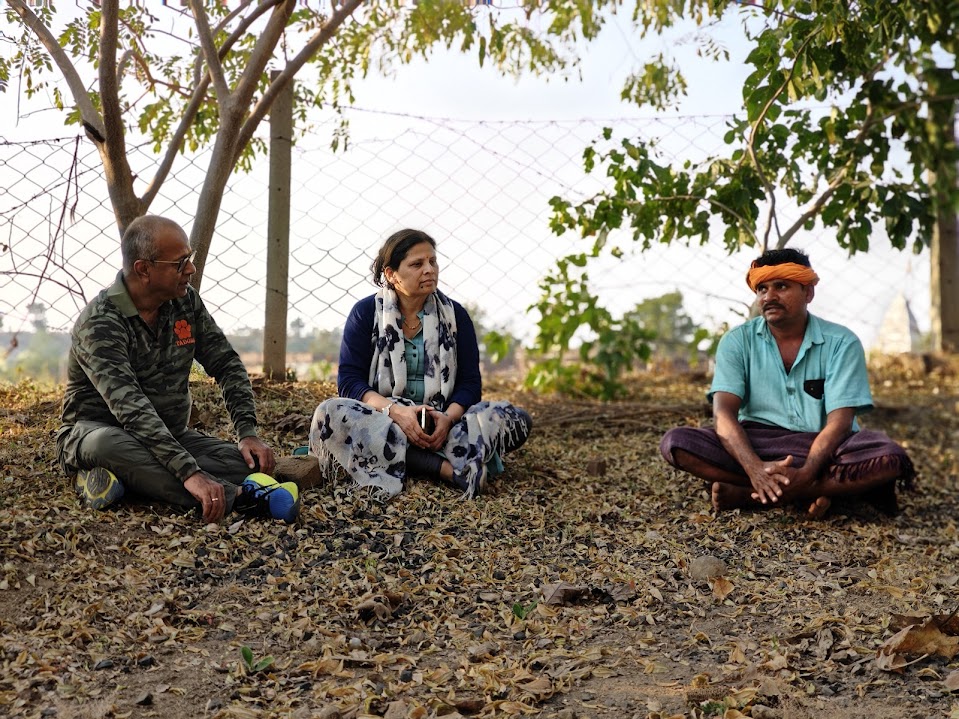
In December 2025, several visitors arrived at Shivganga Gurukul, Dharampuri (Jhabua) as part of Jhabua Darshan. Four members from Urban Hospital Trust, Dahod (Gujarat) visited the Gurukul to travel and explore the Jhabua region. Ashish Ji and Nitu Ji also visited the Gurukul during the same period to learn about Shivganga’s initiatives and interact with the team.
Additionally, four members from India Post visited Shivganga Gurukul as part of the Jhabua Darshan initiative. During the same period, two members from the 14 Trees Foundation, Pune spent several days at the Gurukul, engaging with the work and gaining insights into the community-based development model being practiced in the region.
Although these visits were undertaken by individuals and groups from different organizations, they shared a common objective: understanding the spirit, culture, and collective efforts that drive holistic rural development in the Jhabua region.



Training Camps
Training camps are an important component of Shivganga’s efforts to build strong community leadership and social capital. Through these camps, volunteers, youth, and community members receive opportunities to learn, reflect, and strengthen the skills required to guide various initiatives in their villages. These gatherings help participants deepen their understanding of community service, collective responsibility, and the vision of holistic village development.
In December 2025, several training camps were organized across different centers:
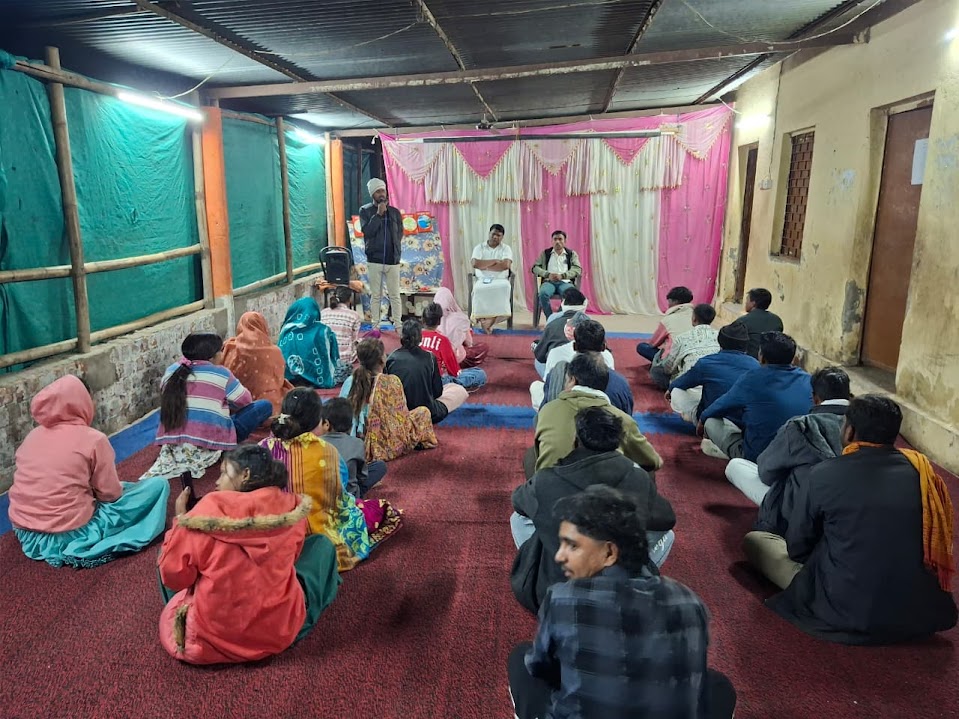
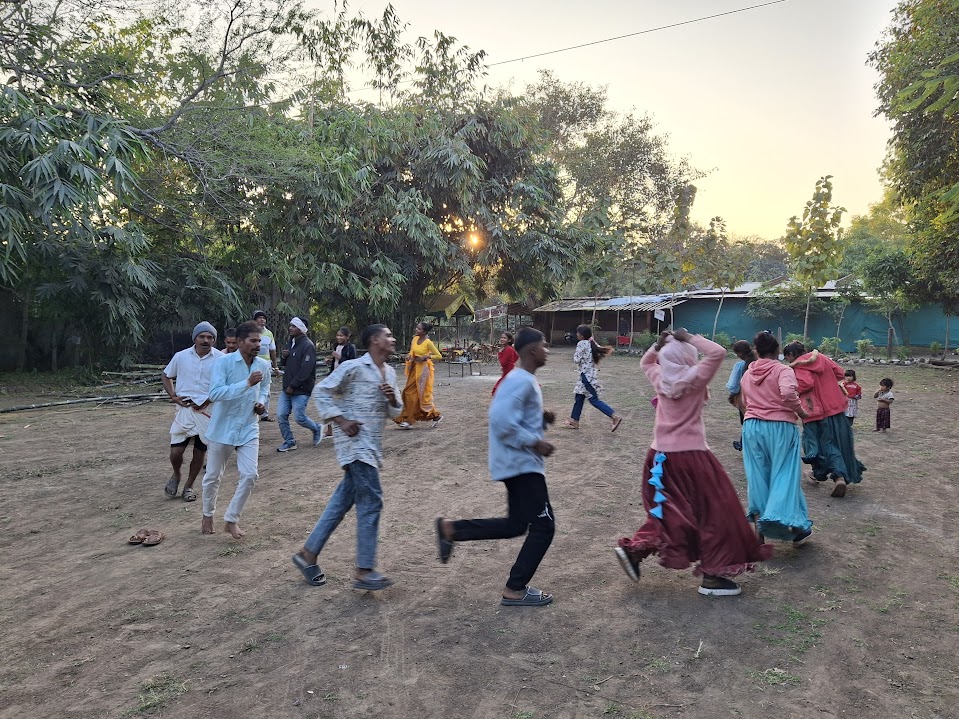
- Trainer’s Training Camp (Gat Nayak Prashikshan Varg) was organized simultaneously at Shivganga Gurukul, Dharampuri and Shivganga Hunar Vikas Kendra, Meghnagar, where 20 and 25 full-time volunteers respectively participated. These volunteers are responsible for guiding various initiatives in villages.

-
As Shivganga’s work is being expanded in Alirajpur District, introductory camps titled “Gram Samriddhi Parichay Varg” were organized:
- Village Kosariya: 60 youth participants from 10 villages
- Village Bichouli: 40 youth participants from 4 villages
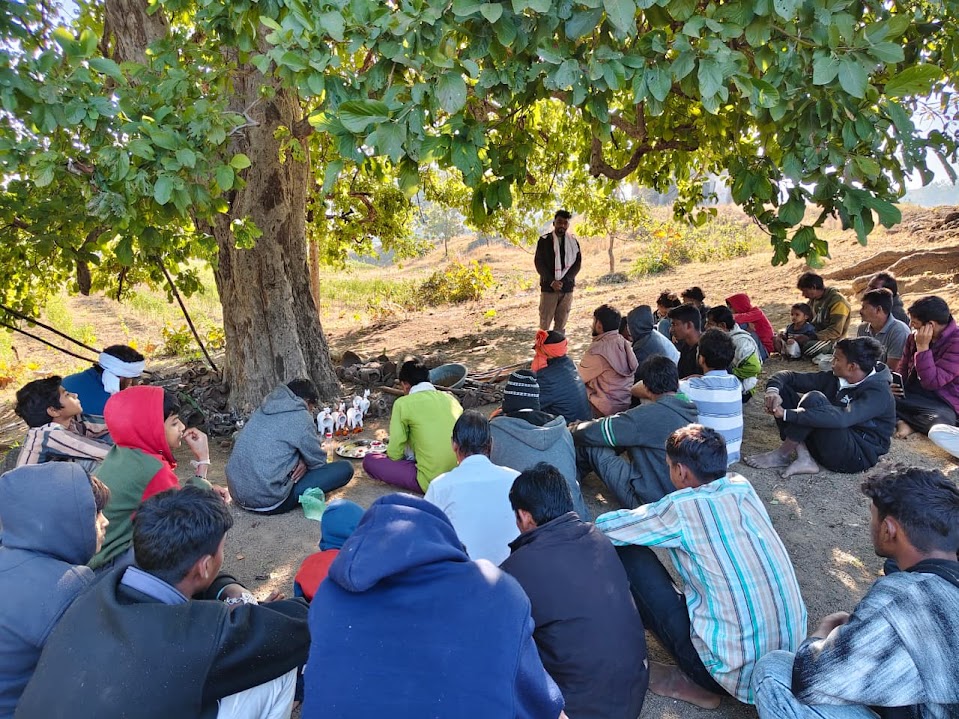
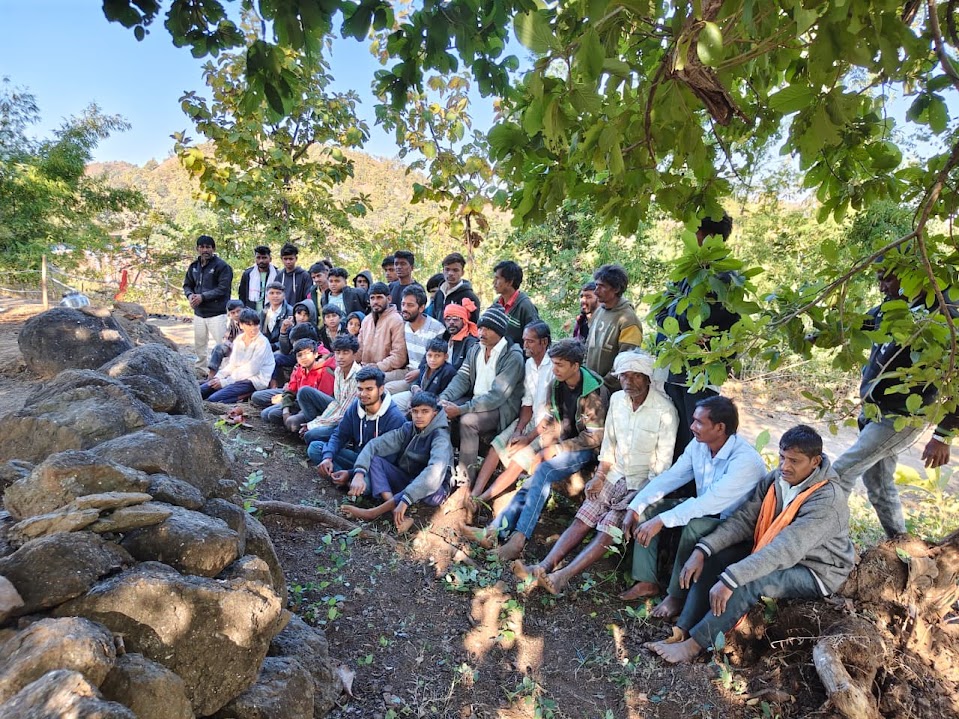

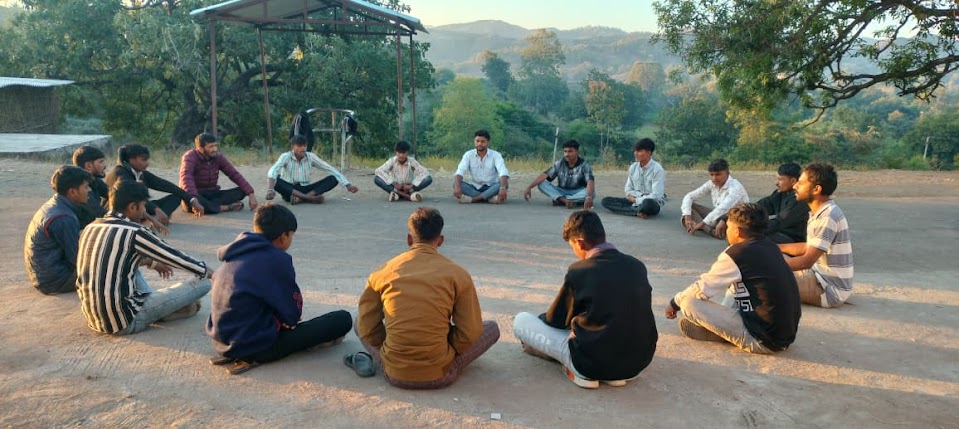
- Youth Empowerment Camp was organized at Shivganga Hunar Vikas Kendra, Meghnagar, with 28 participants from 16 villages.
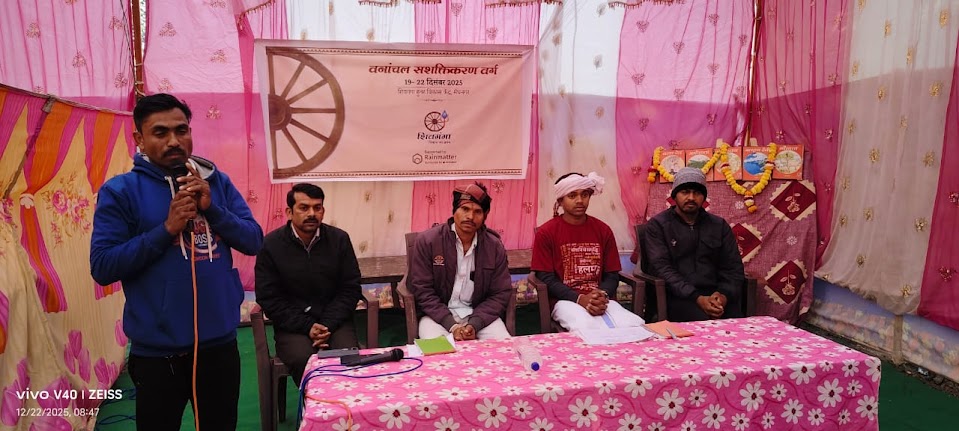

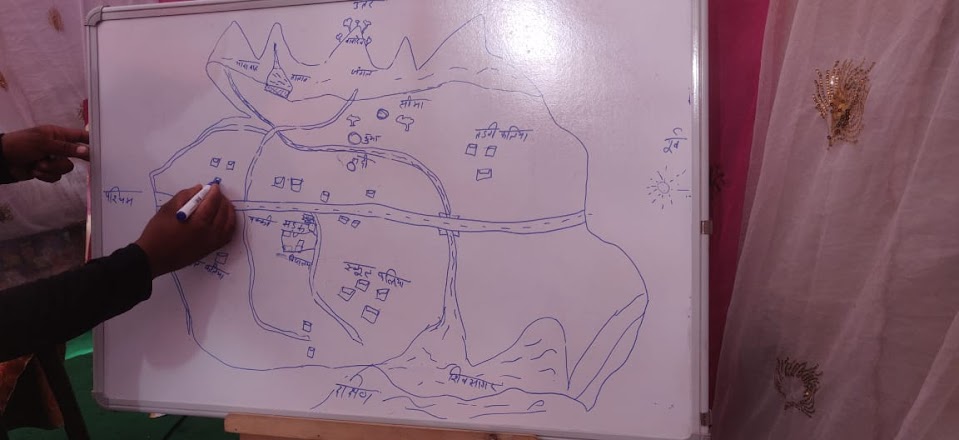

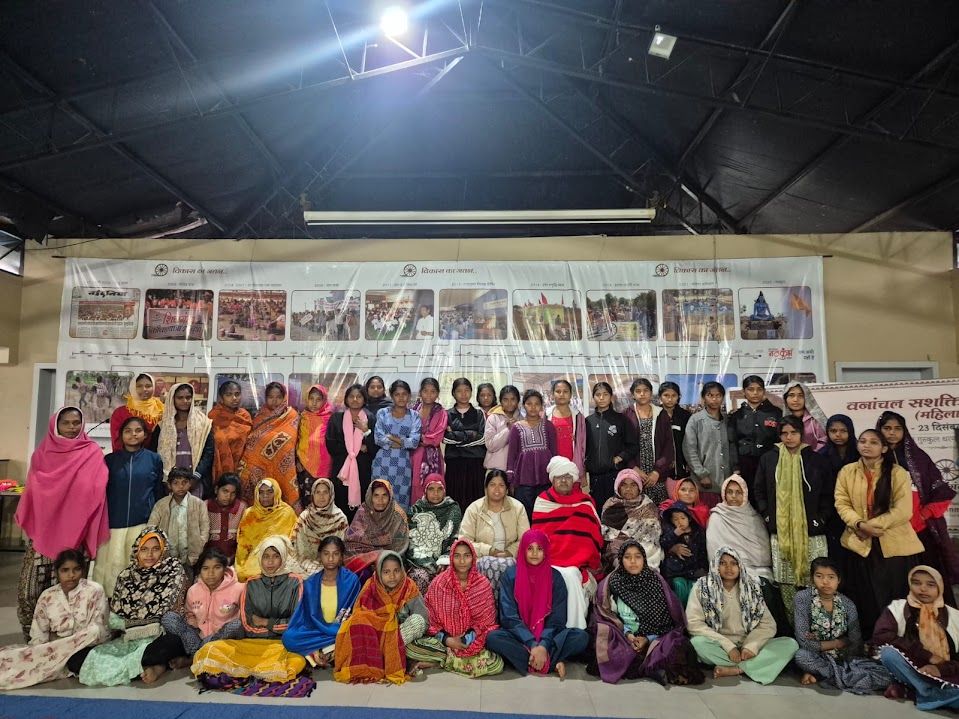
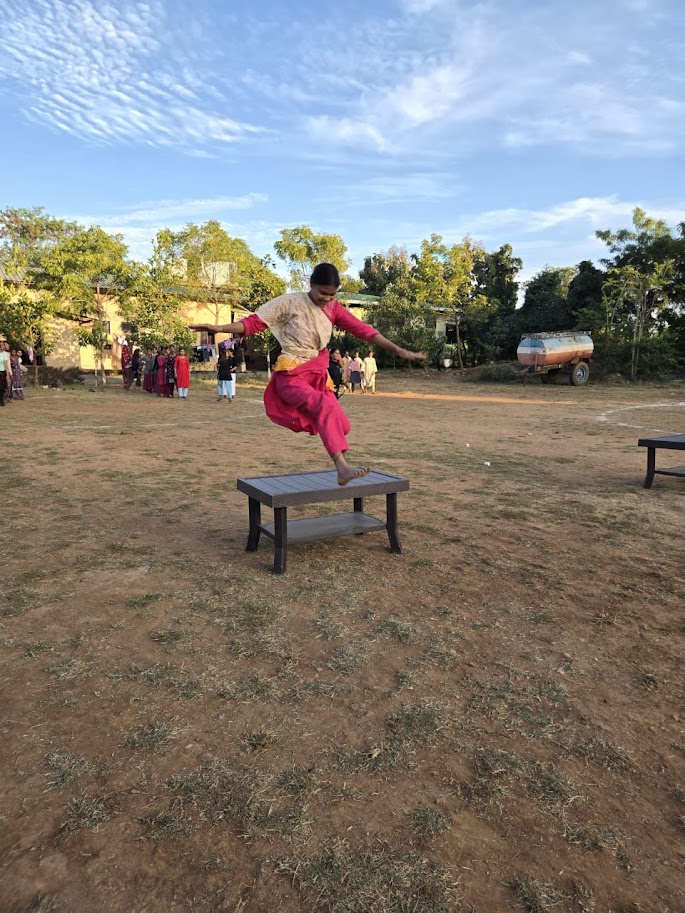
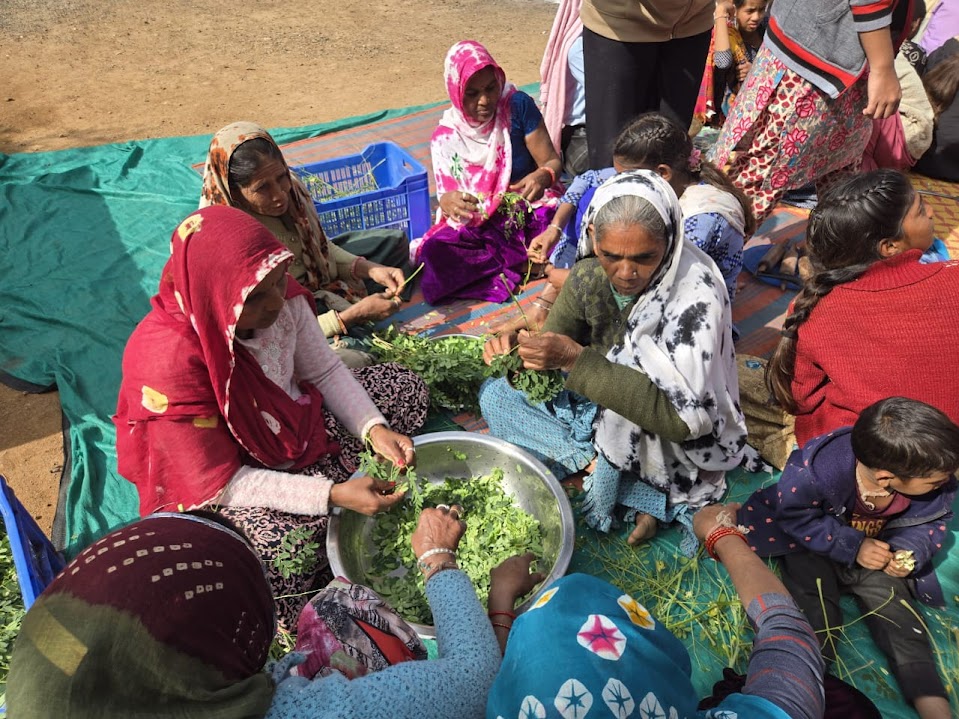
- Women Empowerment Camp was organized at Shivganga Gurukul, Dharampuri, bringing together 40 women participants from 24 villages.

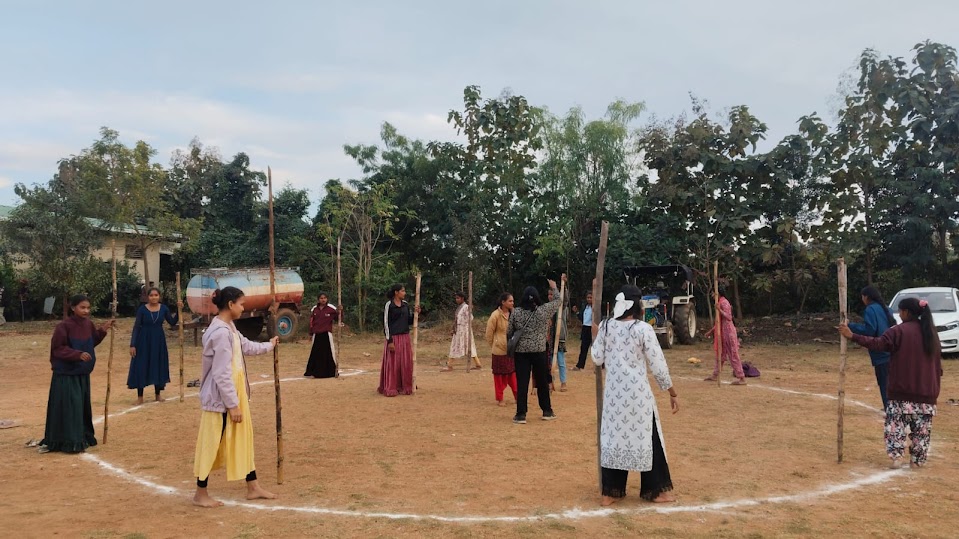
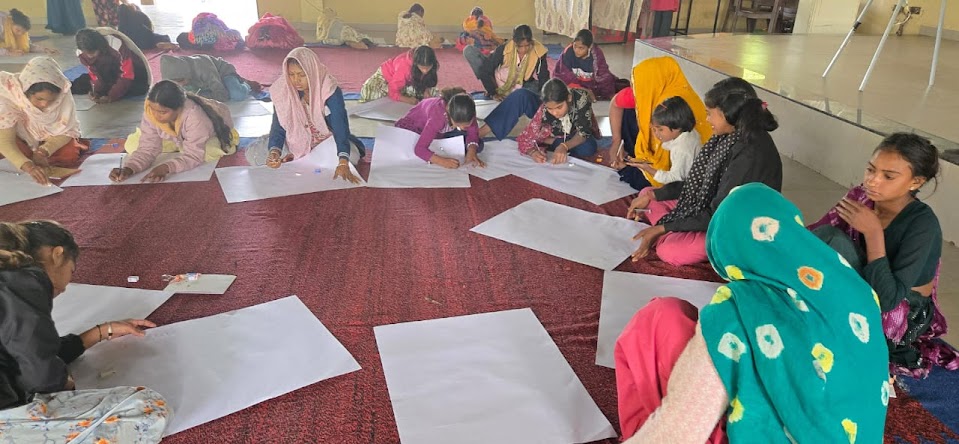
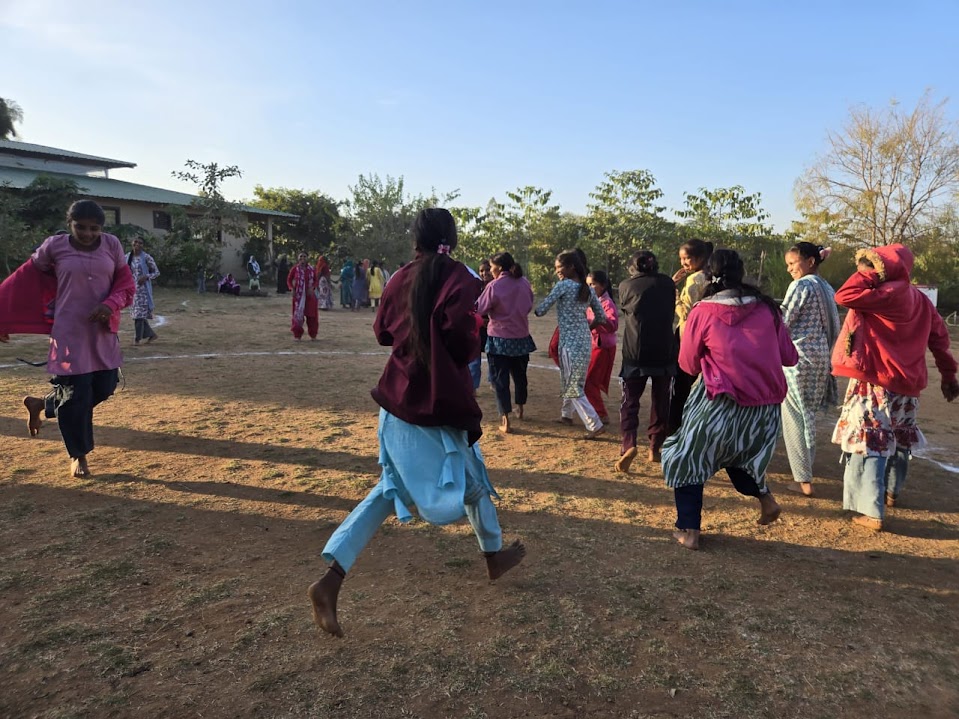
- Volunteer Training Camp was organized at Shivganga Gurukul, Dharampuri, with 94 participants from 47 villages.
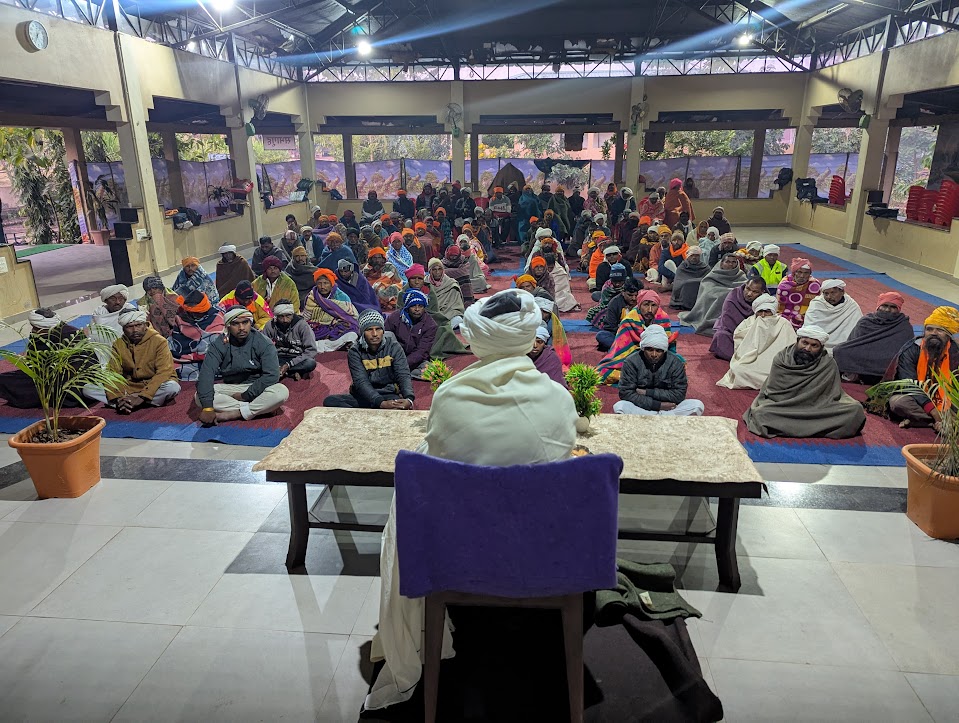
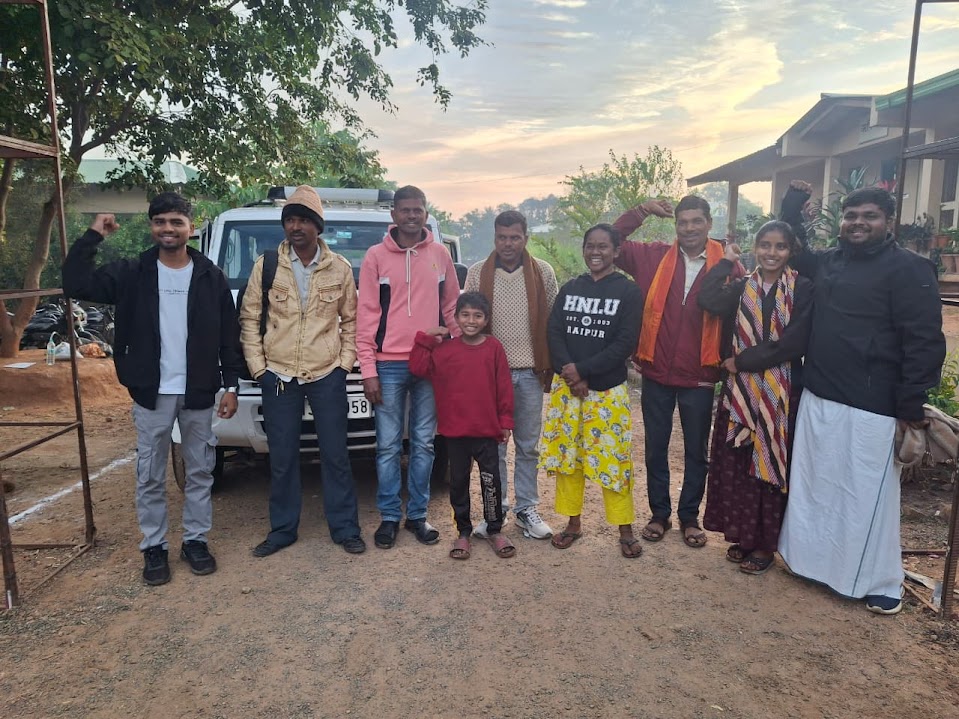
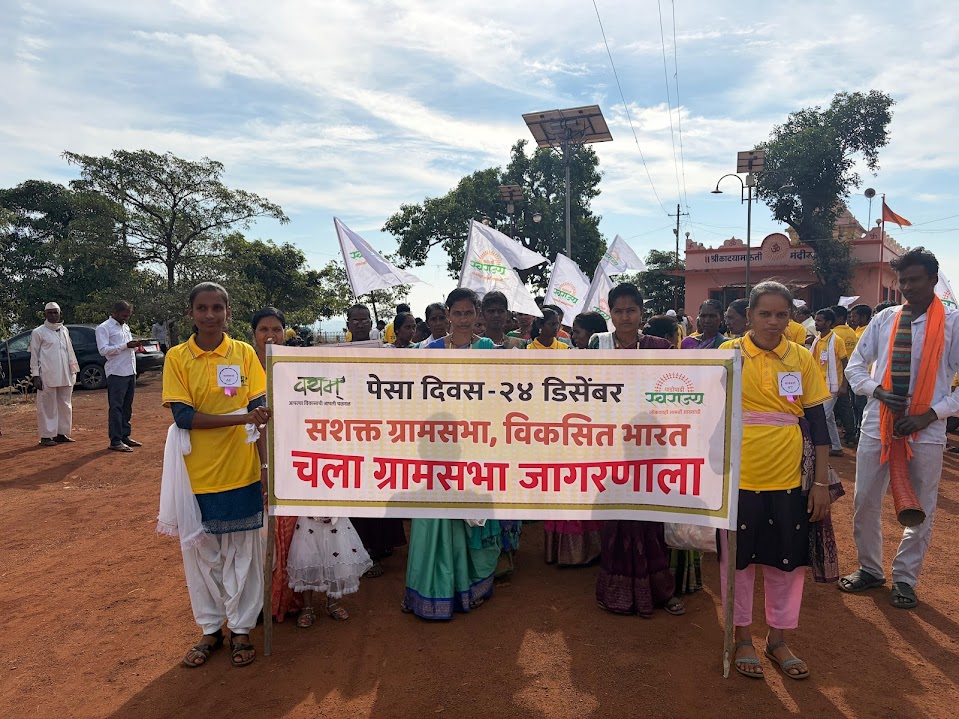
- Advanced/Exposure Training on Community Forest Rights & PESA Act was organized at Jawhar, Palghar (Maharashtra), with 9 participants attending the training.

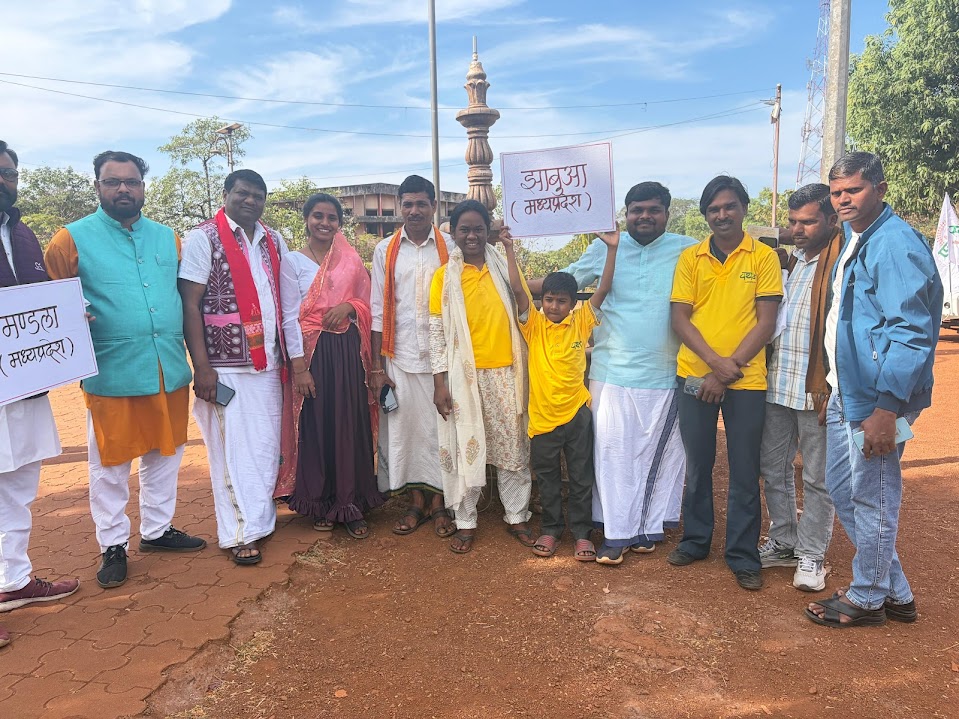
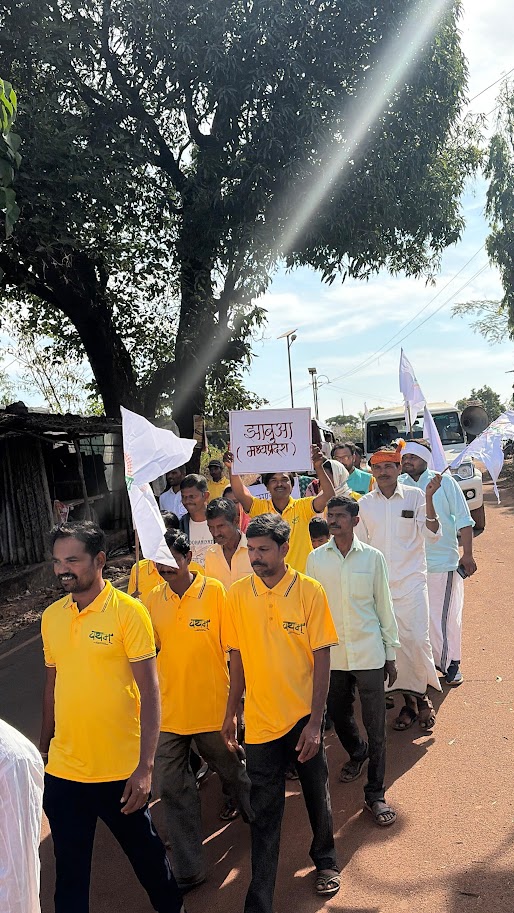
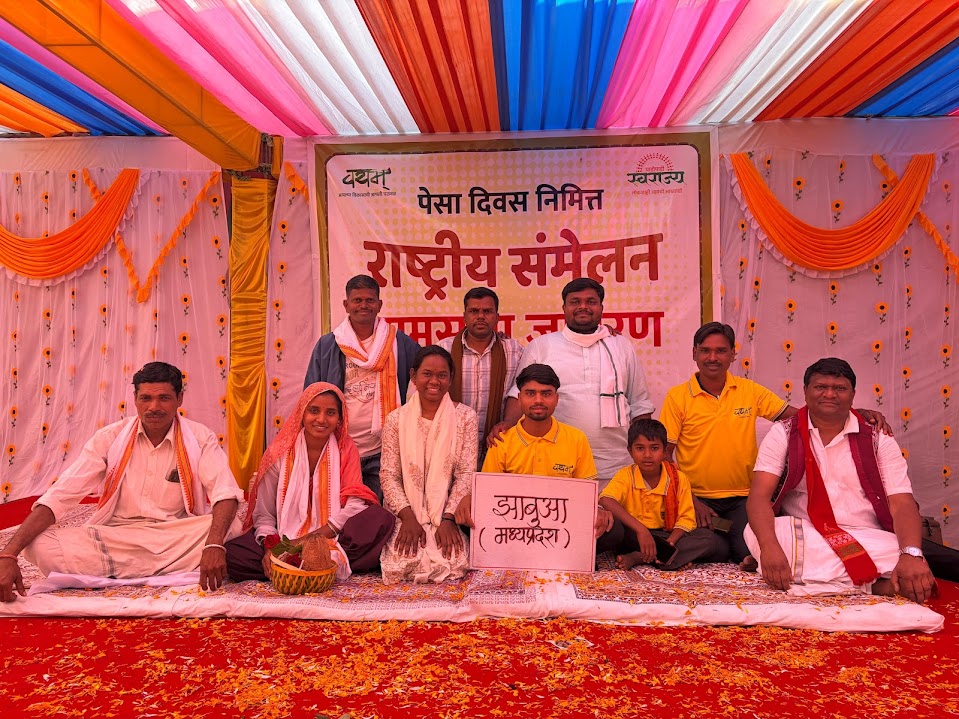
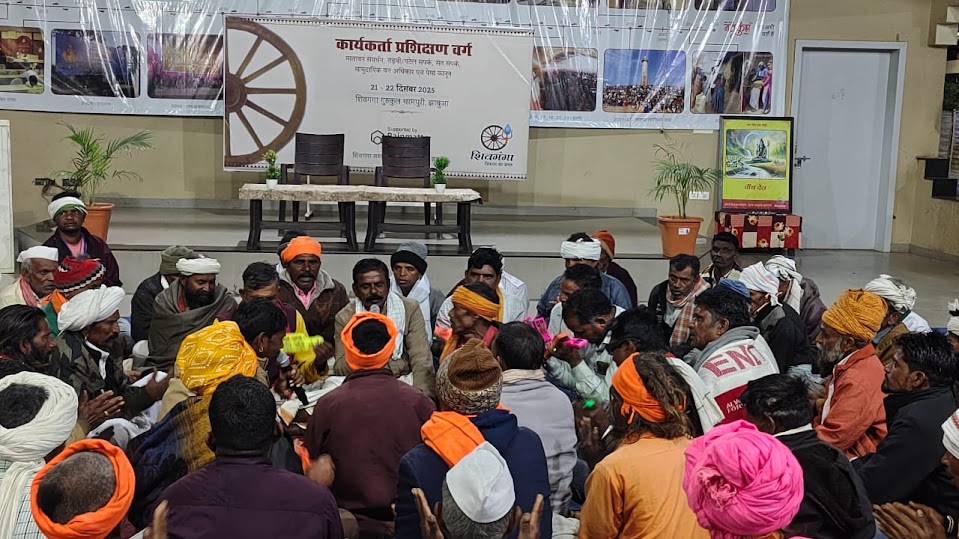
- An internal training camp titled “Yojak Prashikshan Varg” was organized at Shivganga Gurukul, Dharampuri for 55 full-time volunteers of Shivganga, where participants reflected on the journey so far, revisited the inspiration behind the work, and discussed future plans.

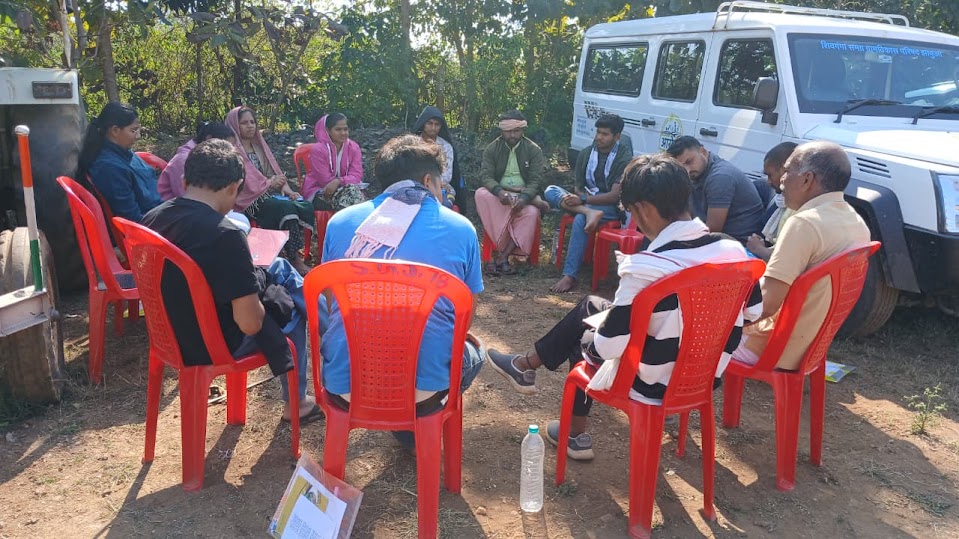

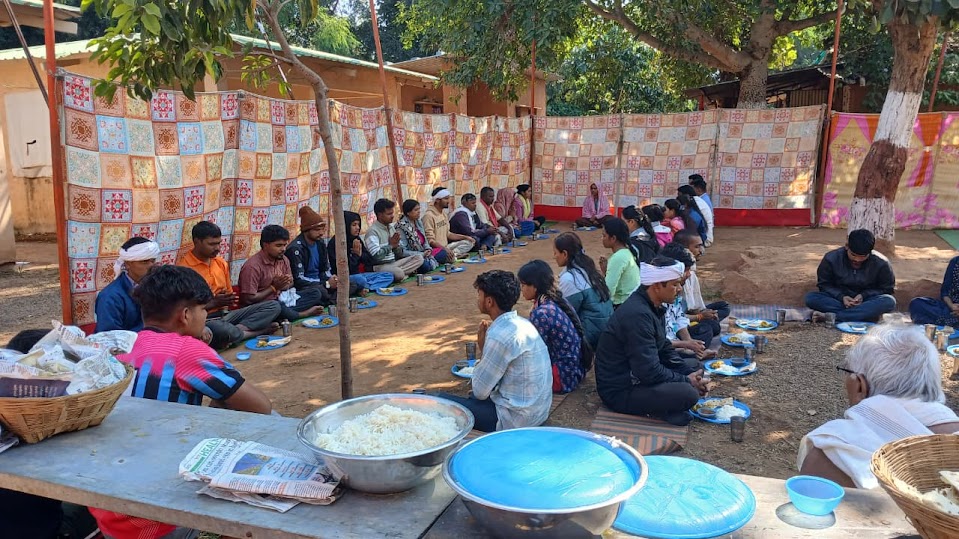
Through these camps, Shivganga continues to strengthen leadership, expand community participation, and nurture the collective capacity required for sustainable village development.
Animal Husbandry Workshop
Animal husbandry plays a crucial role in strengthening rural livelihoods and supporting the economic stability of village households. To enhance knowledge and promote better livestock management practices, Shivganga regularly organizes workshops where community members can learn practical techniques, share experiences, and discuss challenges related to animal care.
In December 2025, an Animal Husbandry Workshop was organized at Shivganga Gurukul, Dharampuri, Jhabua, where 24 participants from 15 villages attended, against an expected participation from 30 villages. The workshop served as a platform for participants to review their learnings from the previous session and share practical experiences from their villages.
During the workshop, participants who had attended the previous training shared their experiences of applying deworming (de-worming) practices for livestock in their homes and villages. Their feedback and observations helped others understand the practical impact of these interventions.
Key sessions conducted during the workshop included:
- Poultry and Goat Rearing Training conducted by Dr. Sadu Ji Prathra, focusing on improved practices and management techniques.
- Cow and Buffalo Rearing Training conducted by Dr. Gayaprasad Ji Jatav, who also joined online to listen to experiences from the previous workshop and discuss livestock care and living conditions.
- Importance of Animals in Rural Life, where Vijendra Ji Amliyar spoke about the critical role livestock play in supporting household livelihoods and agricultural sustainability.
- Challenges Faced by Livestock, where Kamesh Ji and Kalyan Ji shared insights about common difficulties faced by farmers in caring for their animals.
The workshop also included discussions on future plans, which included:
- Formation of a Pragat (Advanced) Group for further learning.
- Organizing poultry farming training in Mahu for interested participants.
- Planning the next Animal Husbandry Workshop, scheduled for 23–24 January 2026.
Through such workshops, Shivganga continues to strengthen the knowledge and confidence of rural communities in managing livestock effectively, thereby contributing to improved livelihoods and sustainable rural development.
National Seminar Participation
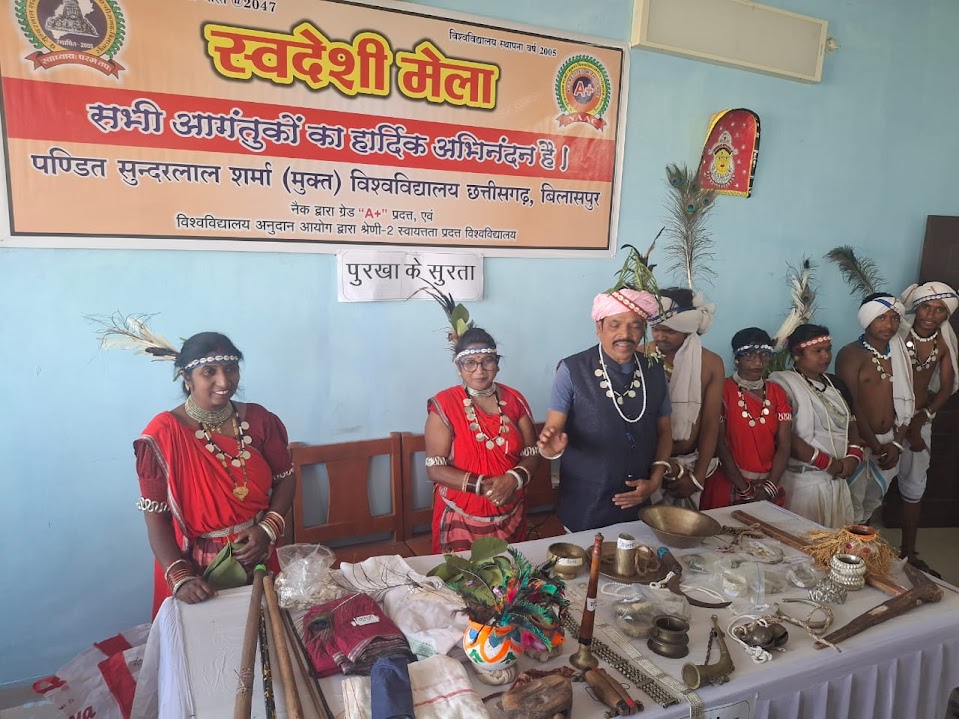
Engagement with academic institutions and scholarly platforms helps bring the rich cultural heritage and historical contributions of tribal communities into wider dialogue. Such forums provide an opportunity to share grassroots perspectives and highlight the knowledge, traditions, and leadership emerging from tribal society.
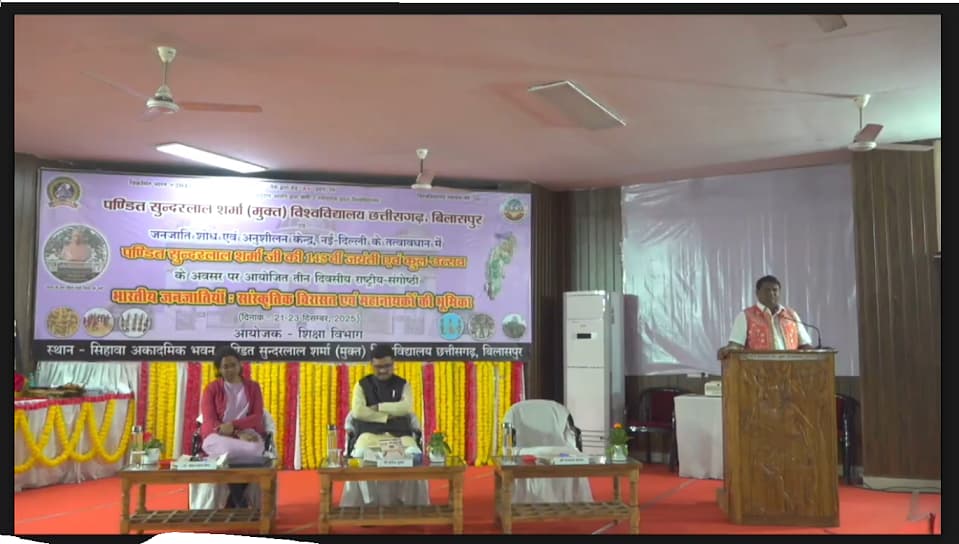
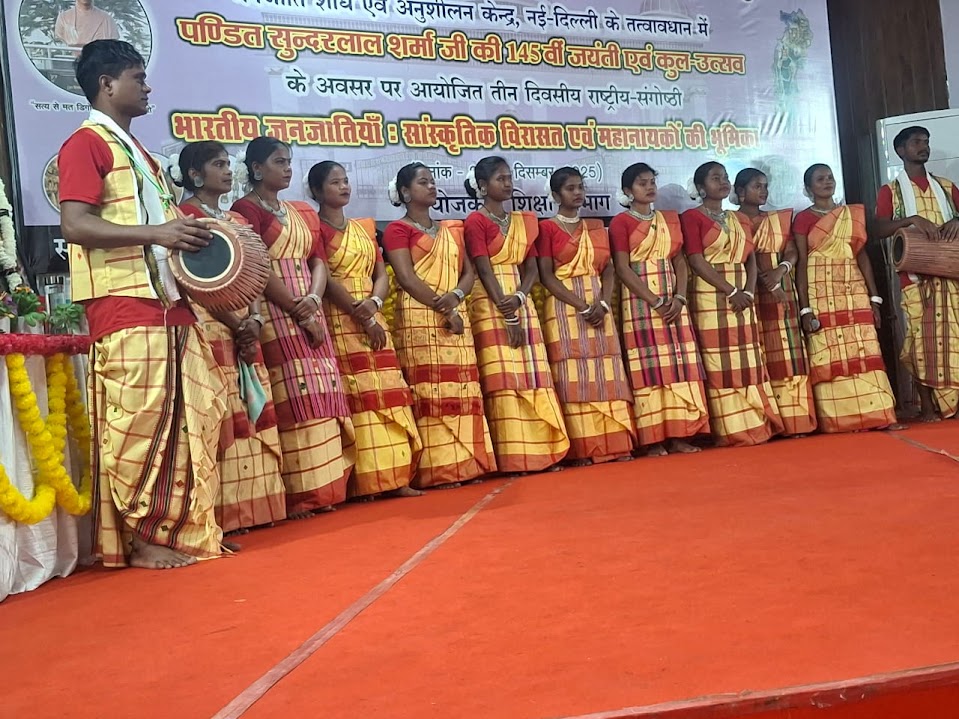
A three-day national workshop titled “Indian Tribes: Cultural Heritage and the Role of Tribal Heroes” was organized at Pandit Sundarlal Sharma Mukta University, Bilaspur (Chhattisgarh). The workshop brought together scholars, practitioners, and community representatives to discuss the cultural legacy and historical contributions of tribal communities.
During the workshop, Shivganga volunteer Shri Rajaram Ji Katara participated and delivered a thoughtful address on the rich traditions of tribal culture and the historical and social role played by tribal heroes. His presentation highlighted the cultural richness, traditional knowledge systems, and inspiring leadership that have shaped tribal society over generations.
The interaction provided participants with deeper insights into the strength of tribal cultural heritage and emphasized the importance of recognizing and learning from the legacy of tribal leaders and communities.
Organic Farming Training – Impact Update (December 2025)
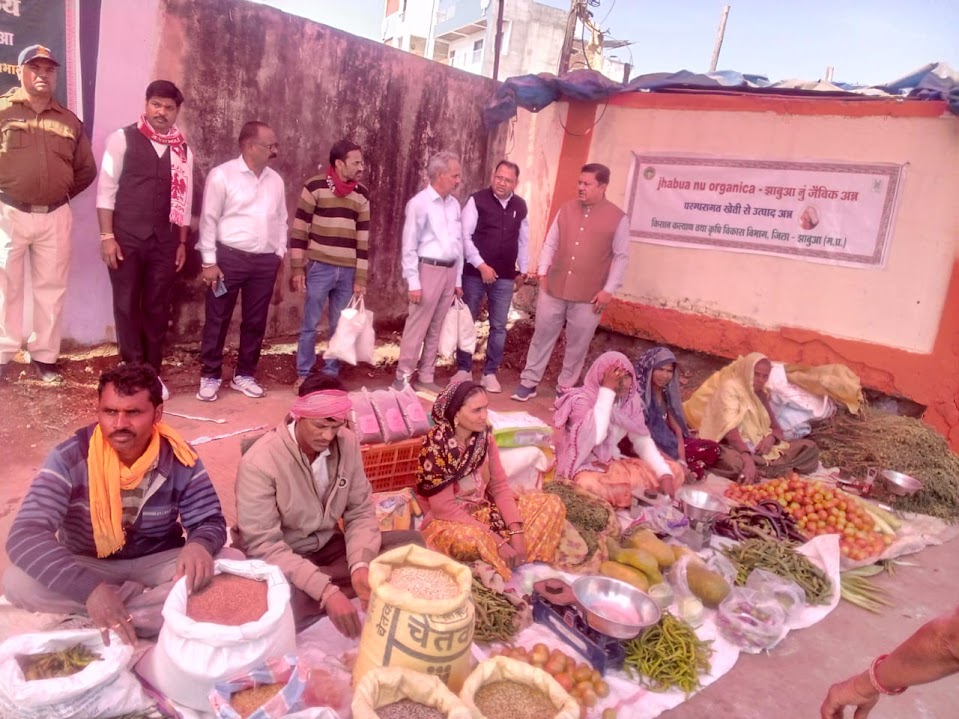
Organic farming training is an important initiative of Shivganga aimed at promoting sustainable agricultural practices while improving the livelihoods of rural farmers. Through these trainings, farmers learn environmentally friendly cultivation methods that reduce dependence on chemical inputs and encourage healthier soil, crops, and communities.
An encouraging impact of this initiative can be seen in Village Sajwani of Jhabua district, where farmers Shri Dhanna Bhai Vasuniya and Shri Parsing Bhai Vasuniya have begun cultivating organic vegetables in their fields after receiving training from Shivganga. Following the training, they have been regularly selling their organically grown produce at the weekly haat market in Jhabua.
Their efforts have not only created a reliable source of income for their households but have also inspired other farmers in the village to explore organic farming practices. As demand for chemical-free produce continues to grow, organic vegetables are gradually becoming an important source of livelihood for these farmers, contributing to steady improvements in their economic condition.
This example reflects how knowledge gained through training can translate into practical action, empowering farmers to adopt sustainable practices while strengthening local livelihoods.