The Coalition for Wildlife Corridors - Annual Partners’ Meet 2026
Photo credit: Divya Ramesh/Coalition for Wildlife Corridors
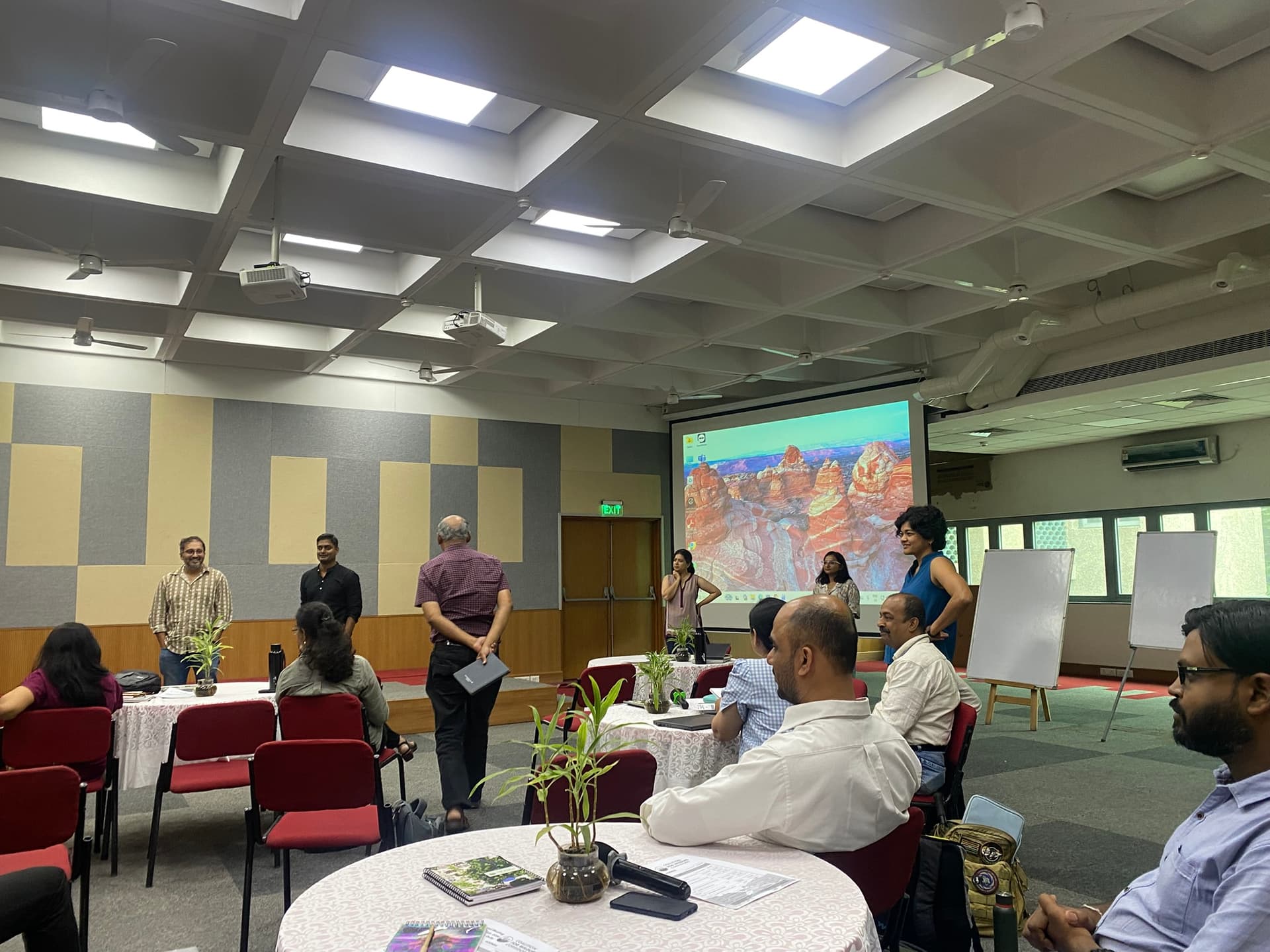
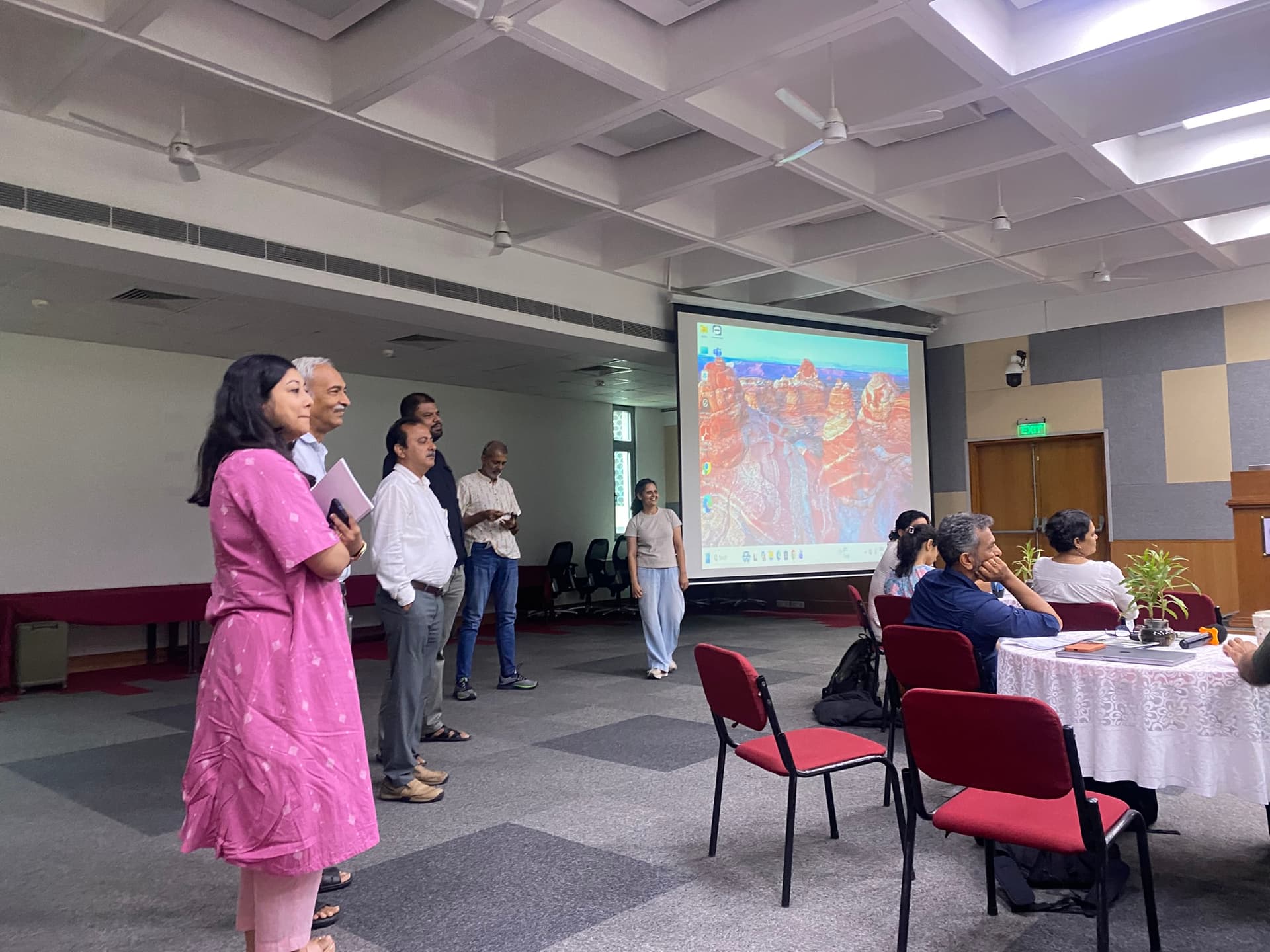
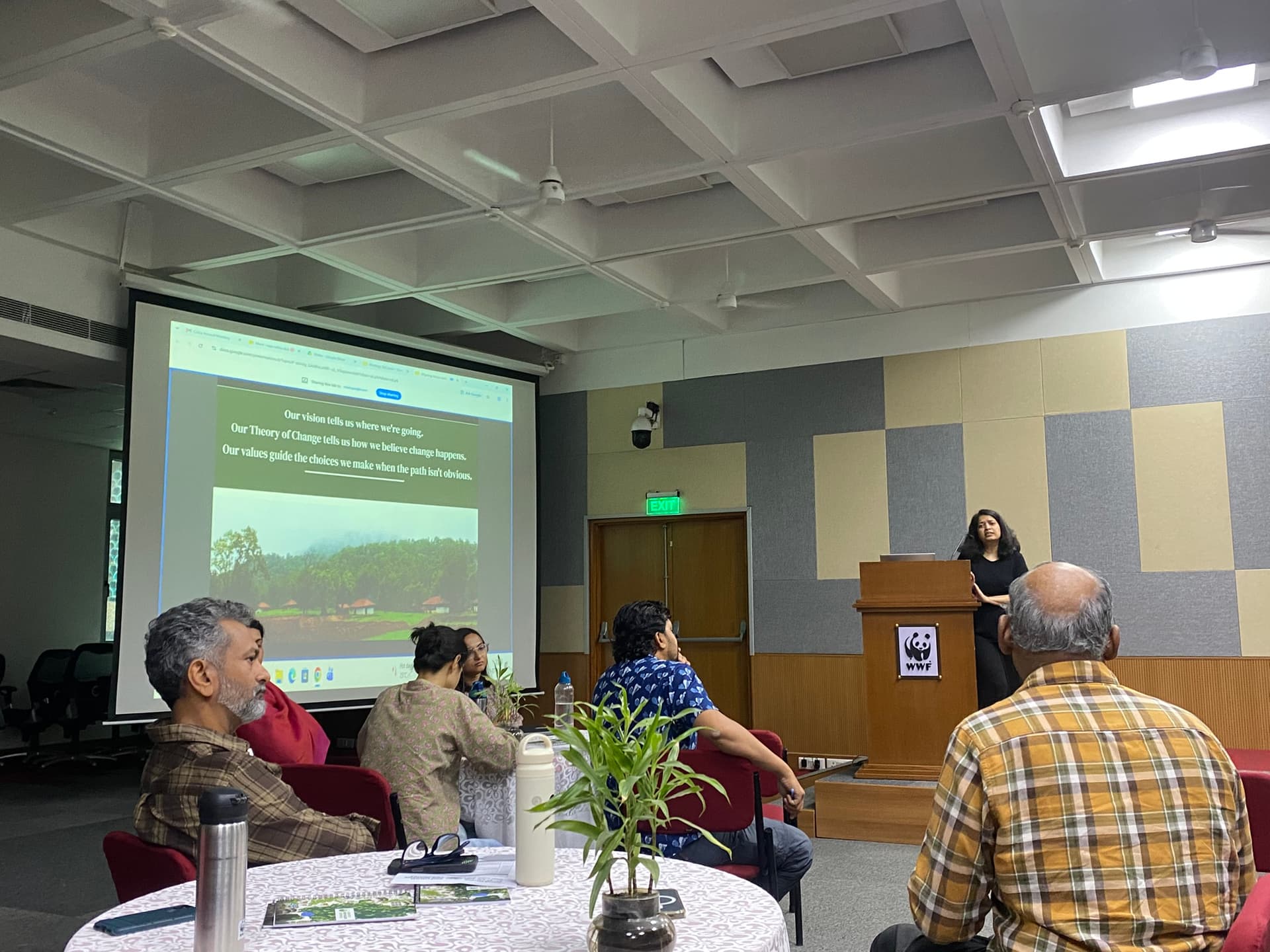
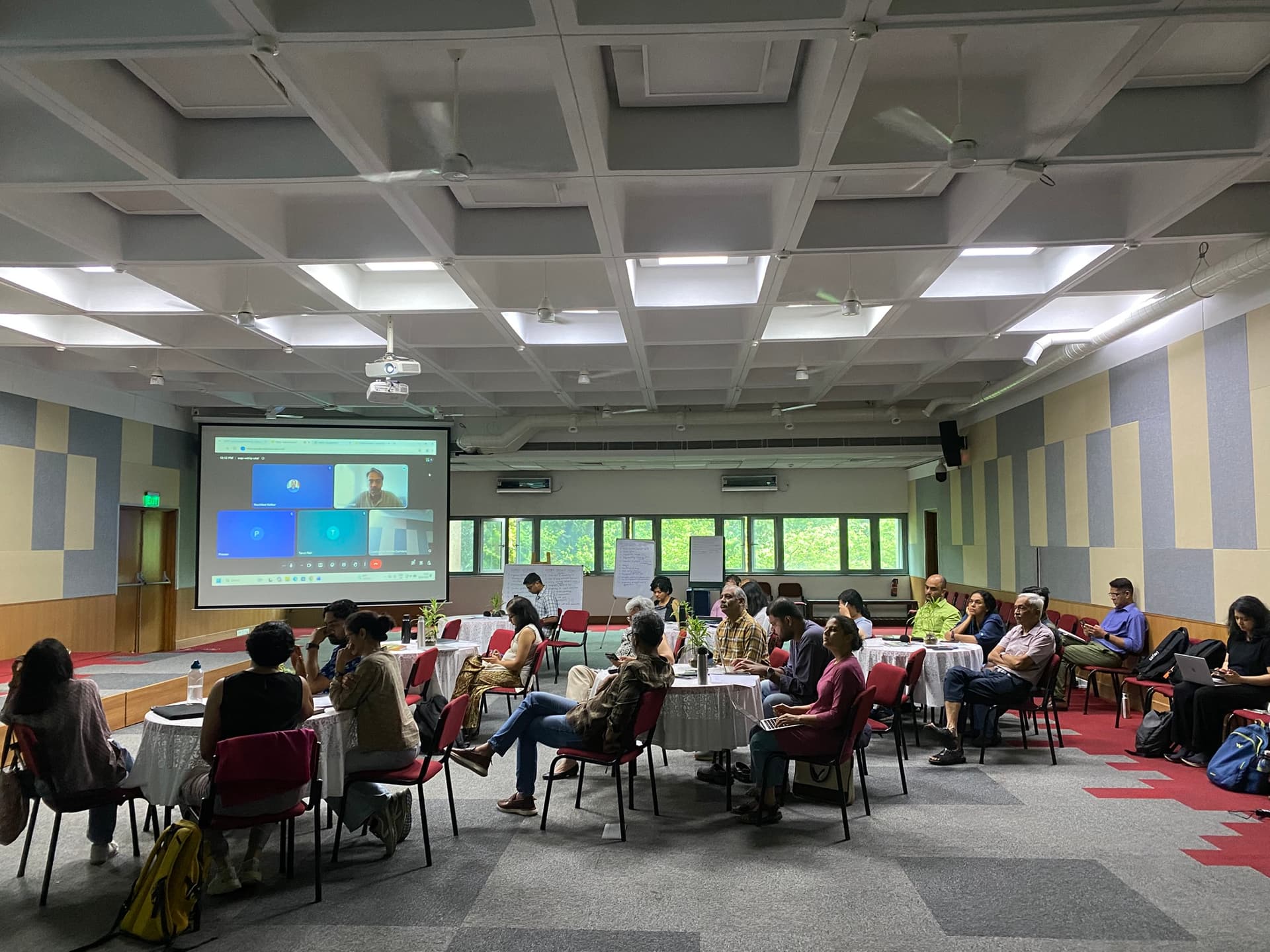
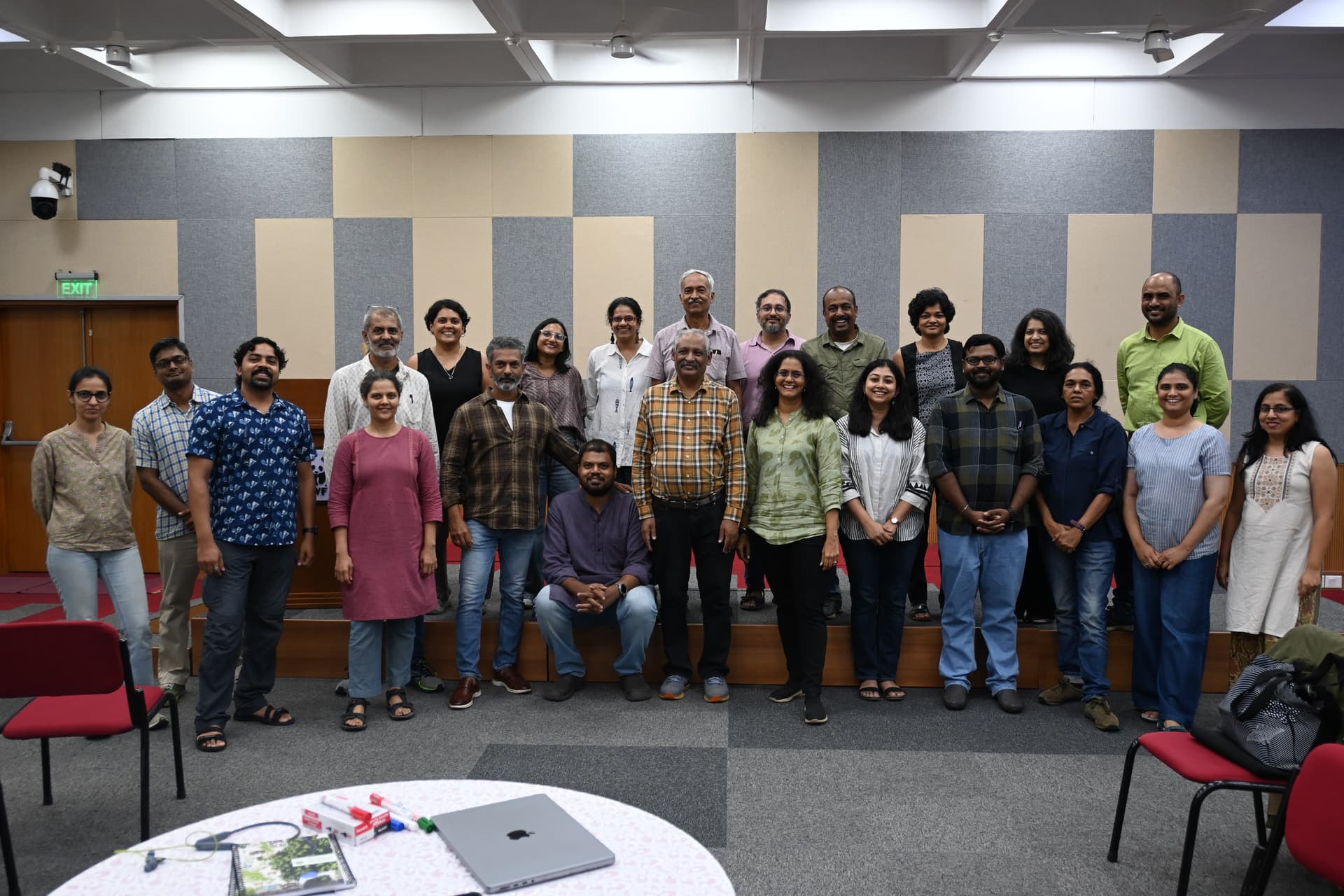
Two action-packed days (8th and 9th July 2026) at the WWF-India office in New Delhi!
25 organisational and individual partners, guest subject-matter experts were in attendance across India.
Photo credit: Divya Ramesh/Coalition for Wildlife Corridors
Fueled by coffee, tea, and an unwavering goal to strengthen connectivity conservation in India, we were planners, researchers, ideators, and institution builders under one roof.
We explored joint action for safeguarding the shared multi-use spaces that are corridors - home to people, wildlife, and a whole host of complex challenges!
Photo credit: Divya Ramesh/Coalition for Wildlife Corridors
We deliberated on connectivity aspects of policy, fundraising as a collective, connectivity in lesser-studied habitats, technology, and data tools to fill gaps in current knowledge, and more.
Photo credit: Divya Ramesh/Coalition for Wildlife Corridors
A big thank you to all members for their insights, meaningful engagement, and continued partnership.
Photo credit: Divya Ramesh/Coalition for Wildlife Corridors
The Coalition for Wildlife Corridors at the Indian Wildlife Ecology Conference
Photo credit: Divya Ramesh/Coalition for Wildlife Corridors
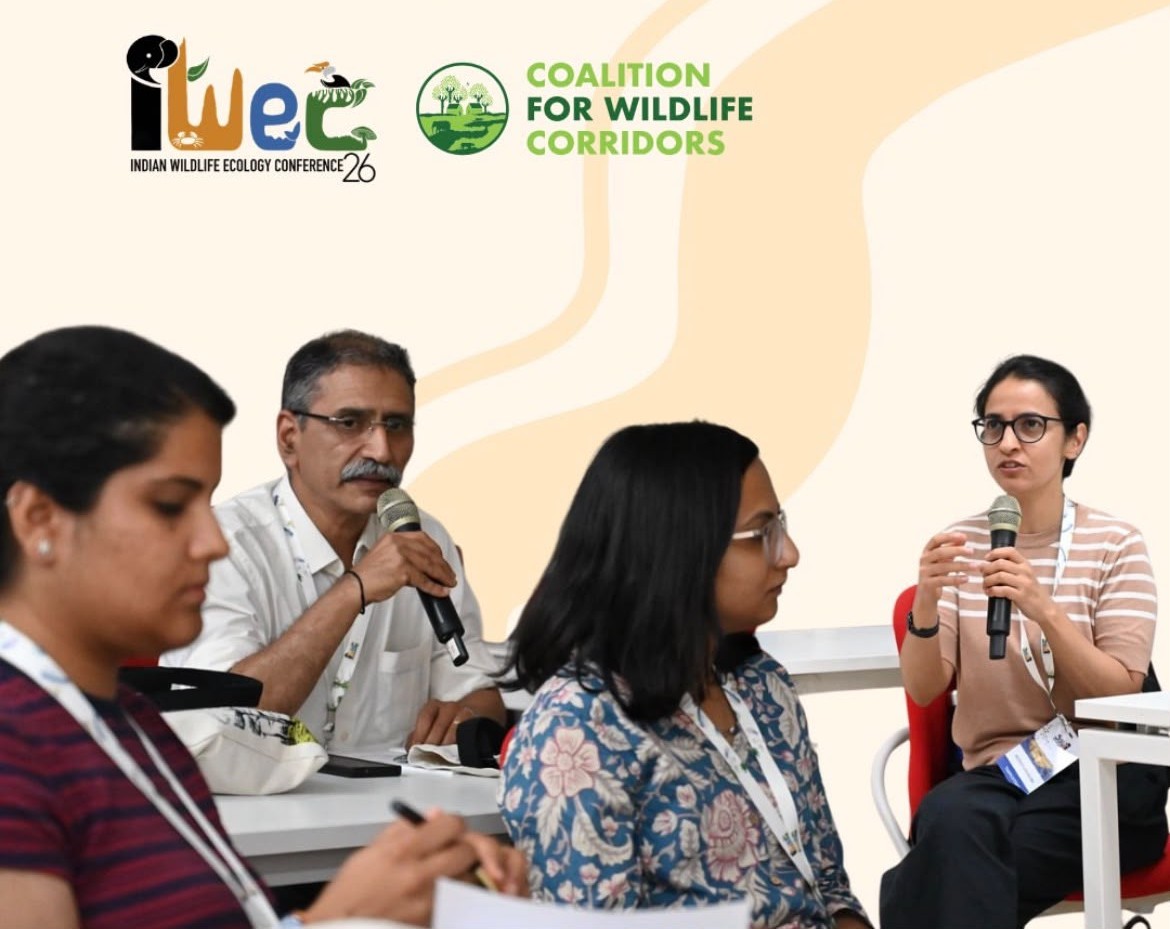
Everyone in ecology was Indian Wildlife Ecology Conference (IWEC), and The Coalition for Wildlife Corridors were too!
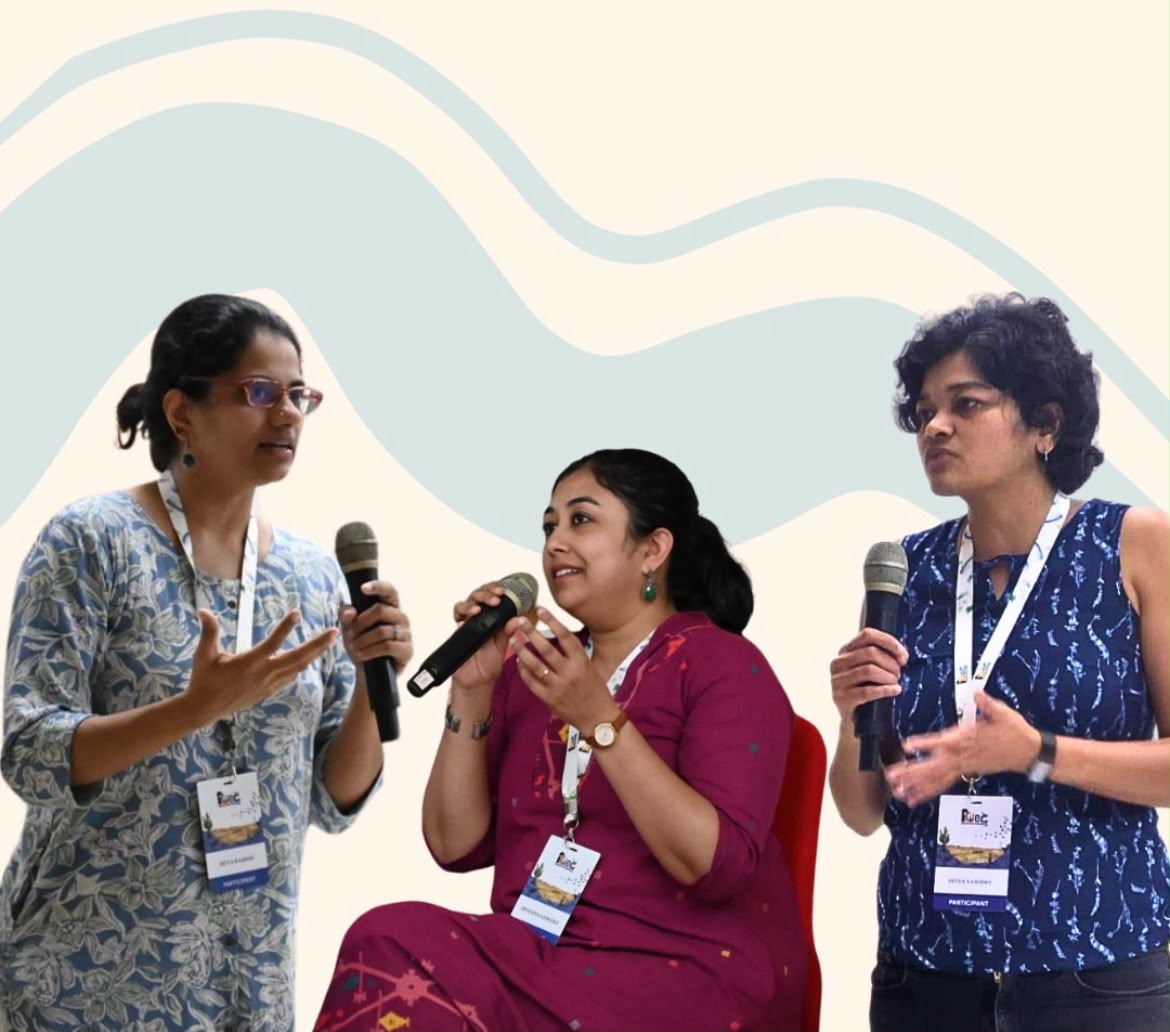
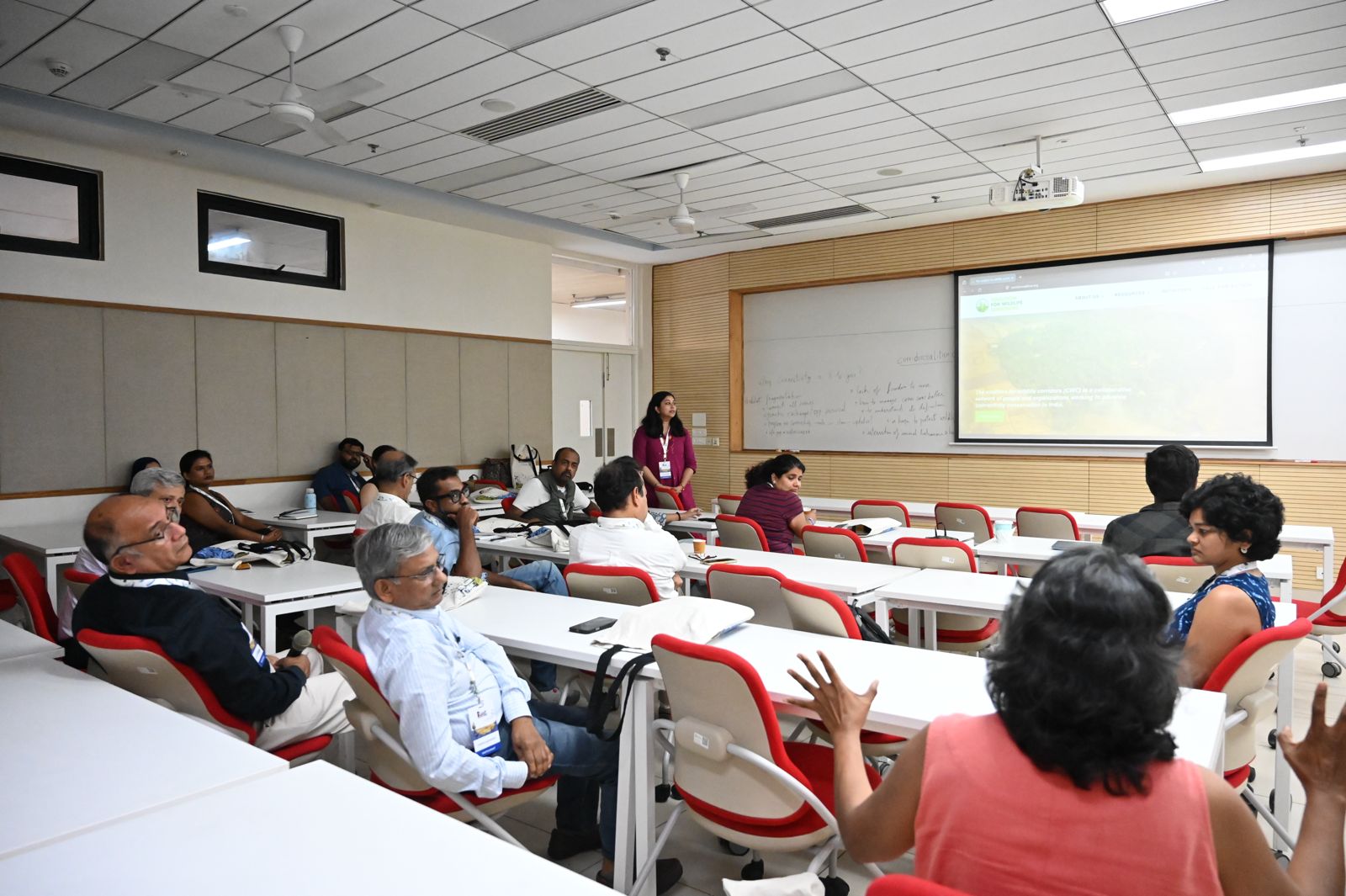
Coalition members - Divya Ramesh, Upasana Ganguly (Wildlife Trust of India), and Divya Vasudev (Conservation Initiatives) - led a Special Interest Group discussion on ‘Partnering for Connectivity’.
Photo credit: Coalition for Wildlife Corridors
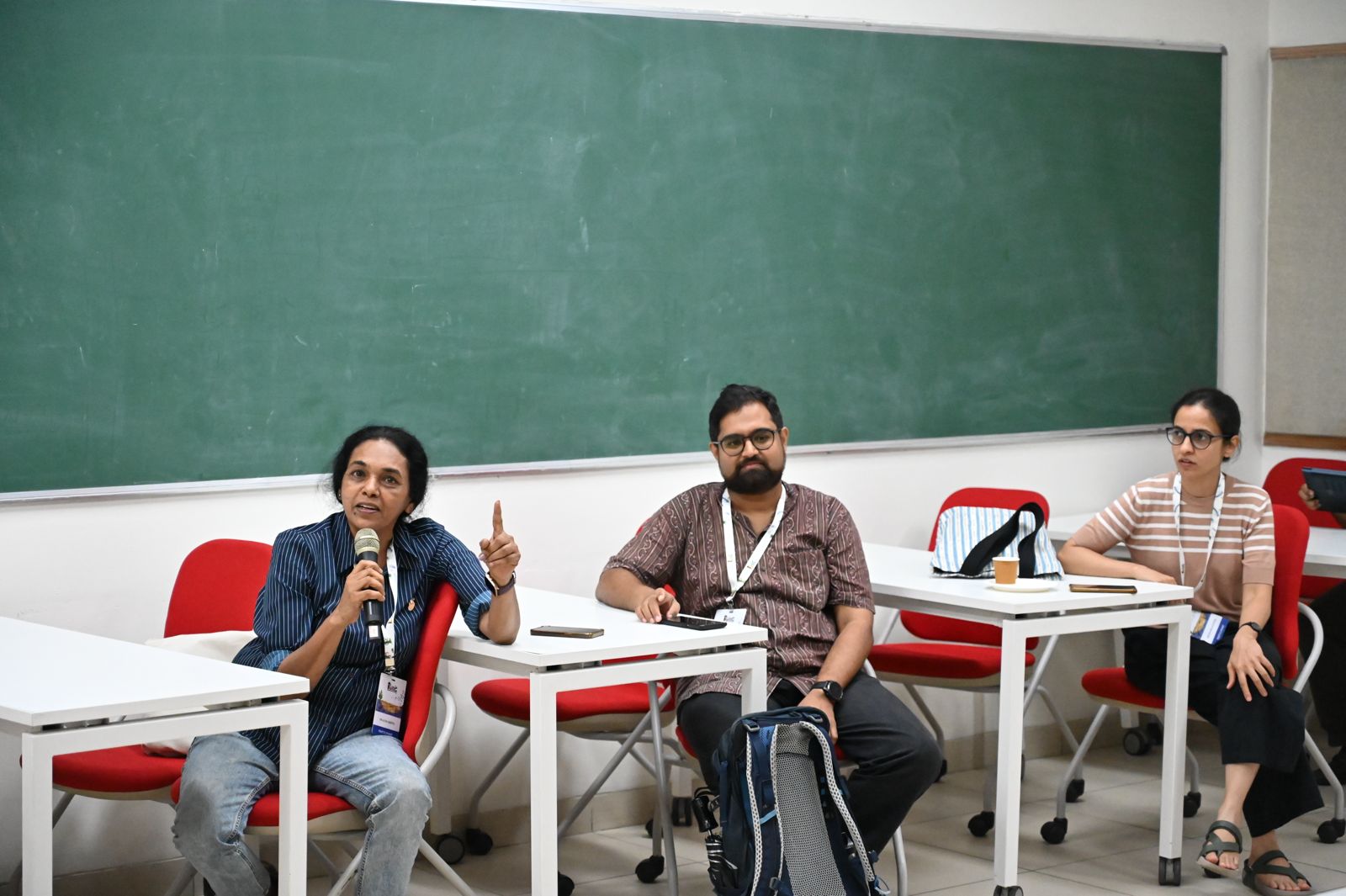
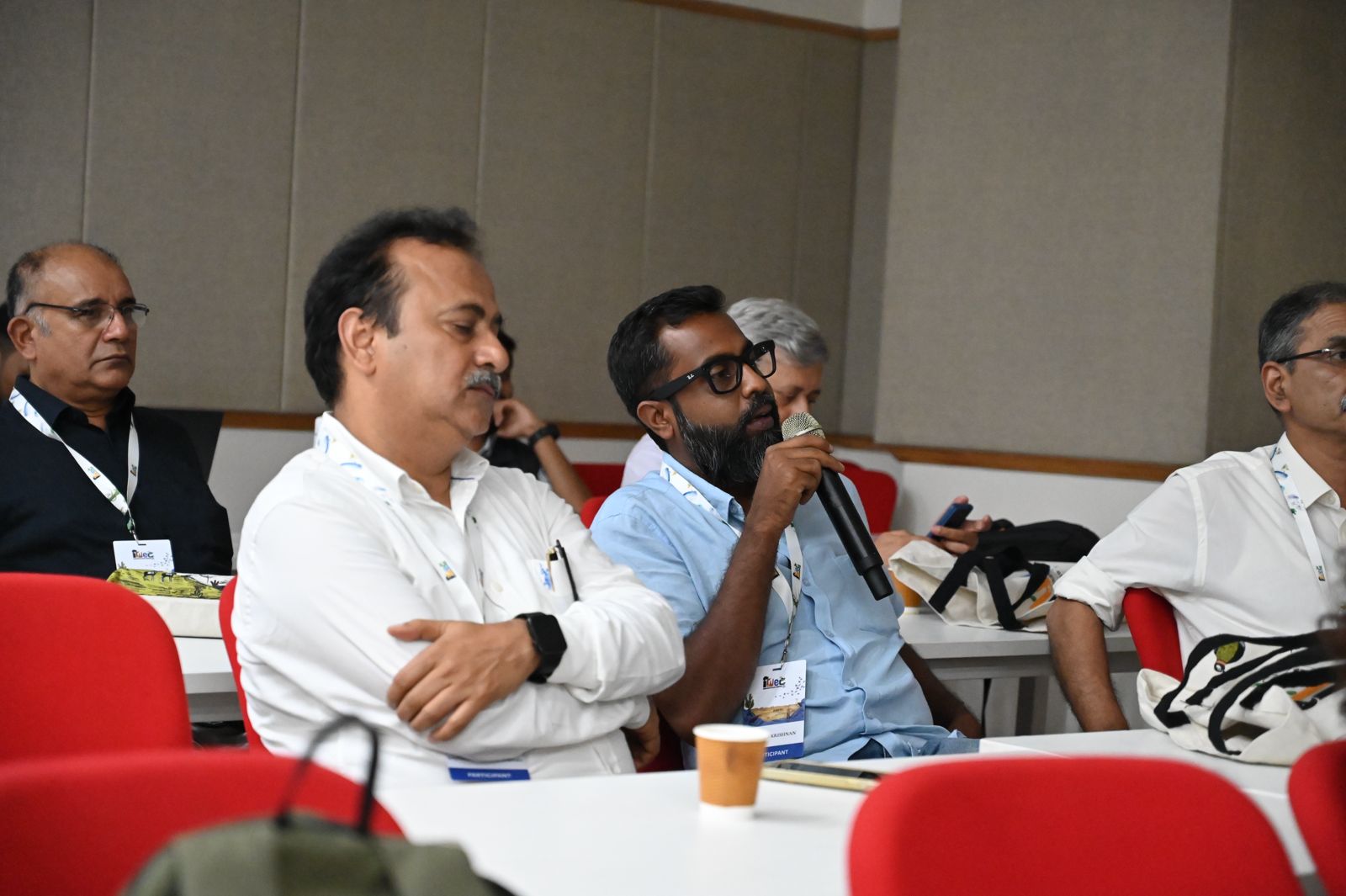
At the end of a full first day of attending talks, panels, and networking, 25 folks gathered in a room, energies still high and keen on understanding connectivity in India.
Photo credit: Divya Ramesh/Coalition for Wildlife Corridors
We discussed knowledge gaps in connectivity conservation, the pressing need for more scientific studies on genetic connectivity across species for instance, including lesser studied ones, and key challenges in management and policy.
Photo credit: Divya Ramesh/Coalition for Wildlife Corridors
Why is connectivity important?
The answers in the room ranged from increasing habitat fragmentation and species survival to the fact that it exists in the human-wildlife interface and it matters how we define and talk about connectivity.
Photo credit: Divya Ramesh/Coalition for Wildlife Corridors
Grateful to IWEC for having us, and thanks to all the participants who wandered in at the end of a long day! The conversation is just getting started!
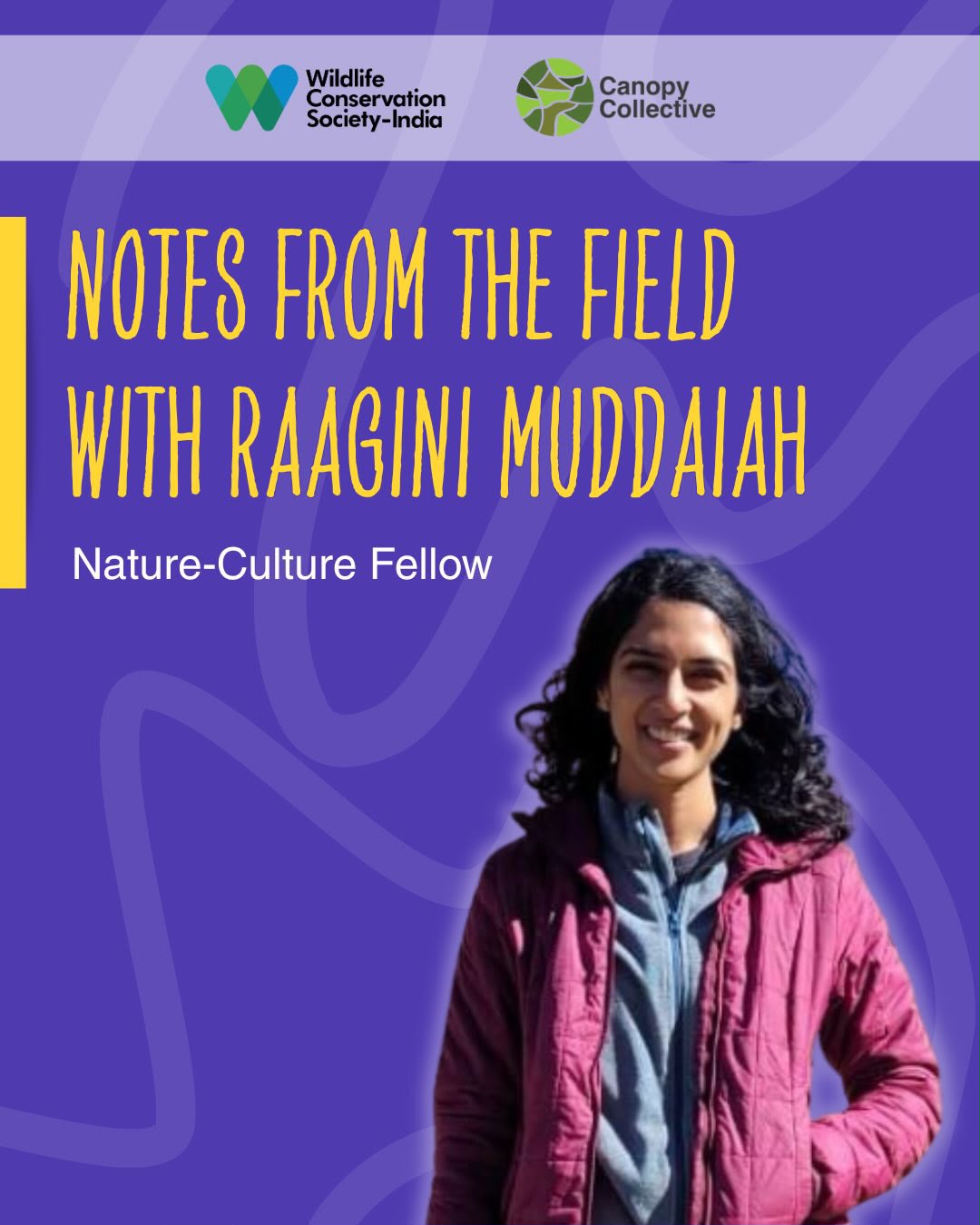
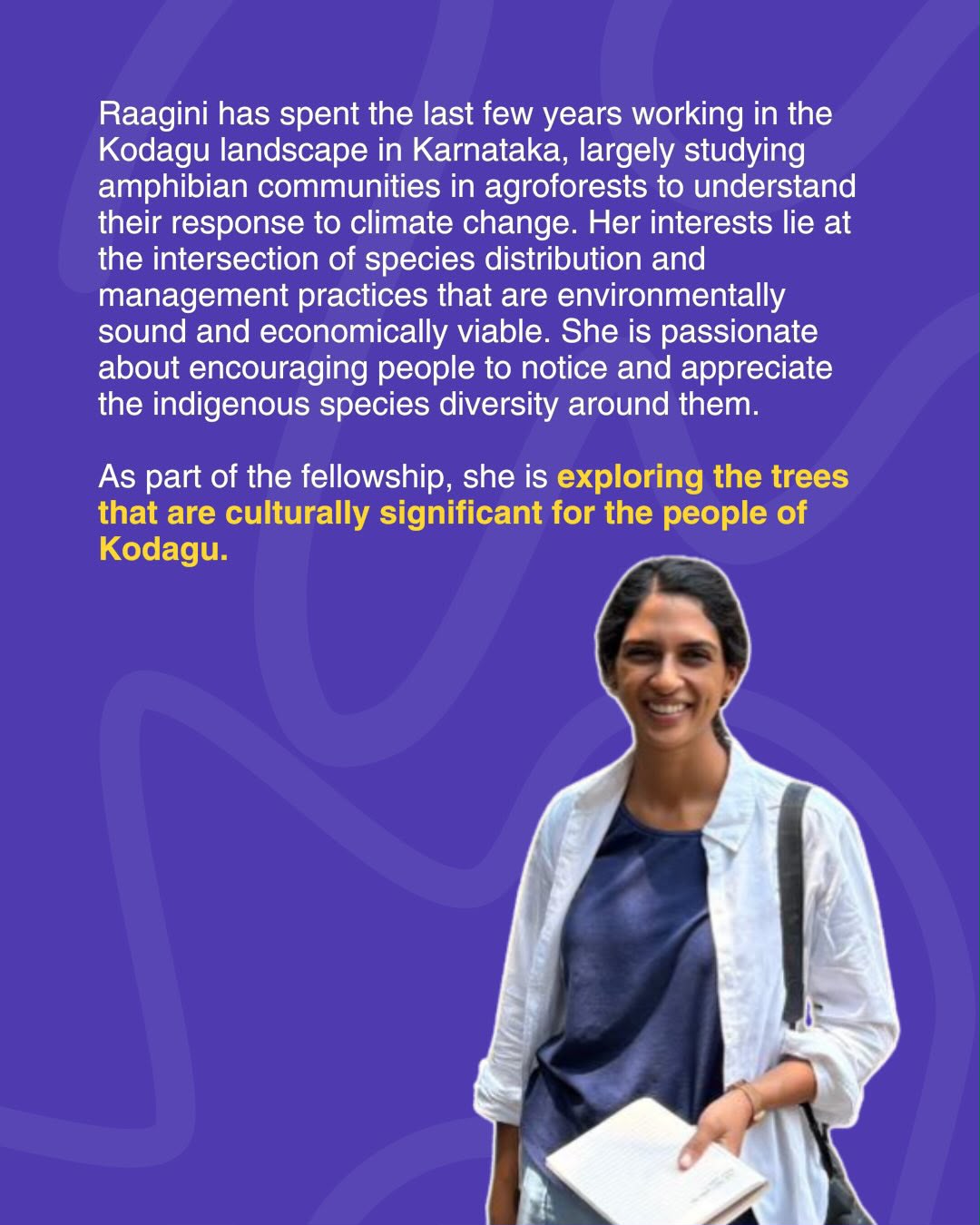
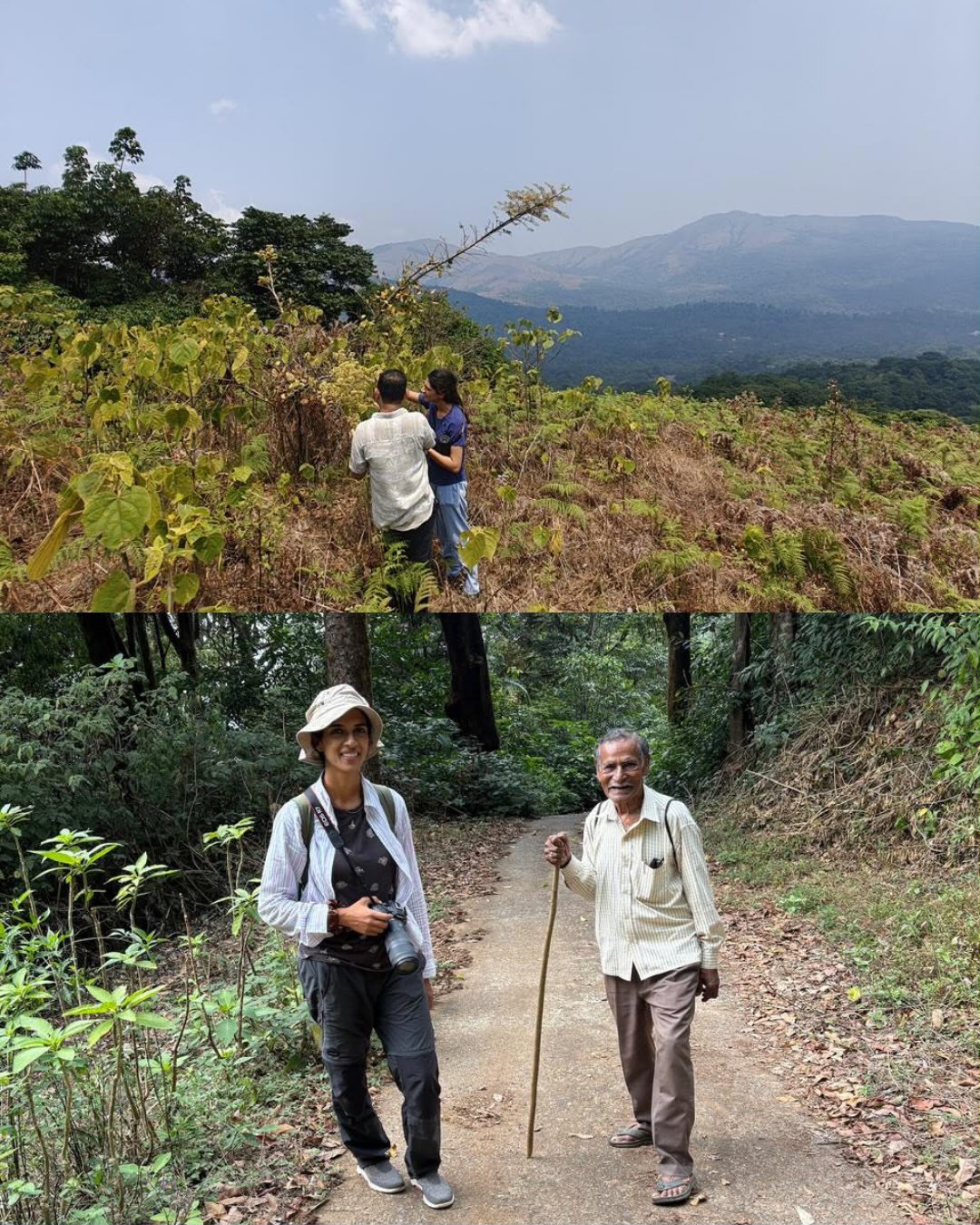
Notes from the Field with Raagini Muddaiah - Nature-Culture Fellow
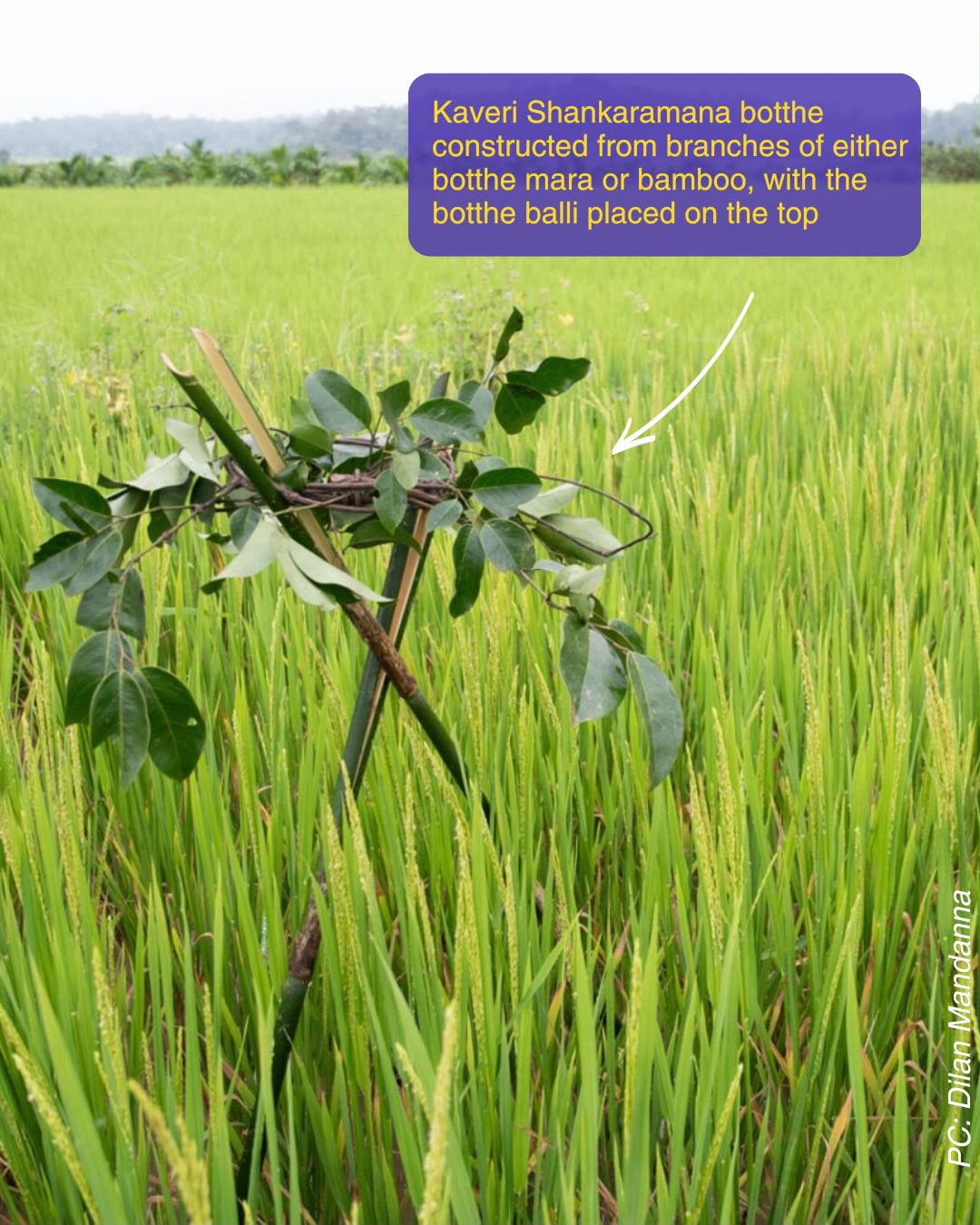
Photo credit: Dilan Mandanna
All photo credits (unless mentioned otherwise): Raagini Muddaiah
Amphibians & Agroforest Streams of the Western Ghats
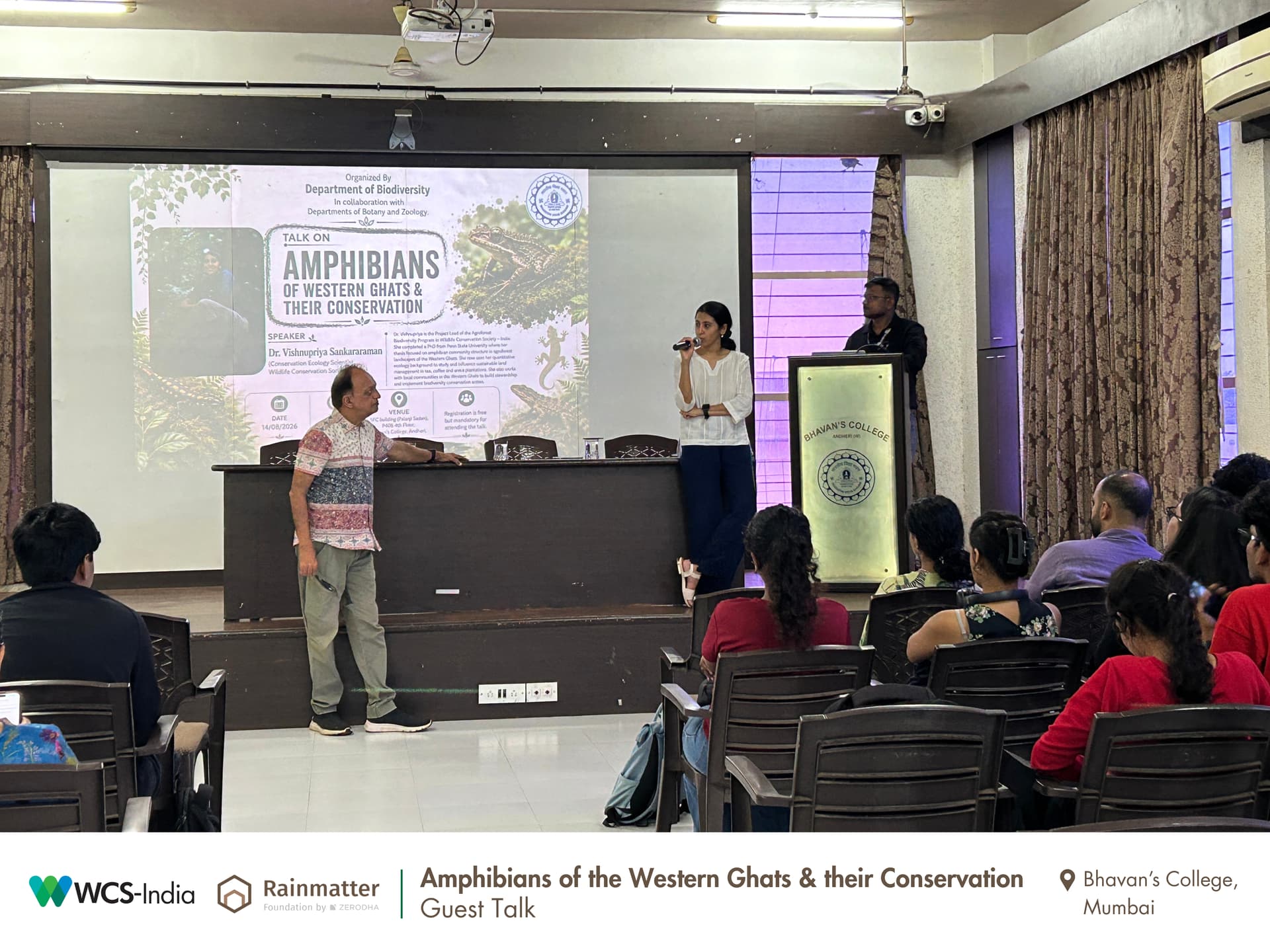
Dr Vishnupriya Sankararaman (center) answering a question posed by Dr Parvish Pandya from Sanctuary Nature Foundation (left) | Photo: Keren Pereira/WCS-India
What can a tiny frog tell us about the health of an entire ecosystem?
That was just one of the many fascinating questions explored during an inspiring interaction between Dr Vishnupriya Sankararaman, who leads WCS-India’s Agroforest Biodiversity Project, and 35 undergraduate and postgraduate students from Birla College, Mithibai College, M.D. College, Bandodkar College, and Bhavan’s College.
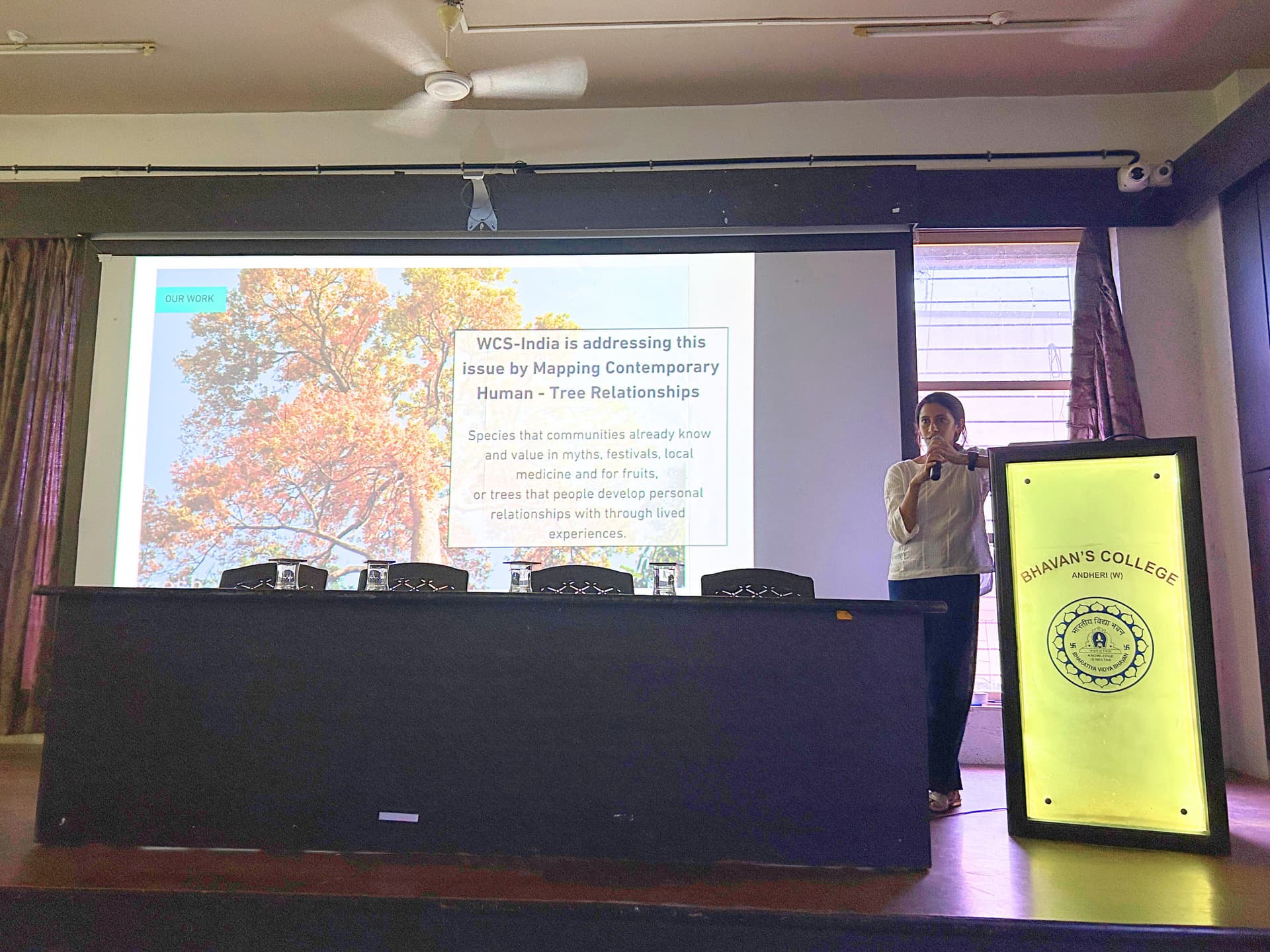
Sharing how WCS-India’s teams are working in different landscapes across India with different local stakeholders | Photo: Keren Pereira/WCS-India
Organised by Bhavan College’s Department of Biodiversity in Mumbai, along with the Departments of Botany and Zoology, in collaboration with WCS-India, the session took participants on a journey through the Western Ghats. Drawing from more than a decade of field research in agroforest landscapes such as Coorg and Valparai, Dr Sankararaman shared how amphibian communities thrive in tea, coffee, rubber, and areca nut plantations, highlighting the often-overlooked role these working landscapes can play in supporting biodiversity.
WCS-India staff (first row; Raj Jadhav, Karan Deshpande) with students during the talk | Photo: Keren Pereira/WCS-India
The interaction concluded with a Q&A session that helped students explore how such working landscapes can play a vital role in supporting sensitive and adaptable species alike, and the real-world impacts of climate change on amphibian diversity not just in the South of India but across other regions of the country can also be assessed similarly, to help understand and protect India’s rich natural heritage.