In the second week of February 2026 (9th to 15th February 2026), Sahjeevan team had an opportunity to collaborate with Shabad Shaala, an initiative led by Shabnam Virmani of the Kabir Project, that connects school children with the wisdom and poetry of Kabir and other saint-poets. Through songs and folk music, the program helps children understand values such as humanity, humility, contentment, and sensitivity towards nature. Sahjeevan Team was a partner to conduct one of the many activities in a Children’s Fair, called Ajab Gazab Bazaar, held at the LLDC Museum Campus in Bhuj - Kutch.
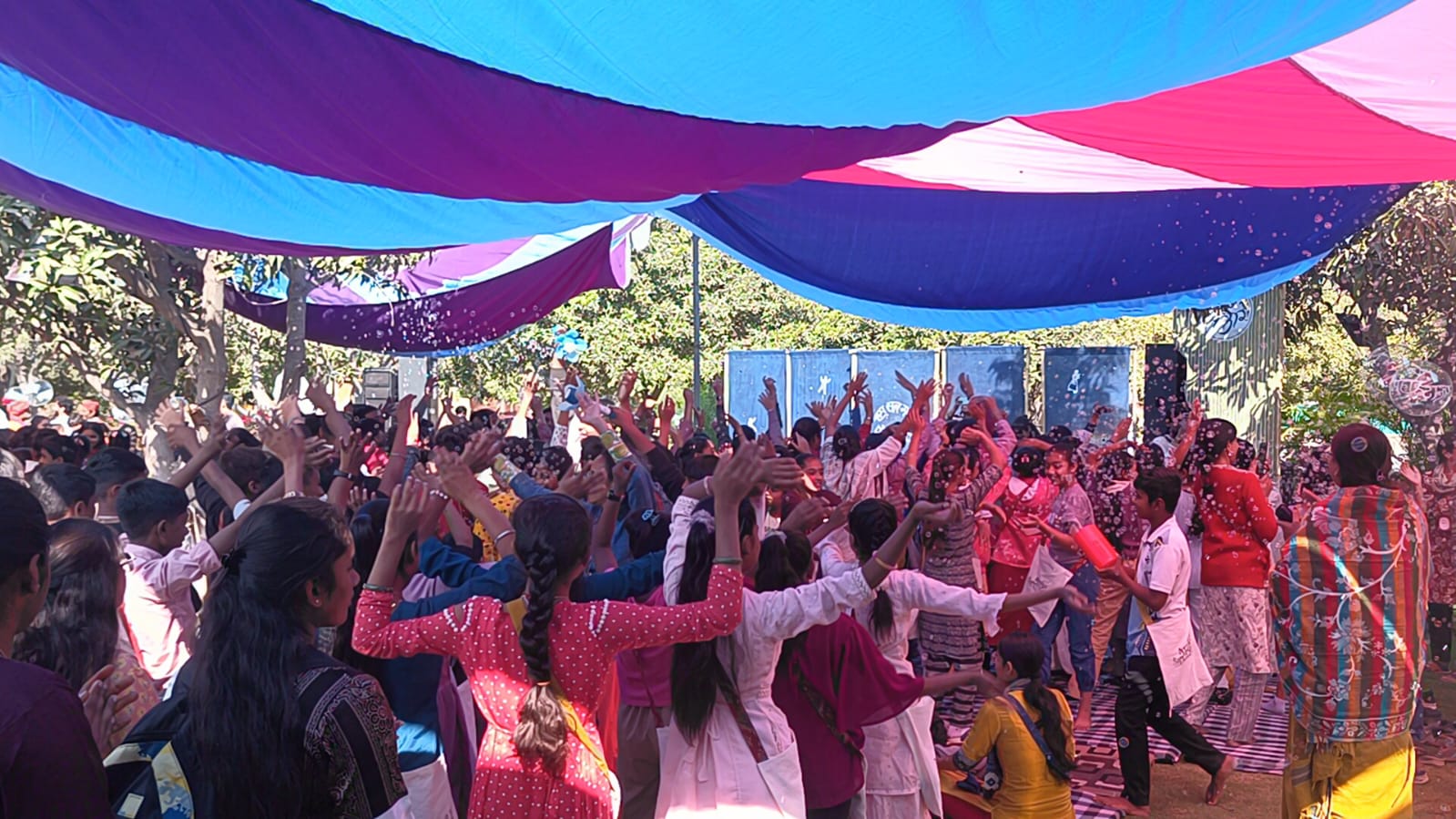
Under the Kabir Project, Shabad Shala program is being implemented in 10 schools across the country through a series of six sessions, allowing children to engage with the ideas of saint-poets while also gaining an appreciation for India’s rich folk music traditions. Once a year, these schools come together at a place to celebrate the beauty of music and education through songs and couplets by Kabir, Mirabai and other such saints at Ajab Gazab Bazaar.

As a part of the game Chalo Cheenti Bachai Ke, a small nature walk was organized to introduce them to the fascinating world of insects—the tiny heroes of our planet.
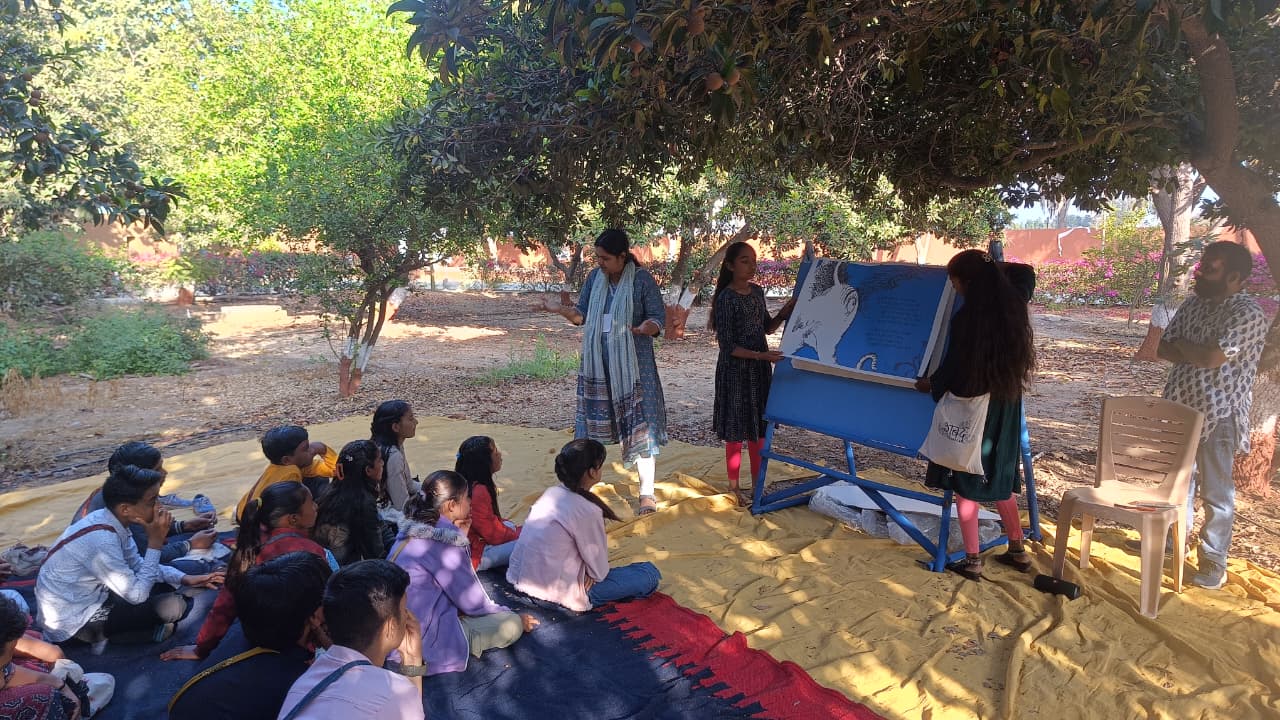
The “Chalo Cheenti Bachai Ke” session began with a story about a micro-life diversity called Horton Hears a Who! by Dr. Seuss, which is a children’s story about kindness, believing in others, and protecting even the smallest lives. The 30-minute story sparked curiosity and compassion among the children.

Following the story, the Sahjeevan team facilitated a nature walk activity. Children were divided into groups and given bingo sheets and magnifying glasses to explore the area around them. During the walk, they observed many insects such as ants, grasshoppers, termites, stick insects, honeybees, flies, tiger butterflies, wolf spiders, baby mantis, and forest cockroaches, while learning about their life cycles, roles in nature, and interesting facts.
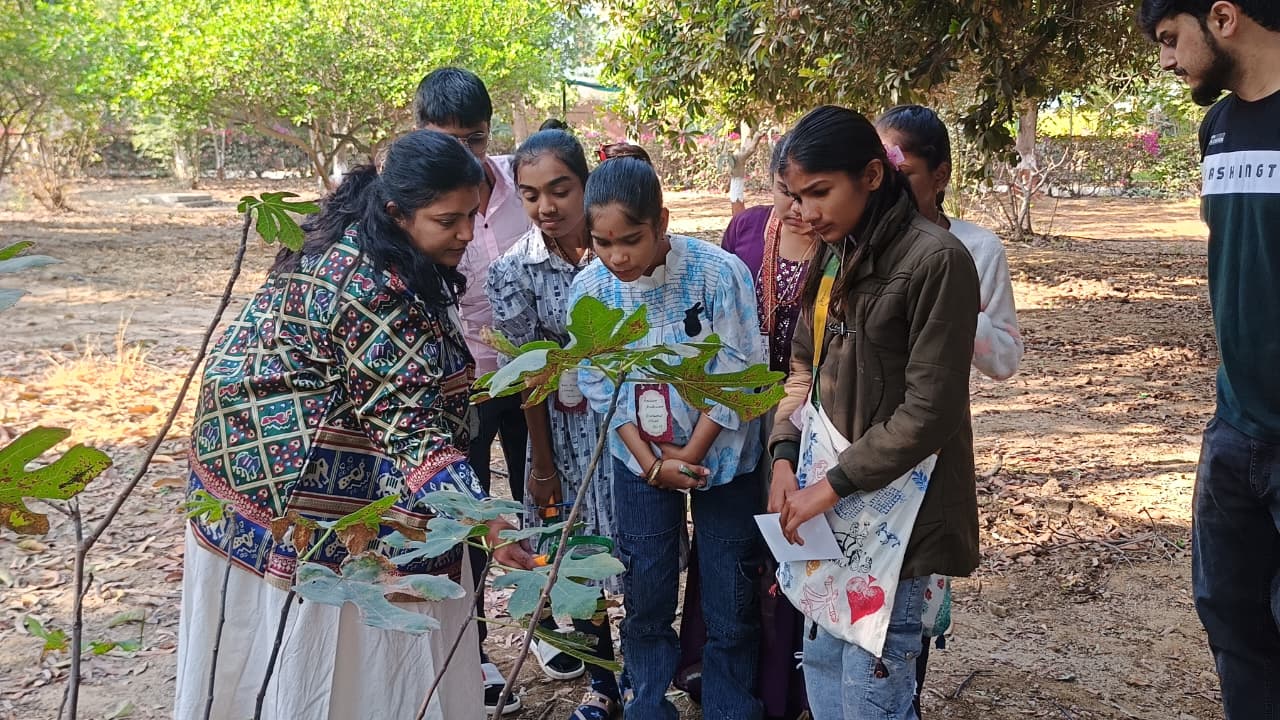
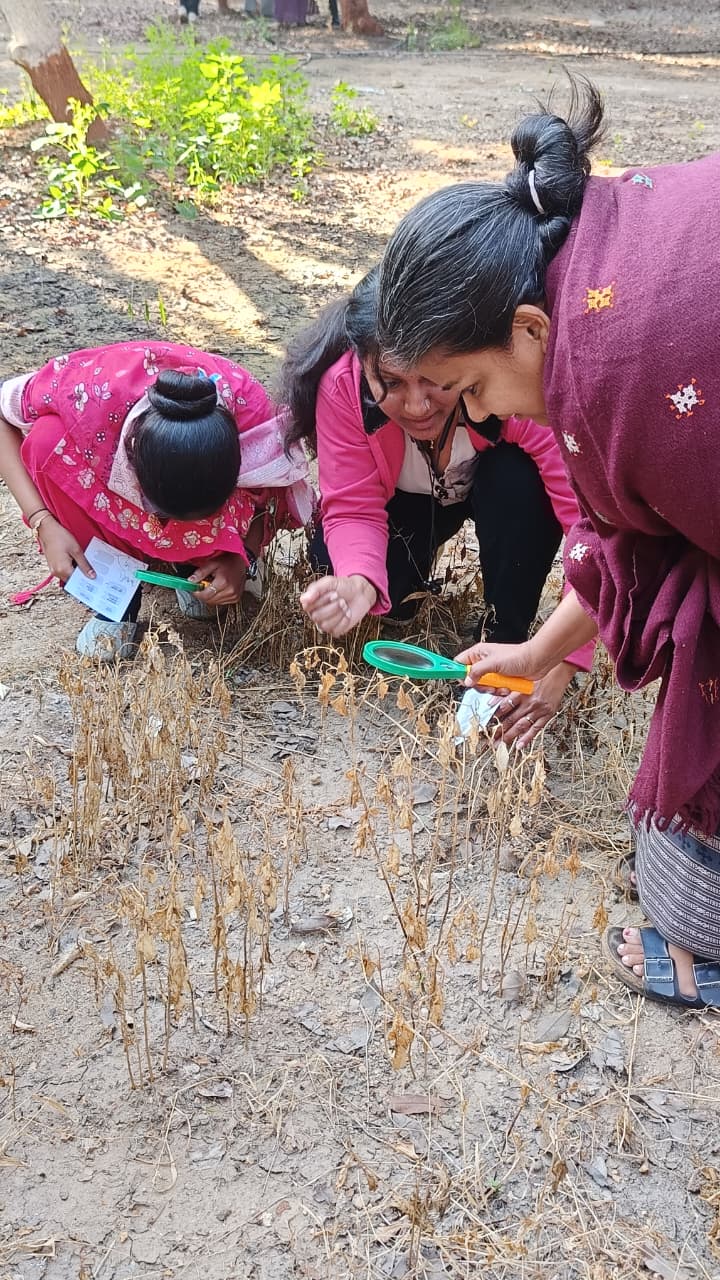

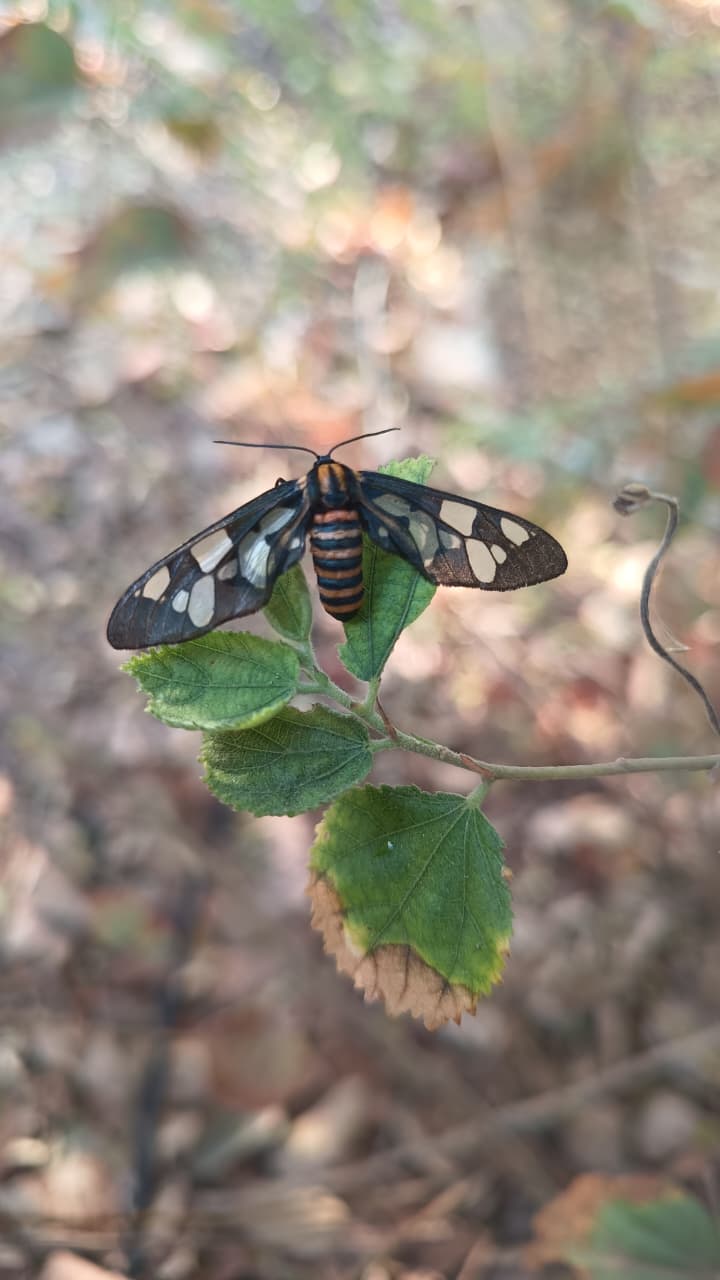
During the nature walk in Chikuwadi, children observed various small insects around them. One interesting insect observed was the Sandalwood defoliator, Amata passalis. During the observation, the eggs of this insect were also seen on the plant, which helped students understand a part of its life cycle and how insects grow and develop in nature.
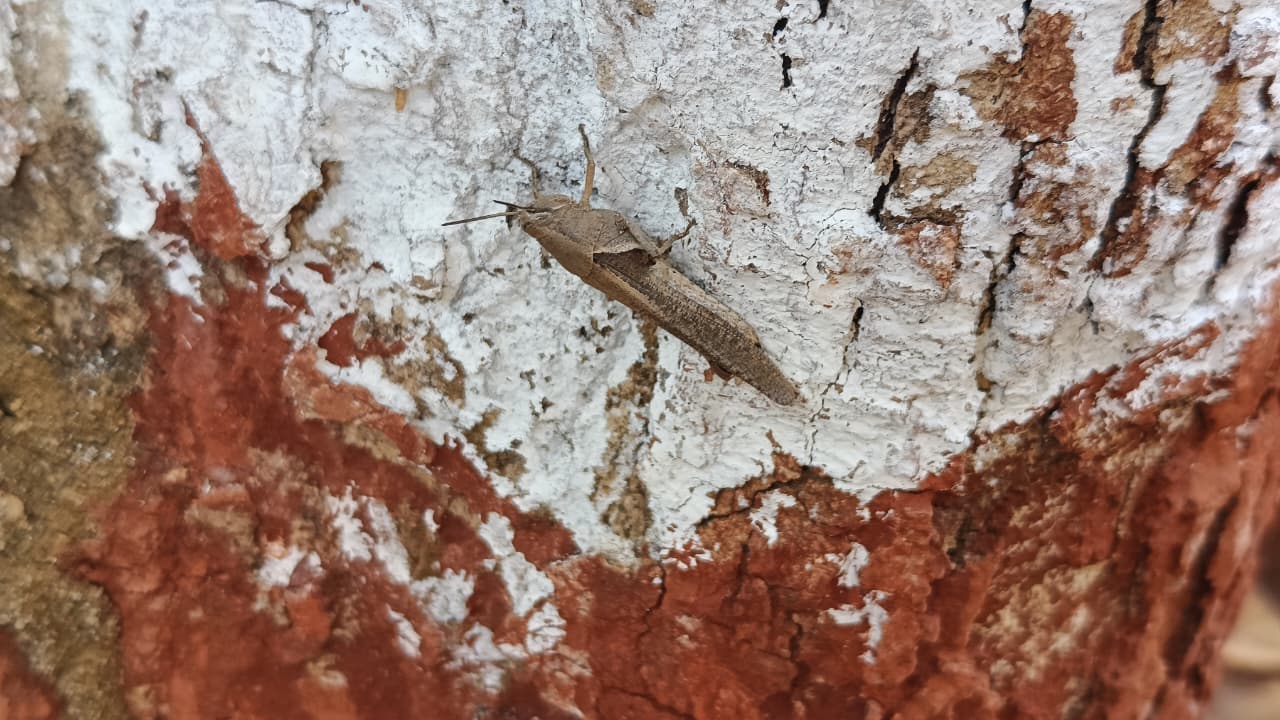

Through this activity, children realized that many tiny creatures live around us and, although small, they have a big impact on our Earth and ecosystem. As a feedback, rural school students shared that they were somewhat familiar with many insects, while urban school students discovered this tiny hidden world for the first time. Using a bingo sheet, students also wrote down the names of several insects they observed, making the activity very interactive and engaging.
The session ended with children sharing their observations and joyfully singing a Meerabai bhajan that reminds us that even the smallest lives matter, and that we should celebrate nature, fun, curiosity, and learning together.