August 2026 | Rooted in Community, Growing Towards Collective Prosperity
Shivganga Jhabua – Monthly Partner Update
August 2026 brought together diverse community-led efforts across the tribal villages of Jhabua and Alirajpur, Madhya Pradesh. From regenerating forests and strengthening community forest rights to expanding rural healthcare, nurturing youth leadership, and improving livelihoods, the month reflected Shivganga’s integrated approach to village development.
At the centre of these efforts remained Parmarth (selfless service) and Halma, the Bhil tradition of collective action, through which communities contribute their time, labour, and resources towards shared well-being.
1. Forest Regeneration | Restoring Green Cover Through Collective Action
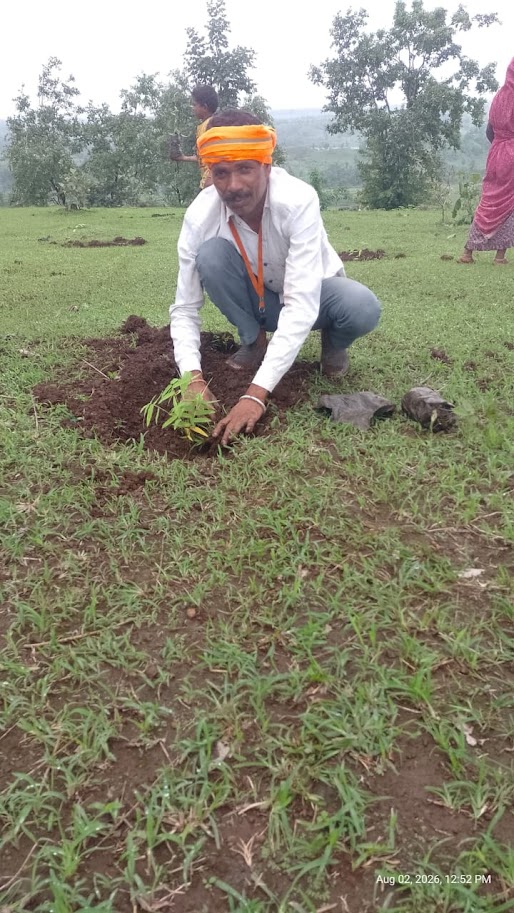
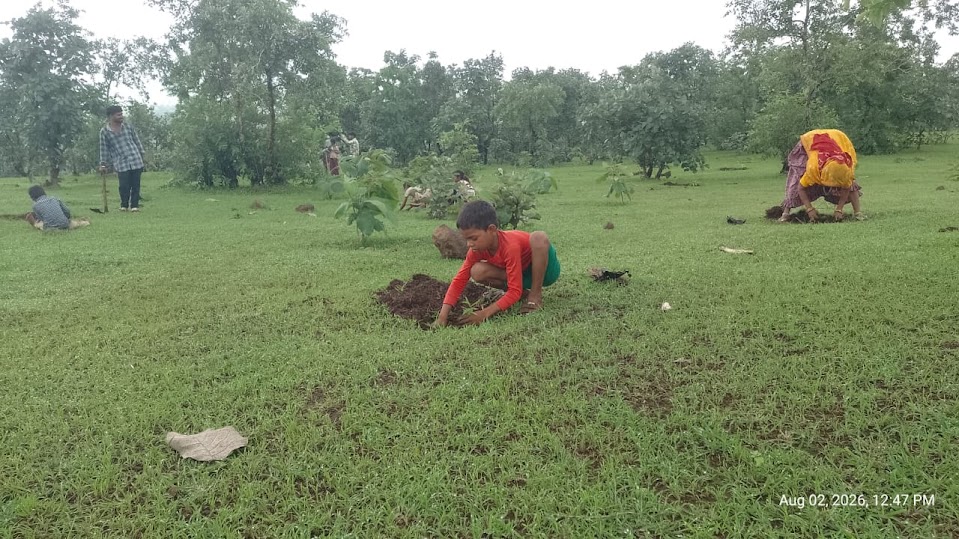
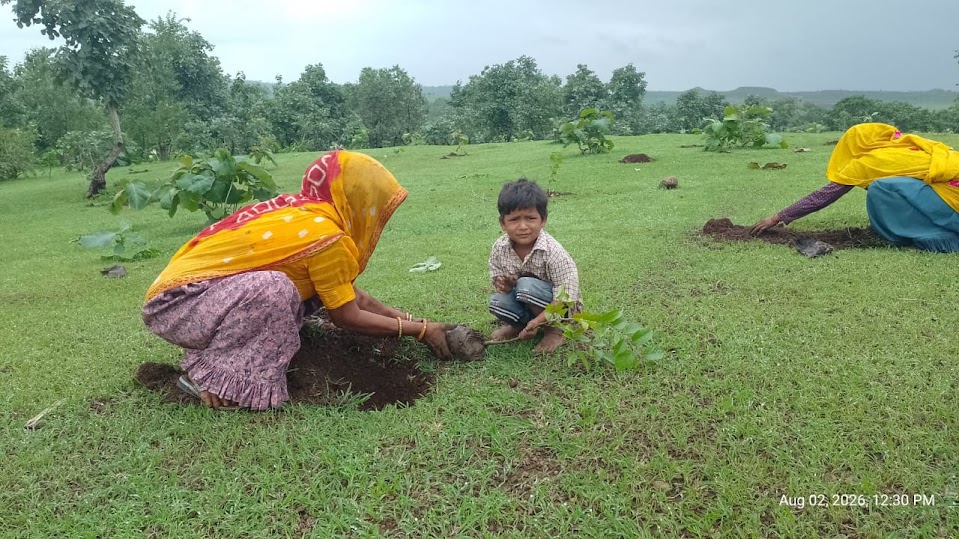
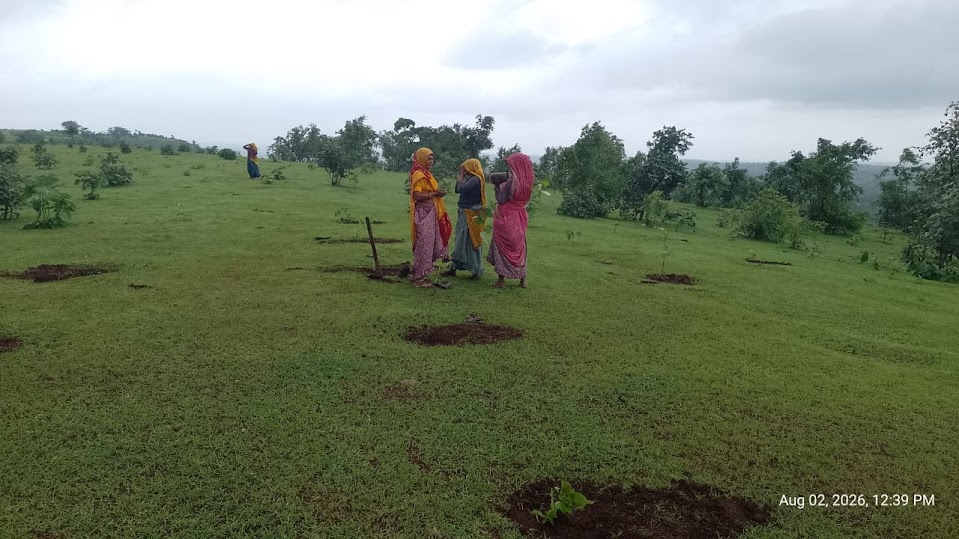
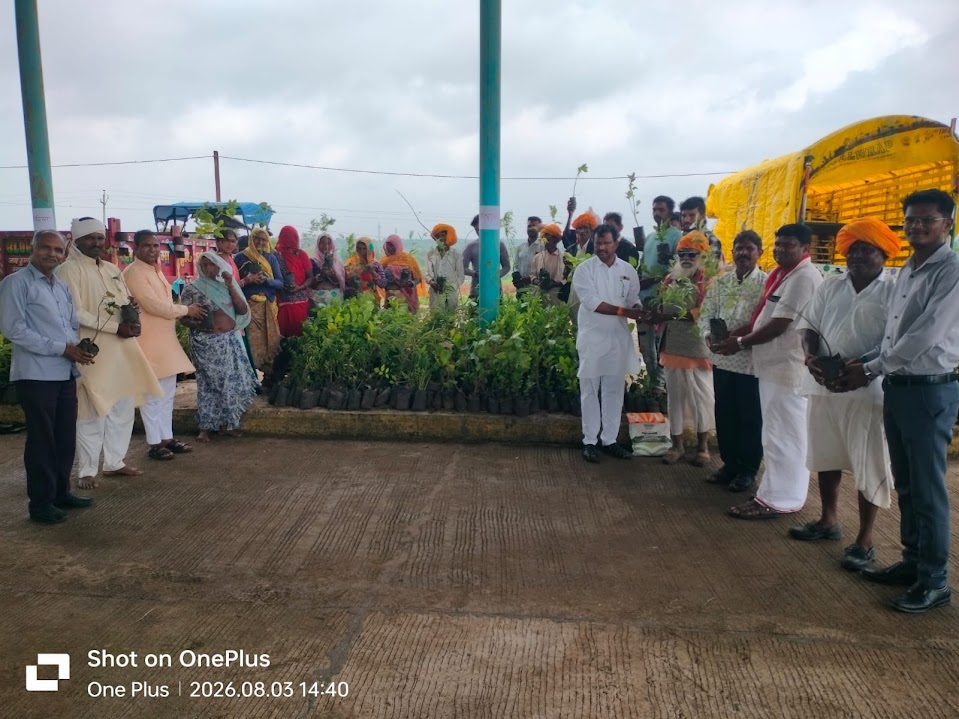
The monsoon season brought renewed momentum to forest regeneration, with communities organising plantation drives across sacred village forests (Matavans) and community forestlands.
-
Saad: 75 villagers collectively planted 1,000 saplings, building upon the previous month’s sowing of 15,000 seeds. The village has been working towards forest regeneration since securing Community Forest Rights in 2019.
-
Chikaliya: 130 villagers planted 1,700 saplings in their Matavan.
-
Chandragarh: The Community Forest Rights Committee mobilised villagers to plant 2,000 saplings, assigning responsibility for forest protection to a village caretaker.
-
Rachhwa: Villagers collectively sowed approximately 15,000 seeds and planted 500 saplings on forestland.
-
Mori Pada and Machhaliya Jheer: Communities planted 400 and 300 saplings respectively.
Similar efforts took place across numerous villages, including Boriya, Jamuniya, Bijori, Ratamba, Gopalpura, and Rasodi, where villagers undertook plantations on forestlands for which community rights have been claimed.
An encouraging development was the germination of seeds sown during earlier plantation drives in Chandragarh and Saad. These emerging saplings represent the first visible results of sustained community efforts.
Beyond plantation, villagers collectively discussed fencing, protection, maintenance, and long-term stewardship, recognising that restoring forests requires continued responsibility.



2. Community Forest Rights | Strengthening Ownership and Local Governance
Alongside forest regeneration, Shivganga continued strengthening awareness and community participation around the Forest Rights Act, 2006, and the PESA Act.
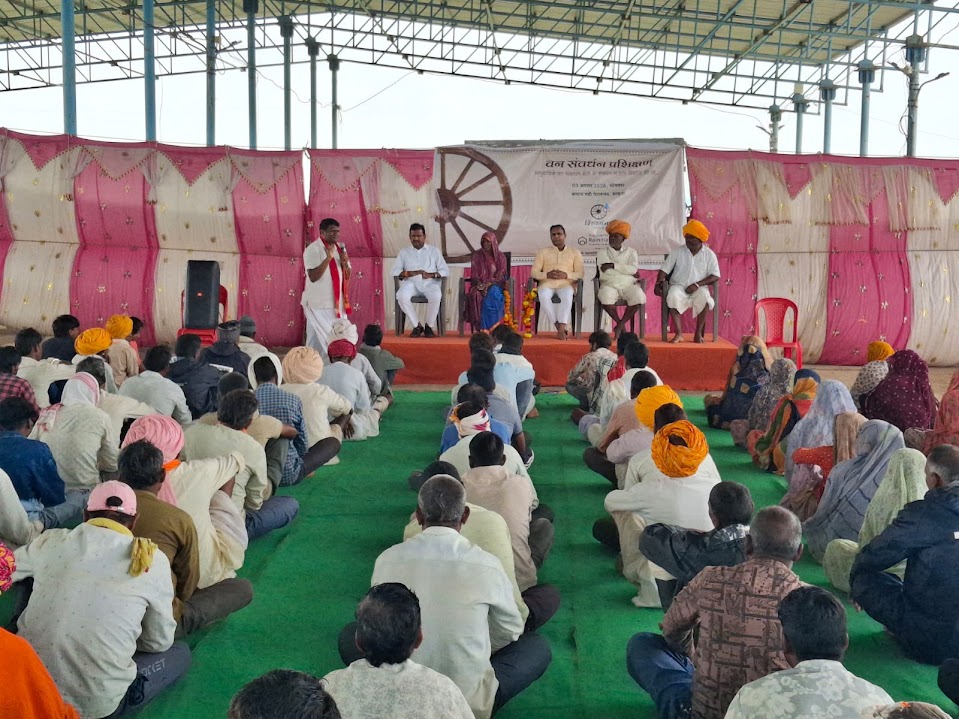
On 3 August, a forest conservation training programme in Petlawad brought together representatives from 28 villages. Discussions focused on Community Forest Rights (CFR), Gram Sabha responsibilities, forest conservation, displacement-related rights, and opportunities for forest-based livelihoods.
Participants were encouraged to establish village-level conservation rules, undertake regular voluntary labour for forest protection, and collectively plan the sustainable use of forest resources.
In Palasdi, revenue officials engaged with villagers to verify their Community Forest Rights claim. Village meetings elsewhere also focused on the progress of submitted claims and preparations for subsequent administrative processes.
These efforts connect legal awareness with practical community action, helping villages move towards greater responsibility for the conservation and management of their natural resources.

3. Community Healthcare | Making Villages Healthier and More Self-Reliant
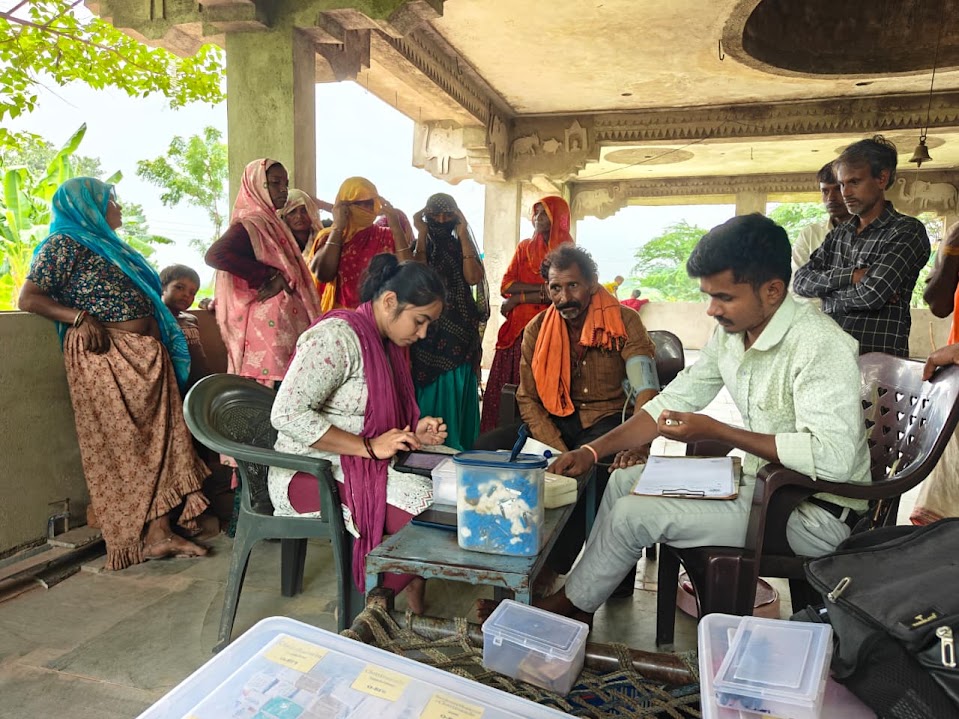
August also marked progress in expanding Shivganga’s community-based healthcare initiative, Arogya Rath, which brings medical services closer to rural households.
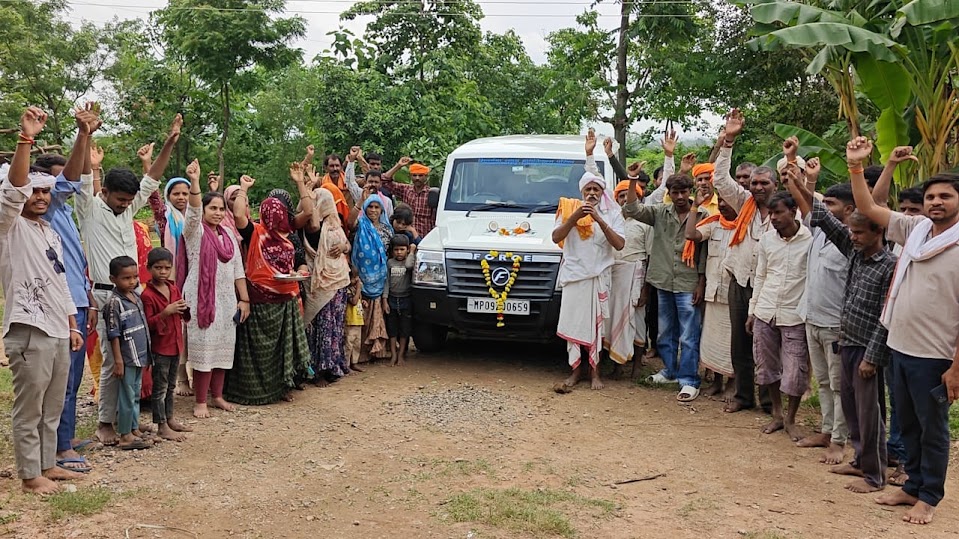
Two new Arogya Rath centres were inaugurated:
-
Bochka – 11 August: The inauguration brought together 52 villagers and Shivganga workers to discuss healthcare access, illness-related financial burdens, and community responsibility.
-
Ghatiya – 19 August: A new centre was inaugurated following preparatory meetings with villagers from Ghatiya and neighbouring settlements.
Arogya meetings were also held in villages including Rotla, Bhaji Dungra, Limkhodara, Rasodi, and Jamda. These discussions addressed how untreated illnesses can lead to financial distress, the importance of timely medical care, and the role of village teams in supporting healthcare delivery.
In Ghatiya, villagers planned monthly women’s cooking activities to encourage healthier household food practices. Awareness of Swachh Gaon–Swasth Parivar, Arogya Van, and patient assistance services was also strengthened.
The focus remains on building healthier villages through accessible medical services, preventive practices, nutrition awareness, and active community participation.

4. Youth Empowerment | Preparing the Next Generation of Village Leaders
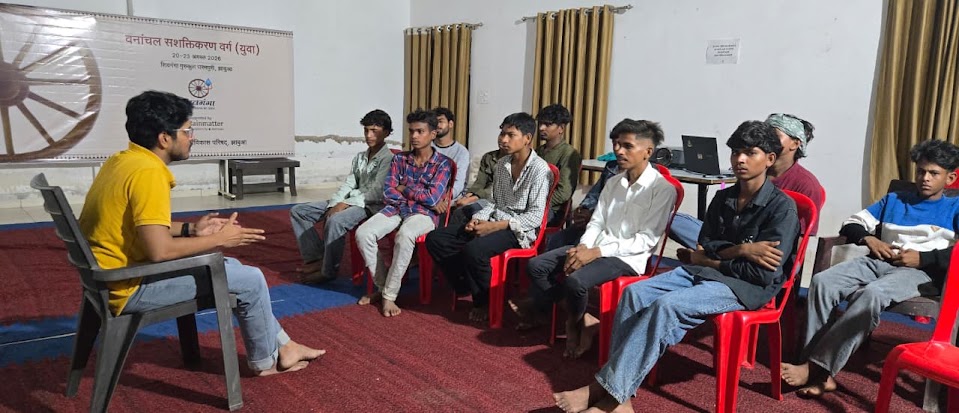
From 20–23 August, Shivganga organised a four-day Vananchal Sashaktikaran Varg (Youth Empowerment Training) at Gurukul Dharampuri, with 82 participants from 21 villages.
The programme formed part of Shivganga’s continuing efforts to nurture young people who understand their communities’ challenges and take responsibility for collective development.
Preparations also advanced for the upcoming Social Festival and Leadership Development Training programmes. On 26 August, a training session at Gurukul Dharampuri brought together 50 participants representing 40 villages, focusing on the roles and responsibilities of group instructors, teamwork, and the effective conduct of future training programmes.
These activities contribute to a growing network of locally rooted volunteers and leaders capable of mobilising their communities and sustaining village-level initiatives.



5. Village Prosperity | Building Stronger Community Institutions
Throughout August, Gram Samriddhi meetings and Vikas Kendra gatherings provided spaces for villagers to identify local challenges, review ongoing initiatives, and collectively plan future activities.
In Rotla, community members discussed forming active village teams of 20–25 people to meet monthly, identify local needs, and initiate development activities.
In Chhagola, the village prosperity team undertook Matavan maintenance, plantation, and protection activities. The village has sustained regular community development efforts for approximately eight years.
In Rachhwa, villagers resolved to hold monthly meetings focused on village development and organised collective forest conservation work.
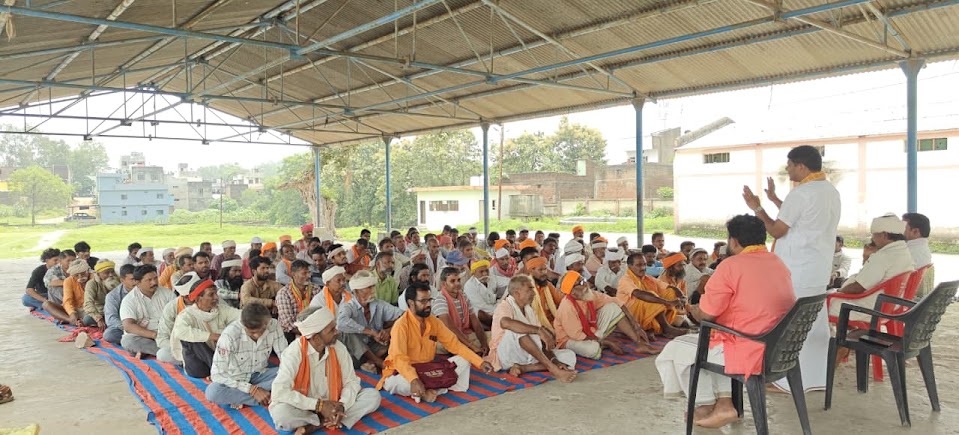
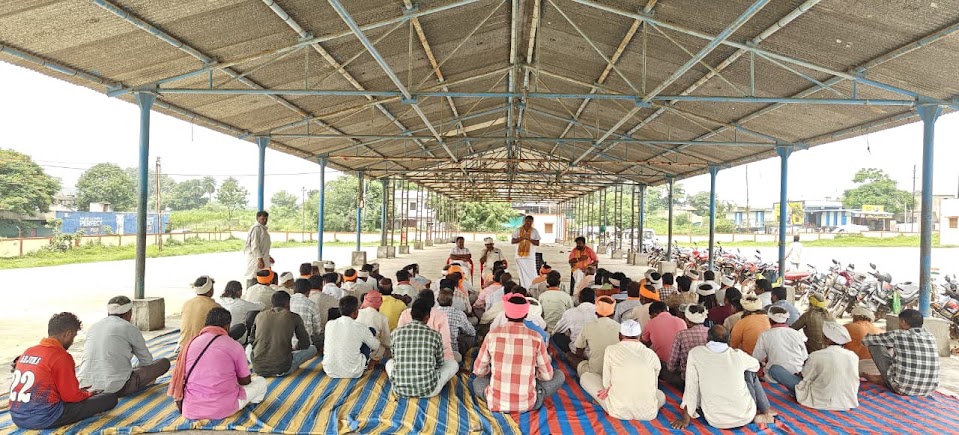
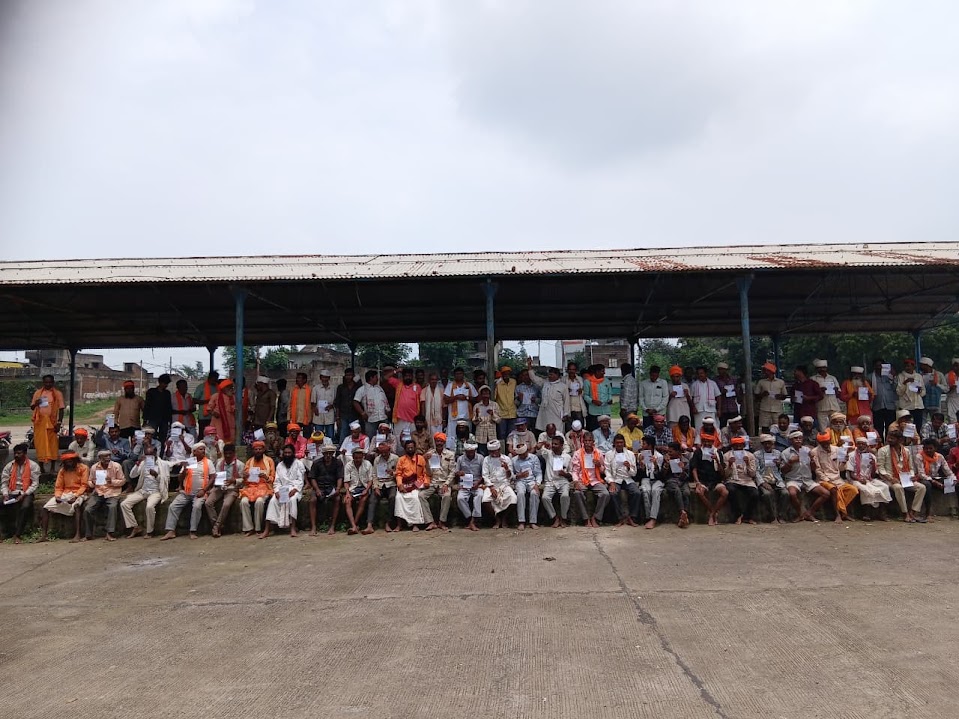
Larger coordination meetings also strengthened connections between villages. On 25 August, a gathering in Bhabra brought together 115 participants from 35 villages, while a Petlawad meeting on 26 August involved 60 participants from 18 villages.
These gatherings are important spaces for building trust, sharing experiences, distributing responsibilities, and strengthening village institutions.
6. Sustainable Livelihoods | Strengthening Animal Husbandry Practices
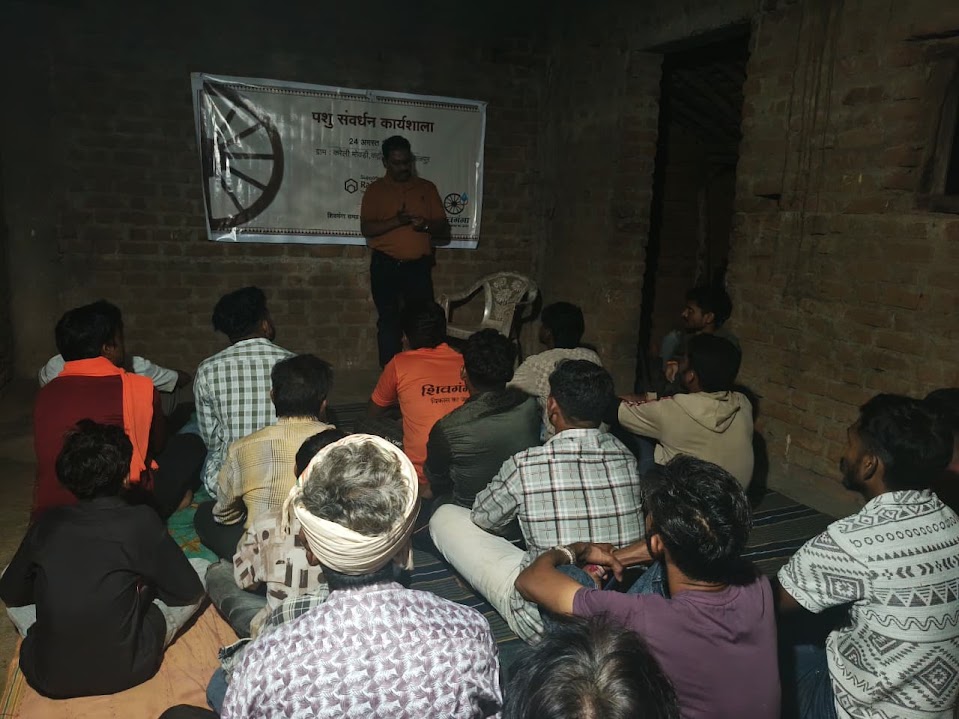
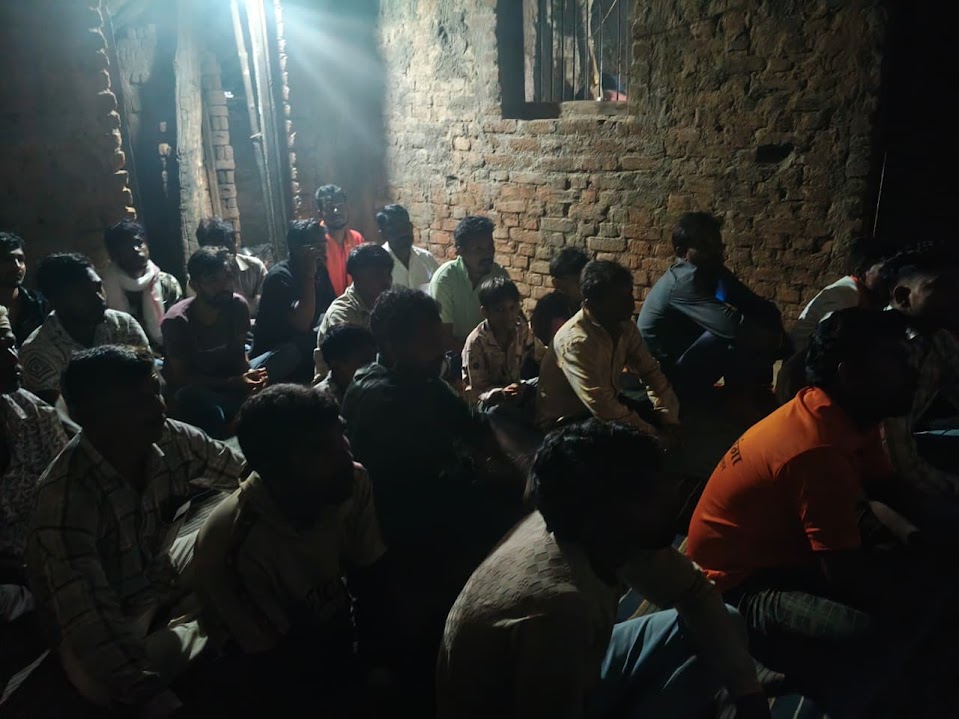
On 24 August, Shivganga organised an animal husbandry workshop in Kareli Mowdi, Alirajpur, bringing together 36 participants from 8 villages.
Facilitated by local workers and a veterinary professional, the workshop covered practical aspects of goat and poultry rearing, including breed selection, feeding practices, disease prevention, and vaccination.
Participants also visited dairy operations in Chhagola and poultry and goat-rearing activities in Dhakni Talai to gain practical exposure.
By combining technical knowledge with local experience, these efforts aim to help rural households strengthen animal husbandry as a supplementary source of income and reduce dependence on distress-driven wage labour.
7. Culture and Collective Identity | Strengthening Social Bonds
Community gatherings and cultural traditions continued to play an important role in strengthening social participation throughout August.
Kawad Yatras and associated village meetings brought people together around shared cultural practices, while local volunteers coordinated participation, responsibilities, and arrangements.
At Gurukul Dharampuri, Independence Day was observed with reflections on democratic responsibility, community participation, and the role of citizens in shaping their own development.
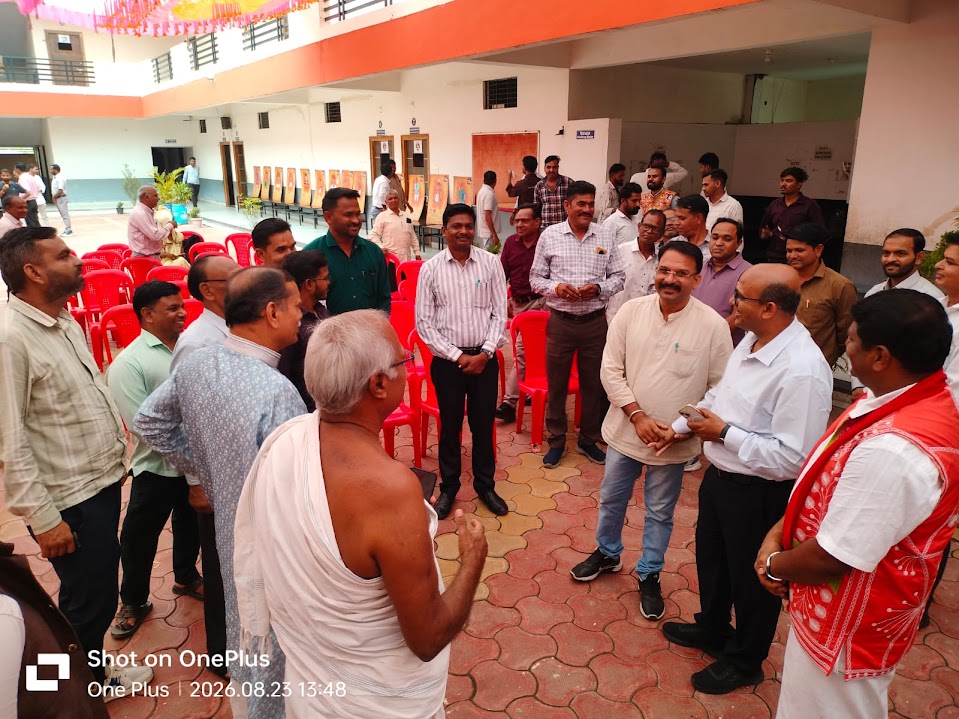
On 23 August, a seminar in Rajgarh explored tribal identity, cultural heritage, and social responsibility, bringing together community representatives, academics, and public officials.
These engagements reinforced an important aspect of Shivganga’s approach: development is not limited to infrastructure or economic improvement. It also involves strengthening community identity, mutual trust, cultural continuity, and the willingness to work for collective well-being.



8. Knowledge Exchange | Connecting Community Experiences with Wider Audiences
Shivganga continued creating opportunities for students, professionals, and visitors to learn from community-led development practices in Jhabua.
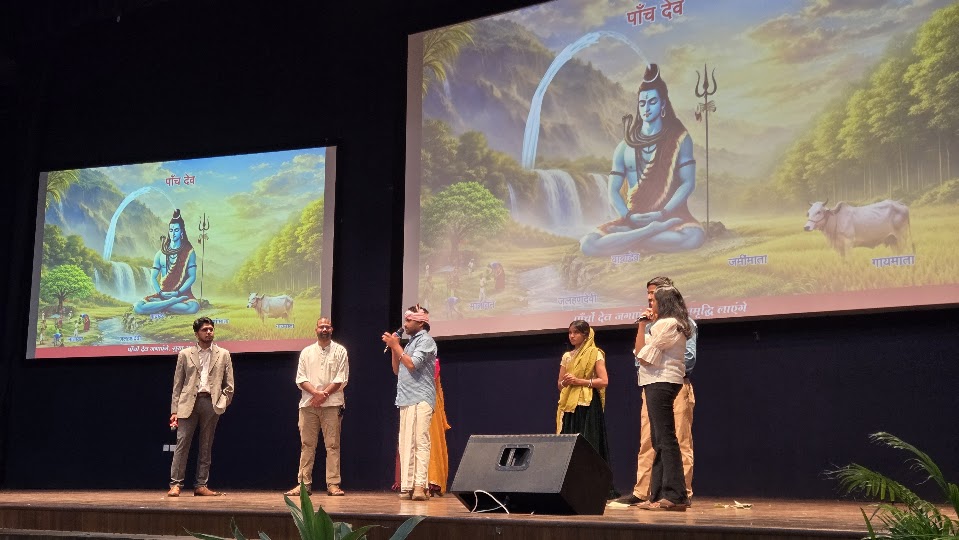
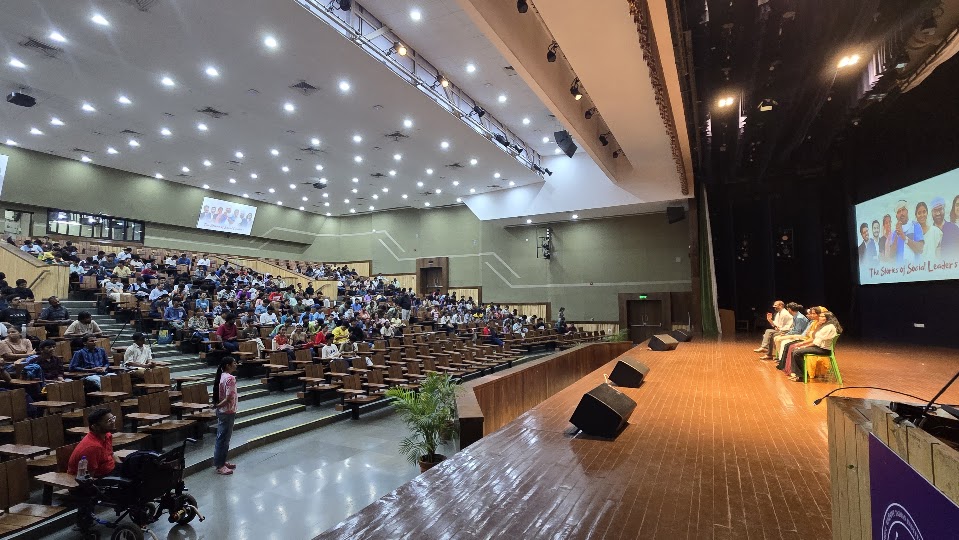
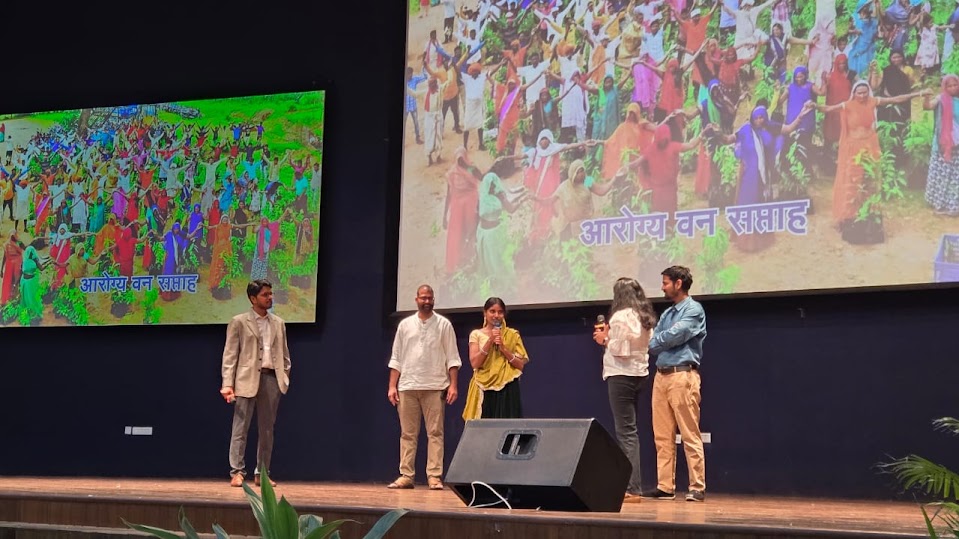
On 3 August, approximately 350 first-year students at IIT Gandhinagar attended a theatrical presentation exploring the experiences of former IIT students and their engagement with tribal communities. The presentation highlighted the distinction between competition and excellence, drawing upon lessons from village life.
Jhabua Darshan visits and interactions at Gurukul Dharampuri also provided opportunities for visitors to understand Shivganga’s philosophy, local leadership, forest conservation, and collective development practices.
Such exchanges help bring indigenous knowledge, lived community experiences, and contemporary education into meaningful dialogue.


Looking Ahead | From Collective Participation to Lasting Change
August’s activities demonstrated how different dimensions of village development are interconnected.
Forest regeneration is being strengthened through community rights and local stewardship. Healthcare initiatives are encouraging villages to take responsibility for their well-being. Youth training and village meetings are nurturing leadership, while livelihood initiatives are expanding opportunities for household prosperity.
Together, these efforts contribute to Shivganga’s larger vision of Gram Gurukul, where every village becomes a living centre of learning, collective action, self-reliance, and sustainable development.
The month’s most meaningful progress lies not only in the activities completed, but in the growing willingness of communities to organise, take responsibility, and work together for the future of their villages.