Arts, Culture and Climate Communications at Emergence Festival, Goa
As part of Emergence: Festival of Future Cities (29–31 October 2026) in Panjim, Asar curated three cultural interventions that explored how arts, creative expression and storytelling can make climate conversations more accessible, relatable and engaging.
1. The Great Indian Ukada – A SuperHEAT Marathi Musical
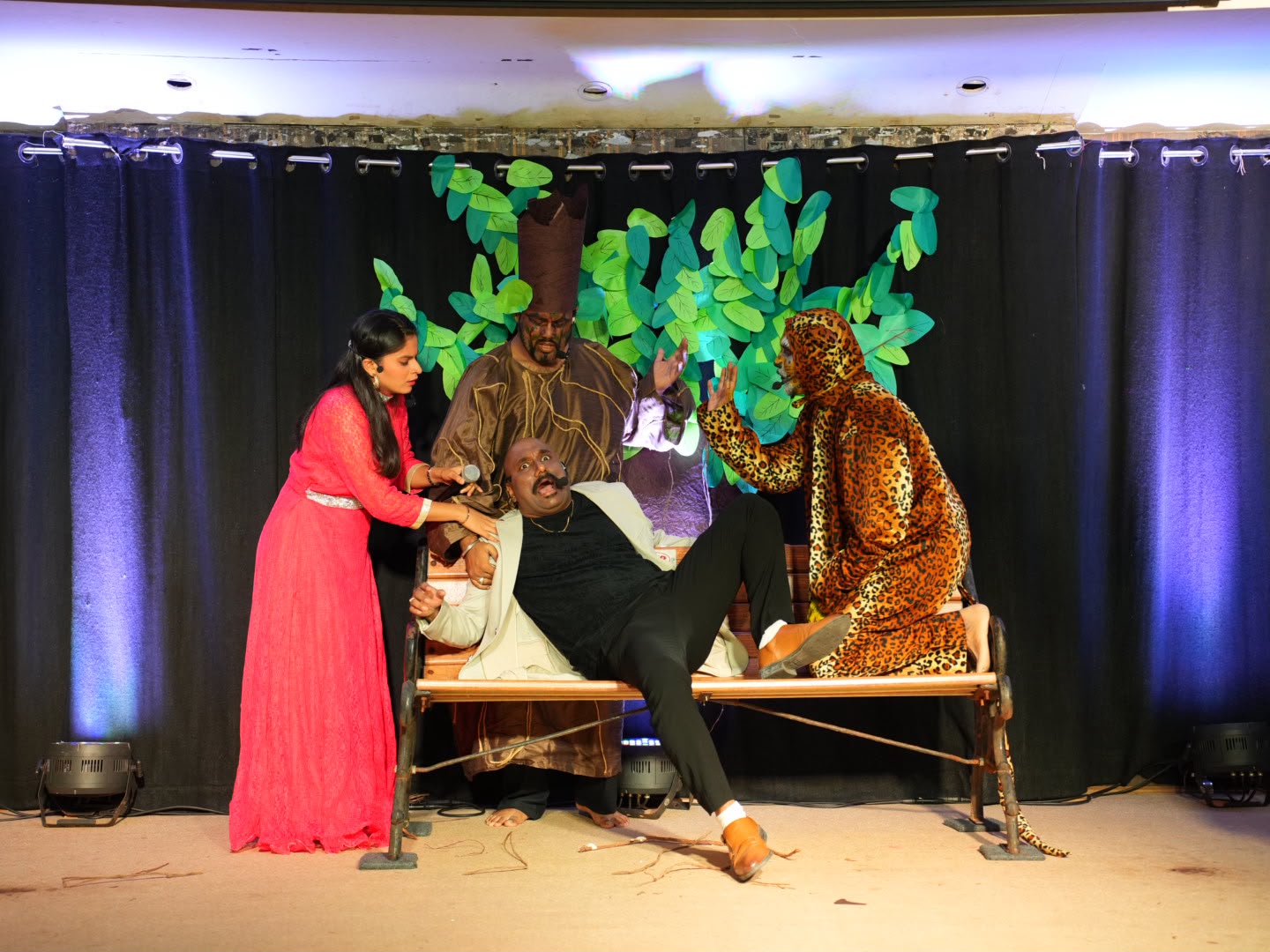


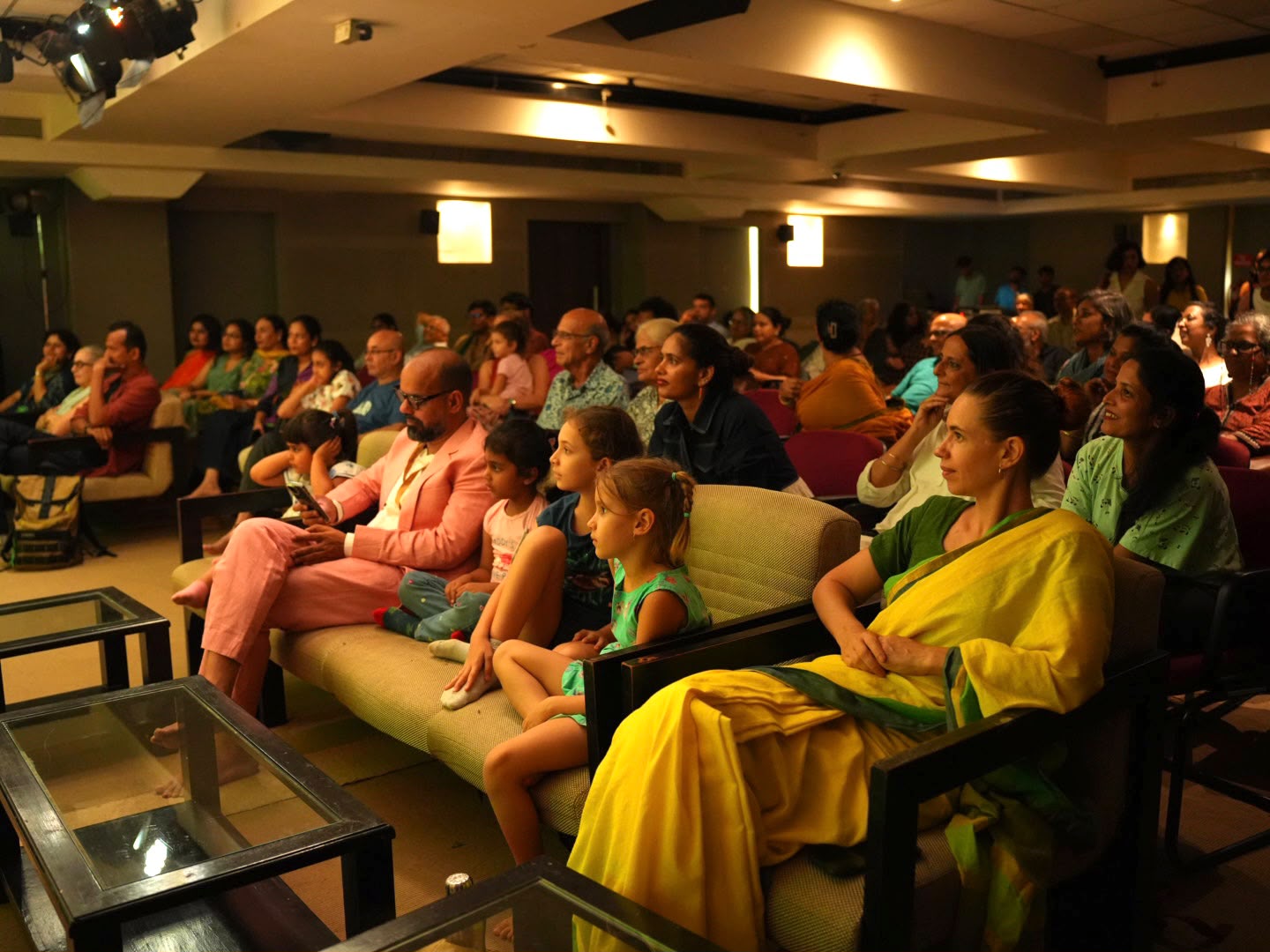
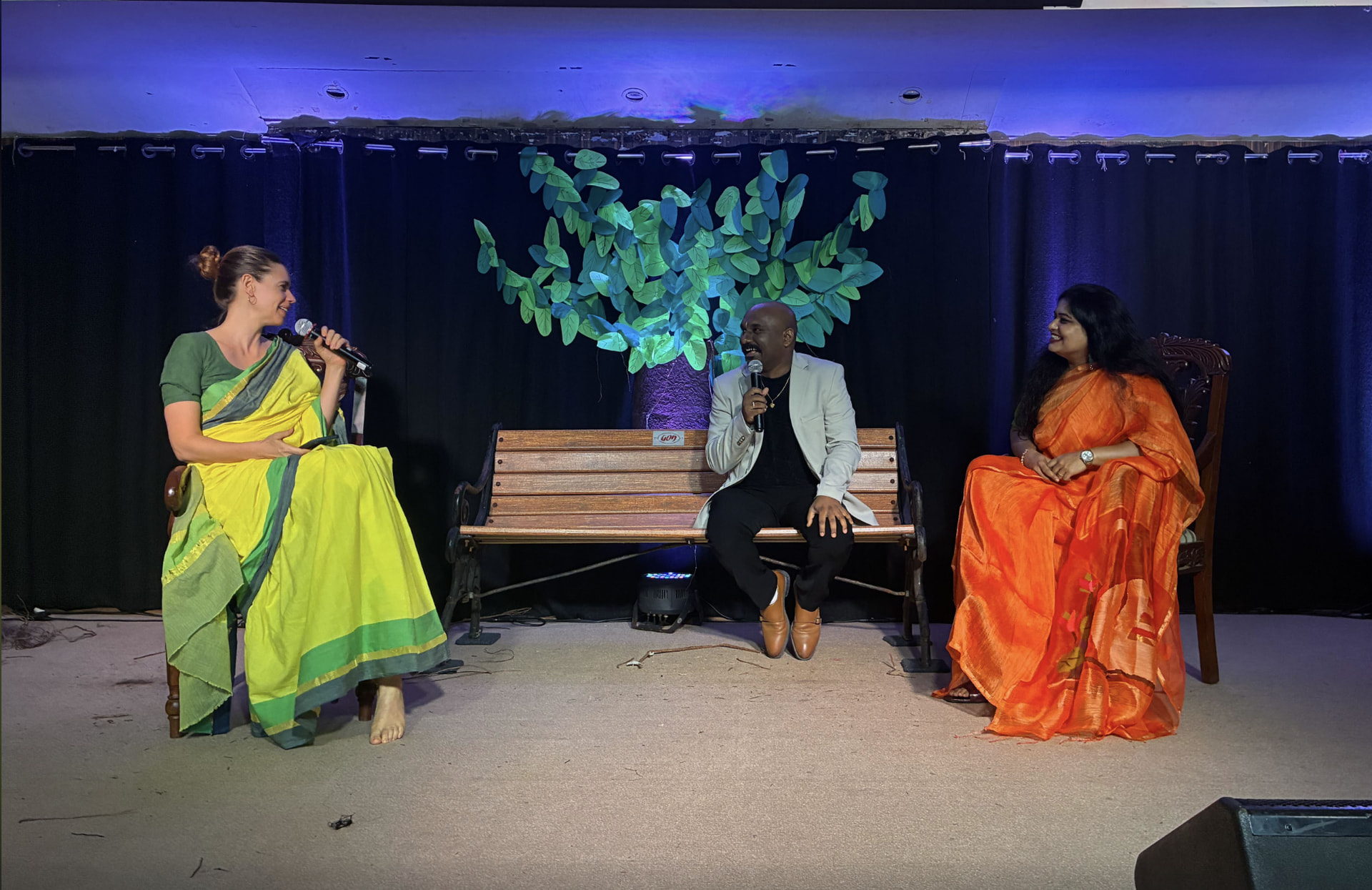
Asar, in collaboration with Vanyavani Foundation, presented The Great Indian Ukada, a Marathi musical that used folk traditions, humour, music and theatre to explore rising temperatures, climate change and human–wildlife interactions. Drawing on traditional art forms such as lavani, bharud and qawwali, the performance brought scientific and environmental concerns into an engaging cultural format.
The performance was followed by an engaging conversation between actor Kalki Koechlin, play director Makarand Sawant and producer Kunika Bansode Sawant where they discussed their creative journeys, satire as an art form, and the role of creative expression in communicating climate concerns.
2. Scorched – A Photo Exhibition
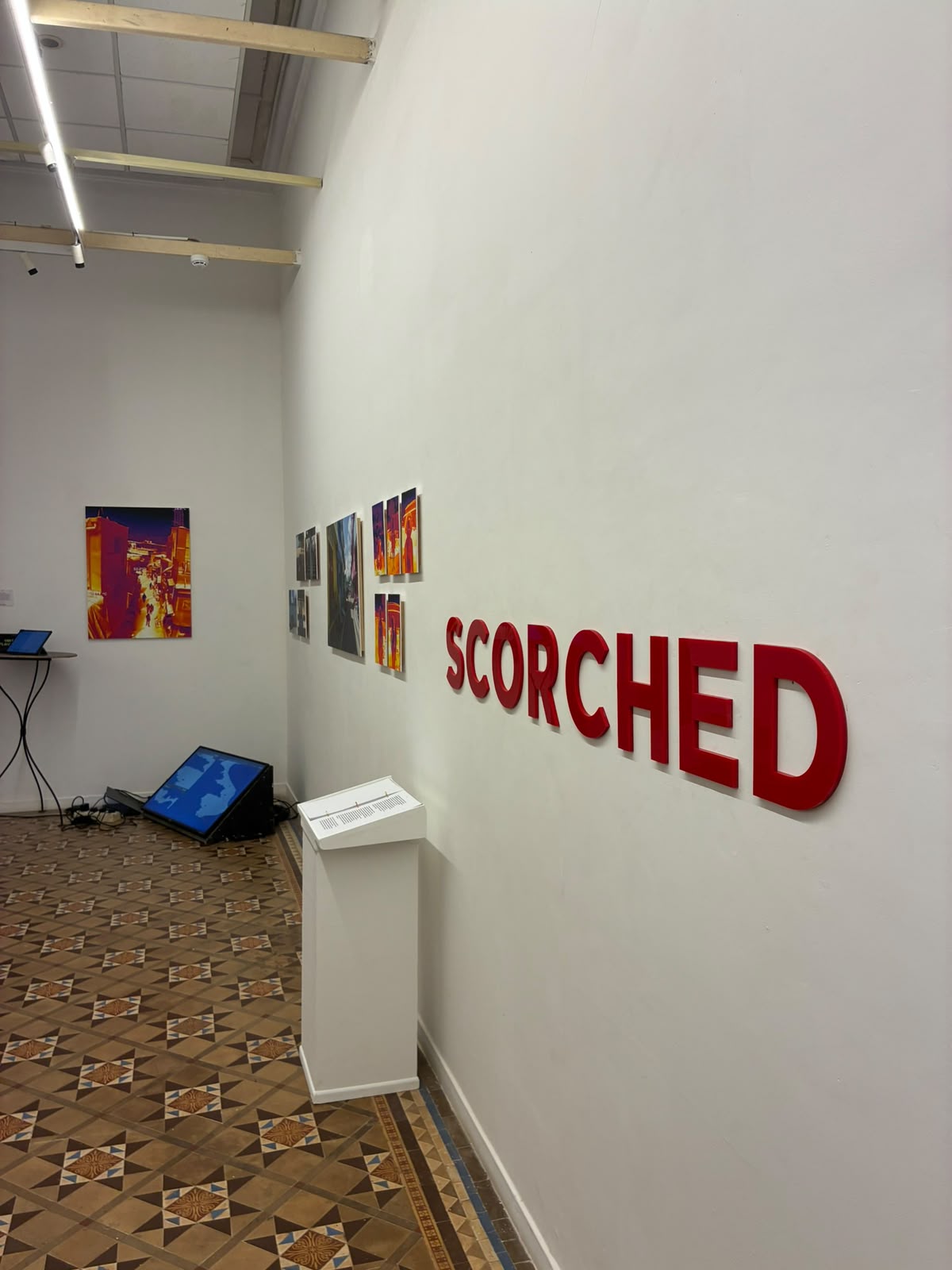

Photographer Ishan Tankha’s Scorched presented a visual exploration of extreme heat and its impact on people’s bodies, homes and livelihoods across Indian geographies. Featuring photographs from Telangana, Karnataka, Tamil Nadu, Maharashtra, Punjab and Delhi, the exhibition invited audiences to engage with heat not merely as a climatic statistic, but as a lived, everyday experience.
The exhibition was accompanied by stories and literary reflections by journalist Aruna Chandrasekhar. Together, Ishan and Aruna have embarked on a storytelling initiative, as part of Asar’s broader heat narrative-building effort, to document and communicate the human experiences and impacts of extreme heat.
3. Mixer: City Climate Stories


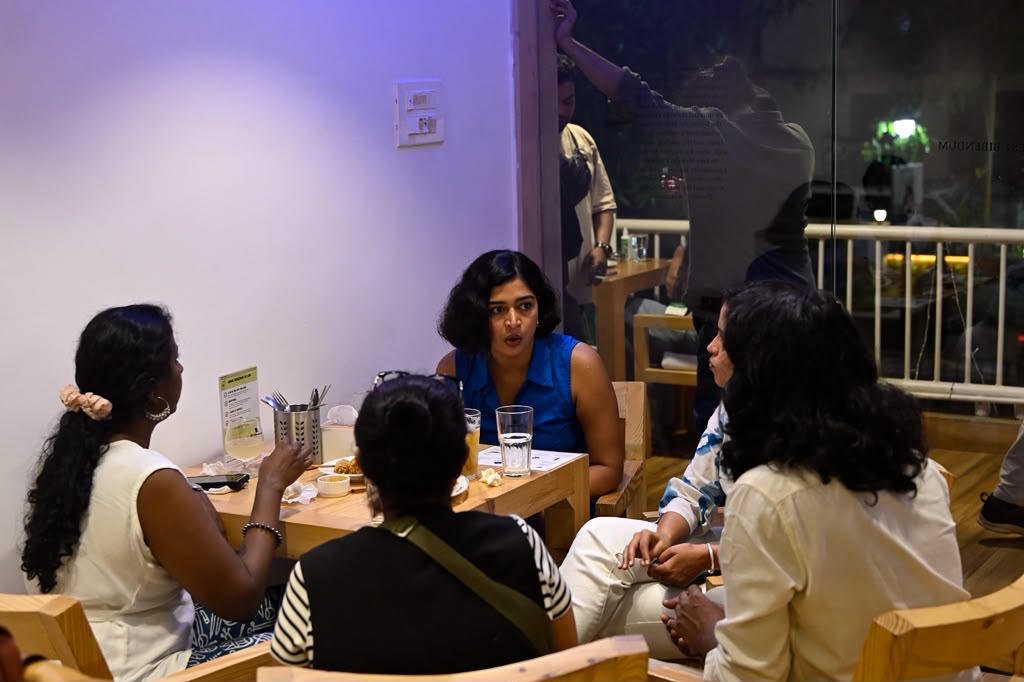

Hosted in collaboration with Doolally, Goa, the Climate Mixer brought together people working across climate, cities, arts and communications. Through an informal evening of poetry, music, storytelling and networking, it created space for exchanges, new connections and potential collaborations beyond conventional conference formats.