07+ Activities 07+ Facilitators 15+ Colleges 60+ Participants
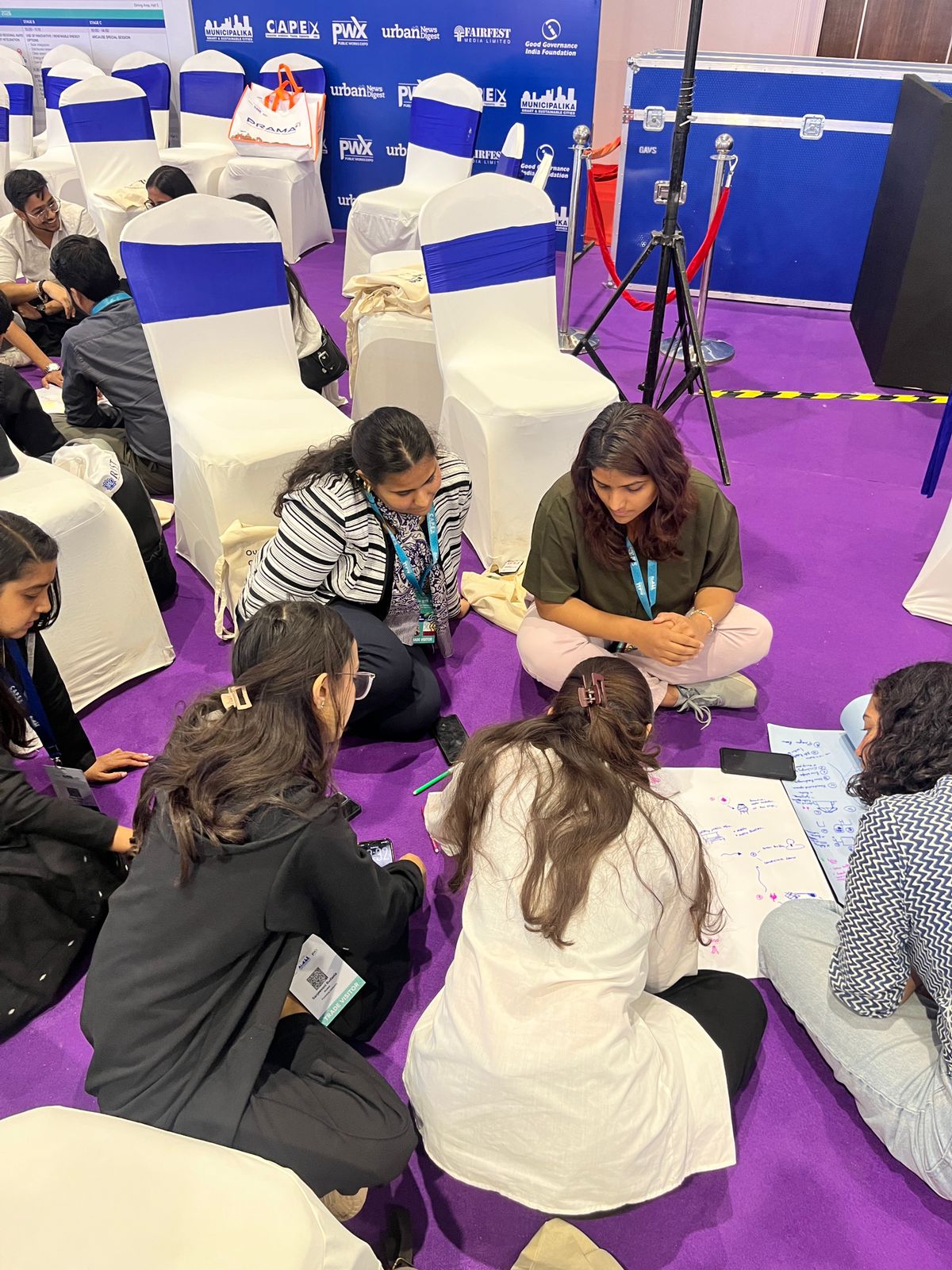
Arcause hosted its first regional event in Delhi on the 26th and 27th of February. As part of the Arcause Spotlight, the event brought together practitioners, students, communities, and organisations to explore the many layers of cities through themes of heritage, accessibility, safety, and sustainable urban practices. 26th February was a day full of experiences where the cohort experienced Delhi through the lens of Arcause’s 6 action areas, and 27th was the assimilation, reflection and sharing of experience which took place at Municipalika.
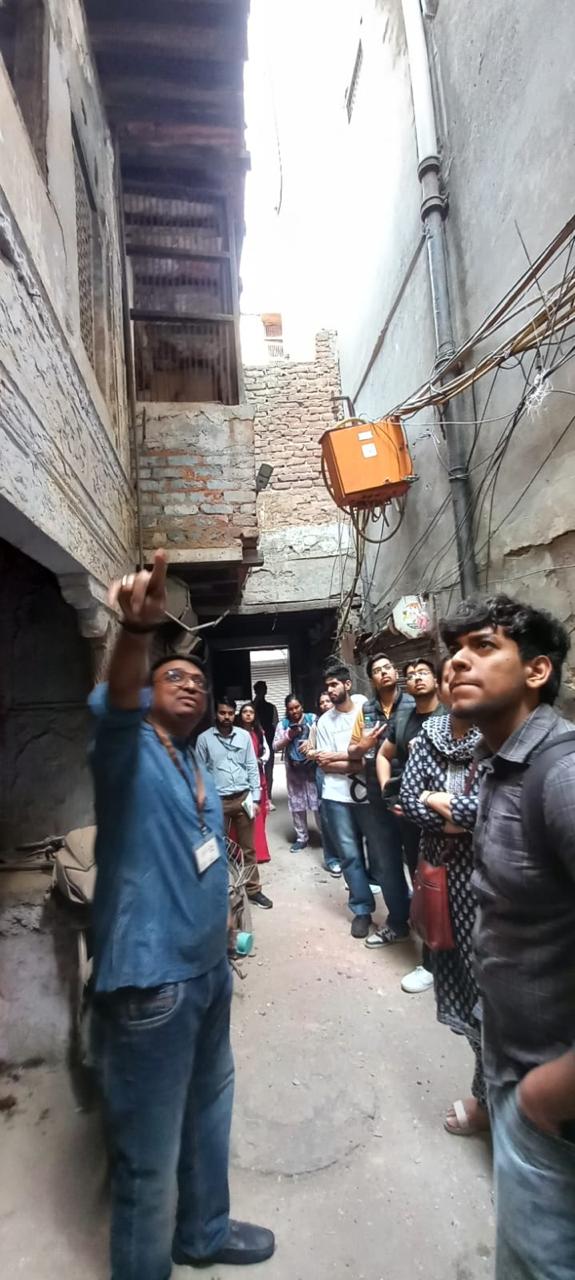
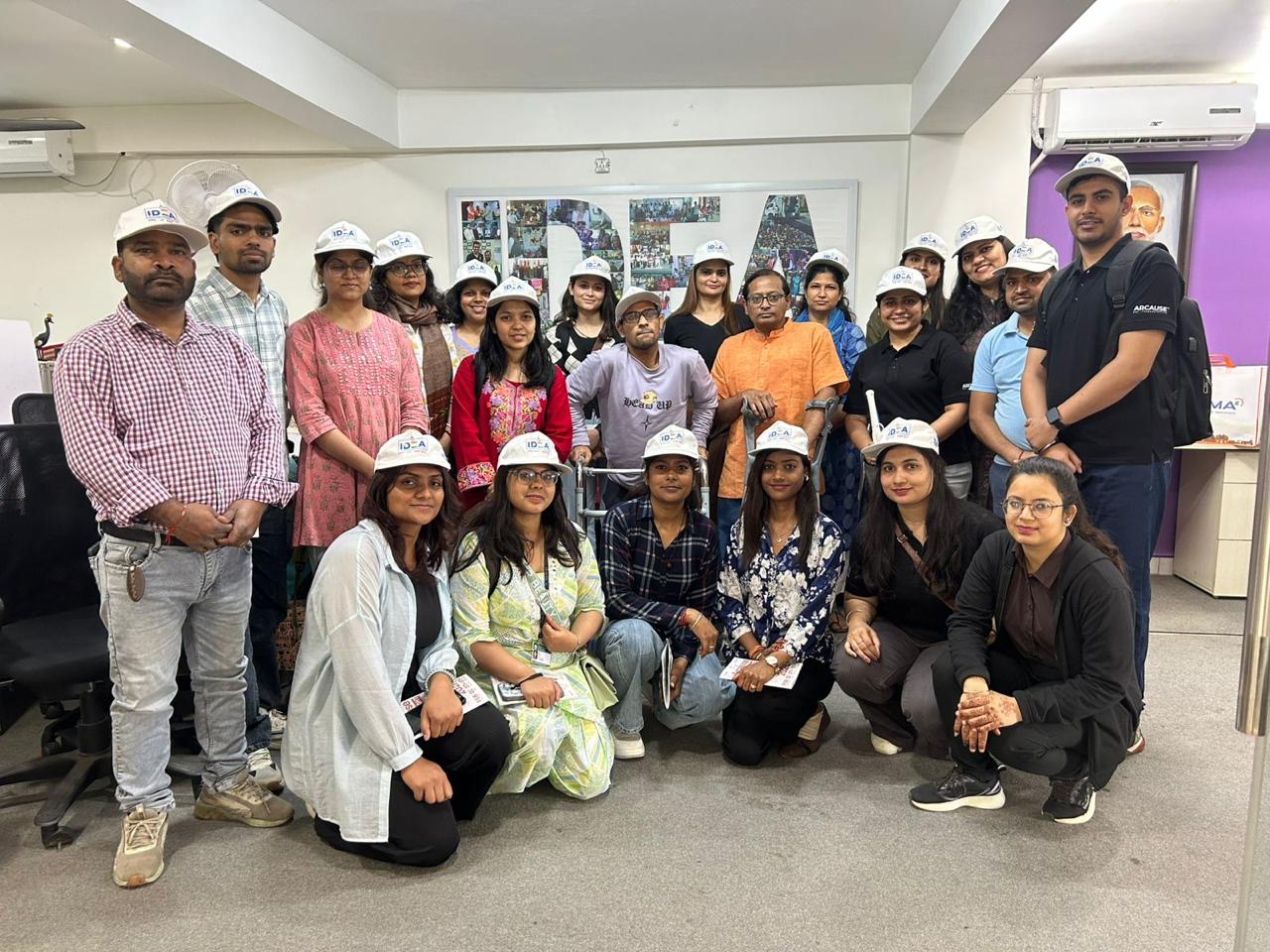
The morning of 26th February began with Design Literacy: Stories, Identity, and Resilience in Delhi’s Informal Settlements with IKHAT Society, led by Ar. Chandni Thadani. Held near the Jangpura metro station, the session involved faculty and students in a memory-mapping exercise in which they identified spatial challenges within the settlement and presented their findings through drawings and notes while engaging directly with the community. Simultaneously, a Monuments & Memory Walk, curated by DRONAH and led by Ar. Abhishek Jain took participants through the lanes of Shahjahanabad. The walk highlighted evolving havelis, landmarks such as the Jain temple, and urban challenges like sanitation issues, reflecting how the historic city continues to adapt over time. Alongside this, Understanding Accessibility in Delhi with Inclusive Divyangjan, led by Ar. Aditi Chellapilla and Mr. Mallikarjuna Iytha combined an orientation on the RPwD Act and accessibility frameworks with on-ground accessibility audits and reflection sessions to understand physical, sensory, and systemic barriers in the built environment.
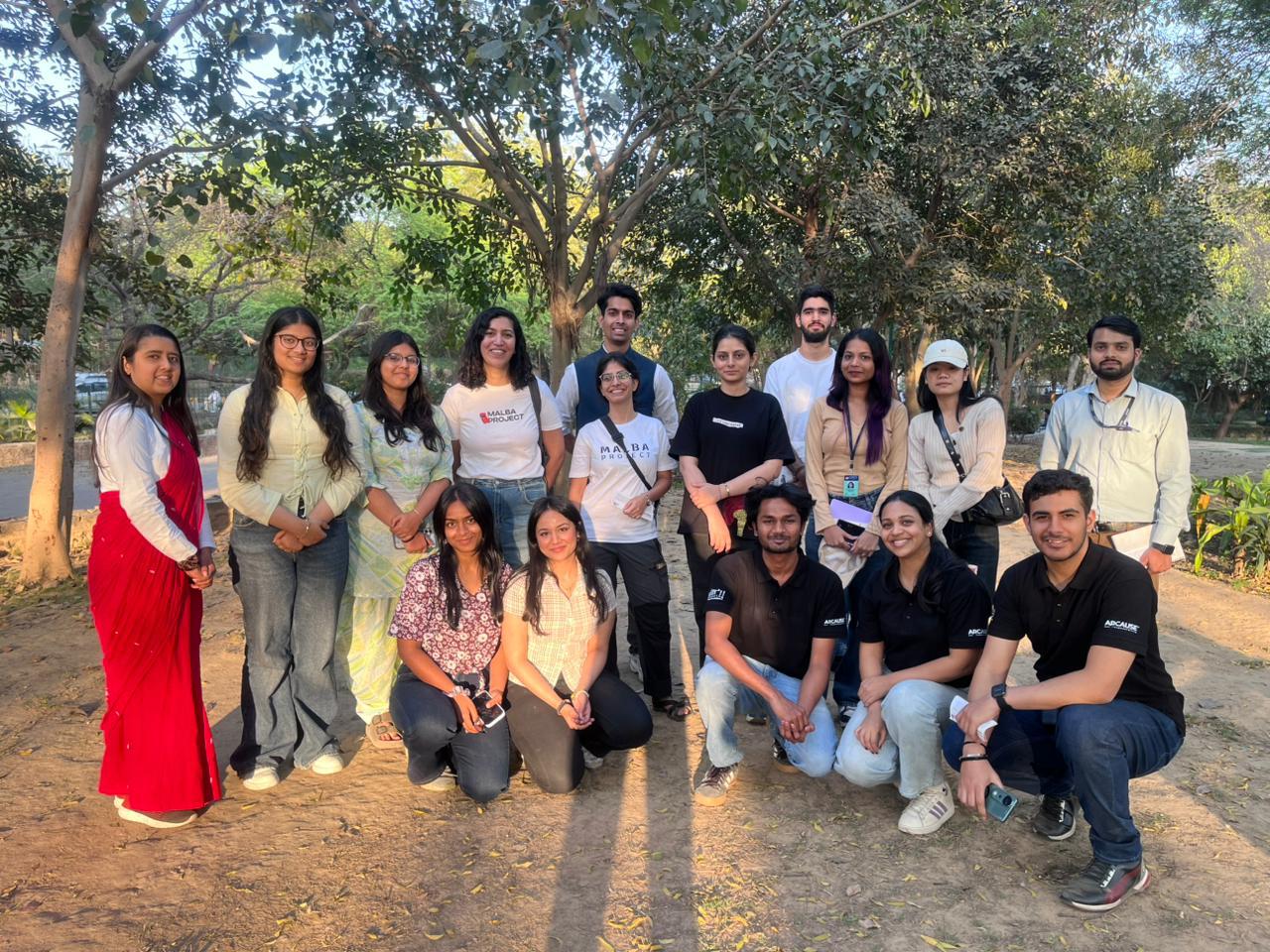
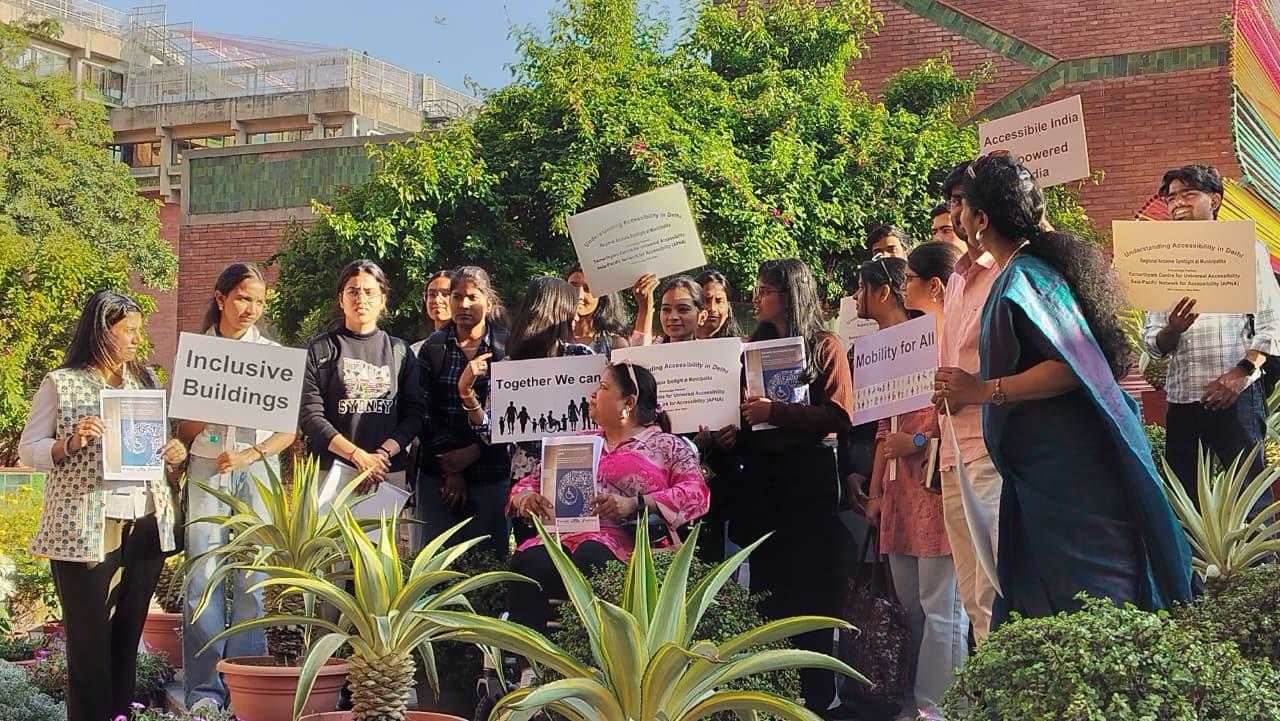
The afternoon sessions included Waste, Urban Design & Innovation with The Malba Project, led by Ar. Shamita Chaudhary, who re-examined construction and demolition waste through the Malba Walk, encouraging participants to view “malba” as a future material and reflect on more circular and responsible design approaches. Community Spaces, Access to Design & Affordability with the Social Design Collaborative, led by Ar. Swati Janu featured a Yamuna Walk and dialogue with the Kisan Basti community, exploring the co-creation of a flood-resilient Anganwadi built using locally available materials. Understanding Accessibility in Delhi with Samarthyam, led by Dr. Anjlee Agarwal, included an accessibility audit of the Indian Habitat Centre, which highlighted how even reputed buildings can fall short of basic accessibility requirements.
The day concluded with a Night Safety Walk curated by Safetipin, led by Neeruja Gupta and Varun V. Nair, which explored how data and technology can help map and improve women’s safety in cities through scenario-based activities and the Safetipin app.
The following day featured an engagement session by team Ethos. This was a workshop where the participants came together to share their experiences from Day 1 and to culminate the learnings in a wholesome way. This experience was co-curated by Payaswini Tailor from Antara, along with Gita. The event concluded with a valedictory function celebrating the winners and participants of various initiatives under Arcause. Together, these sessions created space for reflection and dialogue on inclusive, community-driven, and responsible urban design.