A Farmer-Led Organic Market, Millet Mill, Shift Towards High-Value Agriculture: What Happens When Farmers Begin to Care for a Place Together?
At Paani Foundation, we resonate deeply with the ‘Sense of the Home’ thesis, defined powerfully by the SoTH alliance partners. The SoTH thesis emphasises on community-led ownership to create ripple effects of change on a place as a whole - on income, on water, on health, on ecosystems as a whole.
The story of Kumbhargaon Agro Farmer Producer Company and the farmers of drought-prone Karmala (Solapur district) is SoTH in action.
Karmala is a historically drought-prone taluka in Maharashtra. Farmers here face a complex web of interconnected challenges: water scarcity, fluctuating incomes, declining soil health due to chemical use, rising input cost. Any attempt to solve one challenge in isolation often creates trade-offs elsewhere. Increasing production through chemical inputs may boost yields in the short term, but can weaken soil health, increase costs, and affect the quality of food produced.
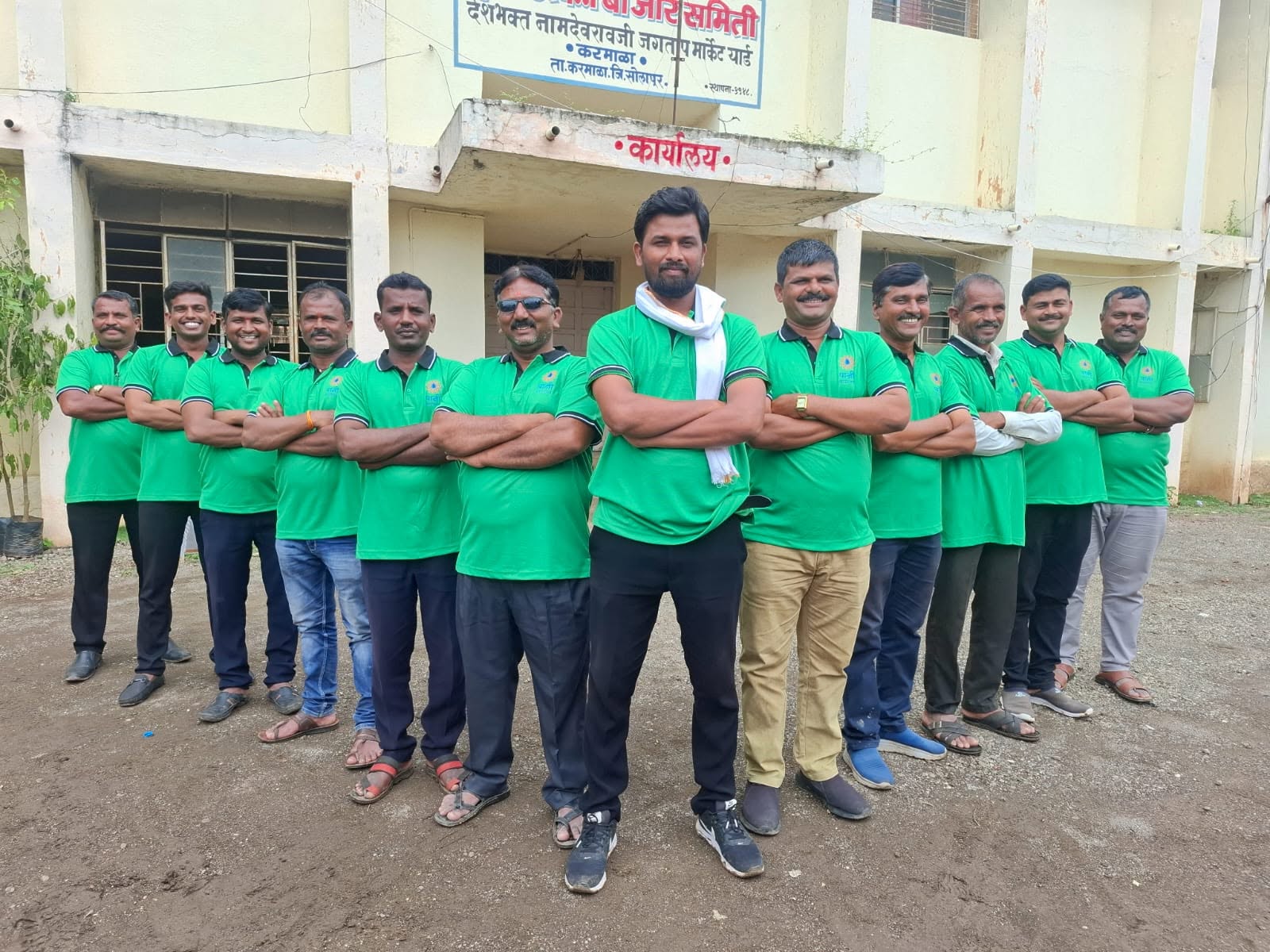
In 2022, 11 farmers from a village called Kumbhargaon in Karmala came together to farm collectively. They formed this collective with the aim of winning a prize in Paani Foundation’s Farmer Cup competition. But little did they know how they would soon become ambassadors of progressive agriculture in the taluka.
First, through trainings with Paani Foundation, they realised the importance of research before cultivation. Studying market prices of various crops and trends over a 5-year period, they decided to move away from low-value soyabean and chose to cultivate a drought-resilient variety of Toor (pigeon pea).
In just 1 year, farmers which had been debt-ridden and grappling with several challenges earlier, started to see profits. In 2023, this group won Rs. 15 lakh - the first prize at the state level in the ‘Farmer Cup’. And within the next 2 years, the area under cultivation of this Toor variety grew from almost 0 to 300+ acres. Hundreds of farmers across the taluka were inspired, and they benefited from scientific toor cultivation SOPs shared by Paani Foundation.
The story did not end with the Farmer Cup.
The group continued working together, eventually strengthening the Kumbhargaon Agro Farmer Producer Company. As their confidence grew, so did their ambitions. By 2025, they were no longer thinking only about increasing farm incomes. They had begun asking a different question: What kind of agriculture would create a healthier future for their community?
The question emerged from a simple moment. During a field visit, a Paani Foundation team member bent down to eat a cucumber growing in a farmer’s plot. The farmer immediately stopped him.
“Don’t eat that, sir. It is full of pesticides.”
The remark lingered. If farmers themselves would hesitate to feed the produce to their own families, why were they comfortable selling it to others in their village and town?
That question sparked a new collective experiment.
Seven Farmer Cup groups from across Karmala taluka came together to explore pesticide-free and organic vegetable cultivation. The transition was far from easy. In the very first month, pest attacks wiped out an entire crop. Many farmers faced uncertainty and doubted whether the effort would succeed.
But the collective structure allowed them to take risks that would have been difficult individually. Instead of converting their entire farms, farmers allocated only small portions of land to the experiment. The risk was shared, lessons were shared, and failures became opportunities for collective learning rather than individual setbacks.
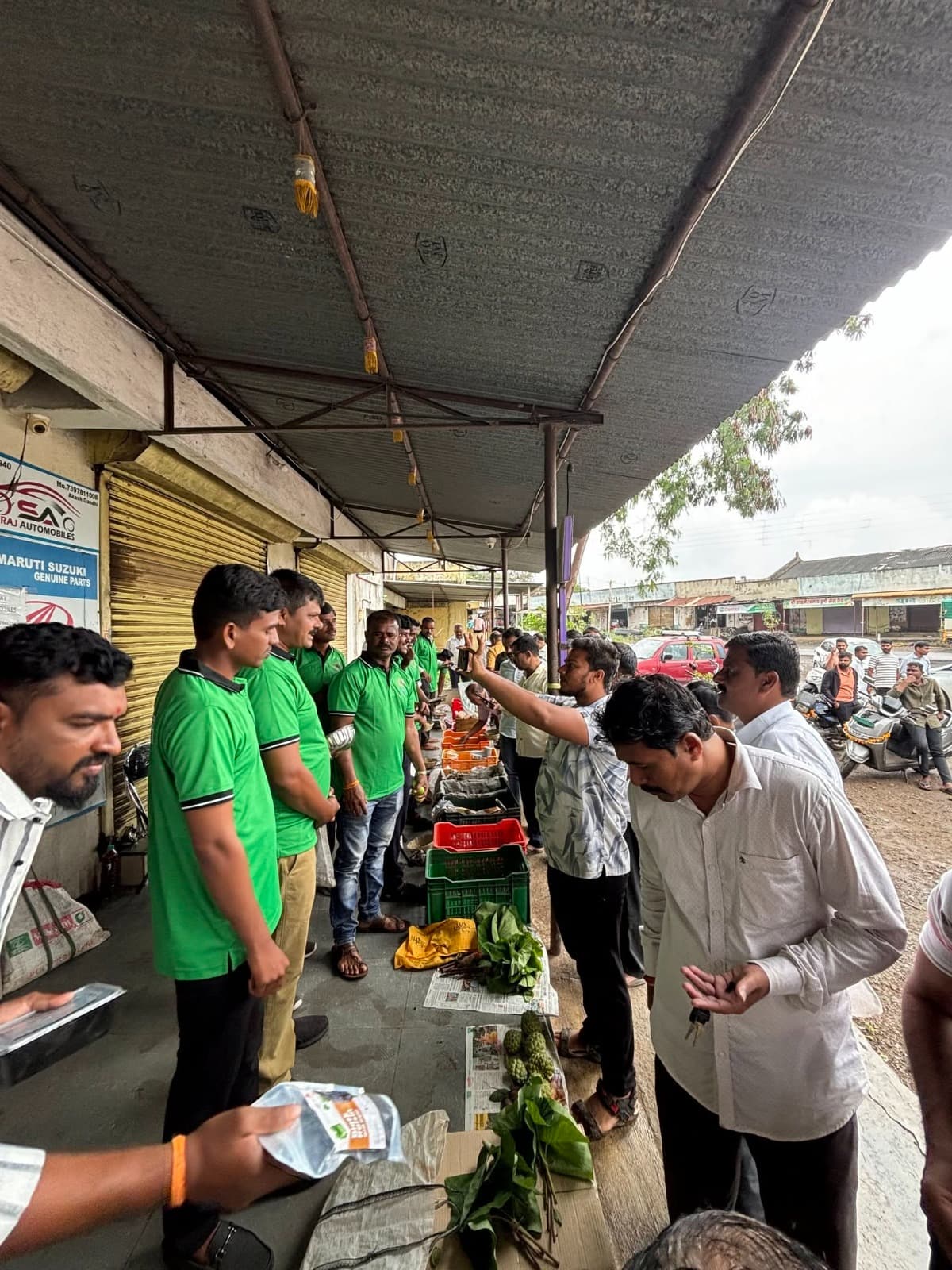
Slowly, the model began to stabilise. Farmers coordinated crop planning, deciding who would grow which vegetables to ensure diversity and year-round supply. They built a customer base, established direct relationships with consumers, and launched the Karmala Organic Market.
Today, the market operates regularly in multiple locations across Karmala taluka and has built a loyal customer community. Consumers visit farms, observe cultivation practices firsthand, and develop direct trust with the farmers producing their food. Some customers say they buy vegetables only from this market for their children. Others remark that the vegetable plots are maintained more carefully than their own homes.
The market represents far more than a new income stream. It reflects a strengthening of multiple dimensions of a Sense of the Home simultaneously.
Farmers have reduced dependence on external chemical inputs while becoming better stewards of soil and natural resources. Local consumers have gained access to healthier food. Trust-based relationships have formed between producers and buyers. Knowledge, confidence, and leadership have grown within the farming community. More value is being retained within the local economy. Most importantly, farmers have developed the collective capacity to identify challenges and act together to address them.
What began as a farming intervention has evolved into a stronger local food system, a stronger local economy, and a stronger sense of community.