2nd April, 2025: WRI Team Conducts Field Visit to Constructed Wetland STP at Bithoor in Uttar Pradesh
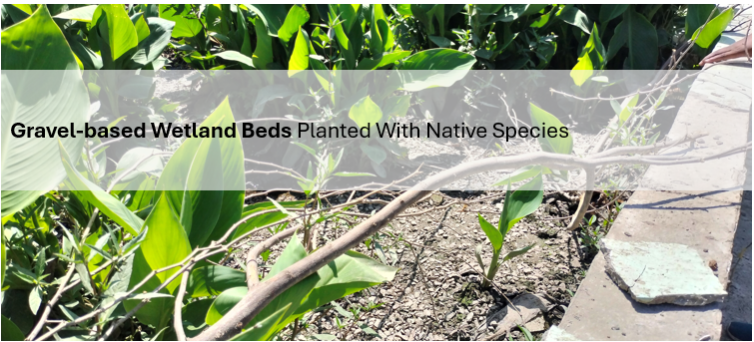
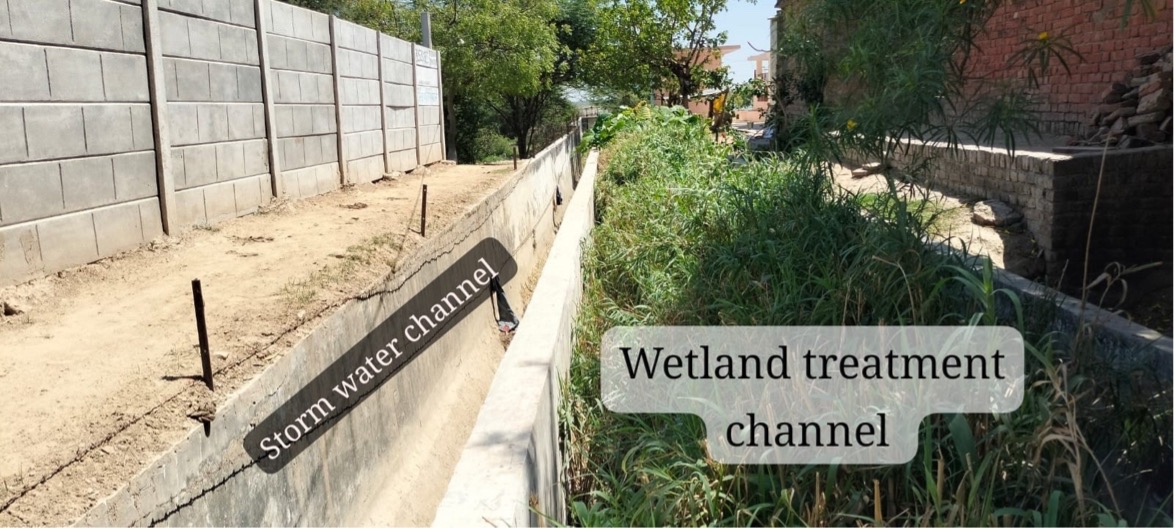
A field visit was conducted to the Constructed Wetland Sewage Treatment Plant (CWSTP) at Brahmamavrat Ghat, Bithoor, developed under the National Mission for Clean Ganga (NMCG) with technical support from the Centre for Science and Environment (CSE). The decentralized, nature-based system treats 100 Kiloliters per day of sewage, preventing direct discharge into the Ganga.
The plant uses Horizontal Subsurface Flow Constructed Wetland (HSSF-CW) technology, comprising a screening chamber, settling tank, anaerobic baffled reactor (ABR), and gravel-based wetland beds with pollutant-absorbing plants like Canna, Taro, Duckweed, and Giant Reeds. This setup reduces BOD by 85–90% and Total Suspended Solids (TSS) by over 90%, meeting Central Pollution Control Board (CPCB) standards. A polishing pond ensures final water quality before discharge.Additional features include mini-wetlands at drain inlets and a stormwater channel for runoff management.
Built at a cost of ₹35 lakhs, the plant runs with low energy and maintenance needs. Community engagement was key to its success, leading to improved aesthetics, odor control, and local biodiversity. The Bithoor CWSTP is a replicable model for sustainable sewage treatment in sensitive riverfront areas. The field visit was undertaken as a part of the Aspirational Cities Handbook development for capturing best practices and implementation efforts on the ground across UP cities.
13th April, 2025: Hasiru Dala Onboarded as Resource Organization under National Action for Mechanized Sanitation Ecosystem (NAMASTE) Scheme in Jalandhar
The Municipal Corporation of Jalandhar (MCJ) has formally onboarded Hasiru Dala as a Resource Organization (RO) under the Government of India’s NAMASTE (National Action for Mechanized Sanitation Ecosystem) scheme. As an RO, Hasiru Dala will be responsible for conducting surveys and profiling of sanitation workers, including sewer and septic tank workers, and waste pickers. Their work under NAMASTE is compensated through a per-person fee for validated waste pickers and a monthly management fee.
This partnership was catalysed during a solid waste management workshop hosted by WRI India in collaboration with MCJ under the Eco-City Regions Forum. The workshop convened over 250 participants—ranging from safai karamcharis and informal waste workers to city officials and sectoral experts from Hasiru Dala and Saahas. Discussions focused on integrated solutions to improve Jalandhar’s SWM systems and public health outcomes.
17th April: 2025: WRI India and Directorate of Urban Local Bodies (DULB) Align on Next Steps for Aspirational Cities Handbook and Workshop Launch
At an update meeting held at the Directorate of Urban Local Bodies (DULB), Government of Uttar Pradesh, the WRI team presented Phase I of draft versions for the Streets & Public Spaces and Natural Environment chapters.
The meeting marked a key milestone in the development of the Aspirational Cities Programme handbook. The team also discussed next steps, including the launch of Phase 1 of the handbook through a multi-stakeholder workshop. Consultations on the workshop structure and agenda were held with the Director and Deputy Director of DULB. The workshop will serve as a platform to discuss and review the content from officials and practitioners working on small cities across UP.
22nd – 25th April, 2025: Eco City-Regions Team Participates in “The New Urban Agenda” Training Programme
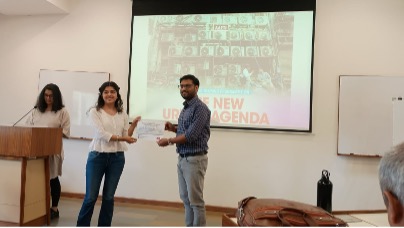
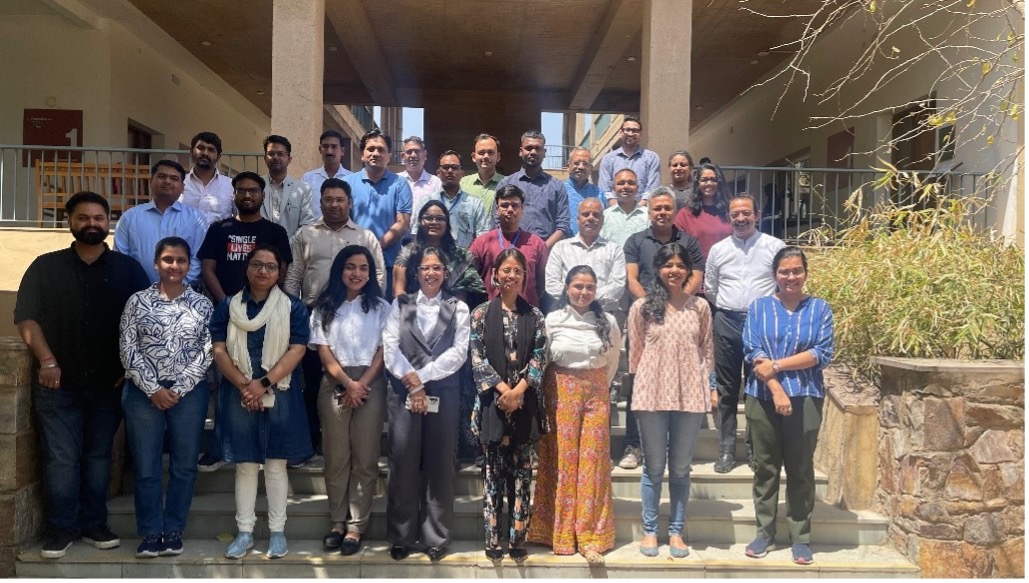
Saurabh Verma from the Eco City-Regions team participated in a four-day training titled “The New Urban Agenda”organized by CSE at
Anil Agarwal Environment Training Institute (AAETI), New Delhi. The programme focused on climate-resilient urban planning, covering topics such as urban heat mitigation, flood risk management, and resilience mapping.
Through expert-led sessions and hands-on exercises, participants explored passive design, nature-based solutions, and climate integration in urban development. Saurabh’s group won first place for their innovative solutions in the final presentation. This training enhanced knowledge of climate-smart urban strategies, reinforcing approaches to sustainable and resilient city planning.
1st May, 2025: Eco City-Regions Team Attends Convening on Advancing Adaptation, Resilient Livelihoods & Gendered Climate Strategies

On 1 May 2025 celebrated as International Labour Day, Neha Lal from the Eco City-Regions team participated in the convening on Advancing Adaptation, Resilient Livelihoods & Gendered Climate Strategies. The event brought together grassroots leaders, researchers, funders, and policymakers to explore inclusive, community-driven approaches to climate resilience.
Hosted by SEWA and partners, the discussions highlighted the critical role of women’s leadership in climate adaptation. Action researchers shared insights from their ground research. Speakers underscored how collective action—especially by women in the informal economy—can drive water conservation, fire prevention, and resilient livelihoods in climate-vulnerable regions.
Key messages included the need to centre gender justice in climate strategies, the value of integrating the informal economy into climate funding frameworks, and the importance of community-led, data-driven approaches. Forward-looking recommendations focused on policy advocacy, piloting inclusive models, and building pathways for research and funding collaborations.
5th – 9th May, 2025: Eco-City Regions Team Conducts Field Visit and Multi-Department Consultations in Bodoland
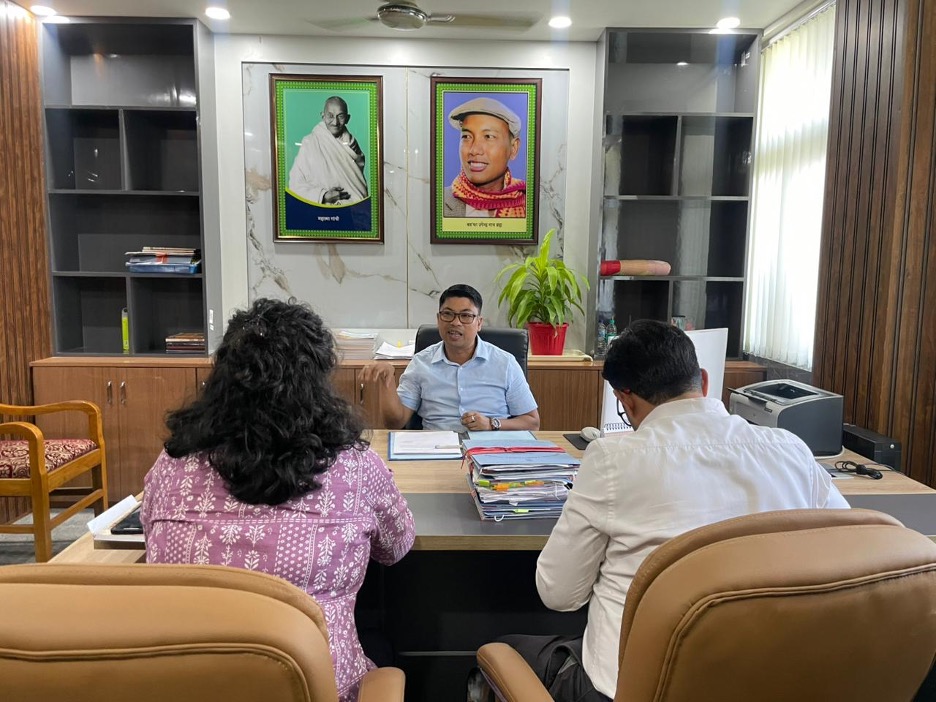
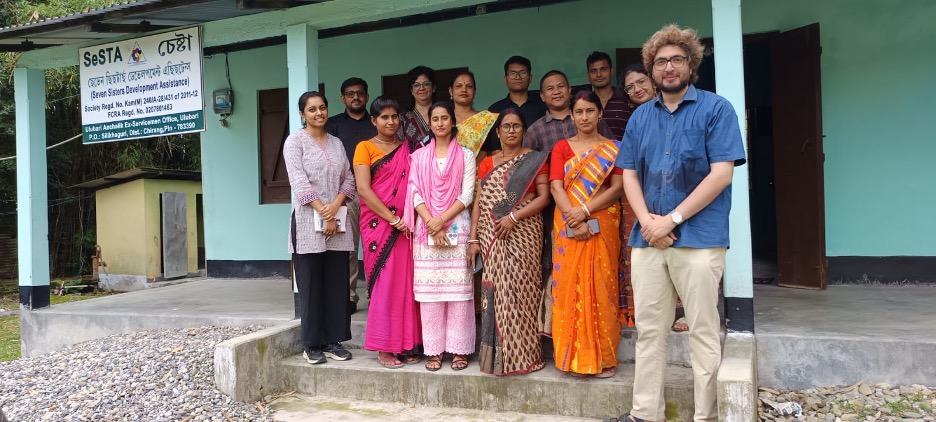
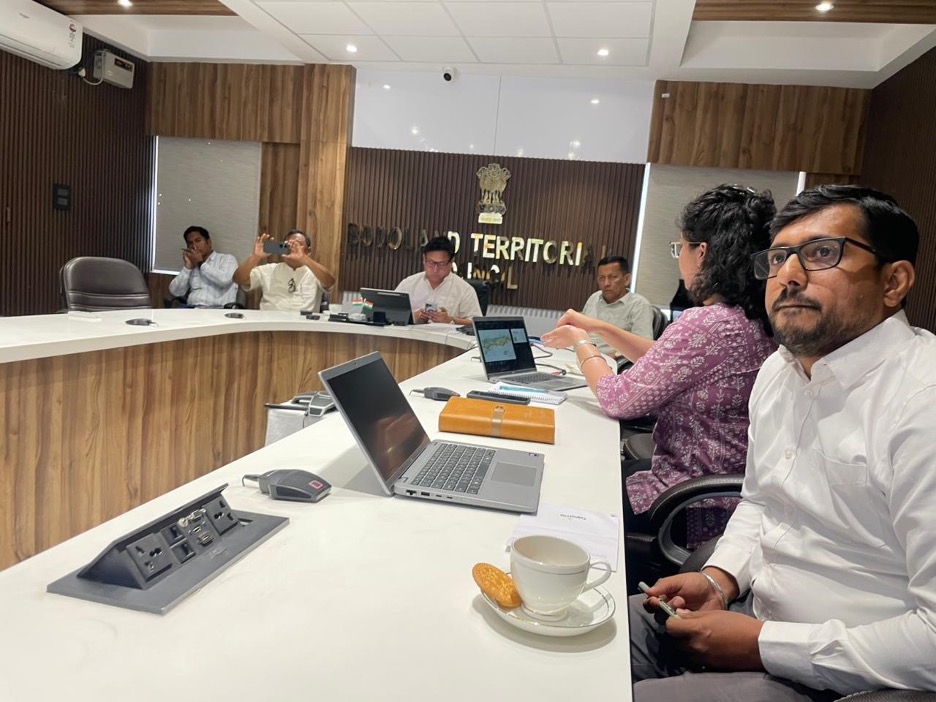
From May 5–7, 2025, the Eco-City Regions (ECR) team conducted a series of field visits and stakeholder consultations across the Bodoland Territorial Region (BTR), engaging with key departments, elected representatives, local changemakers, and grassroots actors to strengthen the vision for green, inclusive, and resilient development in the region.
Key engagements included:
Department-Wise Consultations in Kokrajhar (May 5)
The team held consultations with officials from the Department of Agriculture, including Phanidhar Brahma (Director), Sishir Ch Das (ADA - F1), M.N. Das (ADA - Zonal), and S.P. Verma (ADA - Horticulture). Discussions focused on climate-resilient agriculture, agroecological practices, and value chain enhancement.
A parallel consultation was held with Shri Lankeshwar Owarie, CHD of the Urban Development Department, exploring sustainable urban strategies for growing towns in Bodoland.
High-Level Policy Discussions (May 6)
The team met with Shri Pramod Boro, Hon’ble Chief of BTC, to share progress and future directions for the Thriving Eco-City Regions initiative. Consultations also took place with the Director of Panchayat and Rural Development, focusing on rural-urban continuum planning and convergence opportunities.
As part of the Changemaker Series, the team interacted with Kirat Brahma, founder of Zankhla Studio, to understand grassroots-driven ecological planning approaches.
Field Interactions in Chirang (May 7)
The team visited Akbar Ali, a dragon fruit farmer in Chirang, to explore sustainable agri-entrepreneurship models. Consultations were also held with Tunu Basumatary, former member of Green Forest Conservation, on forest stewardship practices.
A focused group discussion (FGD) was facilitated with Raimona Golden Langur Ecotourism Society, bringing together gypsy drivers, homestay owners, and tourist guides to understand opportunities and challenges in community-based ecotourism.
These dialogues mark another step in co-developing a locally rooted, systems-based roadmap for eco-city region transformation in Bodoland.
8th – 9th May, 2025: Eco City-Regions Team Participates in U-CAN Steering Committee Meeting
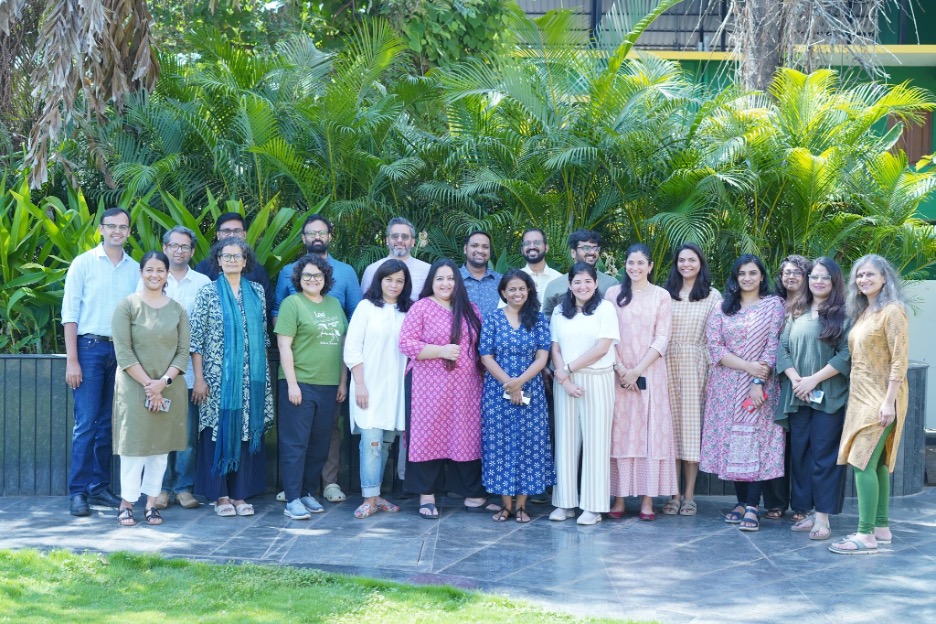
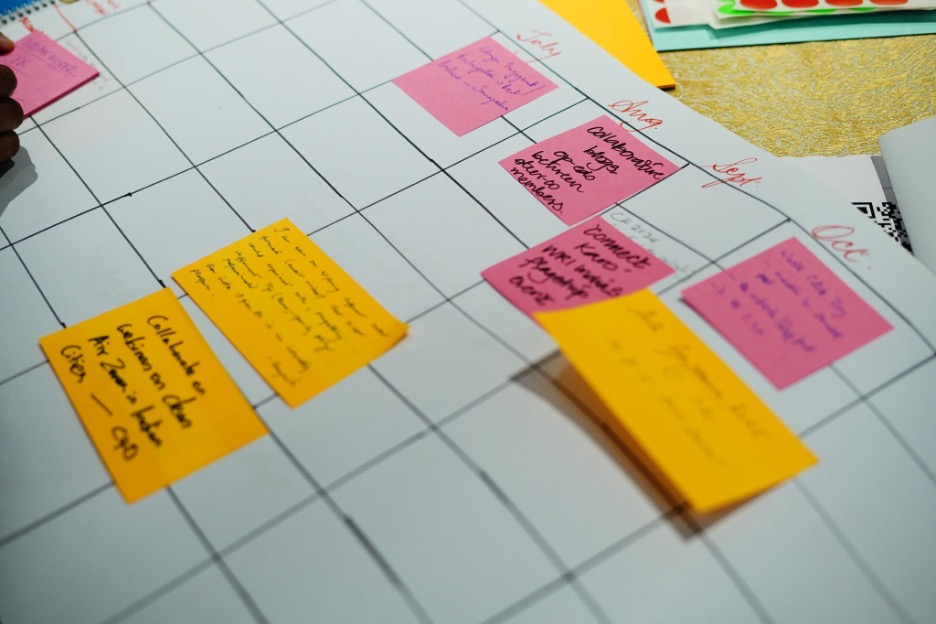
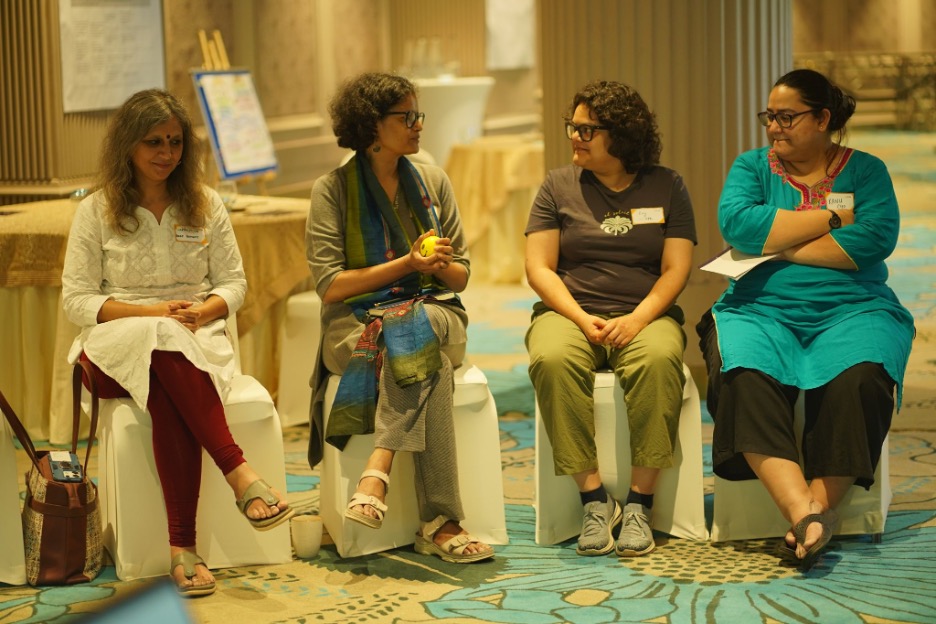
Neha Lal from the Eco City-Regions team participated in the U-CAN Steering Committee Meeting held from 8–9 May 2025 at Candolim, Goa.
The Urban Collaborative Action Network (U-CAN) is a collective of multiple organisations, including WRI India, working on pressing urban challenges. The bi-annual Steering Committee meeting serves as a space to interact, exchange ideas, and engage in collective thinking. It aims to shape a shared thesis for collaboration on building a common narrative for urban challenges with a special focus on Tier II and Tier III cities, funding, programmatic partnerships, and joint critical inquiry.
The meeting brought together representatives from eight member organizations to deepen trust, co-design the upcoming Annual Forum, and reflect on collaboration opportunities. Sessions like “Show & Tell” and “Ask & Learn” allowed members to share their work and strengthen the ecosystem by learning from each other’s experiences, failures and tactical strategies.
May 14th, 2025: WRI India’s Technical Support for Greening and Storm Water Management Policies in Uttar Pradesh
In May 2025, WRI India continued its collaboration with the State PMU in Uttar Pradesh on advancing the Greening Policy and the Storm Water Management Policy. For the Greening Policy, the draft is being prepared for resubmission to the cabinet, with WRI providing ongoing technical support toward final approval. For the Storm Water Management Policy, WRI is updating the draft to align with scheme guidelines and incorporate strategies for sustainable financing, micro‑level hotspot planning, and community‑focused IEC activities.