What’s Brewing at Ethos Foundation?

SNS 24.0

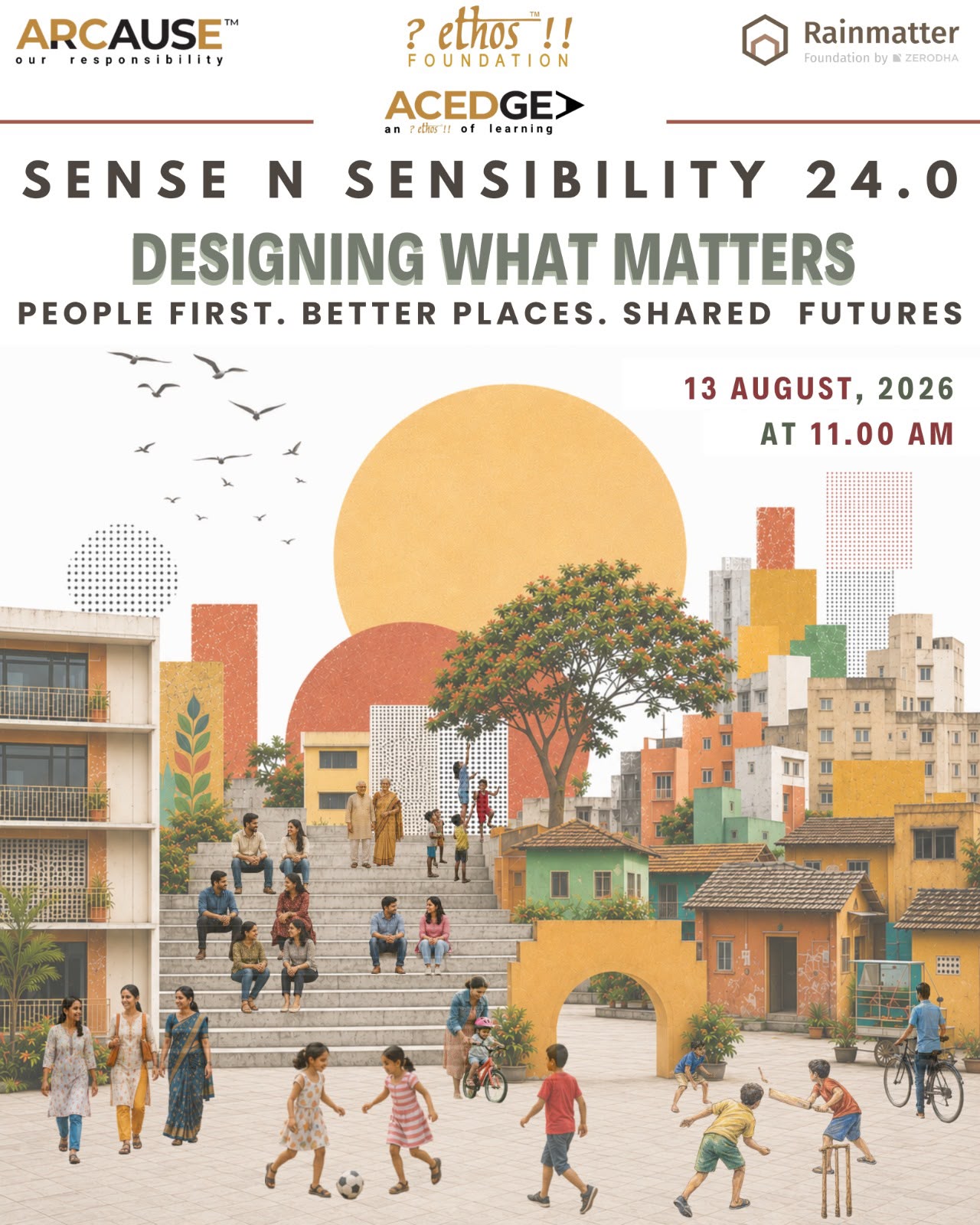
Sense N Sensibility is a lecture series that engages critical questions at the intersection of architecture and social responsibility. The upcoming 24th edition, to be held on 13th August 2026, is titled Designing What Matters: People First. Better Places. Shared Futures. It explores how architecture can move beyond buildings to create meaningful, inclusive, and people-centred environments.

The session brings together Ar. Harshad Bhatia and Ar. Ruturaj Parikh for a conversation on what it means to design with people at the centre of every decision. Through dialogue and discussion, the speakers will examine how architecture can respond to real human needs, everyday contexts, and long-term collective wellbeing. The lecture will introduce students to ways of thinking about design that prioritise usability, inclusivity, and social impact alongside aesthetics and function.

Join us for a conversation that puts people back at the centre of design, and discover how better places begin with better intentions.

Post-event session of our Universal Design Electives: Chennai 2026

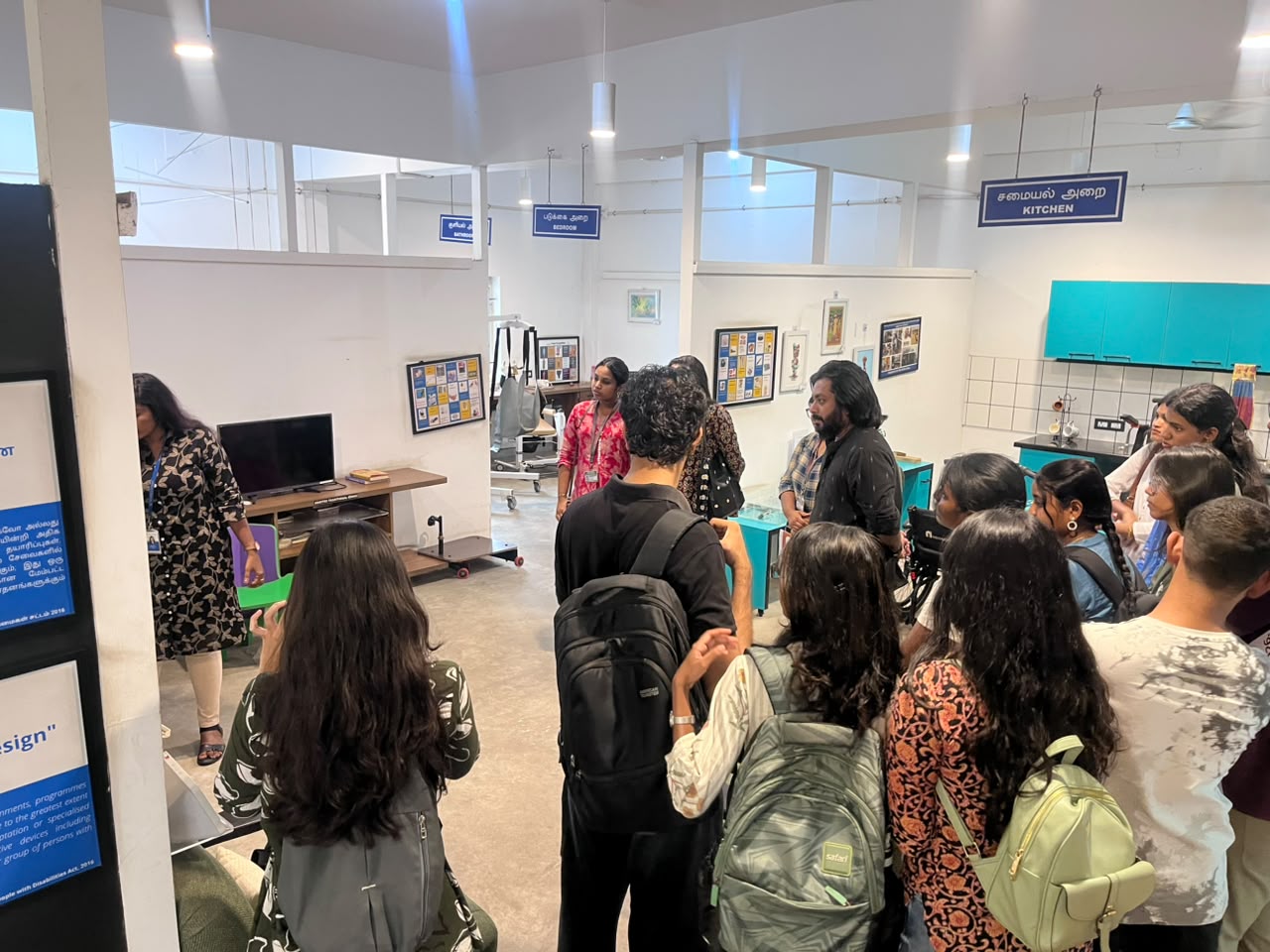
The Chennai Electives held from 27th-30th July brought together over 110 architecture students for an immersive learning experience focused on accessibility, empathy, and inclusive design.

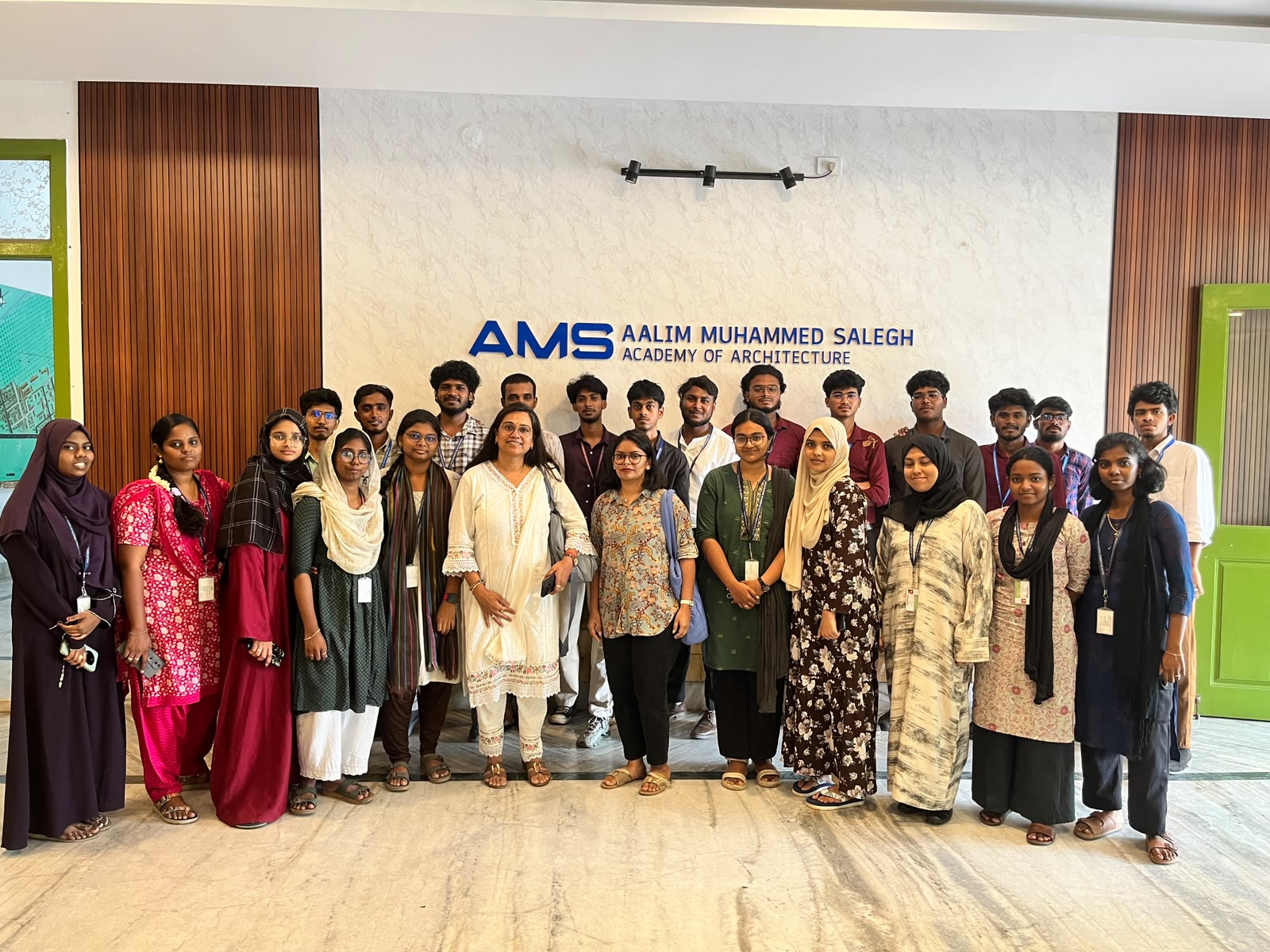
The four-day elective began with a visit to the Museum of Possibilities, followed by workshops hosted at Aalim Muhammed Salegh Academy of Architecture, Mohamed Sathak A.J. Academy of Architecture, and the Saveetha College of Architecture and Design (SCAD), Chennai.

Facilitated by Prof. Kavita Murugkar, Prof. Singanapalli Balaram, and Ms Kavitha Krishnamoorthy, the sessions explored the themes of Sensory Landscapes, The Architecture of Autonomy & Spatial Agility, and Lived Experience & Symbiotic Landscapes. Through discussions, collaborative exercises, and experiential learning, participants examined the relationship while gaining a deeper understanding of inclusive approaches to the built environment.

The Chennai Chapter provided a platform for meaningful dialogue, critical reflection, and interdisciplinary learning, encouraging students to engage with architecture through the lens of participation and empathy. The elective concluded with a shared understanding that thoughtful design is strengthened by inclusion.


Snap Studio | BAC Prompt 05: Good Jugaad Solutions

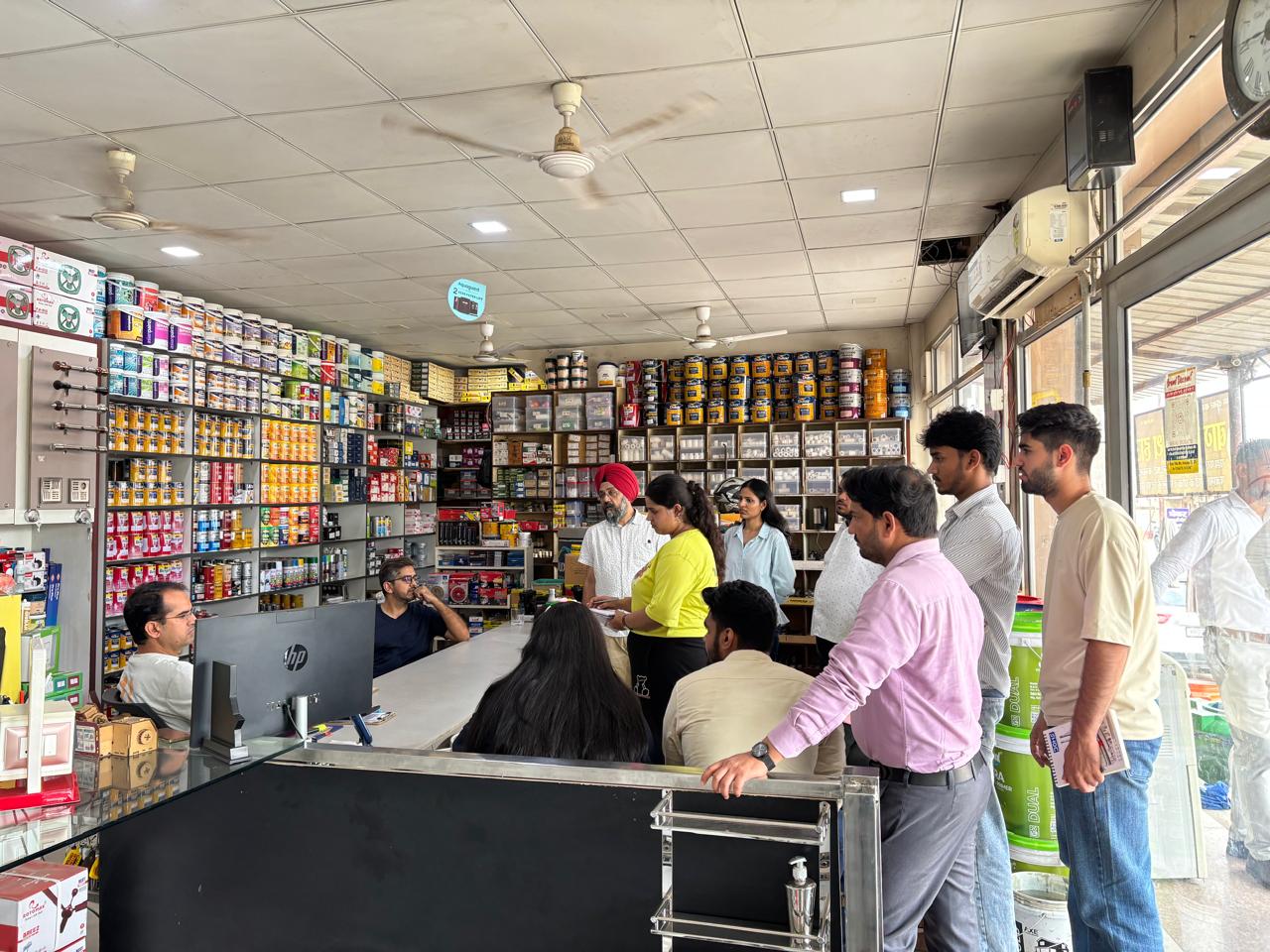
Walk through any Indian street, and you will find design happening in real time. A bamboo pole holding up a construction site. A tarpaulin sheet became the market’s roof. A bicycle carrying a shopkeeper’s entire inventory. Nobody called these “innovations” as they are just jugaad, the quiet, everyday problem-solving that keeps cities running.

Prompt 05 asks you to identify one jugaad solution in your city, town, or village that genuinely makes someone’s life easier. Document it. Then redesign it to make it safer, more durable, more affordable, and easy for others to replicate.

Most design conversations start with a blank page. This one starts with something that already works. The prompt is asking you to notice, respect, and improve. That’s a harder, more honest kind of design thinking, and it’s exactly the instinct this series is built to sharpen.

Everyday jugaad rarely announces itself as a solution. Take rooftop sprinklers, a common sight in Indian summers, used to cool interior spaces by keeping the roof surface wet through the hottest hours. It runs on a constant supply of water, often in cities where water is already scarce. This is exactly where designers can be useful, by finding a version of the same answer: a reflective roof coating, a mosaic layer, a shaded pergola, that solves for heat without spending water to do it.

It also opens the door wide. You don’t need an architecture degree to spot a good jugaad; you need eyes open on your commute. That’s why this prompt is especially worth bringing into classrooms, shops, and community groups: the observation is available to everyone, and so is the redesign.

Good design doesn’t always need a bigger budget. Sometimes it just needs someone to look at what’s already there, making it a little safer, a little sturdier, and a lot easier to pass on.


Post-event session of PMP 1.0

Three days, one purpose: helping faculty grow as educators and mentors for the next generation of architects.

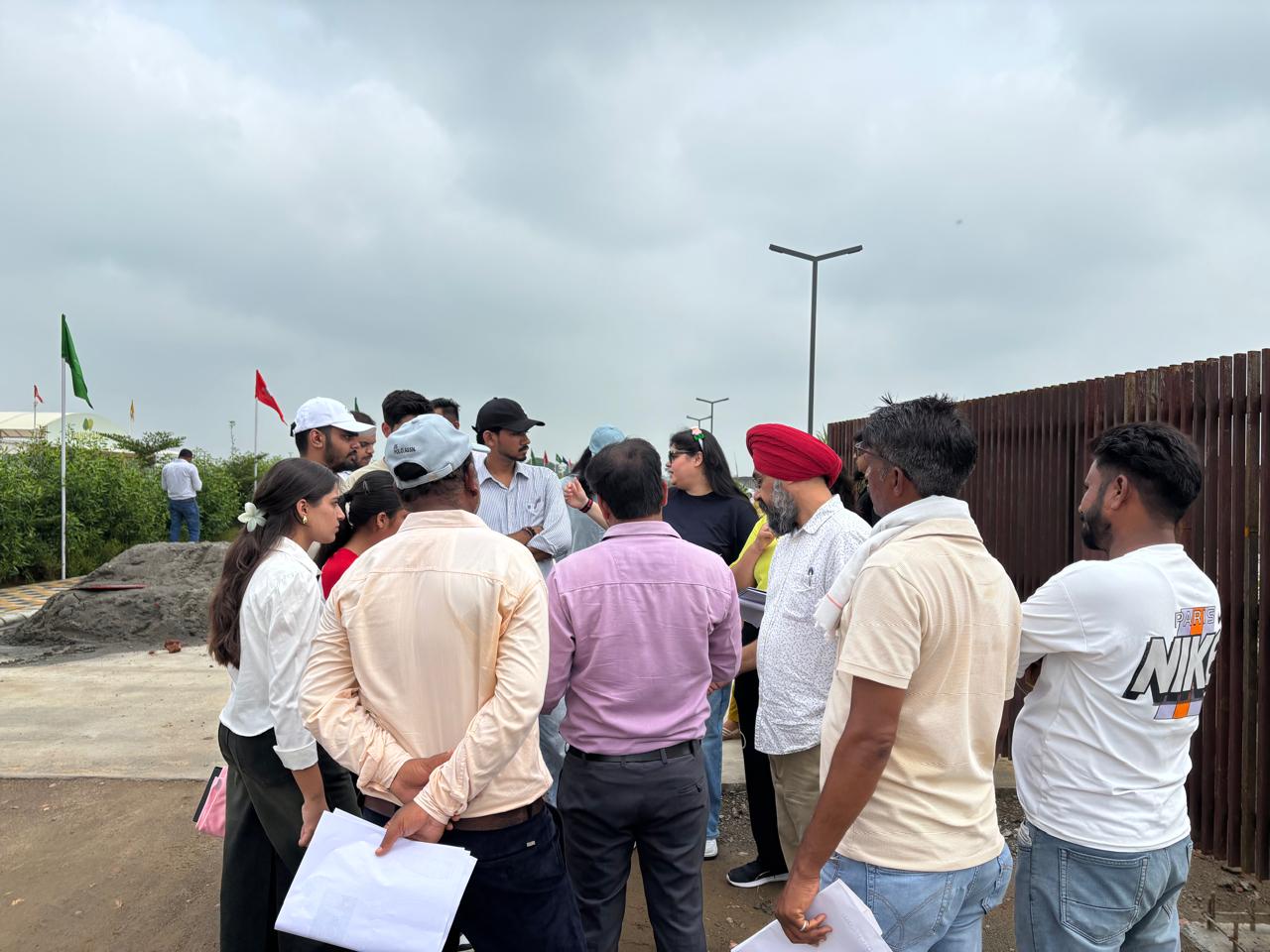
Day 1 opened with the journey of an architect who found his niche not through grand plans, but through observation and mindful travel, a reminder of how small moments shape a creative career. The day’s highlight was an immersion visit to a specialised cancer hospital. For faculty, it was a lesson in the empathy that healthcare architecture demands. It was a reminder of how much more powerful teaching becomes with real, on-ground examples.

Day 2 focus shifted from personal reflection to student enablement. The faculty discussed about guiding students through real-world challenges and internship struggles, and bridging the gap between academia and practice. The day closed with plans to keep the momentum going: not a one-time event, but the start of an ongoing faculty community built on collaboration and shared learning.

The final day (Day 3) tied it all together with a mix of learning, unlearning, and looking ahead. A panel on alternative practices offered fresh perspectives on architecture beyond conventional paths. The programme closed with an empowering session by Prof. Amruta, Director at Nehru College, on the future of architectural education.

Every session across the three days left the faculty with something valuable to take back to their classrooms. PMP 1.0 was not just a programme; it was the start of a community that is here to stay.