Hello everyone,
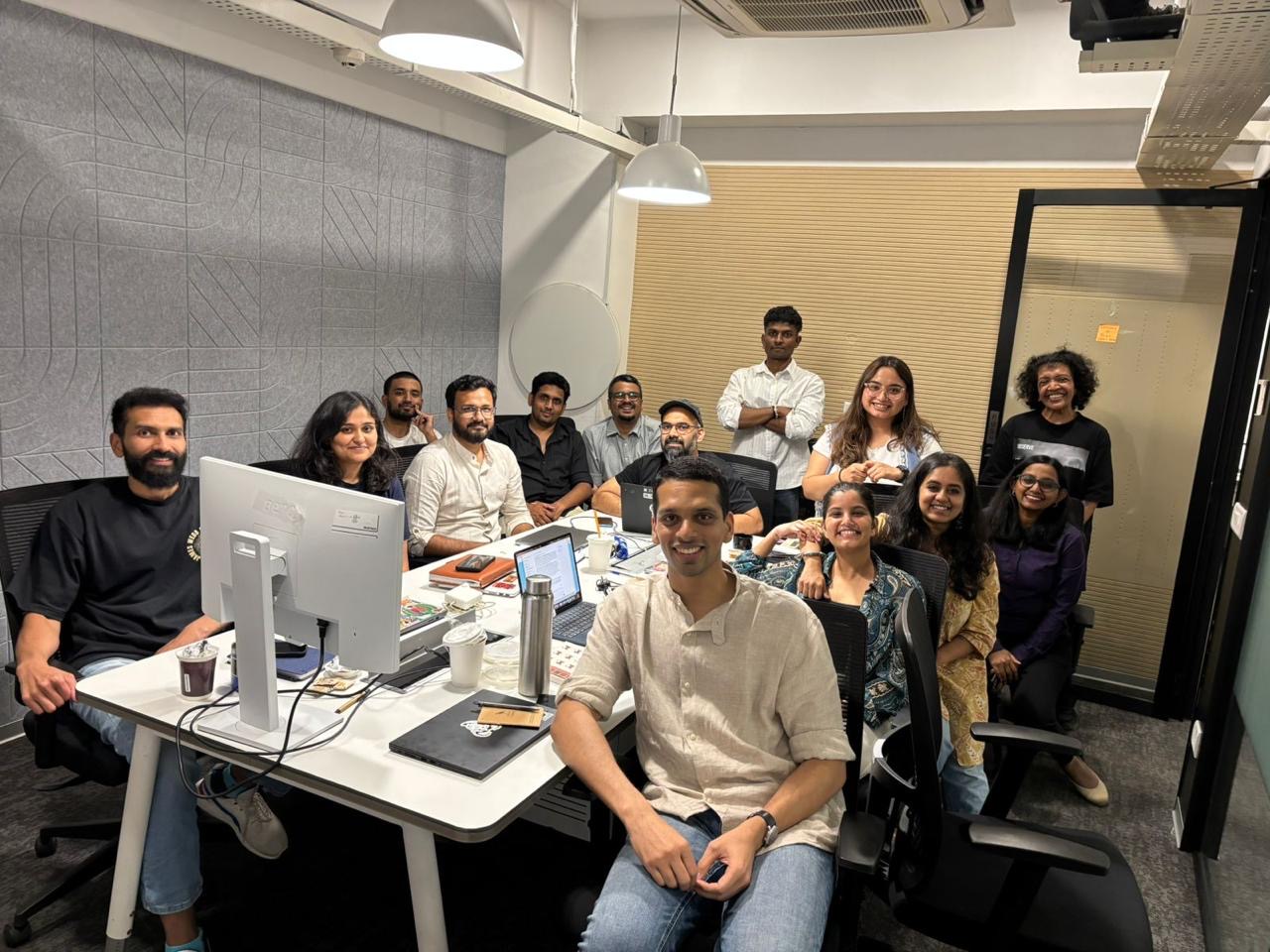
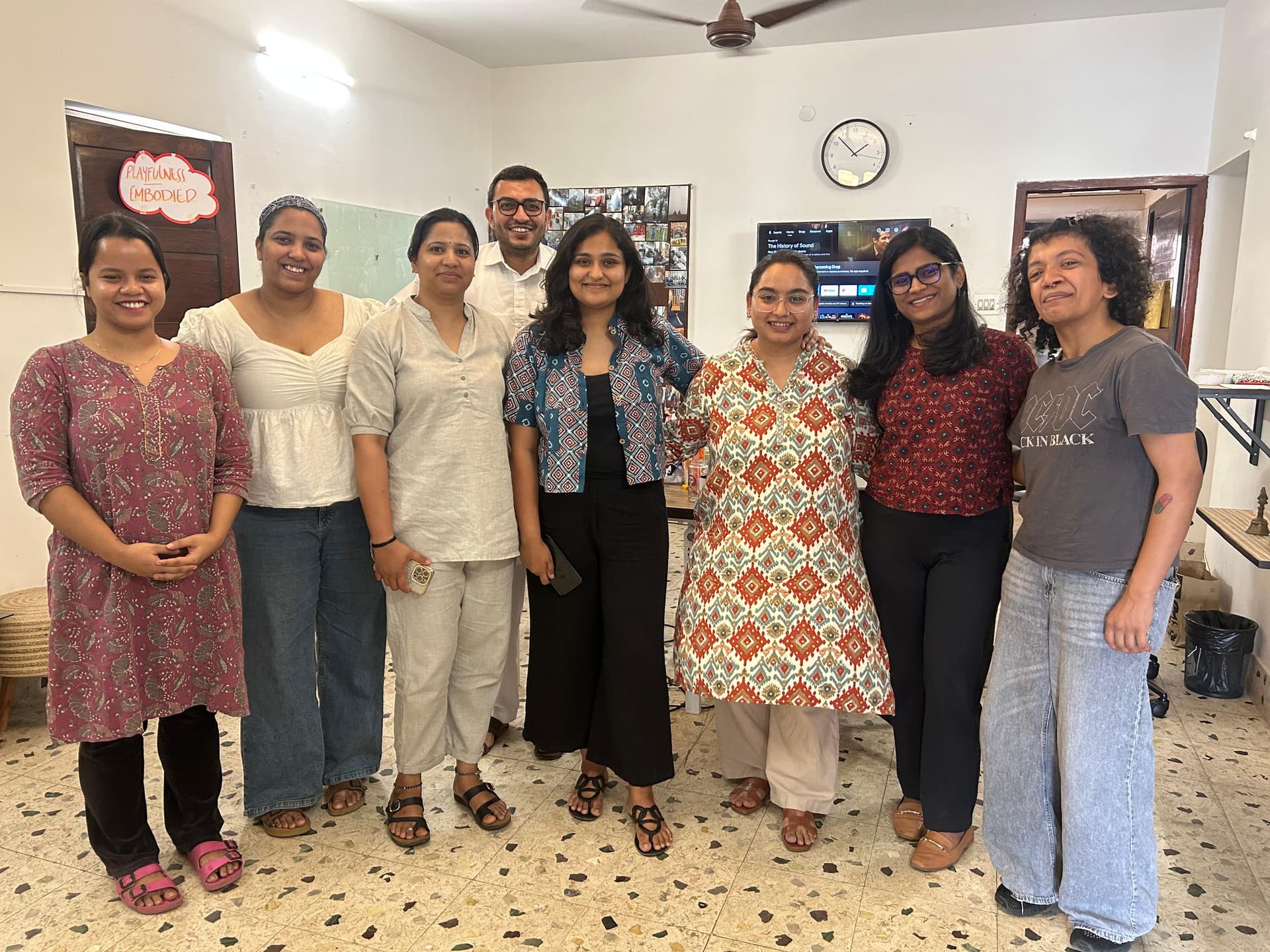
The past two months have been a period of steady momentum and hands-on work for our team from field visits to new deployments. We’re excited to share highlights from these months below:
IdliStack - Cloud Infrastructure for Social Impact
Our engineering team has been rethinking cloud infrastructure for nonprofits, experimenting with ways to make it genuinely cost-efficient and sustainable. Since IdliStack’s launch, several social impact organisations have reached out through the T4GC website and at various convenings to learn how IdliStack can cut down technology costs and reduce resource intensity. In parallel, we’ve begun working with existing nonprofit partners, especially those whose systems we’ve previously built and with product builders to review hosting practices, analyse cost structures, and understand why tool usage sometimes drops off due to unplanned or unsustainable tech expenses.
IdliStack will host a growing suite of open source tools like Mattermost, Listmonk and ERPNext all deployable in one-click. This helps close the technical hurdle many organisations in the social sector face today: make open-source technology easy to deploy and maintain. In addition to this, it offers a simple, low-cost hosting platform where organisations can run their websites or software systems without worrying about missed payment cycles, hidden cloud feature bundles, or complex maintenance routines.
Indian Yards Foundation (IYF) recently moved their Frappe-based ERPNext system from a self-hosted E2E server to IdliStack’s hosting infrastructure to improve application reliability while cutting costs by a whopping 30%.
Website hosting and migration
Websites are a vital part of a nonprofit’s digital presence. Yet many are left outdated or broken: links that don’t load, content that hasn’t been updated in years, or entire sites that go dark after a vendor signs off.
To help fix this, we’ve been helping nonprofits transition to Ghost, a lightweight, open-source, user-friendly platform for websites and newsletters. It allows teams to easily update their work, projects, and stories without technical support or expensive retainers. Migrating to Ghost reduces both development and maintenance costs, and hosting it on IdliStack further brings down cloud expenses while ensuring security and stability.
In summary, IdliStack provides:
- One-click deployable open source tools like Wordpress, Ghost, Listmonk, Mattermost. This suite of tools will continue to evolve.
- Easy, one-click migration from Wordpress to Ghost
- Host any Frappe based applications
- Access to Fundraising Management System
Organisations within the Rainmatter community — if you’re looking for a secure, affordable hosting platform for your websites or software systems, or if you’ve built products that could benefit nonprofit organisations, we’d love to collaborate. We can host them for you or make them available through IdliStack’s suite of open-source tools, accessible to all and deployable in a single click. Do reach out to us at [email protected].
Fundraising Management System(FMS)
In efforts to continuously upgrade the FMS based on user needs, we either do scheduled check-ins with our nonprofit partners who are using the FMS or engage with them when they have product and usage related queries. These feedback loops have informed enhancement of existing features in the system while internal discussions to expand the system are ongoing.
Vidhi Centre for Legal Policy, an independent think-tank doing legal research to make better laws and improve governance for the public good is our latest user of the FMS. System onboarding for their team is scheduled for November 2025.
Conservation Coalition
We’re thrilled to share that the Conservation Coalition(CC) has been recognized as one of the 2025 Laureates by the Don Norman Design Award DNDA. This award recognises Early-Career HCD+ Projects tackling some of society’s pressing challenges through Humanity-Centered Design solutions that benefit both people and the planet. Our application made it to the final shortlist with 12 other projects around the world. This recognition has spotlighted our approach which is anchored in trust, shaped by a listening-first approach, driving interoperability across data, technology, and people among a cohort of global projects redefining what ethical and inclusive design can achieve.
The second field testing for the photo monitoring app(fomo) was completed in Valparai this September. We’re now prototyping natural language interfaces to help analyse the data collected during the trials.
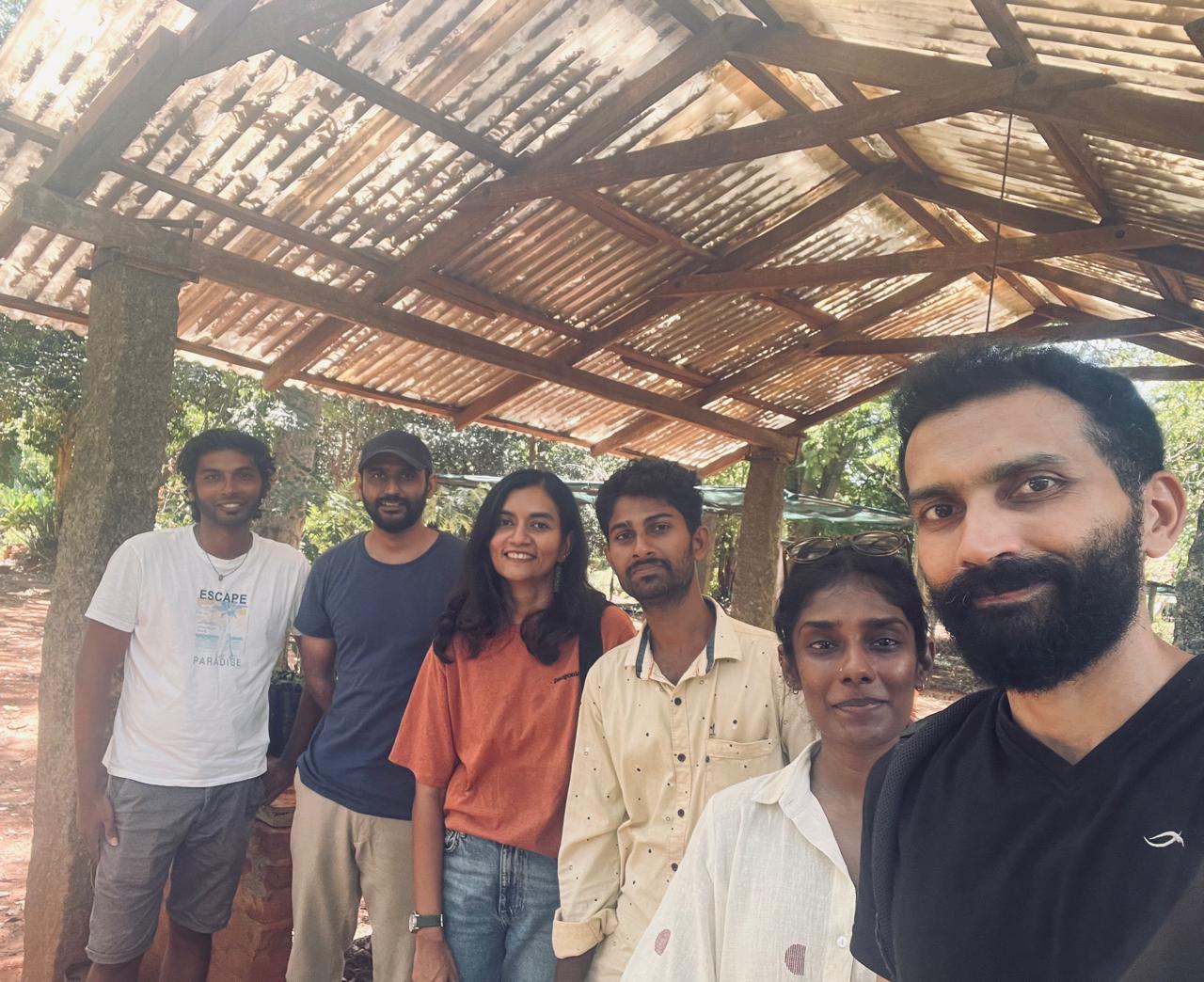
Our team also revisited Keystone Foundation to test a data collection and translation tool prototype with their barefoot ecologists and field staff. The tool was slated to be tested in their ongoing experiment site at Bikkapatty Mund, a 300-hectare plot invaded by Sestrum and now being prepared for restoration. The experiments aim to understand patterns of Sestrum invasion across elevation and forest types, and to test whether proximity to human settlements contributes to higher densities of this invasive due to disturbance. Although the prototype couldn’t be tested due to rainy weather, we used the time to engage with various departments at Keystone to understand their data collection, archiving, and retrieval processes in depth. The discussions underscored the need for systematic data tracking and standardization right from the point of collection. Together with Tarkam, we’re exploring ways to embed essential data practices that can enable better data sharing across teams within an organisation, so insights from one study can inform and strengthen interventions in others.
Anusha Meher Bhargava, our co-founder who program heads CC, travelled to Italy for the second convening and New York for the final pitch day of the Rockefeller’s Foundation Big Bets Fellowship. These gatherings were designed to equip us with the tools to refine our theory of change, strengthen the design of our programs and shape the way our organisation approaches strategy and long-term impact for conservation.
Notes from the field during our visit to NCF, Valparai research station in April 2025 are now published and can be found here: https://www.tech4goodcommunity.com/blogs
Field Visits
Social Venture Partners, Pune and Without demonstration plant visit
T4GC visited the Social Venture Partners team in Pune for potential funding opportunities and had the opportunity to meet nonprofit organisations based in Pune that were incubated by SVP. In a short session, Akhila Somanath, co-founder, shared T4GC’s journey, our work approach, solutions we offer and how nonprofits can benefit from using relevant, sustainable and efficient technology.
Our team also had the opportunity to visit the Without team and their demo plant who are doing the incredible job of building sustainable solutions from “unrecyclable” waste while graduating waste-pickers out of poverty. This experience demonstrated an inspiring model that ensures fair wages and dignified working conditions for waste pickers engaged in the complex task of recycling multi-layered plastics that are often otherwise discarded.
Upskilling Initiatives in Dantwada, Chhattisgarh and NavGurukul visit
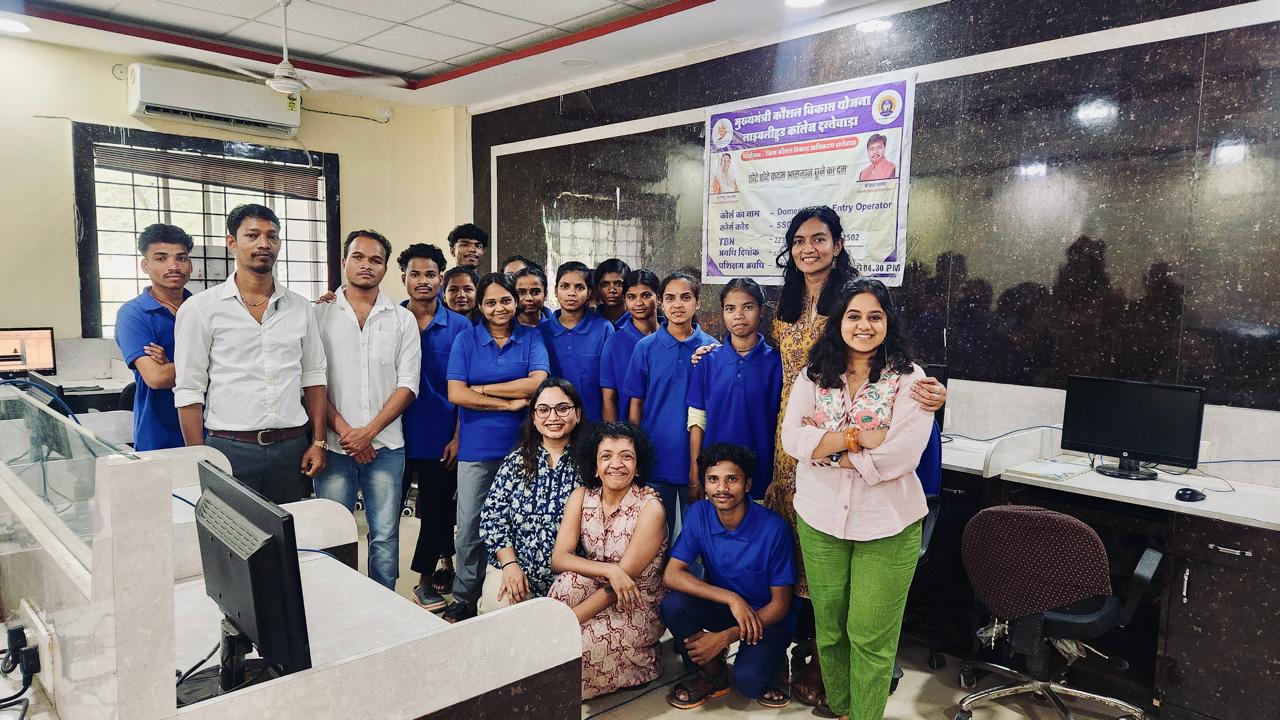
T4GC visited Dantewada, Chhattisgarh, to observe local livelihood, upskilling, and rehabilitation initiatives. At the Livelihoods College, surrendered Naxalites and local youth are trained in skills ranging from plumbing to coding, handloom, fashion design, and entrepreneurship, with support for self-employment or job placements after completion. The team also engaged with students at NavGurukul, a partner from the 2023 Forbes Foundation and Rainmatter Spotlight series, learning about their digital skills development—from basic Microsoft tools to front-end and back-end coding in React, JavaScript, and Python. The visit provided a compelling perspective on inclusive development, highlighting how capacity-building initiatives for diverse and underrepresented communities are structured and implemented across India, and the significant impact these programs have on individuals, communities, and their livelihoods.
Through these field visits and knowledge exchanges, we have deepened our understanding of community-led models, livelihood programs, and equitable work systems. These learnings will continue to shape how we approach program and product design, ensuring that our technology solutions are grounded and responsive to real-world needs.
Life Skills Education through Sport at Y-Ultimate, Delhi
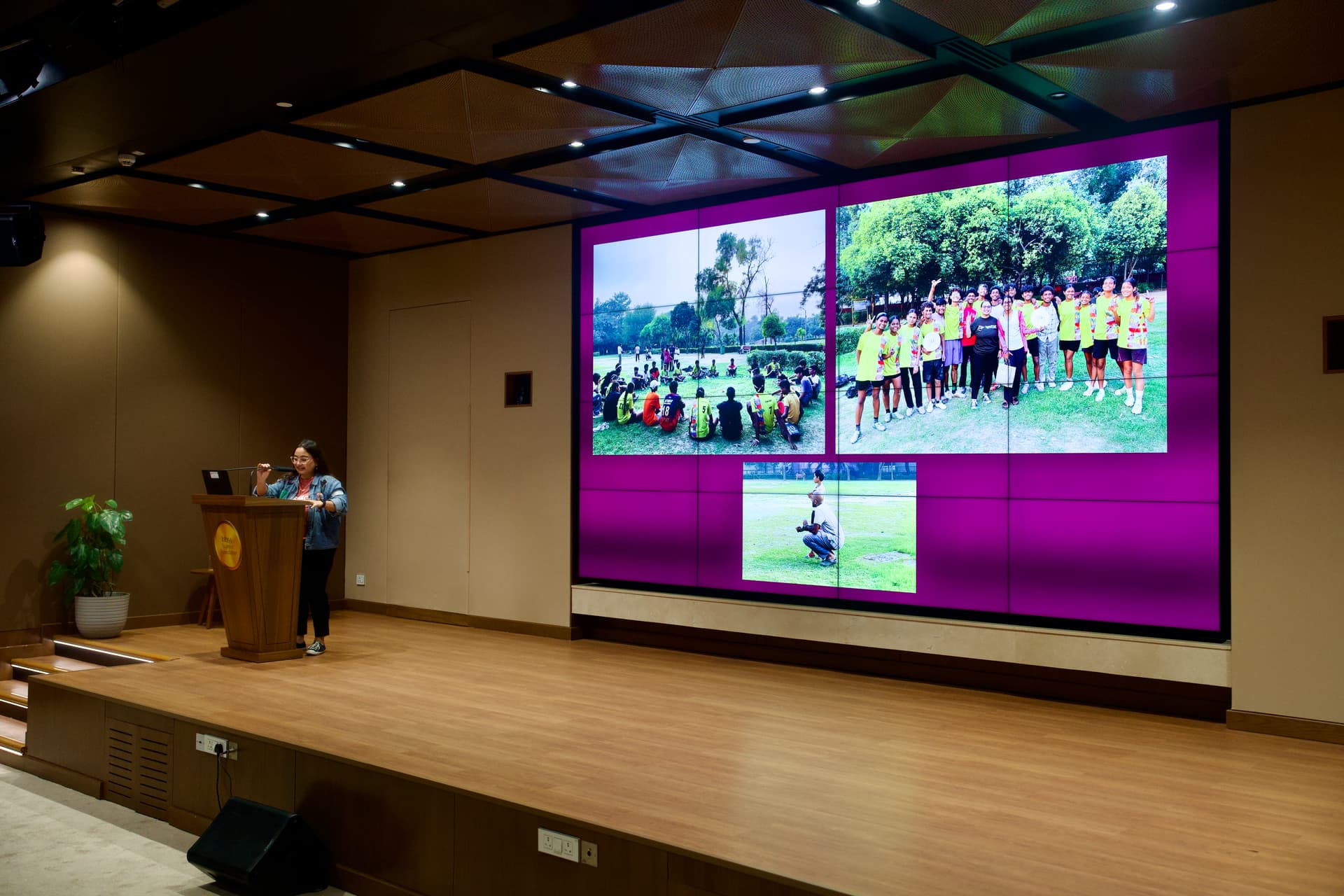
Akanksha from the T4GC team visited Y Ultimate in preparation for the upcoming Tech4SocialGood Hackathon, organised by T4GC in collaboration with FOSS United and OASIS. We had the opportunity to observe the game of ultimate frisbee, a sport central to Y Ultimate’s mission of imparting life skills to at-risk youth through teamwork, discipline, and mentorship. The Hackathon’s problem statement draws from Y Ultimate’s current challenges in data management, impact communication, and internal operations.
Team Activities and Mentorship
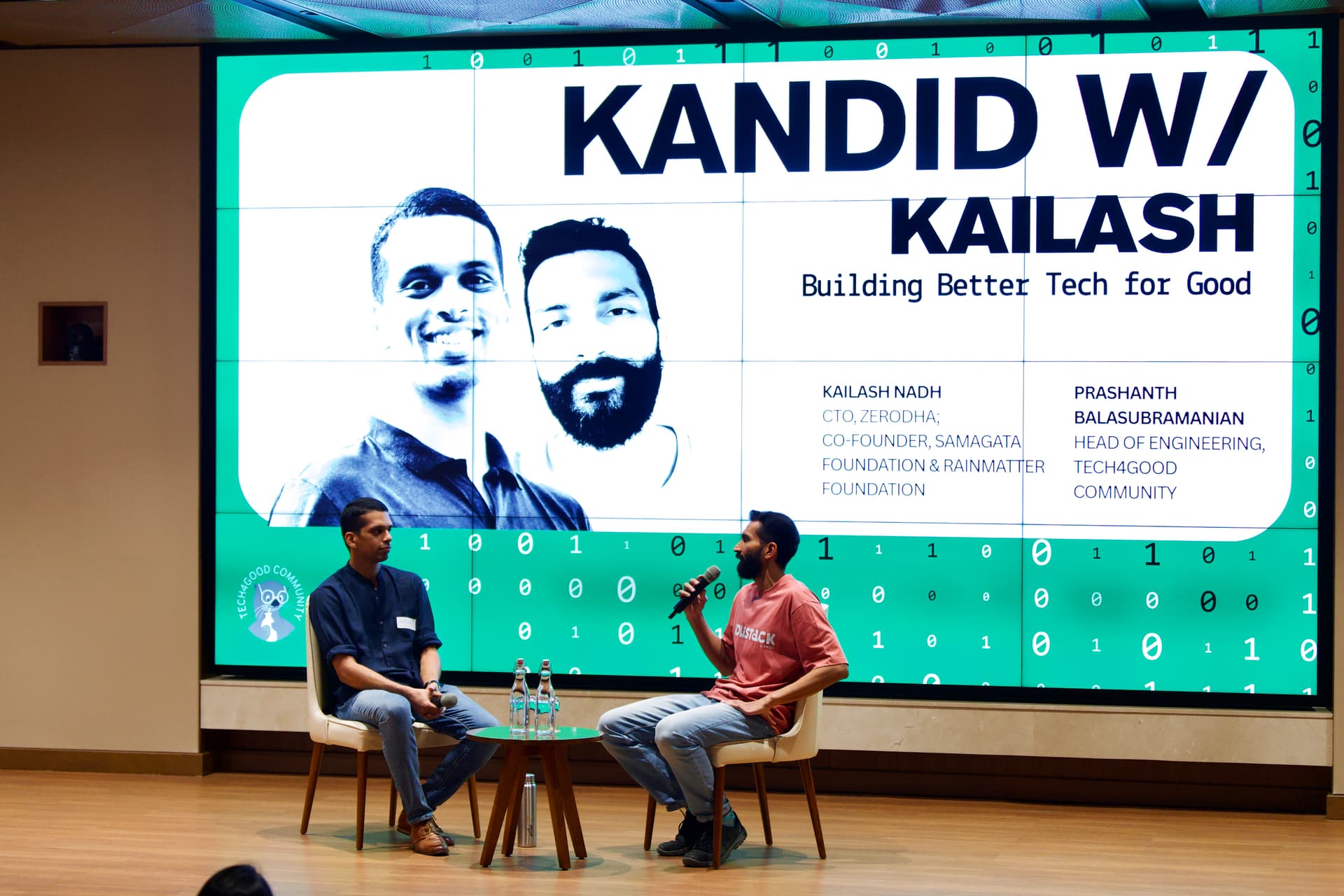
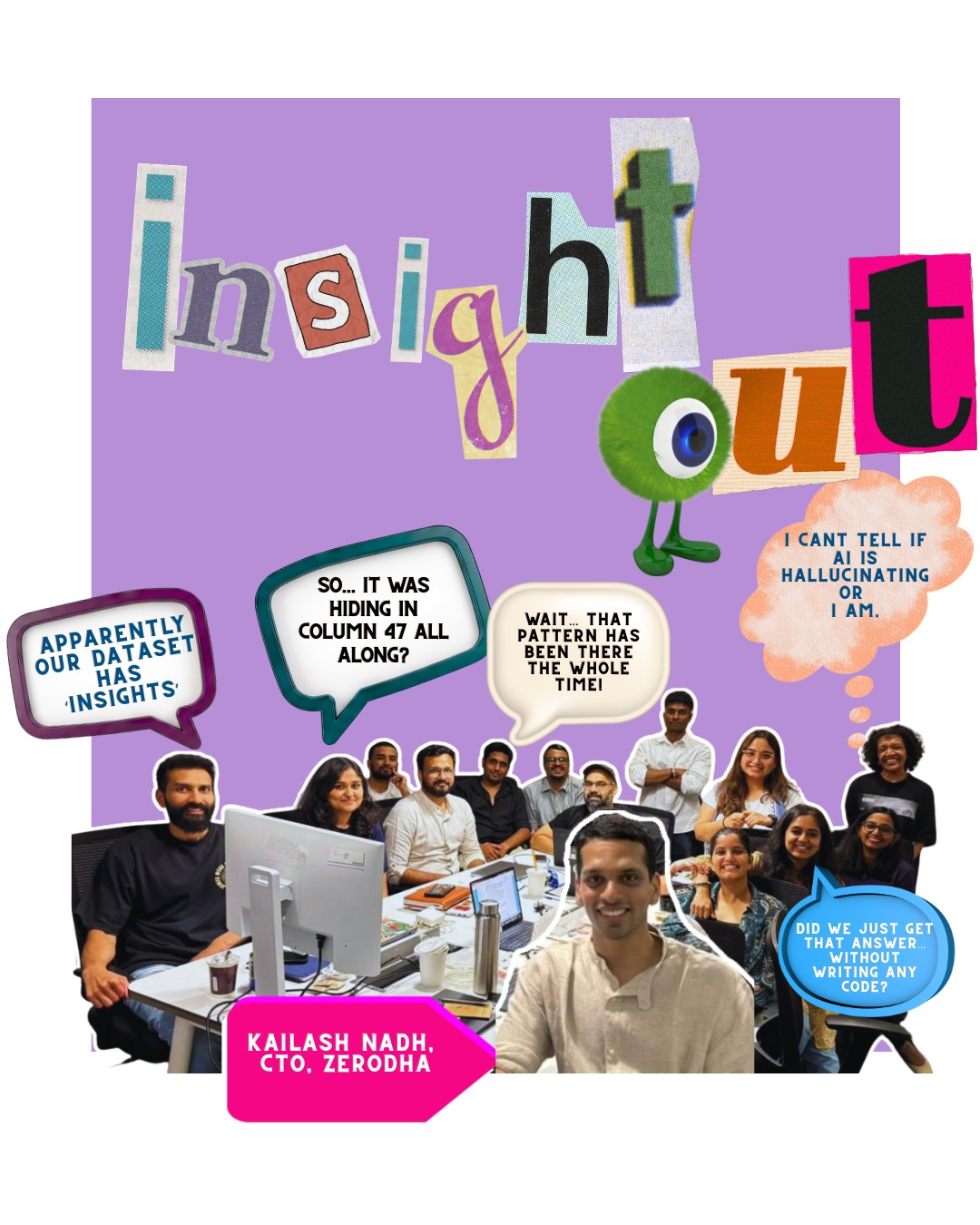
Over the past few months, we’ve had the opportunity to engage closely with our funders and mentors, strengthening our organisational direction through demonstrations, dialogues, and collaborative exploration. We were privileged to meet with our mentor Shankar Maruwada, whose guidance has been a steady force since T4GC’s inception. Our engagements included showcasing the FMS platform to funders, meeting our advisor Jagadeesh Rao Puppala and his team at Living Landscapes to explore synergies, exchange learnings, and work toward a more collaborative ecosystem. We also spent an enriching day in the office with Kailash Nadh, whose mentorship has been instrumental in shaping our tech roadmap and our broader role within the ecosystem.
Events and Workshops
Restoring Natural Ecologies 2025
The conservation team participated in a three-day workshop in Guwahati, Assam, organised by the Ecological Restoration Alliance (ERA). The sessions included a series of short talks and in-depth workshops that fostered peer-to-peer and team dialogue, the exchange of best practices, and the sharing of site-specific insights to improve restoration and monitoring efforts across similar eco-regions.
Several key data and technology themes emerged during the discussions, highlighting both opportunities and challenges in restoration work. We are now working with our partners to explore how different verticals within ERA can collaborate more closely, building a cohesive framework for data and knowledge pooling to strengthen collective restoration efforts, and inform policy.
Frappeverse
Our junior engineers participated in Frappeverse, the annual global conference hosted by Frappe, the open-source developer framework that T4GC has been using for over three years to build and customise applications for nonprofits. The conference gave the team valuable exposure to the latest in open-source tools and technologies, and opened up new ideas on how these innovations can be adapted to strengthen the technological capacities of social impact organisations.
OASIS x Tech Pricing
Akhila Somanath, T4GC spoke at the OASIS(Open Source Alliance for Sustainability and Social Innovation) workshop on pricing strategies for tech solutions in the social sector. The session, attended by 22 tech developers, explored how to price open-source products sustainably while ensuring accessibility for nonprofits.
Seniors in Sewa x T4GC: ‘Masterclass for Good’
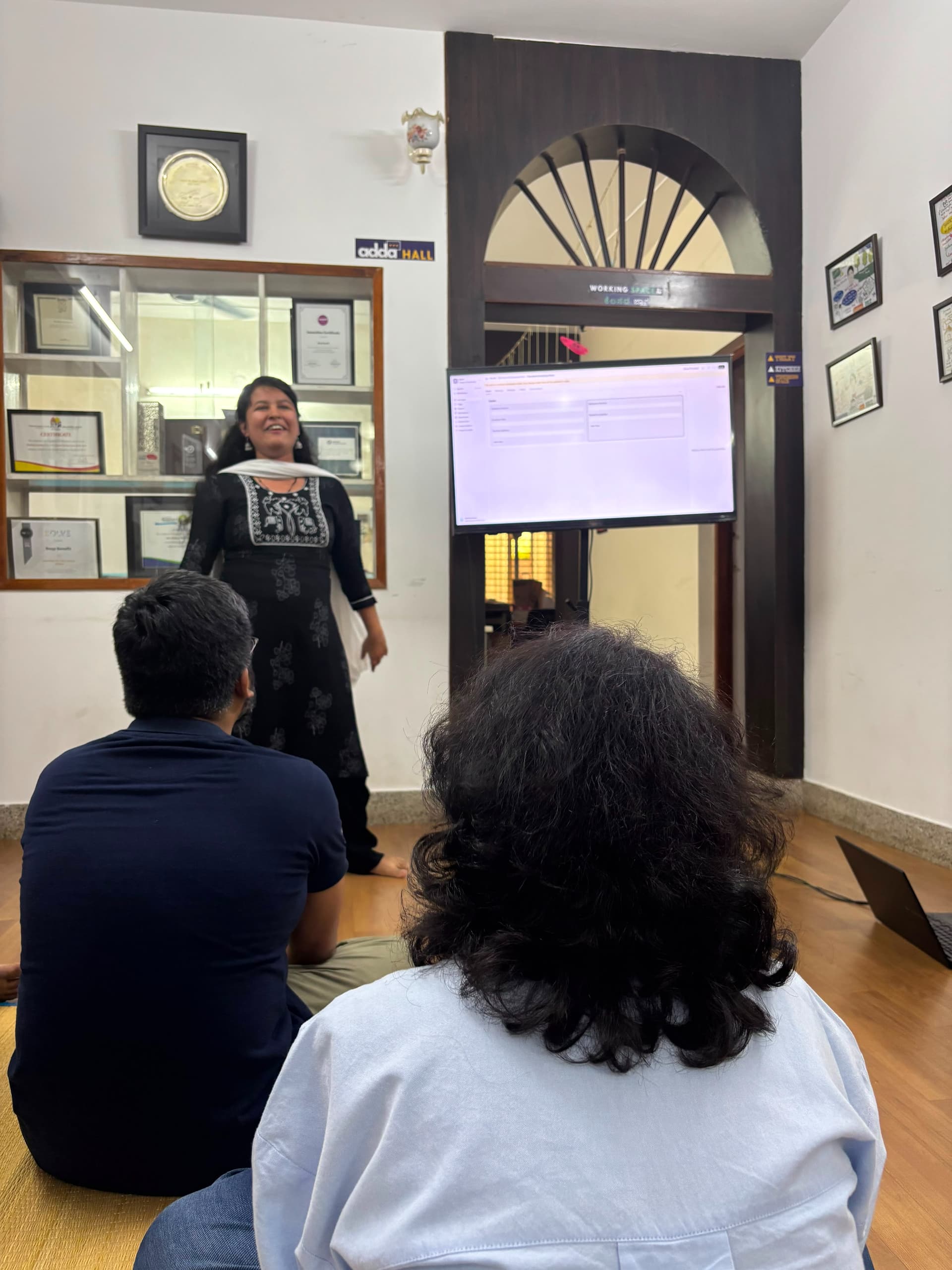
Varshini Murali from T4GC presented at the 5th session of Masterclass for Good, attended by over 40 participants. The session, aimed at NGOs and grassroots organizations, explored common myths and misconceptions about open-source technology and included a brief demonstration of fund management tools.
IndiaFOSS 2025
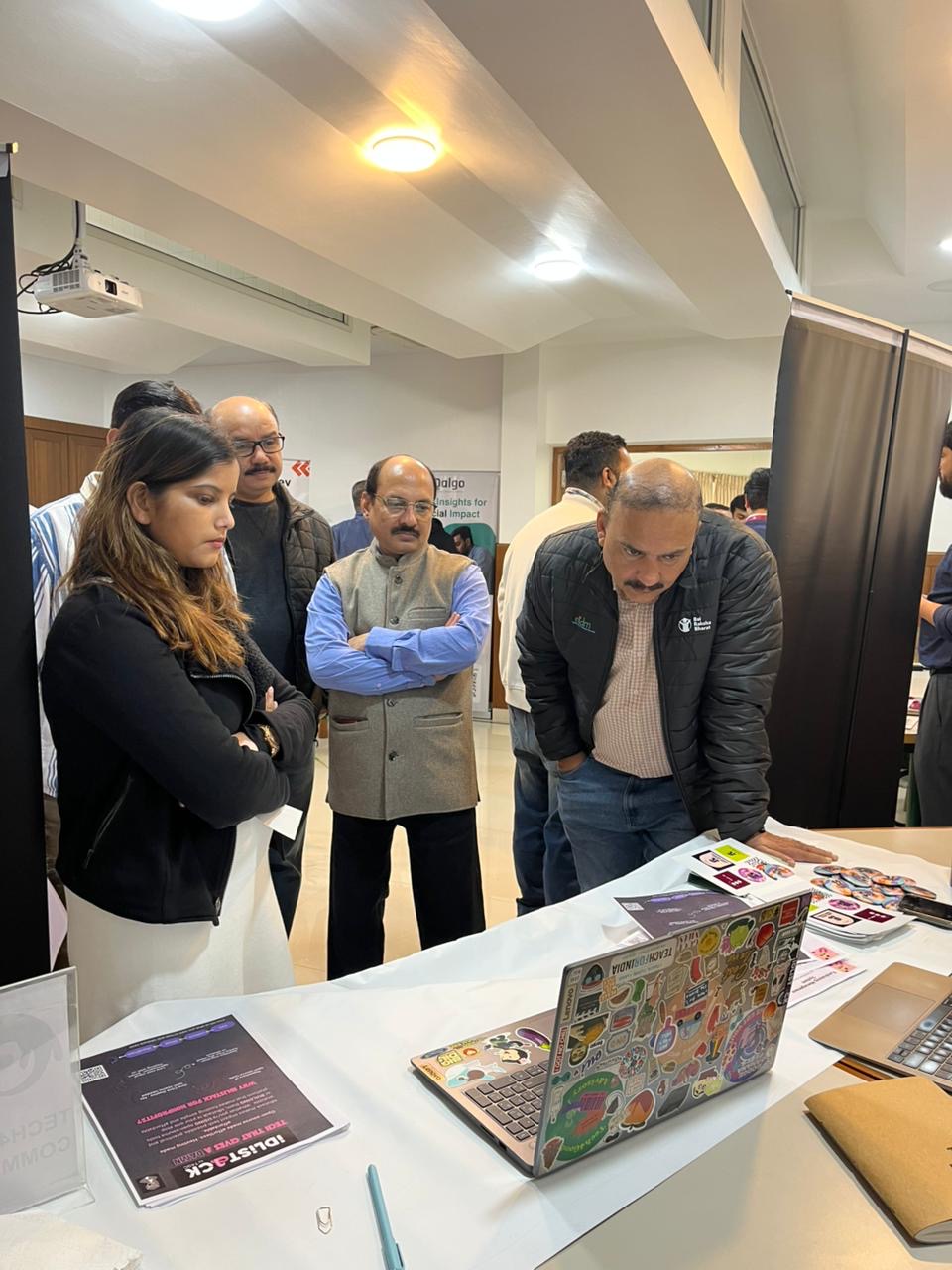
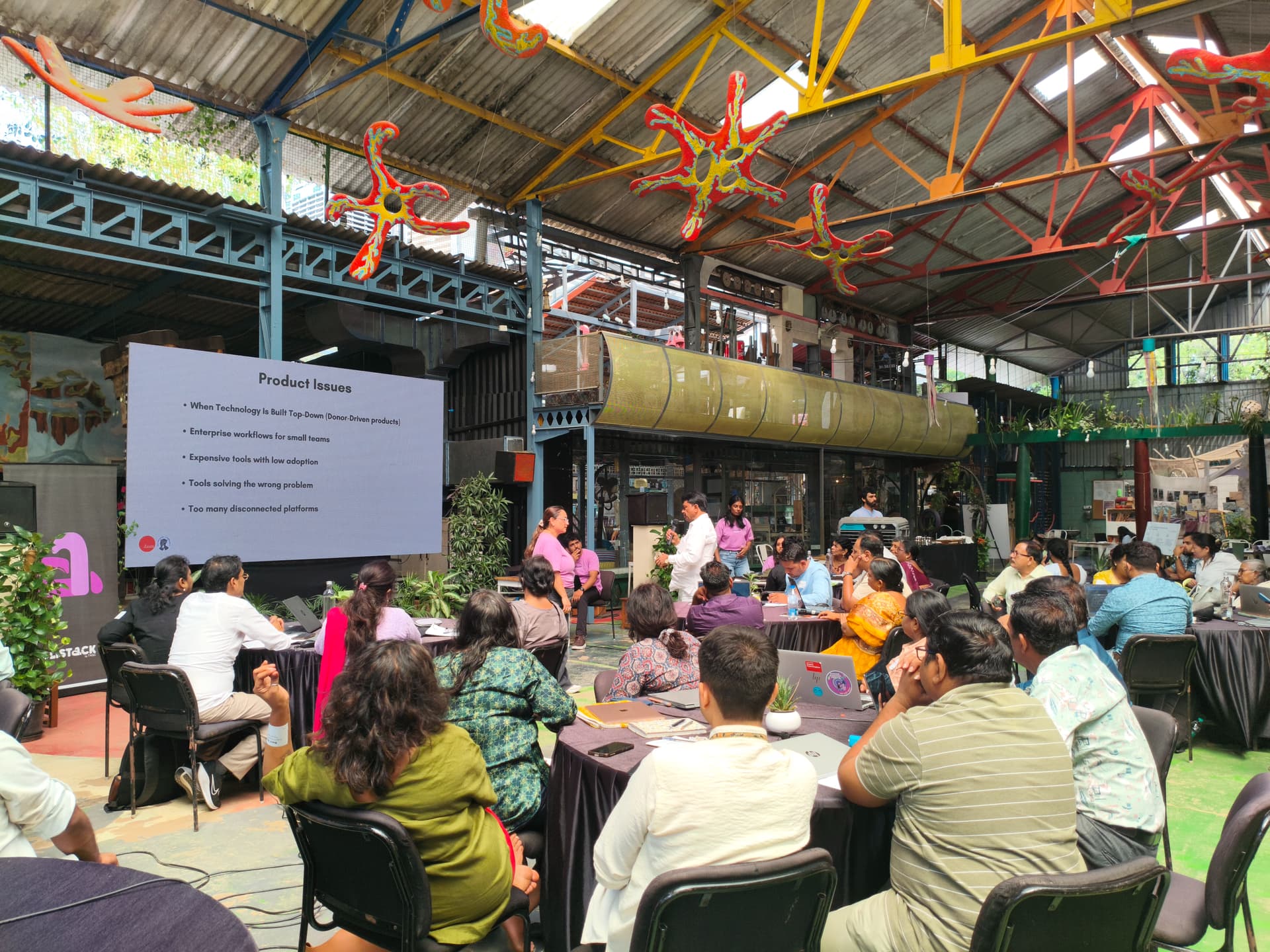
India FOSS weekends are all about cross learning and community. T4GC participated in India FOSS 2025 for the third consecutive year, engaging as contributors, builders, and learners in the open-source ecosystem. In these three years of listening, building and re-calibrating, we couldn’t have done it without spaces like this that help keep our minds sharp and remind us that open source is as much about exchanging ideas as it is about writing code. At the T4GC stall, we showcased the Conservation Coalition initiative, FMS, and IdliStack, and interacted with numerous participants, developers, and students interested in applying technology for social impact.
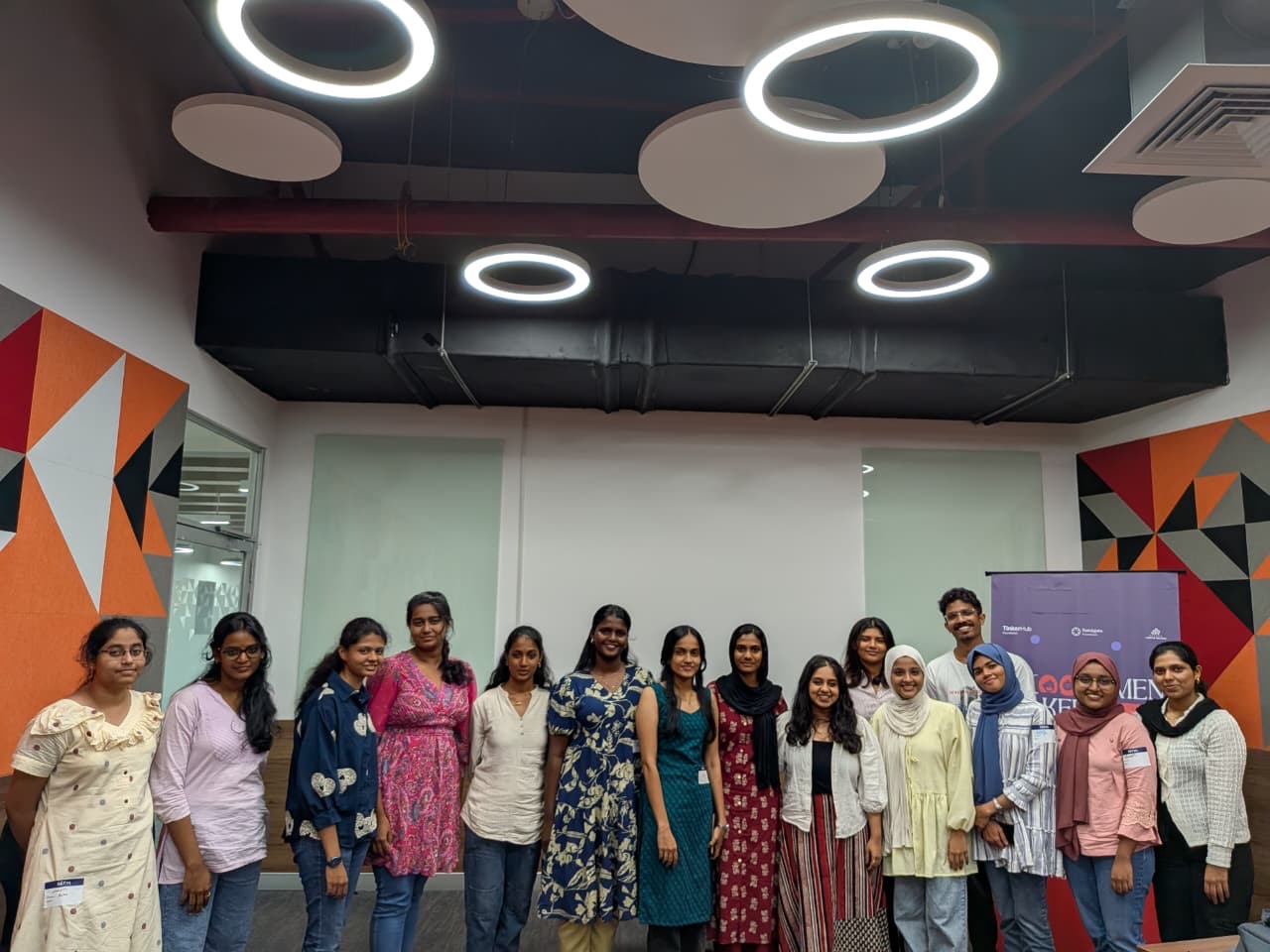
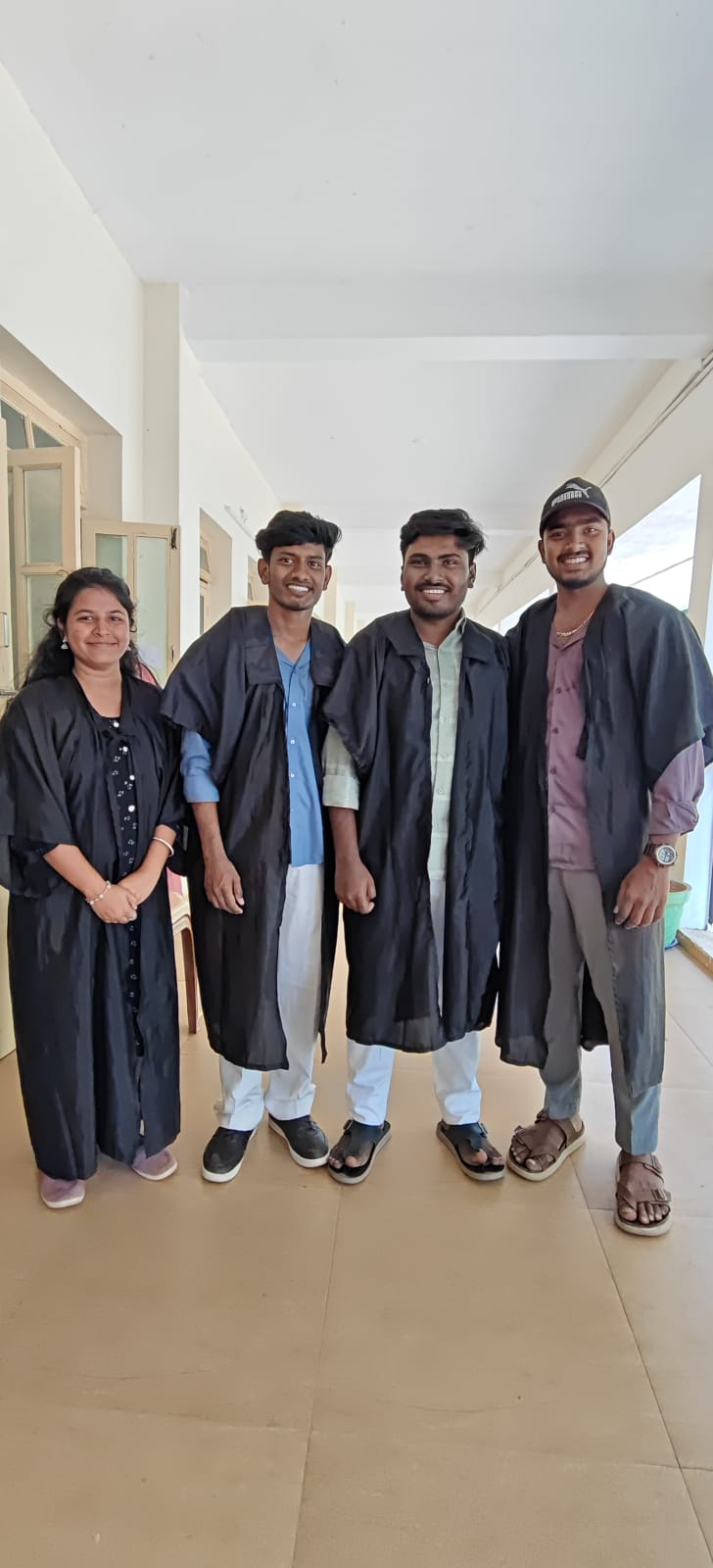
At the pre-event, T4GC collaborated with OASIS for a Tech for Social Good event at RV University, Bengaluru, where Chandru M and Varshini Murali shared insights on building open-source systems and navigating engineering careers in the development sector.
Other Events
Akhila Somanath spoke at the Software Freedom Day celebration organized by the Software Freedom Law Center, India, sharing insights on building inclusive technology through free and open-source software. Our engineers attended the AWS Data and AI Day in Bengaluru to stay abreast of the latest technologies and industry trends. These engagements have significantly strengthened our communications and external outreach, empowering the team to represent our work with greater confidence and to build meaningful connections with a broader network of peers and collaborators.
Tech for Social Impact Fellowship
Apart from learning new coding languages and frameworks, the Fellows are now enthusiastically involved in building websites using low-code, no-cost frameworks such as Ghost and Frappe. They are also contributing significantly in the functional and unit testing of the software systems we custom develop for our partners, and the FMS.
The Tech for Social Impact fellowship reinforced that experiential learning accelerates skill development. The fellows, though only 2 months in, are already stepping up proactively in ways that shows their determination to learn and expand their skillset. Embedding curriculum in ongoing T4GC projects connects theory to practice, ensuring their learning is applied, meaningful, and aligned with career pathways in social impact technology.
Tech4Social Good Hackathon
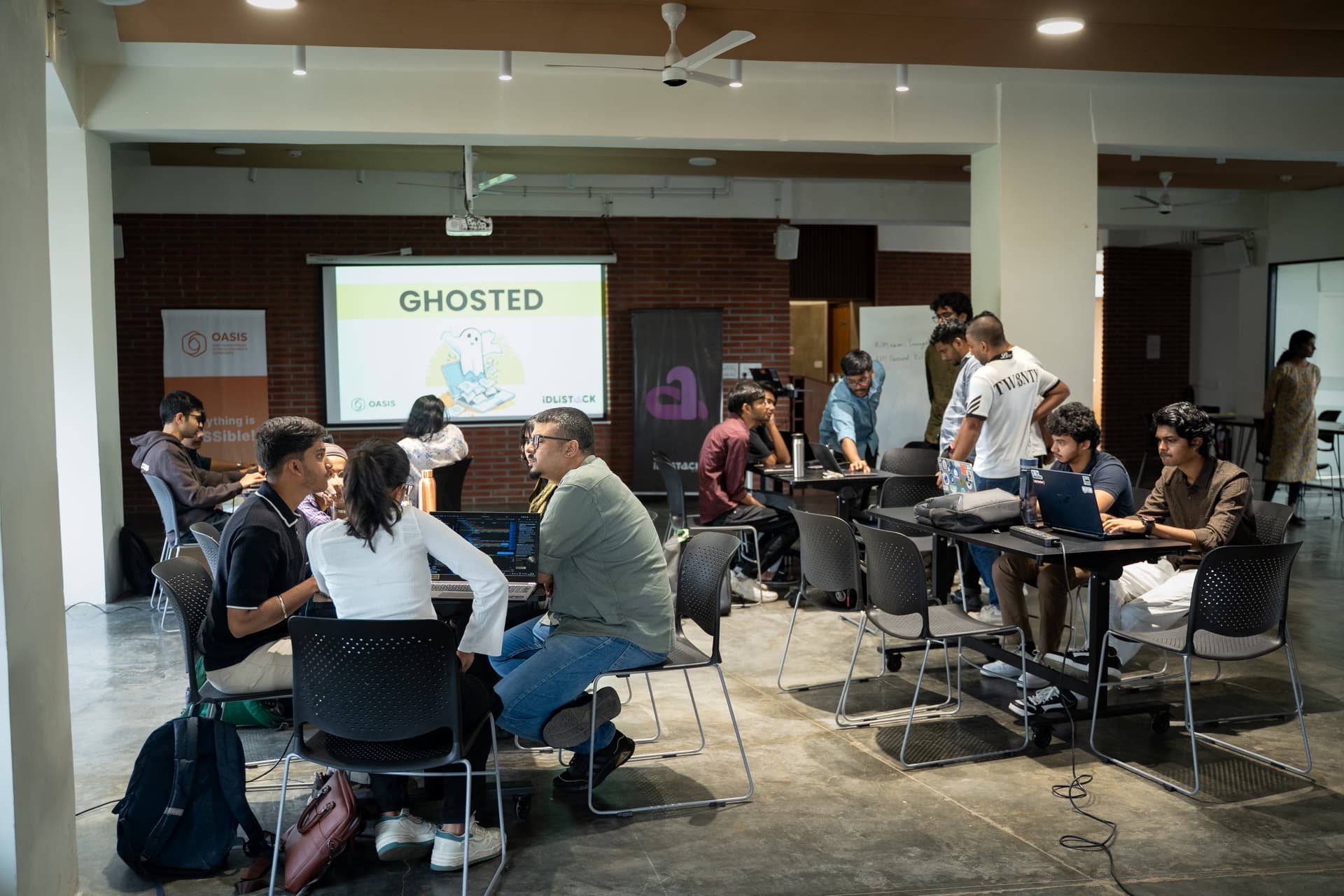
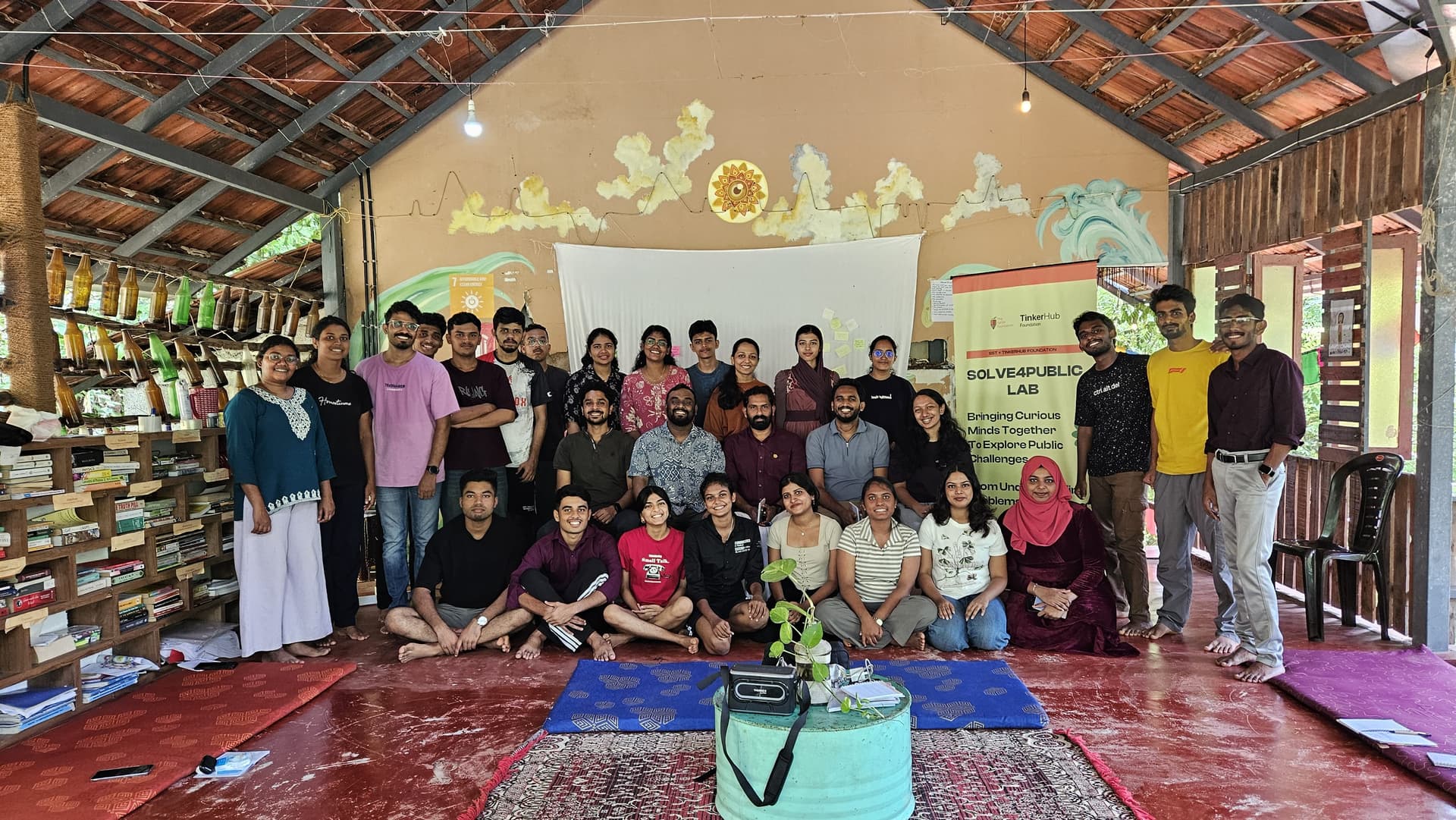
We launched our first-ever student hackathon this year, in collaboration with FOSS United and OASIS. The Tech for Social Impact Fellowship and our recent interactions with communities like FOSS United and TinkerHub gave us a deeper appreciation of the power of student communities, how they come together to tinker, collaborate, and creatively solve persistent challenges. The idea behind launching a hackathon emerged from this insight. To channel student energy and innovation toward addressing real challenges in the social impact space.
Within just a week of opening registrations, we received an incredible 116 team entries. After a preliminary shortlisting process, 35 teams participated in a week-long hackathon, where each was tasked with building a prototype and solution design for a problem statement shared with them.
The challenge focused on real-world issues in the social impact space, calling for tech-driven solutions. We partnered with Y-Ultimate, a fantastic organisation dedicated to imparting life skills through the sport of Frisbee, who contributed their existing problem statement for students to hack away at.
The results of the hackathon will be unveiled at the T4GC Summit on November 15th in Bengaluru, where our keynote speaker Kailash Nadh will announce the winning team. The winners will also present their solution to the audience. Organising this hackathon has been a rewarding experience. We were genuinely inspired by the students’ enthusiasm, and their drive to apply their technical skills toward solving real-world social challenges.
T4GC Summit 2025: c0mm0ns + 1nfra
The T4GC Summit returns this November 15th at the Infosys Science Foundation, Bengaluru- this time with the theme comm0ns + 1nfra. After last year’s enthusiastic gathering of 90+ participants, this edition takes it up a notch with deeper questions, bolder ideas, and our first-ever Tech4SocialGood Hackathon.
This year, we turn our attention to a foundational idea: tech infrastructure and data interoperability. Beneath the jargon lies a simple truth, that the social sector’s strength depends on how well its systems talk to one another. When data connects and platforms interlink, collaboration stops being episodic and starts becoming systemic. We’ll explore what that shift looks like in practice: from isolated innovation to shared infrastructure, from standalone pilots to connected ecosystems.
Register here: https://luma.com/4hcy3a04
Agenda: https://eocampaign1.com/web-version?p=01094b0e-aff0-11f0-baae-cb9d0a7d51de&pt=campaign&t=1761541520&s=3f1a18fe73bb37f20143f6329d0acc3a57f1caaf238bf96528d6d1db73a3da21